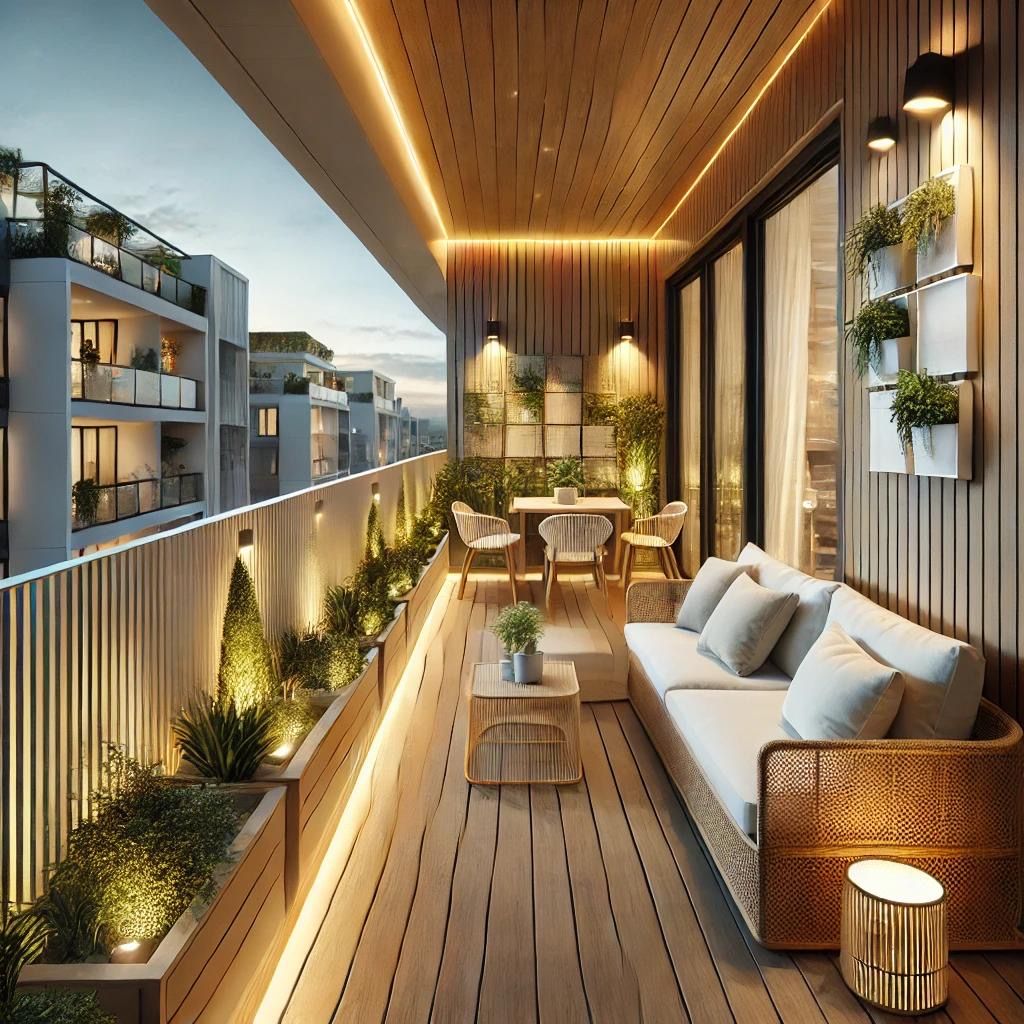
There are various interior design styles, each with its unique characteristics, aesthetics, and influences. Here are some popular interior design styles:
- Traditional:
- Classic and timeless design with rich colors, patterns, and textures.
- Furniture often features intricate detailing and ornate elements.
- Traditional styles draw inspiration from historical periods such as the Renaissance or Victorian era.
- Modern / Contemporary:
- Clean lines, minimalism, and a focus on functionality.
- Neutral color palettes with occasional pops of bold color.
- Use of materials like glass, metal, and concrete.
- Mid-Century Modern:
- Inspired by design elements from the mid-20th century, typically the 1950s and 1960s.
- Clean lines, organic shapes, and functional furniture.
- Incorporation of natural materials like wood and bold geometric patterns.
- Industrial:
- Raw and unfinished look with exposed brick, metal, and concrete.
- Utilitarian design with open spaces and high ceilings.
- Use of salvaged or repurposed materials.
- Scandinavian:
- Clean, simple, and functional design with an emphasis on light colors.
- Minimalist furniture with sleek lines and natural materials.
- Warmth is added through the use of textiles and natural light.
- Bohemian:
- Eclectic and free-spirited design with a mix of patterns, textures, and colors.
- Use of vintage furniture, global-inspired decor, and layered textiles.
- Emphasis on self-expression and a relaxed atmosphere.
- Farmhouse:
- Rustic and cozy design inspired by rural farmhouses.
- Use of reclaimed wood, distressed finishes, and vintage decor.
- Neutral color palettes with warm and inviting accents.
- Coastal / Nautical:
- Inspired by seaside living with a light and airy feel.
- Use of blue and white color schemes, natural materials, and beach-themed decor.
- Incorporation of nautical elements like ropes, anchors, and seashells.
- Art Deco:
- Glamorous and luxurious design with bold colors and geometric shapes.
- Use of metallic accents, mirrored surfaces, and luxurious materials like marble.
- Influenced by the Roaring Twenties.
- Transitional:
- Blend of traditional and modern design elements.
- Neutral color schemes with a mix of textures and patterns.
- Furniture is often comfortable and sophisticated.
- Rustic:
- Warm and inviting design with a focus on natural and rugged elements.
- Use of raw wood, stone, and earthy colors.
- Often incorporates handmade or artisanal elements.
- Eclectic:
- A mix of styles, colors, patterns, and textures.
- Allows for creative expression and personalization.
- Unified by a cohesive color scheme or theme.
- Minimalist:
- Emphasis on simplicity, clean lines, and a decluttered environment.
- Limited color palette with a focus on functionality.
- “Less is more” philosophy.
- Japanese Zen:
- Inspired by traditional Japanese design principles.
- Emphasis on simplicity, balance, and natural elements.
- Use of neutral colors, natural materials, and minimalistic furniture.
- Mediterranean:
- Influenced by the regions surrounding the Mediterranean Sea.
- Warm color palettes, rustic furniture, and textured surfaces.
- Incorporation of elements like wrought iron, terracotta, and mosaic patterns.
These are just a few examples, and many interiors may incorporate elements from multiple styles, creating a unique and personalized look. When designing a space, it’s essential to consider the preferences, lifestyle, and functional needs of the individuals who will inhabit it.