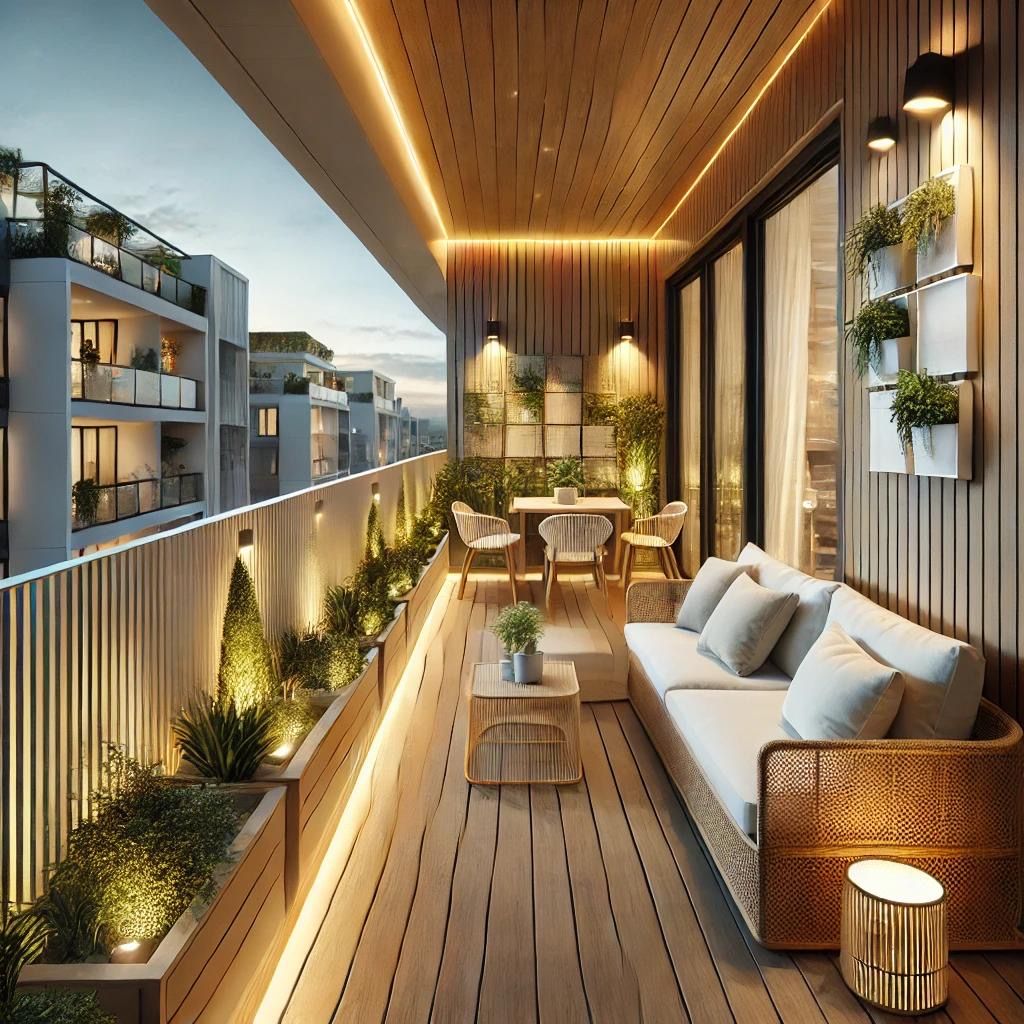
Designing a small office space requires thoughtful planning to maximize functionality and create a comfortable working environment. Here are some ideas for small office interior design:
- Space Planning:
- Optimize the layout to make the most of the available space.
- Consider flexible and modular furniture to adapt to various work needs.
- Lighting:
- Prioritize natural light and complement it with task lighting for workstations.
- Use adjustable lighting fixtures to control the ambiance.
- Neutral Colors:
- Choose a neutral color palette to create a visually cohesive and uncluttered look.
- Add pops of color through accents or artwork for interest.
- Multipurpose Furniture:
- Invest in furniture that serves multiple functions, such as desks with built-in storage or foldable tables.
- Use wall-mounted shelves to free up floor space.
- Smart Storage Solutions:
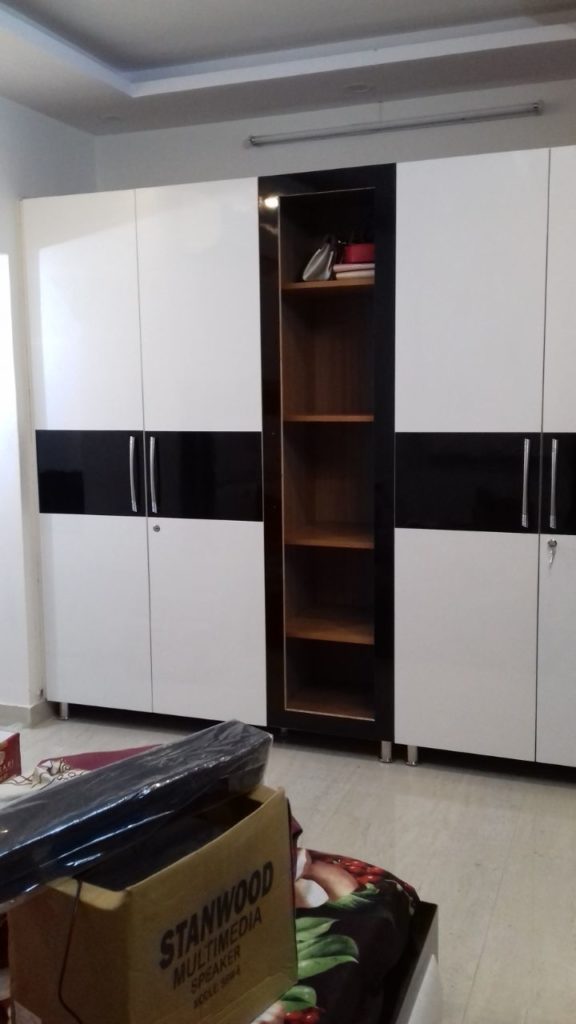
- Maximize vertical space with tall bookshelves or cabinets.
- Utilize under-desk storage and consider hidden storage options to keep the space organized.
- Flexible Workstations:
- Incorporate flexible workstations that can be easily rearranged to accommodate different tasks or collaborative work.
- Consider mobile furniture for adaptability.
- Minimalist Design:
- Embrace a minimalist design approach to avoid clutter and create a clean, organized look.
- Choose furniture and decor with simple lines and a streamlined aesthetic.
- Technology Integration:
- Plan for cable management to keep wires organized and hidden.
- Provide easy access to power outlets and charging stations.
- Acoustic Solutions:
- Consider acoustic panels or rugs to dampen noise and improve focus.
- Arrange furniture strategically to create natural sound barriers.
- Personalized Touches:
- Allow employees to personalize their workspace with plants, artwork, or personal items.
- This helps create a more comfortable and inspiring atmosphere.
- Collaborative Areas:
- Designate collaborative zones with comfortable seating for informal meetings or brainstorming sessions.
- Use flexible furniture that can be easily rearranged for different purposes.
- Branding Elements:
- Integrate branding elements such as company colors or logos into the design.
- This helps reinforce the company’s identity within the space.
- Glass Partitions:
- Use glass partitions or dividers to maintain an open feel while providing some separation.
- This also allows natural light to flow throughout the space.
- Dual-Purpose Furniture:
- Select furniture that can serve multiple functions, such as a desk that can also be used as a meeting table.
- Look for pieces that can be easily transformed or tucked away.
- Virtual Collaboration Tools:
- Incorporate technology for virtual meetings and collaboration, such as video conferencing equipment or interactive whiteboards.
Remember that functionality and efficiency are key in a small office space. By implementing these design ideas, you can create an inspiring and productive work environment even in limited square footage.