Creating a cohesive design in a small space involves thoughtful planning, organization, and strategic choices to make the most of the limited square footage. Here are some tips to help you achieve a cohesive and well-designed small space:
- Define Your Style:
- Determine the style or theme you want for your small space. Whether it’s modern, traditional, minimalist, or eclectic, having a clear vision will guide your design decisions.
- Choose a Consistent Color Palette:
- Stick to a consistent color scheme throughout the space. Light and neutral colors can make a small space feel larger, while a monochromatic palette creates a sense of cohesion.
- Use Multi-Functional Furniture:
- Invest in furniture that serves more than one purpose. For example, consider a sofa bed, a coffee table with storage, or a dining table that can double as a workspace.
- Maintain Visual Flow:
- Create a sense of continuity by maintaining visual flow. Avoid blocking sightlines with large furniture pieces, and choose furniture that allows the eye to move easily through the space.
- Scale Appropriately:
- Choose furniture that is proportionate to the size of the room. Oversized furniture can make a small space feel cramped, while appropriately scaled pieces enhance the overall balance.
- Utilize Vertical Space:
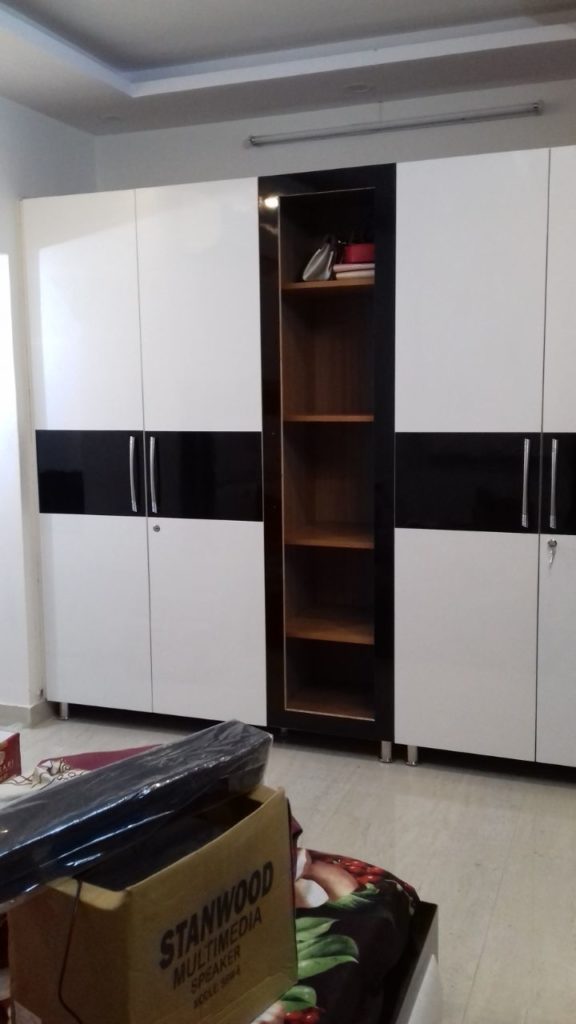
- Maximize vertical space by using tall bookshelves, wall-mounted cabinets, or floating shelves. This not only provides storage but also draws the eye upward, creating the illusion of height.
- Create Zones:
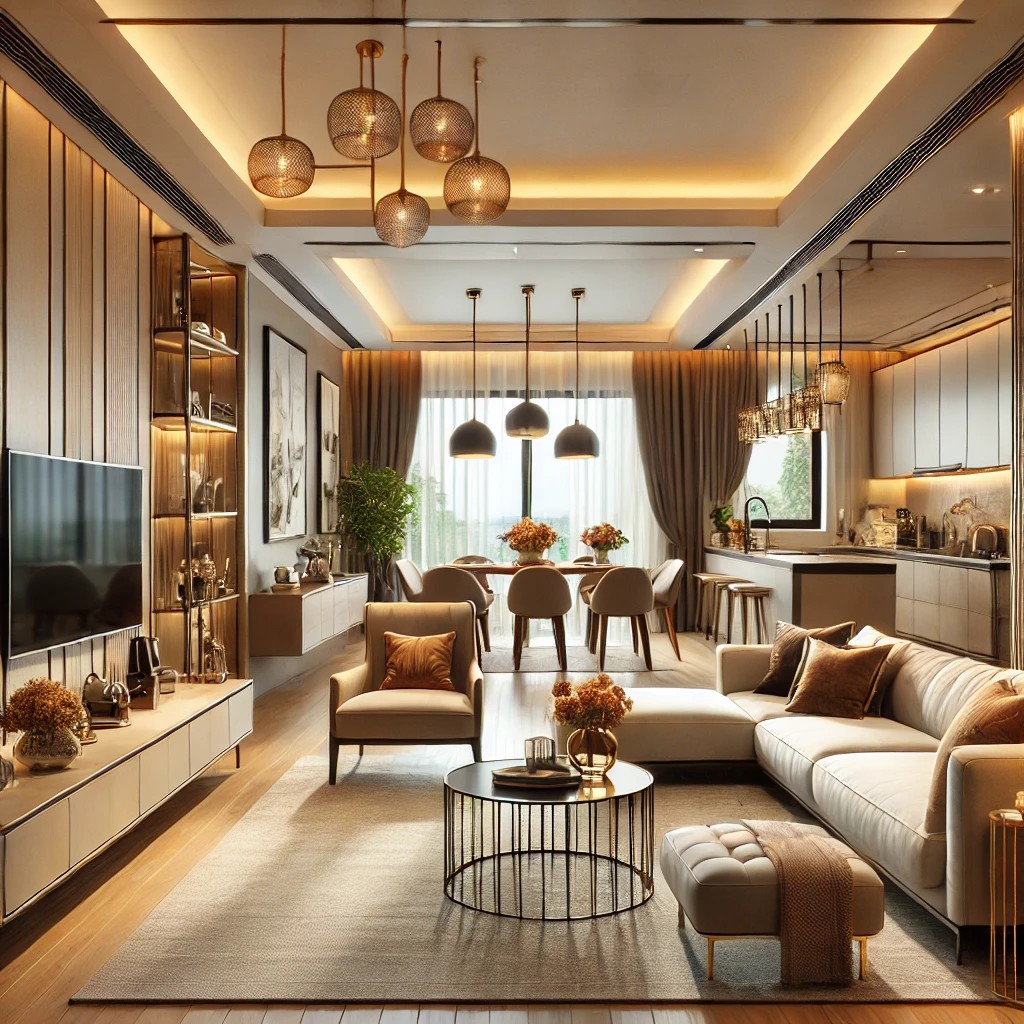
- Define specific zones within the small space for different purposes. Use area rugs, furniture arrangement, or subtle changes in color to delineate areas for living, dining, and working.
- Coordinate Textures and Patterns:
- Keep the design cohesive by coordinating textures and patterns. Use similar textures throughout the space, and if you incorporate patterns, make sure they complement each other.
- Declutter Regularly:
- Keep clutter to a minimum to maintain a sense of order. Regularly declutter and organize your belongings, and consider furniture with hidden storage to hide away items when not in use.
- Mirror Magic:
- Incorporate mirrors strategically to reflect light and create the illusion of more space. Mirrored furniture, wall mirrors, or mirrored accents can add depth and openness.
- Use Light Colors for Larger Pieces:
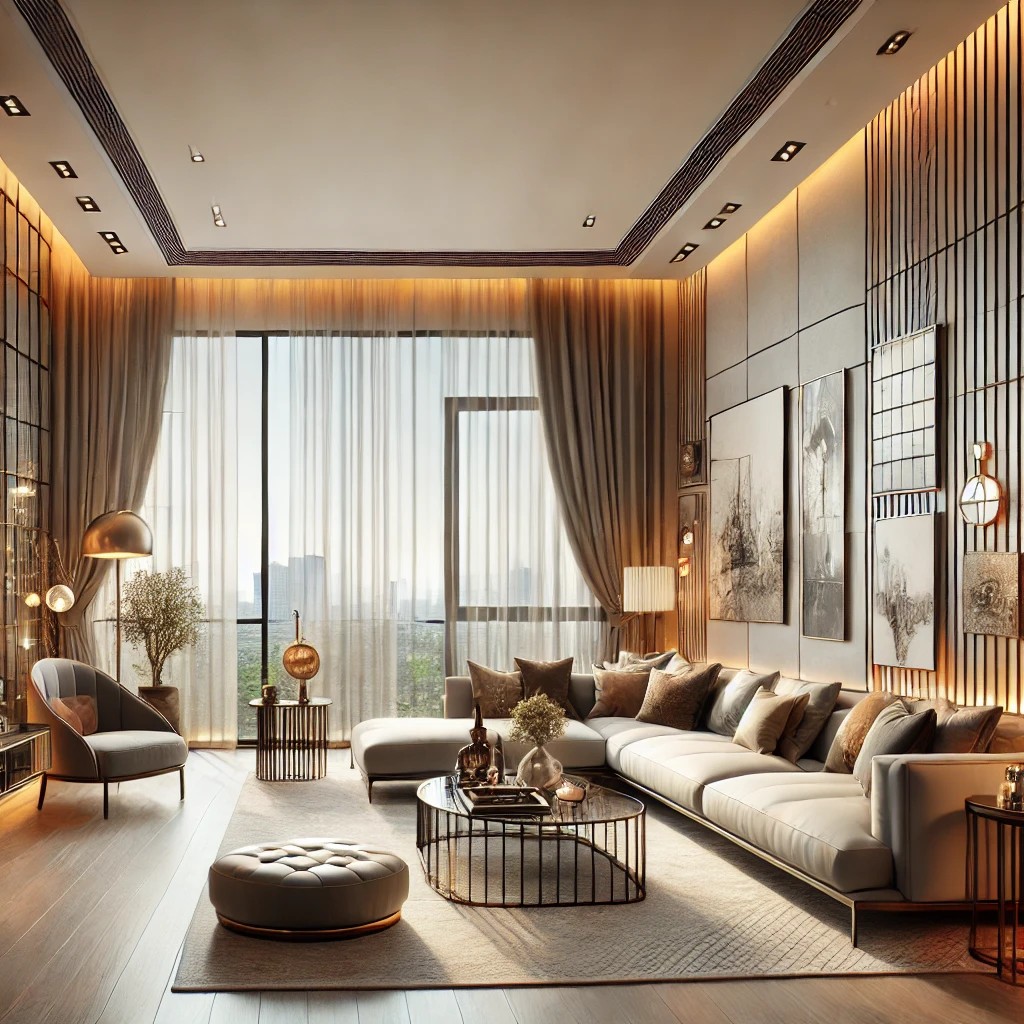
- Opt for light-colored or neutral furniture for larger pieces like sofas and tables. This helps them visually recede into the background and creates a sense of openness.
- Coordinate Lighting:
- Choose lighting fixtures that complement each other in style and color. Ensure that the lighting is distributed evenly to illuminate the entire space.
- Create Focal Points:
- Establish focal points in the room, such as a statement piece of furniture, an accent wall, or artwork. This draws attention and gives the space a cohesive focal point.
- Limit Decorative Accents:
- Be selective with decorative accents to avoid visual clutter. Choose a few key pieces that enhance the overall design without overwhelming the space.
- Open Sightlines:
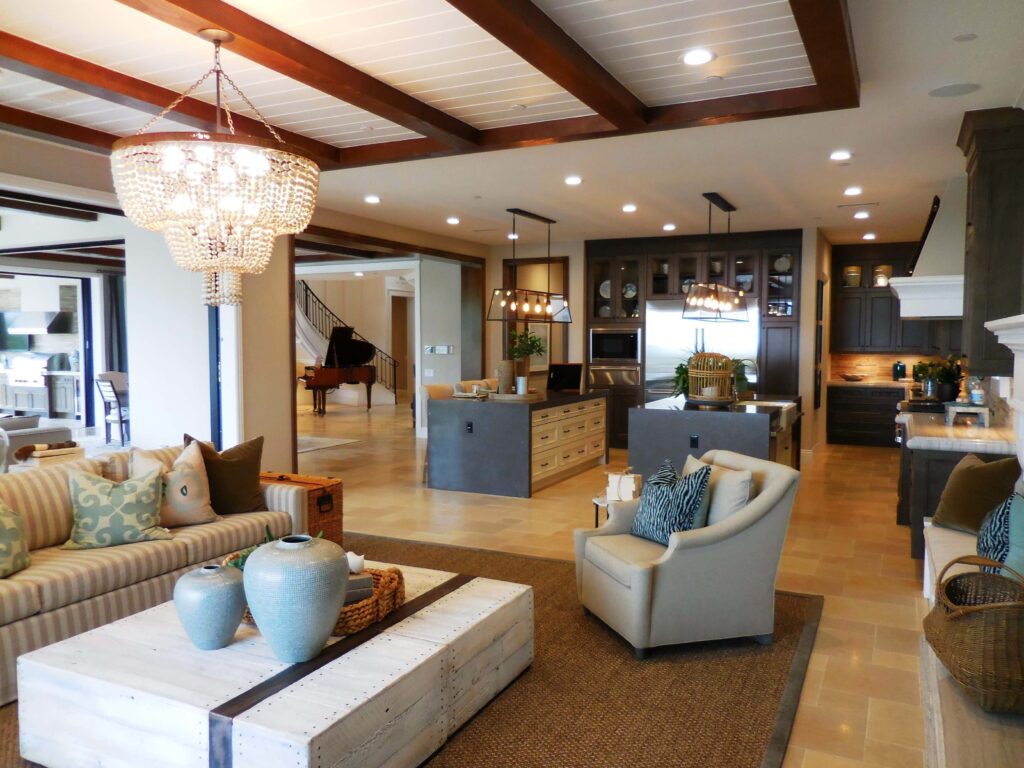
- Arrange furniture to maintain open sightlines. This allows you to see from one end of the room to the other, making the space feel more connected and spacious.
Remember, the key to a cohesive design in a small space is balance and simplicity. Each element should work together harmoniously to create a visually appealing and functional environment.