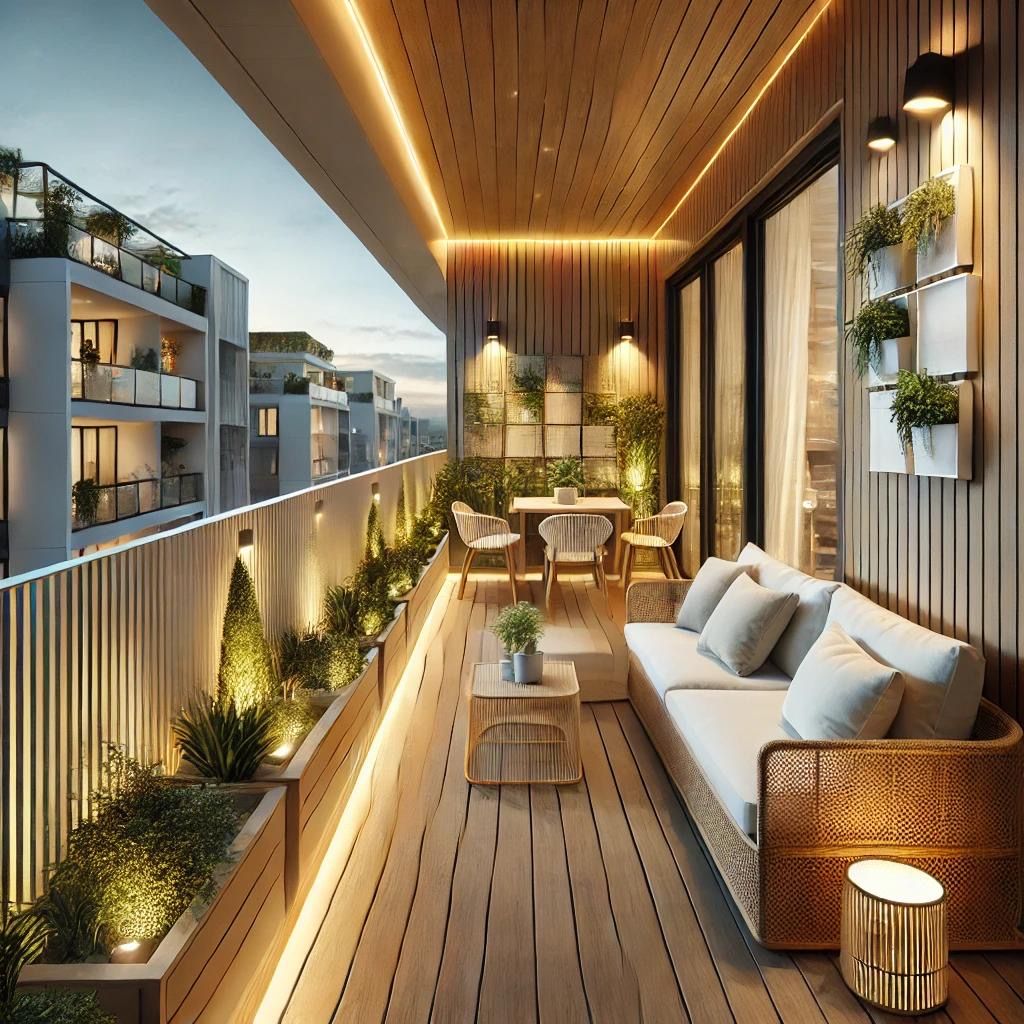
Interior design is a multifaceted discipline that involves the conceptualization, planning, and execution of the interior spaces within residential, commercial, and industrial structures. Interior designers work to enhance both the aesthetic appeal and functionality of a space, considering the needs and preferences of the occupants.
Key aspects of interior design include:
- Space Planning: Determining the optimal arrangement and allocation of furniture, fixtures, and functional areas within a given space.
- Color Scheme: Selecting an appropriate color palette that complements the overall design, considering the psychological and emotional impact of colors.
- Furniture Selection: Choosing furniture that aligns with the design concept, ensuring both visual appeal and functionality.
- Lighting Design: Planning and implementing lighting schemes to enhance the atmosphere and functionality of a space, incorporating natural and artificial lighting.
- Material Selection: Selecting materials for flooring, walls, and other surfaces based on their aesthetic qualities, durability, and suitability for the intended use.
- Textiles and Soft Furnishings: Choosing and coordinating fabrics, rugs, curtains, and other soft furnishings to add texture and comfort to the space.
- Architectural Detailing: Incorporating architectural features such as moldings, trim, and built-in elements to enhance the overall design.
- Spatial Design: Creating a cohesive and harmonious flow between different areas within a space, ensuring a balance of open and enclosed areas.
- Aesthetics and Style: Developing a design concept that reflects the desired aesthetic, whether it be modern, traditional, minimalist, or a blend of styles.
- Client Collaboration: Working closely with clients to understand their preferences, needs, and lifestyle to tailor the design to their specific requirements.
- Project Management: Overseeing and coordinating the various elements of a design project, including budgeting, scheduling, and working with contractors and suppliers.
- Sustainable Design: Integrating eco-friendly and sustainable practices, materials, and technologies to create environmentally responsible interiors.
- 3D Visualization: Utilizing tools such as 3D rendering and modeling to help clients visualize the proposed designs before implementation.
Interior designers play a crucial role in transforming spaces to meet the functional needs and aesthetic desires of their clients. Whether working on residential, commercial, or hospitality projects, their expertise extends to creating environments that are visually appealing, comfortable, and conducive to the well-being of those who inhabit them.