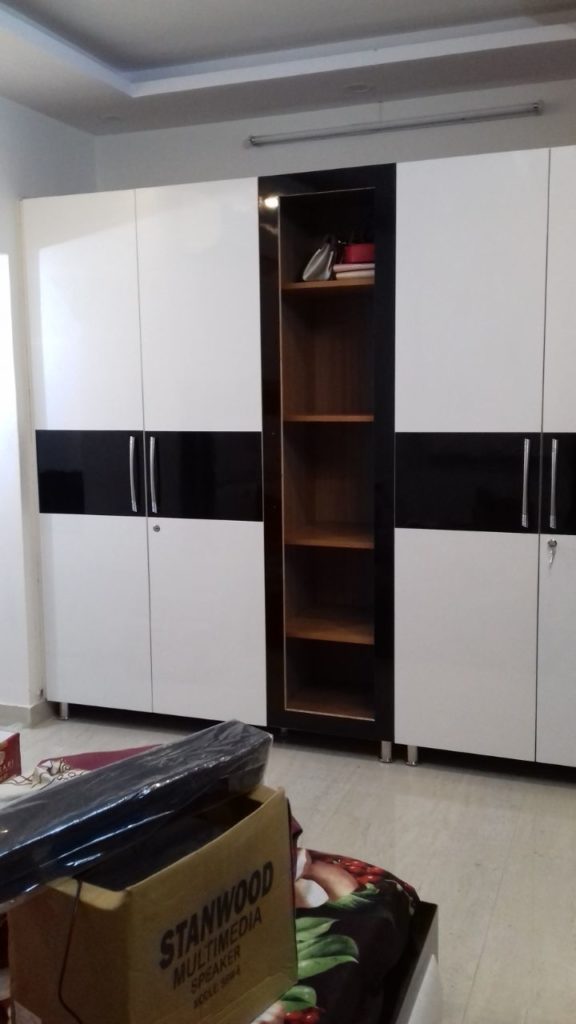
Introduction: Interior design, the seamless blend of art and functionality, has the power to transform spaces into curated masterpieces. At the heart of this dynamic field is the interior designer, a creative visionary with the ability to shape environments that not only captivate the eye but also enhance the quality of life within those spaces. In this blog, we’ll delve into the multifaceted world of interior design and explore the key facets that define the role of an interior designer.
- The Creative Alchemist: An interior designer is, above all, a creative alchemist. Armed with a keen eye for aesthetics and a deep understanding of design principles, these professionals possess the ability to envision and curate spaces that evoke emotions and tell a compelling story. From color palettes to furniture arrangements, every element is meticulously chosen to create a harmonious and visually striking composition.
- Functionality meets Aesthetics: While aesthetics play a pivotal role, interior designers are equally committed to ensuring functionality. The challenge lies in seamlessly marrying beauty with practicality, creating spaces that not only look stunning but also serve the unique needs of the occupants. Space planning, traffic flow, and the ergonomic placement of elements are all part of the intricate dance between form and function.
- Tailoring Spaces to Tell Stories: Interior designers are storytellers, and the spaces they design serve as the narrative canvas. Each project is an opportunity to tell a unique story, whether it’s reflecting the personality of the homeowner, embodying the brand identity of a business, or capturing the cultural essence of a community. The designer weaves a narrative through color schemes, textures, and carefully curated elements.
- Understanding Client Needs: A crucial aspect of the interior designer’s role is the ability to understand and interpret client needs. Through effective communication and active listening, designers gain insights into the aspirations, preferences, and lifestyles of their clients. This understanding becomes the foundation for creating personalized and meaningful designs that resonate with those who inhabit the spaces.
- Navigating Trends with Timelessness: Staying attuned to design trends is part of an interior designer’s continuous learning journey. However, the true artistry lies in navigating these trends with an eye for timelessness. Designers must strike a balance between incorporating contemporary elements and ensuring that the design remains relevant and enduring over the years.
- Technical Proficiency: Behind the scenes, interior designers wield a range of technical skills. Proficiency in design software such as AutoCAD and SketchUp is essential for translating creative concepts into tangible plans and 3D models. Technical drawings, material specifications, and project management are all part of the designer’s toolkit.
- Project Management Expertise: From concept to completion, interior designers are project managers orchestrating every aspect of the design process. They coordinate with contractors, oversee installations, and ensure that the envisioned design is executed seamlessly. This requires not only creative flair but also organizational and leadership skills.
- Creating Sustainable and Mindful Designs: In the era of environmental consciousness, interior designers are increasingly incorporating sustainable practices into their designs. From choosing eco-friendly materials to implementing energy-efficient solutions, the modern interior designer is an advocate for creating spaces that are not only visually appealing but also environmentally responsible.
Conclusion: The role of an interior designer transcends beyond mere decoration; it is a nuanced and multifaceted profession that requires a blend of creativity, empathy, and technical expertise. As guardians of the spaces we inhabit, interior designers shape our environments, influencing our experiences and enhancing our daily lives. In essence, they are the artists who turn empty spaces into vibrant stories, leaving an indelible mark on the canvas of our built world.