The Impact of Indoor Plants on Well-Being
Bring nature into modern interiors with greenery, natural materials, daylight and thoughtful planning that creates a calmer, more connected home.
Design a Greener HomeA home can feel closer to nature without losing its modern character
The source page presents indoor plants as an important part of biophilic design and connects greenery with air, calm, humidity and visual connection to nature. A broader biophilic interior can combine plants with daylight, natural-looking materials, comfortable furniture, open circulation and restrained colour palettes. Interior A to Z’s current wellness guidance similarly highlights natural light, airflow, greenery, calm materials, comfort and storage as key design considerations.
01. Bring greenery indoors
Use plants as living decorative elements in living rooms, bedrooms, balconies, study areas and transitional spaces.
02. Work with natural light
Place greenery where available daylight supports both the plant and the visual connection between the room and nature.
03. Add natural textures
Wood tones, woven fabrics, stone-inspired finishes and organic textures can reinforce the biophilic character.
04. Create visual calm
Use greenery selectively so plants become intentional focal points instead of another layer of clutter.
05. Match plants to conditions
Consider light, humidity, available space and maintenance before selecting a plant for any room.
06. Make nature part of the layout
Plan plant stands, shelves, window zones and open corners during the interior design stage rather than adding them afterward.
Indoor plants work best when the whole room supports the idea
Plants can add colour, texture and a visual connection with nature, but they should sit within a well-planned interior. Lighting, ventilation, storage, furniture proportions and maintenance all influence how comfortable a room feels.
- Keep plant placement compatible with available light.
- Choose sizes that respect circulation and furniture scale.
- Use planters that complement the room’s materials.
- Keep leaves and planting areas easy to maintain.
- Use vertical greenery when floor space is limited.
- Balance greenery with clean surfaces and practical storage.
Use plants as part of the visual composition
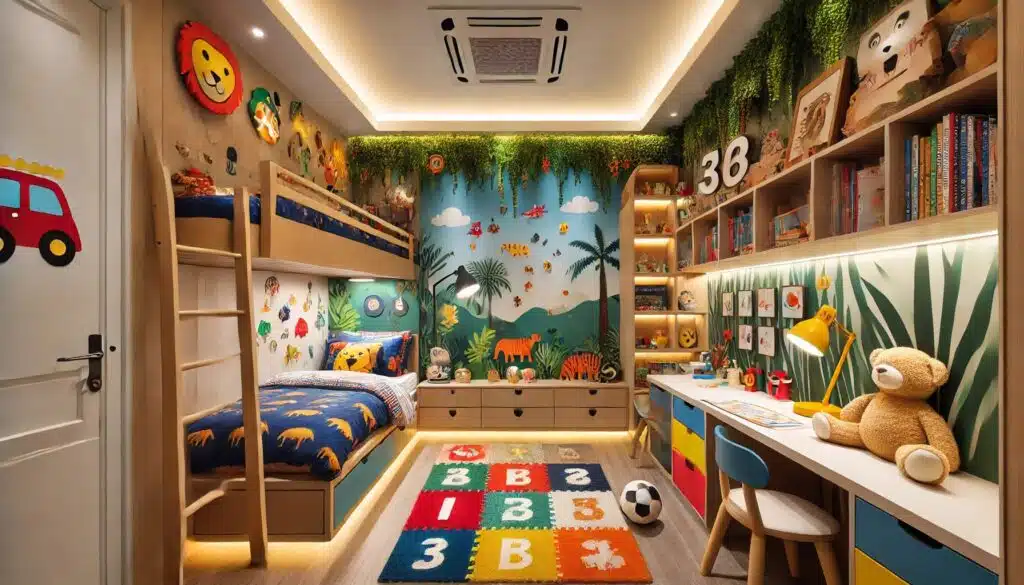


For a stronger biophilic effect, combine greenery with natural-looking finishes, daylight and a restrained palette rather than treating plants as isolated accessories. Current Interior A to Z content also describes biophilic design as extending beyond plants to daylight, materials, views, textures and ventilation.
Choose greenery around the way each room is used
Living room
Use a larger plant as a corner focal point, or group smaller plants around shelves and windows without blocking circulation.
Bedroom
Keep planting simple and easy to maintain. Select varieties according to the room’s light, temperature and care routine.
Kitchen & dining
Compact herbs and small planters can add freshness while remaining practical for counters, shelves or window zones.
Bathroom
Where light and ventilation permit, moisture-tolerant plants can soften hard tile and sanitaryware surfaces.
Home office
A small desk plant or nearby greenery can add visual interest without taking valuable workspace.
Balcony
Use the balcony as a stronger transition between indoors and outdoors with planters selected for the available sun and wind.
Design a healthier-feeling interior from the ground up
Understand the home
Map room sizes, daylight, ventilation, windows, circulation, family routines and existing furniture before adding greenery.
Define the wellness priorities
Decide whether the focus is natural light, greenery, calm bedrooms, better storage, comfortable work areas or a combination.
Choose materials and plants
Coordinate natural textures, colours, planters and suitable indoor greenery with the interior palette.
Build maintenance into the plan
Keep watering, cleaning, sunlight and access in mind so the greenery remains practical over time.
More wellness and plant-focused interior resources
Indoor Plant Decor Ideas
Explore green walls, statement planters, hanging gardens, terrariums, plant shelves and other botanical decor ideas.
Wellness Home Interiors
Explore natural light, airflow, biophilic elements, calm materials, comfort and clutter-free planning.
Space Planning
Plan furniture, circulation, storage and functional zones so greenery becomes part of the architecture of the room.
Indoor plants and biophilic interior design
How do indoor plants affect an interior space?
Indoor plants add colour, texture and a visual connection with nature. They can also become focal points that soften contemporary materials and make a room feel more organic.
What is biophilic interior design?
Biophilic interior design connects indoor spaces with nature through elements such as plants, daylight, natural-looking materials, views, textures and ventilation.
Which indoor plants are suitable for a home?
The right plant depends on light, humidity, room temperature, available space and maintenance. Snake plants, pothos, palms and other commonly grown indoor varieties may work in suitable conditions, but selection should be based on the actual room.
Can indoor plants improve the feeling of a small apartment?
Yes. Vertical planters, shelves, window greenery and compact floor plants can introduce nature without consuming much floor area when positioned carefully.
How can I create a wellness-focused home in Delhi NCR?
Start with natural light, comfortable furniture, clear circulation, organised storage, suitable greenery, calming materials and a layout that supports the household’s daily routines.
Bring nature into the way you live.
Create a home where greenery, light, materials and practical planning work together.