Wall Design Ideas That Make a Home Feel Designed
Turn plain walls into purposeful focal points with paint, wallpaper, wood panels, textures, mirrors, artwork, storage and layered lighting. The right wall treatment should work with the room—not compete with it.
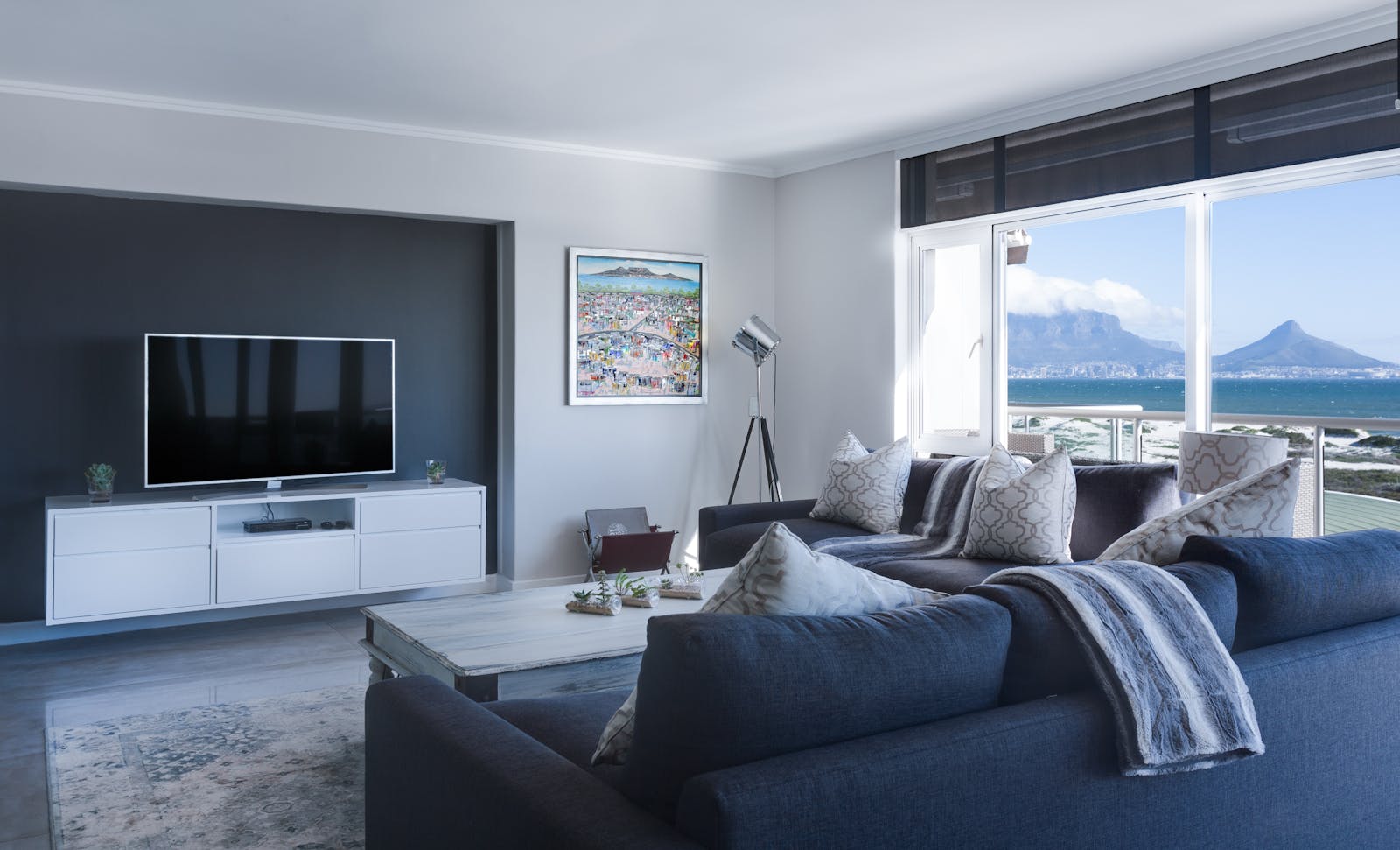
A beautiful wall is more than a finish
A wall can be a focal point, media wall, storage solution, artwork backdrop, headboard wall or calm background. Define its role first, then choose the material, colour, scale and lighting. This approach follows Interior A to Z’s current wall-design guidance.
Check Proportions
Measure the wall and consider doors, windows, furniture height, ceiling height and viewing distance before selecting panels or patterns.
Follow the Light
Test colours and finishes in daylight and evening conditions. Reflective finishes should also be checked for glare.
Plan Maintenance
Think about dust, cleaning, humidity, children, pets, sunlight, repairs and future changes before committing to a finish.
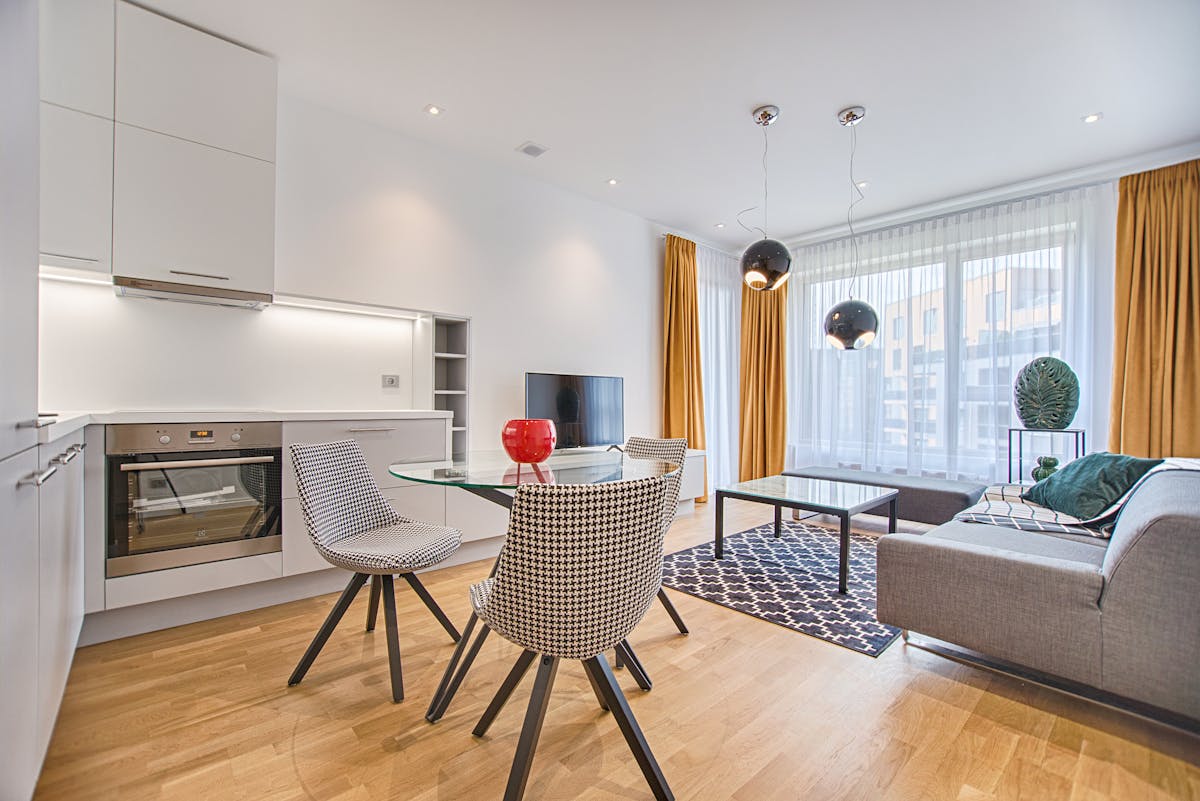
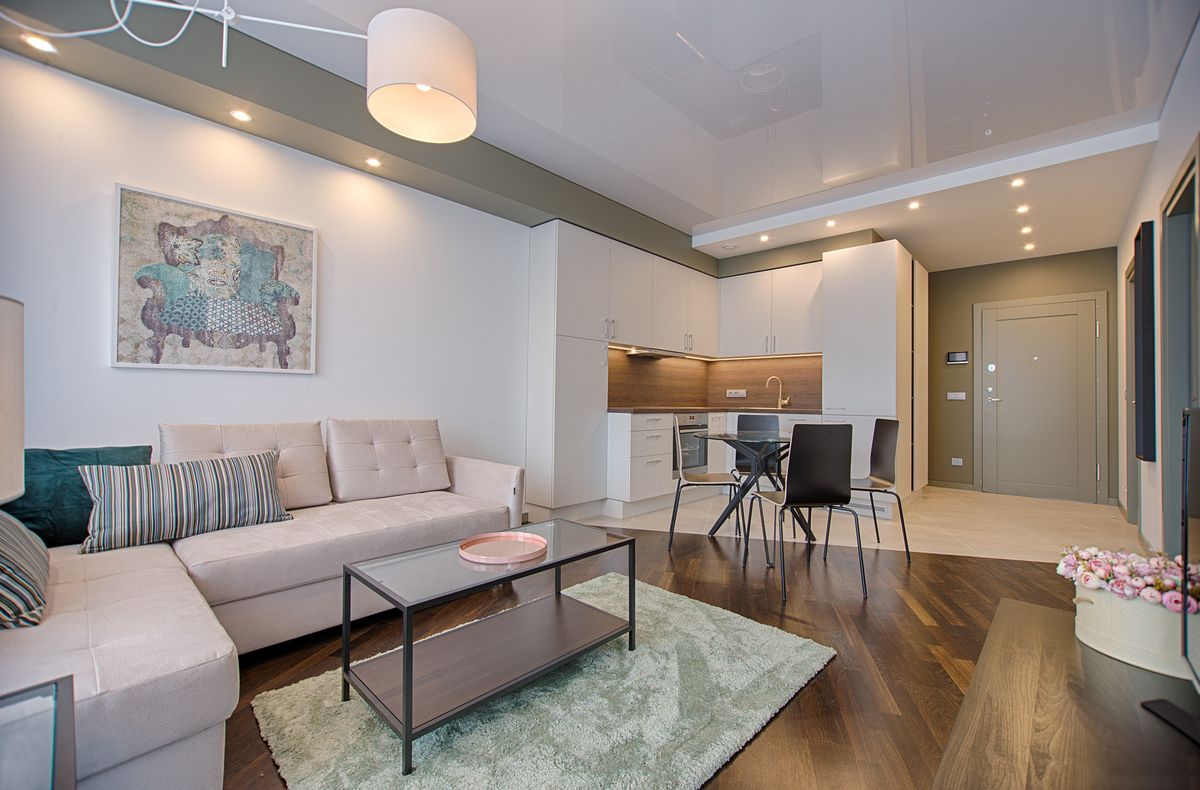
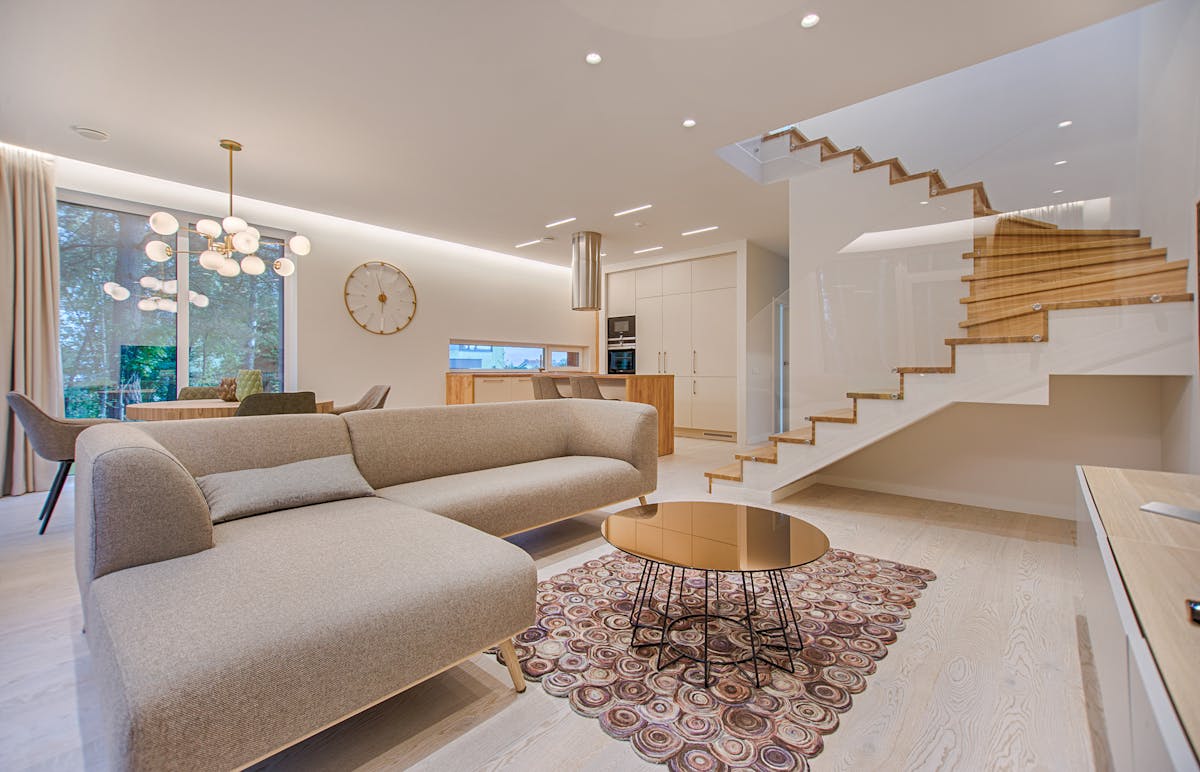
Choose the treatment that fits the room
Current Interior A to Z wall-design guidance highlights a mix of decorative and functional treatments, from paint and wallpaper to panelling, mirrors, storage and backlit features.
01 · Painted Accent Wall
Use a deep, muted, earthy or warm colour to create contrast behind a sofa, bed, dining area or entry console.
02 · Wooden Panels
Slatted, fluted, veneer and wood-finish panels add warmth and rhythm. Check cleaning, joints, moisture and installation details.
03 · Wallpaper
Use wallpaper for pattern, colour or a fast visual transformation. Select according to room use, cleaning and moisture conditions.
04 · Textured Paint
Subtle texture can add depth without requiring a full decorative build-up. Keep the texture proportional to the room.
05 · 3D Wall Panels
Relief panels create shadow and dimension. Plan dust cleaning, replacement and how the pattern relates to furniture.
06 · Stone or Brick
Stone and brick-effect finishes can create an earthy or architectural focal point. Consider thickness, dust, moisture and visual weight.
07 · Artwork & Gallery Wall
Use one large artwork or a curated arrangement. Keep frame finishes, spacing, centre lines and lighting intentional.
08 · Mirror Wall
Mirrors can reflect light and help compact rooms feel more open. Avoid glare and reflections of visual clutter.
09 · Green Wall
Plants or botanical features soften hard interiors. Plan light, watering, drainage, humidity, maintenance and surface protection.
10 · Jali or Lattice
Jali can divide spaces while preserving light and airflow. Check stability, privacy, edge safety and cleaning access.
11 · Mixed Materials
Combine compatible materials such as wood and glass, stone and metal, or paint and moulding. Keep the palette controlled.
12 · Backlit Feature
Concealed LED lighting behind panels, shelves or TV walls adds depth. Plan service access, glare, ventilation and cable routes.
Design the wall around the room
A wall treatment should respond to what happens in front of it. Living rooms need proportion and media planning; bedrooms benefit from calm focal treatments; dining and entry walls can combine décor with function.
- Living room: TV walls, artwork, textured accents, shelves and storage.
- Bedroom: headboard walls, wallpaper, soft textures, timber and warm lighting.
- Dining: artwork, mirrors, niches and restrained textured finishes.
- Entryway: console, mirror, hooks, shoe storage and durable wall finishes.
- Home office: shelving, calm backgrounds, acoustic considerations and practical cable management.
- Hallways: artwork, lighting, slim storage and intentional transitional details.
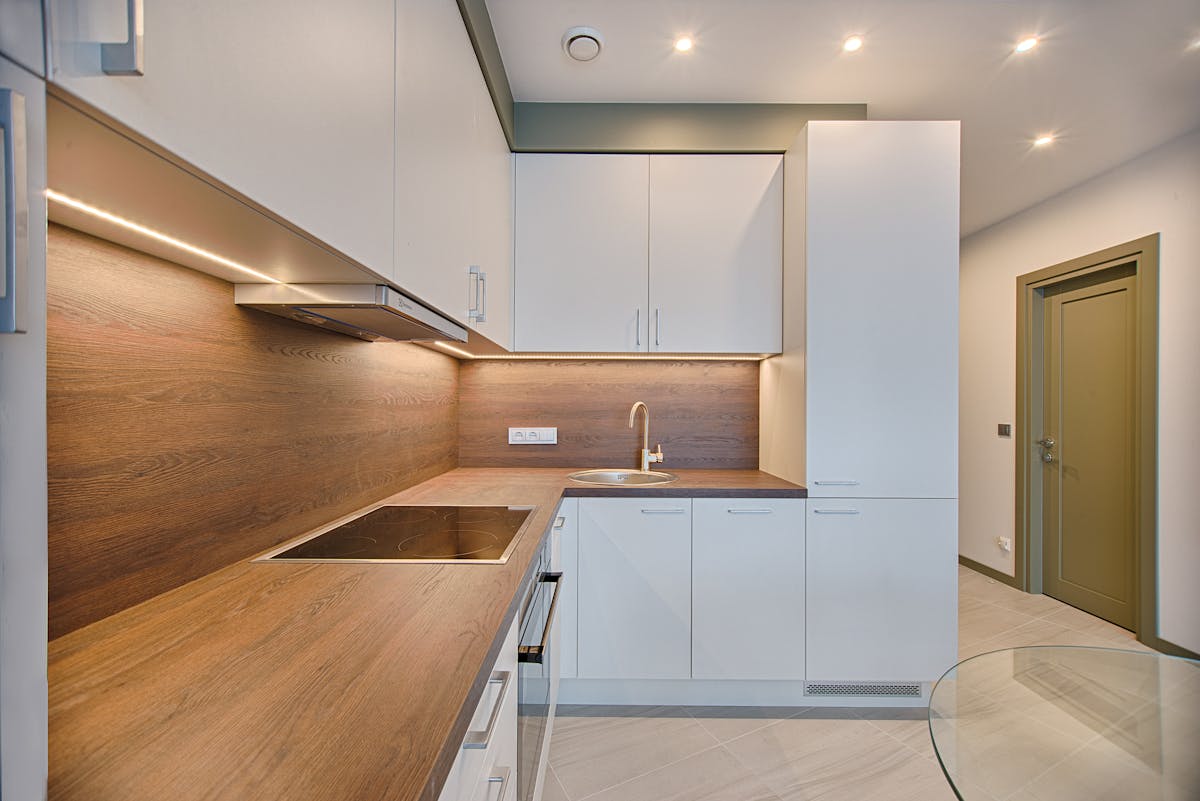
Good wall design does not require an expensive finish everywhere
Use simple finishes across most surfaces and reserve detailed treatments for one or two focal areas. The current Interior A to Z wall guide recommends matching the approach to the budget and room rather than covering every wall with costly materials.
Budget-Conscious
Paint, simple artwork, shelves and selected décor. Focus on one accent wall and reuse suitable furniture.
Mid-Range
Wallpaper, textured paint, selected panels and lighting. Combine one feature finish with practical storage.
Premium
Veneer, custom panelling, stone, detailed lighting and built-ins coordinated as one composition.
Wall design details that should be decided before installation
Too Many Feature Walls
Several competing focal walls can make a room feel visually crowded. Give one main feature enough space to stand out.
Wrong Scale
Panels, artwork and patterns should relate to the wall size, ceiling height and furniture scale.
Blocked Services
Plan sockets, switches, vents, doors, windows, cables and service access before permanent panels or built-ins.
Unsupported Loads
Heavy mirrors, shelves, stone and panels need suitable fixing methods and a wall capable of supporting them.
Unplanned Lighting
Consider glare, heat, cable routes, driver access and maintenance before adding LEDs to a feature wall.
Buying Too Early
Measure the wall and confirm the installation method before purchasing materials, panels or decorative items.
Wall design ideas for Delhi, Gurgaon and Noida
Apartments, builder floors and villas across Delhi NCR have different proportions, daylight conditions and space constraints. A wall design should be adapted to the actual room rather than copied from a reference image without modification.
Delhi & South Delhi
Plan feature walls around apartment and builder-floor layouts, furniture scale, storage needs and existing architectural character.
Gurgaon / Gurugram
Contemporary apartments can benefit from refined media walls, fluted panels, wallpaper, artwork and carefully integrated lighting.
Noida
Compact flats can use vertical details, mirrors, wall-mounted storage and restrained feature treatments to balance style and space.
A simple wall-design process
Record wall dimensions, doors, windows, sockets, switches, vents and furniture relationships.
Decide whether the wall is a focal point, media wall, storage solution, artwork backdrop or quiet background.
Compare paint, wallpaper, panels, stone, mirrors, artwork and mixed materials according to room conditions.
Plan ambient, task and accent lighting, cable routes, glare control and access for future maintenance.
Check surface preparation, fixing method, material dimensions, service access and final detailing.
Continue your wall-design research
Wall Design Ideas — FAQs
Which wall design is best for a small room?
Light colours, carefully placed mirrors, slim vertical details and low-contrast textures can make a small room feel more open. Keep patterns and visual layers controlled.
What is a budget-friendly wall design?
Paint, wallpaper, selected PVC panels, simple moulding, fabric décor and a small display can create impact without covering every wall.
Are wooden wall panels good for modern interiors?
Fluted, slatted, veneer and wood-finish panels can add warmth and rhythm. Consider dust, cleaning, joints, electrical access, scale and maintenance.
How do I choose between wallpaper and wall panelling?
Compare appearance, installation, cleaning, durability, repair, future changes, moisture conditions and total installed cost before choosing.
How can I make a TV wall look neat?
Plan screen height, viewing distance, storage, cable routes, ventilation, socket access and service access before selecting panels or lighting.
How many feature walls should a room have?
One primary feature wall is usually enough. Choose the wall that naturally anchors the furniture or receives the most attention.
Can wall design include storage?
Yes. Shelves, niches, media units, entry consoles and concealed cupboards can combine decoration with useful storage.
How do I choose wall colours?
Consider natural light, room size, furniture, flooring and curtains. Test colour samples in the actual room during daylight and evening conditions.
Turn an empty wall into a purposeful part of your interior.
Share your room photographs, wall dimensions, preferred style, existing furniture and approximate budget. Build a wall treatment that balances appearance, function, materials and maintenance.