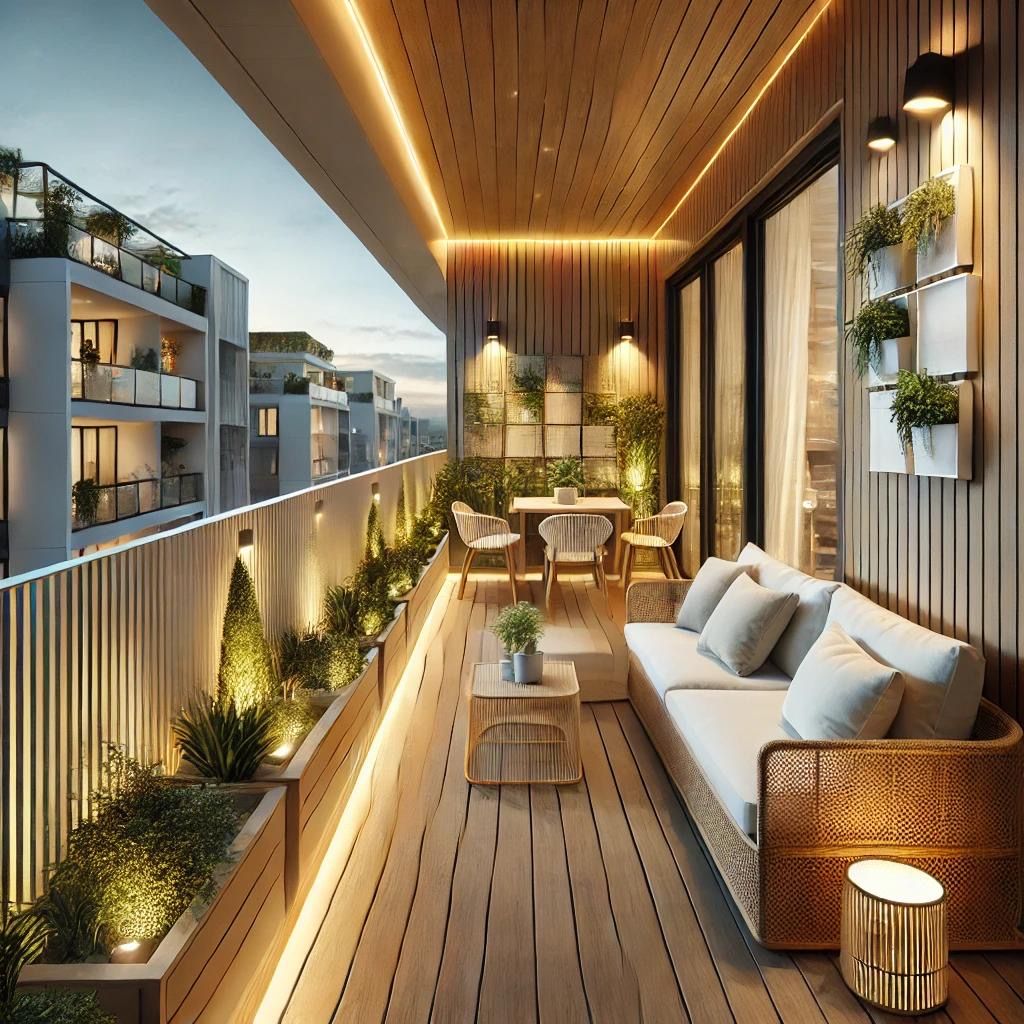
Interior design is more than just arranging furniture; it’s about creating a harmonious environment that reflects your personality and lifestyle. By understanding the core principles of interiors, you can transform any space into a sanctuary. This blog will explore essential interior design concepts, practical tips, and the latest trends to help you create your dream space.
What is Interior Design?
Interior design involves the art and science of enhancing the interior of a space to achieve a healthier and more aesthetically pleasing environment. It encompasses various elements, including:
- Space Planning: Organizing the layout of furniture and fixtures.
- Color Theory: Understanding how colors affect mood and perception.
- Lighting Design: Utilizing natural and artificial light to enhance a space.
- Materials and Textures: Choosing appropriate finishes to create desired aesthetics.
- Furnishings and Decor: Selecting and arranging furniture and accessories that reflect style and functionality.
The Importance of Interior Design
Good interior design has numerous benefits, including:
- Enhancing Functionality: A well-designed space optimizes usability and comfort.
- Reflecting Personality: Interior design allows individuals to express their style and preferences.
- Increasing Property Value: Thoughtful design can elevate a property’s market appeal.
- Improving Well-being: Aesthetically pleasing environments can boost mood and productivity.
Key Principles of Interior Design
Understanding the fundamental principles of interior design can guide you in creating a balanced and functional space. Here are the key principles:
1. Balance
Balance refers to the distribution of visual weight in a room. There are three types of balance:
- Symmetrical Balance: Achieved by placing identical elements on either side of a central axis, creating a formal and structured look.
- Asymmetrical Balance: Involves arranging dissimilar elements to achieve visual equilibrium, promoting a more relaxed and informal atmosphere.
- Radial Balance: Elements radiate from a central point, creating a dynamic focal point, often used in round spaces.
2. Harmony and Unity
Harmony and unity ensure that all elements in a space work together cohesively. This can be achieved through:
- Color Coordination: Using a consistent color palette throughout the space.
- Theme Consistency: Selecting furnishings and decor that reflect a unified style or theme.
3. Proportion and Scale
Proportion refers to the relationship between the sizes of different elements in a space, while scale relates to the size of an object compared to the overall space. To achieve good proportion and scale:
- Ensure that furniture is appropriately sized for the room.
- Consider the height and width of furnishings in relation to each other.
4. Contrast
Contrast creates visual interest by juxtaposing different elements. This can be achieved through:
- Color Contrast: Using complementary colors to highlight features.
- Textural Contrast: Mixing different materials, such as smooth and rough textures.
5. Focal Point
Every room should have a focal point that draws the eye and serves as the centerpiece of the design. This could be a piece of art, a fireplace, or a unique piece of furniture. To create a strong focal point:
- Position it at eye level.
- Surround it with complementary elements to enhance its impact.
Popular Interior Design Styles
Various interior design styles cater to different tastes and preferences. Here are some popular styles to consider:
1. Contemporary
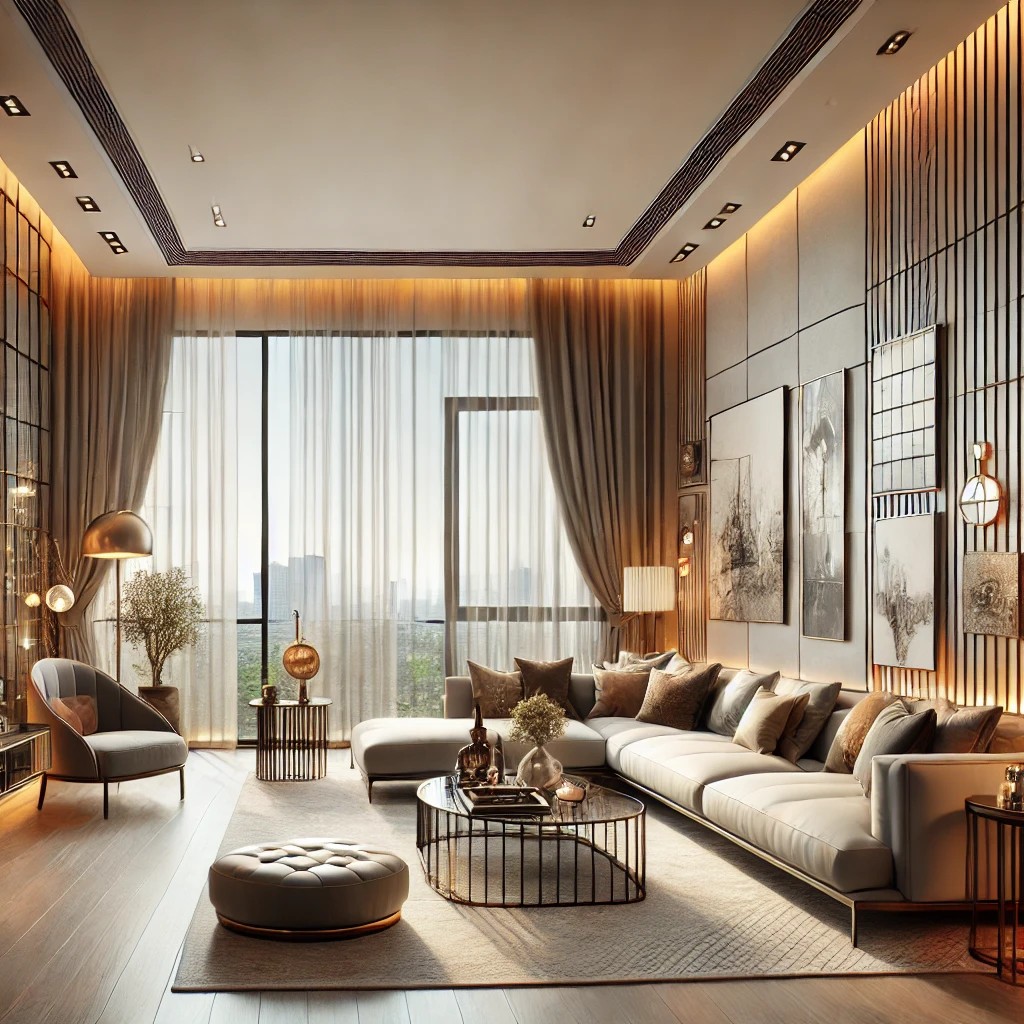
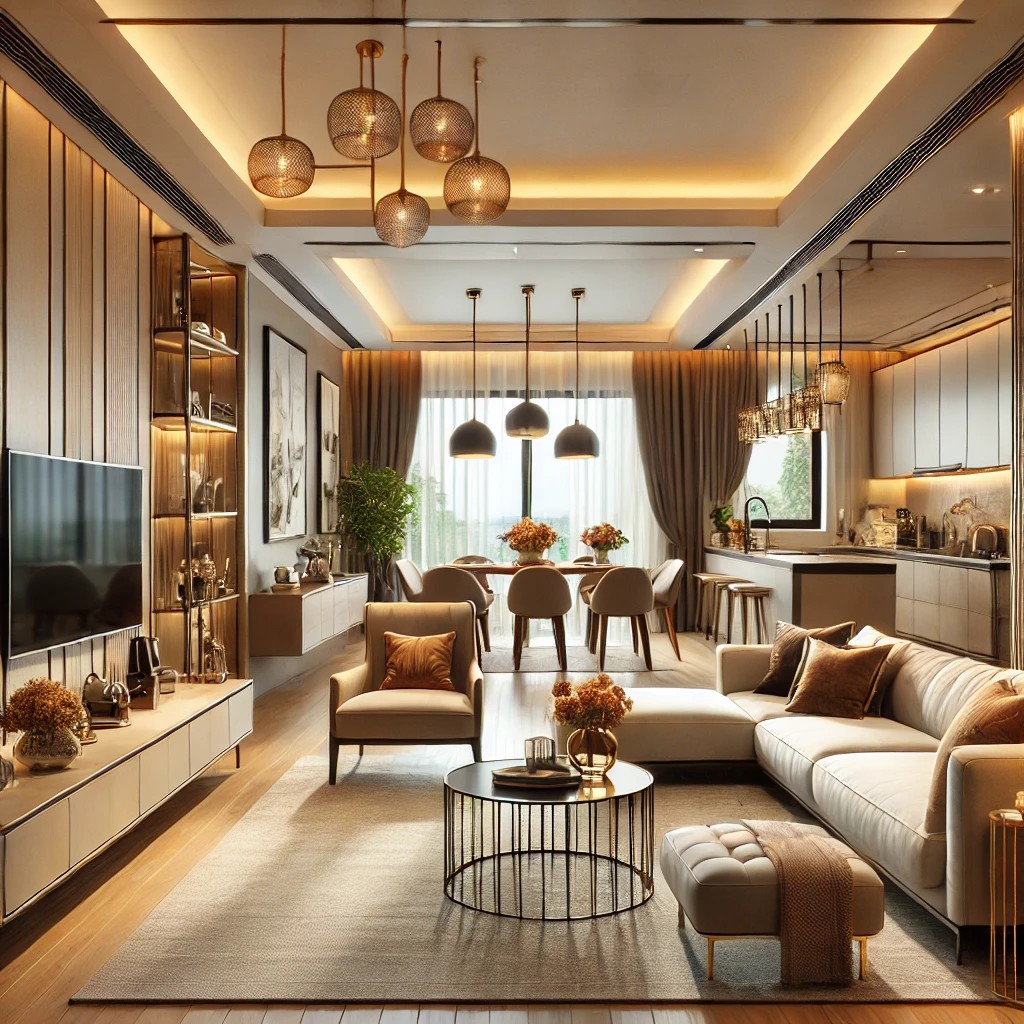
Contemporary design is characterized by clean lines, neutral color palettes, and open spaces. It emphasizes minimalism and functionality, making it ideal for modern living.
2. Traditional
Traditional design exudes elegance and warmth, featuring rich colors, ornate furniture, and classic patterns. This style often incorporates historical elements and decorative details.
3. Modern
Modern design embraces simplicity, featuring sleek lines and a limited color palette. This style often uses innovative materials and emphasizes functionality over ornamentation.
4. Industrial
Industrial design celebrates raw materials, such as exposed brick, concrete, and metal. It often features an open floor plan and a mix of vintage and contemporary elements.
5. Minimalist
Minimalist design focuses on simplicity and functionality. It emphasizes clean lines, a neutral color palette, and an uncluttered aesthetic.
6. Bohemian
Bohemian design embraces eclecticism, featuring vibrant colors, diverse patterns, and a mix of cultures. It encourages personalization and creativity.
Tips for Successful Interior Design
To successfully implement interior design concepts in your space, consider the following tips:
1. Define Your Style
Before diving into design, take time to define your personal style. Explore different styles through online platforms like Pinterest or design magazines.
2. Create a Mood Board
A mood board helps visualize your design concept. Collect images, color swatches, and material samples that resonate with your vision.
3. Plan Your Layout
Consider the functionality of the space when planning your layout. Use furniture arrangement software or sketch out your ideas to visualize the flow and balance.
4. Choose a Color Palette
Select a cohesive color palette that reflects your style and enhances the mood of the space. Stick to 2-3 main colors and 1-2 accent colors for best results.
5. Invest in Quality Furniture
Quality furniture not only enhances aesthetics but also ensures longevity. Prioritize well-made pieces that fit your style and functional needs.
6. Layer Lighting
Incorporate various light sources to create ambiance. Use a combination of ambient, task, and accent lighting to enhance the space.
7. Accessorize Thoughtfully
Choose accessories that complement your design while reflecting your personality. Incorporate artwork, plants, and decorative items to add interest.
8. Don’t Forget About Storage
Maximize functionality by incorporating storage solutions that blend seamlessly with your design. This helps maintain a clutter-free environment.
9. Seek Professional Help
If you’re unsure about your design choices, consider hiring a professional interior designer. They can provide valuable insights and expertise tailored to your needs.
FAQs About Interior Design
What is the difference between interior design and interior decorating?
Interior design encompasses a broader range of services, including space planning and architectural considerations, while interior decorating focuses primarily on aesthetics and furnishings.
How do I choose the right color scheme for my space?
Consider the mood you want to create, the size of the room, and existing furnishings. Use a color wheel to explore complementary and harmonious color combinations.
What are some common mistakes in interior design?
Common mistakes include overcrowding a space with furniture, neglecting proper lighting, and failing to define a cohesive style. Planning and thoughtful consideration can help avoid these pitfalls.
How can I make a small space appear larger?
To create the illusion of space, use light colors, mirrors, and multi-functional furniture. Keeping the area uncluttered and maximizing natural light also helps.
What are some trends in interior design for 2024?
Trends for 2024 include sustainable design, biophilic elements (nature-inspired features), bold colors, and a return to vintage aesthetics. Staying informed about trends can enhance your design choices.
Conclusion
The world of interior design is vast and dynamic, offering endless possibilities to transform your space into a reflection of your personality and lifestyle. By understanding the principles of design, exploring different styles, and applying practical tips, you can create an environment that resonates with comfort and beauty.
For further guidance and inspiration on interior design, consider visiting these resources:
Embrace the power of interior design, and let your space tell your unique story!