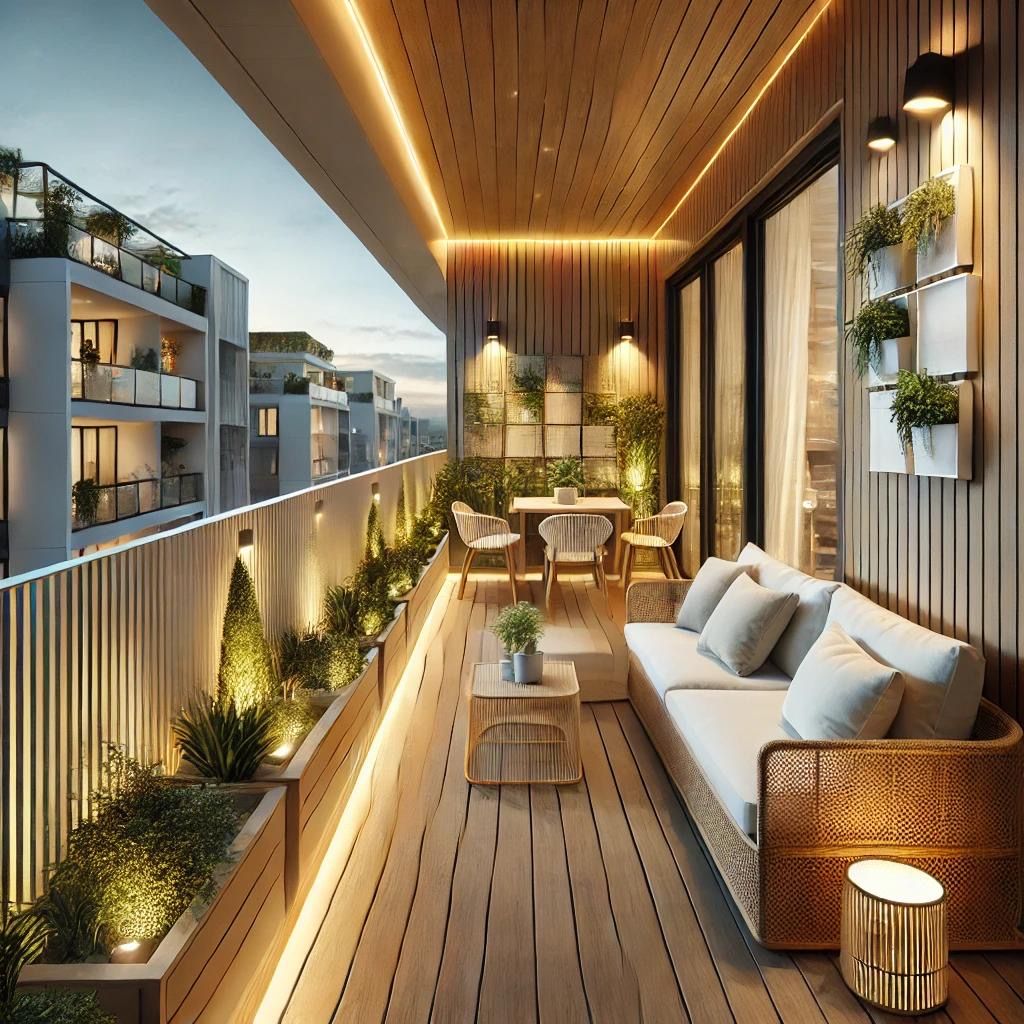
Interior design is a reflection of culture, history, and personal taste. Among the most prominent styles, traditional and modern interior design offer distinct approaches to aesthetics, functionality, and ambiance. While traditional design exudes a sense of timelessness and warmth, modern design emphasizes minimalism and innovation. In this blog, we will explore the key characteristics, differences, and applications of traditional and modern interior design concepts, enabling you to make informed choices for your own space.
Understanding Traditional Interior Design
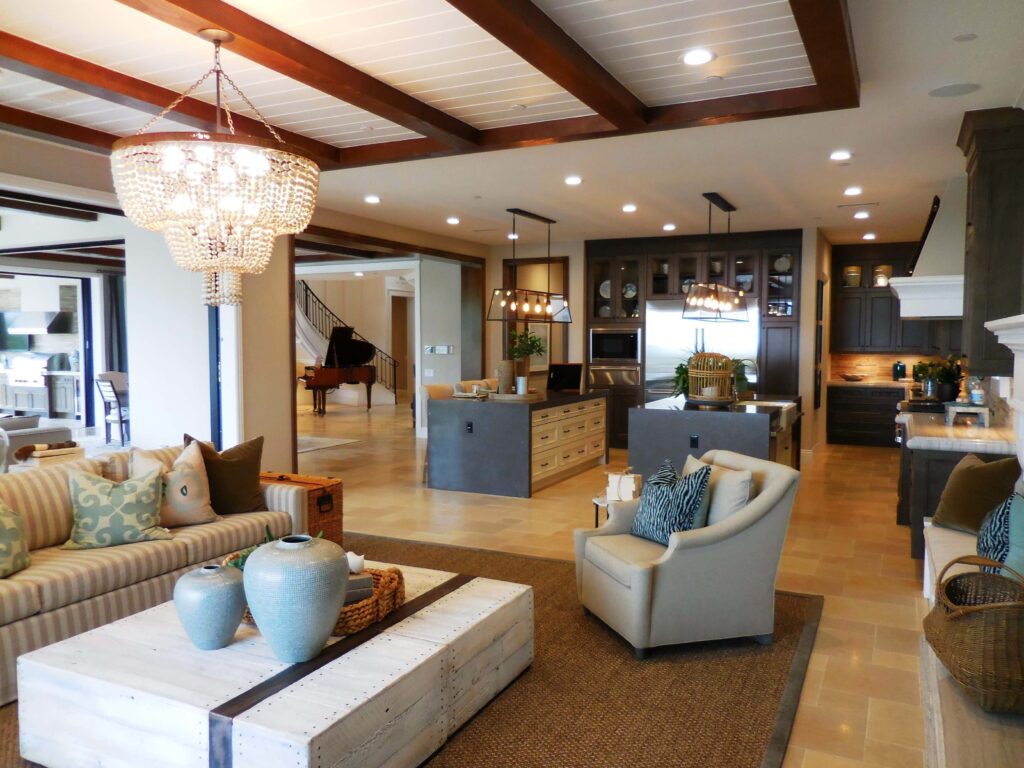
Traditional interior design draws inspiration from historical styles, often characterized by rich textures, intricate details, and classic furnishings. Here are some defining features of traditional design:
1. Classic Color Palettes
Traditional designs often use warm, rich color palettes, including deep reds, greens, and golds. These colors create a sense of warmth and comfort.
- Earthy Tones: Colors like brown, beige, and muted greens contribute to a natural, inviting atmosphere.
- Accent Colors: Deep jewel tones are often used as accents, creating depth and interest.
2. Ornate Detailing
Ornamentation is a hallmark of traditional design, featuring intricate moldings, carved woodwork, and luxurious fabrics.
- Crown Molding and Wainscoting: These architectural details add sophistication to spaces.
- Rich Textiles: Fabrics such as brocade, damask, and velvet are common, often found in upholstery, drapes, and pillows.
3. Classic Furniture Styles
Traditional furniture features classic designs with an emphasis on craftsmanship and quality.
- Antique and Vintage Pieces: Incorporating heirloom furniture adds character and history to the design.
- Curved Lines: Furniture often features curved silhouettes, with ornate legs and intricate carvings.
4. Warm Lighting
Traditional interiors favor warm, ambient lighting that enhances the cozy atmosphere.
- Chandeliers and Wall Sconces: These fixtures often feature decorative designs, such as crystal or wrought iron.
- Table Lamps: Soft lighting through table lamps creates a relaxed environment.
5. Layered Textures
Layering textures is vital in traditional design, adding depth and visual interest.
- Area Rugs: Layering rugs on hardwood or tile floors creates a sense of warmth.
- Mixed Textures: Combining different materials, such as wood, fabric, and metal, adds complexity to the design.
Understanding Modern Interior Design
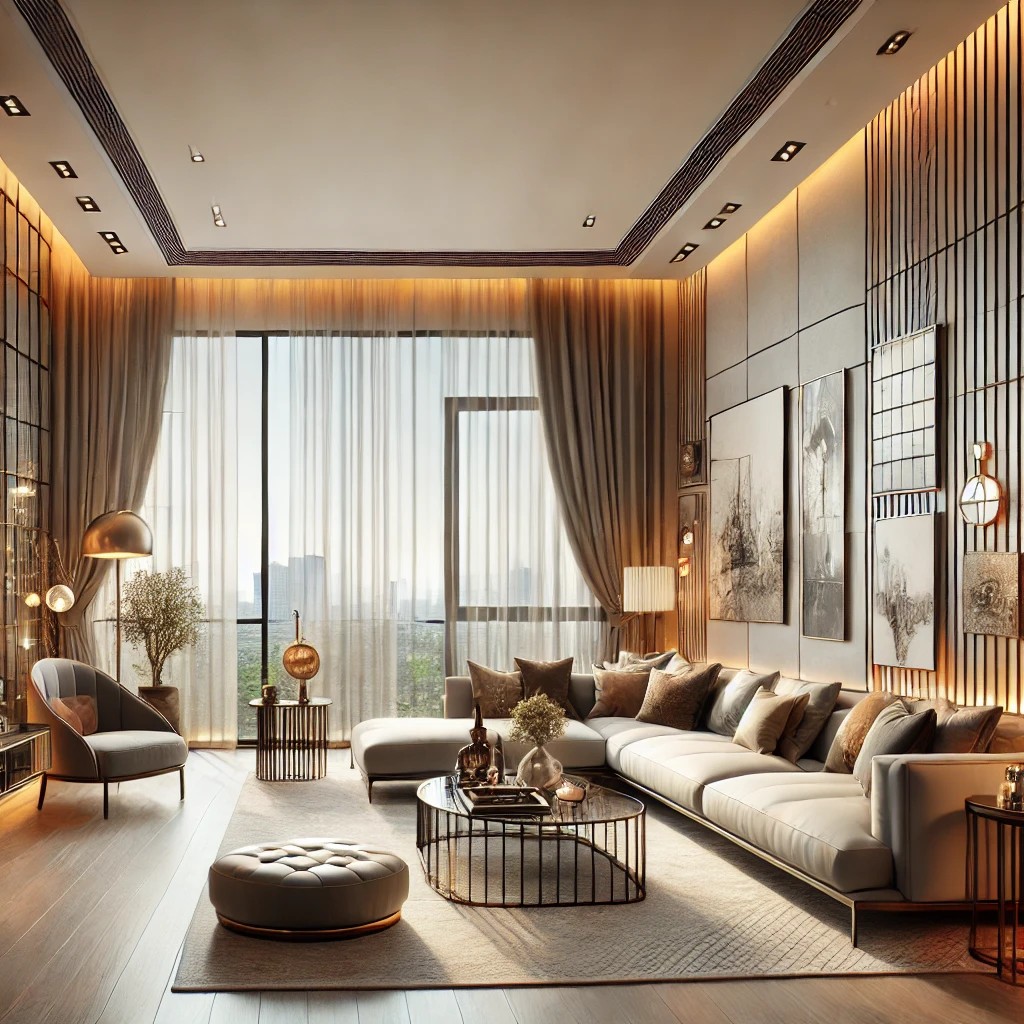
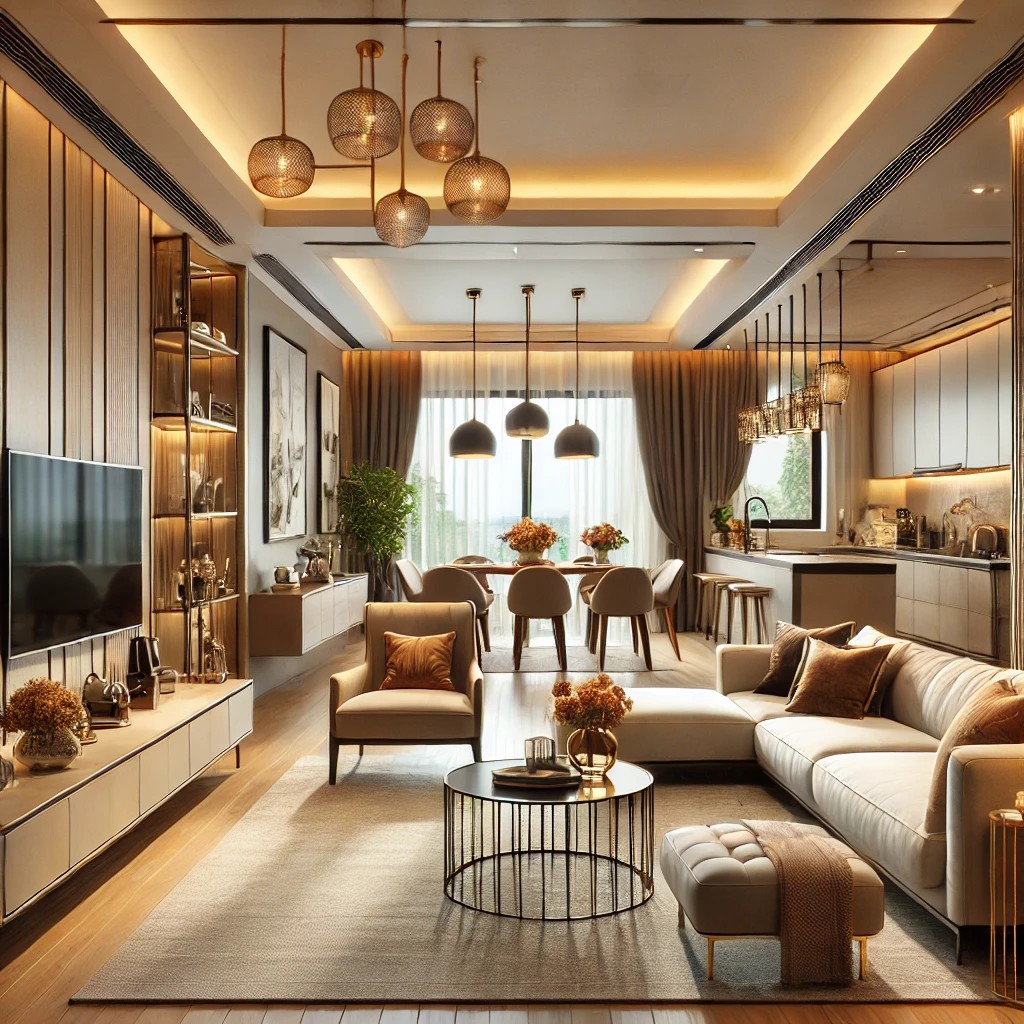
In contrast, modern interior design emphasizes simplicity, functionality, and a fresh approach to aesthetics. It is often characterized by clean lines and innovative materials. Here are the defining features of modern design:
1. Neutral Color Schemes
Modern design typically employs neutral color palettes, focusing on whites, blacks, grays, and earth tones.
- Monochromatic Looks: Utilizing various shades of a single color creates a sleek, cohesive appearance.
- Bold Accents: Bright colors can be used sparingly as accents to inject energy into the design.
2. Clean Lines and Minimalism
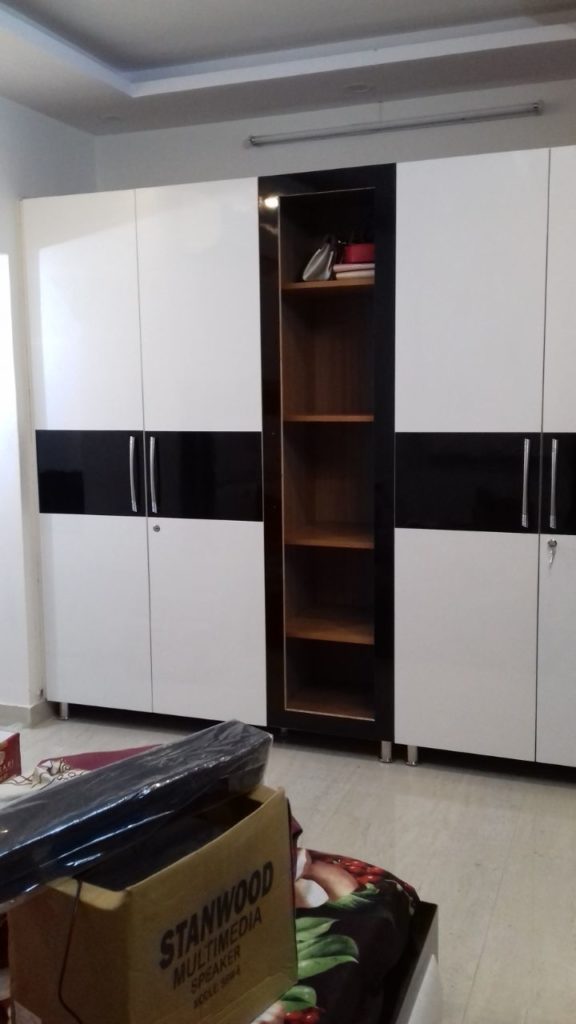
Modern design is characterized by minimal ornamentation and streamlined forms.
- Geometric Shapes: Furniture and decor often feature sharp angles and simple shapes.
- Open Spaces: Modern interiors prioritize open floor plans, enhancing the feeling of space and light.
3. Functional Furniture
Modern furniture is designed with functionality in mind, often incorporating multi-purpose pieces.
- Modular Designs: Sofas and shelving that can be reconfigured or adapted to different spaces are common.
- Minimalist Aesthetics: The focus is on essential items that serve a purpose without excessive embellishment.
4. Innovative Materials
Modern design embraces a variety of materials, often using industrial elements and natural finishes.
- Metal and Glass: These materials are frequently used for furniture and decor, enhancing the contemporary feel.
- Sustainable Options: Many modern designs incorporate eco-friendly materials, reflecting a growing commitment to sustainability.
5. Natural Light and Open Spaces
Maximizing natural light is a cornerstone of modern interior design.
- Large Windows: Expansive windows and sliding glass doors create a connection with the outdoors.
- Bright Interiors: Using light-colored walls and furnishings enhances brightness and openness.
Key Differences Between Traditional and Modern Interior Design
| Aspect | Traditional Interior Design | Modern Interior Design |
|---|---|---|
| Color Palette | Warm, rich colors; earth tones | Neutral colors; monochromatic schemes |
| Furniture Style | Ornate, classic pieces; curved lines | Simple, functional pieces; geometric shapes |
| Decorative Details | Intricate moldings and rich textiles | Minimal ornamentation; focus on form |
| Lighting | Warm, ambient lighting; decorative fixtures | Bright, natural lighting; sleek fixtures |
| Spatial Layout | Defined rooms; layered textures | Open floor plans; emphasis on spaciousness |
When to Choose Traditional or Modern Design
Choosing Traditional Design
Traditional interior design is ideal for those who appreciate history, warmth, and classic elegance. Consider traditional design if:
- You have a fondness for rich colors and intricate details.
- You want to create a cozy, inviting atmosphere in your home.
- You have heirloom pieces or antiques you want to incorporate.
Choosing Modern Design
Modern interior design suits individuals who prefer simplicity, functionality, and a fresh aesthetic. Consider modern design if:
- You appreciate clean lines and minimalism.
- You want to maximize space and natural light.
- You value functionality and innovative furniture solutions.
How to Blend Traditional and Modern Design
For those who appreciate the beauty of both styles, blending traditional and modern design can create a unique, personalized space. Here are some tips for successfully combining these two concepts:
1. Choose a Neutral Base
Start with a neutral color palette that can accommodate both traditional and modern elements. This creates a cohesive backdrop for your design.
2. Mix Furniture Styles
Incorporate modern furniture pieces alongside traditional accents. For example, pair a sleek modern sofa with antique side tables to create an interesting contrast.
3. Use Accessories Wisely
Select decor items that represent both styles. A traditional artwork can be paired with modern lighting fixtures for a balanced look.
4. Layer Textures and Patterns
Combine traditional textiles, like a patterned rug, with modern decor elements, such as metal sculptures, to create depth and intrigue.
FAQs About Traditional vs. Modern Interior Design
What are the main characteristics of traditional interior design?
Traditional interior design is characterized by rich colors, ornate details, classic furniture styles, warm lighting, and layered textures.
How does modern interior design differ from traditional design?
Modern interior design emphasizes simplicity, neutral colors, functional furniture, clean lines, and minimal ornamentation, creating a fresh and airy atmosphere.
Can I combine traditional and modern interior design elements?
Yes! Blending traditional and modern design can create a unique space. Use a neutral base, mix furniture styles, and carefully select decor to achieve balance.
What types of furniture work best in traditional design?
Classic, ornate furniture with curved lines and rich fabrics is ideal for traditional design. Antique pieces can also add character.
What furniture styles suit modern design?
Modern design favors functional, minimalist furniture with geometric shapes, often made from materials like metal, glass, and sustainable options.
Conclusion
Understanding the differences between traditional and modern interior design concepts empowers you to make informed choices when decorating your space. Whether you gravitate towards the warmth of traditional design or the simplicity of modern aesthetics, both styles offer unique benefits and charm.
Explore more about interior design concepts and how to implement them in your home through the following resources:
By thoughtfully considering your preferences and lifestyle, you can create a harmonious environment that reflects your personal taste, whether through traditional elegance or modern sophistication. Embrace the beauty of design and transform your living space into a true reflection of you.