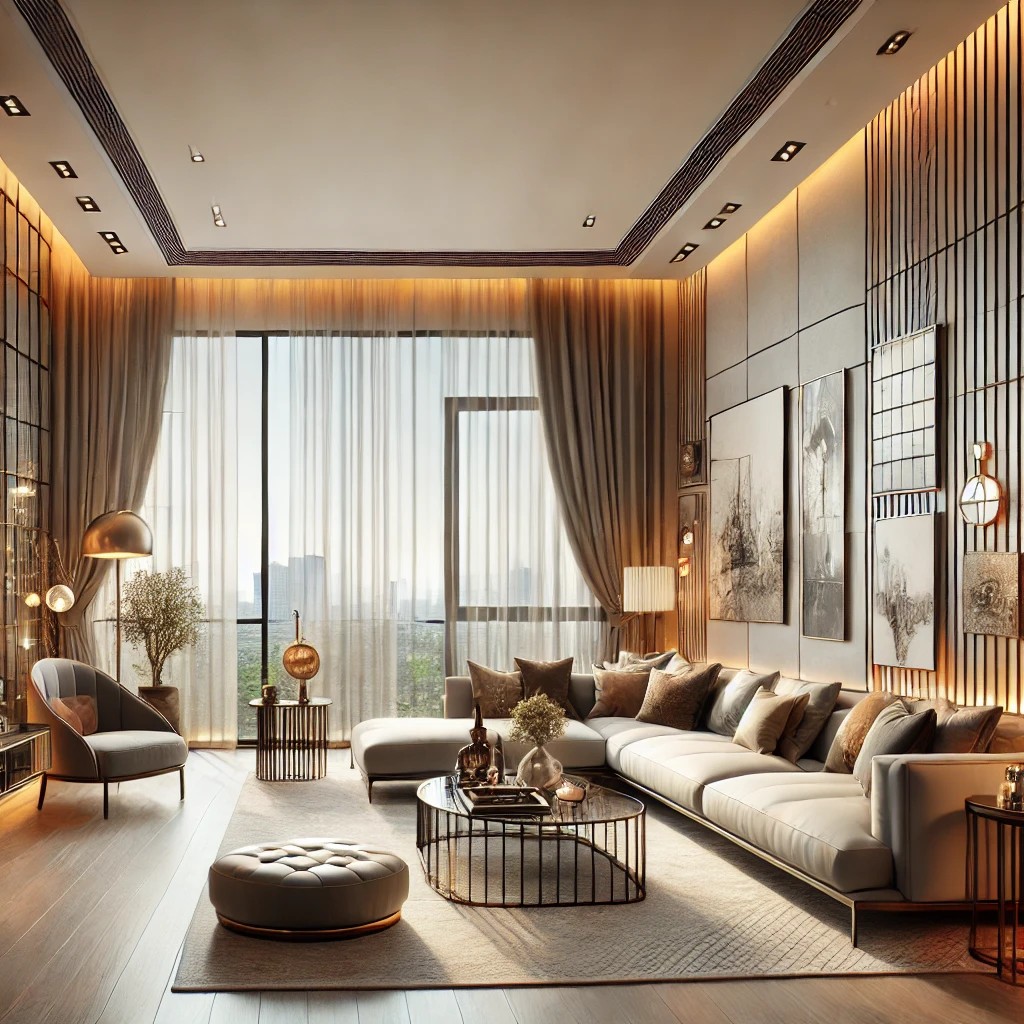
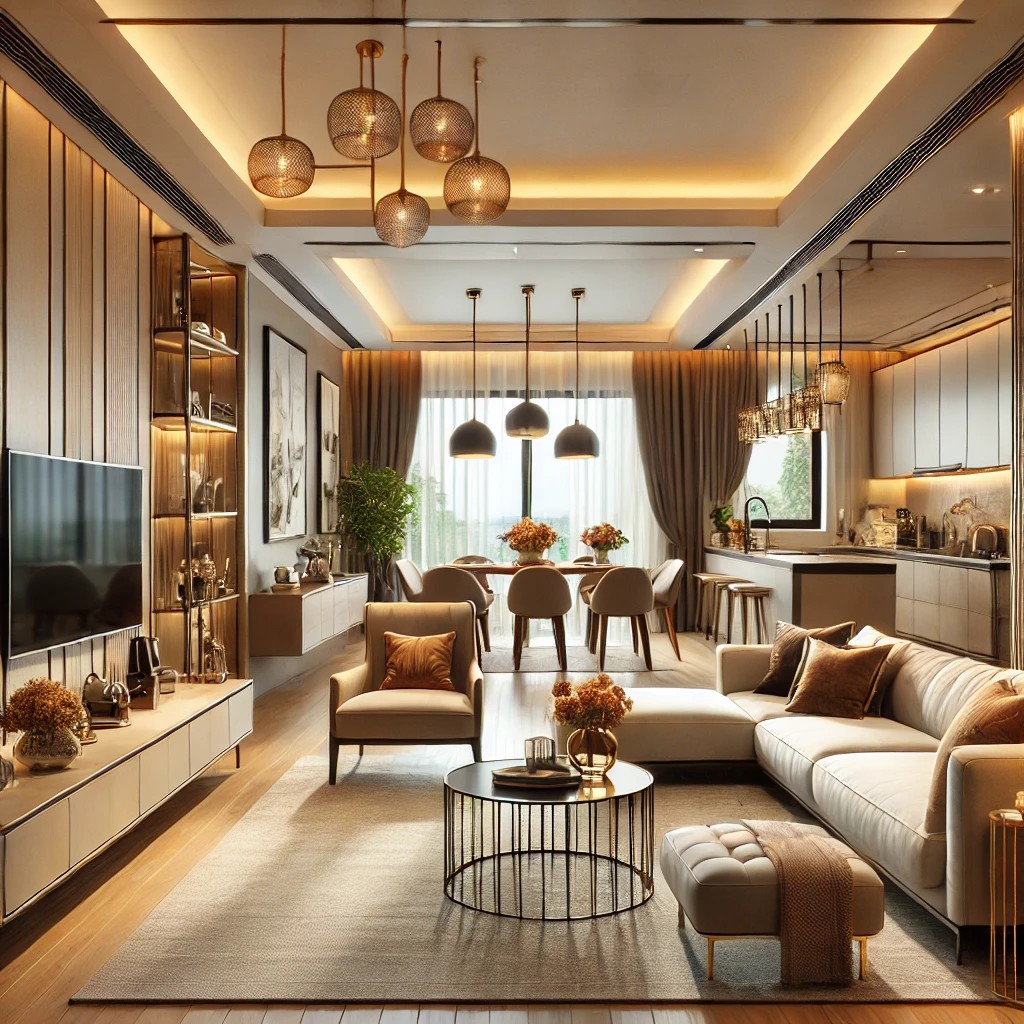
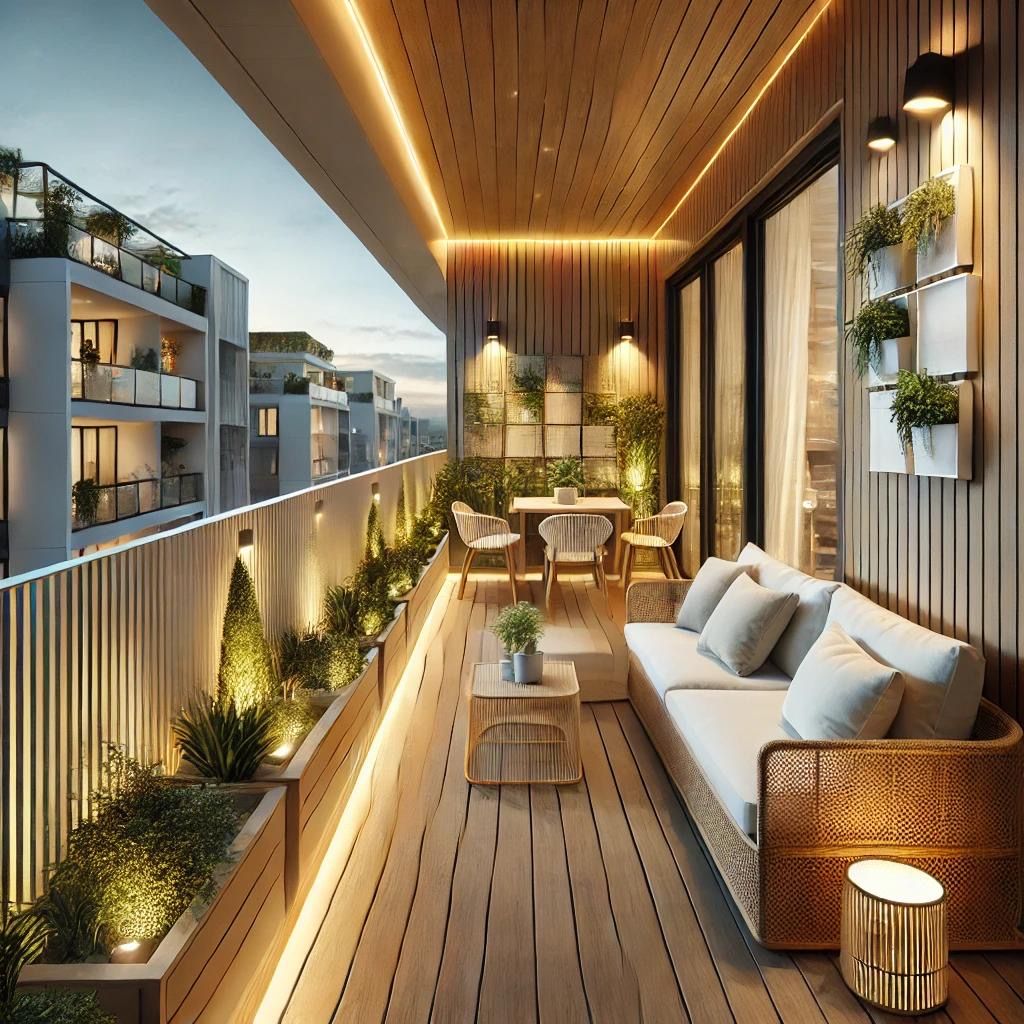
Minimalist interior design is not just a style; it’s a lifestyle choice that emphasizes simplicity, functionality, and elegance. Particularly suited for apartments where space is often limited, this design approach allows you to create a serene and organized environment. In this blog, we will explore the key concepts of minimalist interior design and provide actionable tips on how to implement them in your apartment, resulting in a stylish and uncluttered space.
Understanding Minimalist Interior Design
The essence of minimalist interior design lies in the mantra “less is more.” This concept focuses on eliminating unnecessary elements while prioritizing functionality and beauty. The key tenets of minimalist design include:
- Simplicity: Streamlined forms and uncluttered spaces define the aesthetic.
- Functionality: Every element serves a purpose, ensuring practicality in design.
- Neutral Color Palette: Soft hues create a tranquil atmosphere, promoting relaxation.
- Natural Light: Large windows and open spaces enhance brightness and create an airy feel.
Key Concepts of Minimalist Interior Design
1. Open Space Planning
Open space planning is fundamental to minimalist design. It fosters a sense of freedom and spaciousness, making even small apartments feel larger.
- Remove Barriers: Where possible, eliminate walls or use partial walls to create an open flow between living areas.
- Functional Zones: Define areas through furniture arrangement rather than physical barriers. For example, a sofa can separate the living area from the dining space.
- Multifunctional Furniture: Opt for pieces that serve multiple purposes, such as a coffee table with storage or a sofa bed for guests.
2. Declutter and Organize
A minimalist approach requires a keen eye for decluttering and organization. An orderly space enhances the aesthetic appeal and functionality of your apartment.
- Evaluate Your Belongings: Regularly assess what you own and consider donating or discarding items that no longer serve a purpose or bring you joy.
- Use Smart Storage Solutions: Invest in furniture with built-in storage, such as ottomans or bed frames with drawers, to keep items out of sight.
- Designate Zones for Items: Assign specific spaces for similar items, making it easier to maintain organization.
3. Neutral Color Palette
A neutral color palette is a hallmark of minimalist design, contributing to a peaceful and cohesive environment.
- Choose Soft Hues: Opt for whites, grays, and soft earth tones as your base colors. These hues create a calming backdrop that allows for easy coordination of decor.
- Accent Colors: Incorporate minimal accent colors through textiles or decor items. A few carefully chosen pieces in muted tones can add character without overwhelming the space.
- Consistent Shades: Keep the color scheme consistent throughout the apartment to enhance the feeling of unity and openness.
4. Quality Over Quantity
In minimalist design, the emphasis is on quality over quantity. Investing in fewer, high-quality pieces ensures longevity and style.
- Choose Timeless Furniture: Look for classic designs made from durable materials. Well-crafted furniture not only looks better but also lasts longer, reducing the need for replacements.
- Limit Decorative Items: Select a few key decor items that speak to you personally, avoiding cluttered surfaces. A single artwork or a carefully curated display can serve as a focal point without overwhelming the space.
- Sustainable Choices: Consider eco-friendly materials and sustainable brands that align with minimalist principles, further enhancing the integrity of your design.
5. Embrace Natural Elements
Incorporating natural elements into your design fosters a connection with nature, contributing to a serene atmosphere.
- Use Natural Materials: Opt for wood, stone, and organic textiles in your furnishings and decor. These materials add warmth and texture to minimalist spaces.
- Bring in Plants: Add greenery with houseplants, which enhance air quality and bring life to your home. Choose low-maintenance varieties that suit your lifestyle.
- Natural Light: Maximize natural light through large windows or strategically placed mirrors that reflect light, making your apartment feel open and bright.
Implementing Minimalist Design in Your Apartment
Step 1: Assess Your Space
Begin by evaluating your apartment’s layout and identifying areas for improvement. Take measurements and create a floor plan to visualize changes.
Step 2: Create a Vision Board
Gather inspiration through a vision board that reflects your minimalist design goals. Use images, color swatches, and textures to create a cohesive vision.
Step 3: Declutter
Prioritize decluttering by removing items that do not contribute to your lifestyle or aesthetic. Focus on one area at a time for manageable progress.
Step 4: Choose a Color Palette
Select a neutral color palette as your foundation. Consider how different shades will flow from one room to another to maintain consistency.
Step 5: Invest in Key Pieces
Choose high-quality, multifunctional furniture that aligns with your design vision. Avoid impulse purchases and focus on items that will enhance your minimalist approach.
Step 6: Enhance Natural Light
Maximize natural light by using sheer curtains, reflective surfaces, and strategically placed mirrors. Bright, open spaces contribute to the minimalist aesthetic.
Step 7: Personalize Thoughtfully
Incorporate personal touches through carefully curated decor items. Limit the number of decorative pieces to maintain a clutter-free environment.
FAQs About Minimalist Interior Design for Apartments
What are the main principles of minimalist interior design?
The main principles include simplicity, functionality, a neutral color palette, open space planning, and quality over quantity.
How can I create a minimalist design in a small apartment?
Focus on decluttering, using multifunctional furniture, and maximizing natural light to create an open and spacious environment.
Is minimalist design only about a lack of decor?
Not necessarily; minimalist design embraces simplicity but also allows for meaningful decor that enhances the space without cluttering it.
How can I add personality to a minimalist space?
Incorporate a few select decor items that resonate with you personally, such as artwork, plants, or books, to add character without overwhelming the space.
What types of furniture work best in minimalist design?
Choose timeless, high-quality furniture that serves multiple functions. Look for clean lines and neutral colors to align with minimalist principles.
Conclusion
Embracing minimalist interior design concepts in your apartment allows you to create a space that is not only visually appealing but also functional and tranquil. By focusing on simplicity, functionality, and quality, you can transform your living environment into a serene sanctuary.
For further inspiration and resources on minimalist interior design, explore:
Unlock the potential of your apartment by implementing these minimalist design concepts. With thoughtful planning and intentional choices, you can cultivate a harmonious space that reflects your lifestyle and values. Embrace simplicity and enjoy the beauty of a well-designed minimalist home.