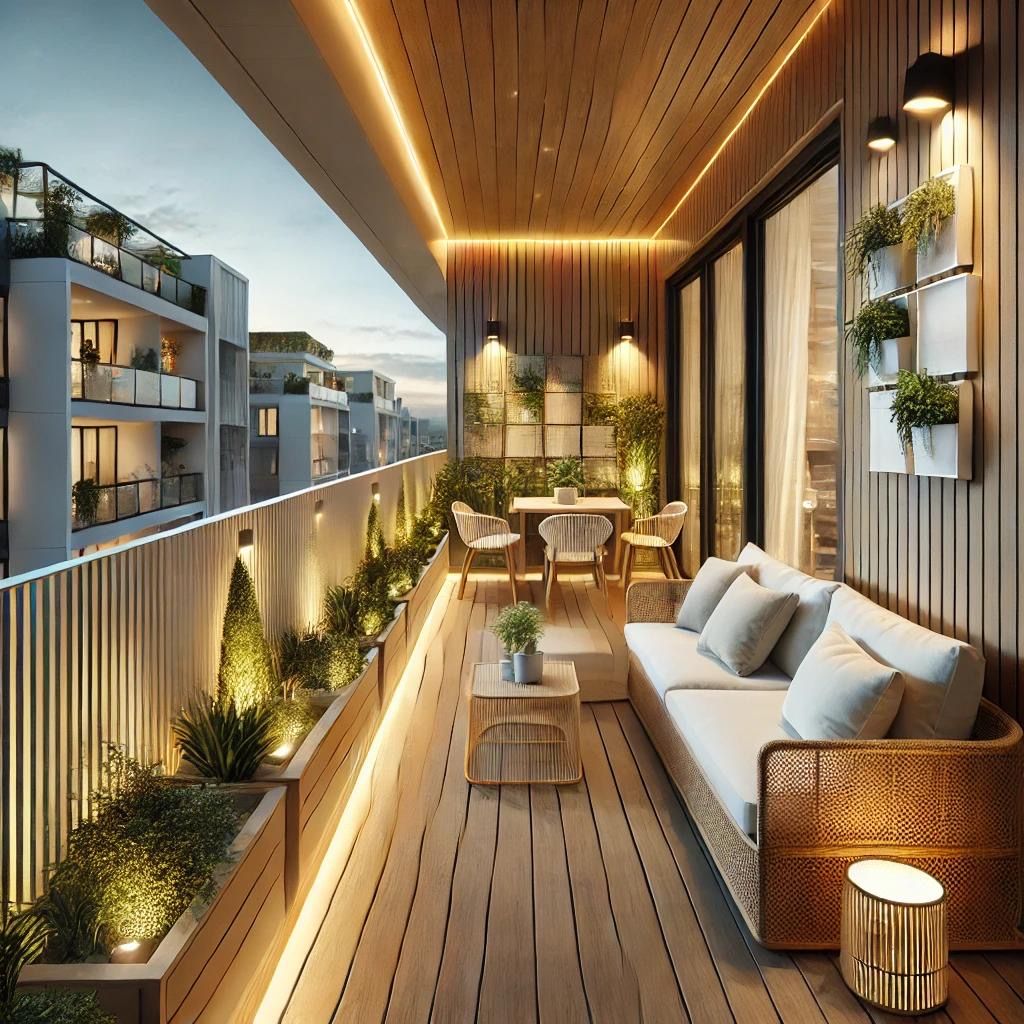
Interior design is an intricate art and science that shapes our living spaces, enhancing both functionality and aesthetics. A well-designed interior can transform an ordinary space into an extraordinary environment that reflects personal style and meets the needs of its inhabitants. This blog will explore the fundamental concepts of interior design and provide actionable steps for implementing these ideas in your home.
Understanding the Concept of Interior Design
At its core, interior design is about creating harmonious spaces that foster comfort, productivity, and visual appeal. It encompasses a range of elements, including color, space, furnishings, lighting, and textures, all of which work together to create a cohesive environment. Here are some key components of the concept of interior design:
- Functionality: Ensuring that the space serves its intended purpose while accommodating the activities of its occupants.
- Aesthetics: Creating visually pleasing environments that evoke emotion and enhance the overall experience.
- Sustainability: Integrating eco-friendly materials and practices into design choices to promote environmental responsibility.
The Key Principles of Interior Design
1. Space Planning
Space planning is fundamental to interior design, as it dictates how a space is organized and used. Effective space planning optimizes flow and enhances functionality. Here’s how to implement it:
- Assess Your Needs: Start by identifying how you want to use each space. For example, a living room may need seating for entertaining, while a home office requires a dedicated workspace.
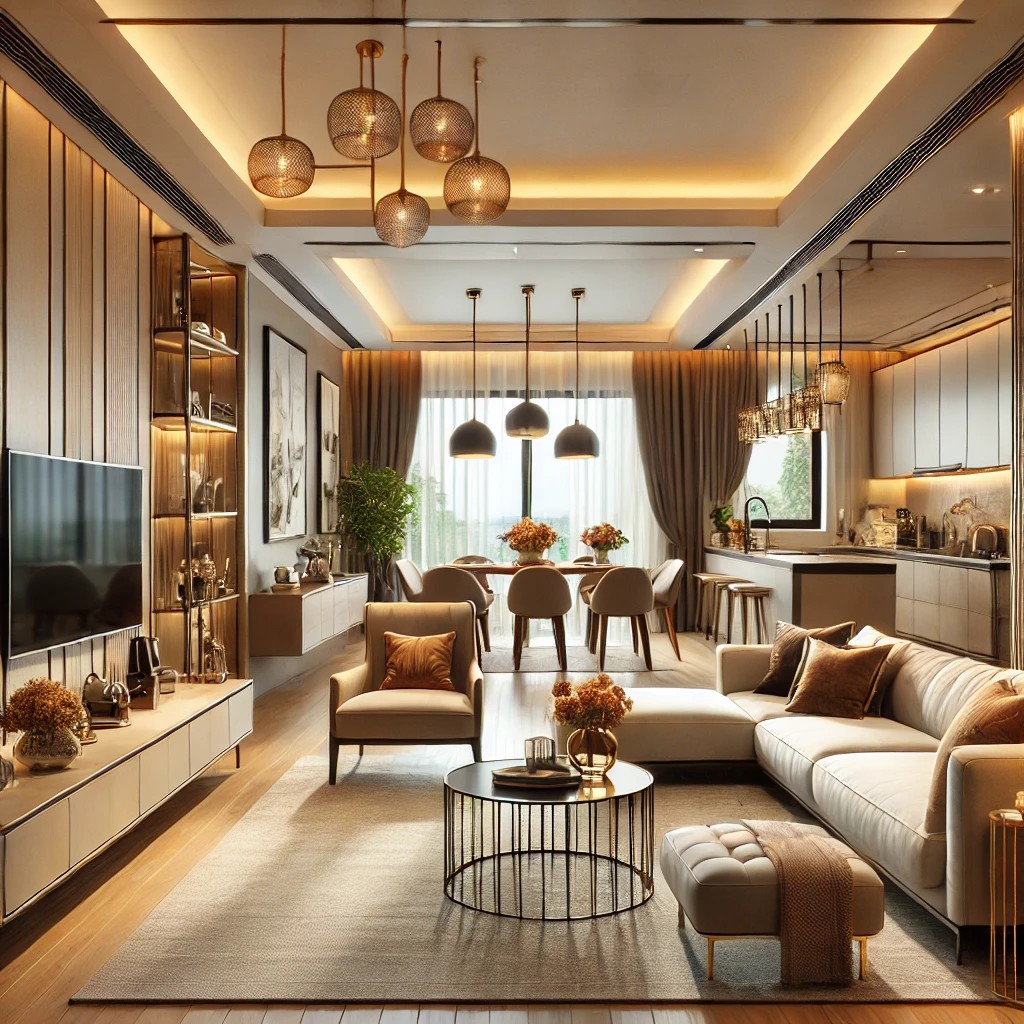
- Create Zones: Use furniture arrangements to define different areas within a room. For instance, a sofa can delineate the living area from the dining space.
- Maintain Traffic Flow: Ensure pathways are clear and that furniture arrangement allows easy movement throughout the space.
2. Color Theory
Color theory is crucial in interior design, influencing mood and perception. Understanding how colors interact can help create harmonious spaces. Here are some tips for implementing color effectively:
- Choose a Color Palette: Select a primary color and complement it with secondary and accent colors. For example, a calming palette of blues and whites can create a serene atmosphere.
- Use Color Psychology: Consider the emotional effects of colors. Warm colors (reds, yellows) can energize a space, while cool colors (blues, greens) promote relaxation.
- Accent Walls: Create visual interest by painting one wall a bold color or using wallpaper, making it a focal point in the room.
3. Texture and Material
Texture adds depth and character to interior spaces, making them feel more inviting. Different materials can also influence the overall aesthetic. Implement texture in your design with these strategies:
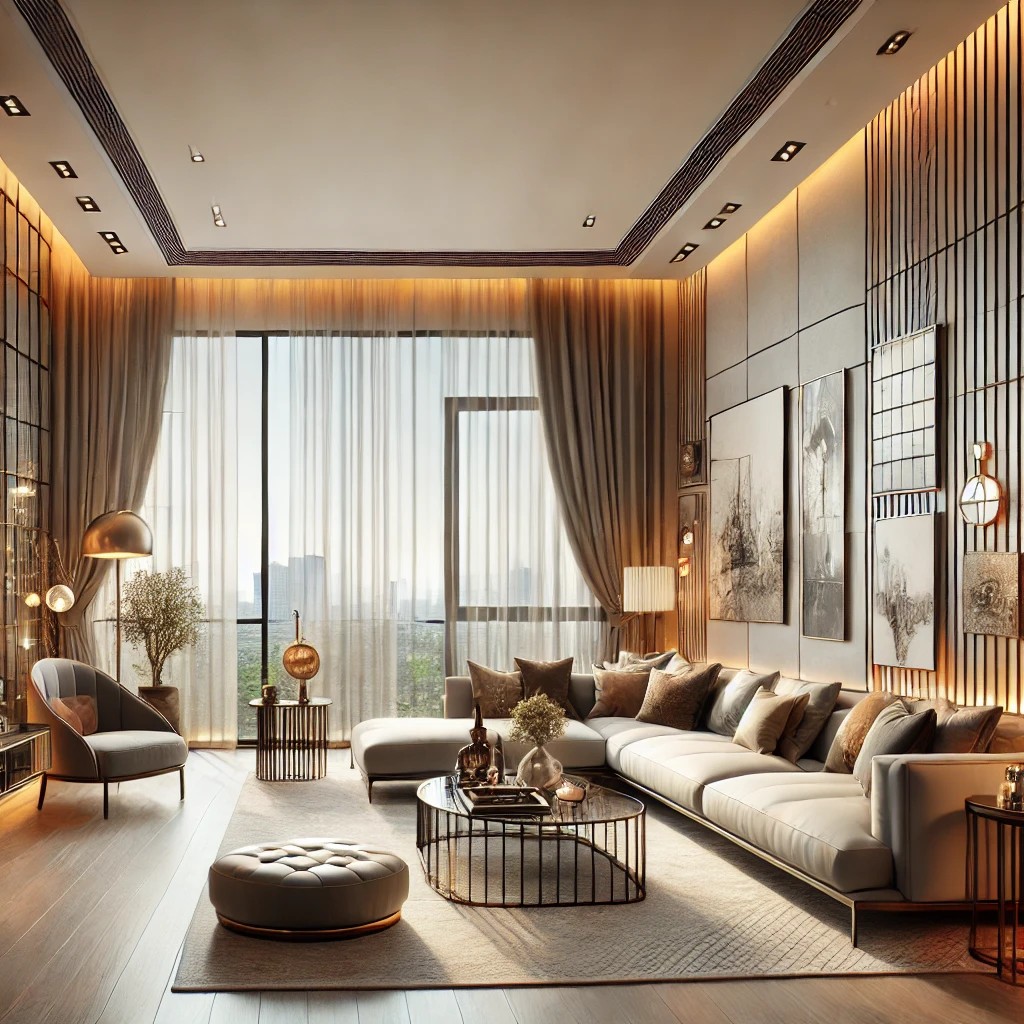
- Layer Textures: Combine various materials, such as wood, metal, fabric, and glass, to create a dynamic environment. For instance, pairing a plush velvet sofa with a sleek metal coffee table adds contrast.
- Use Area Rugs: Rugs can define spaces and introduce texture. A soft area rug can warm up a hard-surface floor, making the room cozier.
- Decorative Accents: Incorporate textured decor items, such as woven baskets, ceramic vases, or plush cushions, to enhance tactile appeal.
4. Lighting Design
Lighting design is a vital aspect of interior design that influences mood and functionality. Proper lighting can highlight decor elements and enhance the overall ambiance. Consider these lighting strategies:
- Layer Your Lighting: Use a combination of ambient, task, and accent lighting to create a well-lit space. For example, overhead lights provide general illumination, while table lamps serve specific tasks like reading.
- Maximize Natural Light: Utilize window treatments that allow natural light to flow in, making spaces feel larger and more inviting. Mirrors can also reflect light, enhancing brightness.
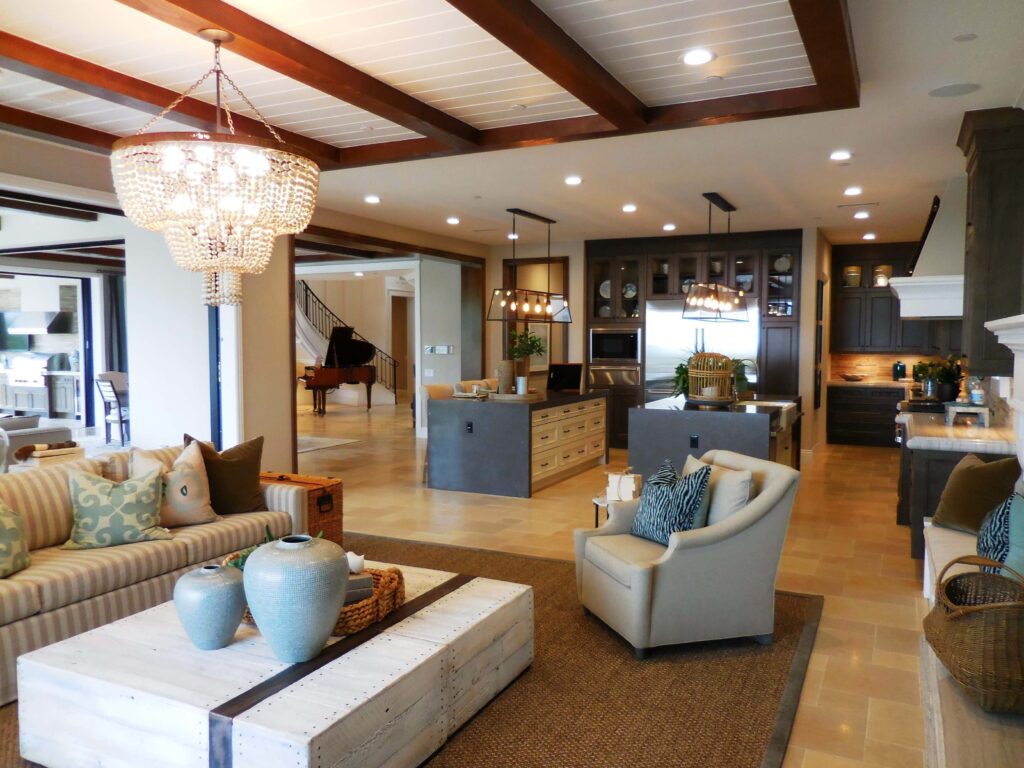
- Statement Fixtures: Choose unique lighting fixtures as focal points. A modern chandelier or artistic pendant can elevate the design and add personality.
5. Personalization
Personalizing your space is essential for making it feel like home. Here’s how to implement personalization in your interior design:
- Showcase Artwork: Display art that resonates with you, whether it’s paintings, photographs, or sculptures. Choose frames and placements that complement your decor style.
- Incorporate Cultural Elements: Use textiles, pottery, or traditional crafts that reflect your heritage, adding character and a sense of belonging to the space.
- Curate Unique Finds: Integrate decor items collected from travels or local markets to add unique touches and stories to your environment.
How to Implement Interior Design Concepts in Your Home
Step 1: Define Your Style
Identifying your design style is the first step in the implementation process. Consider the following:
- Research Different Styles: Explore styles like modern, traditional, minimalist, or eclectic to find what resonates with you.
- Create a Mood Board: Collect images, colors, and textures that inspire you. A mood board helps visualize your design direction.
Step 2: Plan Your Space
Effective space planning is crucial for a successful design:
- Sketch a Layout: Create a floor plan that outlines the placement of furniture and decor items. Consider flow and functionality.
- Measure Your Space: Ensure that your furniture fits comfortably in the designated areas without overcrowding.
Step 3: Choose Your Color Palette
Selecting a color palette sets the tone for your design:
- Start with Neutrals: Build your color scheme around neutral tones to create a versatile backdrop.
- Add Accent Colors: Incorporate pops of color through decor, such as cushions, artwork, or decorative accessories.
Step 4: Select Furniture and Decor
Choose furniture and decor that align with your style and needs:
- Invest in Key Pieces: Select essential furniture items, such as sofas, beds, and dining tables, that combine functionality with style.
- Accessorize Thoughtfully: Layer decor items that reflect your personality, including rugs, throw pillows, and wall art.
Step 5: Focus on Lighting
Implement a lighting strategy that enhances your design:
- Install Layered Lighting: Use a combination of ambient, task, and accent lighting to create a well-lit environment.
- Choose Statement Fixtures: Select lighting fixtures that serve as focal points in your design.
Step 6: Personalize Your Space
Finally, make your space uniquely yours:
- Incorporate Personal Items: Display photographs, heirlooms, or souvenirs that reflect your personality and history.
- Curate a Collection: Create a display of items that you love, such as books, plants, or decorative objects.
FAQs About the Concept of Interior Design and Its Implementation
What is the main purpose of interior design?
The main purpose of interior design is to create functional and aesthetically pleasing spaces that enhance the quality of life for occupants.
How do I choose a color palette for my home?
Start with neutral base colors and add accent colors that resonate with your personal style. Consider the emotional effects of different colors when making your selections.
What are some popular interior design styles?
Popular interior design styles include modern, traditional, minimalist, bohemian, and industrial, each with its own unique characteristics.
How can I create a cozy atmosphere in my home?
Layer textures, use warm color palettes, incorporate soft lighting, and add personal touches through decor to create a cozy atmosphere.
How do I make my space feel personalized?
Showcase artwork, incorporate cultural elements, and curate unique finds that reflect your personality and interests to create a personalized space.
Conclusion
The concept of interior design is essential for creating spaces that are not only visually appealing but also functional and reflective of personal style. By understanding key principles such as space planning, color theory, texture, lighting, and personalization, homeowners can effectively implement these concepts in their homes.
For more insights and resources on interior design, explore:
Unlock the elegance of your living space by applying these interior design concepts, transforming your home into a sanctuary that resonates with comfort and style. With thoughtful implementation, you can create an environment that not only meets your needs but also inspires joy and tranquility.