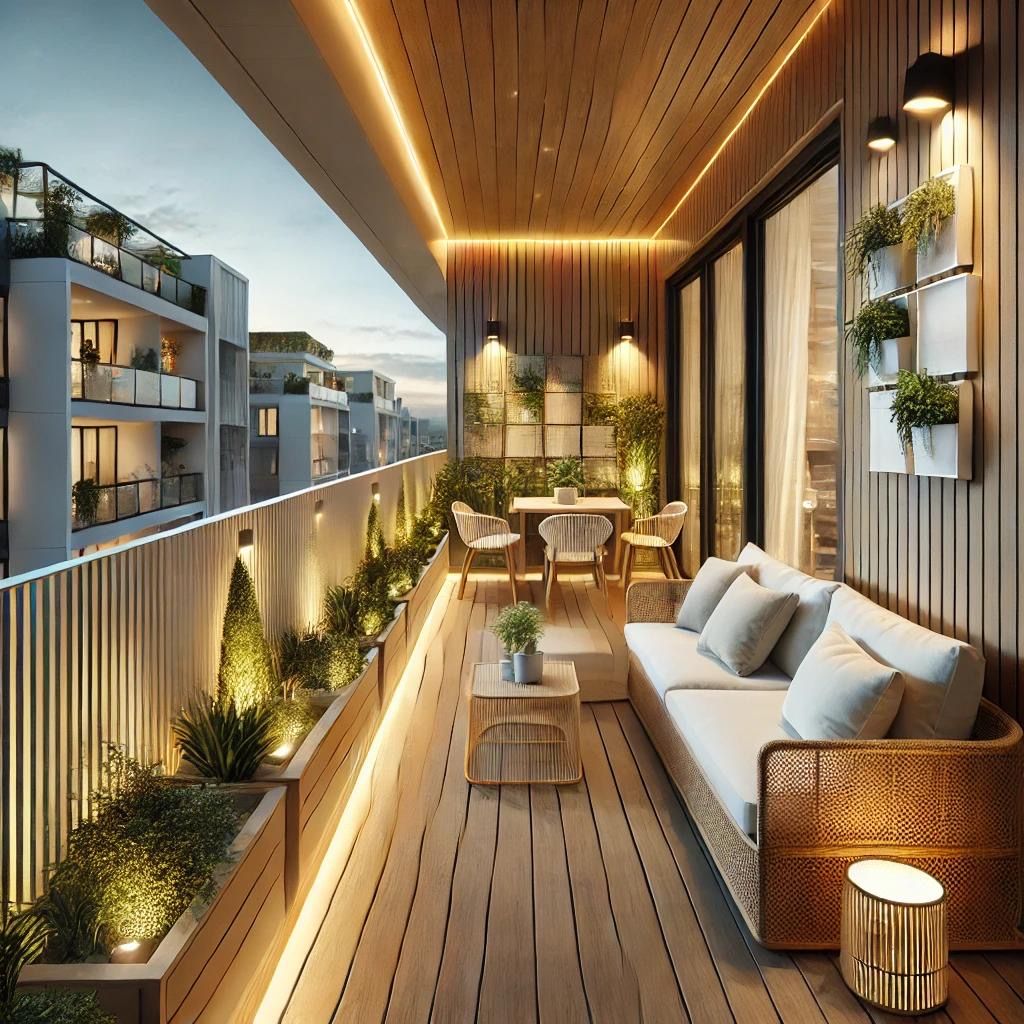
Designing small spaces can be a rewarding challenge, where creativity meets functionality. The principles of interior design are crucial in maximizing the potential of limited areas. This blog explores essential principles of interior design specifically tailored for small spaces, providing insights and practical tips to create a stylish and efficient environment.
Understanding Small Space Design
When working with limited square footage, it’s essential to embrace design strategies that optimize space while maintaining aesthetic appeal. The principles of interior design—balance, proportion, scale, harmony, and contrast—play a significant role in transforming small areas into inviting, functional environments.
Key Principles of Interior Design for Small Spaces
1. Balance: Creating Equilibrium
Balance is a fundamental principle in interior design, referring to the visual distribution of elements within a space. In small areas, achieving balance can help create a sense of stability.
- Symmetrical Balance: Place identical or similar items on either side of a central point, which can create a formal look. For example, two identical chairs flanking a small table can give a sense of order.
- Asymmetrical Balance: Achieved through the arrangement of dissimilar objects that have equal visual weight. For example, pairing a large artwork with a smaller lamp can create a visually balanced but informal arrangement.
2. Proportion and Scale: Optimal Sizes
Understanding proportion and scale is essential when designing small spaces. These principles help ensure that furniture and decor items fit comfortably within the room.
- Proportion: Focus on the relationship between the size of furniture and the space. For instance, selecting a sofa that isn’t oversized for a small living room will help maintain flow.
- Scale: Choose items that match the scale of the room. Tall bookshelves in a compact space can overwhelm it, while lower, wider pieces can create a more grounded feel.
3. Harmony and Unity: Cohesive Aesthetics
Creating a cohesive look throughout your small space is crucial for making it feel larger and more inviting. This involves selecting a consistent color palette, style, and material.
- Color Palette: Stick to a limited color scheme, utilizing light colors to open up the space and create an airy feel. Soft pastels or neutrals can work wonders.
- Style Consistency: Whether you prefer modern, minimalist, or eclectic styles, maintain a consistent theme throughout your design choices to promote unity.
4. Functionality: Purposeful Design
In small spaces, every element must serve a purpose. Thoughtful selection and arrangement of furniture and decor items can enhance functionality.
- Multi-functional Furniture: Invest in furniture that serves multiple purposes, such as a coffee table with storage or a sofa bed for guests. This helps maximize the usability of your space.
- Smart Storage Solutions: Incorporate vertical storage options, like shelves or cabinets, to keep the floor clear and create a sense of spaciousness.
5. Light and Reflection: Brightening Your Space
Lighting plays a vital role in small space design. Good lighting can enhance the perception of space, making it feel larger and more open.
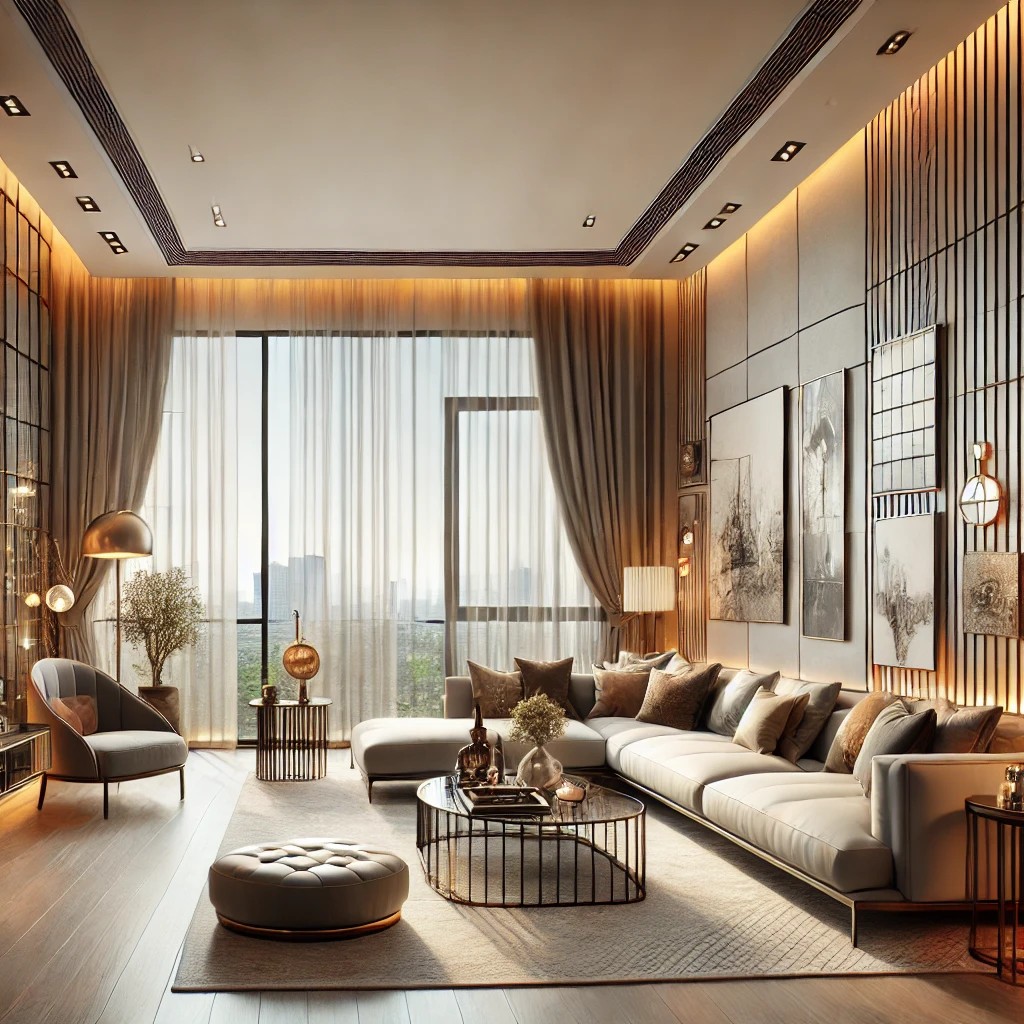
- Natural Light: Maximize natural light by using sheer curtains and placing mirrors opposite windows. This creates the illusion of depth and brightness.
- Layered Lighting: Combine ambient, task, and accent lighting to add warmth and depth to your space. Adjustable fixtures, such as wall sconces, can free up valuable floor space.
6. Contrast: Visual Interest
Incorporating contrast can help add depth and character to your small space.
- Color Contrast: Use a mix of colors to highlight architectural features or specific areas, such as an accent wall or colorful decor.
- Texture Contrast: Combine different textures—smooth surfaces with rough textures—to create visual interest and depth.
Practical Tips for Designing Small Spaces
Implementing the principles of interior design in small spaces can be straightforward if you follow these practical tips:
- Declutter Regularly: Keep only essential items to avoid overcrowding. Use decorative boxes or baskets to store items neatly.
- Incorporate Mirrors: Use mirrors strategically to reflect light and create the illusion of more space.
- Select Slim Furniture: Opt for furniture with slim profiles to maximize space. Avoid bulky pieces that can overwhelm the room.
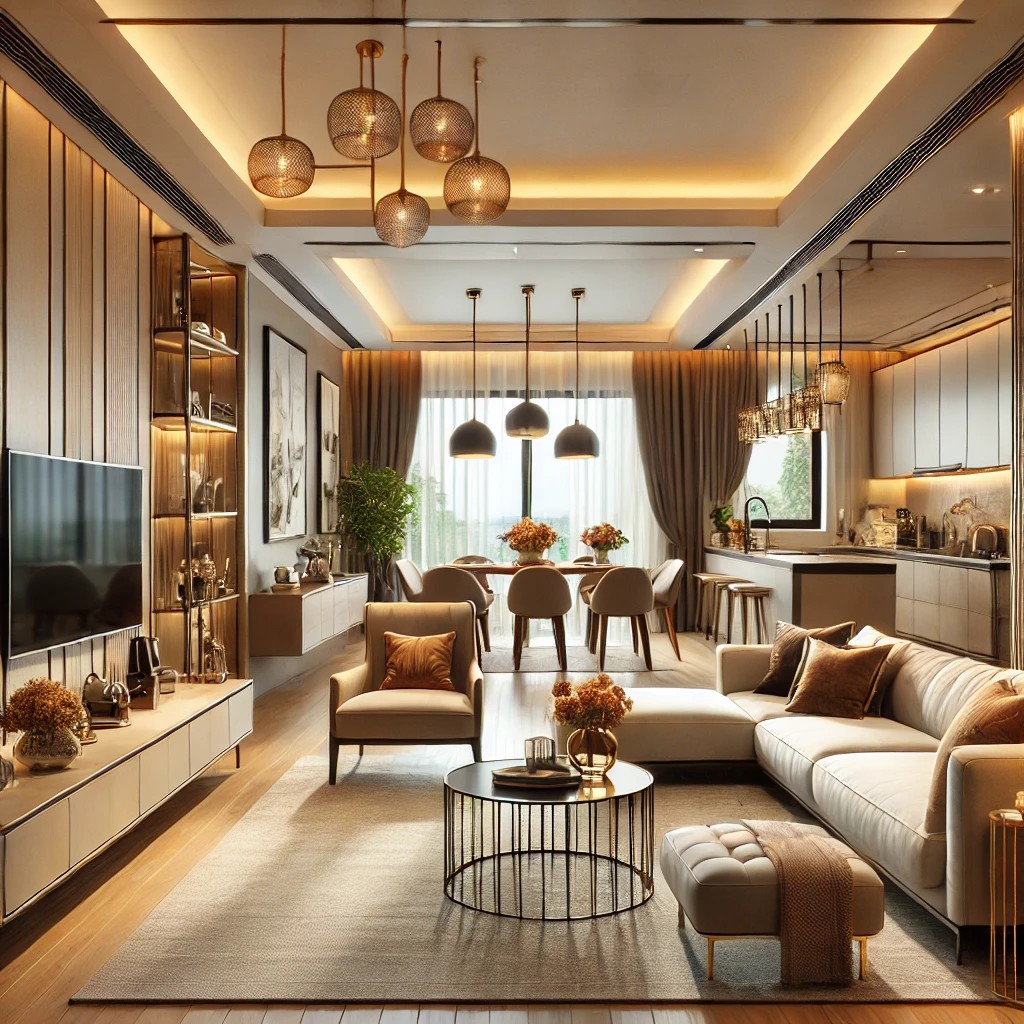
- Create Zones: Use rugs or furniture arrangements to delineate different functional areas within a single space.
- Use Vertical Space: Install shelves high on the walls to draw the eye upward and create a feeling of height.
FAQs About Interior Design for Small Spaces
1. What is the best color scheme for small spaces?
Light, neutral colors work best for small spaces as they reflect light and make the area feel larger. Soft pastels can also add warmth without overwhelming the space.
2. How can I make a small room look bigger?
Utilize mirrors, light colors, and multi-functional furniture to create an illusion of space. Keeping the room organized and decluttered also helps.
3. What types of furniture are best for small spaces?
Choose multi-functional furniture, such as sofas that convert into beds or coffee tables with storage. Slim and lightweight pieces are also ideal.
4. How can I create zones in a small space?
Use area rugs, furniture placement, or lighting to define different zones, such as a reading nook or dining area, within a single room.
5. Is it better to have fewer pieces of furniture in a small space?
Yes, having fewer pieces helps maintain an open and airy feel, allowing for better flow and usability within the room.
Conclusion
Designing small spaces can seem daunting, but by understanding and applying the principles of interior design, you can create beautiful and functional environments. Remember to focus on balance, proportion, harmony, and functionality while incorporating personal touches that reflect your style.
For more inspiration and guidance on interior design, check out these valuable resources:
Embrace the challenge of designing small spaces, and let your creativity shine!