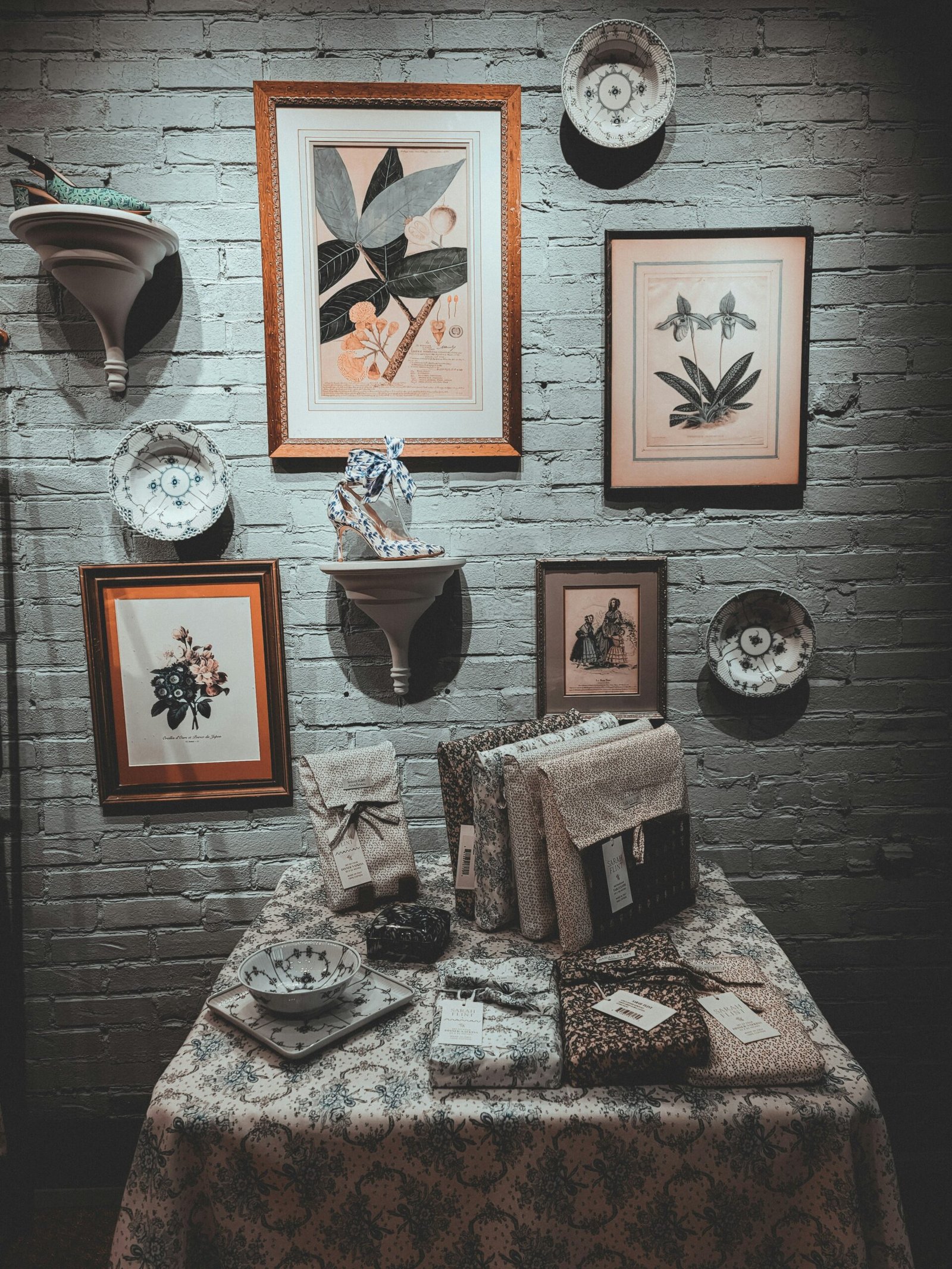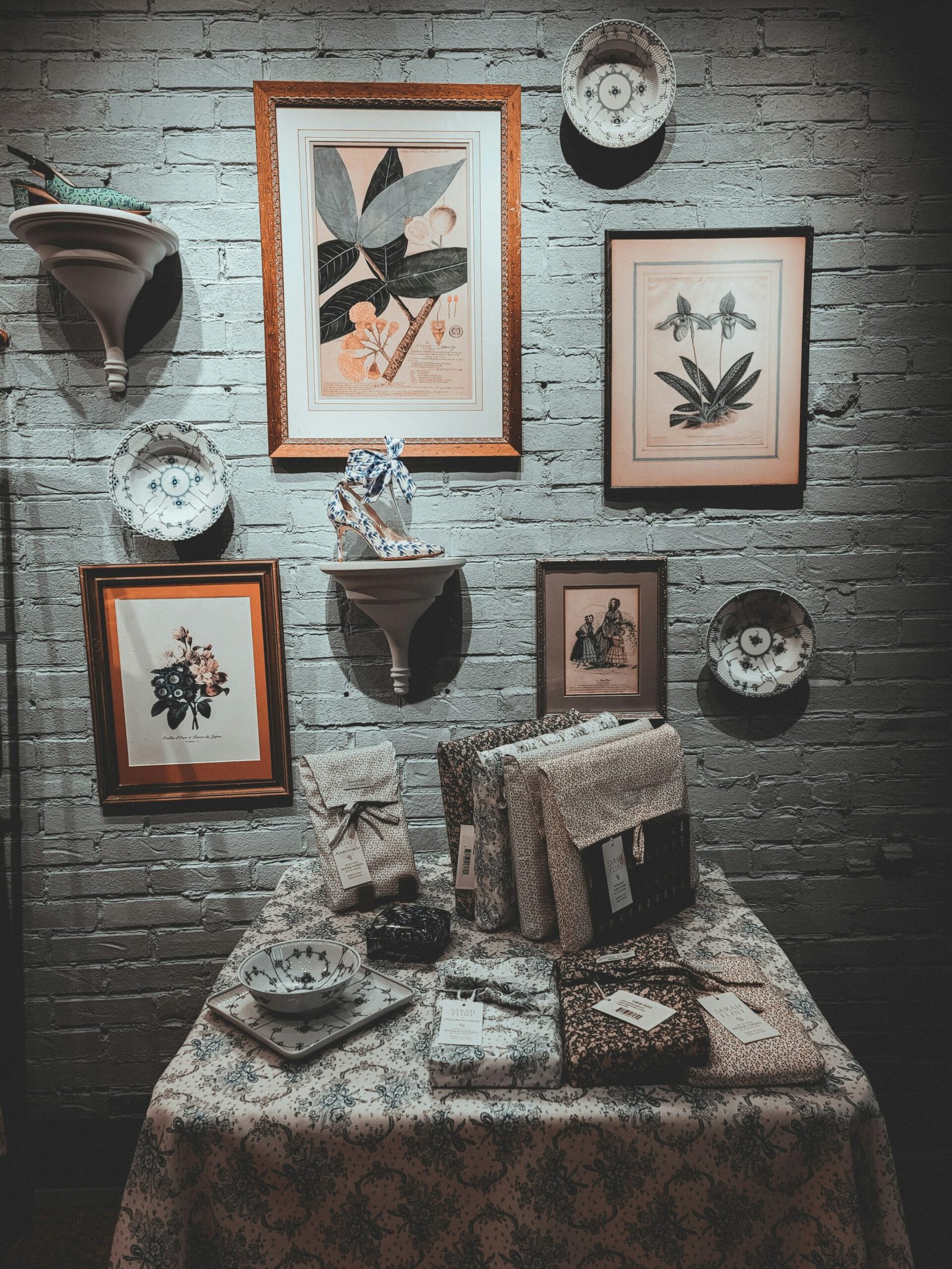
room decoration

a table with a bunch of items on it

Transform Your Space: Tips to Make Your Room Lucky

a table with a bunch of items on it

Understanding the Concept of Luck in Your Space

The idea of luck can vary significantly among cultures, but it often relates to creating positive energy in your environment. A room that radiates good vibes can uplift your mood and enhance your overall prospects in life. If you’re asking, ‘How can I make my room lucky?’, consider the following simple yet effective tips.

Declutter and Organize

First and foremost, tackling clutter is essential. A chaotic space can lead to a chaotic mind. Take some time to organize your belongings, keeping only those that are meaningful. A tidy room is not just visually appealing; it also allows energy to flow freely, contributing to a more harmonious atmosphere.

Incorporate Lucky Symbols

Many cultures believe in specific symbols that attract luck. For instance, adding a Four-Leaf Clover or a Horseshoe can bring good fortune. You could also consider displaying a small fountain for prosperity or hanging wind chimes that can enhance positivity. Tailor these symbols to what resonates with you personally, as this sentiment can amplify their effect.

Embrace Natural Light and Plants

Lastly, having ample natural light can make a significant difference in how your room feels. Open the curtains to let sunlight filter through and rejuvenate your space. Incorporating indoor plants can also be beneficial; they not only purify the air but are also considered lucky in many traditions. Start with easy-to-maintain varieties like pothos or succulents.

By following these straightforward suggestions, you can transform your room into a lucky haven. Remember, your space reflects your mindset, so cultivate positivity and watch how luck follows.

Making your room feel lucky can involve incorporating elements from Feng Shui, Vastu Shastra, or other cultural traditions associated with good fortune. Here are some tips to create a positive and “lucky” environment in your room:

1. Clean and Declutter

  • Remove Clutter: Clear out unnecessary items to allow the flow of positive energy (Chi) and create a calming atmosphere.
  • Organized Space: Keep your room tidy and organized, as clutter can block good energy and create stress.

2. Incorporate Lucky Colors

  • Red and Gold: Colors like red and gold are often associated with prosperity and good fortune. Use them as accent colors in decor or textiles.
  • Earthy Tones: Colors like green, brown, or blue are linked to stability and growth, creating a balanced and harmonious space.

3. Position Your Bed Correctly

  • Feng Shui Bed Position: Place your bed in the “command position,” where you can see the door but are not directly in line with it. This position is said to bring a sense of security and attract good energy.
  • Avoid Placing the Bed Under a Window: In Feng Shui, sleeping under a window is believed to drain energy.

4. Use Crystals and Stones

  • Amethyst for Good Luck: Amethyst is believed to bring good luck and protection. Place it on your nightstand or desk.
  • Citrine for Abundance: Citrine is associated with prosperity and wealth. Keep it near your workspace or in the wealth corner of the room (far left corner from the entrance).

5. Add Plants for Positive Energy

  • Lucky Bamboo: This plant is considered lucky and is said to attract wealth and harmony. Place it in the wealth corner of the room.
  • Money Plant or Jade Plant: These plants are also believed to bring good fortune and financial success.
  • Healthy Plants: Ensure that the plants are healthy and well-cared for, as dying plants can bring negative energy.

6. Place Mirrors Strategically

  • Reflect Positive Energy: Use mirrors to reflect light and positive energy around the room. Position them so they do not face the bed directly, as this is believed to disrupt sleep.
  • Avoid Mirrors Facing Doors: According to Feng Shui, mirrors facing doors can deflect positive energy away from the room.

7. Add Symbols of Luck

  • Lucky Charms or Artifacts: Incorporate items like a laughing Buddha, horseshoe, or a four-leaf clover, which are considered lucky in various cultures.
  • Art or Decor with Inspirational Quotes: Use decor that uplifts your mood and aligns with positive affirmations or symbols.

8. Let in Natural Light and Fresh Air

  • Open Windows Regularly: Let in natural light and fresh air to refresh the energy in the room.
  • Curtains and Blinds: Use light, breathable materials for curtains that allow natural light to flow into the space.

9. Incorporate Essential Oils or Incense

  • Burn Sage or Palo Santo: These are used in various traditions to cleanse a space and eliminate negative energy.
  • Use Lucky Scents: Essential oils like citrus, sandalwood, or lavender can promote positive vibes and relaxation.

10. Use Symbols of Wealth and Abundance

  • Coins or Wealth Symbols: Display items like Chinese coins tied with a red ribbon, a wealth bowl, or even images representing abundance (e.g., gold coins or waterfalls).
  • Fountains or Water Features: In Feng Shui, water represents wealth and abundance. Consider adding a small tabletop fountain.

11. Maintain a Balanced Layout

  • Symmetry: Use pairs of objects, like matching nightstands or lamps, to create a balanced energy flow in the room.
  • Avoid Sharp Angles: Keep sharp angles or corners away from areas where you relax or sleep, as they can create “poison arrows” of negative energy.

12. Keep Electronics to a Minimum

  • Limit Screen Time: Reduce the presence of electronic devices, especially near your bed, to avoid electromagnetic energy disturbances.
  • Cover Devices at Night: If you can’t remove them, cover them or keep them out of sight when not in use.

13. Decorate with Meaningful Objects

  • Family Photos: Display photos of loved ones or happy memories to attract positive feelings and luck.
  • Personal Mementos: Include items that have sentimental value or represent achievements, as they can bring joy and motivation.

14. Create a Comfortable Sleep Environment

  • Quality Bedding: Invest in comfortable bedding and keep your bed clean and fresh. A good night’s sleep is crucial for well-being.
  • Sleep-Friendly Lighting: Use dimmable lights or lamps with warm tones to create a cozy atmosphere at night.

15. Add Sound Elements

  • Wind Chimes: In Feng Shui, wind chimes are used to activate good energy and create a soothing environment.
  • Relaxing Music: Play soft, calming music to elevate the mood and reduce stress.

By incorporating these elements, you can make your room a space that attracts positive energy, luck, and a sense of well-being.

Transform Your Space: Tips to Make Your Room Lucky Read More Β»

a table with a bunch of items on it

A Comprehensive Guide on How to Decorate Your Room

Understanding Your Space

Before embarking on the journey of how to decorate your room, start by understanding the space you have. Consider the size, layout, and purpose of the room. An ideal room design reflects not only aesthetics but also functionality. Take measurements and create a rough sketch, noting where doors and windows are located to properly plan your arrangement.

Choose a Theme

One effective approach to room decoration is to choose a specific theme. This will help you create a cohesive look throughout the space. Popular themes include minimalist, bohemian, industrial, and nautical. For instance, a minimalist theme often emphasizes simplicity and clean lines, while a bohemian style incorporates vibrant colors and eclectic patterns. Select a theme that aligns with your personality and interests.

Selecting Colors and Furnishings

Color plays a vital role in how to decorate your room. Consider choosing a color palette that resonates with the mood you wish to create. Light colors can make a room feel airy and spacious, whereas darker shades add depth and coziness. Next, select furnishings that complement the chosen theme and color scheme. Invest in key pieces like a stylish bed, a comfortable chair, and functional storage. Additionally, accessorize with cushions, rugs, and artwork that enhance your design.

How to Decorate Your Room: A Step-by-Step Guide

Decorating your room is an exciting way to express your personality and create a space that reflects your style and meets your needs. Whether you’re starting from scratch or refreshing your current decor, this guide will help you through the process.

1. Define Your Style

Before diving into decoration, take some time to define your style. Here are a few popular interior design styles to consider:

  • Minimalist: Focus on simplicity, clean lines, and a neutral color palette.
  • Bohemian: Incorporate vibrant colors, patterns, and eclectic decor items.
  • Scandinavian: Emphasize functionality, natural light, and cozy textiles.
  • Industrial: Use raw materials, such as exposed brick, metal, and wood.

2. Set a Budget

Determine how much you’re willing to spend on decorating your room. Having a clear budget will help you make better decisions and prioritize your purchases. Consider allocating your budget for different categories, such as furniture, accessories, and wall decor.

3. Choose a Color Scheme

Select a color palette that reflects your style and creates the mood you want in your room. Consider the following tips when choosing colors:

  • Neutral Base: Start with neutral colors for larger furniture pieces and walls, then add accent colors with decor and accessories.
  • Complementary Colors: Use a color wheel to find complementary colors that work well together.
  • Test Samples: Purchase paint or fabric samples to see how they look in your room’s lighting before making a final decision.

4. Plan the Layout

Creating a functional layout is essential for a well-decorated room. Consider the following:

  • Furniture Placement: Arrange your furniture to promote conversation and flow. Ensure that pathways are clear and the layout feels comfortable.
  • Focal Point: Identify a focal point in your room, such as a bed, fireplace, or artwork, and arrange your decor around it.
  • Scale and Proportion: Choose furniture and decor items that are proportional to the size of your room. Large pieces can overwhelm a small space, while small items can get lost in a larger room.

5. Select Key Furniture Pieces

Invest in key furniture pieces that align with your style and needs. Here are some essential items to consider:

  • Bed: The centerpiece of your bedroom, choose a bed frame and mattress that suit your style and comfort.
  • Desk or Study Area: If you need a workspace, consider a stylish desk and comfortable chair.
  • Storage Solutions: Choose functional and aesthetically pleasing storage options, such as bookshelves, cabinets, or storage bins.

6. Accessorize Thoughtfully

Accessories bring personality and warmth to your room. Consider the following elements:

  • Textiles: Use rugs, curtains, and throw pillows to add texture and warmth to your space. Layering different textiles can create a cozy atmosphere.
  • Artwork: Hang artwork or photographs that resonate with you. Create a gallery wall for a more dynamic look.
  • Plants: Incorporate indoor plants to bring life and freshness to your room. They can also improve air quality.

7. Personalize Your Space

Make your room truly yours by adding personal touches:

  • Photographs: Display framed photographs of friends, family, or travel experiences.
  • DIY Projects: Consider incorporating handmade decor items or crafts that showcase your creativity.
  • Hobbies and Interests: Reflect your interests through decor items, such as musical instruments, books, or sports memorabilia.

8. Keep it Organized

Maintaining organization is key to a well-decorated room. Use storage solutions to keep clutter at bay:

  • Declutter: Regularly assess your items and donate or discard what you no longer need.
  • Functional Storage: Utilize baskets, bins, and shelves to organize your belongings while adding to the decor.

9. Lighting Matters

Proper lighting enhances the overall ambiance of your room. Consider these lighting options:

  • Natural Light: Maximize natural light by using sheer curtains and strategically placing mirrors to reflect light.
  • Layered Lighting: Use a combination of ambient, task, and accent lighting to create a warm and inviting atmosphere.

10. Don’t Rush the Process

Decorating your room is a personal journey that takes time. Don’t feel pressured to complete everything at once. Take your time to find the right pieces and let your style evolve.

Decorating your room is an opportunity to create a space that feels uniquely yours. By defining your style, planning thoughtfully, and adding personal touches, you can transform your room into a beautiful and functional sanctuary. Happy decorating!


Feel free to use this blog on your website or adapt it to suit your needs! If you have any specific requirements or additional points you’d like to include, just let me know.

FAQ: How to Decorate Your Room

Here are some frequently asked questions about decorating a room, along with answers to help guide you through the process:

1. What’s the first step in decorating a room?

The first step is to define your style. Research different interior design styles (like minimalist, bohemian, or industrial) to determine what resonates with you.

2. How do I create a budget for decorating?

Set a clear budget by deciding how much you want to spend overall. Allocate funds for different categories, such as furniture, accessories, and paint. Stick to your budget by prioritizing essential items first.

3. How can I choose a color scheme?

Select a color palette that reflects your style and mood. Start with neutral colors for larger items, and add accent colors with decor. Use a color wheel to find complementary colors and test samples in your room’s lighting.

4. What should I consider when planning the layout?

Think about furniture placement, focal points, and flow. Arrange your furniture to promote conversation and ensure pathways are clear. Identify a focal point and build your layout around it.

5. What are the essential furniture pieces I should invest in?

Key pieces include a bed, desk (if needed), and storage solutions. Choose items that fit your style and are functional for your needs.

6. How do I accessorize my room?

Accessories like textiles (rugs, curtains), artwork, and plants add personality. Use a mix of textures and colors to create warmth, and consider incorporating personal items like photographs or DIY projects.

7. How can I keep my room organized?

Regularly declutter and donate or discard items you no longer need. Use functional storage solutions like baskets and shelves to maintain organization and keep your decor neat.

8. What lighting options should I consider?

Use a combination of natural light, ambient lighting, task lighting, and accent lighting. Maximize natural light with sheer curtains and mirrors, and create a warm atmosphere with layered lighting.

9. Is it necessary to decorate everything at once?

No, it’s not necessary. Take your time to find the right pieces and let your style evolve naturally. Enjoy the process and make changes as you discover what works best for you.

10. Can I mix different styles in my room?

Yes! Mixing styles can create a unique and personalized space. Just be mindful of maintaining a cohesive color palette or theme to ensure harmony among the different elements.

Decorating your room is a fun and creative process that allows you to express yourself. By understanding the basics and asking the right questions, you can create a space that is both beautiful and functional.

Feel free to adapt these FAQs to suit your needs! If you need any more information or specific details, just let me know.

A Comprehensive Guide on How to Decorate Your Room Read More Β»

Scroll to Top