- Define Your Goals:
- Clearly outline your sustainability goals. Determine which aspects are most important to you, such as energy efficiency, water conservation, use of eco-friendly materials, or indoor air quality.
- Site Selection and Orientation:
- Choose a site that maximizes natural resources. Orient the home to take advantage of sunlight for passive solar heating and cooling. This reduces reliance on mechanical systems.
- Energy-Efficient Design:
- Design the home with energy efficiency in mind. This includes proper insulation, high-performance windows, and utilizing thermal mass for temperature regulation. Consider renewable energy sources like solar panels or wind turbines.
- Smart Floor Plan:
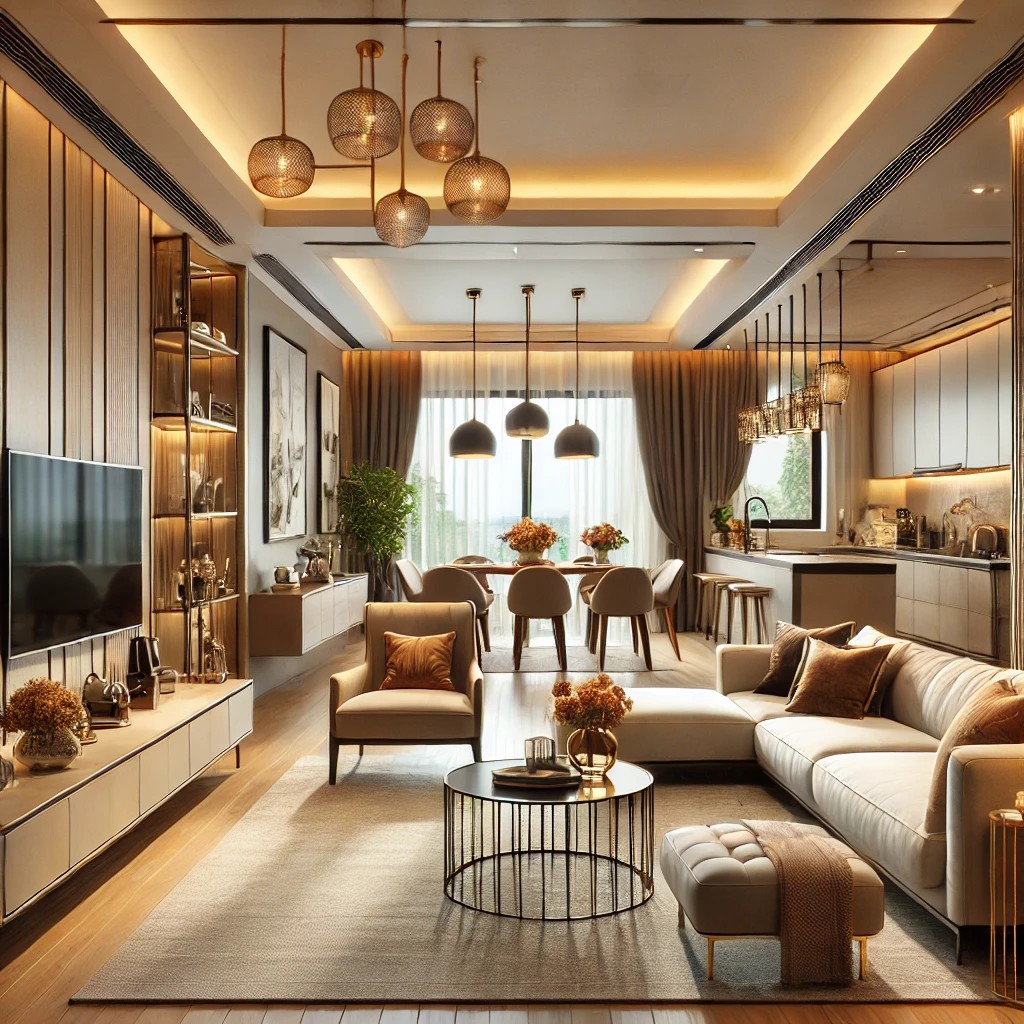
- Optimize the floor plan to minimize wasted space and reduce the need for excessive heating or cooling. Open floor plans can enhance natural ventilation and lighting.
- Sustainable Materials:
- Choose eco-friendly, recycled, or locally sourced materials. Consider materials with low embodied energy and a minimal environmental impact. Examples include bamboo flooring, recycled steel, and reclaimed wood.
- Water Conservation:
- Implement water-saving features such as low-flow faucets, toilets, and rainwater harvesting systems. Design landscaping with native, drought-resistant plants to reduce water usage.
- Efficient HVAC Systems:
- Select energy-efficient heating, ventilation, and air conditioning (HVAC) systems. Use programmable thermostats and zone heating to minimize energy consumption.
- Natural Lighting:
- Maximize natural light to reduce the need for artificial lighting during the day. Consider energy-efficient LED or CFL bulbs when artificial lighting is necessary.
- Green Roof and Walls:
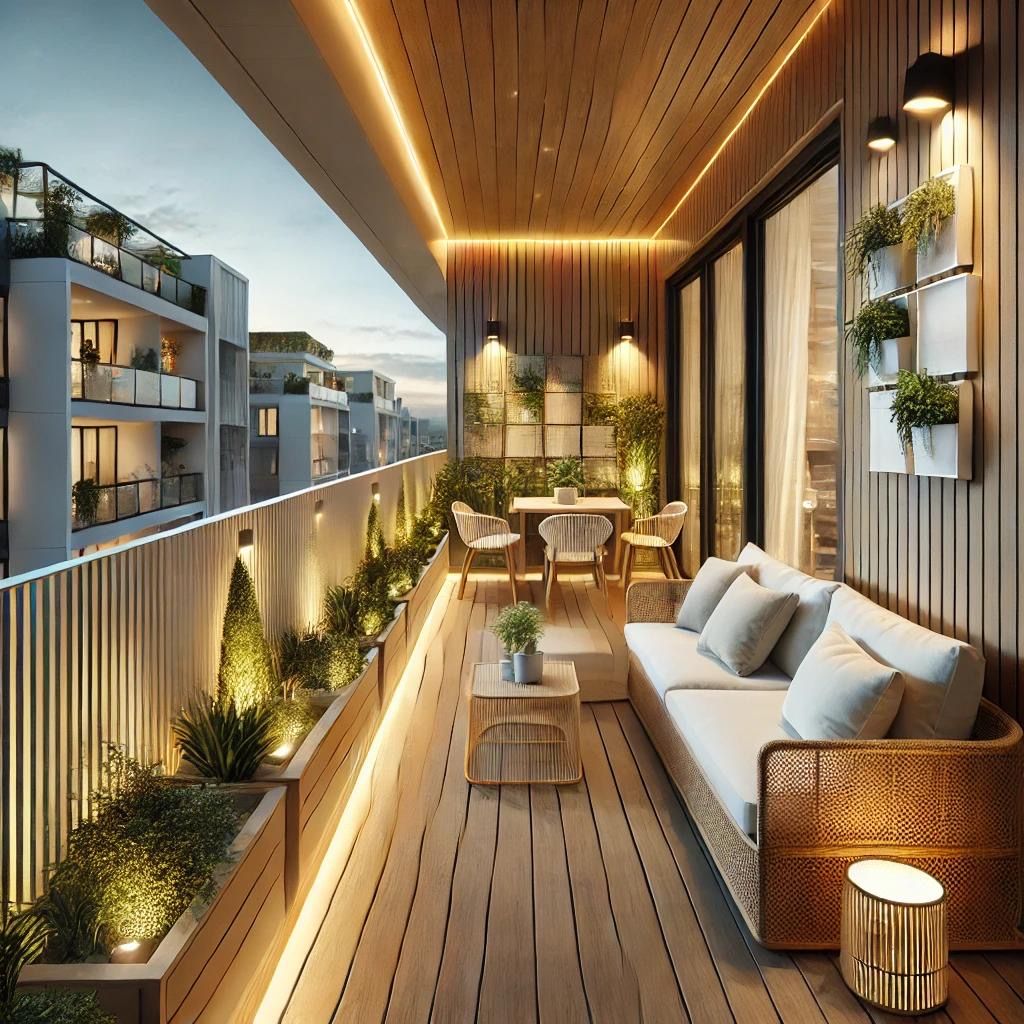
- Integrate green roofs or walls to improve insulation, reduce stormwater runoff, and enhance biodiversity. These features contribute to a more sustainable and aesthetically pleasing environment.
- Waste Reduction and Recycling:
- Plan for waste reduction during construction and implement a recycling system. Design spaces with adequate storage for recyclables and encourage sustainable practices in daily living.
- Indoor Air Quality:
- Choose non-toxic, low-VOC (volatile organic compound) paints, finishes, and materials to enhance indoor air quality. Provide good ventilation through natural means or energy-efficient mechanical systems.
- Monitoring and Maintenance:
- Install energy and water monitoring systems to track consumption. Regularly maintain and upgrade systems to ensure continued sustainability over the home’s lifespan.
- Certifications and Standards:
- Consider obtaining certifications like LEED (Leadership in Energy and Environmental Design) or other local sustainable building certifications. Adhering to recognized standards can guide your design and validate your commitment to sustainability.
- Educate and Involve:
- Educate occupants about sustainable living practices and involve them in maintaining the home’s sustainability features. Encourage a lifestyle that aligns with the principles of a sustainable home.
Remember that designing a sustainable home is an ongoing process that involves thoughtful planning and continuous commitment to environmental responsibility.
Certainly! Here’s a brief FAQ summarizing the steps in designing a sustainable home:
Q1: What are the key goals in designing a sustainable home? A1: Clearly define your sustainability goals, such as energy efficiency, water conservation, eco-friendly materials, and indoor air quality.
Q2: How does site selection impact sustainability in home design? A2: Choose a site that maximizes natural resources and allows for passive solar heating and cooling. Orient the home to take advantage of sunlight.
Q3: What should be considered for an energy-efficient design? A3: Focus on proper insulation, high-performance windows, and renewable energy sources like solar panels. Smart floor plans and open layouts can enhance natural ventilation and lighting.
Q4: What materials are considered sustainable for home construction? A4: Choose eco-friendly, recycled, or locally sourced materials with low embodied energy. Examples include bamboo flooring, recycled steel, and reclaimed wood.
Q5: How can water conservation be integrated into sustainable home design? A5: Implement water-saving features such as low-flow faucets, toilets, and rainwater harvesting systems. Design landscaping with native, drought-resistant plants.
Q6: What HVAC systems are recommended for a sustainable home? A6: Select energy-efficient HVAC systems, use programmable thermostats, and consider zone heating to minimize energy consumption.
Q7: How can natural lighting be optimized for sustainability? A7: Maximize natural light to reduce the need for artificial lighting. When artificial lighting is necessary, use energy-efficient LED or CFL bulbs.
Q8: What are the benefits of green roofs and walls in sustainable home design? A8: Green roofs and walls improve insulation, reduce stormwater runoff, and enhance biodiversity, contributing to a more sustainable and aesthetically pleasing environment.
Q9: How can waste reduction and recycling be incorporated into home design? A9: Plan for waste reduction during construction, implement recycling systems, and design spaces with adequate storage for recyclables.
Q10: What considerations are there for indoor air quality in sustainable home design? A10: Choose non-toxic, low-VOC paints, finishes, and materials. Ensure good ventilation through natural means or energy-efficient mechanical systems.
Q11: Are there certifications for sustainable home design? A11: Yes, consider obtaining certifications like LEED (Leadership in Energy and Environmental Design) or other local sustainable building certifications to guide your design and validate sustainability efforts.
Q12: What is the importance of monitoring and maintenance in sustainable home design? A12: Install monitoring systems for energy and water consumption. Regularly maintain and upgrade systems to ensure continued sustainability over the home’s lifespan.
Q13: How can occupants be involved in maintaining a sustainable home? A13: Educate occupants about sustainable living practices and involve them in maintaining the home’s sustainability features. Encourage a lifestyle aligned with the principles of a sustainable home.
Remember that designing a sustainable home is a holistic process that involves various considerations and ongoing commitment to environmentally responsible living.