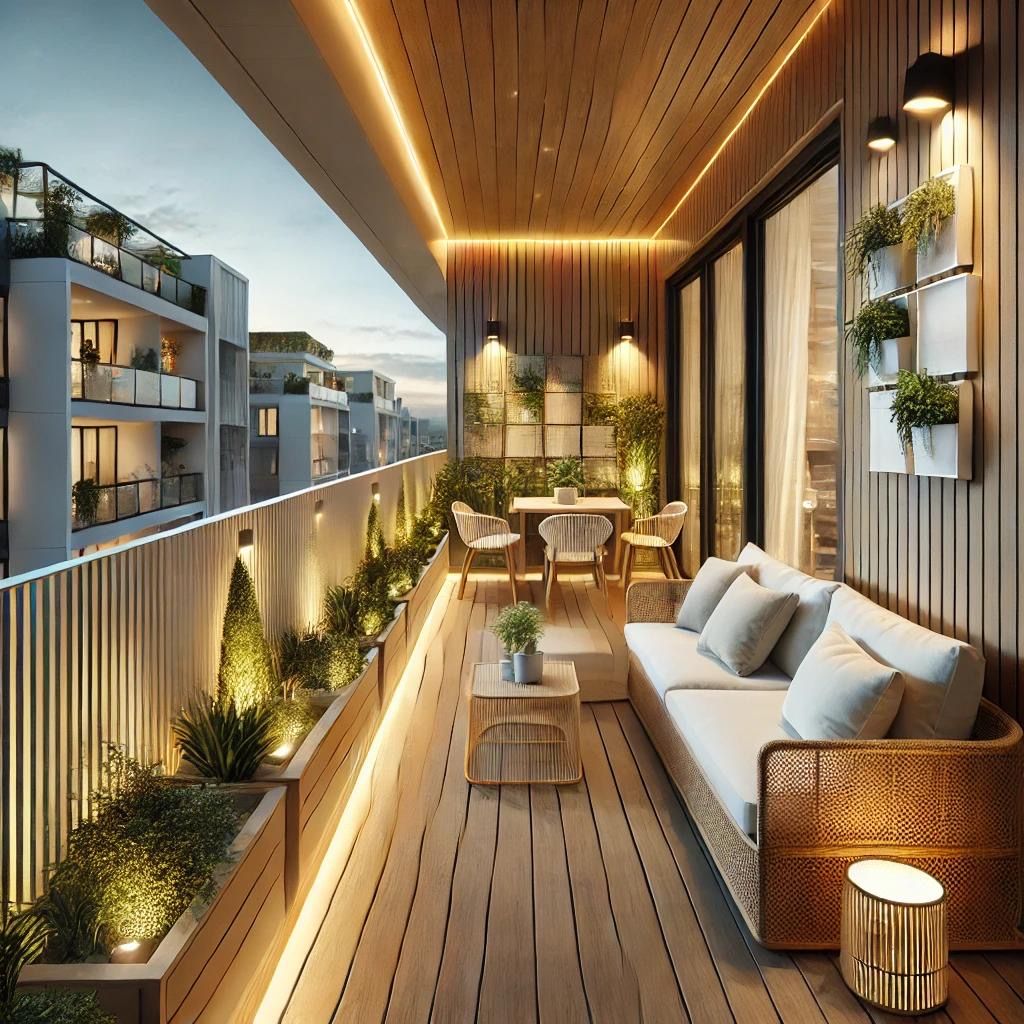
Navigating Design Realms: Understanding How Interior Designers Differ from Interior Decorators in the Design Process

Introduction: The art of transforming a space requires a thoughtful and strategic design process, and in this creative endeavor, the roles of interior designers and interior decorators come to the forefront. While their titles may be used interchangeably, a closer look reveals nuanced differences in how they approach the design process. This blog aims to shed light on the distinctive aspects of how interior designers differ from interior decorators, offering insights into their respective methodologies and contributions to the world of design.

  1. Initial Consultation: Delving into Client Needs
    • Interior Designers: The design journey typically begins with an in-depth consultation where interior designers gather detailed information about clients’ lifestyles, preferences, and functional requirements. This phase involves understanding the client’s vision for the space in terms of both aesthetics and functionality.
    • Interior Decorators: While decorators also conduct initial consultations, the emphasis is primarily on capturing the client’s aesthetic preferences. Discussions revolve around style, color preferences, and the overall visual feel the client envisions.
  2. Concept Development: From Vision to Blueprint
    • Interior Designers: Armed with a holistic understanding of the client’s needs, interior designers develop comprehensive design concepts. This phase may involve spatial planning, architectural considerations, and the creation of mood boards that encompass both aesthetic and functional elements.
    • Interior Decorators: The focus during concept development for decorators is primarily on the visual aspects. They curate mood boards and design schemes that highlight color palettes, furnishings, and decorative elements, ensuring a cohesive and visually pleasing aesthetic.
  3. Spatial Planning and Architectural Modifications: Crafting Functional Spaces
    • Interior Designers: A key differentiator is the involvement of interior designers in spatial planning and, at times, architectural modifications. They optimize the layout for functionality, considering factors such as traffic flow, lighting, and the utilization of space.
    • Interior Decorators: While decorators contribute to spatial arrangements, they are typically not involved in structural changes. Their expertise lies in enhancing the visual appeal within the existing architectural framework.
  4. Material and Fixture Selection: Merging Aesthetics with Practicality
    • Interior Designers: Tasked with a comprehensive approach, interior designers are deeply involved in selecting materials and fixtures that not only align with the design concept but also meet functional requirements. They consider durability, maintenance, and suitability for the intended purpose.
    • Interior Decorators: Their focus on aesthetics extends to material and fixture selection, with an emphasis on visual harmony. While considering the tactile and visual qualities, decorators may not delve as deeply into the technical aspects of material choices.
  5. Project Management: Orchestrating the Design Symphony
    • Interior Designers: Project management is a core responsibility of interior designers. They coordinate with contractors, oversee installations, and ensure that the design vision is executed seamlessly. Budgeting and timeline management are integral components of their role.
    • Interior Decorators: While involved in project management, decorators typically concentrate more on the aesthetic aspects, such as coordinating deliveries, arranging installations, and ensuring the visual elements align with the overall design concept.

Conclusion: In navigating the complex landscape of interior design, recognizing the distinctions in the design process between interior designers and interior decorators is essential. Each professional brings a unique set of skills and perspectives to the table, contributing to the creation of spaces that are not only visually captivating but also functionally optimized. Understanding these differences empowers clients and design enthusiasts alike to make informed decisions in their pursuit of a well-designed and harmonious environment.

Leave a Comment

Your email address will not be published. Required fields are marked *

Scroll to Top