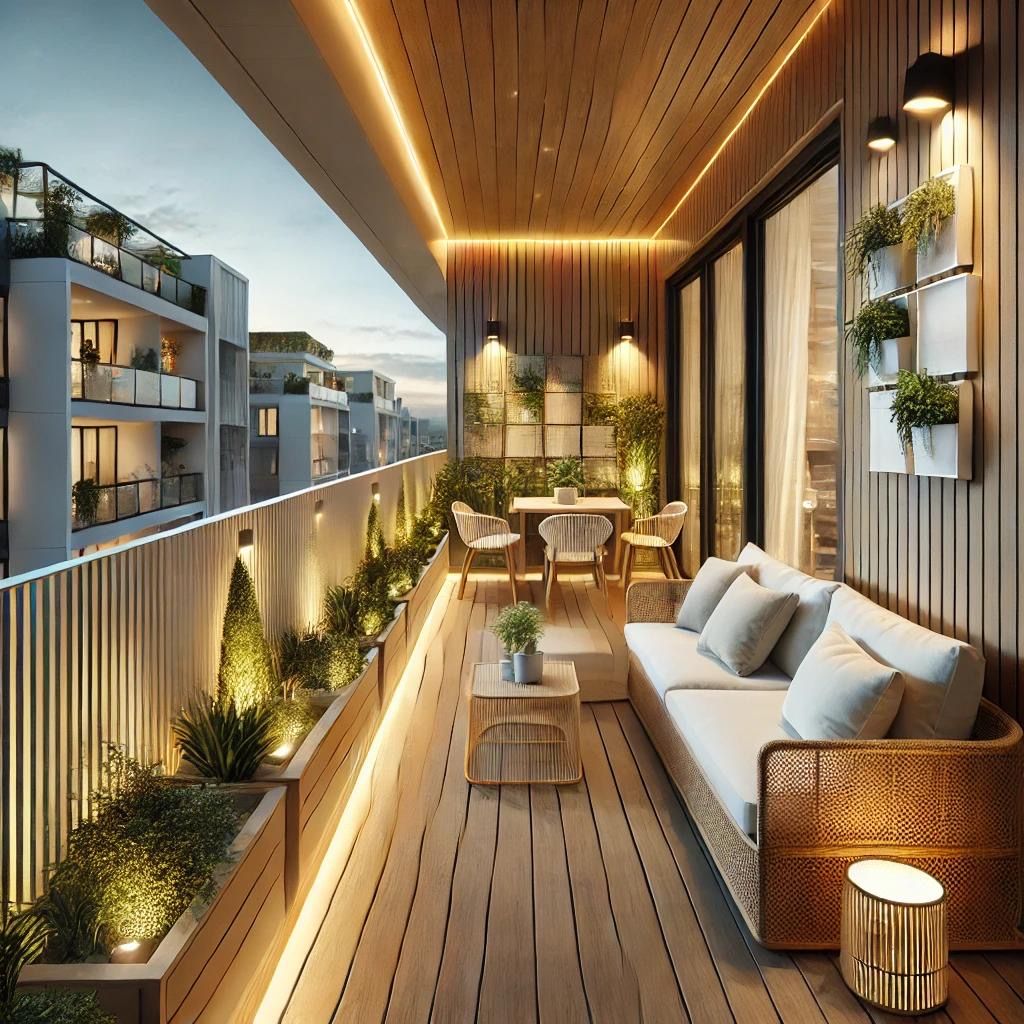
Interior design is more than just arranging furniture and choosing paint colors; it’s about creating harmonious and functional spaces that reflect personal style and enhance the quality of life. Understanding the principles of interior design and decor is essential for anyone looking to transform their environment effectively. This comprehensive guide will explore these principles, provide practical applications, and answer common questions to help you master your interior spaces.
What Are the Principles of Interior Design?
The principles of interior design serve as the foundation for creating beautiful, functional spaces. These principles include balance, proportion, scale, harmony, contrast, rhythm, and emphasis. Let’s delve into each one to understand its importance and application in interior decor.
1. Balance: The Foundation of Design
Balance refers to the distribution of visual weight in a space, creating a sense of stability and comfort. It can be achieved in two primary ways:
- Symmetrical Balance: This involves mirroring elements on either side of a central axis. For example, placing two identical chairs flanking a coffee table creates a formal and organized look.
- Asymmetrical Balance: This approach uses dissimilar objects that have equal visual weight. For instance, a large artwork on one side can be balanced by a cluster of smaller decorative items on the opposite side.
2. Proportion: The Relationship of Size
Proportion refers to the relationship between the sizes of different elements in a space. Proper proportion enhances the overall aesthetic and functionality of the room. Here are some tips:
- Furnishing Scale: Choose furniture that fits well within the room. Oversized furniture can make a small room feel cramped, while small pieces may look lost in a large space.
- Height Considerations: Pay attention to ceiling height when selecting decor. Tall bookshelves can be overwhelming in a low-ceiling room, while low furniture can create a more spacious feel.
3. Scale: Contextual Size
Scale refers to the size of an object in relation to its environment. Unlike proportion, which focuses on the relationship between elements, scale is about how an object relates to the space around it.
- Use larger furniture in spacious rooms to fill the space without overcrowding it. Conversely, in smaller areas, opt for compact furniture to maintain flow and functionality.
- Be mindful of how the scale of decorative elements like artwork, plants, or lighting fixtures interacts with furniture and space to create a cohesive look.
4. Harmony: The Key to Cohesion
Harmony in interior design means that all elements in a room work together cohesively to create a unified look. It involves careful consideration of colors, materials, and styles to ensure they complement each other.
- Color Harmony: Select a consistent color palette that ties different areas together. For example, using varying shades of blue throughout the living room and adjoining spaces can create a seamless transition.
- Material Harmony: Choose materials that work well together. A combination of wood, metal, and fabric can create a balanced and inviting atmosphere without clashing.
5. Contrast: Adding Interest and Depth
Contrast involves using opposing elements to create visual interest and emphasize specific areas. It can make a space more dynamic and engaging.
- Color Contrast: Pair light and dark colors to create depth. A dark sofa against a light wall can serve as a striking focal point.
- Texture Contrast: Combining smooth surfaces with rough textures, such as a leather couch with a knitted throw, adds richness and tactile interest to a room.
6. Rhythm: Creating Visual Flow
Rhythm in interior design refers to the repetition or alternation of elements, guiding the eye through a space and creating a sense of movement.
- Use patterns, colors, and shapes consistently to establish rhythm. For instance, if circular decor is a theme, repeating those shapes in throw pillows or wall art can enhance the flow.
- Transition smoothly between different areas by incorporating similar colors or materials, which creates a sense of continuity.
7. Emphasis: Creating Focal Points
Emphasis involves creating a focal point in a room to draw attention and create interest. This principle helps organize the space and makes it feel purposeful.
- Creating Focal Points: Use artwork, a striking piece of furniture, or an architectural feature to act as a focal point. A large painting over a fireplace or a stylish chandelier can serve as eye-catching elements.
- Ensure that the focal point stands out without overwhelming the surrounding elements, maintaining a sense of balance and proportion.
Practical Applications of the Principles of Interior Design
Now that we have explored the principles, let’s discuss how to effectively apply them in your own spaces.
Choose a Cohesive Color Palette
Start by selecting a color palette that reflects your style and the mood you want to create. Use color swatches to visualize how different colors will work together in your space.
Invest in Quality, Scale-Appropriate Furniture
Select furniture that not only fits well within the room but also aligns with your style. Look for multi-functional pieces that enhance usability without compromising aesthetics.
Layer Your Lighting
Incorporate various lighting sources—ambient, task, and accent—to create a warm and inviting atmosphere. Layered lighting enhances depth and highlights specific areas in the room.
Declutter and Organize Regularly
Maintain an organized space by decluttering frequently. This practice enhances the visual appeal of the space and allows the principles of design to shine through, creating a serene environment.
Experiment with Textures and Patterns
Mixing different textures and patterns can add visual interest and depth to your decor. Pair smooth fabrics with rough surfaces, such as a velvet couch combined with a rustic wooden table, for a rich, inviting space.
FAQs About Interior Design Principles
1. What are the basic principles of interior design?
The basic principles include balance, proportion, scale, harmony, contrast, rhythm, and emphasis. These principles help create functional and visually appealing spaces.
2. How can I achieve balance in my interior design?
You can achieve balance by arranging furniture and decor to distribute visual weight evenly, either through symmetrical or asymmetrical designs.
3. What is the significance of proportion in interior design?
Proportion ensures that different elements within a space relate well to each other in size and scale, promoting aesthetic harmony.
4. How do I create a focal point in my room?
Choose a significant piece of decor, furniture, or artwork to act as a focal point. Arrange other elements around it to highlight its importance and maintain balance.
5. Can I mix different design styles in my interior space?
Yes, mixing styles can create a unique and personalized space. Ensure that there are cohesive elements, such as color or material, to maintain harmony.
Conclusion
Mastering the principles of interior design and decor is essential for creating spaces that are not only visually appealing but also functional and reflective of your personality. By applying the principles of balance, proportion, scale, harmony, contrast, rhythm, and emphasis, you can transform your home or office into a harmonious sanctuary.
For further insights and inspiration, explore these resources:
Embrace these principles, unleash your creativity, and let your spaces tell your story!