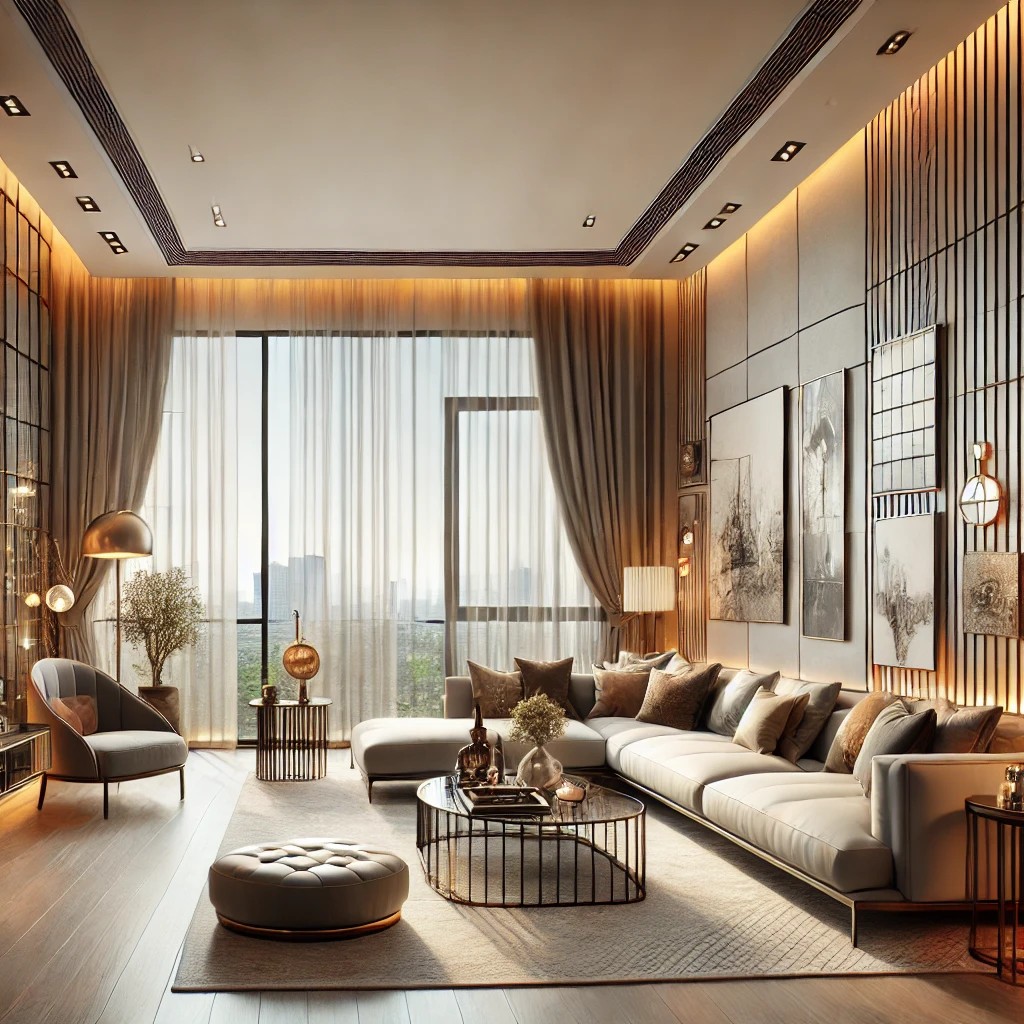
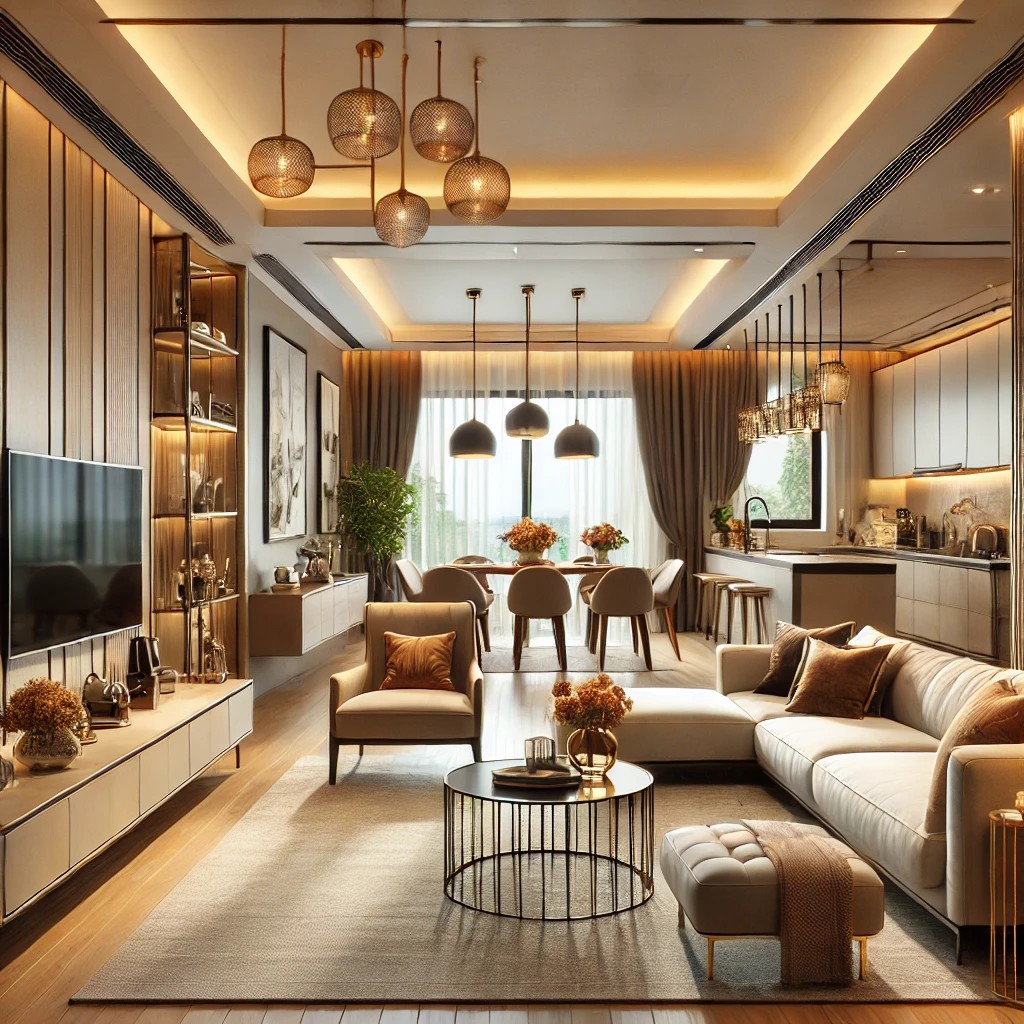
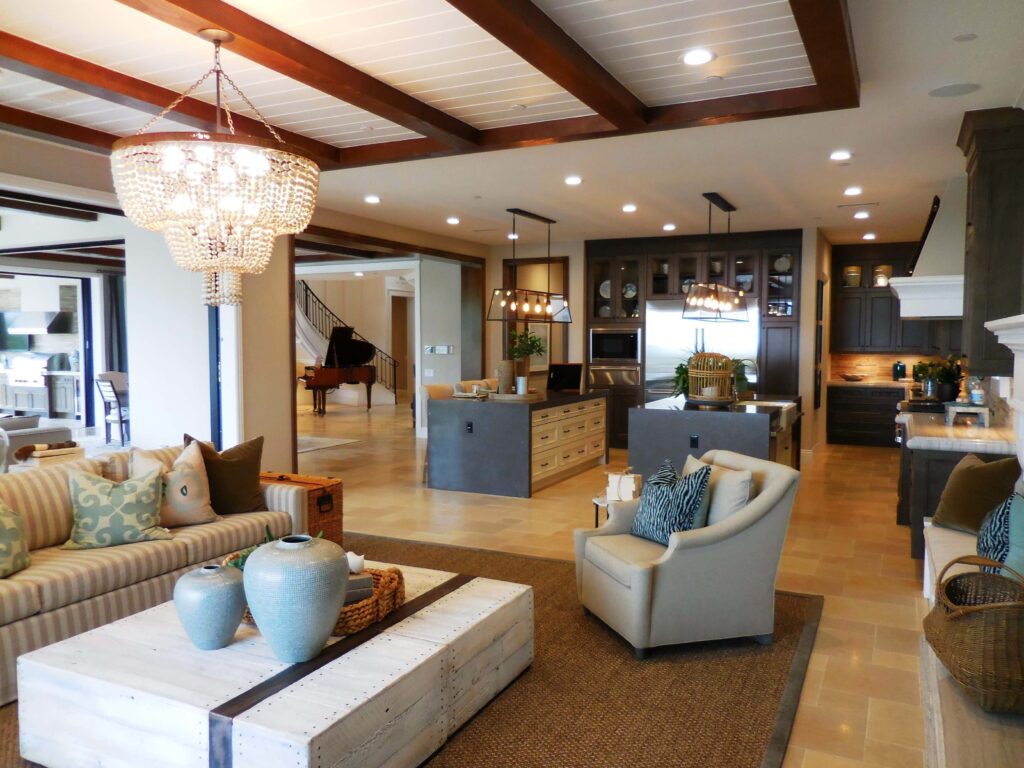
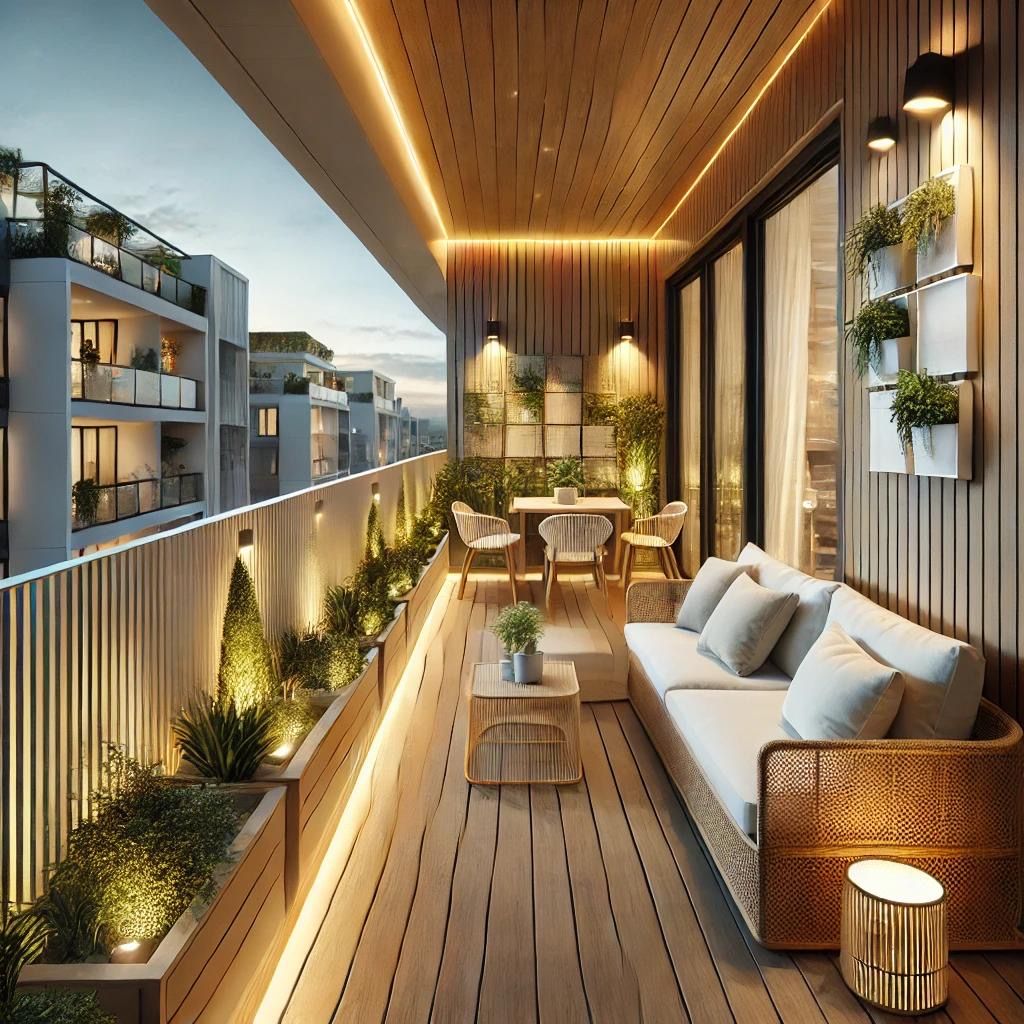
Luxury interior design is an expression of elegance, comfort, and sophistication. It transcends mere aesthetics, transforming spaces into personalized havens that reflect individual style and aspirations. In this comprehensive guide, we’ll explore the essential elements of luxury interior design, the latest trends, and practical tips to help you create a space that is not only visually stunning but also functional and inviting.
What is Luxury Interior Design?
Defining Luxury Interior Design
Luxury interior design encompasses a range of styles and aesthetics that prioritize high-quality materials, exquisite craftsmanship, and unique design elements. Characteristics of luxury design include:
- Quality Materials: The use of premium materials such as marble, silk, and hardwood.
- Attention to Detail: Meticulous design features that showcase craftsmanship.
- Personalization: Custom designs tailored to reflect the homeowner’s personality and lifestyle.
Luxury is not merely about opulence; it’s about creating an environment that feels comfortable, inviting, and uniquely yours.
Why Choose Luxury Interior Design?
Opting for luxury interior design offers numerous benefits:
- Timelessness: Luxury designs often resist trends, ensuring your space remains stylish over time.
- Increased Home Value: High-end design elements can enhance your property’s market value.
- Comfort and Functionality: Luxury doesn’t sacrifice comfort for style; instead, it combines both for a holistic living experience.
Key Elements of Luxury Interior Design
1. Quality Materials
Using high-quality materials is the cornerstone of luxury interior design. Consider the following:
- Natural Stone: Marble, granite, and quartz create elegant surfaces in kitchens and bathrooms.
- Fine Fabrics: Use silk, velvet, and high-thread-count linens for upholstery and drapery.
- Solid Wood: Choose hardwood flooring and custom cabinetry for lasting durability and beauty.
2. Custom Furniture
Luxury design often incorporates custom-made furniture that reflects the homeowner’s taste. Key points include:
- Tailored Designs: Collaborate with craftsmen to create unique pieces.
- Functionality: Ensure furniture is both stylish and functional, enhancing the overall design.
3. Color Palette
A sophisticated color palette sets the mood for a luxury space. Consider these tips:
- Neutral Bases: Start with neutral tones like whites, beiges, and grays to create a timeless backdrop.
- Bold Accents: Incorporate rich, deep colors as accents to add warmth and character.
4. Lighting Design
Lighting plays a crucial role in luxury interior design. Implement the following strategies:
- Layered Lighting: Use a combination of ambient, task, and accent lighting to create depth.
- Statement Fixtures: Invest in stunning chandeliers or designer lamps to serve as focal points.
5. Artwork and Accessories
Curating the right artwork and accessories adds personality and sophistication:
- Original Art: Invest in original pieces or high-quality prints that resonate with your style.
- Thoughtful Decor: Select decorative items that enhance your theme without overwhelming the space.
Popular Trends in Luxury Interior Design
1. Biophilic Design
Biophilic design integrates nature into interiors, enhancing well-being. Key elements include:
- Indoor Plants: Incorporate greenery to improve air quality and aesthetic appeal.
- Natural Light: Use large windows and skylights to maximize natural light.
2. Sustainable Luxury
Sustainable luxury focuses on eco-friendly materials and practices. Consider the following:
- Reclaimed Materials: Use reclaimed wood and recycled materials for furniture and decor.
- Energy-Efficient Appliances: Invest in energy-efficient appliances to reduce your environmental footprint.
3. Smart Home Integration
Luxury interiors now often include smart home technology. Key features include:
- Automated Lighting: Smart lighting systems that can be controlled remotely.
- Home Automation: Systems that allow you to control heating, cooling, and security through your smartphone.
4. Minimalist Luxury
Minimalist luxury emphasizes simplicity and functionality. Characteristics include:
- Open Spaces: Clean lines and open floor plans promote a sense of calm.
- Less Clutter: A focus on fewer, high-quality pieces rather than many items.
5. Global Inspirations
Luxury design is increasingly inspired by global cultures. Incorporate elements from various styles:
- Asian Influence: Incorporate Zen elements, such as natural materials and serene color palettes.
- Mediterranean Touches: Use warm colors and rustic textures to create a cozy atmosphere.
Tips for Achieving Luxury Interior Design
1. Set a Clear Vision
Before starting your luxury design journey, set a clear vision of what you want to achieve. Consider:
- Style Preferences: Identify your preferred design styles and color palettes.
- Functional Needs: Determine the functionality required for each space.
2. Collaborate with Professionals
Working with experienced designers and craftsmen can help bring your vision to life:
- Choose the Right Designer: Look for a designer who specializes in luxury interiors.
- Communicate Clearly: Share your ideas and preferences openly to ensure alignment.
3. Focus on the Details
Luxury is often in the details. Pay attention to:
- Finishing Touches: Incorporate custom trim, moldings, and hardware for a polished look.
- Textural Variety: Mix different textures to create depth and interest.
4. Invest in Quality
Choose quality over quantity. Invest in fewer, high-end pieces that will stand the test of time. This approach not only enhances your space but also reduces clutter.
5. Personalize Your Space
Your home should reflect your personality. Incorporate personal touches through:
- Family Heirlooms: Integrate cherished items that have sentimental value.
- Custom Art: Commission artwork that resonates with your style and story.
Frequently Asked Questions (FAQs)
What is the difference between luxury and standard interior design?
Luxury interior design focuses on high-quality materials, bespoke elements, and meticulous attention to detail, while standard design may prioritize cost-effectiveness and functionality over elegance.
How much does luxury interior design typically cost?
Costs can vary widely based on the scope of the project, location, and materials chosen. It’s advisable to set a budget and discuss it with your designer to get a clearer picture.
Can I achieve a luxury look on a budget?
Yes, you can achieve a luxury feel on a budget by focusing on key elements such as lighting and accessories. Opt for a few statement pieces rather than trying to furnish the entire space with expensive items.
How do I choose the right color palette for luxury design?
Start with neutral base colors and add bold accents that reflect your style. Test paint samples in your space to see how they look in different lighting conditions.
What are some common mistakes to avoid in luxury interior design?
Avoid overcrowding your space with furniture or decor, as this can detract from the luxury aesthetic. Also, be cautious about using too many bold colors, as they can overwhelm the space.
Conclusion
Luxury interior design is about creating spaces that are not only beautiful but also reflect your unique lifestyle and personality. By focusing on quality materials, personalized touches, and expert collaboration, you can elevate your home into a luxurious haven. Embrace the elegance of luxury design, and let your space tell your story.
For more inspiration and professional assistance, visit Modular Kitchen Design or explore Interior A to Z. With the right design choices and a clear vision, your home can become a true reflection of luxury and sophistication!