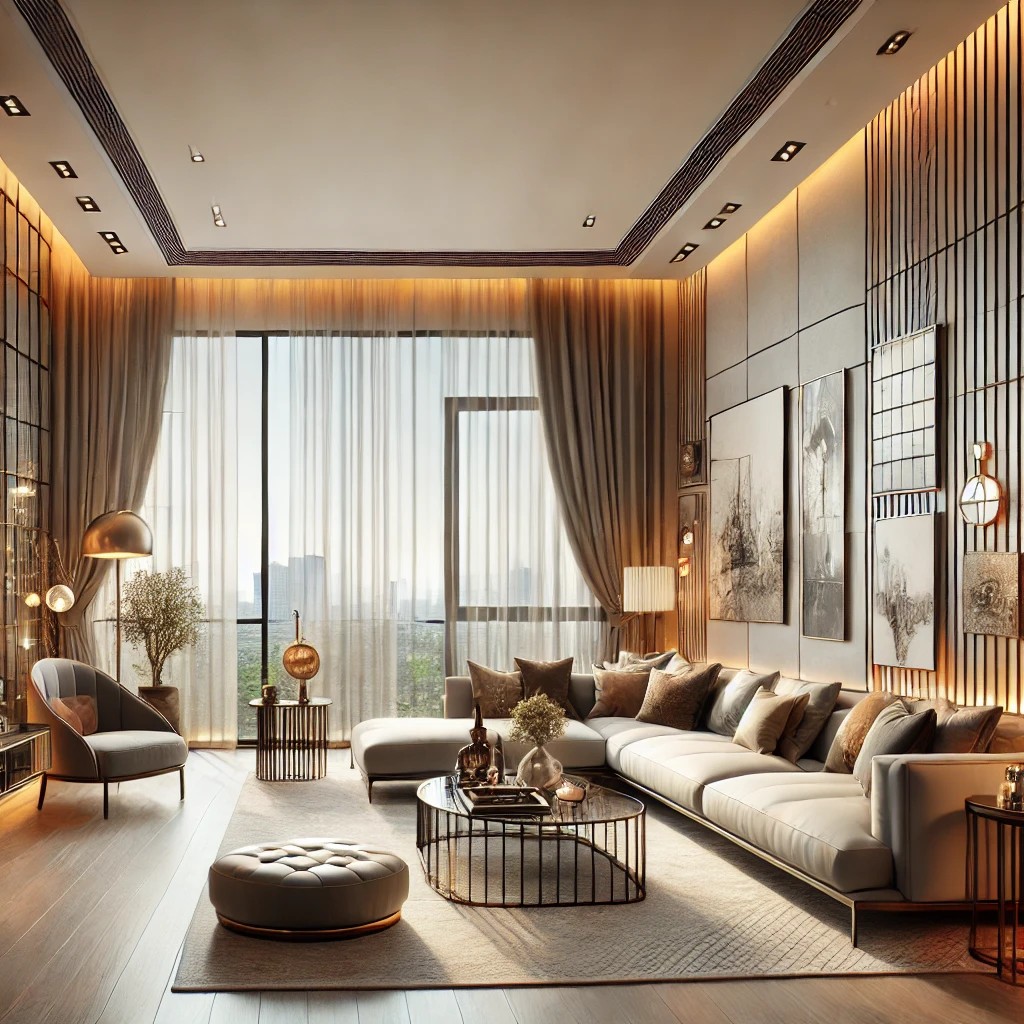
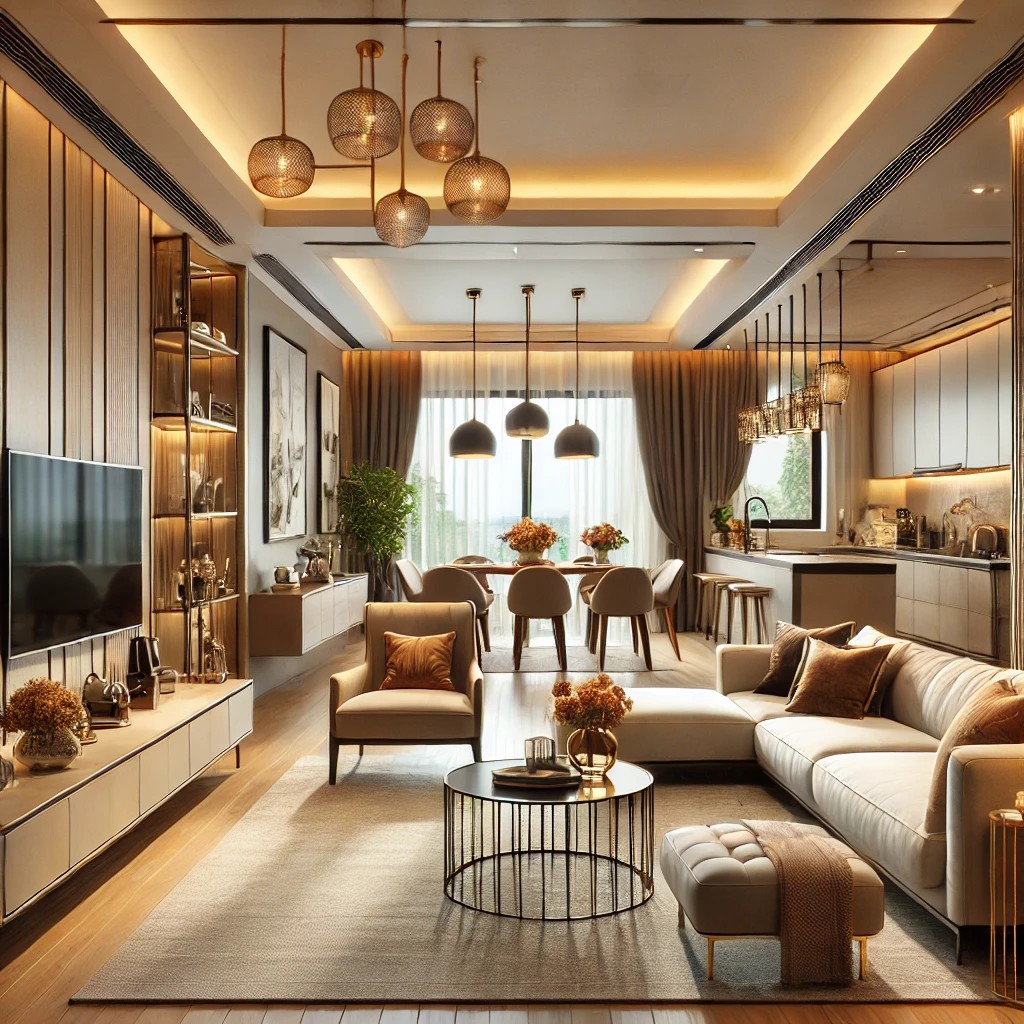
Modern interior design is more than just a trend; it’s a lifestyle choice that reflects contemporary living. With clean lines, functional spaces, and an emphasis on simplicity, modern design can transform any home into a sanctuary of style and comfort. In this guide, we will explore the essential elements of modern interior design, popular trends, and practical tips to help you achieve a stunning modern aesthetic in your home.
Understanding Modern Interior Design
What is Modern Interior Design?
Modern interior design refers to a design style that emerged in the early to mid-20th century, characterized by minimalism and a focus on function over form. This design philosophy emphasizes:
- Simplicity: Stripping away unnecessary elements to create a clean, uncluttered look.
- Natural Materials: Utilizing materials like wood, glass, and metal to enhance the beauty of simplicity.
- Open Spaces: Promoting a seamless flow between different areas of the home.
Modern design is often confused with contemporary design, but while modern refers to a specific period and style, contemporary is ever-evolving and reflects current trends.
Why Choose Modern Interior Design?
- Timeless Appeal: Modern design has a timeless quality that can withstand changing trends.
- Versatility: It can be adapted to various types of spaces, from small apartments to large homes.
- Increased Functionality: A focus on functionality ensures that each piece serves a purpose, contributing to a more organized and efficient living environment.
Key Elements of Modern Interior Design
1. Color Palette
A modern interior design palette typically includes neutral colors like whites, grays, and beiges, complemented by bold accent colors. Here are some tips for choosing the right color scheme:
- Use Neutrals as a Base: A neutral backdrop provides a calming environment and allows other elements to stand out.
- Incorporate Accent Colors: Use bold colors in accessories, artwork, or feature walls to add interest without overwhelming the space.
2. Furniture Selection
Modern furniture is characterized by its clean lines and minimalist design. When selecting furniture, consider the following:
- Choose Functional Pieces: Look for furniture that serves multiple purposes, such as a coffee table with storage.
- Avoid Clutter: Select a few statement pieces rather than overcrowding the space with multiple items.
3. Lighting
Lighting plays a crucial role in modern interior design. Incorporate various types of lighting to create ambiance:
- Natural Light: Maximize natural light by using large windows or open floor plans.
- Layered Lighting: Combine ambient, task, and accent lighting to create depth and warmth.
4. Textures and Materials
Using a mix of textures can add depth to a modern design. Consider the following materials:
- Wood: Introduces warmth and organic elements to the space.
- Metal: Provides a sleek and contemporary touch.
- Glass: Enhances openness and light flow.
5. Open Floor Plans
Open floor plans are a hallmark of modern design, promoting fluidity between living spaces. Here are some benefits of this layout:
- Enhanced Social Interaction: Open spaces encourage interaction and connectivity among family members and guests.
- Natural Light Flow: Fewer walls allow for better light distribution throughout the home.
Popular Modern Interior Design Trends
1. Minimalism
Minimalism emphasizes “less is more,” focusing on simplicity and functionality. This trend is perfect for those looking to declutter their spaces and create a serene environment.
2. Biophilic Design
Biophilic design integrates natural elements into the interior, enhancing well-being and connecting occupants with nature. This can be achieved through:
- Indoor Plants: Incorporating greenery to improve air quality and aesthetics.
- Natural Light: Using large windows and skylights to invite the outdoors in.
3. Smart Home Integration
As technology advances, smart home features are becoming essential in modern design. Consider incorporating:
- Smart Lighting: Adjustable lighting systems that can be controlled via mobile devices.
- Automated Climate Control: Systems that optimize heating and cooling for comfort and efficiency.
4. Sustainable Design
Sustainability is a significant consideration in modern interior design. Choose eco-friendly materials and energy-efficient appliances to create a responsible and stylish home.
5. Industrial Touches
Industrial elements, such as exposed brick, steel beams, and concrete floors, add character to modern interiors. This style blends well with minimalist design, providing an edgy contrast to softer elements.
Tips for Achieving Modern Interior Design
1. Create a Focal Point
Designate a focal point in each room, such as a piece of artwork or a striking piece of furniture. This draws attention and sets the tone for the rest of the decor.
2. Use Area Rugs
Area rugs can define spaces in an open floor plan and add warmth to hard surfaces. Opt for simple patterns or solid colors to maintain a modern look.
3. Keep It Clutter-Free
Maintain a tidy space by minimizing decor and utilizing smart storage solutions. Invest in furniture that doubles as storage to keep essentials out of sight.
4. Choose Quality Over Quantity
Invest in high-quality pieces that will stand the test of time. This approach is more sustainable and creates a more polished look in your home.
5. Personalize Your Space
While modern design focuses on simplicity, don’t hesitate to add personal touches that reflect your style. Incorporate meaningful artwork or family photographs for a unique touch.
Frequently Asked Questions (FAQs)
What is the difference between modern and contemporary design?
Modern design refers to a specific period and style, while contemporary design is ever-evolving, reflecting current trends and aesthetics. Modern design emphasizes simplicity and functionality, while contemporary design incorporates a mix of styles.
How can I make my home feel more modern?
To achieve a modern feel, focus on a neutral color palette, minimalist furniture, and open spaces. Incorporate natural materials and lighting to enhance the overall aesthetic.
Can I mix modern design with other styles?
Absolutely! Modern design is versatile and can be blended with other styles, such as bohemian or industrial. The key is to maintain a cohesive color palette and balance the different elements.
How do I choose the right colors for modern design?
Select a neutral base color for walls and large furniture pieces, and incorporate bold accent colors through accessories and artwork. Test paint samples in your space to see how they look in different lighting conditions.
What are some common mistakes to avoid in modern interior design?
Avoid overcrowding spaces with too much furniture or decor, which can detract from the clean, minimalist aesthetic. Also, be cautious about using too many bold colors, as they can overwhelm the space.
Conclusion
Modern interior design offers a refreshing approach to creating beautiful and functional living spaces. By understanding the key elements, popular trends, and practical tips outlined in this guide, you can transform your home into a modern oasis. Embrace the beauty of simplicity and let your space reflect your unique style and personality.
For more inspiration and professional assistance, consider visiting Modular Kitchen Design or exploring Interior A to Z. With the right design choices, you can elevate your space and create a home that you will love for years to come!