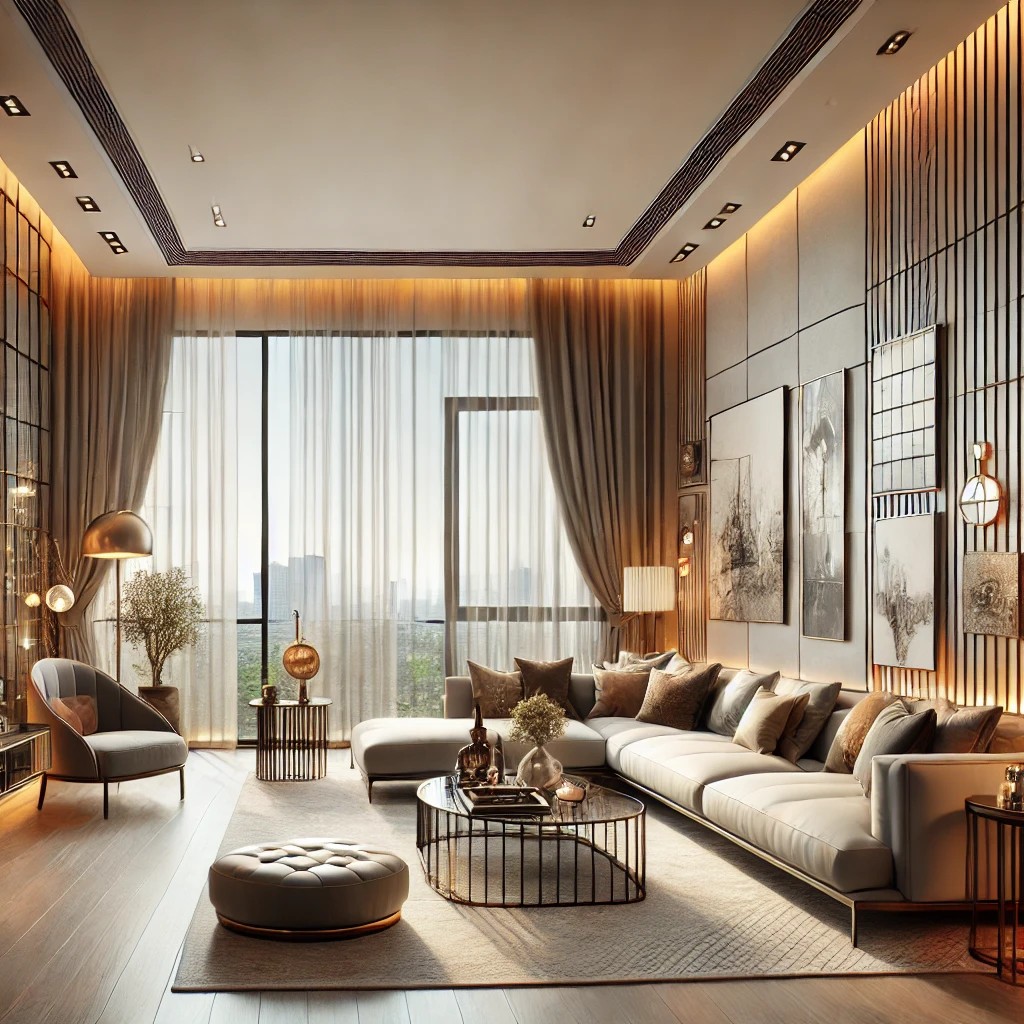
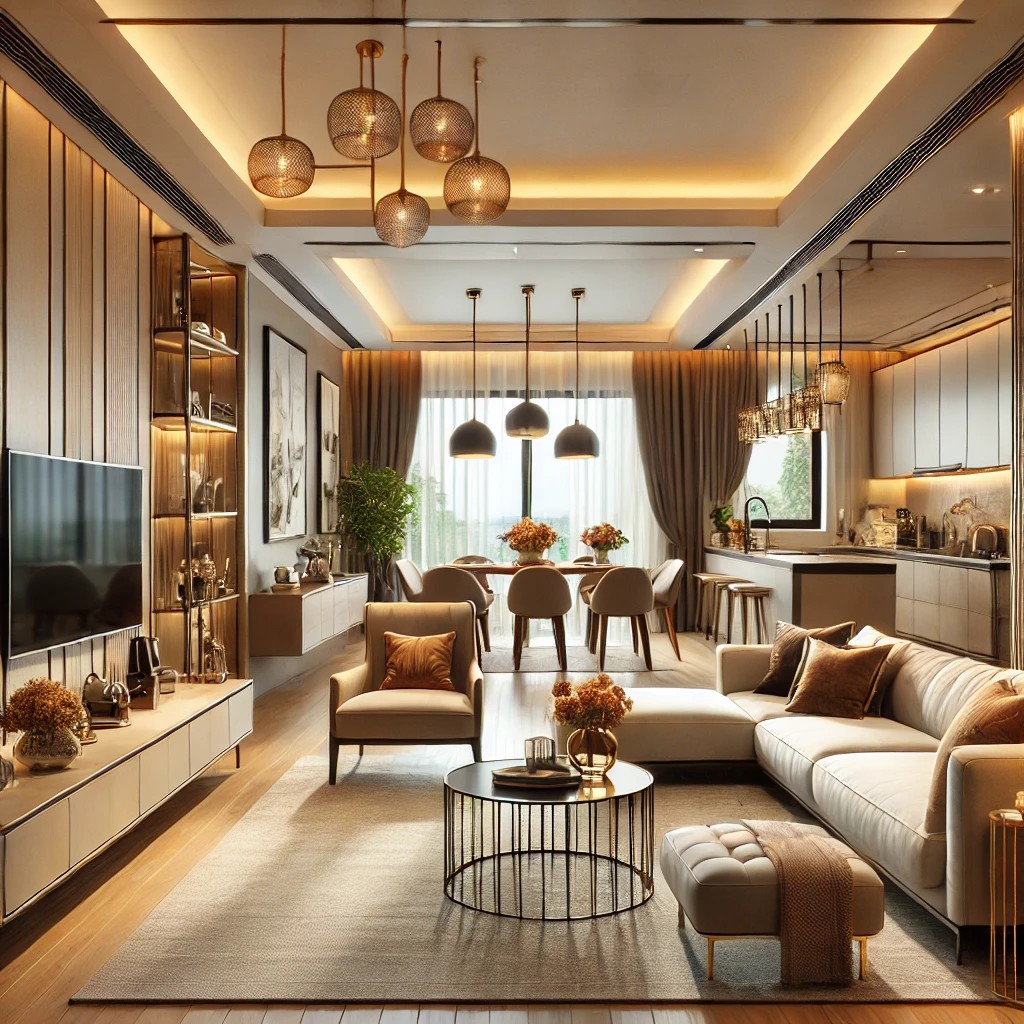
In today’s fast-paced business environment, the design of your office space is more important than ever. A well-thought-out office interior design can significantly enhance productivity, creativity, and employee satisfaction. This comprehensive guide will delve into the essential elements of office interior design, popular trends, and practical tips to create a workspace that fosters collaboration and innovation.
What is Office Interior Design?
Defining Office Interior Design
Office interior design refers to the planning and decorating of an office environment, focusing on functionality, aesthetics, and employee well-being. Key components include:
- Space Planning: Efficiently organizing the layout to promote workflow.
- Color Schemes: Selecting colors that reflect the brand and create the desired atmosphere.
- Furniture Selection: Choosing ergonomic and stylish furniture that meets the needs of the workforce.
Why Invest in Office Interior Design?
Investing in office interior design offers several benefits:
- Increased Productivity: A well-designed space can boost employee efficiency and focus.
- Enhanced Employee Morale: Aesthetic and comfortable environments contribute to job satisfaction.
- Brand Image: Your office design reflects your brand values and can impress clients and visitors.
Key Elements of Office Interior Design
1. Space Planning
Effective space planning is crucial for optimizing the layout of your office. Consider the following strategies:
- Open Floor Plans: Encourage collaboration and communication among employees.
- Zoning: Create specific areas for different functions, such as quiet zones, meeting spaces, and collaborative areas.
2. Furniture Selection
Choosing the right furniture is essential for comfort and functionality. Keep these points in mind:
- Ergonomic Design: Invest in ergonomic chairs and desks to promote health and reduce discomfort.
- Flexible Workstations: Consider adjustable desks that allow employees to switch between sitting and standing.
3. Color Psychology
Colors can greatly influence mood and productivity. Here’s how to use color effectively:
- Neutral Base: Start with neutral colors for walls and large furniture to create a calming atmosphere.
- Accent Colors: Use bold colors in decor and artwork to stimulate creativity and energy.
4. Lighting Design
Proper lighting is vital in an office environment. Implement the following strategies:
- Natural Light: Maximize natural light by using large windows or skylights.
- Task Lighting: Incorporate desk lamps and focused lighting for workspaces to reduce eye strain.
5. Branding and Aesthetics
Your office should reflect your brand identity. Consider these tips:
- Incorporate Brand Colors: Use your brand colors in the decor and furniture to create a cohesive look.
- Display Company Values: Include artwork or quotes that reflect your company’s mission and culture.
Popular Trends in Office Interior Design
1. Biophilic Design
Biophilic design emphasizes the connection between nature and the built environment. Key features include:
- Indoor Plants: Integrate greenery to improve air quality and enhance aesthetics.
- Natural Materials: Use wood, stone, and other natural materials to create a calming environment.
2. Flexibility and Adaptability
The modern workplace requires flexible spaces that can adapt to various needs. Consider:
- Modular Furniture: Use furniture that can be easily reconfigured for different tasks or team sizes.
- Collaborative Spaces: Create areas that encourage teamwork and brainstorming sessions.
3. Technology Integration
As technology advances, incorporating smart solutions into office design is essential. Consider the following:
- Smart Lighting: Install lighting systems that adjust based on occupancy and natural light.
- Integrated AV Systems: Ensure conference rooms are equipped with high-quality audio-visual technology for seamless meetings.
4. Minimalism
Minimalist design focuses on simplicity and functionality. Characteristics include:
- Clutter-Free Spaces: Use hidden storage solutions to keep surfaces clear and organized.
- Simple Lines: Choose furniture with clean lines and understated elegance.
5. Remote Work Considerations
With the rise of remote work, designing spaces that accommodate both in-office and remote employees is crucial. Consider:
- Hot Desking: Implement a hot desking system to maximize space efficiency.
- Collaborative Technology: Use tools that facilitate communication and collaboration between remote and in-office staff.
Tips for Achieving Effective Office Interior Design
1. Assess Your Needs
Before starting your office design project, assess your needs and goals. Consider:
- Team Size: Evaluate how many employees will be using the space regularly.
- Work Styles: Identify the work styles of your team members to create suitable areas.
2. Collaborate with Professionals
Working with experienced interior designers can elevate your office space. Here are some benefits:
- Expertise: Designers can offer insights on current trends and best practices.
- Project Management: A designer can manage the project from start to finish, ensuring a smooth process.
3. Incorporate Employee Feedback
Involving employees in the design process can lead to a more functional workspace. Consider the following:
- Surveys and Feedback: Conduct surveys to gather input on design preferences and needs.
- Trial Spaces: Create temporary trial spaces to test different layouts and designs.
4. Focus on Comfort
Prioritize comfort in your office design to enhance employee satisfaction. Consider:
- Break Areas: Create inviting break rooms with comfortable seating and relaxing decor.
- Acoustic Solutions: Use sound-absorbing materials to minimize noise and distractions.
5. Stay Within Budget
While it’s important to invest in quality design, staying within budget is essential. Consider:
- Set a Realistic Budget: Determine your budget upfront and prioritize essential elements.
- Phased Implementation: Consider a phased approach to implementing your design to spread costs over time.
Frequently Asked Questions (FAQs)
What is the importance of office interior design?
Office interior design is important as it affects employee productivity, morale, and overall well-being. A well-designed space can enhance collaboration and create a positive work environment.
How can I make my office more productive?
To make your office more productive, focus on ergonomic furniture, efficient layouts, and sufficient lighting. Incorporating elements of biophilic design can also improve focus and creativity.
What are some common mistakes to avoid in office design?
Common mistakes include overcrowding the space with furniture, neglecting lighting, and failing to incorporate employee feedback. It’s essential to create a balance between aesthetics and functionality.
How often should I update my office design?
It’s a good practice to reassess your office design every few years or when significant changes occur in your company, such as growth or shifts in work styles.
Can I achieve a modern office design on a budget?
Yes, modern office design can be achieved on a budget by prioritizing key elements such as furniture and lighting. Consider thrift stores or online marketplaces for unique finds.
Conclusion
Office interior design is a crucial element in creating a productive, comfortable, and visually appealing workspace. By focusing on effective space planning, quality furniture, and incorporating current trends, you can transform your office into a place that fosters collaboration and innovation.
For more inspiration and professional assistance, visit Modular Kitchen Design or explore Interior A to Z. With thoughtful design choices, your office can become a true reflection of your company’s values and culture!