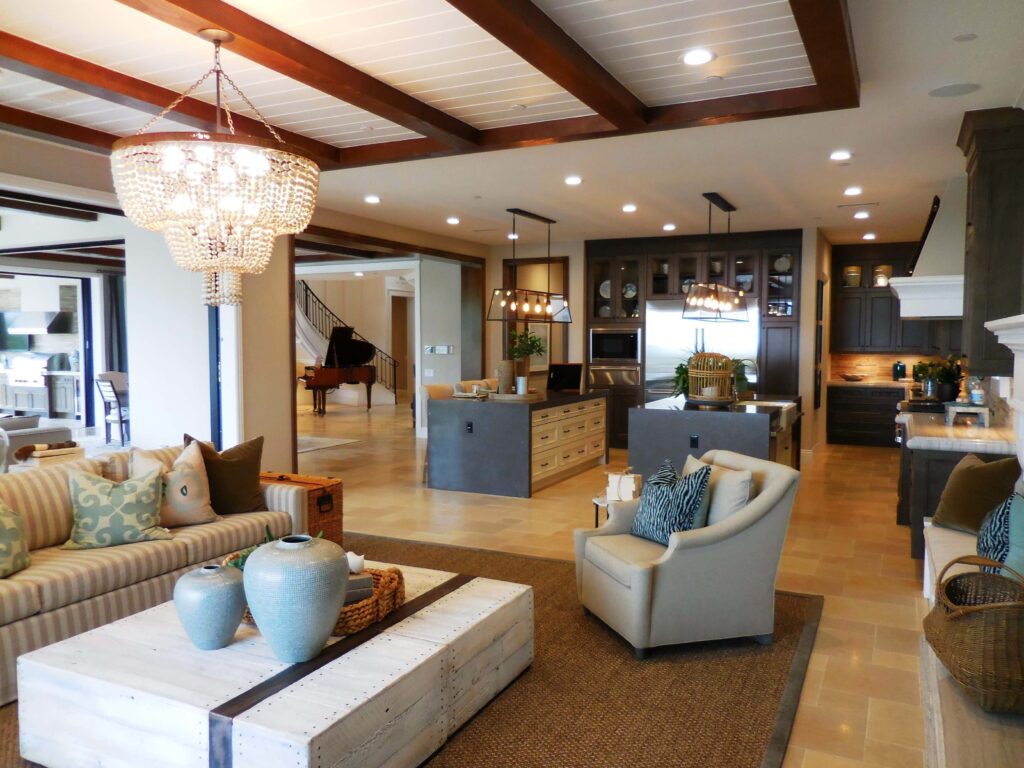
Introduction: The realms of interior design and decoration draw inspiration from the rich tapestry of cultural and historical contexts. This blog delves into the profound influence of cultural and historical knowledge on these two disciplines, exploring how a deep understanding of heritage, traditions, and historical aesthetics shapes the narratives of interior transformations.
- Interior Designers: Weaving Cultural Narratives into Space
- Cultural Sensitivity and Contextual Understanding:
- Influence: Interior designers with a robust understanding of cultural and historical contexts approach projects with cultural sensitivity. They analyze the cultural background of clients, integrating elements that resonate with their heritage while respecting the context of the space.
- Outcome: Spaces designed with cultural sensitivity become not just aesthetically pleasing but also meaningful reflections of the clients’ cultural identity.
- Historical Architectural Styles:
- Influence: Designers leverage historical architectural styles as a source of inspiration. Whether incorporating elements of neoclassical grandeur or the simplicity of mid-century modernism, historical architectural styles influence the design narrative, creating spaces that evoke a sense of time and place.
- Outcome: The infusion of historical architectural styles adds depth and character to designs, offering a bridge between the past and the present.
- Cultural Symbolism in Design Elements:
- Influence: Designers incorporate cultural symbolism into design elements. From traditional patterns and motifs to symbolic colors, the use of culturally significant elements adds layers of meaning and authenticity to the interior.
- Outcome: Spaces become storytelling canvases, where every design element carries cultural significance, fostering a sense of connection and resonance for the occupants.
- Adaptive Reuse and Preservation:
- Influence: Interior designers with historical knowledge often engage in adaptive reuse projects. They preserve and repurpose historical structures, breathing new life into architectural gems while retaining their historical integrity.
- Outcome: The influence of historical preservation results in spaces that seamlessly blend the charm of the past with contemporary functionality, creating environments with a sense of timelessness.
- Cultural Sensitivity and Contextual Understanding:
- Interior Decorators: Crafting Aesthetic Narratives Rooted in History
- Historical Aesthetic References:
- Influence: Decorators draw inspiration from historical aesthetics, adapting design elements from various periods. Whether incorporating Victorian opulence, Art Deco glamour, or rustic farmhouse simplicity, historical references shape the aesthetic narrative of the design.
- Outcome: The influence of historical aesthetics results in interiors that pay homage to specific periods, creating atmospheres that evoke nostalgia or celebrate the timeless elegance of bygone eras.
- Cultural Art and Artifacts:
- Influence: Decorators integrate cultural art and artifacts into their designs. These elements, sourced from different regions and historical periods, serve as focal points, adding visual interest and telling stories of craftsmanship and cultural heritage.
- Outcome: Spaces become curated galleries, where cultural art and artifacts contribute to the overall aesthetic, creating an immersive experience that transcends mere decoration.
- Textiles and Patterns:
- Influence: Decorators often incorporate historical textiles and patterns into their designs. Whether it’s the intricate tapestries of the Renaissance or the bold geometrics of the mid-century, historical patterns infuse a sense of authenticity and time-honored style.
- Outcome: The influence of historical textiles and patterns results in interiors that celebrate the diversity of design history, creating visually rich and textured environments.
- Time-Tested Color Palettes:
- Influence: Decorators draw from historical color palettes, selecting hues that have stood the test of time. Whether opting for the rich, earthy tones of ancient civilizations or the vibrant hues of the Roaring Twenties, historical color palettes influence the overall ambiance.
- Outcome: Spaces bathed in historically inspired color palettes evoke a sense of nostalgia and sophistication, creating atmospheres that are both timeless and relevant.
- Historical Aesthetic References:
- Collaborative Fusion: Harmonizing Cultural and Historical Influences
- Collaboration between Designers and Decorators:
- Synergy: The collaborative approach between interior designers and decorators, both informed by cultural and historical influences, creates harmonious designs. Designers provide the structural foundation, and decorators infuse aesthetic refinement, resulting in interiors that celebrate cultural narratives while maintaining historical authenticity.
- Client-Centric Adaptation:
- Impact: The combined influence of cultural and historical knowledge ensures a client-centric adaptation. Spaces reflect not only the designer’s expertise but also the individual narratives and preferences of the clients, creating environments that are both personal and culturally resonant.
- Global Fusion and Cross-Cultural Designs:
- Impact: The collaborative fusion of cultural and historical influences leads to global designs that transcend borders. The combination of diverse elements results in interiors that celebrate cross-cultural aesthetics, fostering a sense of inclusivity and global awareness.
- Educational Engagement:
- Impact: Interior designers and decorators, armed with cultural and historical knowledge, engage in educational initiatives. They enlighten clients about the cultural significance of design choices, fostering a deeper appreciation for the stories embedded in each element.
- Collaboration between Designers and Decorators:
Conclusion: Cultural and historical knowledge serves as a guiding force in the realms of interior design and decoration, influencing how professionals craft spaces that are not only aesthetically pleasing but also meaningful and authentic. Interior designers weave cultural narratives into the spatial fabric, integrating historical architectural styles and preserving heritage through adaptive reuse. Decorators, on the other hand, craft aesthetic narratives rooted in history, drawing inspiration from historical aesthetics, cultural art, and time-tested design elements. The collaborative fusion of these influences results in interiors that harmonize cultural narratives with historical authenticity, creating spaces that are immersive, timeless, and reflective of the diverse tapestry of human history and heritage.