Interior design

“Best online courses for aspiring interior designers”

Aspiring interior designers can benefit from a variety of online courses that cover design principles, software skills, and industry-specific knowledge. Here are some reputable online platforms offering courses for aspiring interior designers:

  1. Udemy:
    • Interior Design 101: This course covers the fundamentals of interior design, including color theory, space planning, and selecting materials.
    • SketchUp for Interior Designers: Learn how to use SketchUp, a popular 3D modeling tool, specifically for interior design projects.
  2. Coursera:
  3. LinkedIn Learning:
    • Interior Design Foundations: This course covers the essential concepts of interior design, including color theory, lighting, and furniture selection.
    • Revit for Interior Architecture: Gain proficiency in using Revit for interior design projects, including creating detailed models and documentation.
  4. Skillshare:
  5. New York School of Interior Design (NYSID):
  6. The Interior Design Institute:
    • Professional Interior Design Course: This institute offers an online professional interior design course covering various aspects of interior design, from color theory to client relationships.
  7. Architectural Digest Online Courses:
    • Architectural Digest Master Class: Renowned interior designer Kelly Wearstler provides insights into her design process, covering topics such as space planning and color theory.
  8. Harvard Extension School:

Before enrolling in any course, it’s essential to consider your specific learning goals, the level of expertise you are seeking, and the software tools you want to master. Additionally, read reviews and explore course content to ensure it aligns with your expectations and aspirations as an aspiring interior designer.

“Best online courses for aspiring interior designers” Read More Β»

“Internship opportunities for interior design students”

Internships are valuable opportunities for interior design students to gain practical experience, apply classroom knowledge, and build a professional network. Here are some ways to find internship opportunities in the field of interior design:

  1. University Career Services:
    • Check with your university’s career services department. They often have resources, job boards, and connections with companies offering internships in the design industry.
  2. Faculty Recommendations:
    • Speak with your professors or faculty advisors. They may have knowledge of local design firms, businesses, or organizations that regularly offer internships to students.
  3. Professional Organizations:
    • Explore opportunities through professional organizations like the American Society of Interior Designers (ASID) or the International Interior Design Association (IIDA). These organizations may have internship listings and networking events.
  4. Online Job Boards:
    • Use online job boards and websites dedicated to internship opportunities. Websites like Indeed, LinkedIn, and Glassdoor often feature internships in the interior design field.
  5. Company Websites:
    • Visit the websites of interior design firms or companies you admire. Many companies post internship opportunities directly on their career pages. Check for application instructions and deadlines.
  6. Networking Events:
    • Attend industry events, trade shows, or design-related conferences. Networking with professionals in the field can lead to internship opportunities. Bring business cards and be prepared to discuss your interests and aspirations.
  7. Portfolio Reviews:
    • Participate in portfolio reviews organized by your university or local design organizations. This can be an opportunity to showcase your work and connect with professionals who may offer internships.
  8. Design Competitions:
    • Enter design competitions. Winning or even participating in competitions can attract the attention of design firms, potentially leading to internship opportunities.
  9. Social Media:
    • Leverage social media platforms like LinkedIn, Instagram, and Twitter. Follow design firms, professionals, and organizations, and engage with their content. Some companies may announce internship opportunities on their social media channels.
  10. Local Design Showrooms:
    • Explore internship opportunities at local design showrooms. These spaces often work with designers and may offer opportunities to gain hands-on experience.
  11. Interior Design Magazines:
    • Explore opportunities with interior design magazines or publications. Interning with a design magazine can provide exposure to the industry and connections with designers and editors.
  12. Real Estate Development Firms:
    • Consider internships with real estate development firms. These companies often collaborate with interior designers on various projects, providing a unique perspective on the design process.
  13. Hospitals and Healthcare Facilities:
    • Hospitals and healthcare facilities may offer internship opportunities for students interested in healthcare design. Check with the facilities management or design departments.
  14. Furniture and Design Retailers:
    • Interning with furniture retailers or design-focused stores can provide insight into the retail side of interior design. Look for opportunities to work with the merchandising or design teams.
  15. Local Chambers of Commerce:
    • Check with your local chamber of commerce or business development organizations. They may have information about design firms or businesses looking for interns.

When applying for internships, ensure that your resume and portfolio are well-prepared and tailored for the specific position. Write a compelling cover letter expressing your interest and explaining how your skills and education make you a strong candidate for the internship. Being proactive, networking, and showcasing your passion for interior design can enhance your chances of securing a valuable internship opportunity.

“Internship opportunities for interior design students” Read More Β»

“Creating a portfolio for interior design job applications”

A well-crafted portfolio is a crucial tool for showcasing your skills and experience when applying for interior design jobs. Here’s a step-by-step guide to creating an effective portfolio:

  1. Start with a Clean Layout:
    • Design a clean and organized layout for your portfolio. Ensure that it is easy to navigate, with a clear structure and a professional look. Consistency in font and formatting is key.
  2. Include a Cover Page:
    • Begin your portfolio with a cover page that features your name, a professional title (e.g., Interior Designer), and a visually appealing image or design element that reflects your style.
  3. Introduce Yourself:
    • Include a brief introduction or a personal statement on a separate page. This section should provide a snapshot of who you are, your design philosophy, and your career goals.
  4. Showcase Diverse Projects:
    • Display a range of projects that highlight your versatility. Include images and descriptions of residential, commercial, or other relevant designs. Choose projects that demonstrate different styles, color schemes, and scales.
  5. Include Before-and-After Shots:
    • If possible, include before-and-after images of your projects. This gives potential employers a clear understanding of your design impact and problem-solving skills.
  6. Provide Project Descriptions:
    • Accompany each project with a brief description. Explain the client’s requirements, your design concept, and any challenges you overcame during the process. Highlight your role and contributions to the project.
  7. Detail Your Design Process:
    • Dedicate a section to your design process. Include sketches, mood boards, floor plans, and any other relevant documents that showcase how you approach a project from concept to completion.
  8. Highlight Technical Skills:
    • Showcase your technical skills by including drawings, plans, elevations, and any 3D renderings you’ve created using software like AutoCAD, SketchUp, or Revit. This demonstrates your proficiency in using industry-standard tools.
  9. Include Material and Color Boards:
    • Create material and color boards for selected projects. This visually communicates your ability to curate materials and color schemes that complement each other.
  10. Add Testimonials or Client Feedback:
    • If you have positive client testimonials or feedback, consider including them in your portfolio. Testimonials add credibility and provide insight into your client relationships.
  11. Show Your Education and Certifications:
    • Include a section that highlights your education, certifications, and any relevant courses or workshops you’ve completed. This demonstrates your commitment to professional development.
  12. Include a Resume:
    • Attach a well-crafted resume that provides an overview of your professional experience, skills, and qualifications. Keep it concise and tailored to the interior design industry.
  13. Create a Digital Version:
    • In addition to a physical portfolio, create a digital version that you can share electronically. This can be a PDF document or a professional online portfolio on platforms like Behance or a personal website.
  14. Keep It Updated:
    • Regularly update your portfolio with new projects and experiences. This ensures that your portfolio reflects your most recent work and accomplishments.
  15. Tailor It for the Job:
    • Customize your portfolio based on the job you’re applying for. Emphasize projects or skills that align with the specific requirements of the position.

Remember, your portfolio is a dynamic representation of your skills and creativity. Take the time to curate and update it regularly to make a lasting impression on potential employers in the interior design industry.

“Creating a portfolio for interior design job applications” Read More Β»

“Interior design specialization areas for career growth”

Specializing in a particular area of interior design can not only set you apart in the industry but also open up new opportunities for career growth. Here are some specialization areas within interior design that you might consider:

  1. Residential Design:
    • Specializing in residential design involves creating personalized and functional spaces for homes. This can include everything from single-room makeovers to full home redesigns.
  2. Commercial Design:
    • Focusing on commercial design involves working on spaces such as offices, retail stores, restaurants, and other commercial establishments. It often requires an understanding of branding, functionality, and user experience.
  3. Hospitality Design:
    • Hospitality designers work on projects such as hotels, resorts, restaurants, and entertainment venues. This specialization requires a keen understanding of the guest experience and the unique requirements of the hospitality industry.
  4. Healthcare Design:
    • Healthcare designers create interiors for hospitals, clinics, and healthcare facilities. This specialization involves considerations for patient comfort, staff efficiency, and compliance with health and safety regulations.
  5. Corporate Design:
    • Corporate designers focus on creating functional and aesthetically pleasing work environments for businesses. This may involve office layout, furniture selection, and creating spaces that enhance productivity and employee well-being.
  6. Educational Design:
    • Designing educational spaces, such as classrooms, libraries, and learning environments, is another specialization. This area may involve creating spaces that support different teaching methods and accommodate diverse learning styles.
  7. Kitchen and Bath Design:
    • Specializing in kitchen and bath design allows you to focus on the specific challenges and considerations of these high-traffic areas. This includes expertise in materials, fixtures, and spatial planning.
  8. Sustainable Design:
    • Sustainable design specialists focus on creating environmentally friendly and energy-efficient interiors. This involves selecting eco-friendly materials, implementing energy-efficient solutions, and promoting sustainable practices.
  9. Lighting Design:
    • Lighting designers specialize in creating effective lighting plans that enhance the overall design and functionality of a space. This can include both natural and artificial lighting considerations.
  10. Furniture Design:
    • Specializing in furniture design involves creating custom or unique furniture pieces that complement the overall design of a space. This may include collaborating with craftsmen or manufacturers.
  11. Historic Preservation:
    • Historic preservation specialists work on preserving and restoring historically significant interiors. This requires knowledge of historical design styles, materials, and preservation techniques.
  12. Color Consulting:
    • Color consultants specialize in selecting color schemes that align with the client’s preferences, the purpose of the space, and psychological considerations. This expertise is often sought for both residential and commercial projects.
  13. Universal Design:
    • Universal design specialists focus on creating spaces that are accessible to individuals of all ages and abilities. This involves incorporating features that accommodate people with disabilities or special needs.
  14. Virtual Design and E-Design:
    • With the rise of technology, some designers specialize in virtual design or e-design services, providing clients with remote design consultations, mood boards, and design plans without physical meetings.

When choosing a specialization, consider your interests, strengths, and the specific aspects of design that you are passionate about. Specializing can help you become an expert in a niche area, attract a specific clientele, and elevate your career in the interior design industry.

“Interior design specialization areas for career growth” Read More Β»

Networking is a valuable tool for aspiring interior designers to build connections, seek opportunities, and stay informed about industry trends. Here are some networking tips to help you establish and grow your network in the field of interior design:

  1. Attend Industry Events:
    • Attend trade shows, conferences, seminars, and networking events related to interior design. These gatherings provide opportunities to meet professionals, exchange ideas, and stay updated on industry trends.
  2. Join Professional Organizations:
    • Become a member of professional organizations such as the American Society of Interior Designers (ASID), the International Interior Design Association (IIDA), or other regional design associations. Membership offers access to events, resources, and a network of professionals.
  3. Participate in Online Forums:
    • Join online forums and communities dedicated to interior design. Platforms like LinkedIn groups, Houzz discussions, or design-focused forums provide spaces to connect with industry peers, ask questions, and share insights.
  4. Utilize Social Media:
    • Leverage social media platforms like Instagram, Pinterest, and Twitter to showcase your work, connect with other designers, and follow industry influencers. Engage in conversations and participate in relevant hashtags.
  5. Engage in Local Design Communities:
    • Connect with local design communities, attend meetups, and join design-related organizations in your area. Local events provide opportunities to build connections with professionals in your region.
  6. Offer Your Skills:
    • Volunteer your skills at industry events, design-related charities, or community projects. Not only does this provide exposure, but it also allows you to connect with like-minded individuals who share a passion for design.
  7. Informational Interviews:
    • Request informational interviews with established interior designers. Learn about their experiences, seek advice, and build relationships that may lead to mentorship or collaboration opportunities.
  8. Collaborate with Other Designers:
    • Collaborate on projects with other designers or professionals in related fields. Collaborative efforts not only enhance your portfolio but also expand your network as you work with different individuals.
  9. Build a Strong Online Presence:
    • Create a professional website showcasing your portfolio, design philosophy, and contact information. An online presence makes it easier for potential clients and collaborators to find and connect with you.
  10. Attend Open Houses and Showrooms:
    • Attend open houses hosted by design firms or showrooms. These events provide a casual setting to meet professionals, see their work, and engage in conversations.
  11. Stay Informed and Share Insights:
    • Stay informed about current design trends, industry news, and innovations. Share your insights through blog posts, articles, or social media to position yourself as an informed and engaged member of the design community.
  12. Follow Up and Stay Connected:
    • After meeting someone new, follow up with a personalized message expressing your pleasure in meeting them. Stay connected through email, social media, or occasional check-ins to nurture relationships over time.
  13. Be Genuine and Authentic:
    • Approach networking with a genuine and authentic mindset. Be yourself, show interest in others, and build connections based on shared interests and values.

Remember, networking is about building meaningful and reciprocal relationships. Be patient, persistent, and focused on establishing genuine connections that can benefit both your career and the broader design community.

Networking is a valuable tool for aspiring interior designers to build connections, seek opportunities, and stay informed about industry trends. Here are some networking tips to help you establish and grow your network in the field of interior design: Read More Β»

“Interior design industry trends and skills in demand”

However, keep in mind that trends can evolve, and new developments may have emerged since then. Here are some interior design industry trends and skills that were in demand:

Trends:

  1. Sustainable Design:
    • Growing emphasis on eco-friendly and sustainable design practices, including the use of recycled materials, energy-efficient solutions, and sustainable sourcing.
  2. Biophilic Design:
    • Integration of natural elements into interiors to enhance well-being, such as incorporating indoor plants, natural light, and nature-inspired textures.
  3. Smart Home Integration:
    • Increasing demand for smart home technologies, including smart lighting, automated climate control, and integrated home security systems.
  4. Flexibility and Adaptability:
    • Designing spaces that are flexible and adaptable to accommodate changing needs, remote work, and multifunctional use.
  5. Wellness Spaces:
    • Designing spaces that prioritize mental and physical well-being, with features such as dedicated meditation areas, ergonomic furniture, and health-conscious materials.
  6. Bold Colors and Patterns:
    • Use of vibrant colors, bold patterns, and maximalist designs, moving away from the neutral color palettes that were popular in the past.
  7. Residential Office Design:
    • Designing home offices that are functional, comfortable, and aesthetically pleasing as remote work becomes more prevalent.
  8. Virtual and Augmented Reality:
    • Integration of virtual and augmented reality for virtual design consultations, virtual walkthroughs, and enhanced client presentations.

Skills in Demand:

  1. Digital Proficiency:
    • Proficiency in design software such as AutoCAD, SketchUp, Revit, and Adobe Creative Suite for creating detailed plans, 3D models, and presentations.
  2. Sustainable Design Knowledge:
    • Understanding sustainable design principles, including knowledge of eco-friendly materials, energy-efficient solutions, and sustainable sourcing practices.
  3. Technology Integration:
    • Skills in integrating smart home technologies, virtual reality, and augmented reality into interior design projects.
  4. Adaptability and Flexibility:
    • Ability to adapt designs to changing needs and trends, as well as flexibility in incorporating new technologies and design approaches.
  5. Project Management:
    • Strong project management skills to oversee projects from concept to completion, including budgeting, scheduling, and coordination with contractors.
  6. Collaboration and Communication:
    • Effective communication and collaboration skills to work with clients, architects, contractors, and other professionals involved in a project.
  7. Biophilic Design Expertise:
    • Knowledge of biophilic design principles and the ability to incorporate natural elements into interior spaces to enhance well-being.
  8. Creativity and Innovation:
    • Continued emphasis on creativity and innovative design solutions to create unique and visually appealing spaces.
  9. Understanding of Wellness Design:
    • Knowledge of wellness design principles and the ability to create environments that prioritize the health and well-being of occupants.
  10. Global Design Perspectives:
    • An understanding of global design trends and the ability to incorporate diverse cultural influences into designs.

Staying current with industry trends and continuously updating your skill set is essential in the dynamic field of interior design. Consider participating in workshops, attending industry events, and pursuing professional development opportunities to stay informed and enhance your capabilities.

“Interior design industry trends and skills in demand” Read More Β»

“Balancing creativity and practicality in interior design”

Balancing creativity and practicality is a key challenge in interior design. While creativity drives innovation and uniqueness, practicality ensures functionality and efficiency. Here are some strategies to achieve a harmonious balance between creativity and practicality in your interior design projects:

  1. Understand Client Needs:
    • Begin by thoroughly understanding the needs, lifestyle, and preferences of your clients. A clear understanding of their requirements will guide your creative decisions while ensuring practical solutions.
  2. Establish Design Goals:
    • Define clear design goals that encompass both aesthetic and functional aspects. This will serve as a roadmap for your creative decisions, keeping practical considerations in mind.
  3. Prioritize Functionality:
    • Ensure that the functional aspects of a space are addressed before diving into creative elements. Understand the flow of the space, consider ergonomic principles, and prioritize elements like storage, lighting, and traffic flow.
  4. Create Mood Boards:
    • Develop mood boards that blend aesthetic concepts with practical elements. This visual tool can help convey your creative ideas to clients while illustrating how those ideas align with practical considerations.
  5. Consider Sustainable Design:
    • Integrate sustainability into your designs, considering both environmental impact and long-term durability. Sustainable materials and energy-efficient solutions can enhance both creativity and practicality.
  6. Flexible Design Solutions:
    • Design spaces with flexibility in mind. Create layouts and furniture arrangements that can adapt to different needs and activities, allowing for versatility within a space.
  7. Collaborate with Contractors and Suppliers:
    • Engage in open communication with contractors, builders, and suppliers early in the design process. Collaborate to ensure that your creative ideas align with practical considerations such as budget constraints and material availability.
  8. Utilize Multifunctional Furniture:
    • Integrate multifunctional furniture pieces to maximize functionality in smaller spaces. Examples include sofa beds, storage ottomans, and modular furniture that can serve various purposes.
  9. Test Ideas in 3D Models:
    • Use 3D modeling software to visualize your creative ideas in a realistic environment. This allows you to assess how your design concepts will function in the actual space.
  10. Incorporate Timeless Elements:
    • While embracing creativity, include timeless and classic design elements. This ensures that your designs remain relevant and functional over the long term, minimizing the need for frequent updates.
  11. Client Education:
    • Educate clients about the practical implications of design decisions. Help them understand how certain choices may impact functionality, maintenance, and long-term use.
  12. Prioritize Safety and Regulations:
    • Ensure that your designs comply with safety standards and building codes. Balancing creativity with adherence to regulations is crucial for the overall success of a project.
  13. Continuous Learning:
    • Stay informed about new materials, technologies, and design trends. Continuous learning allows you to integrate innovative and practical solutions into your designs.
  14. User-Centric Design:
    • Adopt a user-centric approach by focusing on the needs and experiences of the occupants. A well-designed space not only looks good but also enhances the well-being and functionality for those who use it.

By consciously integrating practical considerations into your creative process, you can achieve interiors that are not only visually appealing but also functional, efficient, and tailored to the needs of the occupants.

“Balancing creativity and practicality in interior design” Read More Β»

“Finding mentorship in the interior design field”

Finding a mentor in the interior design field can be highly beneficial for your professional development. Here are some strategies to help you connect with a mentor in the interior design industry:

  1. Networking Events:
    • Attend industry events, conferences, and seminars. These gatherings provide excellent opportunities to meet experienced professionals in the field. Engage in conversations, express your interest in finding a mentor, and be open to building connections.
  2. Join Professional Organizations:
    • Become a member of interior design associations or organizations such as the American Society of Interior Designers (ASID) or the International Interior Design Association (IIDA). These organizations often provide mentorship programs or networking events.
  3. Online Platforms:
    • Utilize online platforms and social media to connect with professionals in the interior design community. LinkedIn, for example, is a valuable tool for networking. Join relevant groups, participate in discussions, and express your interest in finding a mentor.
  4. Alumni Networks:
    • If you studied interior design at a university or design school, explore alumni networks. Alumni often have a strong connection to their alma mater and may be willing to provide guidance and mentorship.
  5. Reach Out to Local Designers:
    • Research local interior designers or firms and reach out to them directly. Attend local design events, open houses, or design studio tours where you can meet professionals in a more informal setting.
  6. Internship and Work Experience:
    • If you are a student or recent graduate, consider seeking internships or work experience in reputable design firms. Establishing a connection with experienced professionals during your work experience can lead to mentorship opportunities.
  7. Industry Conferences and Workshops:
    • Attend workshops, panel discussions, and conferences within the interior design industry. These events often feature experienced designers who may be open to mentoring emerging professionals.
  8. Ask for Recommendations:
    • Seek recommendations from professors, colleagues, or industry professionals. They may know experienced designers who are willing to mentor and guide emerging talents.
  9. Participate in Design Competitions:
    • Participating in design competitions can be a way to showcase your skills and attract the attention of experienced designers who may be willing to offer mentorship.
  10. Local Design Chapters:
    • Check if there are local chapters of design organizations in your area. Attend their meetings and events to connect with professionals who may be interested in mentoring.
  11. Be Proactive and Professional:
    • When reaching out to potential mentors, be clear and professional in your communication. Clearly express your goals and why you believe their guidance would be valuable to your career.
  12. Build Relationships Gradually:
    • Mentorship is often a result of building a relationship over time. Attend events regularly, maintain contact, and show genuine interest in the mentor’s expertise.

Remember, finding the right mentor may take time and persistence. Be proactive, stay engaged in the design community, and be open to building relationships that can contribute to your professional growth in the interior design field.

“Finding mentorship in the interior design field” Read More Β»

“Interior design licensing and certification process”

The licensing and certification process for interior designers can vary based on the country or region. It’s important to check the specific requirements in the location where you plan to practice. However, I can provide a general overview of the process that is often followed in the United States:

1. Education:

  • Obtain a degree in interior design from a reputable and accredited institution. Most states require a minimum level of education, often an associate or bachelor’s degree, to be eligible for licensing.

2. Gain Work Experience:

  • Many licensing boards require a certain amount of work experience under the supervision of a licensed interior designer or architect. The duration of required experience can vary by state.

3. National Council for Interior Design Qualification (NCIDQ) Examination:

  • The NCIDQ Examination is a widely recognized and accepted certification for interior designers. While not required in all states, passing the NCIDQ exam is often a prerequisite for obtaining a license. The exam consists of three sections: the Fundamentals Exam (FX), the Professional Exam (PX), and the Practicum Exam (PRAC).

4. State Licensing Board Application:

  • Check with your state’s licensing board to determine the specific requirements and application process. Submit an application, along with any required fees and documentation, to the state licensing board.

5. Examination by Interview:

  • In some states, an interview may be part of the licensing process. This is an opportunity for the board to assess your knowledge, experience, and understanding of the ethical considerations in the field.

6. Continuing Education:

  • After obtaining a license, many states require interior designers to participate in continuing education to stay current with industry trends and maintain their licensure.

It’s crucial to note that not all states in the U.S. require interior designers to be licensed. In some states, licensing is voluntary, while in others, it may be mandatory. Always check the specific requirements of the state or jurisdiction where you plan to practice.

Additionally, countries outside the United States may have different licensing and certification processes. Some countries may not have a formal licensing structure for interior designers, while others may have their own certification procedures.

To ensure accurate and up-to-date information, it’s recommended to contact the licensing board or regulatory agency in your specific location or country. They can provide you with detailed information about the requirements and steps you need to take to become a licensed or certified interior designer in that jurisdiction.

“Interior design licensing and certification process” Read More Β»

“Building a successful freelance interior design business”

Building a successful freelance interior design business requires a combination of design skills, business acumen, and effective self-promotion. Here are some key steps to help you establish and grow a thriving freelance interior design business:

  1. Develop Your Skills and Style:
    • Continuously enhance your design skills and stay updated on industry trends. Develop a unique style that sets you apart from others in the field.
  2. Create a Strong Portfolio:
    • Build a comprehensive and visually appealing portfolio that showcases your best work. Highlight a variety of projects to demonstrate your versatility.
  3. Define Your Niche:
    • Identify a specific niche or target market for your services. Focusing on a particular niche can help you stand out and attract clients with specific needs.
  4. Set Clear Business Goals:
    • Establish short-term and long-term goals for your freelance business. Define what success looks like for you and create a roadmap to achieve those objectives.
  5. Create a Professional Brand:
    • Develop a professional brand identity, including a logo, business cards, and a website. A cohesive and visually appealing brand can instill confidence in potential clients.
  6. Establish Pricing and Packages:
    • Determine your pricing structure based on factors like your experience, the scope of services, and the local market. Consider offering package deals or tiered pricing to provide clients with options.
  7. Legal and Financial Considerations:
    • Register your freelance business, obtain any necessary licenses, and set up a separate business bank account. Keep track of your income and expenses for tax purposes.
  8. Network and Build Relationships:
    • Attend industry events, join professional organizations, and network with other freelancers, architects, builders, and potential clients. Word-of-mouth referrals and networking can be powerful for growing your client base.
  9. Utilize Online Platforms:
    • Create profiles on online platforms like Houzz, LinkedIn, and other social media channels to showcase your work and connect with potential clients. Consider creating a professional website to serve as a central hub for your portfolio and contact information.
  10. Offer Exceptional Customer Service:
    • Provide excellent customer service to build positive relationships with clients. Effective communication, responsiveness, and attention to client needs contribute to client satisfaction and potential referrals.
  11. Stay Organized with Project Management:
    • Use project management tools to stay organized, manage deadlines, and track project progress. This ensures that you deliver projects on time and within budget.
  12. Advertise and Market Your Services:
    • Invest in marketing efforts such as online advertising, content marketing, and email campaigns. Showcase your expertise through blog posts, case studies, and social media to attract a wider audience.
  13. Stay Updated on Industry Trends:
    • Continuously educate yourself on emerging trends in interior design. Staying current will enhance your ability to offer innovative and relevant design solutions to clients.
  14. Ask for Testimonials:
    • Request testimonials from satisfied clients and display them on your website and marketing materials. Positive feedback builds credibility and can influence potential clients.
  15. Adapt and Evolve:
    • Be flexible and willing to adapt to changes in the industry and the market. Embrace new technologies, design trends, and business strategies to stay competitive.

Building a successful freelance interior design business takes time, effort, and persistence. By combining your design skills with effective business practices, marketing, and client relationship management, you can create a rewarding and sustainable freelance career.

“Building a successful freelance interior design business” Read More Β»

“Using technology in modern interior design practices”

Technology plays a significant role in modern interior design practices, enhancing the design process, communication, and the overall client experience. Here are several ways technology is utilized in contemporary interior design:

  1. Computer-Aided Design (CAD) Software:
    • CAD software, such as AutoCAD and SketchUp, allows designers to create detailed 2D and 3D models of spaces. This helps visualize designs, make quick adjustments, and communicate ideas effectively with clients and collaborators.
  2. Virtual Reality (VR) and Augmented Reality (AR):
    • VR and AR technologies enable designers to create immersive experiences for clients. Virtual walkthroughs and augmented reality overlays help clients visualize the final design in a more interactive and realistic manner before implementation.
  3. 3D Rendering and Visualization:
    • Advanced 3D rendering tools like V-Ray or Lumion enable designers to create photorealistic images and animations of their designs. This aids in presenting concepts to clients, marketing materials, and conveying the intended ambiance of a space.
  4. Building Information Modeling (BIM):
    • BIM software, such as Revit, facilitates collaboration and data-sharing among architects, interior designers, and other professionals involved in a project. It provides a comprehensive digital representation of the building, including spatial relationships and material information.
  5. Interior Design Apps:
    • There are numerous apps designed specifically for interior designers. These apps range from color matching tools and furniture layout planners to virtual room painting applications, making various aspects of the design process more efficient.
  6. Smart Home Technology Integration:
    • Designers are increasingly incorporating smart home technologies into their projects. This includes integrating devices such as smart lighting, thermostats, and security systems, creating spaces that are not only aesthetically pleasing but also technologically advanced and convenient.
  7. Project Management Software:
    • Project management tools, like Trello or Asana, help interior designers stay organized, manage tasks, and collaborate with team members effectively. These platforms streamline communication, track project progress, and ensure that timelines are met.
  8. Digital Collaboration Tools:
    • Design teams often work remotely or with clients located in different geographical areas. Tools like Zoom, Microsoft Teams, or Slack facilitate seamless communication, file sharing, and virtual meetings, improving collaboration efficiency.
  9. Digital Fabrication and 3D Printing:
    • Designers can use 3D printing and digital fabrication technologies to create customized furniture, decor elements, or prototypes. This allows for unique and personalized design solutions.
  10. Online Design Platforms:
    • Various online platforms connect designers with clients, allowing for virtual consultations, project collaboration, and even e-commerce for sourcing furniture and decor items. These platforms streamline the design process and enhance accessibility.
  11. Energy-Efficiency and Sustainability Tools:
    • Designers use software tools to analyze and optimize the energy efficiency and sustainability of a space. This includes evaluating the environmental impact of materials and making informed decisions to create eco-friendly interiors.
  12. Social Media and Digital Marketing:
    • Interior designers leverage social media platforms and digital marketing strategies to showcase their work, connect with potential clients, and stay informed about industry trends. Online presence is crucial for marketing and establishing a brand identity.

By integrating these technologies into their practices, interior designers can enhance creativity, improve efficiency, and deliver a more personalized and engaging experience for clients. Embracing technological advancements allows designers to stay competitive in the rapidly evolving field of interior design.

“Using technology in modern interior design practices” Read More Β»

“Interior design job interview preparation tips”

Preparing for an interior design job interview requires a combination of showcasing your skills, experience, and personality. Here are some tips to help you prepare effectively:

  1. Research the Company:
    • Familiarize yourself with the interior design firm or company you are interviewing with. Understand their design philosophy, recent projects, and any specific styles they specialize in. This knowledge will help you tailor your responses to align with their values.
  2. Review Your Portfolio:
    • Select key projects from your portfolio that demonstrate a range of skills and styles. Be prepared to discuss your design process, challenges you’ve overcome, and the impact of your work on the end-users. Make sure your portfolio is well-organized and visually appealing.
  3. Understand the Job Description:
    • Analyze the job description and requirements thoroughly. Be ready to discuss how your skills and experience align with the specific needs of the role. Highlight relevant projects and experiences that demonstrate your suitability for the position.
  4. Practice Common Interview Questions:
    • Anticipate and practice responses to common interior design interview questions. Questions may include inquiries about your design process, how you handle challenges, your favorite projects, and how you stay updated on industry trends.
  5. Discuss Your Design Process:
    • Be prepared to articulate your design process clearly. Explain how you gather client requirements, develop concepts, and bring your designs to fruition. Showcase your ability to work through different design phases, from conceptualization to implementation.
  6. Highlight Technical Skills:
    • If the job requires specific technical skills or software proficiency, be ready to discuss your expertise. Whether it’s AutoCAD, SketchUp, Revit, or other design software, emphasize your proficiency and experience using these tools.
  7. Demonstrate Communication Skills:
    • Interior designers often need to effectively communicate their ideas to clients, team members, and contractors. Highlight your communication skills, including how you present and convey design concepts to non-design professionals.
  8. Showcase Collaborative Abilities:
    • Interior design is often a collaborative effort. Discuss your experience working with architects, contractors, and other team members. Highlight instances where you successfully collaborated on projects, emphasizing teamwork and effective communication.
  9. Be Ready for a Design Challenge:
    • Some interviews may include a design challenge or task. Be prepared to showcase your problem-solving skills and creativity under time constraints. Practice tackling design challenges beforehand to build confidence.
  10. Stay Updated on Industry Trends:
    • Stay informed about current trends, materials, and technologies in the interior design industry. Demonstrating that you are aware of the latest developments shows your commitment to staying relevant and innovative.
  11. Ask Thoughtful Questions:
    • Prepare a list of questions to ask the interviewer. This demonstrates your genuine interest in the company and the position. Inquire about the company culture, future projects, or opportunities for professional development.
  12. Dress Professionally:
    • Dress appropriately for the interview, keeping in mind the company’s culture. Aim for a professional and polished appearance that reflects the industry’s standards.

Remember to be confident, authentic, and enthusiastic during the interview. Let your passion for interior design and your commitment to excellence shine through in your responses.

“Interior design job interview preparation tips” Read More Β»

“Sustainable and eco-friendly interior design practices”

Sustainable and eco-friendly interior design practices have become increasingly important as people seek to reduce their environmental impact and promote a healthier planet. Here are some key principles and practices for creating sustainable and eco-friendly interiors:

  1. Use of Sustainable Materials:
    • Choose materials that are renewable, recycled, or reclaimed. Examples include bamboo, cork, reclaimed wood, recycled metal, and recycled glass. Look for certifications such as Forest Stewardship Council (FSC) for wood products.
  2. Low-VOC and Non-Toxic Finishes:
    • Select paints, finishes, adhesives, and sealants that have low volatile organic compounds (VOC) to improve indoor air quality. Non-toxic alternatives contribute to a healthier living environment.
  3. Energy-Efficient Lighting:
    • Opt for energy-efficient lighting solutions such as LED bulbs. Incorporate natural light through large windows and skylights, reducing the need for artificial lighting during the day.
  4. Energy-Efficient Appliances and Systems:
    • Choose energy-efficient appliances, HVAC systems, and water heaters. Consider incorporating smart home technologies to optimize energy consumption.
  5. Water Conservation:
    • Install water-saving fixtures such as low-flow faucets and toilets. Use reclaimed or harvested rainwater for non-potable water needs like irrigation.
  6. Upcycling and Repurposing:
    • Embrace the concept of upcycling by using existing furniture and decor items or repurposing old materials into new designs. This reduces waste and gives new life to old objects.
  7. Local and Artisanal Products:
    • Support local artisans and manufacturers to reduce the environmental impact of transportation. Locally sourced materials and products also help support the regional economy.
  8. Efficient Space Planning:
    • Design spaces that are efficient in their use of square footage. This reduces the need for excessive resources and materials. Consider multifunctional furniture to maximize space utility.
  9. Indoor Plants:
    • Incorporate indoor plants to improve indoor air quality and bring a touch of nature into the space. Plants also contribute to a sense of well-being.
  10. Waste Reduction:
    • Minimize waste by planning projects carefully, recycling materials, and donating items that can be reused. Consider deconstruction instead of demolition when renovating to salvage materials.
  11. Green Building Certifications:
    • Consider designing or renovating spaces to meet green building certifications such as LEED (Leadership in Energy and Environmental Design) or BREEAM (Building Research Establishment Environmental Assessment Method) for a comprehensive eco-friendly approach.
  12. Education and Communication:
    • Educate clients, contractors, and collaborators about sustainable practices and the benefits of eco-friendly design. Transparent communication ensures everyone is on board with sustainable goals.
  13. Longevity and Timeless Design:
    • Design with longevity in mind, avoiding trends that may quickly become outdated. Timeless design encourages clients to keep furnishings and finishes for a longer period, reducing the need for frequent replacements.

By integrating these sustainable and eco-friendly practices into interior design projects, professionals can contribute to a more environmentally conscious and socially responsible approach to the built environment.

“Sustainable and eco-friendly interior design practices” Read More Β»

“Interior design styles and their characteristics”

Interior design encompasses a variety of styles, each with its own unique characteristics and aesthetic principles. Here are some popular interior design styles and their key characteristics:

  1. Modern/Contemporary:
    • Characteristics: Clean lines, open spaces, and a focus on simplicity. Neutral color palettes with pops of bold colors. Use of materials like glass, metal, and concrete. Minimalist furniture and artwork.
  2. Traditional:
    • Characteristics: Classic and timeless design with an emphasis on symmetry. Rich, warm colors and patterns like florals and damasks. Ornate furniture, detailed woodwork, and decorative accessories.
  3. Transitional:
    • Characteristics: A blend of traditional and contemporary styles. Neutral color palettes with the occasional use of bold colors. Simple and sophisticated furniture with clean lines. A balance of comfort and elegance.
  4. Mid-Century Modern:
    • Characteristics: Inspired by design from the mid-20th century. Clean lines, organic shapes, and functional furniture. Use of natural materials like wood and leather. Bold colors and geometric patterns.
  5. Scandinavian:
    • Characteristics: Light, airy, and minimalistic design. Neutral color schemes with pops of pastels. Natural materials like wood and stone. Functional and simple furniture. Emphasis on natural light and open spaces.
  6. Industrial:
    • Characteristics: Inspired by industrial spaces. Exposed brick walls, metal elements, and high ceilings. Neutral color schemes with pops of industrial materials like steel and concrete. Utilitarian and functional furniture.
  7. Bohemian (Boho):
    • Characteristics: Eclectic and free-spirited design. Rich and vibrant colors. Layered patterns, textiles, and textures. Vintage furniture and a mix of cultural influences. Relaxed and unconventional.
  8. Coastal/Nautical:
    • Characteristics: Inspired by the seaside. Light and breezy design with a color palette of whites, blues, and sandy tones. Use of natural materials like rattan and sisal. Nautical elements like stripes, anchors, and marine motifs.
  9. Rustic/Farmhouse:
    • Characteristics: Warm and cozy design with a focus on natural elements. Earthy color schemes with distressed wood finishes. Vintage and repurposed furniture. Simple and functional decor with a touch of nostalgia.
  10. Art Deco:
    • Characteristics: Glamorous and luxurious design from the early 20th century. Geometric shapes, bold colors, and metallic accents. Ornate detailing and rich materials like marble and glass. Symmetry and opulence.
  11. Minimalist:
    • Characteristics: Simplicity and functionality. Neutral color palettes with a focus on white and beige. Clean lines and uncluttered spaces. Limited and purposeful furniture. Emphasis on essential elements.
  12. Eclectic:
    • Characteristics: A mix of various styles and periods. Combines elements from different cultures and design eras. Bold colors, diverse patterns, and a playful approach to decor. Personal and unique expression of the homeowner’s taste.

Remember that these styles can be adapted and combined to create a personalized look that suits individual preferences and lifestyles. Many interiors today feature a fusion of styles, creating a unique and eclectic design.

“Interior design styles and their characteristics” Read More Β»

“Soft skills essential for a successful interior designer”

While technical skills and knowledge are crucial for an interior designer, soft skills play an equally vital role in ensuring success in the field. Here are some essential soft skills for a successful interior designer:

  1. Creativity:
    • Interior designers need to think creatively to come up with innovative and visually appealing design concepts. This involves thinking outside the box and being open to new ideas and concepts.
  2. Communication:
    • Effective communication is key when working with clients, architects, contractors, and other stakeholders. Interior designers must be able to articulate their ideas clearly, listen actively, and understand the needs and preferences of their clients.
  3. Listening Skills:
    • Understanding the client’s needs and preferences requires active listening. Interior designers should be able to listen attentively to clients’ desires, concerns, and feedback to create spaces that truly reflect their vision.
  4. Adaptability:
    • Interior designers often encounter unexpected challenges or changes in project requirements. Being adaptable and flexible allows designers to adjust to new circumstances and find creative solutions to problems.
  5. Attention to Detail:
    • Precision and attention to detail are crucial in interior design. Whether it’s choosing the right color palette, selecting furniture, or ensuring accurate measurements, small details can have a significant impact on the overall design.
  6. Time Management:
    • Interior designers often juggle multiple projects with varying deadlines. Effective time management ensures that projects are completed on schedule, and deadlines are met without compromising the quality of the design.
  7. Empathy:
    • Understanding the emotions and lifestyle of clients helps interior designers create spaces that are not only aesthetically pleasing but also functional and comfortable. Empathy enables designers to connect with clients on a personal level.
  8. Problem Solving:
    • Interior designers encounter various challenges during a project. The ability to analyze problems, think critically, and find practical solutions is essential for overcoming obstacles and ensuring the success of the design.
  9. Collaboration:
    • Interior designers often work as part of a team, collaborating with architects, contractors, and other professionals. Being a team player and effectively collaborating with others enhances the overall success of a project.
  10. Business Acumen:
    • Understanding the business aspects of interior design, including budgeting, pricing, and project management, is crucial for a successful career. This includes negotiating contracts, managing finances, and maintaining a profitable design practice.
  11. Networking:
    • Building a strong professional network can open up opportunities, from attracting clients to collaborating with other industry professionals. Networking helps interior designers stay connected, informed, and inspired within the design community.

By combining technical expertise with these soft skills, interior designers can not only create visually stunning spaces but also build strong relationships with clients and collaborators, ultimately leading to a successful and fulfilling career.

“Soft skills essential for a successful interior designer” Read More Β»

Interior Design Software Guide: Best Tools for Beginners and Professionals

There are several interior design software options available that cater to both beginners and professionals, offering a range of features to assist in creating and visualizing designs. Whether you are a DIY enthusiast or a professional interior design consultant, choosing the right tool is essential for success.

Top Interior Design Software Options

  1. SketchUp: (Beginner to Intermediate) A user-friendly 3D modeling software widely used for creating detailed 3D interior designs.
  2. Autodesk AutoCAD: (Intermediate to Advanced) Professional-grade CAD software for detailed 2D and 3D floor plans, essential for residential interior designers.
  3. Sweet Home 3D: (Beginner) A free, open-source tool perfect for drawing floor plans and arranging furniture.
  4. HomeByMe: (Beginner to Intermediate) An online tool for visualizing 3D designs with a vast library of furniture and decor.
  5. Chief Architect: (Intermediate to Advanced) Specialized for residential and commercial design, offering virtual tours and construction drawings.
  6. RoomSketcher: (Beginner to Intermediate) Great for creating floor plans and 3D home designs for both professionals and beginners.

Planning Your Design Project

When selecting software, consider the complexity of your project. For instance, planning a luxury 3 BHK requires more advanced rendering capabilities than a simple bedroom redesign.

Additionally, understanding cost factors and utilizing space-saving tips can help you optimize your digital designs for real-world application. Most professional tools offer free trials to help you explore their features before committing.

Interior Design Software Guide: Best Tools for Beginners and Professionals Read More Β»

“Salary expectations for entry-level interior designers”

The salary for entry-level interior designers can vary based on factors such as location, education, experience, and the specific industry or firm. However, I can provide a general overview of what you might expect.

In the United States, for example, the Bureau of Labor Statistics (BLS) reported a median annual wage for interior designers as of May 2020 was around $57,060. Keep in mind that this figure includes designers at various stages of their careers, so entry-level salaries might be somewhat lower.

As an entry-level interior designer, you could expect to earn a salary that is generally on the lower end of the scale, typically ranging from $35,000 to $50,000 per year. Factors that might influence your specific salary include:

  1. Geographic Location:
    • Salaries can vary significantly based on the cost of living in a particular area. Metropolitan areas and regions with a high demand for interior designers may offer higher salaries.
  2. Education and Credentials:
    • Having a bachelor’s degree in interior design or a related field may influence your starting salary. Additionally, obtaining certification, such as the NCIDQ certification, can enhance your earning potential.
  3. Industry and Employer:
    • Working for a prestigious design firm or in a specialized industry may offer higher salaries compared to entry-level positions in less competitive sectors.
  4. Experience:
    • While you’re considered entry-level, any relevant internships, co-op experiences, or previous work in the field can positively impact your starting salary.
  5. Negotiation Skills:
    • Negotiation skills and your ability to present a strong portfolio and relevant skills during the job application process can also influence your starting salary.

It’s important to research salary ranges in your specific location and industry to get a more accurate idea of what to expect. Additionally, keep in mind that the design industry can be competitive, and gaining experience and building a strong portfolio can contribute to future salary increases as you progress in your career.

“Salary expectations for entry-level interior designers” Read More Β»

how to become an interior designer

Becoming an interior designer typically involves a combination of education, practical experience, and developing a strong portfolio. Here are the general steps you can take to pursue a career in interior design:

  1. Education:
    • Obtain a formal education: Many interior designers have a bachelor’s degree in interior design or a related field such as architecture or fine arts. Look for accredited programs recognized by professional organizations like the Council for Interior Design Accreditation (CIDA).
    • Alternatively, you can start with an associate degree or certificate program, but having a bachelor’s degree can enhance your career prospects.
  2. Gain Relevant Skills:
    • Develop your skills in design software such as AutoCAD, SketchUp, and Adobe Creative Suite.
    • Hone your drawing and sketching abilities.
    • Understand color theory, spatial arrangements, and furniture design.
    • Stay updated on industry trends and new materials.
  3. Build a Portfolio:
    • Create a strong portfolio showcasing your best work. Include a variety of projects to demonstrate your versatility.
    • Include any relevant work from your education, internships, or personal projects.
  4. Gain Practical Experience:
    • Internships and entry-level positions are crucial for gaining practical experience in the field.
    • Seek opportunities to work with experienced designers or firms to learn about the practical aspects of the profession.
  5. Networking:
    • Attend industry events, conferences, and trade shows to build connections with other professionals in the field.
    • Join professional organizations such as the American Society of Interior Designers (ASID) to access resources and network with established designers.
  6. Obtain Certification and Licensing:
    • While not always required, certification from a recognized organization, such as the National Council for Interior Design Qualification (NCIDQ), can enhance your credibility.
    • Some regions may require interior designers to be licensed. Check with your local licensing board to understand the requirements in your area.
  7. Stay Updated:
    • Continuing education is important in the ever-evolving field of design. Attend workshops, seminars, and online courses to stay informed about new technologies and design trends.
  8. Build a Professional Reputation:
    • Develop a strong online presence through a professional website or social media platforms showcasing your work.
    • Encourage satisfied clients and colleagues to provide testimonials or references.
  9. Start Your Career:
    • Look for entry-level positions or junior designer roles to gain more experience.
    • Consider working in a design firm, architectural firm, or starting your own practice.

Remember, success in interior design often requires a combination of education, practical experience, networking, and a strong commitment to staying current in the field. Building a diverse portfolio and establishing a professional reputation are key elements in launching a successful career as an interior designer.

how to become an interior designer Read More Β»

best colleges for masters in interior design in india

Keep in mind that program rankings and offerings can change, so it’s essential to verify the current status and admission criteria before making any decisions. Here are some of the top institutions known for their interior design programs in India:

  1. National Institute of Design (NID), Ahmedabad:
    • NID is renowned for its design programs, including Industrial Design and Furniture Design.
  2. CEPT University, Ahmedabad:
    • CEPT offers a Master of Interior Architecture and Design program.
  3. Sir JJ College of Architecture, Mumbai:
    • This college offers a Master’s in Architecture with a specialization in Interior Design.
  4. Arch Academy of Design, Jaipur:
    • Arch Academy offers Master’s programs in Interior Design.
  5. Symbiosis Institute of Design (SID), Pune:
    • SID offers a Master of Design (M.Des) program with a focus on Interior Space and Furniture Design.
  6. Manipal University, Manipal:
    • Manipal School of Architecture and Planning provides a Master’s program in Interior Design.
  7. School of Planning and Architecture (SPA), New Delhi:
    • SPA offers Master’s in Building Engineering and Management with a specialization in Interior Design.
  8. Pearl Academy, Delhi:
    • Pearl Academy provides Master’s programs in Design, including Interior Architecture and Design.
  9. Amity School of Fine Arts, Noida:
    • Amity University offers a Master’s program in Interior Design.
  10. IILM School of Design, Gurgaon:
    • IILM offers a Master’s in Interior and Furniture Design.

Remember to check the specific curriculum, faculty, industry connections, and placement opportunities when researching these programs. Additionally, it’s advisable to contact the institutions directly for the most up-to-date information on their Master’s in Interior Design programs.

best colleges for masters in interior design in india Read More Β»

which college is best for interior design in india

Determining the “best” college for interior design in India can be subjective and depends on various factors, including individual preferences, specific program offerings, faculty expertise, and facilities. However, there are several reputable institutions in India known for their design programs. Keep in mind that program rankings and reputations may change, so it’s essential to research and verify the current status of each institution.

As of my last knowledge update in January 2022, here are some well-known institutions for interior design in India:

  1. National Institute of Design (NID), Ahmedabad:
    • NID is renowned for its design programs, and it offers a Master’s in Design (M.Des.) in Furniture and Interior Design. NID is considered one of the premier design institutes in the country.
  2. Sir J.J. School of Art, Mumbai:
    • The Department of Interior Decoration at Sir J.J. School of Art in Mumbai offers a Bachelor of Fine Arts (BFA) in Interior Decoration, which is well-regarded in the field.
  3. CEPT University, Ahmedabad:
    • CEPT University’s Faculty of Design offers programs in Interior Design at both undergraduate and postgraduate levels. The university is known for its focus on architecture, planning, and design.
  4. Pearl Academy, New Delhi:
    • Pearl Academy has campuses in various cities, including New Delhi. It offers undergraduate and postgraduate programs in Interior Design, emphasizing a combination of creativity and technical skills.
  5. Srishti Institute of Art, Design, and Technology, Bangalore:
    • Srishti Institute offers a Bachelor of Design (B.Des.) in Interior Space and Furniture Design, focusing on a holistic approach to design education.
  6. Arch Academy of Design, Jaipur:
    • Arch Academy offers courses in interior design, including Bachelor’s and Master’s programs. It is known for its focus on design education and industry-oriented curriculum.
  7. MIT Institute of Design, Pune:
    • MIT Institute of Design provides design education, and it offers courses in Interior Design at the undergraduate and postgraduate levels.
  8. Indian Institute of Technology (IIT) Guwahati – Department of Design:
    • IIT Guwahati offers a Master of Design (M.Des.) program with a specialization in Design for Retail Experience, which may include aspects of interior design.

Before making a decision, consider factors such as faculty, infrastructure, industry connections, internship opportunities, and the overall learning environment. Additionally, check for the most recent program offerings and admission criteria by visiting the official websites of these institutions.

which college is best for interior design in india Read More Β»

Government colleges for interior designing in delhi

[vc_row][vc_column][vc_column_text]Here are some government colleges in Delhi where you may find interior design courses:


    1. School of Planning and Architecture (SPA), Delhi:
        • SPA is an autonomous institute specializing in architecture, planning, and design. It offers undergraduate, postgraduate, and doctoral programs, including courses related to interior design.

    2. Delhi Technological University (DTU):
        • Formerly known as Delhi College of Engineering (DCE), DTU offers programs in architecture and design. Check the specific courses and departments for options related to interior design.

    3. Jamia Millia Islamia (JMI), Delhi:
        • JMI offers programs in architecture and interior design through its Faculty of Architecture and Ekistics. It includes undergraduate and postgraduate courses in architecture and related fields.

    4. National Institute of Fashion Technology (NIFT), Delhi:
        • While NIFT is primarily known for fashion-related courses, it also offers programs in design, including courses that may touch upon aspects of interior design.

    5. Ambedkar University Delhi (AUD):
        • AUD offers various undergraduate and postgraduate programs, including courses related to design and visual arts. While it may not have a specific focus on interior design, it’s worth exploring the available options.

It’s important to note that course offerings and availability may change, and it’s advisable to check with the respective institutions for the most up-to-date information on interior design programs. Additionally, admission to these programs may be competitive, and applicants are often required to go through an entrance examination or portfolio review.

For the latest details on courses, eligibility criteria, and admission procedures, it’s recommended to visit the official websites of the respective institutions or contact their admission offices directly.

[/vc_column_text][vc_column_text]
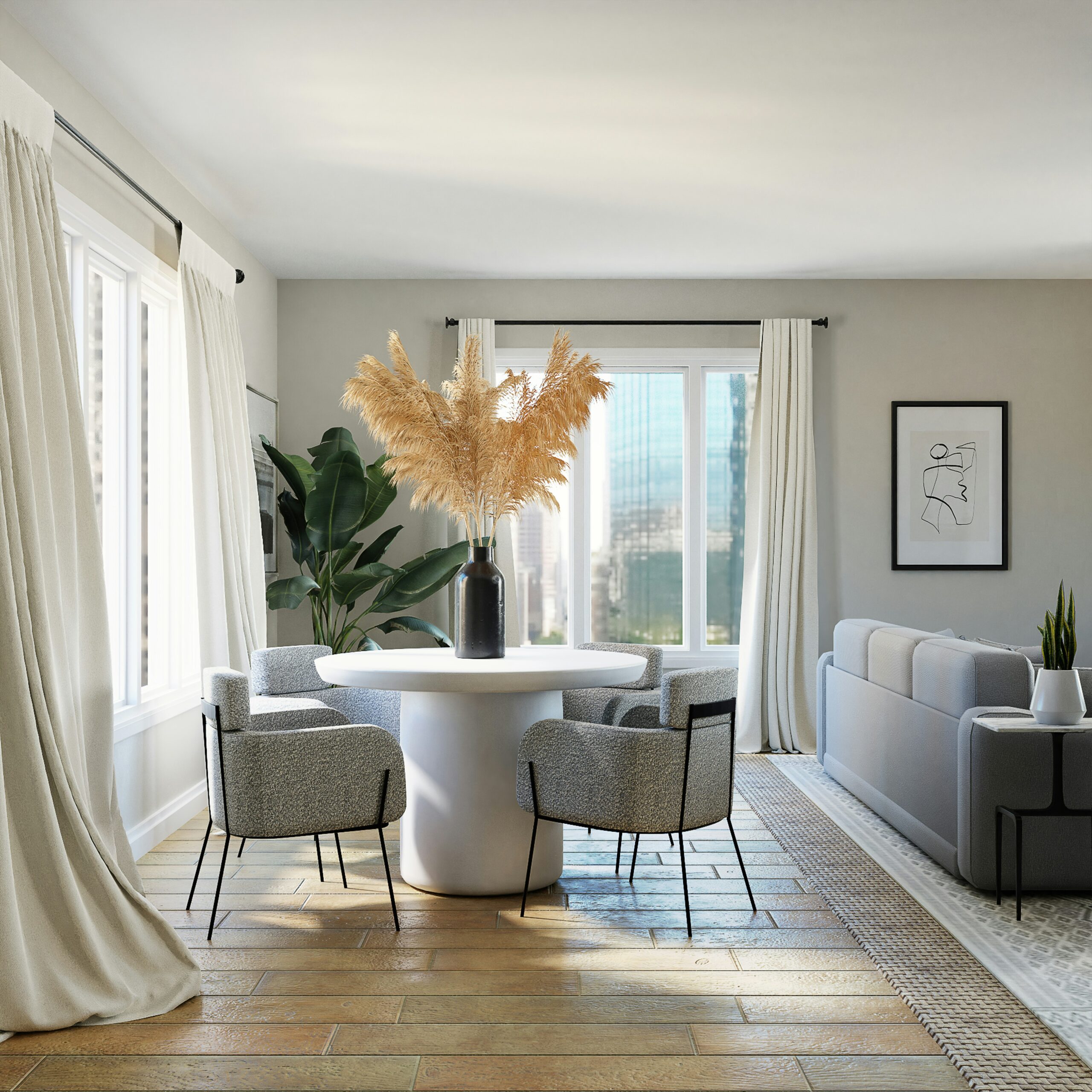
white and gray sofa chairs near white window curtain

FAQ: Government Colleges for Interior Designing in Delhi


1. What are the top government colleges for interior designing in Delhi?

Some of the top government colleges for interior designing in Delhi include:

  • National Institute of Design (NID), Delhi
  • Delhi University (DU) – College of Vocational Studies
  • Jamia Millia Islamia (JMI) University
  • Ambedkar University Delhi These institutions offer specialized programs in interior design, catering to students interested in pursuing a career in this field.

2. Is National Institute of Design (NID) Delhi a good choice for interior design?

Yes, NID Delhi is one of the premier design institutions in India, offering comprehensive courses in interior design. NID’s curriculum is globally recognized for its design innovation, creative thinking, and practical experience, making it an excellent choice for aspiring interior designers.


3. Does Delhi University offer interior designing courses?

Yes, Delhi University (DU) offers interior designing courses through its College of Vocational Studies. The university offers programs such as B.Voc. in Interior Design and other related fields, providing a solid foundation in design principles, space planning, and creativity.


4. What is the admission process for interior design courses in Delhi University?

The admission process for interior design courses at Delhi University typically involves:

  • Merit-based selection: Candidates are shortlisted based on their Class 12 scores.
  • Entrance exams (in some cases): Some colleges under DU may require students to clear an entrance exam or a portfolio submission, depending on the specific course or program.
  • Personal interview: A few colleges might also conduct interviews to assess the candidate’s aptitude and creativity.

5. Are there any interior designing courses at Jamia Millia Islamia (JMI)?

Yes, Jamia Millia Islamia (JMI) offers a Bachelor of Design (B.Des.) in Interior Design under its Faculty of Architecture and Ekistics. JMI is known for its quality education and the program focuses on both theoretical knowledge and practical training in interior design.


6. Is Ambedkar University Delhi a good choice for studying interior design?

Ambedkar University Delhi (AUD) offers undergraduate and postgraduate programs in design, including specializations in interior design. The university is recognized for its innovative approach to design education, and it provides students with opportunities to explore various aspects of interior design and its application in real-world scenarios.


7. What is the duration of interior design courses in government colleges in Delhi?

The duration of interior design courses in government colleges in Delhi typically ranges from:

  • Undergraduate courses: 3-4 years (such as B.Voc. or B.Des. in Interior Design)
  • Postgraduate courses: 2 years (for M.Des. or other specialized programs)

8. What are the eligibility criteria for interior design courses in government colleges in Delhi?

The general eligibility criteria for interior design courses are:

  • Undergraduate programs: Completion of Class 12 (from any stream, though science or art background is preferred in some cases).
  • Postgraduate programs: A bachelor’s degree in interior design or a related field (such as architecture or fine arts).
  • Minimum score: Colleges often require a minimum percentage in qualifying exams (e.g., 50% in Class 12 for undergraduate courses).

9. Are scholarships available for interior design students in government colleges in Delhi?

Yes, many government colleges in Delhi offer scholarships for deserving interior design students. Scholarships may be based on merit, financial need, or specific categories such as reserved quotas (SC/ST/OBC). Students are advised to check with the respective college or university for specific scholarship programs and eligibility criteria.


10. What career opportunities can I expect after completing an interior design course from a government college in Delhi?

Graduates of interior design programs from government colleges in Delhi can pursue various career paths, including:

  • Interior designer for residential, commercial, and hospitality spaces.
  • Exhibition designer, creating displays for events, museums, or galleries.
  • Furniture designer or product designer for interior decor items.
  • Visual merchandiser for retail spaces.
  • Urban planner and space planner, working on public and private sector projects. Many graduates also choose to work independently as consultants or start their own interior design firms.

11. What is the fee structure for interior design courses in government colleges in Delhi?

The fee structure for interior design courses in government colleges in Delhi is relatively affordable compared to private institutions. Fees can vary depending on the college, the level of the course, and other factors such as the type of program (undergraduate or postgraduate). On average, the annual fee may range from β‚Ή10,000 to β‚Ή50,000 for undergraduate courses, with slightly higher fees for postgraduate programs.


12. Are there any entrance exams for interior design courses in government colleges in Delhi?

Yes, some government colleges in Delhi may have entrance exams for interior design courses. For instance:

  • Jamia Millia Islamia (JMI) conducts its own entrance exam for the B.Des. program in Interior Design.
  • Delhi University may require an entrance exam for some of its vocational courses in interior design, depending on the specific program.
  • NID Delhi also conducts its own entrance exam for admission to its design programs, including interior design.

13. Do government colleges in Delhi offer internships or practical experience in interior design?

Yes, most government colleges in Delhi offer internship opportunities as part of the interior design curriculum. Students typically engage in hands-on experience through projects, workshops, and internships with design firms, architects, or furniture companies. This practical exposure helps students apply their theoretical knowledge to real-world scenarios.


Conclusion

If you’re interested in pursuing interior design in Delhi, several prestigious government colleges like Jamia Millia Islamia (JMI), Delhi University (DU), and Ambedkar University offer excellent programs in this field. With well-structured courses, industry connections, and affordable fees, these institutions provide great opportunities to start your career in interior design. Always ensure you check the specific college’s eligibility criteria, admission process, and fee structure before applying.

[/vc_column_text][/vc_column][/vc_row]

Government colleges for interior designing in delhi Read More Β»

Scroll to Top
