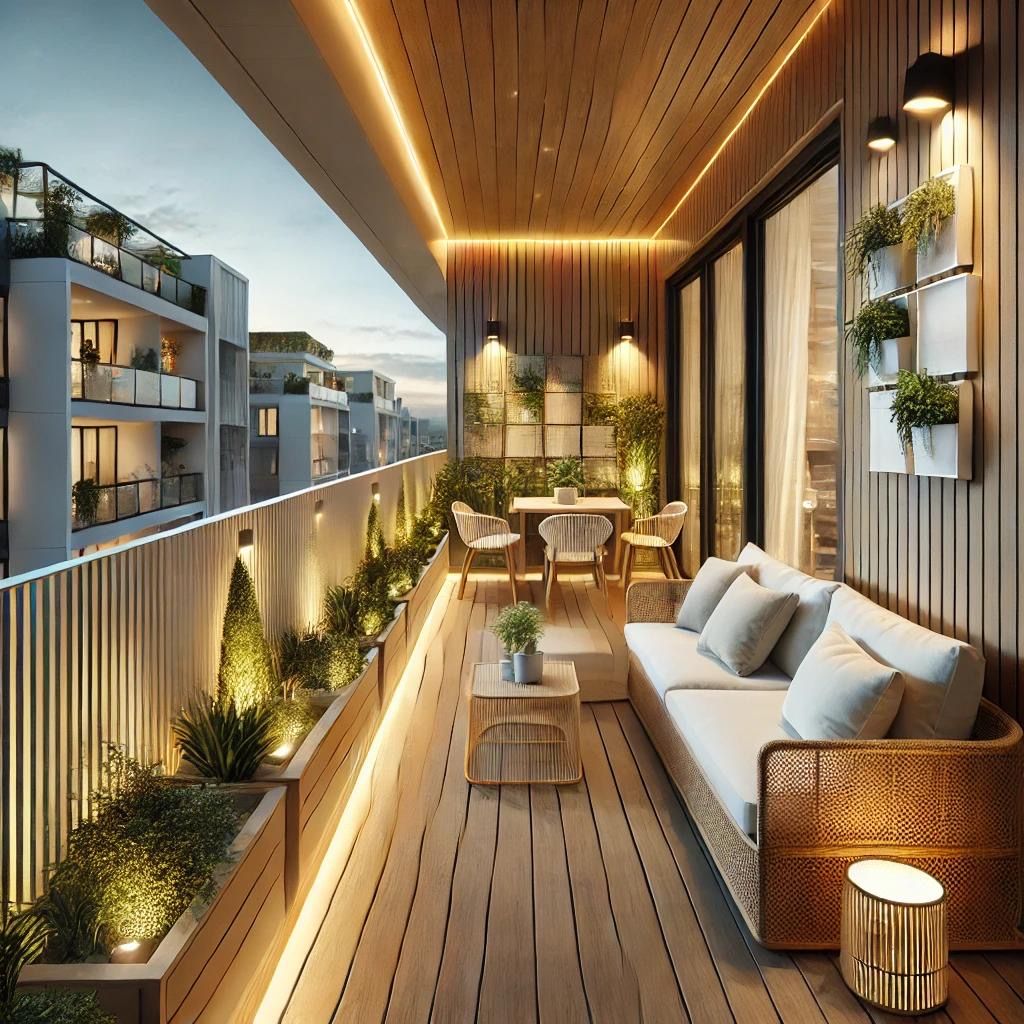
Interior design

Proportion and Scale

Proportion and scale are fundamental principles in the theory of interior design, influencing the visual harmony and balance of a space. While they are related, they have distinct meanings and applications:

  1. Proportion:
    • Definition: Proportion refers to the size and scale relationships between different elements within a space. It involves how the various components of a design relate to each other in terms of their dimensions.
    • Application: Achieving proper proportion ensures that the size of furniture, architectural features, and decorative elements is visually balanced. This helps prevent any one element from dominating the space or appearing out of place.
    • Examples: In a well-proportioned room, the size of the furniture is appropriate for the size of the space, and the dimensions of architectural features (windows, doors, etc.) are in harmony with the overall design.
  2. Scale:
    • Definition: Scale refers to the size of an object in relation to the human body or to other objects within the same space. It considers how the size of individual elements contributes to the overall perception of the space.
    • Application: Proper scale ensures that elements within a space are appropriately sized to create a balanced and comfortable environment. It helps prevent the overwhelming or diminutive appearance of elements.
    • Examples: A large sofa in a small living room may disrupt the scale of the space, while appropriately sized furniture can contribute to a more comfortable and visually pleasing environment.

In summary, proportion deals with the size relationships among elements in a design, ensuring a balanced composition, while scale considers how the size of individual elements contributes to the overall perception of a space. Both principles are crucial for achieving visual harmony, preventing elements from appearing disproportionate or out of scale, and ultimately creating a well-balanced and aesthetically pleasing interior design. Designers often use their understanding of proportion and scale to create spaces that feel comfortable, visually appealing, and harmonious to the occupants.

Proportion and Scale Read More Β»

Unity and Harmony

Unity and harmony are essential principles in the theory of interior design, and they play crucial roles in creating cohesive and aesthetically pleasing spaces. While they are related concepts, they have distinct characteristics:

  1. Unity:
    • Definition: Unity refers to the overall sense of cohesion and consistency in a design. It involves bringing together various elements within a space to create a visually connected and harmonious whole.
    • Application: Achieving unity involves ensuring that all design elements work together and contribute to a common theme or purpose. This includes the use of consistent colors, materials, and styles throughout a space.
    • Examples: Furniture that complements each other in style, a consistent color palette, and a cohesive design theme are examples of elements that contribute to unity.
  2. Harmony:
    • Definition: Harmony in interior design involves the pleasing arrangement of elements to create a sense of balance and visual agreement. It is about the relationship between different elements, ensuring that they work together seamlessly.
    • Application: Designers use principles such as balance, proportion, and rhythm to achieve harmony. It’s not just about similarity but also about creating a dynamic and visually satisfying composition.
    • Examples: A well-proportioned room with balanced furniture arrangements, a harmonious color scheme, and a thoughtful distribution of visual weight contribute to the overall harmony of a space.

In summary, unity focuses on the overall coherence of a design, ensuring that all elements work together as a unified whole. Harmony, on the other hand, is about the dynamic balance and agreement between different elements, creating a visually pleasing and well-integrated composition. Together, unity and harmony contribute to the success of an interior design by creating spaces that are not only functional but also visually appealing and emotionally satisfying.

Unity and Harmony Read More Β»

What is the theory of interior design?

Interior design is a multifaceted field that involves the conceptualization and arrangement of interior spaces to enhance the quality of life and culture of the occupants. The theory of interior design encompasses various principles and concepts that guide designers in creating functional, aesthetically pleasing, and harmonious environments. While there isn’t a single, universally accepted theory of interior design, several key principles are commonly emphasized:

  1. Functionality: Interior design should prioritize the practical use of space to meet the needs and activities of the occupants. The layout and arrangement of furniture and elements should facilitate ease of movement and functionality.
  2. Aesthetics: Aesthetic considerations are crucial in interior design. This involves the use of color, texture, pattern, and form to create visually appealing spaces. Harmony, balance, contrast, and unity are principles often applied to achieve pleasing aesthetics.
  3. Balance: Achieving balance in design involves distributing visual weight evenly throughout a space. There are different types of balance, such as symmetrical (mirror-image balance) and asymmetrical (visual weight is distributed unevenly but still achieves balance).
  4. Proportion and Scale: Proper proportion and scale contribute to the visual harmony of a space. It involves ensuring that the size and scale of furniture and elements are appropriate for the size of the room.
  5. Rhythm: Creating a sense of rhythm in interior design involves the repetition or progression of elements. This can be achieved through patterns, colors, or shapes that lead the eye through a space.
  6. Contrast: The use of contrasting elements, such as light and dark colors or smooth and textured surfaces, adds interest and variety to a design.
  7. Emphasis/Focal Point: Designers often create a focal point in a room, drawing attention to a specific area or element. This helps to create visual interest and guide the viewer’s eye.
  8. Harmony: Achieving harmony involves bringing all elements of a design together in a cohesive and unified manner. This ensures that the various components work well together rather than clashing.
  9. Unity: Unity is the overall sense of cohesion and completeness in a design. It involves tying together the various elements to create a harmonious and well-integrated space.

The theory of interior design is dynamic and can vary based on cultural influences, design styles, and individual preferences. Designers often blend these principles to create unique and personalized spaces that reflect the needs and tastes of their clients.

What is the theory of interior design? Read More Β»

What interior design means to me?

Consider the following questions to help you define what interior design means to you personally:

  1. Personal Expression:
    • How does interior design allow you to express your personality and individuality?
    • What elements in interior design help communicate your unique style and preferences?
  2. Comfort and Functionality:
    • In what ways does interior design contribute to creating a comfortable and functional living environment for you?
    • How do design choices impact the practical aspects of daily life in your home?
  3. Emotional Connection:
    • Can you pinpoint specific designs or elements that evoke positive emotions or memories for you?
    • How does the arrangement of your space contribute to a sense of well-being and emotional connection?
  4. Aesthetic Pleasure:
    • What visual aspects of interior design bring you joy or aesthetic pleasure?
    • Are there specific design styles, colors, or textures that resonate with you on a personal level?
  5. Creativity and Innovation:
    • How does interior design allow you to express your creativity or appreciation for innovation?
    • Do you see interior design as a form of art, and if so, in what ways?
  6. Adaptability and Change:
    • How do you view the adaptability of interior design to changing preferences and needs?
    • Does the ability to refresh and update your living space contribute to its significance for you?
  7. Social and Cultural Influences:
    • How do cultural or societal influences impact your approach to interior design?
    • Are there cultural elements that you intentionally incorporate into your living space?
  8. Connection to the Surrounding Environment:
    • Does your interior design reflect or harmonize with the external environment, such as the location or architecture of your home?
    • How does your living space connect with the natural or urban surroundings?
  9. Sense of Home:
    • What role does interior design play in creating a sense of “home” for you?
    • Are there specific design choices that make your living space feel uniquely yours?
  10. Practicality and Organization:
    • How does interior design contribute to the organization and practical aspects of your daily routines?
    • Are there design solutions that enhance efficiency and organization in your space?

Your personal reflections on these questions can help you articulate what interior design means to you. Whether it’s a form of self-expression, a source of comfort, or a canvas for creativity, recognizing the significance of interior design in your life can deepen your appreciation for the role it plays in shaping your living spaces.

What interior design means to me? Read More Β»

The necessity to be Artistic and Creative

In the realm of interior design, the necessity to be artistic and creative is fundamental to the success and fulfillment of the profession. Here’s why creativity and artistic expression are crucial in the field of interior design:

1. Transforming Spaces:

  • Creating Aesthetically Pleasing Environments: Interior designers are tasked with transforming ordinary spaces into visually appealing and functional environments. Creativity is the driving force behind the ability to envision and execute designs that elevate the aesthetic appeal of a space.

2. Reflecting Personal Style and Preferences:

  • Individuality in Design: Every client has unique preferences, lifestyles, and personalities. Creativity allows interior designers to tailor their designs to reflect the individuality of each client, ensuring that the spaces resonate with their personal style and preferences.

3. Innovation and Adaptability:

  • Staying Ahead of Trends: The design landscape is ever-evolving, with new trends, materials, and technologies emerging constantly. Creativity enables designers to stay innovative, adapt to changes, and offer clients fresh and contemporary design solutions.

4. Problem-Solving:

  • Navigating Challenges: Interior design projects often come with challenges, whether it’s working with limited space, integrating existing structures, or addressing client preferences. Creativity is essential in finding unique and effective solutions to these challenges.

5. Enhancing Functionality:

  • Balancing Form and Function: Creativity plays a crucial role in finding the balance between aesthetics and functionality. Interior designers must creatively organize and arrange spaces to maximize usability while maintaining an appealing visual design.

6. Client Satisfaction:

  • Capturing Client Vision: A creative approach allows designers to capture and translate the vision and desires of their clients into tangible, visually stunning designs. Client satisfaction is often tied to the ability of the designer to bring the client’s dreams to life.

7. Creating Emotional Connections:

  • Eliciting Emotions: Creative designs have the power to evoke emotions and create atmospheres that resonate with the occupants. Whether it’s a sense of calm, inspiration, or excitement, the emotional impact of a well-designed space is a testament to the designer’s creativity.

8. Expressing Personal Style:

  • Individual Design Signature: Creativity allows interior designers to develop their unique design style or signature. This individuality is often what distinguishes one designer from another and contributes to their success in the industry.

9. Artistic Elements:

  • Incorporating Art into Design: Artistic elements, whether in the form of paintings, sculptures, or unique furniture pieces, contribute to the overall aesthetics of a space. Creativity is necessary to curate and integrate these elements seamlessly.

10. Visualizing Concepts:

  • Conceptualization and Visualization: The ability to visualize design concepts before they come to life is a key aspect of interior design. Creativity enables designers to conceptualize ideas and communicate them effectively to clients and collaborators.

11. Client Engagement:

  • Engaging Clients in the Design Process: Creativity allows designers to involve clients in the design process, seeking their input and collaboration. This engagement ensures that the final design aligns with the client’s vision and preferences.

12. Inspiring Innovation:

  • Contributing to Industry Evolution: Creative interior designers often contribute to the evolution of the industry by introducing innovative concepts, materials, and design philosophies. Their creativity helps shape the future of interior design.

In summary, creativity and artistic expression are not just desirable traits in interior design; they are indispensable. The ability to think outside the box, find inspiration in diverse sources, and bring a unique perspective to each project is what sets exceptional interior designers apart. It’s a profession where artistry meets functionality, and the result is spaces that not only look beautiful but also enhance the quality of life for those who inhabit them.

The necessity to be Artistic and Creative Read More Β»

How do you know if interior design is right for you?

Determining if interior design is the right fit for you involves a combination of self-reflection, understanding the nature of the field, and recognizing your interests and skills. Here are some indicators that interior design might be the right career path for you:

1. Passion for Creativity:

  • You Enjoy Creating Aesthetically Pleasing Spaces: If you find joy in arranging furniture, selecting color palettes, and envisioning how different elements come together to create a harmonious space, you likely have a natural inclination towards interior design.
  • Creativity is a Strong Suit: If you consistently come up with innovative ideas for arranging spaces, choosing decor, or transforming rooms, your creative flair aligns well with the demands of interior design.

2. Attention to Detail:

  • You Notice Small Details: Interior designers need a keen eye for detail. If you find yourself consistently noticing and appreciating small details in the design of spaces, furniture, and decor, this attention to detail is a valuable trait in the field.
  • Organization is Second Nature: Interior design involves coordinating various elements to create a cohesive look. If you are naturally organized and enjoy planning and executing design plans, you possess a crucial skill set for the profession.

3. Interest in Architecture and Design:

  • You Are Fascinated by Architecture: Interior design often intersects with architecture. If you find yourself fascinated by architectural styles, spatial arrangements, and the relationship between form and function, interior design might be a fitting field for you.
  • Appreciation for Design Trends: If you enjoy staying updated on current design trends, exploring different design movements, and understanding how historical and cultural influences shape design aesthetics, you likely have a genuine interest in the field.

4. Effective Communication Skills:

  • You Can Translate Ideas into Plans: Interior designers need to effectively communicate their vision to clients, contractors, and other professionals. If you can translate abstract ideas into concrete plans and effectively communicate your design concepts, your communication skills are valuable in the field.
  • Client Collaboration is Appealing: Enjoying collaboration with clients and understanding their preferences is crucial in interior design. If you find satisfaction in working closely with others to bring their vision to life, this collaborative aspect aligns with the interpersonal nature of the profession.

5. Flexibility and Problem-Solving:

  • Adaptability is a Strength: Interior design projects can be diverse and dynamic. If you thrive in environments where each project is unique and requires creative problem-solving, the versatility demanded by interior design may resonate with you.
  • Challenges Spark Creativity: Rather than being discouraged by challenges, you see them as opportunities to showcase your problem-solving skills and creativity. Interior designers often encounter unexpected issues, and the ability to navigate these challenges is crucial.

6. Educational and Professional Curiosity:

  • Interest in Learning: Interior design involves ongoing learning about materials, trends, and technologies. If you have a genuine interest in continually expanding your knowledge base and staying informed about advancements in the field, this curiosity aligns with the profession.
  • Professional Development is Important: A commitment to professional development and potentially obtaining relevant certifications or degrees is indicative of a serious interest in a career in interior design.

7. Enjoyment in Making a Difference:

  • Creating Impactful Spaces Brings Fulfillment: If the idea of creating environments that positively impact people’s lives, whether through functionality, aesthetics, or both, brings you a sense of fulfillment, interior design offers a meaningful way to make a difference.
  • Client Satisfaction Matters: Finding joy in seeing clients satisfied with the transformation of their spaces is a key indicator that you value the impact of your work on people’s lives.

8. Portfolio Building and Projects:

  • Building a Portfolio Excites You: If the prospect of building a portfolio showcasing your design projects excites you, it indicates a passion for creating a visual representation of your skills and accomplishments in the field.
  • You Enjoy Working on Personal Projects: Whether it’s redesigning your own living space or helping friends and family with design projects, a natural inclination to take on these tasks suggests an intrinsic motivation for interior design.

9. Willingness to Keep Up with Trends:

  • Interest in Industry Evolutions: Interior design is a dynamic field that evolves with trends, technologies, and societal changes. If you are enthusiastic about staying informed about the industry’s evolution and adapting your design approach accordingly, you are well-suited for the profession.

10. Trial Experience and Internships:

  • Seeking Practical Experience: Actively seeking internships, volunteer opportunities, or even shadowing experienced interior designers to gain practical experience indicates a genuine interest in the field beyond theoretical knowledge.
  • Positive Experience with Trial Projects: If you have taken on small design projects or assisted in designing spaces, and these experiences have been positive and fulfilling, it’s a strong indicator that you enjoy the hands-on aspects of interior design.

11. Continuous Improvement:

  • Seeking Feedback and Improvement: A willingness to seek constructive feedback on your designs and a commitment to continuous improvement indicate a growth mindset, which is beneficial in a field that is continually evolving.

Remember that a successful career in interior design involves a combination of natural talents, learned skills, and a genuine passion for the field. If you find yourself aligning with several of these indicators, it’s a promising sign that interior design could be a fulfilling and rewarding career path for you. Consider exploring educational opportunities, networking with professionals in the field, and gaining hands-on experience to further solidify your decision.

How do you know if interior design is right for you? Read More Β»

How can I choose an interior design style?

Choosing an interior design style is a personal and exciting process that involves reflecting on your preferences, lifestyle, and the atmosphere you want to create in your home. Here are steps to help you navigate the process of choosing an interior design style:

1. Self-Reflection: Identify Your Preferences and Lifestyle

Start by reflecting on your personal preferences and lifestyle. Consider the colors, patterns, and textures you are drawn to. Think about your daily routines, hobbies, and the overall atmosphere you want to achieve in your home. Whether you prefer a cozy, traditional setting or a modern, minimalist look, understanding your tastes is the first step in finding the right style.

2. Create a Mood Board: Visualize Your Ideas

Gather inspiration by creating a mood board. Collect images, color swatches, and examples of furniture and decor that appeal to you. Platforms like Pinterest and Instagram can be great sources for creating a digital mood board. This visual representation will help you identify recurring themes and narrow down your preferred interior design style.

3. Research Design Styles: Explore Different Options

Familiarize yourself with various interior design styles. Common styles include:

  • Traditional: Timeless and classic, often featuring ornate furniture and rich colors.
  • Modern/Contemporary: Clean lines, neutral colors, and a focus on open spaces and minimalism.
  • Industrial: Inspired by industrial spaces, characterized by exposed brick, metal, and raw materials.
  • Mid-Century Modern: A retro style from the mid-20th century, featuring clean lines and iconic furniture pieces.
  • Scandinavian: Emphasizes simplicity, functionality, and a neutral color palette.
  • Bohemian: Eclectic and free-spirited, characterized by bold colors, patterns, and a mix of textures.
  • Farmhouse/Rustic: Cozy and welcoming, with natural materials, distressed finishes, and a touch of vintage.

4. Consider Your Architecture and Location

Take into account the architectural style of your home and its location. A coastal home might lend itself to a beachy or coastal design, while an urban loft might align well with an industrial or contemporary style. Harmonizing your interior with the external environment can create a more cohesive and pleasing aesthetic.

5. Evaluate Practical Considerations: Budget and Functionality

Consider your budget and the practical aspects of each design style. Some styles may require more investment in specific furniture or decor items. Additionally, think about functionalityβ€”choose a style that not only looks appealing but also suits your lifestyle and meets the practical needs of your household.

6. Experiment with Small Changes: Start Gradually

If you’re unsure or want to ease into a new style, consider making small changes. Start with one room or a specific area, experimenting with colors, textures, or furniture that align with the style you’re considering. This allows you to test the waters before committing to a complete overhaul.

7. Seek Professional Advice: Consult with Designers

If you find the decision-making process challenging, consider consulting with a professional interior designer. Designers have experience working with various styles and can provide valuable insights tailored to your preferences and needs. They can guide you in creating a cohesive and aesthetically pleasing design.

8. Stay True to Yourself: Personal Touch Matters

While it’s essential to explore different styles and consider various influences, remember that your home is a reflection of your personality. Incorporate elements that resonate with you personally. The most successful interior designs are those that blend style trends with individuality.

9. Take Your Time: Make Informed Decisions

Choosing an interior design style is not a race. Take your time to explore options, gather inspiration, and make informed decisions. Interior design is an evolving process, and your preferences may change over time. Be patient and enjoy the journey of transforming your living spaces.

10. Embrace Eclecticism: Mix and Match Styles

Feel free to embrace eclecticism by mixing and matching elements from different styles. Eclectic design allows for a blend of diverse influences, creating a unique and personalized aesthetic. As long as there’s a cohesive theme tying everything together, eclecticism can be a refreshing approach.

Remember, the goal is to create a space that brings you joy and aligns with your lifestyle. Enjoy the process of discovering your interior design style, and let your home become a canvas for self-expression and comfort.

How can I choose an interior design style? Read More Β»

“Elevate Your Home: Discovering Trusted Local Interior Decorators”

Introduction:

In the quest to transform your home into a sanctuary of style and comfort, the expertise of trusted local interior decorators becomes an invaluable asset. These professionals not only understand the nuances of design but also have the trust of the community they serve. In this blog, we explore the journey of discovering and collaborating with local interior decorators who bring a touch of trust to the art of home transformation.

1. Local Business Chronicles: Online Platforms and Directories

Embark on your journey by delving into local business directories and online platforms. Websites like Yelp, Houzz, or community-specific directories often feature reviews and ratings that serve as signposts to trusted local interior decorators. These digital landscapes become gateways to discovering professionals who have earned the trust of their clients.

2. Community Threads: Social Media and Forums

Join the digital conversations within your community on social media platforms and forums. Seek recommendations from neighbors who have enlisted the help of interior decorators for their homes. The trust shared within these virtual spaces becomes a testament to the reliability and professionalism of the decorators they recommend.

3. Personal Testimony: Word of Mouth Recommendations

The power of word of mouth remains a timeless guide. Ask friends, family, and colleagues for personal recommendations. The stories they share about their experiences with local interior decorators become a bridge of trust, guiding you towards professionals who have left a trail of satisfied clients in their wake.

4. Local Studios and Showrooms: Tangible Trust on Display

Explore local design studios and showrooms where interior decorators often showcase their work. These physical spaces allow you to witness the tangible results of their expertise. The trust that these decorators have cultivated is on display in the form of curated designs that speak to the satisfaction of their clients.

5. Real Estate Network: Guidance from Agents

Consult with local real estate agents, who often have connections with trusted professionals in the home design industry. Real estate agents can offer recommendations based on their knowledge of local interior decorators who have consistently delivered quality work, earning the trust of both homeowners and the real estate community.

6. Bulletin Board Wisdom: Insights from the Community

Explore local bulletin boards, whether physical or virtual, where residents share their experiences. Scan through postings related to trusted interior decorators. The community’s collective wisdom, displayed on these boards, can illuminate the path toward decorators who have built trust through their commitment to excellence.

7. Media Spotlights: Magazines and Newspapers

Keep an eye on local magazines, newspapers, or community newsletters that spotlight home improvement and design. These publications often feature articles on trusted interior decorators, providing insights into their successful projects and the trust they’ve earned within the local design landscape.

8. Collaborative Alliances: Partnerships with Local Businesses

Investigate interior decorators who engage in collaborative partnerships with local businesses. These alliances may indicate a commitment to the community and a track record of reliability. Decorators who collaborate with contractors, furniture stores, or home improvement retailers often bring a trusted network of resources to their projects.

9. Client Testimonials: The Echoes of Trust

Explore interior decorators’ websites and portfolios to find client testimonials. The echoes of trust resound in the words of satisfied clients who have experienced the transformative touch of these professionals. These testimonials provide insights into the reliability, communication, and overall trustworthiness of the decorators.

10. Personal Consultations: Building Trust Through Connection

Conclude your search by scheduling personal consultations with potential interior decorators. This is the stage where trust is not just observed but felt. Open discussions about your vision, budget, and expectations allow you to gauge the decorators’ ability to understand and fulfill your needs, fostering a foundation of trust for the collaborative journey ahead.

Conclusion: Elevating Home Design with Trust

In the world of home design, the journey towards transformation is as significant as the destination. Trusted local interior decorators bring not only artistic flair but also reliability and professionalism to the canvas of your home. By navigating digital landscapes, engaging with the community, and exploring tangible spaces, you open doors to decorators who have earned the trust of those they serve. May your home become a testament to the synergy of trust and design excellence, curated by the skilled hands of local interior decorators.

“Elevate Your Home: Discovering Trusted Local Interior Decorators” Read More Β»

Home Interior Design Transform Your Living Space with Expert Ideas

“Crafting Comfort: The Art of Personalized Home Design by Local Experts”

[vc_row][vc_column][vc_column_text]

Crafting Comfort: The Art of Personalized Home Design by Local Experts

A home should reflect your personality, lifestyle, and values. That’s where the expertise of local interior designers comes in. Crafting comfort through personalized home design by local experts ensures your living spaces feel both stylish and functional, without losing their unique touch.

Why Personalized Home Design Matters

Personalized home design focuses on tailoring interiors to individual needs instead of following one-size-fits-all trends. Local experts excel in this approach because they understand:

  • Cultural preferences and lifestyle habits

  • Space utilization in urban homes

  • Local sourcing of furniture, decor, and materials

  • Balancing comfort with aesthetic appeal

The Role of Local Experts in Home Design

Hiring local designers offers several advantages:

  • Accessibility – Easier collaboration and regular site visits

  • Cost-effectiveness – Knowledge of affordable local markets

  • Customization – Designs aligned with your personality

  • Trust – Established relationships with local craftsmen and vendors

Key Elements of Crafting Comfort in Personalized Home Design

1. Thoughtful Space Planning

Local experts know how to maximize every square foot. From open layouts for urban apartments to cozy corners in villas, they design with functionality in mind.

2. Tailored Furniture and Decor

Instead of mass-produced pieces, they recommend customized furniture that complements your taste and fits your home perfectly.

3. Color Palettes That Reflect You

Colors influence mood and energy. Personalized design ensures the chosen shades resonate with your personalityβ€”whether calm neutrals or vibrant tones.

4. Blending Modern and Traditional Elements

Local experts skillfully merge global design trends with regional influences, creating a balanced aesthetic unique to your home.

5. Comfort-Centric Features

From ergonomic furniture to lighting that sets the right mood, comfort is the ultimate goal in personalized home design.

Benefits of Working with Local Home Design Experts

  • Strong focus on detail and craftsmanship

  • Access to reliable carpenters, painters, and artisans

  • Quick troubleshooting and on-site guidance

  • More flexibility in design changes during execution

Personalized Design Trends in Urban Homes

  • Modular Kitchens with efficient storage solutions

  • Smart Homes with integrated automation systems

  • Eco-Friendly Interiors with sustainable materials

  • Minimalist Aesthetics combined with cozy textures

  • Multifunctional Furniture for compact spaces

Recap

Crafting comfort: the art of personalized home design by local experts ensures your home is more than just visually appealingβ€”it becomes a true reflection of who you are. With their deep understanding of local culture, markets, and craftsmanship, these experts help create spaces that are comfortable, practical, and personal.

Call to Action

Thinking about redesigning your home? Connect with trusted local home design experts today and let them craft interiors that bring both comfort and personality into your living space.

[/vc_column_text][/vc_column][/vc_row][vc_row][vc_column][vc_column_text]

FAQs on Crafting Comfort: The Art of Personalized Home Design by Local Experts

1. What does personalized home design mean?

Personalized home design refers to interiors tailored to your lifestyle, preferences, and personality. Instead of generic styles, local experts create customized layouts, furniture, and decor that reflect who you are.

2. Why should I hire local experts for home design?

Local experts bring:

  • A better understanding of cultural and lifestyle needs

  • Access to affordable local markets for decor and furniture

  • Strong networks with local artisans and craftsmen

  • Quick on-site support during project execution

3. How do local experts craft comfort in home design?

They focus on elements like:

  • Thoughtful space planning

  • Ergonomic furniture

  • Mood-enhancing color palettes

  • Smart lighting solutions

  • Blending modern comforts with traditional touches

4. Is personalized home design more expensive than standard interiors?

Not necessarily. Personalized design can be adapted to different budgets. Local experts often source materials and furniture cost-effectively while ensuring comfort and uniqueness.

5. What are the latest trends in personalized home design?

Some popular trends include:

  • Modular kitchens with efficient storage

  • Smart home automation

  • Eco-friendly interiors with sustainable materials

  • Minimalist designs with cozy accents

  • Multifunctional furniture for compact spaces

6. Can personalized home design work for small apartments?

Yes. Local experts specialize in space-saving solutions like foldable furniture, vertical storage, and light color palettes, making compact homes comfortable and stylish.

7. How long does a personalized home design project take?

  • Small rooms: 3–4 weeks

  • Full apartments: 2–4 months

  • Large homes or villas: 4–6 months depending on customization

8. Can local experts mix modern and traditional design styles?

Absolutely. Many homeowners in India prefer a fusion style. Local experts blend global trends with regional influences to create a balanced and personalized look.

9. Does personalized home design improve comfort and functionality?

Yes. Personalized design focuses on practical layouts, ergonomic furniture, and lifestyle-based planning, ensuring your home is both comfortable and functional.

10. How do I choose the right local home design expert?

  • Review their past projects and portfolio

  • Check client reviews and testimonials

  • Discuss your lifestyle needs and budget upfront

  • Ensure they offer flexibility and customization in design

[/vc_column_text][/vc_column][/vc_row]

“Crafting Comfort: The Art of Personalized Home Design by Local Experts” Read More Β»

“Home Harmony: Discovering Residential Interior Design Specialists Nearby”

Introduction:

Within the realms of comfort and personal expression, residential spaces become the canvas where daily stories unfold. Unleashing the full potential of your home often requires the expertise of residential interior design specialists. In this blog, we embark on a journey to unveil the talents of specialists who can craft a living space that resonates with your individuality, all within the convenience of proximity.

  1. Digital Exploration: Online Platforms and DirectoriesInitiate your quest for residential interior design specialists by delving into the digital realm. Online platforms such as Houzz, Thumbtack, or local business directories are like treasure maps leading you to specialists who have left their mark on nearby homes.
  2. Social Connections: Community Forums and Social MediaJoin the digital conversations within your community on platforms like Facebook or Nextdoor. Residents often share their experiences and recommendations for residential interior design specialists nearby. These social connections can provide valuable insights into the local design scene.
  3. Personal Touch: Word of Mouth RecommendationsThe power of personal recommendations should not be underestimated. Reach out to friends, family, and neighbors who may have enlisted the expertise of residential interior design specialists. Personal insights into the specialists’ ability to harmonize design with individual preferences can guide your search.
  4. Local Studios and Exhibitions: Unveiling Creative SpacesImmerse yourself in the local design scene by exploring nearby studios and exhibitions. These events often showcase the work of residential interior design specialists, allowing you to witness firsthand their creative prowess and envision the possibilities for your own space.
  5. Real Estate Network: Guidance from AgentsReal estate agents, with their intimate knowledge of neighborhoods, can be valuable guides in your search. Tap into their network to discover specialists who have woven their creative touch into the fabric of nearby homes. Real estate professionals may offer insights into specialists who understand the nuances of local aesthetics.
  6. Community Events: Where Design Meets CelebrationAttend community events or workshops centered around home improvement and design. These gatherings provide an opportunity to interact with residential interior design specialists, learning about their design philosophies and the ways in which they enhance nearby homes.
  7. Bulletin Board Insights: Community Wisdom SharedExplore local bulletin boards, whether physical or virtual, where residents often share their experiences. Scan through postings or recommendations related to residential interior design specialists nearby. The community’s collective wisdom can be a guiding light in your quest.
  8. Media Showcases: Magazines and NewspapersKeep an eye on local magazines, newspapers, or community newsletters that spotlight home improvement and design. These media outlets often feature residential interior design specialists, providing insights into their creative approaches and successful transformations in nearby homes.
  9. Collaborative Alliances: Partnerships with Local BusinessesInvestigate specialists who engage in collaborative partnerships with local businesses. These alliances may indicate a commitment to the community and an understanding of local needs. Specialists who collaborate with furniture stores, contractors, or home improvement retailers may bring added value to nearby residential projects.
  10. Personal Consultations: The Art of Vision SharingConclude your search by scheduling personal consultations with potential specialists. This is the stage where visions converge, and you can discuss your preferences and aspirations for your home. A skilled residential interior design specialist will listen attentively, providing insights and tailored solutions that align with your unique lifestyle.

Conclusion:

In the pursuit of residential interior design specialists nearby, the journey becomes an exploration of creativity and local connections. By combining digital research with community engagement, you unlock the door to specialists who not only understand design principles but also the unique character of your neighborhood. May your quest for home harmony be guided by the hands of specialists who turn spaces into personalized sanctuaries.

“Home Harmony: Discovering Residential Interior Design Specialists Nearby” Read More Β»

“Elevate on a Budget: Navigating Affordable Local Interior Design Consultants”

Introduction:

Embarking on a journey to transform your living space doesn’t have to be synonymous with breaking the bank. Affordable local interior design consultants offer the perfect balance between creativity and cost-effectiveness. In this blog, we delve into the process of discovering and collaborating with skilled consultants who understand the art of designing on a budget without compromising on style.

  1. Digital Treasure Hunt: Online Platforms and DirectoriesBegin your search in the digital realm, exploring online platforms and directories tailored to local businesses. Websites such as Yelp, Thumbtack, or local business directories can be gold mines, revealing a variety of affordable interior design consultants in your area.
  2. Community Recommendations: Social Media and ForumsLeverage the power of community insights by joining local social media groups or forums. Residents often share their experiences and recommendations for affordable interior design consultants. These virtual spaces become havens for cost-conscious design enthusiasts seeking skilled professionals.
  3. Word of Mouth Magic: Personal RecommendationsThe magic of word of mouth is a timeless guide in the search for affordable consultants. Seek recommendations from friends, family, and colleagues who may have enlisted the help of budget-friendly interior design consultants. Personal experiences can provide invaluable insights into the affordability and creativity of the consultants.
  4. Local Studios and Exhibitions: Showcasing Creativity on a BudgetExplore local design studios and exhibitions, where consultants may showcase their work. These events often feature consultants who specialize in creating stylish spaces without the hefty price tag. Attendees can witness firsthand how affordability and creativity intertwine in the consultants’ portfolios.
  5. Real Estate Wisdom: Consult with AgentsReal estate agents, well-versed in the local market, can be valuable guides in your quest for affordability. They may have insights into consultants who understand the budget constraints of homeowners and renters alike. Tap into their network to discover professionals skilled in cost-effective design solutions.
  6. Community Events and Workshops: Learning Affordability TogetherAttend community events or workshops that focus on home improvement and design. These gatherings often attract consultants who share tips and tricks for affordable interior design. Engaging with them in these settings allows you to learn about their approach and discuss your project’s budgetary constraints.
  7. Bulletin Board Wisdom: Affordable Gems UnveiledLocal bulletin boards, whether physical or virtual, can be treasure troves of information. Scan through postings or recommendations related to affordable interior design consultants. The community’s collective wisdom might lead you to hidden gems that prioritize both style and savings.
  8. Media Spotlights: Magazines and NewspapersKeep an eye on local magazines, newspapers, or community newsletters that highlight home improvement and design. These media outlets occasionally feature affordable interior design consultants, shedding light on their innovative approaches to achieving stylish spaces on a budget.
  9. Collaborative Partnerships: Budget-Friendly AlliancesInvestigate consultants who engage in collaborative partnerships with local businesses. These alliances may indicate a commitment to providing cost-effective solutions. Consultants who work closely with contractors, retailers, or discount home goods stores might offer affordability without compromising on design quality.
  10. Personal Consultations: Unveiling Budget-Friendly VisionsSeal the deal by scheduling personal consultations with potential consultants. Use this time to discuss your budget constraints openly and gauge their ability to provide affordable design solutions. A skilled consultant will find ways to marry your vision with cost-effective strategies.

Conclusion:

The pursuit of affordable local interior design consultants is a journey of creativity, resourcefulness, and community collaboration. As you navigate through digital landscapes, explore local events, and engage with your community, you’ll uncover consultants who specialize in transforming spaces without stretching your budget thin. Remember, affordable design is not about compromise; it’s about finding the right consultant who can elevate your space while keeping your financial goals intact. Let the journey begin, and may your budget-friendly design dreams come to life.

“Elevate on a Budget: Navigating Affordable Local Interior Design Consultants” Read More Β»

“Elevate Your Space: Unveiling the Expertise of Interior Design Maestros in Your Neighborhood”

Introduction:

In the heart of every community lies a unique tapestry of homes, each with its own story waiting to be told. As you embark on the journey to transform your living space, the expertise of experienced interior designers in your neighborhood becomes an invaluable brushstroke in this canvas of creativity. In this blog, we delve into the process of discovering and collaborating with the design maestros who understand not only the pulse of your local aesthetics but also bring a wealth of experience to craft spaces that resonate with your personality.

  1. Local Business Chronicles: Navigating Directories and Online PlatformsThe journey begins with a stroll through local business directories, both digital and tangible. Online platforms and search engines become the compass, guiding you through the labyrinth of experienced interior designers in your neighborhood. These directories serve as treasure troves, offering glimpses into the vast landscape of local design expertise.
  2. Community Threads: Social Media and ForumsJoin the digital gathering places where neighbors share insights and recommendations. Social media groups and forums, such as those on Facebook or Nextdoor, echo with the experiences of those who have ventured into the realm of local interior design. These virtual connections become bridges to the designers whose work has left an indelible mark on the community.
  3. The Power of Testimony: Personal RecommendationsIn the close-knit tapestry of your community, personal recommendations from friends, family, and acquaintances carry the weight of trust. A shared experience becomes a testimony to the prowess of an interior designer, creating a ripple effect that guides you towards professionals who have left a trail of satisfied clients in their wake.
  4. Studios and Showrooms: Local Design EmbassiesEmbark on a physical exploration of your neighborhood’s design landscape. Studios, showrooms, and home decor stores often serve as embassies of local design talent. Here, you can witness firsthand the creations of interior designers, gaining insights into their style, innovation, and the seamless integration of functionality with aesthetics.
  5. Guidance from Real Estate Navigators: Consult Local AgentsNavigate the seas of local expertise with the guidance of real estate agents. These navigators of the housing market often hold keys to a treasure trove of contacts, including experienced interior designers. Leverage their knowledge to discover professionals who have left an impression on the homes within your community.
  6. Community Events: Home and Garden RevelationsAttend the gatherings that celebrate the essence of home and garden living. Local events and exhibitions bring forth interior designers showcasing their talent. Immerse yourself in the experience, engaging with designers and unraveling the stories behind their creations.
  7. Bulletin Board Chronicles: Community Wisdom UnveiledCommunity bulletin boards, whether physical or virtual, harbor the wisdom of the neighborhood. Scan through postings and recommendations related to experienced interior designers. These community insights can often unveil hidden gems and lead you to designers who are not only skilled but also cherished by those around you.
  8. Local Chronicles: Magazines and NewspapersFlip through the pages of local magazines, newspapers, or community newsletters that chronicle the tales of home improvement and design. These publications often shine a spotlight on the work of local interior designers, providing a curated glimpse into the talent that thrives within your community.
  9. Collaborative Threads: Businesses that Weave Together DesignExplore the collaborative threads that connect interior designers with local businesses. Partnerships with contractors, architects, or furniture stores are often indicative of a designer’s involvement in the community fabric. Discover the professionals who seamlessly weave together the elements of design, creating a harmonious symphony within your neighborhood.
  10. The Consultation Dance: Unveiling Design Philosophies in Person

As your quest narrows, engage in the consultation dance. Schedule meetings with potential designers to unravel their design philosophies in person. This is the moment where visions converge, and the resonance between your dreams and the designer’s expertise becomes palpable.

Conclusion:

In the pursuit of experienced interior designers in your neighborhood, the journey becomes as significant as the destination. The process involves weaving through digital landscapes, exploring local showcases, and embracing the wisdom of community connections. As you uncover the design maestros who call your neighborhood home, remember that in their hands, your space becomes not just a room but a chapter in the ongoing narrative of your community’s collective creativity. Elevate your space, and let the design symphony play on.

“Elevate Your Space: Unveiling the Expertise of Interior Design Maestros in Your Neighborhood” Read More Β»

“Unveiling Elegance: Navigating the Realm of Top-Rated Local Interior Design Experts”

Introduction:

In the world of interior design, where aesthetics meet functionality, the expertise of a seasoned professional can transform spaces into captivating havens. Finding the right local interior design expert is akin to discovering an artist whose palette resonates with your vision. In this blog, we embark on a journey to unravel the secrets of identifying and collaborating with top-rated local interior design experts who breathe life into your living or working spaces.

  1. The Quest Begins: Online PlatformsTo embark on the quest for the perfect interior designer, online platforms become the first port of call. Websites like Houzz, Yelp, and Angie’s List serve as treasure troves of information, offering reviews, ratings, and insights from previous clients. This digital landscape becomes a canvas where you can paint your desires and watch as top-rated designers emerge from the pixels.
  2. Visual Feast: Social Media ExplorationSocial media platforms such as Instagram and Pinterest have become the galleries of modern interior design. Here, designers showcase their portfolios, providing glimpses of their artistic prowess. A mere scroll can open doors to worlds of inspiration, helping you connect with designers whose styles align seamlessly with your aspirations.
  3. Whispers of Excellence: Word of MouthIn the age of digital connectivity, the power of personal recommendations remains unparalleled. Seeking advice from friends, family, or colleagues who have experienced the magic of a local interior design expert can unveil hidden gems. These whispers of excellence carry the weight of firsthand experiences, guiding you towards professionals known for their creativity and professionalism.
  4. Tangible Impressions: Local Design Shows and ExhibitionsStepping into the physical realm, local design shows and exhibitions offer tangible impressions of a designer’s capabilities. Here, you can witness their work firsthand, engaging in conversations that delve into the intricacies of your project. The ambiance of these events becomes a stage where designers showcase not just their skills, but also their ability to adapt to diverse preferences.
  5. Professionalism Embodied: Professional AssociationsMembership in professional associations such as the American Society of Interior Designers (ASID) or the International Interior Design Association (IIDA) is a badge of professionalism. It signifies a commitment to industry standards and ethics, assuring clients that the chosen designer adheres to the highest levels of competence and expertise.
  6. Portfolio Mastery: Diverse and DistinctiveA designer’s portfolio is a window into their soul. A comprehensive portfolio reveals versatility, showcasing the ability to work in various styles and cater to diverse client preferences. As you navigate through portfolios, look for designs that resonate with your vision, providing a glimpse into the magic that could unfold in your own space.
  7. Echoes of Satisfaction: Client TestimonialsThe echoes of client testimonials resonate through the virtual corridors of a designer’s website. Reading these narratives unveils a mosaic of client satisfaction, allowing you to gauge not only the end result but also the journey. These testimonials provide insights into a designer’s communication style, professionalism, and commitment to realizing their client’s dreams.
  8. The Art of Conversation: Initial ConsultationBeyond the digital facade, the art of conversation takes center stage during the initial consultation. This is the moment where visions converge, ideas are exchanged, and expectations are laid bare. A skilled designer listens intently, absorbing the essence of your desires while offering insights that illuminate the path toward a harmonious design partnership.
  9. Balancing Act: Budget ConsiderationA dance between dreams and reality, budget consideration is a crucial step in the selection process. A top-rated local interior design expert understands the delicate balance between aspirations and financial constraints. During consultations, transparent discussions about budget constraints pave the way for a collaborative journey where dreams are transformed into tangible, budget-conscious designs.
  10. Credentials Unveiled: Qualifications and ExperienceThe final brushstroke involves uncovering the designer’s credentials. Verify their education, certifications, and experience in the field of interior design. Assurance comes in knowing that the chosen expert possesses the necessary qualifications to turn your vision into a living masterpiece.

Conclusion:

In the realm of top-rated local interior design experts, the journey is as important as the destination. The quest involves navigating through digital landscapes, exploring physical exhibitions, and engaging in conversations that transcend pixels. Through the amalgamation of online research, personal recommendations, and direct communication, you unlock the door to a world where spaces become narratives, and designers become storytellers of elegance and style. Choose wisely, for in their hands, your space becomes a canvas awaiting the stroke of brilliance.

“Unveiling Elegance: Navigating the Realm of Top-Rated Local Interior Design Experts” Read More Β»

“Ergonomic furniture for a comfortable home office setup”

Creating an ergonomic home office setup is crucial for maintaining comfort and productivity. Here are some ergonomic furniture suggestions for a comfortable home office:

  1. Ergonomic Desk:
    • Choose a desk with an adjustable height so you can customize it to your preferred level.
    • Ensure the desk has enough surface space for your computer, keyboard, mouse, and other work essentials.
  2. Ergonomic Chair:
    • Invest in an ergonomic chair with proper lumbar support to maintain the natural curve of your spine.
    • Adjustable features like seat height, armrests, and tilt can help you find the most comfortable position.
  3. Adjustable Monitor Stand:
    • Position your computer monitor at eye level to reduce strain on your neck. An adjustable monitor stand can help achieve the right height.
  4. Comfortable Keyboard and Mouse:
    • Use an ergonomic keyboard and mouse to reduce the risk of repetitive strain injuries. These are designed to support a natural hand position.
  5. Task Lighting:
    • Ensure your workspace is well-lit to reduce eye strain. Use task lighting with adjustable brightness and positioning.
  6. Anti-Fatigue Mat:
    • If you have a standing desk, place an anti-fatigue mat to reduce discomfort and fatigue during prolonged standing.
  7. Cable Management:
    • Keep cables organized and out of the way to prevent tripping hazards and maintain a tidy workspace.
  8. Wrist Rests:
    • Consider using wrist rests for both the keyboard and mouse to support a neutral wrist position and reduce strain.
  9. Footrest:
    • If your feet don’t comfortably touch the floor, use an adjustable footrest to support proper posture and reduce pressure on your lower back.
  10. Document Holder:
    • If you frequently refer to physical documents, use a document holder to position them at eye level and reduce strain on your neck.
  11. Laptop Stand:
    • Elevate your laptop to eye level with a laptop stand to avoid hunching over and straining your neck.
  12. Sit-Stand Desk Converter:
    • Consider a sit-stand desk converter if you want the flexibility to switch between sitting and standing throughout the day.
  13. Adjustable Shelving:
    • Use adjustable shelving to keep frequently used items within arm’s reach and reduce the need for stretching or reaching.
  14. Cushioned Chair Mat:
    • If you have a rolling chair, place a chair mat with extra cushioning to reduce strain on your legs and back.
  15. Desk Organizer:
    • Keep your desk clutter-free with organizers for pens, notebooks, and other supplies. This helps maintain a clean and organized workspace.

Remember to take breaks, stretch regularly, and vary your posture throughout the day to promote overall well-being. An ergonomic home office setup not only enhances comfort but also contributes to long-term health and productivity.

“Ergonomic furniture for a comfortable home office setup” Read More Β»

“Space-saving furniture solutions for apartments”

Living in an apartment often requires maximizing the available space efficiently. Here are some space-saving furniture solutions that can help make the most of your apartment’s layout:

  1. Folding Tables and Chairs:
    • Invest in folding dining tables and chairs that can be stored away when not in use, providing extra floor space.
  2. Wall-Mounted Desks:
    • Opt for a wall-mounted desk that can be folded down when needed and tucked away when not in use. This is ideal for creating a compact home office.
  3. Murphy Beds:
    • Murphy beds (wall beds) fold up into a cabinet or wall when not in use, allowing you to reclaim floor space in a small bedroom or living area.
  4. Sofa Beds:
    • Choose a sofa bed for the living room to serve dual purposes as both seating and a guest bed.
  5. Storage Ottomans:
    • Use ottomans with built-in storage to store items like blankets, books, or extra pillows. They can also serve as additional seating.
  6. Nesting Tables:
    • Nesting tables can be stacked together when not in use, and pulled apart when you need extra surface space for drinks or snacks.
  7. Convertible Furniture:
    • Look for multi-functional furniture that can transform or adapt to different uses, such as a coffee table that converts into a dining table or a bookshelf that turns into a desk.
  8. Compact Dining Sets:
    • Consider a small, round dining table or a wall-mounted drop-leaf table paired with folding chairs to save space in dining areas.
  9. Floating Shelves:
    • Install floating shelves on walls to display items without taking up valuable floor space. This can also free up space in crowded cabinets.
  10. Vertical Storage Units:
    • Utilize vertical space with tall bookshelves, cabinets, or storage units. This maximizes storage without expanding the footprint.
  11. Corner Desks and Shelving:
    • Place desks or shelving units in corners to optimize often-underutilized space. Corner furniture helps create a more open and organized layout.
  12. Hanging Pot Racks:
    • Save cabinet space in the kitchen by using a hanging pot rack. This not only frees up storage but also adds a decorative touch.
  13. Sliding Door Wardrobes:
    • Opt for wardrobes with sliding doors instead of traditional hinged doors. Sliding doors don’t require extra clearance space when opened.
  14. Under-Bed Storage:
    • Use storage bins or drawers under the bed to store clothing, shoes, or other items. Beds with built-in storage are also a great option.
  15. Foldable Wall Tables:
    • Install a foldable wall table in the kitchen or dining area that can be collapsed against the wall when not in use.
  16. Suspended Hanging Rods:
    • Hang clothes using suspended rods or hooks in closets to create additional storage for items like bags, scarves, or hats.

When selecting space-saving furniture, consider the specific layout and dimensions of your apartment. Customizing solutions to fit your needs and personal style will help create a functional and comfortable living space.

“Space-saving furniture solutions for apartments” Read More Β»

“Rustic farmhouse furniture for cozy interior spaces”

Rustic farmhouse furniture is known for its warmth, simplicity, and charm. It brings a cozy and inviting atmosphere to interior spaces. Here are some ideas for incorporating rustic farmhouse furniture into your home:

  1. Weathered Wood Dining Table:
    • A large, sturdy dining table with a distressed or weathered finish is a quintessential farmhouse piece. It serves as a central gathering point for family meals.
  2. Farmhouse Dining Chairs:
    • Choose dining chairs that complement the rustic table. Wooden ladder-back or cross-back chairs with woven seats can add authenticity to the farmhouse style.
  3. Barn Door Console Table:
    • Consider using a console table with a sliding barn door design. This piece can be functional as a TV stand or an entryway table.
  4. Reclaimed Wood Coffee Table:
    • Opt for a coffee table made from reclaimed wood. The imperfections and natural variations in the wood contribute to the rustic charm.
  5. Farmhouse Beds:
    • Choose a wooden bed frame with a simple and robust design for a farmhouse-style bedroom. Consider a canopy bed or a four-poster bed for an extra touch.
  6. Distressed Finishes:
    • Embrace distressed and aged finishes on furniture pieces, such as dressers, side tables, or bookshelves. This adds character and a lived-in feel.
  7. Slipcovered Furniture:
    • Slipcovered sofas and armchairs in neutral tones are common in farmhouse interiors. The loose covers add a casual and comfortable touch.
  8. Open Shelving with Brackets:
    • Install open shelving in the kitchen or living room using wooden brackets and reclaimed wood shelves. This provides storage while maintaining a farmhouse aesthetic.
  9. Farmhouse Hutch or Sideboard:
    • A farmhouse-style hutch or sideboard with glass doors can be used for both storage and display. Use it in the dining room for dishes, linens, or farmhouse decor.
  10. Woven Baskets:
    • Incorporate woven baskets for storage. They add texture and can be used to organize items in an aesthetically pleasing way.
  11. Mason Jar Lighting:
    • Install pendant lights or chandeliers with mason jar shades. This iconic farmhouse element adds a touch of nostalgia and rustic charm.
  12. Plaid and Gingham Textiles:
    • Integrate plaid or gingham patterns in throws, pillows, and tablecloths. These classic farmhouse patterns bring a cozy and homey feel.
  13. Vintage Farm Tools as Decor:
    • Decorate with vintage farm tools, such as wooden crates, milk jugs, or old farm signs. These elements add a touch of history and authenticity.
  14. Exposed Wood Beams:
    • If possible, expose and highlight wooden ceiling beams. This architectural detail is a staple in many farmhouse designs.
  15. Natural Fiber Rugs:
    • Lay down natural fiber rugs like jute or sisal to add texture to your floors. These rugs complement the rustic theme and are durable for high-traffic areas.

When decorating with rustic farmhouse furniture, the goal is to create a comfortable and welcoming space with a touch of vintage charm. Mix and match elements to achieve a personalized farmhouse style that suits your taste and lifestyle.

“Rustic farmhouse furniture for cozy interior spaces” Read More Β»

“Eclectic vintage furniture for a unique interior design”

Creating an eclectic vintage interior design involves blending different styles, eras, and pieces to achieve a unique and personalized look. Here are some ideas for incorporating eclectic vintage furniture into your space:

  1. Mix and Match Styles:
    • Combine furniture pieces from various eras and styles, such as mid-century modern, industrial, Victorian, or Art Deco.
    • The key is to maintain a sense of cohesion through color schemes or shared design elements.
  2. Statement Pieces:
    • Invest in standout vintage furniture items that become focal points in the room, such as a unique antique cabinet, a retro lounge chair, or a vintage dining table.
  3. Mismatched Dining Chairs:
    • Use a mix of vintage dining chairs around a table. They don’t have to match perfectly, but try to tie them together with a common element, like color or material.
  4. Reupholster and Repurpose:
    • Give new life to vintage pieces by reupholstering them in modern fabrics or using them for purposes other than originally intended. For example, turning an old door into a coffee table or using vintage suitcases as side tables.
  5. Vintage Accessories:
    • Incorporate vintage accessories like mirrors, lamps, or artwork to enhance the overall aesthetic.
    • Look for unique items at thrift stores, flea markets, or antique shops.
  6. Layered Textures:
    • Combine different textures, such as velvet, leather, wood, and metal, to add depth and interest to the space.
    • A mix of textures can enhance the vintage feel while keeping the design visually stimulating.
  7. Gallery Wall:
    • Create a gallery wall with a collection of vintage frames, mirrors, and artwork.
    • This adds a touch of nostalgia and personalizes the space.
  8. Distressed Finishes:
    • Embrace the patina of vintage furniture with distressed finishes.
    • Weathered or aged pieces can contribute to the overall eclectic and lived-in vibe.
  9. Color Palette:
    • Choose a cohesive color palette to tie the eclectic mix together.
    • Neutral tones can serve as a backdrop for pops of bold, vintage colors.
  10. Mixing Materials:
    • Combine different materials like metal, glass, wood, and rattan for a diverse and visually interesting composition.
  11. Unexpected Pairings:
    • Pair unexpected items, such as a vintage chandelier with modern furniture, to create a juxtaposition that adds character.
  12. Personal Collections:
    • Display personal collections or vintage finds to showcase your unique style.
    • Whether it’s a collection of vintage cameras, books, or pottery, these items can contribute to the eclectic charm.

Remember, the key to creating a successful eclectic vintage interior design is to embrace individuality and create a space that reflects your personality and preferences. Don’t be afraid to experiment and mix elements to achieve a truly distinctive look.

“Eclectic vintage furniture for a unique interior design” Read More Β»

“Contemporary living room furniture layout ideas”

Certainly! Here are some contemporary living room furniture layout ideas to help you create a stylish and functional space:

  1. Open Concept Layout:
    • Arrange furniture to create a seamless flow in an open-concept living room.
    • Use area rugs to define different zones within the space.
    • Consider a sectional sofa to anchor the seating area.
  2. Symmetrical Arrangement:
    • Create a balanced look by arranging furniture symmetrically.
    • Place a sofa in the center and flank it with matching chairs or end tables.
    • Use a coffee table as a central focal point.
  3. Conversational Grouping:
    • Arrange seating to encourage conversation.
    • Place sofas and chairs facing each other.
    • Use a coffee table or ottoman in the center for a convenient surface.
  4. Floating Furniture:
    • Float furniture away from walls to create a more dynamic layout.
    • This works well in larger living rooms and allows for better traffic flow.
  5. Multi-Functional Furniture:
    • Opt for furniture with multiple functions, such as a sleeper sofa or ottomans with storage.
    • This is particularly useful in smaller living spaces.
  6. Corner Seating:
    • Utilize corners by placing an L-shaped sectional or a cozy reading nook with a corner chair and floor lamp.
  7. Media Wall Setup:
    • If the room is centered around a TV, create a media wall with the TV as the focal point.
    • Use a media console and arrange seating for optimal viewing.
  8. Mix and Match Styles:
    • Combine different furniture styles for an eclectic and contemporary look.
    • Play with textures and materials to add visual interest.
  9. Floating Shelves and Wall Units:
    • Install floating shelves or a modern wall unit to display decor and keep the space organized.
    • This is a great way to add storage without sacrificing style.
  10. Layered Lighting:
    • Incorporate a mix of lighting sources, including overhead lighting, floor lamps, and table lamps.
    • This adds depth and ambiance to the room.
  11. Natural Elements:
    • Introduce natural elements like plants, wooden furniture, or stone accents for a modern yet warm feel.
  12. Color Blocking:
    • Experiment with color blocking to create visual interest.
    • Use a neutral base and add pops of color through accessories or accent furniture.

Remember to consider the size of your living room, the natural light it receives, and your personal preferences when implementing these ideas. Adjust the layout based on the specific features and needs of your space.

“Contemporary living room furniture layout ideas” Read More Β»

“Elevate Your Living Room with Timeless Charm: Exploring Vintage Wallpaper Textures”

Introduction: Step into the world of timeless elegance and nostalgia as we delve into the captivating realm of vintage wallpaper textures for your living room. In an era where modern design often takes center stage, there’s something enchanting about incorporating elements from the past to create a space that exudes character and charm. Vintage wallpaper textures not only tell a story but also bring a unique warmth to your living area, making it a haven of comfort and style.

  1. Embracing Timeless Elegance: Vintage wallpaper textures transport us to bygone eras, offering a glimpse into the exquisite designs that once adorned the walls of stately homes and charming cottages. Whether it’s the delicate floral patterns reminiscent of Victorian times or the bold geometric shapes of the Art Deco era, each design encapsulates a piece of history that can be seamlessly integrated into your living room.
  2. A Symphony of Colors: One of the striking features of vintage wallpaper is the rich and varied color palette. From muted pastels to deep, opulent hues, these wallpapers allow you to infuse your living room with a sense of nostalgia while maintaining a sophisticated and curated look. Experiment with colors that resonate with the era you admire the most, creating a harmonious blend with your existing furniture and decor.
  3. Texture That Tells a Tale: Vintage wallpapers often boast a tactile quality that adds depth and character to your living space. Textures range from the subtle embossing of traditional damask patterns to the tactile feel of grasscloth wallpapers. These textures not only appeal to the sense of touch but also contribute to the overall visual appeal, creating a multi-dimensional and inviting atmosphere.
  4. Versatility in Design: Contrary to the misconception that vintage equals outdated, these wallpapers offer a versatile design canvas. Mix and match patterns from different eras to create a curated and eclectic look. Blend Victorian florals with mid-century geometrics or pair Art Nouveau motifs with rustic textures for a unique and personalized aesthetic that transcends time.
  5. Creating Focal Points: Vintage wallpaper can serve as a stunning focal point in your living room. Consider using it on a single accent wall or framing it as panels to highlight specific architectural features. This not only draws attention to the intricacies of the design but also adds a touch of drama and sophistication to the room.
  6. A Sustainable Choice: Opting for vintage wallpaper is not only a style statement but also an environmentally conscious choice. By repurposing and reimagining designs from the past, you contribute to the sustainable design movement, reducing the environmental impact of new manufacturing processes.

Conclusion: Transform your living room into a sanctuary of timeless charm with vintage wallpaper textures that tell stories of eras gone by. Embrace the elegance of yesteryear, play with colors and textures, and let the walls of your home become a canvas of history and style. In a world that constantly evolves, incorporating elements from the past adds a touch of enduring grace to your living space, making it a haven of comfort and sophistication.

“Elevate Your Living Room with Timeless Charm: Exploring Vintage Wallpaper Textures” Read More Β»

“DIY textured paint techniques for home decor”

Certainly! Textured paint techniques can add depth and personality to your home decor. Here are some DIY textured paint techniques you can try:

  1. Sponging:
    • Apply a base coat of paint and let it dry completely.
    • Dip a natural sea sponge or a synthetic sponge into a different color of paint.
    • Dab the sponge lightly onto the wall, creating a textured effect.
    • Experiment with different sponge sizes and colors for a unique look.
  2. Rag Rolling:
    • Apply a base coat and let it dry.
    • Dip a rag into a contrasting paint color.
    • Roll the rag onto the wall in a twisting motion.
    • This technique creates a subtle, textured finish.
  3. Stippling:
    • Apply a base coat and let it dry.
    • Use a stippling brush or a dry brush to create small, controlled dots on the wall.
    • Vary the pressure and spacing for different effects.
  4. Dry Brushing:
    • Apply a base coat and let it dry.
    • Dip a dry brush into a slightly lighter or darker paint.
    • Remove excess paint on a paper towel.
    • Lightly drag the brush over the surface, emphasizing the raised areas.
  5. Trowel Texture:
    • Apply a thick layer of joint compound or texture paste to the wall using a trowel.
    • Create patterns or smooth textures depending on your preference.
    • Let it dry completely before painting over it with your chosen colors.
  6. Comb Technique:
    • Apply a base coat and let it dry.
    • Apply a second coat and, while it’s still wet, use a comb or a special texturing tool to create patterns.
  7. Sandstone Finish:
    • Mix sand with your paint to create a gritty texture.
    • Apply the mixture to the wall using a brush or roller.
    • This technique works well in creating a natural, earthy texture.
  8. Feathering:
    • Apply a base coat and let it dry.
    • Use a feathering brush to apply a second color in a feathery, wispy pattern.
    • This technique is great for creating a soft, delicate texture.

Remember to practice these techniques on a small, inconspicuous area or a sample board before applying them to an entire wall. This way, you can fine-tune your technique and ensure you achieve the desired result.

“DIY textured paint techniques for home decor” Read More Β»

“Transitional design with mixed material textures”

Transitional design, often considered a balanced blend of traditional and contemporary styles, can be enhanced by incorporating mixed material textures. This approach creates a harmonious and visually engaging aesthetic. Here are some ideas for achieving transitional design with mixed material textures:

  1. Mixed Wood Finishes:
    • Combine different wood finishes for furniture, flooring, and cabinetry. For instance, pair dark wood floors with light wood furniture or vice versa.
  2. Metal Accents:
    • Introduce metal elements such as stainless steel, brushed nickel, or brass. This can be achieved through cabinet hardware, light fixtures, or decorative items.
  3. Stone Surfaces:
    • Incorporate natural stone textures, such as granite or marble, in countertops, backsplashes, or fireplace surrounds. These materials add a touch of luxury and timelessness.
  4. Textured Fabrics:
    • Choose upholstery fabrics with various textures, such as linen, velvet, or tweed. Mix and match patterns to add visual interest to sofas, chairs, and throw pillows.
  5. Leather Details:
    • Bring in leather accents through furniture, like sofas or chairs. The warmth and texture of leather complement both traditional and modern design elements.
  6. Woven Materials:
    • Use woven materials like rattan, wicker, or seagrass for furniture pieces such as chairs, light fixtures, or baskets. These materials add a touch of casual elegance.
  7. Glass Elements:
    • Incorporate glass surfaces or accessories to add a touch of transparency and lightness to the design. Glass coffee tables, mirrors, or glass door cabinets can work well.
  8. Patterned Tiles:
    • Install patterned tiles in areas like the kitchen backsplash or bathroom floor to introduce texture and visual interest. Subway tiles or mosaic patterns can be great choices.
  9. Concrete Accents:
    • Integrate concrete textures in the design, whether it’s through countertops, accent walls, or decorative items. The juxtaposition of concrete with softer materials adds an industrial touch.
  10. Mix of Upholstered Furniture:
    • Combine upholstered furniture pieces with different textures. For example, pair a smooth leather sofa with fabric-covered chairs to create a balanced contrast.
  11. Patterned Wallpaper:
    • Use wallpaper with subtle patterns or textures to add depth to the walls. This is especially effective in transitional dining or living spaces.
  12. Mosaic Backsplashes:
    • Install mosaic tile backsplashes in the kitchen or bathroom to introduce texture and a hint of pattern. This works well with both traditional and modern cabinetry.
  13. Eclectic Lighting:
    • Choose light fixtures that blend various materials, such as a chandelier with a mix of metal and glass or a pendant light with fabric and metal accents.
  14. Mirrored Surfaces:
    • Introduce mirrored surfaces, whether in furniture, decor items, or accent pieces. Mirrors can add a touch of glamour and help reflect light in the space.
  15. Artwork and Decor:
    • Display a mix of artwork and decor items with diverse textures. Consider sculptures, wall art, or decorative objects that showcase a variety of materials.

The key to successful transitional design with mixed material textures lies in achieving a cohesive look that seamlessly blends the traditional and contemporary elements. Pay attention to the color palette, scale, and proportion to create a balanced and visually appealing space.

“Transitional design with mixed material textures” Read More Β»

Scroll to Top