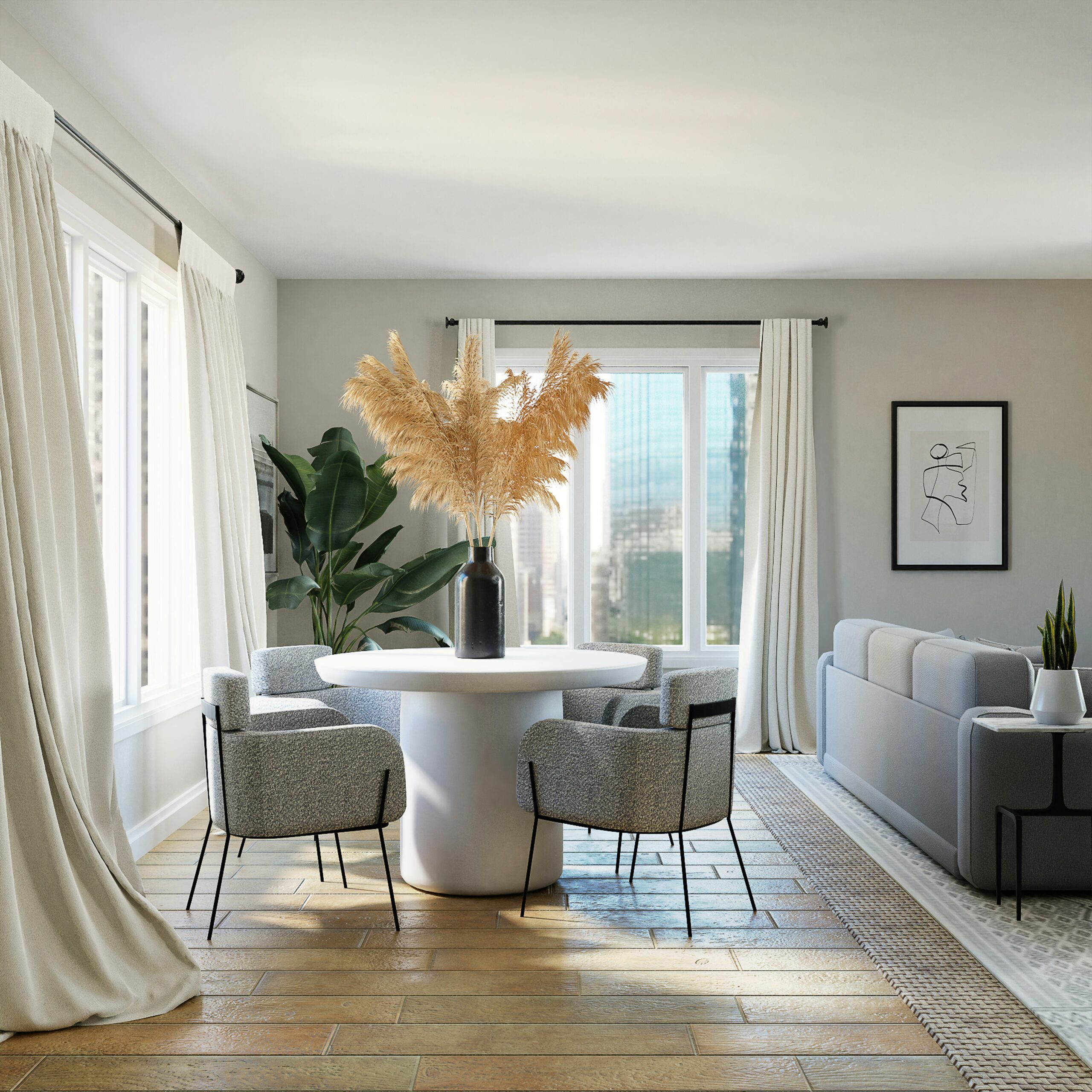
Interior design

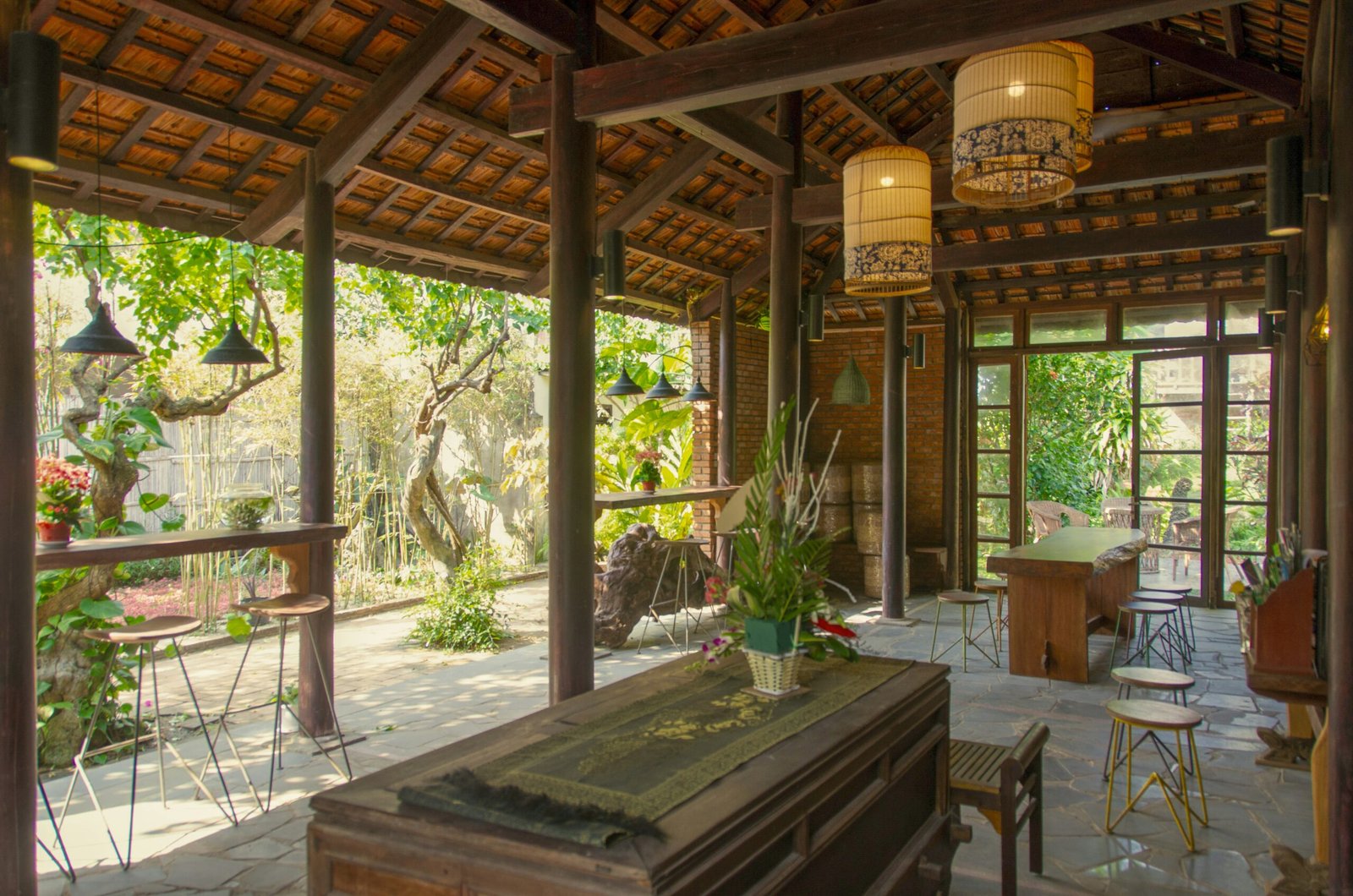
a living room filled with furniture and a large window

Transforming Spaces: The Impact of Flexible Room Dividers in Modern Interior Design
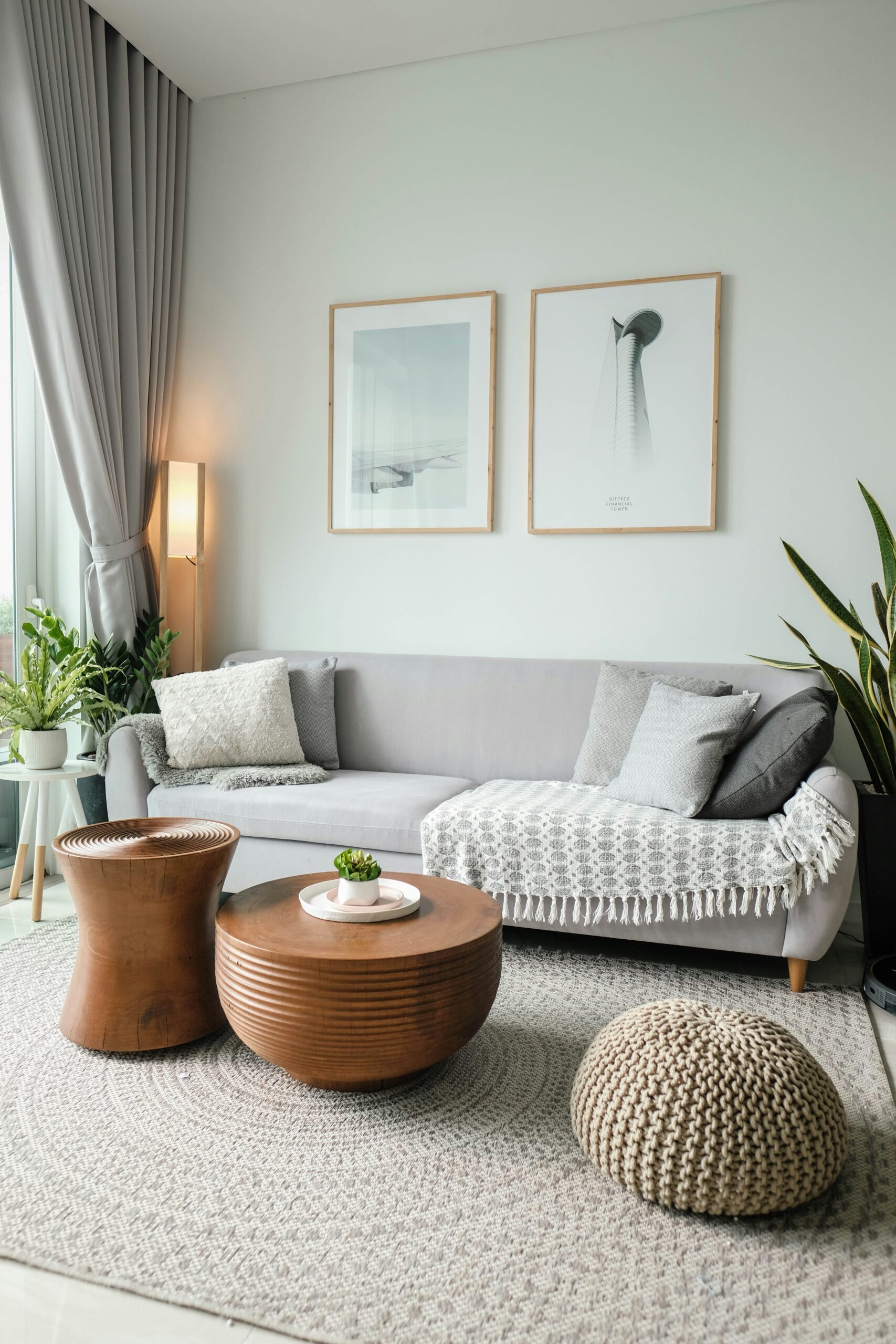
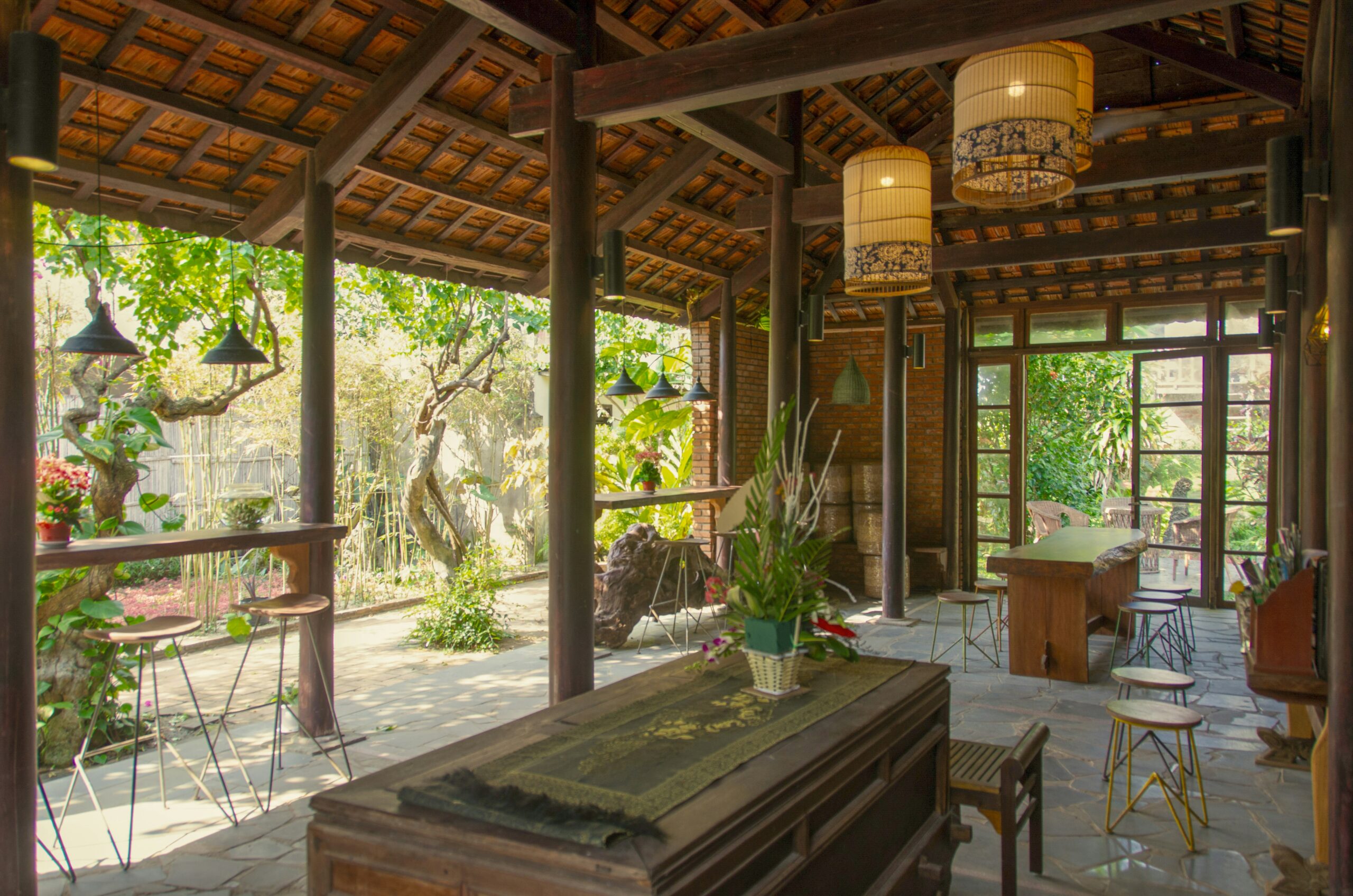
a living room filled with furniture and a large window

Introduction to Flexible Room Dividers

Flexible room dividers are innovative design elements that have gained significant traction in contemporary interior design. These versatile partitions serve as functional barriers within larger spaces, allowing for the efficient organization of areas according to specific needs. Unlike traditional walls, flexible room dividers can be moved or adjusted to create the desired ambiance or functionality, making them a popular choice for both residential and commercial environments.

The relevance of flexible room dividers in modern interior design cannot be overstated. With the increasing trend towards open floor plans, the need for adaptable and scalable solutions has grown. Flexible room dividers cater to various demands, such as establishing privacy in open spaces, reducing noise levels, and enhancing the aesthetic appeal of a room. They can be employed in diverse settings, from home offices and studios to restaurants and hotels, effectively creating distinct zones within a unified area.

One of the primary advantages of flexible room dividers is their ability to transform spaces seamlessly. By simply repositioning these dividers, one can alter the layout of a room, allowing for dynamic adjustments that reflect changing lifestyles and functions. For instance, in a home setting, a living area can be easily converted into a workspace, a play area, or a guest room, depending on the current requirements. This adaptability not only maximizes the use of available space but also contributes to a more personalized and functional living environment.

In summary, flexible room dividers are essential components of modern interior design, offering a blend of versatility, functionality, and aesthetic appeal. Their capacity to create tailored spaces while addressing the complexities of open design makes them an invaluable addition to contemporary interiors.

Types of Flexible Room Dividers

Flexible room dividers have gained significant popularity in modern interior design due to their versatility and functionality. Various types of dividers cater to different needs and aesthetics, making them an essential element in both residential and commercial spaces.

Freestanding panels are one of the most common types of flexible room dividers. These panels can be easily repositioned, allowing for quick reconfiguration of a space. Available in a variety of materials such as wood, metal, and fabric, freestanding panels also come in various designs, offering an aesthetic appeal that can enhance a room’s decor. Their portability makes them an excellent choice for offices that require flexibility in layout during meetings or events.

Accordion dividers are another type worth noting. These dividers operate similarly to an accordion, folding in and out to create temporary separations in a space. Often made from lightweight materials, accordion dividers can extend across a wide area, making them suitable for larger rooms. They are commonly utilized in classrooms and conference centers, where the need for adjustable spaces is paramount.

Another option includes sliding screens, which are fixed along tracks, allowing them to glide efficiently to open or close off areas as needed. This type of room divider is particularly effective in maximizing floor space, and they often boast a sleek design that aligns well with contemporary interior aesthetics. Sliding screens can feature various textures and patterns, providing additional decorative elements while serving a practical purpose.

Curtain dividers represent a more informal approach to separation within a space. Typically suspended from a ceiling track, curtains can be drawn to create privacy and division. They come in multiple fabrics, colors, and patterns, contributing to the room’s ambiance while offering a soft, flexible barrier. This makes them a popular choice for residential living areas or hospitality spaces.

Overall, the variety of flexible room dividersβ€”such as freestanding panels, accordion dividers, sliding screens, and curtain dividersβ€”provides numerous options for transforming spaces according to individual needs and stylistic preferences.

Benefits of Using Flexible Room Dividers

In contemporary interior design, flexible room dividers have emerged as an essential component for optimizing space utilization. One of the primary advantages of these dividers is their ability to transform open areas into functional, multi-purpose environments. Rather than confining spaces to a single use, flexible room dividers can be rearranged or adjusted quickly, catering to different needs throughout the day. This versatility makes them particularly valuable in homes, offices, and public venues where adaptability is crucial.

Another significant benefit of incorporating flexible room dividers is the enhancement of privacy. In shared living or working spaces, these partitions can create individual zones, allowing for a sense of seclusion without completely enclosing areas. Whether used in residential settings to separate living and dining spaces or in commercial environments like co-working spaces to provide quieter areas for concentration, flexible room dividers facilitate privacy while maintaining an open feel.

Moreover, the ease of reconfiguration plays a pivotal role in maximizing the functionality of a space. As needs change, so can the layout, thanks to flexible room dividers. Homeowners can quickly create study corners, play areas, or guest accommodations simply by adjusting the placements of these dividers. This flexibility not only enhances usability but also caters to various activities, making spaces more accommodating and user-friendly.

In addition to these functional attributes, flexible room dividers also contribute to noise reduction. They can absorb sound and mitigate distractions, promoting a more comfortable environment for both relaxation and productivity. Lastly, with an array of design options available, these dividers can serve as striking visual elements, adding aesthetic value to the overall decor. From contemporary styles to classic designs, flexible room dividers can seamlessly integrate into any design theme.

Choosing the Right Flexible Room Divider for Your Space

In contemporary interior design, the selection of a suitable flexible room divider is crucial for creating functional and aesthetically appealing environments. When choosing a room divider, it is essential to consider several factors including size, style, functionality, and budget to ensure that the divider complements your overall design vision.

Firstly, assessing the size of your space is fundamental. Measure the dimensions of the area where the divider will be used, as this will guide you in selecting a partition that fits seamlessly. A large room may benefit from a grand divider that serves as a focal point, while smaller spaces may require lighter, more minimalist options that do not overpower the area. Additionally, consider the ceiling height and any architectural features that might impact the divider’s design.

Style is another important factor to consider. Flexible room dividers come in various materials, colors, and designs, ranging from contemporary to traditional styles. Reflect on your existing dΓ©cor and select a partition that harmonizes with your interior theme. For instance, a sleek glass divider may suit a modern space, while a wooden screen might enhance a rustic or bohemian aesthetic.

Functionality and purpose must also be evaluated. Determine if the room divider is meant to create privacy, delineate space, or serve as an additional storage solution. Some dividers are movable, allowing for flexibility in layout, while others are more fixed in nature. Moreover, assess whether you need built-in features like shelving or whiteboard surfaces that can enhance the practicality of the divider.

Finally, budget is a key consideration when selecting a room divider. Prices can vary significantly based on material and design. It is advisable to explore various options to determine where the best value lies for your needs. By considering these key factors, you can ensure you choose a flexible room divider that enhances both the functionality and design of your space.

Incorporating Flexible Room Dividers into Different Design Styles

Flexible room dividers serve as an effective solution for enhancing space while maintaining aesthetic appeal across various design styles. Each architectural trend, whether minimalist, industrial, bohemian, or contemporary, presents unique opportunities to integrate these versatile elements.

In minimalist design, the emphasis is on simplicity and functionality. Here, lightweight, neutral-colored dividers made of materials such as sheer fabric or frosted glass can create delineated areas without overwhelming the space. Utilize a palette of whites, beiges, or soft pastels to maintain the airy ambiance typical of minimalism. Consider sleek, unobtrusive frames to accentuate the uncluttered feel, allowing natural light to flow through while offering a subtle separation.

Transitioning to industrial design, which is characterized by raw materials and a utilitarian feel, flexible room dividers can enhance the rugged aesthetic. Elements like reclaimed wood, metal, or even chain link can be used creatively to craft dividers that reflect the modern urban vibe. A color scheme featuring dark hues and earthy tones can create a striking contrast against exposed brick walls and concrete floors, enriching the overall atmosphere without sacrificing functionality.

Bohemian design, known for its eclectic flair and vibrant colors, invites a more playful approach to room dividers. Incorporating printed textiles or woven rattan can infuse life and culture into a space. Opt for bold color combinations and rich patterns that resonate with the boho spirit, creating cozy nooks conducive to relaxation or creative pursuits. Decorative elements such as macramΓ© or bead curtains can also serve as whimsical dividers, embodying the warmth and individuality associated with this style.

Finally, in contemporary interiors, a mix of innovation and elegance is key. Here, modular dividers that utilize innovative materials like acrylic or metal can create sophisticated yet flexible arrangements. Utilizing furniture-like dividers, such as bookshelves or decorative screens, allows for dynamic space configuration while maintaining a polished look. An emphasis on geometric patterns or monochromatic schemes will ensure cohesion throughout the design.

By thoughtfully integrating flexible room dividers into these varied styles, one can elevate the functionality and artistic expression of modern interiors, catering to both practical needs and aesthetic desires.

DIY Flexible Room Divider Ideas

Creating your own flexible room dividers can be an enjoyable and rewarding project that enhances the functionality and aesthetics of your living space. Below are several DIY ideas that utilize affordable materials, allowing you to personalize your environment effectively.

One easy approach involves using fabric to create a simple curtain divider. Begin by purchasing a durable tension rod that fits your desired space. Select your fabric based on color and texture that complements your interior design theme. After measuring the width of the area where the divider will hang, cut the fabric to size, ensuring that it is long enough to create a floor-to-ceiling effect. Sew or clip the fabric to the tension rod, then mount it between two walls or surfaces. This method not only delineates areas but also adds a layer of softness and warmth to the room.

Another innovative project is using wooden pallets to form a rustic room divider. Start by sourcing a couple of pallets; these can often be found for low cost or even free. Sand the pallets to achieve a smooth finish, then apply wood stain or paint to suit your decor. Once prepared, stand the pallets upright and secure them with brackets at the corners to ensure stability. This divider not only offers a level of privacy but also serves as an interesting design element, particularly in industrial or bohemian themed interiors.

For a more artistic approach, consider a hanging plant divider. Begin with a wire grid or a wooden trellis as your base. Attach pots or containers filled with hanging plants at intervals across the grid. By positioning this divider against a wall, you can create a lush green barrier that oxygenates the air while enhancing visual interest. This option is particularly advantageous in small areas, where it adds greenery without occupying valuable floor space.

These DIY flexible room dividers prioritize creativity and personalization, enabling you to transform your spaces with unique touches that reflect your style. Incorporating elements that resonate with your personal aesthetic can significantly enhance your environment.

Maintenance and Care for Room Dividers

Maintaining flexible room dividers is essential for ensuring their aesthetic appeal and longevity. Regular upkeep can significantly prolong their life while preserving their functional attributes. The care required differs based on the materials used in the dividersβ€”common options include wood, fabric, and metal.

For wooden room dividers, it is important to maintain the finish by regularly dusting the surface to prevent the accumulation of dirt and grime. A soft, dry cloth is usually sufficient for this task. For deeper cleaning, a damp cloth may be used, but care must be taken not to saturate the wood to avoid warping. Periodically applying a suitable wood polish can restore luster and protect the surface from scratches and damage.

In the case of fabric room dividers, cleaning can be a bit more involved. Regular vacuuming will help to remove dust and debris. For stains, it is advisable to consult the manufacturer’s guidelines, as many fabrics require specific cleaning methods. Some may be machine washable, while others may only permit spot cleaning. If the fabric is removable, following the care instructions closely is critical to preserving color and texture.

Metal room dividers typically require less maintenance. A simple wipe-down with a damp cloth should suffice to remove fingerprints and smudges. For painted surfaces, a non-abrasive cleaner can help maintain the finish. In case of scratches or chips, touch-up paint can be applied to keep the dividers looking their best.

Overall, implementing these maintenance practices will ensure that flexible room dividers remain both functional and visually appealing throughout their usage. Regular checks for any wear or damage, regardless of the material, will also help in addressing issues before they escalate, thus extending the dividers’ life significantly.

Case Studies: Successful Implementations of Room Dividers

Flexible room dividers have become a staple in modern interior design, serving as practical and aesthetic solutions that adapt to various spatial challenges. Numerous case studies illustrate how designers and homeowners effectively employ these innovative products to optimize functionality and enhance living spaces.

One notable example can be found in a New York City apartment, where the owner sought to create distinct areas within a studio layout. The use of a sliding wooden partition allowed for the separation of the sleeping and living areas, providing privacy while preserving an open-plan feel. The addition of a beautiful, hand-painted mural on the divider not only served a functional purpose but also became a striking focal point in the overall design, showcasing the blend of practicality and artistry achievable with flexible dividers.

In another instance, a family in a suburban home faced the challenge of accommodating a growing family while maintaining important shared spaces. They opted for a series of soft fabric screens that could be easily reconfigured. This solution allowed the living room to transition into a play area when needed or serve as a quiet reading nook, demonstrating how adaptable room dividers can significantly enhance the functionality of shared spaces.

A more commercial example can be seen in a co-working space located in San Francisco, which implemented movable glass partitions to create private offices within an open floor plan. These dividers not only provided the necessary sound insulation for individual work activities but also maintained transparency, allowing natural light to flood the space and creating an inviting atmosphere. This case highlights how flexible room dividers can benefit not only individual users but also enhance the overall ambiance of a communal work environment.

These case studies illustrate the versatility and effectiveness of room dividers in various settings, showcasing how they can be tailored to meet both aesthetic preferences and functional necessities. The successful implementations reveal their potential to transform spaces, making them indispensable tools in modern interior design.

Conclusion: Embracing Flexibility in Interior Design

In the realm of modern interior design, the role of flexible room dividers has emerged as a transformative element that significantly enhances both functionality and aesthetics. These versatile solutions provide homeowners and designers with the opportunity to reimagine their spaces, catering to a wide range of needs and preferences. By incorporating flexible dividers, individuals can create defined areas that adapt to various activities, from working and entertaining to relaxing and exercising, ultimately reinforcing the concept of multipurpose environments.

The appeal of flexible room dividers lies in their ability to foster an adaptable living experience. As our lifestyles continue to evolve, the need for spaces that can shift to meet changing demands becomes increasingly vital. Flexible dividers promote an effortless transition between open and closed areas, allowing for a seamless flow that contributes to a more dynamic lifestyle. This adaptability not only enhances the practicality of interiors but also enriches the overall aesthetic appeal, as these dividers can be tailored to complement diverse design styles.

Furthermore, the integration of flexible room dividers contributes to the principles of sustainable interior design. By investing in versatile solutions, homeowners can reduce the need for extensive renovations or the purchase of additional furniture, thereby minimizing waste and promoting a more eco-conscious approach. As such, the choice to embrace flexibility in interior design is not merely a personal preference; it is a response to modern living challenges that prioritize sustainability and efficiency.

As we progress further into an era where adaptability is essential, it is pertinent for designers and homeowners alike to acknowledge the significant benefits that flexible room dividers offer. Embracing this innovative concept will ultimately lead to an improved quality of life, characterized by spaces that are both functional and aesthetically pleasing. The lasting impact of these smart design choices resonates with the principles of contemporary living, encouraging a future defined by flexibility and thoughtful design.

Transforming Spaces: The Impact of Flexible Room Dividers in Modern Interior Design Read More Β»

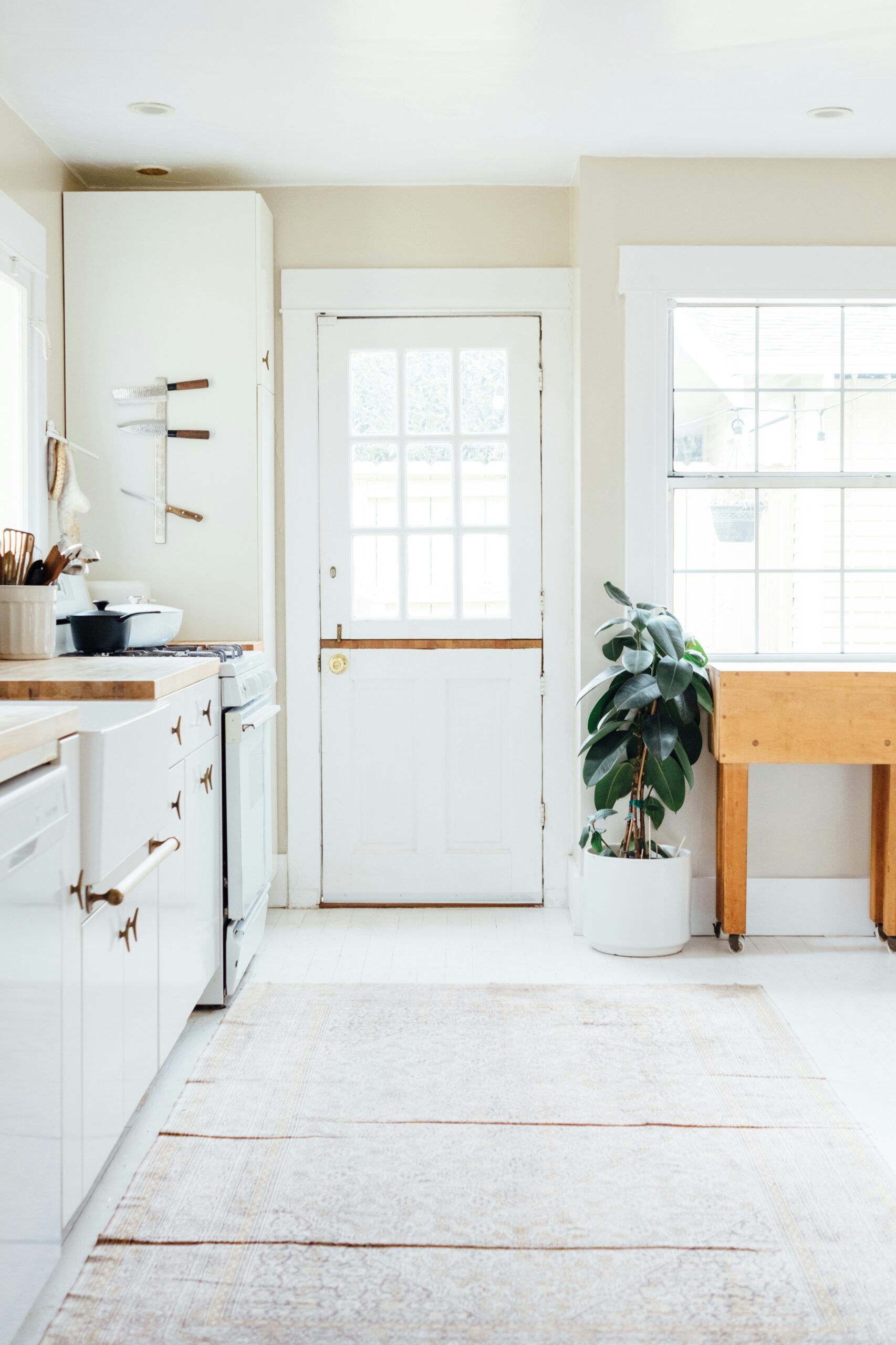
a room with a table, chairs, and a potted plant

Creating Flexible Interior Spaces for Multi-Functional Living Areas

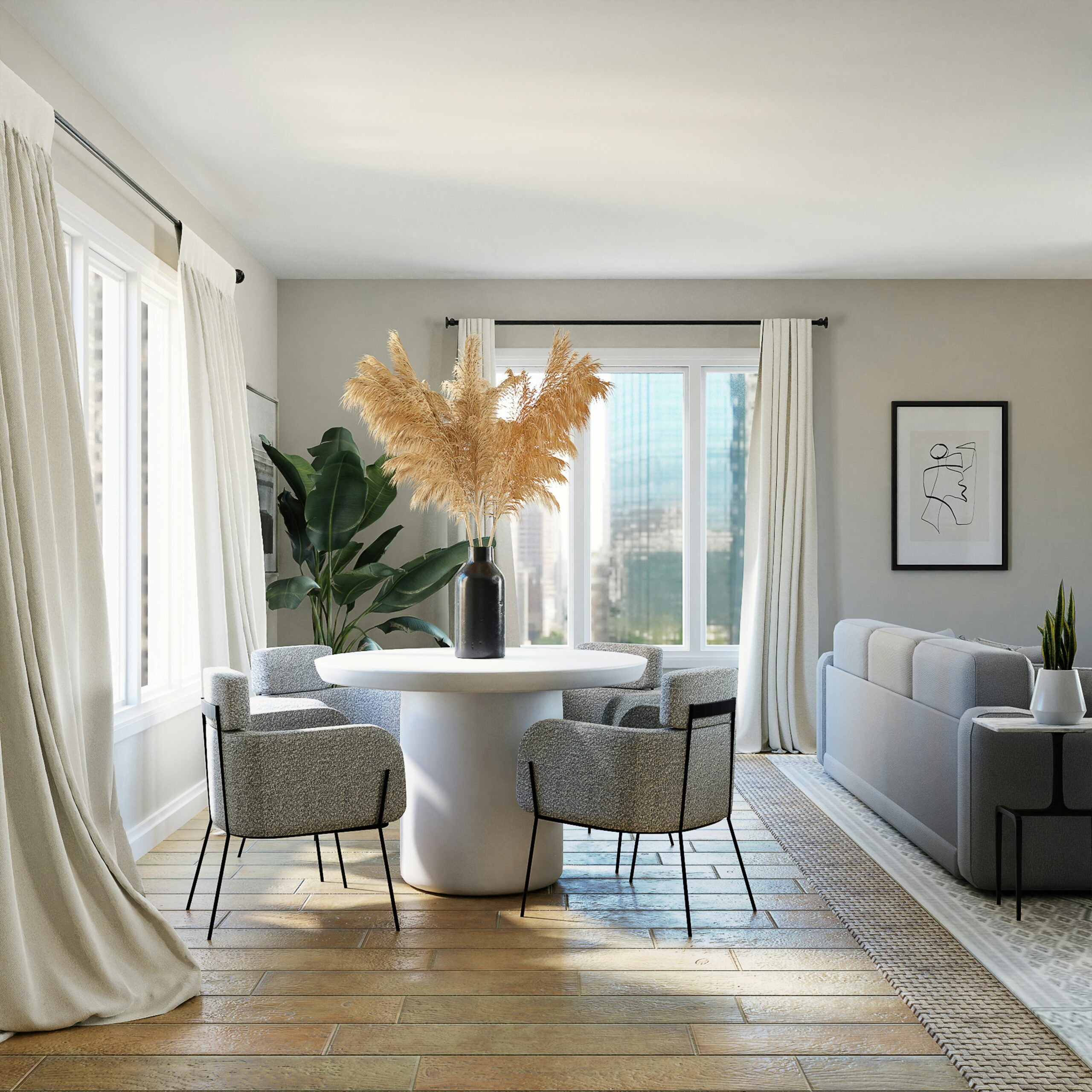
a room with a table, chairs, and a potted plant

Introduction to Multi-Functional Living

As urbanization continues to reshape the architectural landscape, the concept of multi-functional living has gained prominence. More individuals and families are now residing in smaller homes, necessitating the need for versatile living spaces that can adapt to various activities and functions. This trend is not solely influenced by limited square footage; rather, it reflects a fundamental shift in lifestyle choices, where the lines between work, leisure, and relaxation are increasingly blurred.

The modern home demands flexibility, enabling residents to maximize their living environments. For instance, the growing trend of remote work has introduced the need for home offices to coexist within traditional living areas. Similarly, leisure spaces are expected to transition into functional areas suitable for social gatherings or educational activities. Hence, the design of interior spaces must embrace this versatility, focusing on creating adaptable environments that cater to diverse needs.

Additionally, demographic changes and lifestyle transitions play a pivotal role in this movement towards multi-functional living. Young professionals, families, and even retirees seek spaces that can evolve with their changing needs. As smaller urban dwellings become more common, homeowners look for innovative design strategies that allow for efficient use of space while maintaining aesthetic appeal.

This blog post aims to explore the principles of multi-functional living, offering practical tips and insightful design strategies for homeowners interested in creating flexible interior spaces. By understanding the importance of adaptability in modern homes, readers can learn how to transform their living areas into multifunctional environments that enhance their quality of life.

Understanding the Benefits of Flexible Spaces

Flexible interior spaces are a cornerstone of modern design, providing numerous advantages that cater to the evolving needs of residents. One significant benefit of such adaptability is the maximization of space efficiency. In urban environments where square footage often comes at a premium, flexible spaces allow for the reconfiguration of furniture and layouts to suit various activities, from working to entertaining. This versatility not only makes the best use of available space but also contributes to the overall functionality of an area, ensuring that it meets the demands of daily life.

Moreover, adopting flexible design elements helps promote a clutter-free environment. By enabling users to easily rearrange their living areas, individuals can create a more organized and harmonious setting. This fluidity inspires a sense of control over one’s surroundings, which can mitigate feelings of stress and enable a smoother flow of daily routines. An organized space, free from unnecessary clutter, is associated with increased productivity and mental clarity, making flexible interiors not just aesthetically pleasing but also psychologically beneficial.

Another notable advantage of flexible interiors is the enhancement of creativity. Such environments encourage experimentation and innovation, allowing residents to personalize their spaces to reflect their tastes and interests. The ability to shift layouts and incorporate multi-functional furnishings fosters a mindset geared toward exploration and imagination, vital components for creative pursuits.

Furthermore, flexible spaces contribute significantly to improving functionality in daily life. They accommodate various activities seamlessly, ensuring that transitions between working, relaxing, and socializing are smooth and efficient. This holistic approach to interior design not only meets practical needs but also elevates the overall living experience, promoting a sense of well-being and satisfaction within the home.

Key Design Principles for Flexibility

When creating flexible interior spaces for multi-functional living areas, several key design principles can significantly enhance adaptability and usability. One foundational concept is the open floor plan, which eliminates unnecessary walls and barriers, fostering a seamless flow between different zones. This layout encourages interaction and makes it easier to repurpose spaces for various functions, such as combining living, dining, and workspace areas. By allowing for unobstructed sightlines and movement, open floor plans promote flexibility and adaptability, catering to the dynamic needs of daily life.

Incorporating modular furniture is another vital principle in designing flexible spaces. Modular options, such as sectional sofas and movable shelving units, enable homeowners to rearrange and reconfigure their environments according to their needs, whether for entertaining guests or creating a tranquil workspace. This type of furniture allows occupants to make the most of their available space while maintaining an aesthetically pleasing environment. Additionally, furniture pieces with built-in storage can reduce clutter, which is crucial for maintaining an adaptable setting.

Adaptability in layouts plays a crucial role in flexible design. Consider utilizing multi-functional zones that serve various purposes throughout the day. For instance, a home office can transition into a guest room by employing a fold-out bed or a Murphy bed, effectively maximizing space use without sacrificing comfort. Moreover, integrating movable partitions or curtains can offer privacy and separation when needed, allowing spaces to shift seamlessly from communal to personal atmospheres.

Understanding human behavior and daily routines is essential in this design process. By observing how individuals interact with their spaces, designers can create layouts that facilitate smoother transitions between different activities, such as working, relaxing, or entertaining. This thoughtful approach to flexibility not only enhances functionality but ultimately leads to a more harmonious living environment.

Innovative Furniture Solutions

In contemporary interior design, innovative furniture solutions play a pivotal role in creating flexible living spaces that cater to multifaceted lifestyles. The increasing demand for adaptability in home environments has led to the emergence of versatile furniture pieces that can seamlessly transition between various functions. Among these, foldable tables stand out as an exemplary choice. These tables can be easily collapsed or expanded, making them ideal for both intimate gatherings and more extensive dining experiences. Their compact form allows for efficient storage when not in use, thus saving valuable floor space.

Extendable sofas are another notable innovation in furniture design, merging comfort with practicality. These sofas can be adjusted to accommodate additional seating or transformed into a bed, serving multiple purposes within a limited space. This flexibility is particularly beneficial for those hosting overnight guests, as it negates the need for a dedicated guest room while ensuring the living area remains functional during the day.

Murphy beds further embody the concept of innovative furniture solutions, offering a clever mechanism that allows them to be tucked away when not in use. This design significantly enhances the usability of smaller rooms, enabling them to serve dual roles; for instance, a home office by day and a bedroom by night. Finally, storage ottomans offer a stylish and functional means of optimizing space. These pieces not only provide extra seating but also serve as concealed storage units, perfect for stowing away books, blankets, and other items. Collectively, these innovative furniture solutions demonstrate how thoughtful design can transform spaces, accommodating diverse activities, from working and dining to entertaining guests, all within the same area.

Incorporating Multi-Functional Zones

The modern home increasingly reflects the necessity of versatility, leading to the incorporation of multi-functional zones. These zones are designed to serve dual or even multiple purposes, effectively maximizing the use of space while enhancing the functionality of each area. For instance, a combined living and dining area can be a central hub for social gatherings while easily transitioning into a space for formal meals. By selecting furniture that can adapt or be reconfigured, homeowners can seamlessly create a cohesive area that meets various needs without compromising comfort or aesthetics.

Another exemplary illustration is a home office that doubles as a guest bedroom. Choosing a daybed or a sofa bed allows for the seamless transition from a productive work environment to a welcoming sleeping area. Additionally, employing clever storage solutions, such as built-in shelves or cabinets, ensures that office supplies can be tucked away when not in use, maintaining a tidy atmosphere that is conducive to both work and rest.

Similarly, a workout space can easily be transformed into a playroom. By utilizing foldable exercise equipment, such as yoga mats or weights, the area can be cleared and adapted for children’s activities. Decorative screens, colorful rugs, or varied flooring can serve as visual separators that demarcate functional zones without creating rigid barriers. This approach not only provides visual interest but also fosters a sense of openness throughout the home.

Incorporating multi-functional zones within your living area not only optimizes space but also enhances the overall living experience by accommodating the evolving needs of the household. Thoughtfully designed multi-functional environments can adapt to various activities, making them practical and dynamic for everyday life.

Utilizing Vertical Space

In the pursuit of creating flexible interior spaces, utilizing vertical space plays a crucial role. By maximizing wall space, homeowners can significantly enhance functionality while preserving valuable floor area. Incorporating shelving units, wall-mounted desks, and vertical gardens are effective strategies that not only optimize space but also contribute to the aesthetic appeal of the home.

One of the most straightforward methods to utilize vertical space is through the installation of shelves. Open shelving systems allow for the display of books, decorative items, or even kitchen essentials, providing both utility and visual interest. By arranging shelves at various heights, one can create a dynamic look that draws the eye upward, making the room feel larger and more inviting. Floating shelves, in particular, are an excellent choice for achieving a modern feel, as they appear to ‘float’ on the wall and create an illusion of more space.

Wall-mounted desks present another ingenious solution for maximizing vertical space. These desks can be folded away when not in use, effectively transforming a room from a working space to a living area as needed. They are particularly beneficial in smaller homes where traditional desks would take up precious floor space. By selecting a wall-mounted desk that complements the room’s decor, individuals can maintain a cohesive design while creating a multi-functional area that meets various needs.

Moreover, vertical gardens, also known as living walls, bring a touch of nature indoors while conserving floor space. Incorporating a vertical garden not only enhances the visual aspect of the interior but also improves air quality and promotes a sense of well-being. These gardens can be installed in various areas, such as living rooms or kitchens, adding a vibrant character that resonates with the overall ambiance of the home.

By thoughtfully utilizing vertical space, homeowners can create environments that are both functional and visually appealing, transforming spaces into dynamic, multi-functional living areas.

Lighting and Ambiance in Flexible Spaces

In designing flexible interior spaces, lighting plays a crucial role in enhancing versatility and functionality. Natural light is one of the most significant elements to consider. It not only invigorates a space but also has the ability to transform the perception of size and comfort within an area. Large windows, skylights, and open floor plans allow for the maximum influx of daylight, leading to brighter and more inviting living spaces. By strategically placing mirrors to reflect light, homeowners can also amplify natural illumination, fostering an airy atmosphere that encourages relaxation and productivity alike.

In addition to the incorporation of natural light, the use of dimmable fixtures presents an effective way to cater to various activities occurring within a multi-functional living area. Dimmable lighting allows individuals to adjust the brightness according to the desired ambiance, from a vibrant environment for social gatherings to a cozy setting for intimate evenings. Moreover, the inclusion of adjustable lighting schemes, such as track lighting or portable lamps, can aid in directing light exactly where it is needed most, thereby enhancing the adaptability of the space.

Layering light sources is another essential strategy for achieving flexibility in interior design. Combining ambient, task, and accent lighting creates a dynamic environment that supports both work and relaxation. Ambient lighting, such as ceiling fixtures or overhead lights, provides general illumination, while task lighting, including desk lamps or reading lights, focuses on specific activities. Accent lighting, such as wall sconces or decorative fixtures, highlights architectural features or artwork, adding character to the living area. Through careful consideration of these elements, residents can effortlessly shift their living spaces to meet their ever-changing needs, thereby enhancing the overall essence of their home.

Personalization and Decor for Flexible Interiors

In the realm of flexible interior design, personal style plays a vital role in enhancing the livability and aesthetic appeal of multi-functional spaces. The challenge lies in incorporating personalized decor while ensuring that functionality remains intact. One effective method to achieve this balance is through the use of adaptable textiles. Swapping out throw pillows, blankets, and curtains can swiftly transform the atmosphere of a room, allowing one to alter the decor to match different moods or occasions. Selecting versatile fabrics that complement various styles can provide continuity while offering an opportunity for change.

Movable art frames are another innovative solution for personalizing flexible interiors. These frames allow homeowners to easily rotate artwork, thus refreshing the space without the need for extensive renovations or remodelling. This not only keeps the environment dynamic but also provides an outlet for showcasing personal artwork or family pictures that resonate emotionally with the inhabitants. By changing the displayed pieces periodically, one can keep the ambiance alive, mirroring changes in seasons or personal experiences.

Seasonal accessories present an additional layer of versatility in decorating. Items such as decorative vases, seasonal table runners, or themed wall hangings can be easily interchanged. With the changing seasons, these accents can breathe new life into a living area, enriching the overall experience while reflecting personal taste. These small yet impactful updates can harmonize a space, making it feel welcoming and tailored to its occupants.

Ultimately, the goal is to create a dynamic and adaptable environment that serves a multitude of functions without compromising personal expression. By integrating elements that offer both style and practicality, individuals can cultivate spaces that resonate with their lifestyles while being capable of accommodating varying needs.

Conclusion and Future Trends in Flexible Living Spaces

In recent discussions about flexible interior spaces, we have highlighted various strategies and design elements that contribute to the efficiency and functionality of multi-functional living areas. The integration of adaptable furniture, the use of versatile layouts, and the incorporation of storage solutions are paramount in creating spaces that cater to diverse needs and lifestyles. By prioritizing flexibility in home design, individuals can achieve a harmonious balance between aesthetic appeal and practical functionality, allowing their environments to evolve with their lifestyle demands.

Looking ahead, future trends in flexible living spaces promise exciting advancements driven by technology and sustainability. The rise of smart home technology is set to redefine how we interact with our living areas. Smart devices will enable seamless control over lighting, temperature, and even room configurations, making it easier to transform spaces as needed. For instance, sensors can detect occupancy and adjust settings automatically, thus optimizing comfort and energy efficiency. This technological integration not only enhances convenience but also supports a more sustainable lifestyle by reducing energy waste and promoting eco-friendly practices.

Moreover, the emphasis on eco-conscious design strategies is likely to continue gaining traction. As more individuals recognize the environmental impact of their choices, we can expect an increased focus on sustainable materials, energy-efficient systems, and environmentally friendly design practices. Creating flexible living spaces that are both functional and sustainable will not only cater to the contemporary homeowner’s demands but also contribute to the global effort toward a more sustainable future.

Ultimately, embracing the versatility of flexible interior designs can enrich our daily lives. By considering innovative design solutions that incorporate smart technologies and eco-friendly practices, we can transform our living areas into multifunctional havens that truly reflect our changing lifestyles.

Creating Flexible Interior Spaces for Multi-Functional Living Areas Read More Β»

Embracing the Airy Aesthetic: Light Blue Interior Design for Open Spaces

Introduction to Light Blue in Interior Design

Light blue has emerged as a prominent choice in the realm of interior design, particularly in open spaces, due to its remarkable visual appeal and profound psychological benefits. This soft and soothing hue evokes feelings of tranquility, making it an ideal candidate for various settings, from residential homes to commercial spaces. As contemporary design trends increasingly emphasize the importance of creating harmonious environments, light blue stands out as a color that can significantly enhance the overall atmosphere of a room.

One of the most compelling aspects of light blue is its versatility. It can be paired with a multitude of colors and materials, making it suitable for diverse design styles, ranging from coastal-inspired themes to modern minimalism. By reflecting light effectively, this shade adds an airy quality to open spaces, which is instrumental in creating an illusion of a larger area. This is particularly advantageous in urban dwellings where maximizing space is often a primary concern.

Moreover, the psychological impact of light blue cannot be overstated. It is widely recognized for its calming properties, often associated with clear skies and serene waters. This color fosters a peaceful environment, promoting relaxation and reducing stress, which is crucial in today’s fast-paced world. The gentle nature of light blue encourages a sense of well-being, making it a popular choice for spaces intended for social interaction, such as living rooms, open kitchens, or communal areas in offices.

Incorporating light blue into interior spaces not only elevates the visual aesthetic but also serves to enhance the emotional experience of the occupants. As we explore the various applications and benefits of this enchanting color, its role in shaping open spaces will become increasingly evident.

The Psychology of Light Blue

Color plays a significant role in shaping human emotions and perceptions, and the hue light blue is particularly impactful. Often associated with the sky and water, light blue evokes feelings of tranquility and calmness. This psychological association makes it an excellent choice for interior design, especially in open spaces such as living areas and bedrooms, where a serene atmosphere is desired. The soothing quality of light blue can help to reduce stress and anxiety, promoting a sense of peace and relaxation that is crucial for personal wellness and comfort.

Research in color psychology indicates that blue tones often encourage feelings of openness and spaciousness. When incorporated into interior design, light blue can contribute to a perception of larger, more airy environments. This is particularly beneficial in spaces that may feel cramped or cluttered, as the color can visually expand the area and create an inviting atmosphere. By reflecting light, light blue shades enhance brightness in a room, thereby fostering an uplifting environment where individuals feel more at ease and inspired.

Furthermore, light blue is frequently linked to trust and reliability. This connection can be advantageous within home settings, where families and individuals seek to cultivate nurturing spaces. The color’s inherent stability fosters a feeling of safety and security, allowing individuals to relax and unwind fully. Upon entering a room adorned with light blue accents, people often report immediate feelings of comfort, reinforcing the psychological benefits of this hue.

Incorporating light blue into open space designs can be achieved through various methods, such as paint, textiles, or dΓ©cor. Adopting this color palette is not merely an aesthetic choice; it is a conscious effort to enhance mood and create a harmonious living environment infused with serenity and grace.

Choosing the Right Shade of Light Blue

Selecting the right shade of light blue can significantly impact the ambiance of open spaces within your home. Light blue hues, including powder blue, sky blue, and ice blue, each possess unique characteristics that can evoke different feelings and aesthetics. For instance, powder blue tends to have a soft, delicate quality that creates a soothing environment, while sky blue offers a brighter and more vibrant presence, reminiscent of a clear day. Ice blue, on the other hand, provides a cool and crisp effect, often complementing modern design styles.

When choosing a particular shade of light blue, it is crucial to consider the natural lighting conditions of the room. Spaces with ample sunlight may benefit from warmer, softer shades, which can prevent the area from feeling overly cool or clinical. In contrast, darker or north-facing rooms might be enhanced by cooler, more vivid interpretations of blue that can invigorate the space and establish a refreshing atmosphere.

Aside from lighting, the overall color scheme of your home should guide your decision. If your existing decor consists of warm tones, look for light blues with warmer undertones to ensure a cohesive design. Conversely, if you’re working within a predominantly cool color palette, cooler shades of light blue will harmonize effectively. Practicality also plays a roleβ€”a good practice is to sample your choices on large sections of the wall and observe them at different times of the day, allowing you to appreciate how they adapt to varying light. Testing paint samples not only elucidates the undertones of the shades but also enables you to visualize how they will interact with your furnishings.

In conclusion, by bearing in mind the lighting and existing colors in the space, you can select the perfect shade of light blue that enhances the airy aesthetic while promoting a serene and inviting atmosphere.

Incorporating Light Blue into Your Space

Integrating light blue into your interior design can manifest in various impactful ways, transforming your living environment into a serene sanctuary. One of the most straightforward and effective methods is by painting the walls in a soft light blue hue. This choice can create an expansive feel, especially in open spaces, enhancing the airy aesthetic that many seek. A fresh coat of light blue paint can reflect natural light beautifully, thus amplifying the overall brightness of the room.

In addition to wall paint, selecting light blue furniture can further enrich the color scheme of your space. Sofas, chairs, or ottomans in light blue can serve as attractive focal points while maintaining a gentle palette. When choosing these pieces, consider the textures and materials, as this can bring depth and interest to the airy design. For instance, a plush light blue velvet chair can complement a minimalist aesthetic, while also providing comfort and elegance.

Accessories such as curtains, rugs, and artworks also play a crucial role in incorporating light blue into interior design. Light blue curtains can soften the natural light entering the space, creating a dreamy atmosphere. Rugs in light blue shades can ground the room, providing cohesion between furniture and decor elements. Meanwhile, selecting artwork that incorporates light blue can tie the room together, adding personality and style without overwhelming the overall scheme.

It is vital to maintain balance and harmony when integrating light blue into your space. This ensures that the color enhances rather than dominates the setting. Pairing light blue with neutral tones or complementary colors, such as soft whites, greys, or warm beiges, can create a sophisticated and tranquil environment. By thoughtfully incorporating light blue, you can achieve a cohesive look that embraces the essence of an open and airy aesthetic.

Complementary Colors and Light Blue

Light blue is a versatile color that conveys serenity and tranquility, making it an excellent choice for open spaces in interior design. To enhance its calming effect, it is essential to consider complementary colors that can create a balanced and aesthetically pleasing environment. Some of the most effective color pairings with light blue include whites, grays, and warm earth tones, which can unify the overall design scheme.

Starting with whites, their crisp, clean appearance serves to amplify the lightness of blue hues, resulting in a fresh and spacious atmosphere. For a modern take, pairing light blue with pure white can evoke a minimalistic vibe. Alternatively, off-white shades infused with hints of cream or ivory can provide a soft contrast that radiates warmth, making it an ideal choice for bedrooms or living areas.

Grays, particularly lighter shades such as dove or slate, can create a sophisticated backdrop for light blue, bridging the gap between cool and warm tones. These understated hues can serve as elegant neutral anchors, allowing light blue accessories or furniture to become focal points in spaces like dining rooms or home offices. To add depth, deeper gray or charcoal accents can introduce an element of drama without overwhelming the airy aesthetic.

In addition, warm earth tones like soft beige, sandy taupe, or gentle terracotta can complement light blue beautifully. These colors add warmth and coziness, making them suitable for spaces intended for relaxation, such as family rooms or nurseries. By incorporating elements of nature through earthy tones, the design can feel more grounded and inviting.

Overall, the strategic combination of light blue with whites, grays, and warm earth tones offers a range of possibilities for creating harmonious interior spaces. By visualizing different palettes, homeowners can confidently embrace the airy aesthetic that light blue provides, transforming their environments into serene and welcoming havens.

Textures and Materials that Enhance Light Blue

Incorporating light blue into interior design can significantly transform open spaces, but the selection of accompanying textures and materials plays an equally crucial role in achieving a cohesive and inviting atmosphere. Natural materials such as wood and stone provide an organic touch that complements the soothing qualities of light blue. The warmth of wooden furniture or beams introduces a rustic charm that contrasts beautifully with cool blue hues, creating a balance that feels both refreshing and grounded. For instance, consider light blue walls paired with reclaimed wood accents; this combination brings depth to the design while maintaining an airy aesthetic.

Moreover, the use of stone surfaces, whether in flooring, countertops, or decor, works harmoniously with light blue shades. The cool undertones of materials like marble or slate can enhance the overall ambiance, especially when their textures are juxtaposed against soft fabrics. This interplay of hard and soft elements introduces visual interest, making the space feel more dynamic yet harmonious.

Soft textiles are vital in achieving comfort and elegance within a light blue color scheme. Fabrics such as linen and cotton, known for their breathable properties, make excellent choices for upholstery, curtains, and cushions. Linen drapes in light blue can subtly filter sunlight while adding a touch of sophistication. Cotton blends further enhance comfort, inviting relaxation without overpowering the serene nature of the design. Layering these fabrics with varying texturesβ€”such as a knitted throw or a plush area rugβ€”can amplify the sensory experience of the space, creating an inviting sanctuary.

Ultimately, the thoughtful combination of these materials and textures not only elevates the aesthetic of light blue interiors but also crafts an environment that feels expansive and light. This layered approach ensures that open spaces radiate tranquility and style, allowing residents and guests to enjoy a true sense of airy openness.

Light Blue in Different Rooms

Light blue is a versatile color that can be skillfully employed across various rooms in a home, creating a calming and airy ambiance. In the living room, consider incorporating light blue through statement furniture such as sofas or accent chairs. Complement these pieces with lighter or neutral tones in the decor, allowing the light blue to stand out while promoting a sense of tranquility. Accent cushions featuring various shades of blue, combined with natural textures like rattan or wood, can enhance the layered look, making the space inviting and harmonious.

In the bedroom, light blue works effectively as a soothing backdrop. Painted walls in light blue shades can create an atmosphere conducive to relaxation, particularly when paired with soft white linens and natural materials. Art pieces that reflect different shades of blue can add depth and personality, while maintaining a serene environment. It is essential to balance the light blue with warmer hues in furnishings or textiles to avoid a cold feel.

The kitchen offers a unique opportunity to integrate light blue in a cheerful manner. Light blue cabinetry or backsplash tiles can enliven the space, especially when accented with rustic elements like wooden countertops. Consider decorative pieces like dishware or textiles in lighter blue hues to maintain a cohesive aesthetic throughout the area. The light blue theme can also extend to bar stools or dining chairs for added functionality.

Finally, in the bathroom, consider light blue tiles or paint for a refreshing atmosphere. When complemented with white fixtures, such as sinks and bathtubs, light blue can evoke a spa-like retreat. Adding elements like soft towels and shower curtains in varying shades of blue will enhance the imagery. Flowing throughout an open-concept space, these tips for incorporating light blue offer a cohesive and functional design that balances aesthetic appeal with practicality.

Inspiration from Famous Designers

Light blue has long been a favored hue among renowned interior designers due to its ability to evoke a sense of calmness and tranquility in open spaces. One notable figure in this realm is the celebrated designer Kelly Wearstler, who masterfully integrates light blue into her eclectic designs. In her Los Angeles home, she utilizes a variety of shades of blue, from soft sky tones to bolder turquoises, enhancing the airy quality of the space. Her designs often feature light blue accents against neutral palettes, effectively creating a serene yet sophisticated atmosphere.

Another influential designer, Jonathan Adler, employs light blue in a striking manner to achieve a playful yet relaxed ambiance. His approach typically combines bright whites with light blue furnishings and accessories, establishing a breezy, open feel. Adler’s collection of home decor often showcases ceramic pieces in soft pastel blues, inspiring others to incorporate these elements into their spaces to achieve a similar airy aesthetic.

Moreover, the legendary designer Dorothy Draper has left a lasting impact through her innovative use of color, including light blue. Her design for the Greenbrier Resort in West Virginia features a stunning ballroom adorned with light blue walls and elegant furnishings, creating an inviting space that feels both expansive and welcoming. Draper’s work exemplifies how light blue can be utilized to harmonize with a variety of color schemes, illustrating its versatility as a foundational element in interior design.

These case studies from prominent designers illustrate the powerful role light blue plays in crafting an airy aesthetic, irrespective of diverse stylistic approaches. As designers continue to explore the nuances of this calming color, it remains an enduring choice for those seeking to transform open spaces into tranquil havens.

Conclusion: Transform Your Spaces with Light Blue

In conclusion, the incorporation of light blue into open space interiors provides a unique opportunity to enhance both the emotional and visual qualities of a home. This serene hue evokes feelings of calmness and tranquility, reminiscent of clear skies and open water. By strategically applying light blue to walls, furniture, and accessories, home designers can create a balanced and inviting atmosphere that encourages relaxation and positivity.

Throughout this blog post, we have explored the transformative effects of light blue in interior design, from its compatibility with various styles to its ability to make spaces appear larger and more airy. The color not only complements a variety of design elements but also interacts harmoniously with natural light, amplifying the spaciousness of an area. As such, it is a versatile choice that can accommodate both modern and traditional aesthetics, appealing to a wide range of design preferences.

We encourage readers to experiment with light blue in their own homes. Whether it involves a fresh coat of paint, the introduction of light blue decor, or the use of textiles, there are endless possibilities to explore. Furthermore, if one feels uncertain about how to effectively incorporate this soothing shade, seeking the expertise of a professional designer can offer tailored guidance and innovative ideas. Ultimately, embracing the light blue aesthetic not only elevates the overall design of a space but also enriches the emotional wellbeing of its inhabitants. We invite you to share your own light blue experiences and designs, creating a community inspired by the beauty and serenity this color can bring to our living spaces.

Embracing the Airy Aesthetic: Light Blue Interior Design for Open Spaces Read More Β»

Inspiring Coastal Blue Interior Design for Beach Houses

The Essence of Coastal Blue Design

Coastal blue interior design embodies the serenity and tranquility associated with seaside living. This design approach utilizes varying shades of blue, reminiscent of the ocean and sky, to create a refreshing ambiance in beach houses. The significance of incorporating coastal blue themes lies not only in aesthetics but also in the psychological effects these colors can induce. Studies in color psychology suggest that blue shades promote feelings of calmness, comfort, and relaxationβ€”qualities essential for a peaceful retreat by the sea.

When designing a beach house, integrating coastal blue can transform a living space into an oasis that mirrors natural surroundings. Light blues, such as sky or powder blue, can evoke the feeling of an open, airy environment, while deeper tones like navy can add depth and sophistication. This interplay of color allows for a versatile design that caters to both casual and elegant coastal lifestyles.

In practical terms, coastal blue themes can manifest in various ways. Walls painted in soft blue hues can mimic the gentle waves, while blue furnishings such as sofas or accent chairs provide focal points that tie the room together. Decor elements like throw pillows, area rugs, and artwork featuring ocean-inspired motifs can further enhance this thematic connection, infusing the space with a cohesive seaside feel.

Furthermore, using natural materials alongside coastal blue can amplify the effect. Incorporating wood, bamboo, or rattan in furniture or decor creates a harmonious balance, celebrating nature while emphasizing the beach house’s connection to its coastal environment. Each element, when thoughtfully combined, contributes to an overall sense of peace and relaxation, making coastal blue design a crucial aspect of beach house interiors.

Color Palette: Shades of the Sea and Sky

When it comes to coastal interior design, the color palette is arguably one of the most critical elements to consider. The hues of blue, reminiscent of the sea and sky, serve as the foundation for creating a serene and inviting atmosphere in beach houses. It is essential to choose shades thoughtfully, as they not only set the tone but also influence the overall aesthetic of a home. Ranging from soft pastels, such as powder blue and airy aqua, to deeper tones like navy and teal, each hue plays a vital role in reflecting the coastal environment.

To create a harmonious design, consider combining various shades of blue with complementary colors. Neutrals such as sandy beige, crisp white, and light grays can balance the intensity of bolder blues, providing a calming backdrop that enhances the coastal theme. Incorporating hints of coral, soft yellows, and earthy browns can further evoke a beach-inspired atmosphere while adding depth and warmth to your palette. Additionally, choose finishes thoughtfully; matte and textured surfaces can enhance the tranquil feel associated with a coastal setting, while glossy finishes may introduce a livelier appeal.

When selecting the right hues, it is also important to factor in the natural light of the space. South-facing rooms may benefit from cooler tones, as they receive ample sunlight, while north-facing areas may thrive with warmer tones that create a welcoming ambiance. Ultimately, the goal is to create an inviting color palette that reflects the beauty of the coastal environment. By carefully curating shades of blue and their complementary counterparts, one can transform a beach house into a cohesive haven that embodies serenity and coastal charm.

Materials and Textures: Bringing the Beach Indoors

In coastal blue interior design, the choice of materials and textures plays a crucial role in evoking the essence of the beach. Light woods, such as pine and ash, are quintessential components that bring warmth and an organic touch to the space. These materials not only reflect the natural environment but also help to create a serene atmosphere that resonates with the coastal aesthetic. Their pale tones complement the coastal blue palette beautifully, providing a balanced foundation for the overall design.

In addition to wood, natural fibers are integral in embodying the breezy vibe of beach houses. Utilizing materials like jute, sisal, and cotton introduces an element of textural variety that enhances comfort. Soft textiles such as linen curtains or upholstered furniture can further reinforce the relaxed, nautical feel, while providing tactile contrast to more rigid surfaces. Layering these texturesβ€”such as draping a soft throw over a woven chairβ€”creates visual interest while maintaining a harmonious, beach-inspired atmosphere.

Moreover, incorporating ocean-inspired materials can significantly elevate the coastal theme. Driftwood, with its unique shapes and time-worn appearance, can be utilized for furniture pieces, artwork, or decorative elements, each bringing a story of the sea into the home. Seashells, both in their natural form and as decorative inlays, can infuse a playful aspect into the design, celebrating the coastal environment. These elements, when thoughtfully integrated, not only provide depth but also a sense of connectedness to the beach, enhancing the overall ambiance.

Incorporating these materials and textures ensures that the coastal blue interior design maintains its breezy essence while offering a comforting and inviting space. By carefully selecting and layering various materials, homeowners can successfully bring the beauty of the beach indoors, creating a harmonious retreat that embodies tranquility and style.

Furniture Selection: Stylish Yet Functional

When designing the interior of a beach house, the selection of furniture is critical to achieve a blend of style, comfort, and durability that complements the coastal environment. Choosing the right pieces involves considering factors such as material, design style, and functionality, ensuring that they withstand the sandy, humid conditions typical of coastal living.

Furniture styles such as modern coastal and shabby chic are particularly popular due to their relaxed aesthetics and inviting nature. Modern coastal design emphasizes clean lines and a minimalist approach, often incorporating furniture that features light tones and natural textures. On the other hand, shabby chic brings in a vintage charm, with distressed finishes and pastel colors that evoke a sense of nostalgia and warmth.

When it comes to materials, opting for weather-resistant options is essential for longevity. Furniture made from marine-grade polymers, teak, or aluminum is ideal as these materials are resistant to corrosion, moisture, and fading due to sunlight exposure. Additionally, fabrics designed to resist mildew and stains are advantageous, helping maintain the visual appeal while providing comfort for everyday use.

Comfort is also paramount in creating an inviting atmosphere. Plush sofas, oversized chairs, and large ottomans promote relaxation and social interaction, making them perfect for family gatherings or casual entertaining. Arranging furniture to foster conversation, such as placing seating in a circular layout or around a focal point like a coffee table, enhances the overall living experience. Incorporating versatile pieces, like a stylish yet functional sectional sofa that can adapt to various space requirements, further maximizes usability.

Ultimately, the aim is to create a harmonious space that reflects the beach surroundings while ensuring practicality and comfort, catering to the laid-back lifestyle that a coastal retreat embodies.

Accessorizing with Coastal-Inspired Decor

Incorporating accessories is essential for achieving a coastal blue interior design that reflects the serene beauty of beach houses. Accessories, such as artwork, cushions, and decorative items, play a crucial role in enhancing the overall theme and creating an inviting environment. Artwork depicting seascapes, marine life, or landscapes with beach elements can serve as focal points in your space, drawing attention to the tranquil blue hues characteristic of coastal decor. Incorporating these elements not only complements the color scheme but also infuses a sense of serenity and relaxation into the room.

Cushions featuring nautical patterns or shades of blue can add comfort and style. Opt for textures that evoke the feeling of being by the sea, such as linen or cotton. These decorative cushions can be arranged on sofas, chairs, or even outdoor seating areas to enhance the coastal vibe. Additionally, consider using throws in lighter shades or featuring ocean-inspired designs to provide warmth and a touch of personality to your space.

When sourcing coastal-inspired decor items, local home decor shops, flea markets, or online retailers can be ideal places to discover unique finds. Look for items made from natural materials like driftwood, coral, or seashells, which can seamlessly integrate with the coastal theme. Incorporating these elements can help to create a cohesive and inviting environment that feels rooted in its seaside surroundings.

Moreover, engaging in DIY decor projects can personalize your beach house even further. Consider collecting beach treasures such as shells, stones, or pieces of driftwood during your seaside outings. These natural items can be transformed into unique decorative pieces such as centerpieces or wall hangings. By using found objects, your coastal space gains character and personal significance, ensuring that it is not only beautiful but also a reflection of your experiences by the coast.

Lighting: Emulating Natural Glow

In coastal interior design, lighting plays an essential role in mimicking the natural glow of sunlight found in beach environments. It is crucial to adopt a layered lighting approach that includes ambient, task, and accent lighting to create a warm and inviting atmosphere that reflects the overall design theme of a beach house.

For natural lighting, maximizing window spaces is vital. Large, unobstructed windows not only provide panoramic views of the seascape but also allow sunlight to flood in, enriching the interior with warmth. Window treatments that enhance this effect, such as sheer curtains or blinds in light hues, can be selected to diffuse harsh sunlight while maintaining privacy. Consider using lightweight fabrics that dance gently with coastal breezes, thereby creating a dynamic and engaging look within the space.

Complementing natural lighting with carefully chosen lamp styles is also important. Driftwood lamps or fixtures with glass accents can bring a touch of the beach indoors. These elements echo the coastal aesthetic and serve as artistic focal points throughout the home. Pendants made from natural fibers or nautical-themed finishes can further enrich the decor while providing the necessary illumination. Additionally, strategically placed sconces can enhance the ambiance in various areas, such as hallways or reading nooks.

Moreover, the selection of LED bulbs can impact the overall aesthetic. Opt for warm white or soft white bulbs to create an inviting atmosphere that mimics the essence of a sunset on the beach. This approach not only elevates the design but ensures energy efficiency, aligning with eco-conscious trends. In essence, integrating these lighting strategies establishes a cohesive and serene environment that captures the beauty of coastal living, making it a sanctuary of relaxation and inspiration.

Creating Outdoor Spaces: Merging In and Out

The essence of coastal living can be wonderfully captured by extending the coastal blue theme to outdoor spaces, thereby promoting a seamless transition between indoor and outdoor environments. This integration not only amplifies aesthetics but also enhances the overall experience of beach house living. To achieve this, it’s essential to choose outdoor furniture that complements the calming hues of coastal blue while offering durability and comfort.

Consider using pieces crafted from natural materials such as teak, eucalyptus, or wicker, which harmonize beautifully with a coastal color palette. Opt for cushions and upholstery in various shades of blue, such as sky or navy, to create a cohesive look that draws the eye outdoors. Include throw pillows in subtle patterns that reflect oceanic themes, thereby enriching the coastal atmosphere.

The design of patios should reflect an inviting and relaxed ambiance. Incorporating blue-hued tiles or painted wooden decking can establish a perfect backdrop for outdoor gatherings. Moreover, consider adding a pergola adorned with climbing plants, enhancing the connection to nature while providing shade and comfort during sunny days. Low-maintenance gardens featuring coastal grasses and resilient plants add to the natural beauty and tranquility of outdoor spaces.

Lighting also plays a crucial role in merging indoor and outdoor designs. Use string lights or lanterns in blue tones to create a magical evening environment. This design element will complement your coastal theme and emphasize the relaxed, soothing vibes of your beach house’s outdoor areas.

Ultimately, the goal is to create an outdoor oasis that mirrors the serenity of coastal blue interiors while ensuring a comfortable and stylish setting for relaxation and entertainment. Attention to detail in furniture selection, plant choices, and lighting will result in outdoor spaces that truly enhance the experience of coastal living.

Sustainable Practices in Coastal Design

Embracing sustainable practices in coastal blue interior design is vital for creating spaces that not only reflect the beauty of the natural environment but also minimize ecological impact. One of the most effective strategies is to incorporate eco-friendly materials into both structural elements and decor. Materials such as reclaimed wood, bamboo, and recycled metals can be utilized to create an inviting atmosphere while reducing the demand for new resources. These sustainable choices not only contribute to a distinctive aesthetic but also promote the longevity of the elements they comprise.

Another essential aspect of sustainable coastal design is sourcing local furniture and decor items. Supporting local artisans and furniture makers not only helps to stimulate the local economy but also reduces the carbon footprint associated with transportation. Furniture crafted from sustainably harvested wood or upcycled materials offers both durability and a unique touch, making your living space truly one-of-a-kind. Furthermore, products made from natural fibers, such as jute, sisal, or organic cotton, can enhance the coastal vibe while adhering to sustainable practices.

Repurposing decor items is an additional strategy to foster sustainability in interior design. Many beach houses can benefit from vintage or thrifted finds that tell a story and bring character into the design scheme. Utilizing old glass bottles as vases or transforming worn-out furniture into art pieces can add an eclectic twist while reducing waste. This approach not only curates a personal touch within your space but also encourages creativity, allowing homeowners to express their individual style in an environmentally conscious manner.

By implementing these sustainable practices, homeowners can create beautiful coastal interiors that are both stylish and harmonious with the environment. Ultimately, these choices inspire a deeper connection to nature, aligning the aesthetics of coastal blue design with the principles of sustainability.

Real-Life Inspirations: Case Studies of Coastal Blue Homes

Coastal blue interior design not only enhances the aesthetic of beach houses but also creates a serene and calming environment. To illustrate this, we can explore a few remarkable case studies that exemplify the successful incorporation of coastal blue elements in home design.

One notable example is a beach house located in Cape Cod. The homeowners faced the challenge of dark, outdated furnishings that detracted from the house’s natural brightness. By transitioning to a lighter coastal blue palette, they transformed the space into a fresh and inviting retreat. Before the renovation, the walls were painted a muted beige, and the furniture was heavy and dark. The owners opted for soft blue shiplap walls and incorporated whitewashed wood accents. The choice of airy textures in curtains and upholstery further enhanced the coastal feel, drawing inspiration from the beautiful ocean nearby. The result was a harmonious space that provided an immediate sense of relaxation.

Another impressive case study can be observed in a contemporary beach home situated on the Gold Coast. Here, the challenge was to balance modern design with the coastal blue theme without appearing overly nautical. The homeowners employed a strategic design approach by using various shades of blue throughout the interiors, from soft sky blues in the living room to deeper teal accents in the dining area. They faced the dilemma of selecting furnishings that complemented the blue tones while adhering to a contemporary aesthetic. The solution was sleek, minimalist furniture paired with blue art pieces that seamlessly tied together the overall concept. This approach not only modernized the home but also preserved the coastal essence.

These real-life examples highlight how homeowners have embraced coastal blue interior design to create inviting spaces that reflect their personal style while honoring the surrounding landscapes. Their transformations serve as a source of inspiration for anyone looking to reimagine their beach house with calming coastal hues.

Inspiring Coastal Blue Interior Design for Beach Houses Read More Β»

Navy Blue Interior Design Trends for 2024

Introduction to Navy Blue in Interior Design

Navy blue has emerged as a powerful color in the realm of interior design, characterized by its deep, rich hue that evokes feelings of elegance and sophistication. Historically, the color has been associated with maritime aesthetics, borrowed from the naval uniforms of sailors, which imbued it with a sense of authority and professionalism. Its roots can be traced back to the 18th century, when it became popular in fashion and home decor, symbolizing wealth and class.

The resurgence of navy blue in contemporary interior design can be attributed to its versatility and ability to harmonize effortlessly with a variety of styles and palettes. Designers have increasingly turned to this bold shade to create spaces that are both inviting and stylish. One of the key attributes of navy blue is its calming quality, making it an ideal choice for areas intended for relaxation, such as living rooms and bedrooms. By promoting a serene atmosphere, navy blue can help individuals unwind and feel at ease after a long day.

This resurgence is also visible in the way navy blue is used in combination with other colors. When paired with crisp whites, metallics, or warm wood tones, the depth of navy blue creates visually stunning contrasts that enhance the overall aesthetic of a space. Furthermore, incorporating navy blue accents, such as throw pillows or artwork, can add a touch of sophistication to any room without overwhelming the senses.

As we look toward 2024 and beyond, navy blue remains a favored choice among interior designers. Its timeless appeal ensures that it will continue to be a prominent feature in homes, offices, and public spaces, underscoring its place as a color of choice for creating refined, tranquil environments.

The Psychological Impact of Navy Blue

Navy blue, a color often associated with depth and stability, plays a significant role in interior design, especially in 2024. The psychological effects of colors have been widely studied, revealing that navy blue can invoke a sense of trust and security. This particular shade brings to mind the vastness of the ocean and the reliability of the night sky, creating an environment that fosters relaxation and calmness. Its profound nature can establish a strong foundation upon which other design elements can build.

The soothing qualities of navy blue contribute to a peaceful atmosphere, making it an ideal choice for spaces intended for relaxation or focus. In settings such as bedrooms or home offices, this color can reduce feelings of anxiety and enhance concentration. Incorporating navy blue into interior spaces encourages a sense of stability, allowing inhabitants to unwind after a hectic day. Additionally, it complements a broad spectrum of other hues, further enhancing the overall aesthetics while promoting a cohesive design scheme.

Moreover, the implications of navy blue extend beyond mere aesthetics. Research indicates that colors have the capacity to evoke emotional responses; thus, navy blue can positively influence mood. When paired with lighter shades, such as whites or soft grays, it creates a harmonious balance that can make a room feel both spacious and intimate. This chromatic combination invites a sense of comfort, while also maintaining an air of sophistication.

As trends in interior design evolve, navy blue remains a steadfast choice for designers and homeowners alike. Its ability to instill trust and comfort makes it a quintessential color for creating welcoming environments. Emphasizing the importance of color psychology in home decor, incorporating navy blue can significantly impact the ambiance, enhancing the overall living experience.

Popular Navy Blue Shades and Their Applications

Navy blue has maintained its status as a timeless color choice in interior design, offering a versatile palette that ranges from deep, rich hues to lighter, more airy versions. Each shade presents unique applications that can transform different spaces within the home. Darker navy shades, such as midnight blue, evoke a sense of sophistication and elegance, making them ideal for formal living areas or dining rooms. When used on walls, these deeper tones can create a cozy atmosphere, allowing for an environment that is both dramatic and inviting.

On the other hand, lighter shades of navy blue, like sky blue or powder blue, bring a refreshing energy into a space while still providing the calming effects associated with blue hues. These softer versions are well-suited for bedrooms and nurseries, promoting tranquility and relaxation. Consider incorporating light navy through accent walls, bedding, or decorative elements like curtains and cushions to create a serene environment.

In bathrooms, navy blue can be utilized effectively with various shades to enhance both functionality and aesthetics. Deep navy tiles combined with crisp white fixtures create a striking contrast, while lighter shades can be applied to cabinetry or accessories for a brighter feel. This approach not only adds a contemporary touch but also makes the space feel more expansive. Additionally, incorporating metallic accents can highlight the navy tones, creating a sophisticated overall look.

Overall, the various shades of navy blue offer limitless possibilities for enhancing interior spaces. From deep, luxurious applications that lend an air of formality to light, airy hues that invite calmness, there is a shade of navy blue suitable for every room. Utilizing this versatile color can significantly impact the ambiance and aesthetic of your home for the year 2024 and beyond.

Navy Blue Color Schemes and Complementary Colors

Navy blue is a versatile hue that has gained significant popularity in interior design as we move into 2024. Its deep, rich tone is both classic and contemporary, making it an excellent foundation for various color schemes. When paired with the right complementary colors, navy blue can create distinct aesthetics that enhance the overall appeal of any space.

One of the most striking combinations is navy blue and gold. This pairing exudes luxury and sophistication, making it ideal for formal areas such as dining rooms or living spaces. The warm tones of gold contrast beautifully against the cool undertones of navy blue, creating a balanced look that draws the eye. Consider incorporating gold accents through light fixtures, decorative items, or even accent walls to elevate the design further.

Another harmonious option would be to pair navy blue with white. This classic combination invokes a sense of freshness and crispness, perfect for creating airy and open living environments. White can act as a perfect backdrop, allowing navy blue furnishings or wall treatments to stand out. The incorporation of textures, such as wood and fabrics, can add warmth and depth to this otherwise stark contrast.

For more subdued aesthetics, blush and earthy tones can effectively complement navy blue. Blush introduces a soft, romantic touch, ideal for bedrooms or cozy corners. Earthy tones, such as terracotta or olive green, ground the intensity of navy blue, fostering a connection to nature that feels inviting. These combinations work exceptionally well in spaces where comfort and tranquility are desired.

In conclusion, the integration of navy blue with complementary colors like gold, white, blush, and earthy tones allows for substantial versatility in interior design. By thoughtfully choosing color pairings, a unique atmosphere can be created, showcasing the timeless elegance of navy blue in modern settings.

Incorporating Navy Blue Through Textiles and Furnishings

Navy blue is a versatile color that can elevate any interior design scheme. Its rich and deep tone offers a sense of sophistication and warmth, making it an ideal choice for various textiles and furnishings. To successfully incorporate navy blue into your home decor, consider starting with larger furnishings such as sofas and chairs. Upholstering these pieces in navy fabric can create a striking focal point in a living room or study.

When it comes to layered textiles, curtains are an excellent addition to enhance the navy blue aesthetic. Opting for navy blue drapes can add depth to the windows, beautifully complementing light-colored walls and furniture. For a more subtle approach, consider semi-sheer curtains with navy patterns, allowing natural light to filter through while still providing a touch of color.

Rugs also play a crucial role in anchoring a space and can serve as an effective way to introduce navy blue. A plush navy blue area rug can establish a sense of unity in the room while offering comfort underfoot. Alternatively, patterned rugs featuring navy accents can add complexity and interest, harmonizing with other design elements seamlessly.

To further enrich the navy blue theme, decorative pillows offer a flexible and playful approach. By mixing different patterns, textures, and shades of navy blue with other complementary colors, you can create visual intrigue on sofas or beds. This layering technique invites a cozy ambiance while strengthening the overall theme.

In essence, incorporating navy blue through textiles and furnishings calls for a balanced approach. By thoughtfully layering different elements such as upholstery, curtains, rugs, and decorative pillows, one can craft a cohesive and inviting atmosphere that resonates with style and sophistication.

Navy Blue in Kitchen and Bathroom Design

In contemporary interior design, navy blue has emerged as a dominant hue, especially in kitchens and bathrooms, two of the most functional areas of the home. This deep, rich color brings a sense of sophistication and calmness, making it a suitable choice for these spaces. One of the most popular trends observed in 2024 is the use of navy blue cabinets. These cabinets can anchor a kitchen, providing a striking contrast against lighter countertops or backsplashes, while also offering ample storage. The versatility of navy blue allows it to pair seamlessly with various materials, whether it’s the cool elegance of stainless steel appliances or the warmth of natural wood accents.

In bathrooms, navy blue can transform an ordinary space into a luxurious retreat. Navy blue tiles, whether used on the floor or as an accent wall, create a stunning focal point. The bold color can be further enhanced by integrating gold or brass fixtures, which complement the navy blue beautifully, adding a touch of glamour. Incorporating navy blue elements like towels and shower curtains can also subtly enhance the overall design without overwhelming the space.

Furthermore, small accents such as navy blue accessories, art pieces, or decorative elements can make a significant impact. These elements allow homeowners to experiment with this color trend without committing to permanent installations. For instance, a navy blue vase or a patterned rug can infuse personality into the kitchen or bathroom. Overall, the integration of navy blue into kitchens and bathrooms serves not only to elevate their aesthetic appeal but also to establish an enduring style that resonates well with modern design sensibilities.

Navy Blue Accent Walls and Focal Points

Navy blue has emerged as a leading choice for accent walls in modern interior design, particularly as we approach 2024. This rich, deep hue provides a striking contrast to lighter colors, creating an inviting atmosphere that can elevate any space. When considering an accent wall, it is essential to select a wall that naturally draws attention, such as the wall behind a fireplace, a large piece of artwork, or the headboard of a bed. By choosing one of these focal points, the navy blue color can serve as a backdrop that enhances the overall aesthetic without overpowering the room.

To effectively incorporate navy blue into your design, consider the surrounding elements. Pairing navy with neutral colors like soft grays, whites, or beige allows the richness of the blue to stand out while maintaining a balanced look. Similarly, complementary colors such as mustard yellow, soft pinks, or even metallic accents can add visual interest and depth. These pairings create a harmonious environment that will make the navy blue accent wall a captivating focal point.

Texture also plays a significant role in achieving a stunning visual impact with navy blue walls. Incorporating different materials and finishes, such as wood, textiles, or metallics, can contribute to the overall design theme. For instance, a matte navy wall might be complemented by glossy frames or textured pillows, enhancing the room’s depth and dimension. Furthermore, carefully chosen lighting, such as warm bulbs or strategically placed spotlights, can highlight the blue, making it appear even more vibrant, especially during evening hours.

Ultimately, the goal of using navy blue as an accent wall is to create a statement piece within the room that also harmonizes with the overall decor. By combining thoughtful placement, suitable color pairings, and diverse textures, homeowners can embrace this exquisite shade, ensuring that it serves as a striking design feature in their homes.

Sustainable Design and Navy Blue

The trend towards sustainable design is gaining prominence as homeowners increasingly consider the environmental impact of their choices. Incorporating navy blue into eco-friendly home dΓ©cor not only enhances aesthetics but also promotes sustainability. Selecting sustainable materials in navy blue hues offers a beautiful yet responsible way to furnish and decorate living spaces.

When it comes to sustainable interior design, the emphasis lies on using materials that are renewable, recyclable, or sourced responsibly. For example, furniture crafted from reclaimed wood can be finished in a navy blue hue, creating a striking contrast while minimizing environmental impact. Furthermore, many manufacturers now offer upholstery options made from organic cotton or linen dyed in navy blue, contributing to both sustainability and style.

Paint and coatings for walls are another critical element in sustainable design. Many paint brands now provide low-VOC (Volatile Organic Compounds) options that minimize health risks and environmental pollutants. Choosing a deep navy blue that resonates with personal style while remaining eco-friendly helps ensure that the living space is not only visually appealing but also safe for its inhabitants. Carefully considering the impact of paint choices is crucial, as traditional paints can release harmful chemicals into the atmosphere.

Moreover, integrating navy blue into an eco-conscious design approach can promote energy efficiency. Darker colors can absorb heat and reduce the likelihood of relying heavily on heating systems in colder months. This strategic use of color can extend the lifespan of heating sources and result in lower energy bills, thereby contributing to a more sustainable lifestyle.

Incorporating navy blue within the sustainable design framework demonstrates that it is possible to achieve stylish interiors while being mindful of our planet. Careful selection of materials, paint, and furnishings promotes an eco-friendly narrative without compromising on design elegance.

Conclusion and Future Trends in Navy Blue Design

In 2024, navy blue has emerged as a significant player in the realm of interior design, showcasing its versatile nature and ability to blend seamlessly with various styles and palettes. This rich shade continues to serve as a neutral base, allowing for a multitude of color combinations, while also providing a touch of elegance and sophistication. As one of the top design trends, navy blue has been prominently featured in both residential and commercial spaces, appealing to a wide range of aesthetic preferences.

The versatility of navy blue extends beyond just traditional applications in coastal or nautical themes. As design enthusiasts explore modern and minimalistic approaches, there is an increasing inclination to integrate navy blue into unexpected contexts. For instance, it can be paired with earthy tones for a calming effect, or with vibrant colors to create a striking visual contrast. Such combinations are indicative of a broader trend toward personalization and creativity in interior design that is anticipated to shape upcoming preferences.

Looking ahead, it is essential to recognize that the use of navy blue will likely continue to evolve. Designers might experiment with different textures, finishes, and patterns within the realm of this captivating color. Additionally, as sustainability becomes an increasingly important factor in design, the application of eco-friendly materials in navy blue hues is expected to rise. This trend will not only enhance aesthetic appeal but also promote a conscientious approach to interior spaces.

Encouraging readers to embrace navy blue in their own interior design projects is prudent. The options for creative expression with this timeless color are boundless. As we move forward, taking risks with navy blue will undoubtedly inspire innovative design solutions, leading to beautifully crafted spaces that resonate with personal style and contemporary trends.

Navy Blue Interior Design Trends for 2024 Read More Β»

green potted leaf plant beside white wooden door

Finding the Best Interior Designers Near You in Gurgaon for Home Remodeling

green potted leaf plant beside white wooden door

Why Hire Interior Designers for Home Remodeling?

Home remodeling can be an exciting but challenging endeavor. Hiring interior designers near you in Gurgaon can transform your space into a dream home while ensuring the process is smooth and hassle-free. Professionals bring creativity, expertise, and a fresh perspective that can elevate your home’s aesthetic and functionality.

How to Choose the Right Designer

When searching for interior designers near me in Gurgaon, it’s essential to consider several factors. Start by defining your style and budget. Explore portfolios of local designers to gauge their experience and the types of projects they specialize in. Additionally, reading reviews and testimonials can provide insights into their reliability and customer satisfaction.

Benefits of Local Expertise

Choosing interior designers based in Gurgaon offers numerous advantages. They are familiar with local trends, materials, and regulations, ensuring your home remodel aligns with both your vision and compliance requirements. Furthermore, local designers can easily visit your home for consultations and progress checks, making the entire process more effective.

Finding the Best Interior Designers Near You in Gurgaon for Home Remodeling Read More Β»

Finding the Best Interior Design Specialists for Retail Stores in Gurgaon

Introduction to Retail Interior Design

Retail interior design serves as a critical aspect of creating an inviting and effective shopping environment. The ambiance crafted through thoughtful design significantly enhances customer experience and plays a vital role in influencing purchasing decisions. As competition intensifies among retailers, investing in quality interior design becomes imperative, as it directly impacts the overall perception of a brand and its offerings.

One of the fundamental principles of retail interior design is the expression of brand identity. The design elementsβ€”colors, textures, lighting, and layoutβ€”must align with the brand’s ethos to create a cohesive and recognizable environment. A well-defined brand identity not only attracts customers but also fosters brand loyalty. It serves to communicate the values and personality of the brand before customers even interact with the products themselves.

Customer flow is another essential consideration in retail interior design. A well-organized layout ensures that customers can navigate the space with ease, encouraging them to explore various product displays. Designers often leverage strategic placement of merchandise and pathways that guide customers through the store. Proper customer flow not only enhances the shopping experience but also increases the likelihood of impulse purchases, positively affecting sales figures.

Maximizing space utilization is crucial for converting physical space into a productive retail environment. Each square foot should serve a purpose, whether it’s showcasing products, providing comfortable customer seating, or facilitating staff operations. Efficient space management allows retailers to optimize their operations without compromising the customer’s experience. Ultimately, the synergy of these fundamental principles fosters an engaging retail atmosphere that is both functional and aesthetically pleasing.

Why Hire Interior Design Specialists?

Engaging interior design specialists for retail spaces is essential for creating environments that are not only visually appealing but also highly functional. These professionals possess a wealth of expertise in crafting layouts that optimize the use of space while ensuring that the aesthetic qualities align with the brand’s identity. They understand the fine balance between aesthetics and functionality, integrating aspects such as lighting, color schemes, and furniture arrangement to enhance the customer experience.

One significant advantage of hiring these specialists is the invaluable saving of time and resources. Interior design projects can be complex and time-consuming, often involving numerous decisions regarding materials, layouts, and compliance with local regulations. Specialists streamline this process, enabling retail businesses to focus on their core functions rather than getting bogged down with design responsibilities. Their experience allows for quicker decision-making, which can significantly reduce project timelines.

Additionally, interior design experts are adept at integrating brand elements throughout the retail space. They ensure that every aspect of the environment reflects the brand’s ethos, creating a cohesive experience for customers. This includes using branded colors, typography, and layout that resonate with the target audience, thereby enhancing brand recognition. For instance, a specialist might transform a generic storefront into a hub of engaging displays that invite customers in, effectively bridging the gap between marketing and design.

Moreover, staying updated with the latest design trends and regulations is paramount in today’s fast-evolving retail landscape. Interior design specialists continually refresh their knowledge on emerging styles, materials, and compliance mandates, ensuring that retail spaces remain both relevant and compliant. This forward-thinking approach can result in innovative solutions that elevate the overall shopping experience.

In conclusion, the benefits of hiring interior design specialists are manifold, encompassing expertise in creating functional and attractive environments, efficient use of time and resources, brand integration, and adherence to contemporary trends and regulations. Their skills can truly transform retail spaces into inviting, engaging experiences for customers.

Key Services Offered by Interior Design Specialists in Gurgaon

Interior design specialists in Gurgaon provide a plethora of services tailored to meet the unique requirements of retail stores. These services are crucial for ensuring that the space not only reflects the brand identity but also maximizes functionality and customer experience. A primary service offered is space planning, which involves analyzing the available area to create an efficient layout. This process helps identify the best arrangement for merchandise placement, customer flow, and operational areas, contributing to an inviting shopping environment.

Another essential service is conceptual design. This phase involves collaborating with clients to develop initial ideas that align with their vision. Interior designers craft a cohesive design concept that integrates aesthetics and functionality, ensuring that the retail space engages customers and enhances their shopping experience. Following this, 3D visualisation is employed, allowing clients to visualize the proposed design before implementation. This technology aids in providing a realistic representation of the final outcome, ensuring that adjustments can be easily made to meet client expectations.

Project management is also a key service offered by interior design specialists. This includes overseeing the entire design process, coordinating with contractors, and ensuring that timelines are adhered to. Effective project management mitigates risks associated with delays and budget overruns, fostering a seamless execution of the design. Furthermore, furniture sourcing is a crucial service, wherein specialists assist in selecting and procuring appropriate furniture pieces that align with the overall design ethos and functional requirements of the retail space.

Lastly, implementation encompasses the actual execution of the design. Interior design specialists manage the installation process, ensuring that the design vision is realized accurately and efficiently. By availing themselves of these comprehensive services, retail operators in Gurgaon can significantly elevate their store’s appeal and operational efficiency.

How to Choose the Right Interior Design Specialist in Gurgaon

Selecting an appropriate interior design specialist for retail projects in Gurgaon requires careful consideration of several factors. One of the first steps is to assess the portfolios of potential designers. A well-curated portfolio showcases the designer’s previous work, highlighting their style and capabilities. Look for projects that reflect the type of design you envision for your retail space. The portfolio should illustrate versatility, creativity, and an ability to adapt to various themes and concepts.

Client testimonials are another critical aspect of the selection process. Reach out to previous clients or read reviews on platforms that evaluate interior designers. Feedback regarding professionalism, adherence to timelines, and the quality of the final output provides insight into a designer’s reliability and efficiency. Strong endorsements from satisfied clients can be an indicator of the designer’s competency and level of commitment to their work.

Understanding the design philosophy of an interior design specialist is essential when choosing the right fit for your project. Every designer approaches their work with a unique perspective that informs their style and decision-making process. Engage in conversations about their approach to space utilization, color theory, and the integration of branding elements. A designer’s vision should align with your business goals and target customer base to ensure a cohesive outcome.

Finally, evaluating communication styles is paramount. Effective communication is essential throughout the design process. Meet potential designers to gauge compatibility; assess how well they listen to your ideas and how clearly they articulate their thoughts. A reciprocal and open dialogue is beneficial and enhances collaboration, ensuring that your retail design project meets your expectations and objectives.

Top Interior Design Specialists for Retail Stores in Gurgaon

Gurgaon is home to a variety of exceptional interior design specialists who excel in transforming retail spaces into captivating and functional environments. Among the top-rated professionals in this sector, several have garnered significant recognition for their innovative designs and successful retail projects.

One prominent name is Livspace, a well-established firm known for its holistic approach to interior design. Their portfolio includes numerous retail outlets that successfully combine aesthetics with operational efficiency. Livspace employs advanced technology and expert consultants to ensure each project meets the unique needs of its clients. Their adaptability and creativity have made them a preferred choice for many retail businesses in Gurgaon. For more information, visit Livspace.

Another notable firm is Design CafΓ©, which specializes in both residential and commercial designs. With their focus on modern and contemporary styles, they have successfully executed several high-profile retail projects, focusing on customer experience and brand identity. Their ability to marry functionality with innovative design has earned them a strong reputation in the market. To explore their services, check out Design CafΓ©.

Studio Lotus is also a key player in the interior design landscape of Gurgaon. This firm is recognized for its thoughtful and sustainable designs. Their approach involves extensive research and understanding of the brand and customer interaction, ensuring that each retail space reflects the essence of the product being sold. Their acclaimed projects have made them a sought-after name in the industry. Learn more at Studio Lotus.

These firms, along with others in Gurgaon, represent the pinnacle of interior design expertise for retail spaces, creating environments that not only enhance visual appeal but also drive business success.

Current Trends in Retail Interior Design

The landscape of retail interior design is continuously evolving, shaped by a combination of consumer preferences, technological advancements, and environmental consciousness. One of the most prominent trends in this sector is the integration of sustainable practices. Consumers are becoming increasingly aware of the environmental impact of their purchases, prompting retailers to adopt eco-friendly materials and designs. Retail spaces are now frequently incorporating natural elements, such as greenery and recycled materials, to create an inviting atmosphere that resonates with environmentally conscious shoppers.

Another significant trend is the incorporation of technology into retail design. Modern consumers expect a seamless blend of digital and physical shopping experiences. To address this expectation, many retail stores in Gurgaon are investing in digital signage, interactive displays, and augmented reality features that enhance customer engagement. The use of technology not only improves the shopping experience but also provides retailers with valuable data analytics to better understand consumer behavior. Designers are increasingly focusing on creating smart spaces that respond to customer needs and preferences.

Furthermore, experiential retail environments are gaining traction as customers seek more than just products; they desire memorable experiences. Retailers are designing spaces that invite customers to interact with the brand on a deeper level. This can include inviting layouts, immersive product displays, or areas for events and workshops. By prioritizing experiential elements, retailers can differentiate themselves in a competitive marketplace, catering to the desires of a more discerning consumer demographic.

In summary, the current trends in retail interior design reflect a blend of sustainability, technology, and experiential elements. Retailers looking to enhance their store environments in Gurgaon must consider these trends to create inviting spaces that align with modern shopping behaviors and preferences.

Case Studies of Successful Retail Designs in Gurgaon

Gurgaon, a burgeoning hub of commerce and innovation, has seen a number of successful retail interior design projects that stand out for their creativity and functionality. This section will explore a few notable case studies exemplifying the expertise of interior design specialists in the region, emphasizing their impact on enhancing customer experience and driving sales.

One prominent case study is that of a high-end apparel store located in the heart of Gurgaon. The objective was to create a luxurious environment that reflected the brand’s identity while also encouraging shoppers to linger longer. The design process involved extensive market research, consultation with brand representatives, and iterations based on customer feedback. One significant challenge was ensuring the store layout facilitated a natural flow, preventing congestion during peak hours. By integrating spacious fitting rooms and strategically positioned displays, the final outcome was a sophisticated and inviting shopping experience that increased footfall and sales by 30% within the first quarter of opening.

Another influential project was a technology retail outlet aimed at attracting a younger demographic. The project’s goal was to create an engaging and interactive space where customers could explore products in a hands-on manner. The interior design team faced the challenge of limited square footage, prompting them to utilize vertical space creatively while incorporating multi-functional furniture. The outcome was an innovative layout harnessing the power of digital displays and augmented reality, which resonated particularly well with tech-savvy consumers, leading to a notable 25% rise in engagement metrics within the first six months.

These case studies underline the importance of tailored interior design in retail spaces, showcasing the capabilities of Gurgaon’s design specialists to overcome challenges and deliver successful projects. The thoughtful integration of brand identity, customer experience, and practical design solutions comes together to create environments that not only attract customers but also foster loyalty and satisfaction.

Budgeting for Interior Design Projects

When embarking on interior design projects for retail stores, particularly in a bustling environment like Gurgaon, effective budgeting is crucial for the success of the endeavor. It involves understanding various cost factors and allocating resources wisely. The primary components of the budget typically include design fees, materials, and construction costs, each of which can significantly influence the overall expenditure.

Design fees can vary widely depending on the experience and expertise of the interior design specialists. Typically, designers may charge a flat fee, an hourly rate, or a percentage of the total project cost. It is essential to clarify the fee structure upfront to avoid unexpected expenses later. Engaging with experienced professionals might come at a higher initial cost, but it can lead to more efficient project execution and ultimately save money in the long run through effective resource management.

Materials are another critical aspect of budgeting. The quality of materials used can significantly impact the aesthetics and durability of the design. It is advisable to differentiate between essential elements, such as flooring and fixtures, and decorative items. Retail stores often require materials that can withstand the rigors of high foot traffic, making it vital to balance quality and cost. Seeking bulk purchasing options or considering alternative suppliers can help manage expenses while ensuring that quality is not compromised.

Construction costs will also play a prominent role in the overall budget. Engaging reliable contractors is essential to achieving the desired results without unexpected delays or expenses. Having a clear, contracted scope of work can mitigate risks of cost overruns. Additionally, setting aside a contingency fund for unforeseen expenses is a prudent strategy, as it can provide financial flexibility should unexpected issues arise during the renovation process.

Effective budgeting for interior design projects in retail stores involves careful planning and strategic allocation of resources. By understanding and managing the key cost factors involved, businesses can achieve a successful outcome while maintaining a focus on quality and functionality.

Conclusion and Next Steps

Engaging with skilled interior design specialists for retail stores is crucial in today’s competitive market, particularly in a dynamic environment like Gurgaon. The effectiveness of a well-designed retail space can significantly influence customer perception and purchasing behavior. A professional interior designer can transform a vision into a reality, creating an atmosphere that not only attracts customers but also aligns with the brand’s identity. Such specialists understand the nuances of spatial dynamics, consumer psychology, and innovative design trends, which are vital for retail success.

Furthermore, investing time and resources in finding the right interior design professional is essential for businesses aiming to stand out. When potential clients enter a retail space, their experience begins long before they interact with products. It is the space’s design that creates an immediate impression, making it imperative that owners focus on aesthetic appeal, functionality, and brand representation. The insights provided emphasize that the successful integration of design elements can lead to increased traffic, customer retention, and ultimately higher sales figures.

As a next step, retailers in Gurgaon should consider initiating consultations with prospective interior design specialists who specialize in retail environments. These discussions can serve as a foundation for exploring design possibilities tailored to their unique brand needs and objectives. Additionally, starting the design planning process early can facilitate a smoother execution timeline and ensure that the project aligns with the desired launch or renovation schedule. By taking these actionable steps, retailers can effectively move forward in bringing their vision to life, fully leveraging the expertise of interior design specialists to create exceptional retail spaces.

Finding the Best Interior Design Specialists for Retail Stores in Gurgaon Read More Β»

Finding the Right Interior Design Consultants Near You in Delhi NCR

Introduction to Interior Design Consulting

Interior design consulting is a professional service that focuses on enhancing the aesthetics, functionality, and overall ambiance of various spaces, including homes, offices, and commercial establishments. The role of an interior design consultant encompasses a wide range of activities, from understanding the client’s needs and preferences to developing comprehensive design plans that incorporate elements such as color schemes, furniture selection, and spatial layouts.

One of the primary benefits of hiring an interior design consultant is their expertise in creating harmonious and visually appealing environments. These professionals possess the skills necessary to transform a client’s vision into reality while considering factors such as space optimization and ergonomics. An interior design consultant can also offer valuable insights into current design trends, material choices, and sustainable practices, enabling clients to make informed decisions that reflect their personal style and environmental responsibility.

Additionally, engaging a consultant can save clients time and reduce stress throughout the design process. By leveraging their industry connections, consultants can access resources such as qualified contractors, skilled artisans, and unique furnishings that may not be readily available to the average consumer. They also manage project timelines, ensuring that renovations or new constructions progress smoothly and adhere to budgetary constraints.

Moreover, consulting services often extend beyond mere aesthetics. They encompass strategic planning to enhance usability and functionality, particularly in spaces where efficiency is paramount, such as offices or retailers. The nuanced approach adopted by experienced consultants allows clients to achieve not only beautiful spaces but also practical solutions tailored to their specific requirements.

Overall, the role of an interior design consultant is integral to creating well-designed spaces that resonate with the user’s intentions and optimize the available environment. Engaging with a qualified professional marks a significant step towards achieving a functional and aesthetically pleasing interior.

Why Hire an Interior Design Consultant?

Engaging the services of an interior design consultant can provide a plethora of advantages that significantly enhance the design experience. One of the primary benefits is the considerable time savings they offer. Interior design projects often entail myriad details; from selecting color palettes to sourcing materials and managing timelines, the intricacies can be overwhelming. A skilled consultant streamlines this process, allowing clients to focus on other crucial aspects of their lives while ensuring the project progresses smoothly.

Moreover, hiring an interior design consultant aids in avoiding costly mistakes. Many individuals may overestimate their abilities when it comes to designing a space, leading to poor decisions that require expensive corrections. Consultants bring expertise and experience, enabling them to provide personalized design solutions that align with the client’s vision and budget. They assess the unique characteristics of a space and recommend enhancements that might not be immediately apparent to the untrained eye.

Another significant advantage is the access to vendor discounts that interior design consultants often enjoy. Established professionals have relationships with suppliers and contractors, which translates into cost savings for their clients. These discounts can be substantial, particularly for larger projects like renovations or furnishings, where the cumulative savings are considerable. Furthermore, consultants can procure quality materials that might be unavailable to the average consumer, ensuring that the final design is both functional and aesthetically pleasing.

In addition to these practical benefits, hiring a consultant fosters a collaborative design experience. These professionals work closely with clients to interpret their desires and transform them into tangible results. This partnership not only enhances the creative process but also ensures that the final outcome truly reflects the client’s tastes and requirements. Therefore, the decision to hire an interior design consultant is an investment that can yield lasting rewards.

Identifying Your Style and Needs

Before embarking on the journey of hiring interior design consultants in Delhi NCR, it is crucial to undertake a self-assessment to identify your personal style and specific needs. Understanding what resonates with you aesthetically and functionally can make the consultation process much more efficient and productive.

Start by exploring various design styles. Conduct research through magazines, websites, and platforms like Pinterest or Instagram. Create a mood board that captures colors, textures, and layouts that you find appealing. This visual representation will serve as a helpful reference when discussing your preferences with potential consultants. Recognizing whether your style leans towards minimalism, bohemian, contemporary, or traditional is essential for effective communication.

Next, consider your functional requirements. Evaluate how you currently use your space and identify any pain points or limitations you experience. Are there enough storage solutions? Is the layout conducive to your lifestyle? For instance, if you frequently entertain guests, prioritizing an open-concept design could be beneficial. Drafting a list of must-have features and any specific requirements will allow you to convey these necessities clearly to your designer.

Additionally, think about your lifestyle and how it influences your aesthetics. Factors such as family size, pet ownership, and frequency of social gatherings can significantly impact your design needs. Incorporating durable materials and practical furnishings may be essential for families with children or pets. By defining your lifestyle, you can better articulate your vision to the interior design consultants.

In summary, identifying your style and needs is a foundational step in the interior design process. This self-assessment will enable you to find a consultant who aligns with your vision, ensuring a successful transformation of your space.

How to Find Interior Design Consultants in Delhi NCR

Finding reputable interior design consultants in Delhi NCR can seem daunting due to the plethora of options available. To streamline your search, it is essential to utilize a multifaceted approach. Begin with online research. Websites dedicated to interior design often feature portfolios and reviews from previous clients. Platforms such as Houzz and LinkedIn can provide valuable insights into the work of local designers, helping you assess their style and professionalism before making a decision.

Another effective method is to seek referrals from friends or family members who have recently engaged professional interior designers. Personal recommendations can provide a sense of reliability and trust, as these referrals often come with firsthand experiences. It is also beneficial to ask your contractor or real estate agent for recommendations, as they frequently collaborate with interior designers in the area and can provide insights on who may suit your project best.

Leveraging social media platforms, such as Instagram and Facebook, can also significantly aid your search. Many skilled interior design consultants showcase their work on these platforms, allowing you to view their latest projects and design styles. By searching relevant hashtags like #DelhiInteriorDesign or #DelhiNCRDesigners, you can discover professionals whose aesthetics align with your vision. Additionally, social media client reviews can provide insight into their reputation and customer service standards.

Finally, consider the importance of local expertise. Having a consultant familiar with the cultural and architectural nuances of Delhi NCR can enhance your project. This is particularly important when considering factors such as space planning, material selection, and compliance with local regulations. Always prioritize finding consultants who understand the unique dynamics of the area, as this will ultimately yield a more tailored and effective design outcome.

What to Look for in a Consultant

Choosing the right interior design consultant in Delhi NCR requires careful consideration of several important attributes. First and foremost, relevant experience is a paramount factor. Look for consultants who have a solid track record of working on projects that align with your specific requirements, be it residential or commercial. Experienced professionals will have a deeper understanding of design principles and the challenges that may arise during the execution of a project.

Another critical aspect to evaluate is the diversity of the consultant’s portfolio. A well-rounded portfolio demonstrates the consultant’s ability to adapt to various styles and preferences. This can be particularly beneficial if you have a unique vision in mind. Reviewing previous projects allows you to assess whether the consultant’s aesthetic aligns with your own, ensuring that your eventual design reflects your personal tastes.

Effective communication skills are also essential when selecting an interior design consultant. The consultant must be able to articulate their ideas clearly and listen attentively to your feedback and preferences. An open line of communication fosters collaboration, which is vital for achieving a successful design outcome. You should feel comfortable discussing your ideas, as well as raising any concerns throughout the design process.

Lastly, a good consultant should demonstrate an understanding of budget constraints. It’s crucial for them to balance creativity with practicality, ensuring that design solutions are not only visually appealing but also financially feasible. A consultant who is transparent about costs and willing to work within your budget can help you avoid any unexpected expenses down the line.

By considering these attributesβ€”relevant experience, portfolio diversity, communication skills, and budget awarenessβ€”you can make an informed decision when selecting an interior design consultant who will bring your vision to life in the Delhi NCR region.

Questions to Ask Potential Consultants

When approaching potential interior design consultants, it is crucial to engage in a thorough dialogue to ensure compatibility and alignment with your vision. Here is a compilation of essential questions that can benefit homeowners in this process.

Firstly, inquire about the consultant’s design philosophy. It is important to understand their approach to interior design, whether it’s modern, traditional, eclectic, or sustainable. Ask how they adapt their style to meet client expectations and how they incorporate functionality within aesthetic considerations. Gaining insight into their design principles enables a better understanding of whether they can bring your ideas to fruition.

Secondly, discussing project timelines is vital. Ask about the expected duration for similar projects they have managed. Understanding the phases involved and typical delays can provide clarity regarding the overall timeline of your project. This will also help you align your schedule with their planning and execution capabilities.

Moreover, it is important to clarify the fee structure. Inquire whether they charge a flat fee, hourly rate, or a percentage of the overall project cost. This discussion not only illuminates potential costs but also sets clear expectations regarding payment schedules. Transparency in this aspect is key to avoiding misunderstandings later.

Furthermore, understanding their collaboration process is essential. Ask how they communicate with their clients throughout the project and what tools they use for effective collaboration. Inquire about their willingness to incorporate client feedback and how modifications to the original design plan are handled. This will establish how involved you can be during the design execution.

By asking these pivotal questions, homeowners can create a foundation of trust and clarity with potential interior design consultants, thus fostering an environment conducive to successful collaboration.

Understanding the Costs of Interior Design Services

When considering hiring interior design consultants in Delhi NCR, it is essential to understand the pricing structures commonly employed within the industry. The costs associated with interior design services can vary significantly based on multiple factors, which makes it crucial for clients to be informed about what influences these prices.

One of the primary factors affecting the cost is the scope of work required for a project. Interior design services can range from simple consultations, which may involve basic advice on layout and color schemes, to comprehensive design solutions that encompass everything from the initial concept to project execution. The more extensive the services, the higher the costs are likely to be. Additionally, the size of the space being designed plays a critical role, as larger areas generally require more time, resources, and materials.

Design complexity also significantly influences costs. Projects that demand intricate design elements, custom furniture, or significant renovations typically incur higher fees than straightforward designs. Interior design consultants with specialized skills, such as sustainable design or historical restorations, may command premium rates due to their expertise and the associated challenges of these projects.

Consultant experience is another pivotal element that impacts pricing. Established interior design consultants with a strong portfolio and a proven track record of successful projects often charge more than those who are newer to the field. Clients seeking high-quality craftsmanship may find that investing in an experienced professional can lead to superior outcomes, thus justifying the higher expense.

Ultimately, understanding the costs associated with interior design services in Delhi NCR requires careful consideration of these factors. Budgeting effectively and discussing expectations openly with potential consultants can help ensure that both parties align on goals and financial commitments, paving the way for successful interior transformations.

The Design Process: From Concept to Completion

The interior design process can be a transformative journey, beginning with a thorough understanding of the client’s vision and culminating in the stunning realization of a well-designed space. Typically, the process starts with an initial consultation, where the interior design consultant meets with the client to discuss their preferences, lifestyles, and any specific needs they may have. This meeting is crucial as it sets the foundation for the entire project and allows the consultant to gather valuable insights related to style, color schemes, and functional requirements.

Once the initial insights are compiled, the next stage involves creating a comprehensive design proposal. This proposal often encompasses mood boards, sketches, and a preliminary budget, allowing clients to visualize the direction the design will take. During this stage, experts work closely with clients to refine the concepts, ensuring their visions align with practical considerations. Communication is key in this phase, and it addresses any potential concerns clients may have regarding timelines, budgets, or design choices.

Following the approval of the design proposal, the consultants move on to the planning and execution phase, which includes detailed drawings, specifications, and the sourcing of materials. This phase requires collaboration with various specialists, such as contractors and suppliers, ensuring that every aspect of the project is well-coordinated. Regular updates are communicated to clients, allowing them to stay informed and engaged throughout the construction or renovation process.

As the project nears completion, the final reveal becomes a moment of great anticipation. This phase includes the installation of furniture, decor, and any finishing touches that perfect the design. It is here that the consultant ensures every detail aligns with the client’s expectations, ultimately leading to a space that not only reflects their personality but also enhances their quality of life.

Trends in Interior Design: What’s Hot in 2023

As we navigate through 2023, several interior design trends have emerged that reflect the evolving tastes and preferences of homeowners in Delhi NCR. The year is witnessing a shift towards sustainability, functionality, and a blend of styles that cater to various lifestyles. One of the most notable trends is the growing emphasis on eco-friendly materials. Designers are increasingly opting for sustainable and renewable resources, such as bamboo, reclaimed wood, and recycled materials. This approach not only minimizes environmental impact but also adds a unique character to interior spaces.

Color schemes are also undergoing a metamorphosis this year. Warm, earthy tones are becoming increasingly popular, as they promote a sense of comfort and tranquility. Shades like burnt sienna, muted greens, and soft terracotta are frequently seen gracing the walls and furnishings of modern homes. These colors are complemented by vibrant accent pieces that inject personality and drama into spaces. Furthermore, neutral palettes, with whites and beiges, remain timeless, serving as a backdrop for various decorative elements.

Another significant trend in 2023 is the growing popularity of multifunctional spaces. With the hybrid work model becoming more prevalent, interior design consultants are focusing on creating versatile living areas that accommodate both relaxation and productivity. This often involves innovative storage solutions and adaptable furniture that can transform a room’s function based on the occupant’s needs. Open floor plans are also being favored, as they allow for seamless flow and make spaces feel larger.

Finally, biophilic designβ€”an approach that connects indoor spaces with natureβ€”is gaining traction. Designers are incorporating indoor plants, natural light, and organic shapes to create environments that foster well-being. This trend resonates deeply with the lifestyle aspirations of many in Delhi NCR who seek to create harmonious and inspiring living spaces. By staying attuned to these trends, interior design consultants can effectively cater to the preferences of their clients in 2023.

Finding the Right Interior Design Consultants Near You in Delhi NCR Read More Β»

white and gray sofa chairs near white window curtain

Finding the Best Interior Designers Near Me in Gurgaon for Modern Living Rooms

white and gray sofa chairs near white window curtain

Introduction to Modern Living Room Design

The concept of modern living room design has gained significant traction in contemporary homes, reflecting the changing needs and lifestyles of today’s homeowners. Modern design emphasizes simplicity, functionality, and elegance, creating spaces that promote comfort while being visually appealing. Key characteristics of modern living room design include minimalism, open spaces, and the thoughtful use of innovative materials and technologies.

At its core, modern design is about decluttering and streamlining. It encourages a “less is more” philosophy, where unnecessary embellishments are eliminated, allowing the focus to remain on essential elements. This design style often utilizes a neutral color palette, complemented by bold accent pieces that add character without overwhelming the space.

Open spaces are another hallmark of modern living room design. The lack of physical barriers between various living areas not only enhances connectivity but also creates an airy ambiance. This is particularly important in urban environments, where maximizing square footage is essential. By opting for an open layout, homeowners can foster a sense of togetherness, making their spaces more inviting for family gatherings or entertaining guests.

Furthermore, modern living room design incorporates innovative materials and technologies that enhance everyday living. The use of sustainable materials, such as reclaimed wood or recycled metal, reflects an increased awareness of environmental impact. Meanwhile, integrating smart home technologies into the living room elevates convenience and adds a contemporary edge to the overall aesthetic.

Given these characteristics, hiring a specialized interior designer becomes crucial in achieving a modern living room that aligns with individual preferences while ensuring functionality and style. With their expertise, designers can guide homeowners through the complexities of modern design, ultimately transforming their vision into reality.

Why Hire an Interior Designer for Your Modern Living Room?

When it comes to creating a modern living room, hiring a professional interior designer can greatly enhance the overall process and outcome. First and foremost, interior designers offer invaluable expert guidance which is crucial for navigating the complexities of design principles, color schemes, and space optimization. These professionals are well-versed in the latest trends and can provide innovative ideas tailored to your personal style and needs.

One significant advantage of collaborating with an interior designer is the time saved in conceptualizing and executing the design. A qualified designer streamlines the planning process, allowing you to focus on other important aspects of your life. They handle everything from initial consultations to sourcing materials, thereby allowing you to avoid potential hassles associated with a DIY approach. This time efficiency is not only beneficial but can also translate into cost savings in the long run.

Moreover, an interior designer has access to a wide range of resources that might not be available to a typical homeowner. This includes exclusive suppliers, quality materials, and unique furnishings that can elevate the aesthetics of your modern living room. They also possess the skill to create a cohesive look that reflects your personality while adhering to modern design principles, ensuring a polished final result.

Additionally, the aesthetic continuity and functional design of your living room can be guaranteed through the expertise of a designer. They are equipped to execute the intended layout and design effectively, resulting in a space that is not only visually appealing but also convenient and livable. In contrast, many DIY projects may often fall short in achieving these vital elements, leading to unsatisfactory outcomes.

Conclusively, hiring an interior designer for your modern living room offers numerous benefits that significantly outweigh potential costs, providing you with a space that is thoughtfully designed and expertly executed.

Key Features of Modern Living Room Designs

Modern living room designs are characterized by several distinctive features that encapsulate the essence of contemporary aesthetics. One of the most prominent aspects is the use of neutral color palettes. Shades such as whites, greys, beiges, and earthy tones create a serene and inviting atmosphere. This minimalistic approach not only enhances the spacious feel of the room but also serves as a versatile backdrop, allowing for various dΓ©cor styles to be effortlessly integrated. Together, these colors provide a cohesive and sophisticated look that aligns with the principles of modern design.

Another hallmark of modern living room designs is the emphasis on streamlined furniture. This includes pieces that boast clean lines, geometric shapes, and a low-profile silhouette. The aim is to create a sense of openness while ensuring maximum functionality. Furniture such as modular sofas, sleek coffee tables, and minimalistic side chairs are often favored. These elements come together harmoniously to establish an uncluttered space that encourages relaxation and conversation.

Moreover, integrated technology plays a crucial role in the modern living room. Home automation systems, smart televisions, and sound systems seamlessly blend into the design, catering to the needs of tech-savvy homeowners. This incorporation of technology not only enhances convenience but also reflects the lifestyle of contemporary users, marking a shift where aesthetic and functionality coexist.

Lastly, maximizing natural light stands as a fundamental principle in modern living room designs. Expansive windows, open floor plans, and strategically placed mirrors help to enhance light flow. This not only creates an airy ambiance but also connects the indoor space to the outdoor environment, allowing for a refreshing and peaceful living experience.

How to Choose the Right Interior Designer in Gurgaon

Selecting the appropriate interior designer in Gurgaon is crucial for creating a modern living room that reflects your personal style and meets your functional needs. To begin with, it is essential to understand your own design preferences. Spend some time researching various interior design stylesβ€”contemporary, minimalist, industrial, or classicβ€”to identify what resonates with you. This clarity not only helps in communicating your vision but also in selecting a designer whose expertise aligns with your tastes.

Next, assessing the credentials of potential interior designers is important. This includes looking into their educational background, professional experience, and specialization areas. Many interior designers possess a degree in interior design or architecture, which can be a good indicator of their knowledge and skills. Furthermore, consider whether they are affiliated with any professional organizations, as this can reflect their commitment to industry standards and continued professional development.

Reading client reviews and testimonials is another valuable step in your selection process. Feedback from previous clients can provide insight into the designer’s work ethic, creativity, and ability to deliver projects on time and within budget. Websites, social media platforms, and design portfolios often showcase these reviews, giving you a comprehensive overview of their reputation in the industry. Additionally, asking for references can help you gauge the satisfaction of past clients.

Lastly, budget considerations play a vital role in the selection of an interior designer. Clearly outline your financial constraints before initiating discussions. A professional designer should be able to work within your budget while still delivering high-quality results. Discussing fees upfront can prevent miscommunications and ensure a smooth working relationship. By weighing these factors thoughtfully, you will be empowered to choose an interior designer in Gurgaon who meets your unique needs and expectations.

Top Interior Designers in Gurgaon for Modern Living Rooms

Finding the right interior designer for a modern living room can significantly enhance both aesthetics and functionality. In Gurgaon, several talented interior designers stand out, making them valuable resources for those seeking innovative and stylish living spaces.

One of the leading names in the Gurgaon’s interior design landscape is Lavanya Interiors. Known for their minimalist approach, Lavanya Interiors emphasizes clean lines and open spaces. Their design philosophy revolves around the idea that less is more; they focus on creating serene environments that foster relaxation. Notable projects include luxurious apartments in DLF the Crest, where they successfully blended modern furnishings with understated elegance. Client testimonials often highlight their attention to detail and ability to understand the clients’ vision.

Another top contender is Studio A Interiors, recognized for their eclectic style that mixes contemporary elements with traditional Indian designs. Their signature project, a modern living room in Gurgaon’s MG Road, features intricate woodwork paired with sleek furniture. The design philosophy of Studio A focuses on creating personal spaces that reflect the homeowner’s personality. Clients frequently commend their collaborative approach to design, which includes thorough discussions and revisions, ensuring the final space is a true reflection of the individual.

Design Atelier is also worth mentioning, specializing in sustainable design practices. Their projects often incorporate eco-friendly materials and energy-efficient solutions, appealing to environmentally conscious homeowners. Their work at Enkay Residency showcases a balance of sustainability and modern aesthetics, drawing praise from clients who appreciate their innovative yet responsible design choices.

These exceptional interior designers in Gurgaon offer diverse styles and philosophies, making them excellent options for homeowners looking to create modern living rooms that are both beautiful and functional. Their unique approaches, combined with glowing client testimonials, make them stand out as the go-to professionals for interior design in the region.

Tips for Collaborating with Your Interior Designer

Collaborating with an interior designer is a crucial step in achieving a successful design for your modern living room. To ensure a smooth and productive partnership, it is essential to follow several key practices that can enhance the overall experience and outcome of your project. One of the first steps is setting clear expectations. Before starting, both you and your designer should have a comprehensive discussion regarding your vision, budget, and timeline. This clarity helps to align everyone’s objectives and can prevent misunderstandings later in the process.

Maintaining open communication throughout the project is equally vital. Regular updates and discussions enable you to stay informed about the design process, allowing you to provide feedback or adjustments in a timely manner. Don’t hesitate to share your thoughts and preferences, as interior designers appreciate constructive input. This interaction fosters a collaborative atmosphere where creativity can thrive, ensuring that your personal style is reflected in the final design.

Being open to suggestions is another important tip for working effectively with your interior designer. While it is perfectly valid to have preferences, flexibility is key to discovering innovative solutions that you may not have initially considered. Designers bring a wealth of knowledge and experience; hence, their recommendations can provide valuable insights into the latest trends or practical solutions that may enhance the functionality and aesthetics of your living room.

Lastly, offering constructive feedback as the project progresses is crucial. Rather than simply voicing displeasure, approach discussions with a focus on specific issues and potential improvements. This feedback loop helps to refine the design and ensures that your vision is accurately realized. By implementing these tips, you can create a collaborative relationship with your interior designer that results in a modern living space that truly reflects your style and meets your needs.

Budgeting for a Modern Living Room Makeover

Establishing a budget for a modern living room makeover is an essential step in the redesign process. A well-defined budget helps ensure that all aspects of the project are feasible, allowing homeowners to achieve their desired aesthetic without financial strain. To begin, it is important to assess the costs associated with hiring professional interior designers, as their fees can vary widely based on experience and project complexity. Typically, designers may charge a flat fee, an hourly rate, or a percentage of the total project cost. Thorough research and consultations can help clarify these expenses and set realistic expectations.

In addition to design fees, allocating funds for furniture and decor is crucial. The costs of these items can significantly influence the overall budget, depending on choices regarding brand, materials, and customization. For instance, investing in high-quality pieces may yield better longevity and aesthetic appeal, while budget-friendly options may offer temporary solutions. A balanced approach combining splurge items with cost-effective alternatives can enhance the overall look without overspending.

Another important aspect involves considering renovation expenses. If your living room requires structural changes or updates, such as new flooring, paint, or lighting fixtures, these costs should be factored into the budget. Establish a contingency fund, typically around 10-20% of the total budget, to accommodate unforeseen expenses that may arise during the redesign process.

To stay within budget while achieving a modern living room look, prioritize key elements that will deliver the greatest impact. Focus on a cohesive color scheme, strategic furniture arrangement, and a few standout decor pieces that encapsulate your design vision. By setting clear goals and maintaining flexibility throughout the project, you can create a stylish living space that fulfills your expectations without exceeding your financial means.

Trending Styles and Ideas for Modern Living Rooms

Modern living rooms have evolved significantly, reflecting a blend of minimalism and functionality. One of the most popular styles currently is the mid-century modern design, characterized by clean lines, organic forms, and a sophisticated color palette. This style is often complemented by furniture made from natural materials such as wood and leather, creating a warm yet contemporary atmosphere.

Another trend gaining traction is the Scandinavian approach, known for its simplicity and practicality. This style typically features soft colors like whites, grays, and pastels, combined with textured materials such as wool and linen. Adding elements of greenery, such as potted plants or vertical gardens, enhances the vibrant yet calming ambiance that defines modern living rooms.

When considering color schemes, neutral tones remain a popular choice among interior designers. Shades of beige, taupe, and soft whites not only create a sense of space but also serve as a perfect backdrop for accent furniture and decor. Bold splashes of color can be introduced through throw pillows, artwork, or an accent wall, adding personality without overwhelming the space.

In terms of furniture selection, multifunctional pieces are highly sought after. Consider a stylish coffee table that doubles as storage or a sectional sofa that can be rearranged easily to accommodate gatherings. The use of statement furniture, such as a sculptural chair or a striking console table, can further enhance the modern aesthetic.

Lighting plays a crucial role in modern living room design, with sleek fixtures often chosen for their aesthetic appeal as well as functionality. Pendant lights and floor lamps with geometric designs can create a focal point and add character to the room. By integrating these trending styles and ideas, homeowners can achieve a modern living room that balances functionality with an inviting atmosphere, making it the perfect space for relaxation and socialization.

Final Thoughts and Next Steps

The journey to enhance your living space, particularly your modern living room, undeniably benefits from the expertise of professional interior designers. Throughout this blog post, we have explored various aspects of what to consider when searching for “interior designers near me” in Gurgaon. The importance of creating a functional and aesthetically pleasing environment cannot be overstated. A well-decorated living room not only elevates the overall ambience of your home but also reflects your personal style and preferences.

When selecting an interior designer, it is crucial to evaluate their portfolio and experience in modern designs. This ensures that they align with your vision and can effectively translate your ideas into reality. Considerations such as design style, budget, and timeline play a vital role in making an informed choice. Emotionally, the relationship you build with your designer will influence the outcomes, thus, effective communication is essential throughout the process.

As you embark on this transformative journey, take time to reflect on your individual needs and tastes. Your living space should serve as a sanctuary, embodying both comfort and elegance, tailored to your lifestyle. Begin by compiling inspirations that resonate with you, contemplating the functions you desire from the space. This preparatory work will provide clarity as you engage with potential designers.

Engage in conversations with multiple interior designers, discussing your ideas and gathering insights. By remaining open to suggestions while articulating your preferences, you can find a designer who not only understands your vision but can also enhance it. As you kickstart this exciting process, remember that the right professional can significantly impact the essence of your modern living room, creating an inviting and sophisticated atmosphere.

Finding the Best Interior Designers Near Me in Gurgaon for Modern Living Rooms Read More Β»

a reception area with a counter and a mirror

Finding the Best Interior Decorators Near Me in Delhi NCR for Living Room Design

a reception area with a counter and a mirror

Why Interior Design Matters

When it comes to creating a comfortable and inviting space, the role of interior decorators cannot be overstated. They have the expertise and vision to transform your living room into a cozy retreat, reflecting your personal style. In Delhi NCR, you’ll find an array of talented interior decorators who specialize in living room designs tailored to suit various tastes and budgets.

How to Choose the Right Decorator

With numerous options available, selecting the right interior decorator near you can be daunting. Start by looking for decorators with a strong portfolio of living room projects that resonate with your aesthetic preferences. Read reviews and client testimonials to gauge their reliability and professionalism. It’s essential to have a briefing session with potential decorators to discuss your ideas and see how they align with your vision.

Benefits of Hiring Local Decorators

Hiring interior decorators near you in Delhi NCR has several advantages. Local decorators understand the cultural nuances and architectural styles common in the area, allowing them to offer tailored solutions that enhance your living room’s ambiance. Moreover, working with someone local can streamline communication, making it easier to collaborate on design choices and adjustments throughout the project.

As you embark on your journey to revamping your living room, remember to choose decorators who can listen to your needs and deliver on your expectations. A well-designed space not only enhances your home’s aesthetic but also increases comfort and functionality.

Finding the Best Interior Decorators Near Me in Delhi NCR for Living Room Design Read More Β»

Top Interior Design Firms Near Me in Delhi NCR for Office Spaces

Introduction

Interior design plays a crucial role in shaping the environment within which employees operate, especially in an office setting. An efficiently designed workspace can significantly impact productivity by facilitating collaboration, promoting comfort, and providing a conducive atmosphere for creativity. When businesses invest in interior design, they not only enhance their operational efficiency but also create an inviting and professional image that can attract clients and talent alike.

A thoughtfully curated office interior goes beyond mere aesthetics; it encompasses an understanding of spatial dynamics, ergonomics, and the behavioral aspects of employees. For instance, the arrangement of furniture, the choice of colors and materials, as well as natural lighting, can influence worker morale and motivation. A well-designed workspace also caters to the versatile needs of its occupants, providing areas for teamwork, quiet focus, and relaxation. Consequently, companies that prioritize thoughtful interior design often experience improvements in employee satisfaction, which directly correlates to increased productivity and reduced turnover rates.

In the highly competitive business landscape of Delhi NCR, selecting the right interior design firm can prove to be a pivotal decision for companies aiming to redefine their office environments. With numerous firms available that specialize in office spaces, it is essential to choose one that aligns with your brand vision and operational requirements. This blog post will explore some of the top interior design firms in Delhi NCR that have established a reputation for delivering exceptional office designs. By understanding the significance of interior design in office spaces and the offerings of various firms, businesses can make informed decisions that will enhance their overall working environment and corporate identity.

Factors to Consider When Choosing an Interior Design Firm

Selecting the right interior design firm for your office space is a significant decision that can impact the functionality and aesthetics of your work environment. Several key factors should be considered to ensure that you choose a firm that aligns with your vision and requirements.

First and foremost, the reputation of the interior design firm is critical. Researching the firm’s standing in the industry, including years of experience and professional affiliations, can provide insights into their credibility. A reputable firm will often showcase its accomplishments through industry awards, recognitions, and a diverse client base. It is also advisable to review the firm’s portfolio, as it reflects the style, quality, and range of projects they have undertaken. This will help you assess whether their design approach aligns with your office aesthetics.

Client reviews and testimonials can offer valuable perspectives on the firm’s communication style, professionalism, and ability to adhere to budgets and timelines. Engaging with past clients can provide first-hand insights into their experiences, which can be instrumental in the decision-making process. Moreover, consider the range of services offered by the interior design firm. Some firms specialize exclusively in specific areas such as space planning or sustainable design, while others may offer a comprehensive suite of services that encompass everything from initial consultation to project execution.

Budget considerations are another crucial aspect. Establishing a clear budget before consulting with potential firms will help in determining which firms can realistically meet your financial constraints. Lastly, it is essential to select an interior design firm familiar with the latest design trends and technology, as this knowledge can significantly enhance the overall project outcome. By keeping these factors in mind, you can make an informed decision when selecting an interior design firm for your office space.

Overview of the Interior Design Landscape in Delhi NCR

The interior design landscape in Delhi NCR has seen significant growth and evolution over the past decade, driven by rapid urbanization and an increasing demand for aesthetically appealing and functional office environments. This region is home to a plethora of interior design firms that cater to various sectors, from startups to multinational corporations, each vying to create distinctive spaces that enhance productivity and reflect the brand identity of their clients.

When examining popular design styles in the area, there is a notable inclination towards contemporary minimalism, which emphasizes open spaces and clean lines. Other favored styles include industrial design, characterized by raw and unfinished elements, and biophilic design, which integrates nature into the workspace. These styles resonate with clients looking to foster an inspiring and calming atmosphere, essential for today’s fast-paced work settings.

However, the interior design firms in Delhi NCR face unique challenges. Striking a balance between innovative design and budget constraints is paramount, as clients increasingly seek cost-effective solutions that do not compromise quality. Additionally, the region grapples with issues such as fluctuating real estate prices and regulatory hurdles, which can affect project timelines and feasibility. Consequently, design firms are continuously adapting their strategies to navigate this dynamic environment.

Current trends in office design further reflect a shift towards sustainability and technology integration. Interior designers are focusing on eco-friendly materials and energy-efficient solutions to create spaces that are not only attractive but also environmentally responsible. Incorporating advanced technologies such as smart lighting and acoustics showcases a commitment to enhancing the employee experience while maximizing the functionality of office spaces.

This confluence of growth, stylistic preferences, and contemporary challenges shapes the vibrant and competitive interior design sector within Delhi NCR, establishing it as a crucial player in the broader landscape of office design.

Top Interior Design Firms in Delhi NCR for Office Spaces

When it comes to creating an effective workspace, the significance of professional interior design cannot be overstated. The vibrant region of Delhi NCR boasts numerous firms that specialize in office space design, each offering unique insights and tailored solutions to enhance productivity and aesthetics. Below is a curated list of some of the most reputable interior design firms in the area.

First on the list is **Design Studio**, renowned for its contemporary approach to office interiors. This firm emphasizes the integration of functionality with aesthetics, ensuring that each workspace encourages collaboration while reflecting the company’s brand identity. Their impressive portfolio includes innovative designs for tech startups and corporate offices alike, showcasing their ability to cater to diverse industry needs.

Next, we have **Interiors by Aanya**, a firm that focuses on sustainable design practices. Their work typically incorporates eco-friendly materials and biophilic design elements, fostering environments that promote well-being. Aanya’s signature style features open floor plans and adaptable workstations, making their projects ideal for modern offices that require flexibility.

**Space Makers** is another firm worth noting. Their approach is characterized by an emphasis on personalization, allowing clients to express their culture and values through design. Their successful projects range from casual co-working spaces to sophisticated high-rise offices, reflecting a wide spectrum of design capabilities. The firm is highly praised for its attention to detail and commitment to client satisfaction.

Finally, **Visionary Interiors** has made a name for itself with its luxurious office designs that marry elegance and functionality. Their experienced designers have a keen eye for detail and a strong understanding of spatial dynamics. Visionary Interiors has completed several high-profile projects in Delhi NCR and continues to set benchmarks in the industry.

These firms exemplify the caliber of interior design services available in Delhi NCR, enabling businesses to create inspiring office environments that drive success.

Client Testimonials and Success Stories

The influence of professional interior design on office environments is remarkably profound, as evidenced by numerous client testimonials from businesses that have collaborated with the top interior design firms in Delhi NCR. These success stories serve as a testament to the transformation brought about by effective design strategies that not only enhance aesthetics but also improve employee productivity and morale.

One prominent tech company shared their experience after hiring a well-regarded design firm. They reported a dramatic increase in employee satisfaction after the redesign of their workspace, which facilitated better collaboration and communication. As the project lead described, β€œThe open-plan layout and incorporation of vibrant colors have genuinely made our office a more inviting and energizing place to work. Our teams feel more connected and motivated.” Such testimonials highlight how impactful thoughtful design can be on overall workplace culture.

Another business in the healthcare sector noted significant improvements in workflow efficiency post-renovation. The director explained, β€œOur new office design incorporates dedicated zones for different tasks, which has reduced distractions and enhanced focus. We are witnessing a remarkable uptick in overall productivity, and our staff has never been more engaged.” This illustrates how customized designs tailored to specific industry needs can yield fantastic results.

In summary, the testimonials provided by various businesses underline the transformative potential of hiring professional interior designers. From fostering collaboration to enhancing productivity, the success stories point to the undeniable benefits of effective office design. Engaging a top interior design firm can not only improve the functionality of a workspace but also create an environment that nurtures employee well-being and satisfaction, ultimately leading to increased success for the organization as a whole.

Cost Considerations and Budgeting for Office Design

When embarking on the journey of office design, an essential aspect to consider is the associated costs and budgeting. Engaging an interior design firm for your office space entails various financial considerations, which can significantly impact your overall investment. Initially, it is crucial to conduct a thorough analysis of potential expenses by gathering estimates and understanding the range of services offered by different firms. This preliminary step can help you gauge what to expect regarding design fees, project management costs, and any additional expenses such as furnishings and installation.

Setting a realistic project budget is critical. A well-defined budget allows for proper allocation of resources and helps prevent unexpected financial strain during the design process. To effectively establish a budget, consider breaking down costs into fixed and variable components, factoring in design fees, materials, and any unforeseen expenditures that may arise. It is advisable to include a contingency fund of around 10-15% of the total budget to accommodate any last-minute changes or challenges that may occur during the project.

Another key factor is the potential return on investment (ROI) that a well-designed workspace can deliver. Research has shown that an effectively designed office can enhance employee productivity, boost morale, and foster collaboration among teams. These factors ultimately contribute to improved performance and reduced turnover rates. When presenting your case for investing in professional design services to stakeholders, it is beneficial to articulate how these positive outcomes can translate to measurable financial gains in the long run.

In negotiating costs, open communication with the design firm is essential. Discussing your budget openly allows the designer to tailor their services to fit your financial constraints while maintaining quality. This transparency can lead to fruitful negotiations and a partnership that yields satisfying results for all parties involved.

Sustainability and Eco-Friendly Designs

Sustainable interior design has gained immense traction in recent years, particularly within office environments. As businesses recognize the importance of corporate social responsibility, many interior design firms in Delhi NCR are actively integrating eco-friendly practices into their projects. These practices not only contribute to a healthier environment but also enhance the workplace experience for employees. By prioritizing sustainability, these firms help organizations realize their commitment to environmental stewardship.

One significant aspect of sustainable interior design is the use of eco-friendly materials. Many top interior design firms are sourcing sustainable materials, such as reclaimed wood, bamboo, and recycled textiles, to create office spaces that minimize environmental impact. These materials not only reduce the carbon footprint of a project but also provide a unique aesthetic that can elevate the overall design. Moreover, utilizing low-VOC (volatile organic compounds) paints and finishes contributes to improved indoor air quality, which is crucial for employees’ health and well-being.

In addition to material selection, office designs that incorporate natural elements and biophilic design principles have gained popularity. Firms are increasingly integrating plants, natural light, and organic shapes into their layouts to create inviting and energizing workspaces. These elements are known to enhance employee productivity and satisfaction, making a strong case for the implementation of eco-friendly designs in corporate environments. Furthermore, many design firms in Delhi NCR are committed to creating spaces that facilitate energy efficiency, such as optimizing natural lighting and utilizing energy-efficient fixtures.

As the demand for sustainable office environments rises, it is crucial for businesses to collaborate with interior design firms that prioritize eco-friendly strategies. By fostering partnerships with such companies, organizations can create not only aesthetically pleasing workspaces but also environments that align with sustainability goals and contribute to long-term corporate responsibility initiatives.

The Design Process: From Consultation to Execution

Engaging with an interior design firm in Delhi NCR for an office space involves a structured design process that streamlines collaboration and ensures effective outcomes. The journey typically begins with an initial consultation, where the client outlines their objectives, budget, and vision for the project. During this phase, designers assess the existing space, gather essential information regarding workflows, and understand the corporate identity of the client. This step is crucial, as it lays the foundation for all subsequent stages.

Following this, the designers move on to the concept development stage. Here, creative ideas start to take shape as the design team creates initial sketches and mood boards that embody the client’s vision. This can involve exploring various colour schemes, layout configurations, and material selections that align with the client’s brand values. Clients are encouraged to provide feedback during this phase, ensuring that the proposed concepts resonate with their expectations and preferences.

Once a concept is approved, the design firm presents detailed design drawings and specifications. This may include floor plans, 3D renderings, and detailed lists of materials to be used. The approval of these designs signals the transition into the execution phase, where firm collaboration becomes imperative. This stage involves coordination with contractors, suppliers, and other professionals to ensure that the project is built according to the approved design. Regular updates and site visits help keep the client informed of progress and any necessary adjustments that may arise during the implementation process.

Ultimately, the design process is a comprehensive journey that involves multiple stages, each crucial to transforming ideas into reality. By understanding what to expect at every point in this process, clients can engage more effectively with their chosen interior design firm and foster a productive partnership that elevates their office space.

Conclusion and Next Steps

In the realm of office spaces, selecting the appropriate interior design firm can significantly impact not only the aesthetics but also the functionality and overall atmosphere of the workspace. A thoughtfully designed office can enhance employee productivity, foster collaboration, and create a conducive environment that reflects the brand’s identity. Therefore, businesses in Delhi NCR should prioritize this decision as part of their broader strategy to optimize their work environment.

Having explored some of the top interior design firms in the area, it is crucial for companies to approach the selection process methodically. Begin by assessing the specific needs and goals of your organization. Consider factors such as employee demographics, the nature of your business, and the message you wish to convey through your office space. This will guide you in narrowing down which firms align best with your vision.

Once you have identified potential interior design firms, reaching out for consultations is an advisable next step. Most reputable firms will offer an initial meeting to discuss your ideas, preferences, and how they can tailor their services to suit your requirements. This is an excellent opportunity to ask questions, examine their portfolio, and gauge their understanding of modern office trends.

Additionally, do not hesitate to explore online resources, reviews, and testimonials to gain insights into the experiences of other clients. Engaging with these firms via social platforms may also provide a more informal avenue to get to know their work ethic and approach further. The goal is to initiate a collaborative relationship that enhances your office space holistically.

In conclusion, choosing the right interior design firm is a vital investment in your business. It sets the stage for how employees operate and interact daily. By taking the necessary steps to research and engage with these firms, you can look forward to transforming your workspace into an innovative and visually appealing environment. For further resources, consider visiting websites that feature design awards or industry recognition to ensure you make an informed choice.

Top Interior Design Firms Near Me in Delhi NCR for Office Spaces Read More Β»

Finding the Best Interior Designers for Apartments in Delhi NCR

Introduction to Interior Design in Delhi NCR

Interior design plays a crucial role in transforming apartments into functional and aesthetically pleasing living spaces. In Delhi NCR, where urban living is on the rise, the importance of professional interior design becomes even more apparent. With increasing population density and the need for efficient use of space, households are seeking innovative solutions that blend comfort with style.

The growing trend of hiring professional interior designers stems from the demand for designed environments that reflect individual tastes while accommodating practical needs. Interior designers in Delhi NCR specialize in creating spaces that not only enhance aesthetic appeal but also prioritize functionality. By considering the unique characteristics of each dwelling, these professionals are adept at curating designs that maximize space without compromising on style.

Furthermore, the urban landscape of Delhi NCR presents particular challenges, such as limited square footage and variable light conditions, which necessitate expert insight. A trained interior designer can effectively navigate these challenges by employing strategic layouts, choosing appropriate color palettes, and selecting furnishings that complement the apartment’s architecture. This expertise is vital for transforming standard apartments into inviting homes tailored to the residents’ lifestyle.

In this rapidly evolving city, the significance of personalized environments cannot be overstated. Tailoring interior designs to reflect the occupants’ lifestyles ensures that their homes are not only attractive but also functional. In finding the best interior designers for apartments in Delhi NCR, residents can expect a collaborative process, wherein designers take into account their needs and preferences, resulting in beautifully crafted spaces that speak to their personality.

As more individuals recognize the value that professional interior designers bring, it is essential to explore how these experts contribute to enhancing the living experience in Delhi NCR, ultimately fostering a deeper connection between individuals and their living spaces.

Why Hire an Experienced Interior Designer?

Engaging an experienced interior designer offers numerous advantages that can significantly enhance the overall aesthetics and functionality of apartments in Delhi NCR. One of the key benefits is their profound expertise in space management. Experienced designers possess a deep understanding of spatial dynamics, enabling them to optimize layouts that maximize available space while seamlessly incorporating the client’s preferences. This expertise ensures that every square foot is utilized efficiently, particularly in metropolitan areas where space is often at a premium.

In addition to space management, seasoned interior designers are well-versed in current design trends. Their continuous engagement with evolving styles, materials, and technologies allows them to curate contemporary designs that resonate with modern sensibilities. For instance, a designer might incorporate sustainable materials or implement smart home technology, aligning with the client’s desire for eco-friendly and future-proof solutions. Their awareness of trends also empowers them to suggest timeless elements that ensure the apartment remains appealing long after the design is completed.

Furthermore, experienced interior designers excel in customizing their creations to reflect the individuality of their clients. They take into account personal tastes, lifestyle needs, and functional requirements, allowing them to develop a cohesive design that tells a story unique to each client. A well-documented case is that of a small family in Delhi NCR who worked with a skilled interior designer. The designer crafted a multi-use space that seamlessly blended a comfortable living area with a workspace, addressing the family’s evolving needs during the pandemic. This transformative approach exemplifies how professional design can enhance daily living experiences.

In essence, hiring an experienced interior designer not only assures aesthetically pleasing interiors but also results in personalized, functional spaces that adapt to the specific lifestyle and preferences of the inhabitants. Their professional touch can ultimately lead to an apartment that feels both inviting and uniquely tailored to its residents.

What to Look for in an Interior Designer

When searching for the best interior designers for apartments in Delhi NCR, it is essential to consider several key qualities and credentials that can significantly impact the outcome of your design project. First and foremost, qualifications play a crucial role; ensure that the designer holds a degree in interior design or a related field. This formal education often equips them with the necessary skills and knowledge to transform spaces effectively.

Experience is another vital factor. An interior designer with several years of practical experience is likely to understand the nuances of various styles and materials, which can be invaluable especially in a dynamic environment like Delhi NCR. Reviewing the designer’s portfolio also gives insight into their style preferences and capabilities. A diverse portfolio, showcasing a range of projects from residential to commercial spaces, indicates versatility and adaptability.

Customer reviews and testimonials are excellent resources for gauging the reputation of an interior designer. Positive feedback can signal reliability, while constructive criticism provides an understanding of potential pitfalls. Communication skills cannot be overlooked; a designer who actively listens to your ideas and concerns can help ensure that your vision is realized throughout the design process.

Lastly, a good interior designer should demonstrate a solid understanding of your budget constraints. They should be able to provide design options that align with your financial expectations and offer solutions that maximize value without compromising on aesthetics. By combining these elementsβ€”qualifications, experience, an impressive portfolio, customer feedback, effective communication, and budget awarenessβ€”readers can make informed choices when selecting an interior designer for their apartment in Delhi NCR.

Top Interior Design Trends for Delhi NCR Apartments

As Delhi NCR continues to evolve into a metropolitan landscape, the interior design trends for apartments in the region reflect a blend of modernity and cultural heritage. Among the most prominent trends is minimalism, which emphasizes simplicity and functionality. Minimalist design removes clutter and focuses on clean lines, open spaces, and a neutral color palette, allowing inhabitants to enjoy an airy, serene environment. By choosing fewer, carefully curated pieces, homeowners can create a sophisticated atmosphere that is both aesthetically pleasing and practical.

Sustainability has emerged as a crucial element in contemporary interior design. With increasing environmental awareness, many designers are opting for eco-friendly materials and practices. Sustainable design involves using reclaimed wood, energy-efficient appliances, and non-toxic paints. Furthermore, incorporating indoor plants not only enhances the aesthetic appeal but also contributes to improved air quality, making it an attractive choice for health-conscious residents. This trend supports a lifestyle that prioritizes both style and environmental responsibility.

The integration of smart home technology is also gaining traction among Delhi NCR residents. With advancements in technology, homeowners now seek to incorporate smart solutions for lighting, security, and climate control within their apartments. This trend enhances convenience and encourages energy efficiency, aligning with modern living standards. The seamless blending of technology into interior design creates spaces that are not only functional but also adapt to the lifestyles of the inhabitants.

Lastly, a unique trend in the region is the fusion of traditional Indian styles with contemporary aesthetics. Designers are creatively combining rich textures, traditional motifs, and handcrafted elements with modern materials and layouts. This approach fosters a sense of cultural continuity while also allowing for innovative expressions of style within the apartment context. The result is spaces that tell a story while providing comfort and elegance.

How to Find Experienced Interior Designers Near You

Finding skilled interior designers for apartments in Delhi NCR requires a systematic approach to ensure that you select professionals who align with your style and requirements. Start your search with reputable online directories that specialize in home improvement and design services. Websites such as Houzz, UrbanClap, or Interior Design India offer extensive listings of designers, complete with client reviews, portfolios, and contact information.

Another effective resource is social media platforms, especially Instagram and Pinterest, where many interior designers showcase their work. By following relevant hashtags such as #InteriorDesignDelhi, you can view a variety of styles and concepts. Additionally, these platforms often allow you to engage directly with designers, making it easier to ask questions or schedule consultations.

Local referrals can also be invaluable when seeking talented interior designers. Ask friends, family, or colleagues who have recently renovated their apartments for recommendations. Personal experiences can provide insights into a designer’s reliability, creativity, and overall professionalism. It’s also beneficial to visit local home improvement stores or design exhibitions, where you may encounter designers showcasing their work.

Once you have gathered a list of potential candidates, it is imperative to evaluate them carefully. Review their portfolios to assess whether their design aesthetic matches your vision. Reach out for initial consultations to discuss your needs and gauge their expertise and enthusiasm. Furthermore, inquire about their experience level in similar projects, as finding designers who specialize in apartment interiors will ensure they understand the unique challenges of space optimization.

In conclusion, utilizing a combination of online resources, social media engagement, and personal referrals can help you find experienced interior designers in Delhi NCR. By thoroughly researching and evaluating each candidate, you can identify the right professional to transform your apartment into your ideal living space.

Budgeting for Interior Design Projects

Budgeting is a fundamental element of any interior design project, especially when considering renovating an apartment in the competitive Delhi NCR market. To commence this budgeting process, one must first determine the project scope. This involves identifying the areas of the apartment that require design intervention and outlining specific goals for each space. Understanding the expected outcome helps to create a more focused and attainable budget.

Once the project scope is established, the next step is to estimate costs associated with various aspects of interior design. This includes materials, labor, furnishings, and any miscellaneous expenses. Researching costs of materials and obtaining quotes from contractors can provide a clearer picture of the overall financial commitment needed. It’s important to account for variations in quality and price across different suppliers, ensuring the chosen options align with the intended design aesthetics.

Understanding pricing models is also crucial. Interior designers may charge a flat fee, hourly rates, or a percentage of the total project cost. Familiarizing oneself with these pricing structures allows for better negotiation and selection of a designer who fits both the budget and project expectations. Every model has its benefits; for example, a flat fee may offer the advantage of a clear, upfront commitment, while an hourly rate can grant flexibility depending on project demands.

Lastly, creating a comprehensive financial plan is essential to accommodate for unexpected expenses, which are common in interior design projects. It is advisable to set aside a contingency fund, ideally 10-20% of the total budget. This financial buffer prepares you for unforeseen circumstances, such as changes in design direction or increased material costs, ensuring the project can proceed without significant financial strain.

Questions to Ask an Interior Designer

Finding the perfect interior designer for your apartment in Delhi NCR involves more than just reviewing portfolios; it requires asking pertinent questions that unveil their design philosophy and working style. Start by inquiring about their design philosophy and approach to projects. Understanding their perspective on aesthetics, functionality, and sustainability can help ensure that their style aligns with your vision.

Next, it is crucial to discuss project timelines. Ask about their typical workflow and estimated timeframes for various stages of the design process. This could include initial consultations, concept development, and final installations. Establishing a clear timeline is vital for ensuring that the project progresses smoothly and meets your deadlines.

Collaboration is another essential aspect of the design process. Therefore, it is advisable to ask how they work with clients during the project. Do they encourage client input at every stage, or do they prefer to make decisions independently? Understanding their collaboration process will help set expectations for your involvement and ensure that your preferences are adequately considered.

Aftercare services are often overlooked, but they can significantly impact your overall satisfaction with an interior designer’s work. Ask if they offer post-project services, such as follow-up consultations, maintenance advice, or assistance with future updates. These services can enhance the longevity of your design and provide peace of mind after the job is completed.

Finally, discuss their fee structure and any additional costs you should anticipate. Clarity on financial matters helps to avoid misunderstandings and ensures that the project remains within budget. By asking these targeted questions, you can assess whether the interior designer is a suitable fit for your apartment and its unique needs.

Successful Interior Design Case Studies in Delhi NCR

Delhi NCR, a bustling metropolitan area, is home to numerous interior design projects that demonstrate the creativity and skill of various professionals. Highlighting specific case studies can provide valuable insights into the depth and breadth of design solutions that cater to the unique demands of apartment living in this region.

One notable project is a luxurious two-bedroom apartment located in Gurugram. The clients desired a contemporary aesthetic intertwined with traditional Indian elements. The challenge lay in harmonizing modern design aspects with the warm, intricate patterns characteristic of Indian art. The interior designer tackled this by integrating earthy color palettes and wooden accents while employing minimalist furnishings. The result was a serene space that fulfilled the owners’ vision, combining comfort and style. Client feedback was overwhelmingly positive, as they appreciated the seamless blend of tradition and modernity that enhanced their living experience.

Another inspiring project involved a compact studio apartment in Noida, which needed to serve multiple functions without sacrificing style. The design firm faced the challenge of maximizing limited space while ensuring the apartment remained functional and visually appealing. Innovative solutions, such as incorporating multi-purpose furniture and smart storage solutions, allowed for seamless transitions between work and leisure activities. The designer strategically utilized mirrors and light colors to create an illusion of expansiveness, making the studio feel more open. The clients were thrilled with the transformation, emphasizing how the design catered perfectly to their urban lifestyle without compromising on aesthetics.

These case studies exemplify the potential of effective interior design in Delhi NCR, inspiring both designers and homeowners to explore creative and functional solutions that reflect their personal style and needs. Each project highlighted showcases the capability of designers to overcome challenges while ensuring client satisfaction with the end results.

Conclusion: Transform Your Apartment with Professional Design

Engaging the services of professional interior designers can significantly enhance the aesthetic and functional appeal of your apartment in Delhi NCR. As the region boasts a myriad of design firms and independent designers with varying specialties, selecting the right one is crucial for achieving your desired living environment. Professional designers possess the expertise to transform a space, implementing innovative concepts and tailored design solutions that reflect your personal taste while optimizing space utilization.

One of the paramount benefits of hiring an interior designer is their knowledge of current trends and materials. This insight not only helps in making informed decisions but also ensures the incorporation of high-quality furnishings and finishes. A skilled designer can seamlessly blend diverse styles, creating harmonious and visually captivating interiors that resonate with your lifestyle and preferences. Whether one seeks a minimalist approach or an eclectic mix, the right designer can execute these visions with finesse.

Moreover, the practical aspects of engaging an interior designer should not be overlooked. Professionals can streamline the design process, manage budgets, and oversee project timelines. This minimizes the stress often associated with renovations or interior upgrades. By allowing an expert to handle the logistics, homeowners can focus on the more enjoyable aspects of the design journey, such as selecting color palettes and decor items.

As you contemplate transforming your apartment, consider the significant advantages that professional design services offer. Take the next steps by researching potential designers in Delhi NCR, reviewing portfolios, and reaching out for consultations. The excitement of witnessing your apartment evolve into a beautifully tailored sanctuary awaits, and partnering with experienced interior designers will bring you closer to realizing that dream. Don’t hesitate; your inspiring space is just a contact away.

Finding the Best Interior Designers for Apartments in Delhi NCR Read More Β»

white and gray sofa chairs near white window curtain

Finding Professional Interior Designers in Noida for Luxury Homes

white and gray sofa chairs near white window curtain

Introduction to Luxury Interior Design

Luxury interior design is a distinctive approach to creating an upscale living environment that embodies both aesthetic appeal and functional sophistication. In today’s world, where personal space has become an extension of individual identity, the significance of luxury interior design cannot be overstated. It serves as a canvas upon which personal style is expressed, while simultaneously focusing on comfort and practicality. The essence of luxury design lies in its ability to harmoniously blend various elements that reflect the homeowner’s character, preferences, and lifestyle.

One of the primary reasons for the growing interest in luxury interior design, especially in affluent areas like Noida, is the increased focus on the quality of life within the home. Luxury homes are more than just living spaces; they are meticulously crafted sanctuaries that prioritize the well-being of their occupants. Thoughtful design choices elevate the ambiance of a space, creating an environment conducive to relaxation and productivity. Moreover, luxury interior design can enhance the functionality of a home through clever layouts, optimized storage solutions, and innovative uses of space.

Professional interior designers play a crucial role in achieving the sophisticated vision of luxury interiors. These experts possess the knowledge, skills, and experience necessary to curate spaces that not only align with the latest design trends but also resonate with the unique tastes of their clients. A skilled designer can seamlessly integrate high-quality materials, custom furnishings, and artistic elements while ensuring that every detail serves a purpose. By collaborating with a professional, homeowners can transform their vision into reality, resulting in an exquisite living space that embodies luxury, comfort, and style.

Why Choose Professional Interior Designers?

When embarking on the journey of designing a luxury home in Noida, the choice of hiring professional interior designers can significantly impact the overall outcome of your space. One of the primary advantages of engaging these experts is their comprehensive knowledge of design principles, trends, and techniques. Interior designers possess the expertise necessary to transform your vision into a functional and aesthetically pleasing reality. Their creative vision allows them to interpret client preferences effectively, ensuring that the final design not only aligns with your taste but also reflects your lifestyle.

Moreover, professional interior designers have a deep understanding of current design trends and materials available in the market. This knowledge enables them to make informed decisions that incorporate the latest innovations while maintaining a timeless appeal. They stay updated on emerging styles and can introduce fresh ideas that elevate the luxury aspect of your home. By integrating these contemporary elements thoughtfully, designers create spaces that feel modern and sophisticated, addressing both functionality and elegance.

Another significant benefit of hiring a professional is their proficiency in space planning. This involves strategically arranging furniture, decor, and other elements to maximize the efficiency of your space. A skilled designer considers flow and accessibility, ensuring that all areas of your home serve a purpose while remaining visually appealing. Their practical knowledge regarding materials also enhances the functionality of spaces, as they can recommend options that are durable and suitable for your specific needs.

In essence, choosing professional interior designers to assist in the transformation of your luxury home ensures a harmonious blend of creativity, expertise, and practicality, resulting in a uniquely tailored environment that resonates with your personal style.

What to Look for in an Interior Designer

When searching for an interior designer for luxury homes in Noida, several critical factors should guide your decision-making process. Firstly, assessing an interior designer’s portfolio is essential; this collection of previous work reveals their design capabilities and artistic style. A well-curated portfolio should showcase a variety of projects that highlight the designer’s versatility, creativity, and commitment to quality. Look for designers who have experience in crafting spaces that reflect luxury and sophistication, as these elements are paramount in high-end design.

Understanding the designer’s philosophy is another crucial consideration. Every designer approaches projects with a unique vision and methodology. Engaging in a conversation about their design philosophy can provide insight into how they handle client preferences, project challenges, and the overall creative process. It is vital to find a professional who prioritizes collaboration, ensuring that your aesthetic preferences align seamlessly with their artistic instincts.

Credentials and experience are equally significant when evaluating potential interior designers. Look for professionals with formal education in interior design, as well as relevant certifications or memberships in recognized industry organizations. Additionally, consider their years of experience in the field, particularly with luxury projects, as experienced designers are typically more adept at handling the complexities and nuances of high-end design work.

Lastly, exploring customer reviews and testimonials can provide valuable insights into the designer’s reliability and effectiveness. Unique client experiences often highlight facets of a designer’s approach that may not be evident during initial consultations. By gathering feedback from past clients, you can gain a clearer understanding of how the designer delivers on their commitments and manages client expectations. Finding the right interior designer ultimately hinges on identifying someone whose style resonates with your vision while displaying the professionalism and skills necessary to bring your luxury home to life.

Top Interior Design Firms in Noida

Noida, a thriving city in the National Capital Region, is known for its modern infrastructure and luxury housing developments. For homeowners seeking to elevate their living spaces, numerous professional interior design firms are available, each offering unique styles and specialties. Below is a curated list of some of the leading firms that specialize in luxury homes in Noida.

Design Studio 21 is renowned for its contemporary style, blending minimalism with opulent touches. Their portfolio boasts residential projects that emphasize open spaces and natural light, ideal for luxury homes. The firm focuses on personalized design solutions, ensuring that each project reflects the client’s aesthetic and functional needs.

Space Designers is another prominent name in Noida’s interior design scene. They specialize in eclectic designs, combining traditional elements with modern trends. Their team of talented designers works collaboratively with clients to craft unique and sophisticated environments. Notably, their recent project was a lavish penthouse that showcased their capability to marry style with comfort.

Vistaar Designs stands out for its innovative approach to luxury home interiors. They utilize advanced technology in their design process, allowing for virtual walkthroughs and comprehensive planning. This ensures that clients have a clear vision of the final outcome before implementation begins. Their notable projects include upscale villas that feature tailored furniture and intricate detailing.

Interio Gems offers bespoke design services, focusing on creating personalized spaces that tell a story. Their commitment to sustainability also makes them a preferred choice for eco-conscious homeowners seeking luxury solutions. Their team’s attention to detail is evident in their projects, which often feature handcrafted elements and high-quality materials.

These firms represent just a few of the many exceptional interior designers in Noida. Each firm brings its own distinct flair to luxury home interiors, making it crucial for potential clients to review portfolios and consult with designers to find the right fit for their needs.

Understanding the Cost of Luxury Interior Design

When considering luxury interior design in Noida, it is essential to understand the various costs associated with hiring professional designers. Luxury interior design involves a range of services, from conceptualization to execution, and the pricing can vary significantly based on several factors. Typically, interior designers in Noida may offer different pricing models such as flat fees, hourly rates, or cost-plus pricing. The choice of model can affect the overall budget of a luxury home project.

The complexity of the design, the size of the space, and the quality of materials used are crucial factors that influence the cost of hiring a luxury interior designer. High-end materials and custom furnishings can increase the total expenditure, as they often require a greater initial investment. Moreover, if a project involves extensive renovations or construction, the corresponding labor and material costs may contribute significantly to the overall budget.

Additionally, the designer’s level of expertise and reputation can play a vital role in determining pricing. Established luxury interior designers with a strong portfolio and client base may charge premium fees, reflecting their experience and the high quality of their work. This investment often leads to better design outcomes, making it essential to evaluate the value of quality design versus cheaper alternatives. While budget options may seem attractive initially, they may lack the durability or aesthetics offered by professional services.

To effectively budget for an interior design project, homeowners should start by defining their overall vision and scope. Setting a clear budget can help in making informed decisions when selecting materials, furnishings, and designers. In a luxury home project, it is crucial to view the costs as an investment in both quality design and enhanced living spaces, ultimately leading to lasting satisfaction and value.

The Design Process: What to Expect

When embarking on the journey of creating a luxury home, it is vital to understand the design process that professional interior designers in Noida typically follow. The process begins with an initial consultation, where the designer meets with the client to discuss preferences, inspirations, and specific requirements. During this stage, the designer will gather essential information regarding the client’s lifestyle, desired aesthetic, and budget. This collaborative dialogue sets the foundation for what will unfold in subsequent phases.

Following the consultation, designers move into the concept development stage. Here, they translate ideas into tangible design concepts, presenting mood boards and sketches that encapsulate the envisioned style. Clients are encouraged to provide feedback during this phase, ensuring that the design direction aligns with their vision. This interactive process is crucial as it fosters a collaborative spirit, ensuring that the final design truly reflects the client’s desires.

Once the concept is finalized, the project execution phase commences. This stage involves detailed planning, including the selection of materials, furnishings, and finishes, all while maintaining adherence to the established timeline and budget. Interior designers in Noida liaise with contractors, suppliers, and artisans to ensure that the project progresses smoothly. Regular updates and meetings help clients stay informed and engaged throughout this process, allowing for any necessary adjustments to be made as the work unfolds.

Finally, the reveal is the exciting culmination of weeks or months of hard work. Designers carefully style each space, ensuring that all elements harmonize beautifully. This moment allows clients to experience their luxurious home in its completed form, often surpassing their initial expectations. By understanding this comprehensive design process, clients can better prepare for the transformative journey that awaits them in crafting a luxury living space.

Trends in Luxury Interior Design

The landscape of luxury interior design in Noida has evolved significantly, reflecting a keen awareness of aesthetics, comfort, and functionality. One notable trend is the use of rich, bold color schemes that evoke a sense of elegance and sophistication. Shades such as deep emerald green, navy blue, and rich terracotta are becoming increasingly popular, as they instill a feeling of warmth and opulence within a space. Complementing these vibrant colors, neutral tones like beige and cream are expertly utilized to balance the aesthetics and create a cohesive look.

Material selection is another crucial element shaping luxury interiors. Designers in Noida are increasingly leaning towards sustainable materials that enhance the luxury appeal while being environmentally conscious. High-quality woods, such as walnut and teak, are favored for furniture pieces, while natural stones like marble and granite are used for flooring and accent walls. The use of tactile fabrics, such as velvet and silk, plays a significant role in creating comfortable and upscale living environments, adding depth and a sense of indulgence.

In terms of furniture styles, a combination of vintage pieces and contemporary designs is trending. This eclectic approach allows for a unique expression of personal style while maintaining a sophisticated ambiance. Art deco and mid-century modern influences are especially prominent, featuring geometric shapes and bold patterns that serve as focal points in luxurious settings.

Moreover, the integration of technology has become a hallmark of modern luxury interior design. Smart home systems that facilitate automation of lighting, climate control, and security provide both convenience and an enhanced living experience. This seamless blend of technology with elegant design ensures that luxury homes in Noida are not only visually stunning but also cater to the lifestyle needs of the residents.

Client Testimonials and Success Stories

The journey of transforming a luxury home is often marked by collaboration between homeowners and skilled interior designers in Noida. Many clients have shared their experiences, highlighting the remarkable impact that professional design has on their living spaces and overall lifestyle. One satisfied homeowner recounted how engaging an interior designer completely changed their perception of home aesthetics. After hiring a designer, they noted, “Our home was transformed into a cohesive living space that reflects our personality and lifestyle. It now feels inviting and well-organized.” This statement exemplifies how expert design can not only enhance the visual appeal but also contribute to a more functional living environment.

Another client shared their successful journey of working with an interior designer for their penthouse. They mentioned, “The designer transformed our barren space into a luxurious retreat. Every detail was thoughtfully considered, from the choice of materials to the overall layout.” Such testimonials reveal that professional designers bring valuable insights and creative solutions that can elevate a home beyond standard expectations. These transformations often lead to a renewed sense of pride and satisfaction for the homeowners, reinforcing the importance of engaging an expert in the design process.

Moreover, the impact of professional interior design extends beyond aesthetics. A family who sought the assistance of interior designers in Noida expressed how their newly designed space improved their daily living. “Our home feels more functional, and we are now able to enjoy quality family time without the clutter that used to surround us,” shared one family member. This experience underscores the idea that luxury in home design is not solely about opulence but also about practicality and comfort. The evidence of these meaningful transformations serves as a compelling indicator of the significant value offered by professional design services in Noida.

Conclusion: Making the Right Choice for Your Luxury Home

Choosing the right interior designer for your luxury home in Noida can significantly impact the overall aesthetic and functionality of your living space. A qualified interior designer brings not only a refined sense of style but also technical expertise in creating environments that embody luxury while meeting the practical needs of homeowners. By engaging with professional interior designers, you ensure that your vision is transformed into a tangible reality that offers both beauty and efficiency.

The process of selecting an interior designer should involve careful consideration. Homeowners must assess their own tastes, lifestyle requirements, and the specific characteristics of their space. A thoughtful selection process will lead you not only to a designer whose portfolio resonates with your personal style but also to one whose approach aligns with your objectives. From initial consultations to final installations, collaboration plays a crucial role in achieving results that reflect individual preferences.

Moreover, luxury home interior design is a multifaceted process that encompasses various elements, including color schemes, furniture selection, layout optimization, and lighting strategies. By entrusting this task to a professional, homeowners stand to benefit from an extensive network of resources and industry knowledge that might otherwise be inaccessible. This expertise can save time, reduce stress, and ultimately yield results that enhance the overall value and livability of the home.

In addition to aesthetic considerations, hiring a competent interior designer ensures that the space adheres to local regulations and standards, thus mitigating any potential pitfalls during the renovation or design process. With this in mind, taking the time to find the right professional is crucial to elevating your home’s interior and ensuring a seamless design experience. Start your journey today towards crafting a luxurious living space that truly reflects your lifestyle and aspirations.

Finding Professional Interior Designers in Noida for Luxury Homes Read More Β»

a group of people sitting on a bench in a building

Illuminate Your Living Room: The Ultimate Guide to Profile Light Ceiling Design with Dimmable Options

Introduction to Profile Light Ceiling Designs

Profile light ceiling designs represent a progressive evolution in interior lighting solutions, diverging distinctly from traditional lighting approaches. Unlike conventional fixtures that often protrude from the ceiling or dominate a space with bulky designs, profile lights embody a sleek, low-profile aesthetic that seamlessly integrates into various architectural styles. This contemporary lighting solution consists of linear, recessed, or surface-mounted fixtures designed to create broad, uniform illumination while minimizing visual clutter.

One of the key advantages of profile light ceiling designs is their aesthetic versatility. They come in a range of styles, sizes, and finishes, allowing homeowners to customize their spaces while achieving a modern look. Their streamlined design fits comfortably into both minimalist and elaborate decors, providing an elegant solution that enhances the overall ambiance of any living room. Additionally, the unobtrusive nature of these fixtures allows for a clean, airy feel in the space, making them an appealing choice for modern interior design.

Modern technology plays a crucial role in the functionality of profile light fixtures. Many options now include energy-efficient LED technology, promoting sustainability and reducing energy consumption. Furthermore, the incorporation of dimmable options allows homeowners to adjust the brightness according to their needs and preferences, enhancing the versatility of the living environment. Dimming capabilities enable an effortless transition between lively gatherings and intimate evenings, leaving the atmosphere adaptable and responsive to the mood.

In summary, profile light ceiling designs offer a sophisticated and practical lighting solution for living rooms, marrying modern technology with aesthetic elegance. Their flexible nature not only enhances living spaces but also reflects the evolving landscape of contemporary interior design.

Benefits of Dimmable Lighting in Living Rooms

Dimmable lighting has become an essential feature in modern living rooms, providing numerous advantages that enhance the overall ambiance and functionality of this central space in the home. One of the most significant benefits of incorporating dimmable options is the ability to set the mood according to the time of day or occasion. Whether hosting a lively gathering or enjoying a quiet evening alone, adjustable lighting can create an inviting atmosphere tailored to specific needs. This flexibility can significantly improve the comfort level of the living area, making it more suitable for various activities such as reading, watching television, or entertaining guests.

Energy efficiency is another key advantage of dimmable lighting. With the ability to adjust brightness levels, homeowners can use only the amount of light necessary for their activities, thus reducing energy consumption and lowering electricity bills. This is particularly beneficial in spaces that are frequently used, as it allows for sustainable living without sacrificing comfort or functionality. By selecting energy-efficient bulbs alongside dimmable fixtures, the overall environmental impact of a home can be further minimized, aligning with modern sustainable practices.

Furthermore, increased control over lighting ambiance is a critical aspect of dimmable lighting. Homeowners can easily transition from bright, vibrant lighting during the day to softer, more subdued tones in the evening, enhancing the overall aesthetic of the living room. This adaptability allows for greater personalization, enabling individuals to express their style preferences through innovative lighting designs. Enhanced control also benefits seasonal shifts and different year-round celebrations, ensuring the living room remains stylish and inviting for all occasions.

Ultimately, integrating dimmable lighting options into living rooms offers numerous benefits, enriching the experience of daily life and special moments alike through improved mood setting, energy efficiency, and enhanced control over lighting ambiance.

Exploring Different Profile Light Designs for Ceilings

As modern interior design evolves, profile lighting offers a versatile solution to enhance the aesthetics of living spaces. Profile light designs for ceilings come in various shapes and configurations, making them suitable for a wide array of interiors. Among the most popular designs are linear, circular, and geometric options that cater to both minimalistic and luxurious tastes.

Linear profile lights are particularly favored for their clean lines and streamlined appearance. They can be installed in a straight line or in intricate patterns, offering flexibility in design. Made from materials such as aluminum and acrylic, these fixtures can be finished in various colors, from matte black to brushed gold, aligning well with both contemporary and traditional settings. Linear lights are ideal for providing even illumination across larger areas, making them perfect for living rooms that require functional yet stylish lighting.

Circular profile lights, on the other hand, bring an organic touch to the ceiling design. These fixtures often utilize materials like glass and polished metals, allowing them to reflect light beautifully and create a warm ambiance. Designs range from simple round discs to elaborate chandeliers, catering to different design sensibilities. Circular profile lights can complement a more luxurious or artistic setting, making them an excellent choice for those who wish to elevate their interior decor.

Finally, geometric profile lights introduce a modern flair with their unconventional shapes. Available in various materials such as wood or metal, these fixtures can feature unique finishes that make them stand out. Geometric designs work particularly well in modern living spaces, complementing sharp lines and bold statements. They can serve as conversation starters while also providing ambient light, thus functioning as both a practical and decorative element.

In conclusion, the choice of profile light design for ceilings significantly influences the overall ambiance of a living room. By considering the diverse optionsβ€”linear, circular, and geometricβ€”and their accompanying materials and finishes, homeowners can achieve an aesthetically pleasing and functional lighting solution tailored to their unique tastes.

Choosing the Right Dimmable Technology: LED vs. Other Options

When it comes to enhancing the ambiance of your living room, selecting the appropriate dimmable technology is critical. Among the most popular options are LED, fluorescent, and incandescent lighting. Each of these technologies possesses unique advantages and disadvantages, which must be considered in order to make the most informed decision for your profile light ceiling design.

LED lighting is widely recognized for its energy efficiency and longevity. Typically, LED bulbs have a lifespan ranging from 15,000 to 50,000 hours, far exceeding that of incandescent and fluorescent bulbs. Additionally, LEDs consume significantly less power, usually requiring about 75% less energy than traditional incandescent bulbs. This results in not only a reduction in electricity bills but also a smaller carbon footprint. The quality of light produced by LEDs has improved over recent years, offering a range of color temperatures to fit various moods and preferences.

Fluorescent lighting, while originally popular for its efficiency, has several drawbacks compared to LEDs. Although these bulbs last about 7,000 to 15,000 hours, they require a warm-up period and may flicker when dimmed, potentially affecting the ambiance of your living room. Moreover, fluorescent bulbs contain mercury, presenting a disposal challenge and safety hazard if broken.

Incandescent lighting is known for its warm, inviting glow and excellent color rendering, making it a favored choice for homeowners seeking to create a cozy environment. However, incandescent bulbs have a significantly shorter lifespan of about 1,000 hours and are far less energy-efficient than their LED counterparts. They also generate substantial heat, which can contribute to increased energy costs, especially in larger living rooms.

Ultimately, when evaluating your options for dimmable lighting, it is crucial to weigh the factors of lifespan, power consumption, and quality of light. LEDs currently stand out as the most practical solution for modern living spaces, delivering both efficiency and versatility to illuminate your living room beautifully.

Installation Considerations for Profile Lights

When considering the installation of profile lights in your living room, there are several important factors to take into account. First and foremost, accurate measurements of the space are essential. This involves measuring the dimensions of the room to ensure that the profile lights you choose will fit seamlessly into the environment. A well-measured area allows for proper spacing, which is vital for an aesthetically pleasing arrangement that enhances both functionality and ambiance.

Next, determining the right fixtures is crucial. Profile lights come in various shapes and sizes, and selecting fixtures that align with both the style of your room and the desired brightness is key. Dimmable options are particularly advantageous, as they provide flexibility in lighting intensity, allowing you to adjust the mood of the room according to different occasions. Consider the beam angle and whether you prefer a warm or cool light, as these elements greatly influence the overall atmosphere.

Understanding the electrical requirements is another significant consideration. Profile light installations typically require compatibility with existing wiring systems. It is necessary to check the electrical capacity of your circuit to avoid overloading the system. Consulting the manufacturer’s specifications will guide you in ensuring that the hardware is appropriate for your living room’s electrical setup.

Finally, when it comes to installation, you have the option to either hire a professional or undertake a DIY project. For those who possess electrical knowledge and experience, a DIY installation might be satisfactory and cost-effective. However, if you are unsure or uncomfortable with electrical work, enlisting the help of a qualified electrician is advisable to ensure safety and compliance with local codes.

Creative Ways to Incorporate Profile Lights in Living Room Design

Integrating profile lights into your living room design offers an opportunity to enhance the space’s aesthetics while providing functional illumination. One innovative approach is to layer your lighting strategically. By combining profile lights with ambient and task lighting, you can create a well-balanced atmosphere that caters to various activities, from reading to hosting gatherings. When placing profile lights, consider using them to highlight specific areas, such as artwork or architectural features. This not only draws attention but also adds depth to your living space.

Accent pieces are integral to living room design, and profile lights can complement them beautifully. For instance, placing profile lights above or around a unique piece of furniture, such as a sculptural chair or a decorative console table, can create a stunning focal point. This method transforms mundane furnishings into prominent features, adding interest and style to your overall decor.

Furthermore, utilizing profile lights in conjunction with existing furniture can forge a cohesive design narrative. For example, if your living room features a modern sofa, you can integrate contemporary profile lighting fixtures with clean lines that echo the design elements of the furniture. This harmony ensures that your space feels orchestrated, where every piece contributes to the overall visual appeal.

Another creative way to incorporate profile lights is through the use of dimmable options. Adjustable lighting intensity allows you to customize the atmosphere according to the occasionβ€”brighter for socializing and softer for relaxation. This versatility enhances the comfort level of your living room while allowing you to play with shadows and light, thereby creating an inviting ambiance. Combining these methods will effectively illuminate your living room while maintaining a sophisticated aesthetic.

Maintenance and Care for Profile Light Fixtures

Maintaining profile light fixtures is essential to ensure their longevity and optimal performance. Regular care can help preserve the aesthetic and functionality of these modern lighting solutions. One of the primary maintenance tasks involves cleaning the fixtures. It is recommended to use a soft, lint-free cloth to gently wipe down the surface, avoiding abrasive materials that could scratch or damage the finish. For deeper cleaning, a solution of mild soap and water can be applied, ensuring that no moisture seeps into electrical components.

Addressing common issues is also important when maintaining profile lights. Flickering lights may indicate a loose connection or an issue with the bulb itself. Ensuring that the bulbs are correctly fitted is a simple first step. If the problem persists, it’s advisable to inspect the dimmer switch and wiring connections for any signs of wear or damage, as this can affect performance. Regularly checking the bulbs for signs of burnout or degradation is crucial, as replacing these components in a timely manner can prevent further issues.

Another aspect of care for profile light fixtures involves troubleshooting problems quickly and efficiently. Should the light fail, verifying the power supply and checking for any tripped circuit breakers is a prudent first step. Additionally, it is beneficial to refer to the manufacturer’s guidelines for specific troubleshooting tips and recommendations. Following these protocols not only enhances the functionality of the fixtures but also extends their lifespan, ensuring that your living room remains beautifully illuminated.

Top Trends in Profile Light Ceiling Design for Living Rooms

The realm of profile light ceiling design has evolved significantly, reflecting modern aesthetics and technological advancements. As homeowners seek to enhance their living spaces, several key trends have emerged, enriching the ambiance of living rooms while prioritizing functionality. One prominent trend is the shift towards minimalist designs that incorporate sleek, streamlined profiles. These contemporary options often feature flush-mounted fixtures that blend seamlessly with the ceiling, creating an unobtrusive look that allows architectural details and furnishings to take center stage.

Color choices have also expanded, moving beyond traditional whites and yellows. Consumers are increasingly opting for warmer hues, such as soft golds and pale blues, which can evoke coziness and tranquility. Further, the integration of RGB color-changing LEDs is gaining traction, providing the flexibility to alter the room’s mood effortlessly. With a simple adjustment, these lights can shift from a calming blue for relaxation to vibrant colors for social gatherings, underscoring the versatility of profile light designs in contemporary living areas.

Emerging technologies play a vital role in the evolution of profile light ceiling design. Smart lighting solutions that allow users to control brightness and color through mobile devices or voice commands are becoming mainstream. This trend not only enhances user convenience but also promotes energy efficiency, as homeowners can opt to use lighting only when needed. Moreover, trending designs now often incorporate dimmable options, enabling individuals to tailor brightness levels according to various activities, whether it be reading, entertaining, or enjoying a movie night.

The convergence of style, color innovation, and smart technology in profile light ceiling design substantially elevates the living room experience. By embracing these trends, homeowners can create a visually appealing and functional space that meets their lifestyle needs while reflecting current design sensibilities.

Conclusion and Final Thoughts on Profile Lighting

As we conclude our exploration of profile light ceiling design, it is essential to reflect on the various aspects discussed throughout this guide. Profile lighting has emerged as a popular choice for homeowners seeking to enhance the aesthetic appeal and functionality of their living spaces. The sleek and modern look of profile lights can transform any room, providing a seamless integration into the architectural elements of your home.

One of the critical advantages of profile light ceiling designs is their versatility. Whether you prefer warm ambient lighting for a cozy atmosphere or bright illumination for a task-oriented environment, these fixtures can adapt to your needs. The addition of dimmable options further enhances this flexibility, allowing you to easily adjust the brightness to match different occasions and moods. This adaptability not only elevates the overall ambiance of your living room but also contributes to energy efficiency, as you can reduce light levels when full brightness is not necessary.

In light of the benefits outlined, upgrading your living room lighting with profile lights can be a worthwhile investment. The installation process is relatively straightforward, making it accessible to a wide range of homeowners. By selecting the appropriate styles and features, you can create a uniquely tailored space that resonates with your personal taste and lifestyle.

Ultimately, embracing profile lighting in your living room can lead to a more inviting and sophisticated environment. We encourage you to consider the insights shared in this guide and take the next steps towards revitalizing your living area. The right lighting has the power not only to illuminate but to inspire and enhance your day-to-day life.

Illuminate Your Living Room: The Ultimate Guide to Profile Light Ceiling Design with Dimmable Options Read More Β»

a group of people sitting on a bench in a building

Designing a Minimalist Living Room: Profile Light and Ceiling Design Ideas

a group of people sitting on a bench in a building

Introduction to Minimalist Living Room Design

Minimalist living room design is a popular interior design philosophy that focuses on simplicity and functionality. It seeks to create a serene and uncluttered environment by stripping away unnecessary elements, allowing the essence of the space to shine. The core principle of minimalism is that “less is more,” which resonates throughout various aspects of life, including architecture and interior design. This approach promotes a lifestyle that values quality over quantity, emphasizing open spaces where every element plays a vital role.

In minimalist living room design, the use of open spaces is essential. These spaces are not only visually appealing but also promote a calming atmosphere that encourages relaxation and mindfulness. Furniture is typically kept to a minimum, with strategically chosen pieces that serve dual purposes. For instance, a sleek sofa can also function as a guest bed, while a coffee table may include built-in storage. This focus on multifunctionality is not just practical; it aligns with the minimalist philosophy that seeks to eliminate chaos and distraction.

Another key aspect of minimalist living room design is the intentional use of color and materials. Neutral palettes dominate, with whites, beiges, and soft grays creating a sense of harmony. Textures become integral to the design, as they provide visual interest without overwhelming the aesthetic. Natural materials such as wood, stone, and metal contribute to a balanced and organic ambiance. Moreover, the incorporation of profile lighting enhances the overall minimalist aesthetic, accentuating the room’s clean lines and spaciousness. By doing so, it creates a warm and inviting atmosphere that is essential for any living space.

The benefits of adopting minimalism in a living room extend beyond aesthetics. A clutter-free environment can significantly reduce stress and promote mental clarity, making the space more conducive to relaxation and social interaction. As we dive deeper into profile lighting and ceiling design, we will explore how these elements can further enhance the minimalist aesthetic and functionality of your living room.

Understanding Profile Lighting

Profile lighting is an essential element in modern interior design, particularly within minimalist living rooms where simplicity and function are paramount. This lighting technique emphasizes clean lines and unobtrusive fixtures that maintain the uncluttered aesthetic characteristic of minimalist spaces. The various types of profile lighting available today play a crucial role in enhancing both the ambiance and the architectural features of any room.

One popular option for profile lighting is LED strip lighting, which offers versatility and ease of installation. These strips can be placed along shelves, under cabinets, or even around windows to provide a subtle glow that highlights key areas without overwhelming the visual space. The flexibility of LED strips also allows for creative configurations, ensuring that they can adapt to the unique layout of any minimalist design.

Recessed lighting is another effective choice, seamlessly integrating into the ceiling to maintain a clean profile. These fixtures are installed flush with the ceiling surface, providing ambient light without detracting from the room’s overall design. Recessed lights can effectively illuminate the living area while drawing attention to specific architectural features, such as artwork or structural elements, thus creating a cohesive and well-lit environment.

Perimeter lighting is also noteworthy in the context of minimalist living rooms. This approach uses subtle light around the edges of the room, providing a soft wash of illumination that enhances depth and dimension. By softly lighting the perimeter, homeowners can create an inviting atmosphere without introducing bulky fixtures that disrupt the visual flow of the space.

In summary, profile lighting is significant for minimalist living room designs, as it provides necessary illumination while respecting the aesthetic principles of simplicity and order. The strategic selection and placement of lighting options like LED strips, recessed lights, and perimeter lighting can elevate the overall ambiance and functionality of the room.

Choosing the Right Ceiling Design for Minimalism

The ceiling of a living room plays a significant role in establishing its aesthetic value, especially in minimalist settings. An effective ceiling design not only enhances the overall ambiance but also influences how lighting is perceived within the space. Minimalist interiors often prioritize simplicity, so an ideal ceiling design should maintain a clean and uncluttered look. Various ceiling styles can achieve this, including flat, coffered, and raised ceilings, each contributing uniquely to a room’s character.

Flat ceilings are the most common in modern homes and are inherently suited for minimalism due to their straightforward, unobtrusive nature. They provide a seamless backdrop that allows profile lighting to take center stage. The absence of intricate moldings or bulky beams ensures that the ceiling does not detract attention from other design elements. Additionally, a white or light-colored flat ceiling can reflect natural light, further amplifying the airy feel typical of minimalist designs.

Coffered ceilings, characterized by their grid-like patterns, can add depth without overwhelming the simplistic aesthetic when executed with care. Opting for a smaller, more subtle coffered design can maintain a clean look while allowing for creativity. This style can enhance profile lighting, highlighting specific areas of the room without cluttering the visual space.

Raised ceilings provide a sense of spaciousness, which can be beneficial in smaller living rooms seeking that minimalist feel. Complementing a raised ceiling with strategic profile lighting can create warmth and emphasis on vertical space. Painted in soft colors, raised ceilings can work harmoniously with minimalistic furniture, enhancing overall brightness and airiness.

Selecting the right colors for ceilings also plays a crucial role. Light colors, especially whites and soft pastels, will reflect light and create a sense of openness. By thoughtfully considering these elements, homeowners can effectively balance functionality and aesthetics in their minimalist living room.

Color Schemes for Minimalist Living Rooms

When designing a minimalist living room, the choice of color palette is pivotal in creating an inviting yet understated space. Neutral tones, including whites, grays, beiges, and taupes, serve as excellent foundations for minimalist designs. These colors not only enhance the perception of space but also promote a sense of calm and serenity, which is essential in minimalist living environments. By utilizing light shades, one can effectively make a room appear larger and airier, thus aligning with the core principles of minimalist design.

The psychological effects of color play a significant role in minimalist interiors. For instance, light blues evoke a sense of tranquility, while greens may elicit feelings of balance and renewal. Incorporating these shades in subtle ways can add dimension without overwhelming the simplicity that characterizes minimalist aesthetics. It is crucial to maintain a cohesive design by selecting hues that complement one another, fostering harmony throughout the space.

While a minimalist living room emphasizes simplicity, incorporating subtle pops of color through accessories can enhance the overall design without deviating from the minimalist approach. Items such as throw pillows, vases, and artwork in muted tones of pastel or deep jewel shades can introduce a hint of personality and warmth. Selecting accessories that resonate with the existing color scheme ensures that the room remains visually pleasing and does not distract from the core minimalism.

In conclusion, the effective use of neutral colors and thoughtfully selected accent pieces can create a minimalist living room that is not only aesthetically appealing but also reflective of the occupants’ personalities. By understanding how different colors impact mood and spatial perception, one can achieve a balanced and inviting environment that embodies the essence of minimalist design.

Materials and Textures for a Minimalist Look

When designing a minimalist living room, the choice of materials and textures plays a pivotal role in achieving an uncluttered aesthetic while ensuring functionality. Selecting the right materials not only contributes to the overall design but also encapsulates the essence of minimalism, which emphasizes simplicity and authenticity. Ideal materials for a minimalist environment include wood, metal, and glass due to their clean lines and timeless appeal.

Wood, particularly in its natural form, brings warmth and an organic quality to a minimalist space. Opting for light-colored woods such as birch or maple can complement a palette dominated by neutral tones, thereby enhancing the sense of openness. Incorporating metallic elements, whether through furniture or fixtures, introduces a modern edge to the design. Finishes like brushed nickel or stainless steel are excellent choices as they maintain a sleek appearance without appearing overly ornate.

Glass surfaces, including coffee tables or shelving units, create an illusion of space and light, further supporting the minimalist ethos. Transparent materials help avoid chromatic clutter while allowing for a visual flow throughout the room. It is also important to consider textures when designing a minimalist living room. Textures can enrich the environment by adding depth without overwhelming the senses. Fabrics such as linen or cotton for upholstery can introduce softness while remaining understated. Simple patterns or solid colors are preferable to maintain harmony and balance.

Ultimately, the interplay of various materials and textures can contribute to a serene atmosphere in a minimalist living room. By focusing on durability and simplicity, homeowners can create a space that not only adheres to minimalist principles but also feels inviting and cohesive. This thoughtful approach ensures that the living room remains functional yet stylish, embodying the true spirit of minimalism.

Incorporating Functional Furniture

When designing a minimalist living room, the selection of functional furniture plays a pivotal role in achieving both style and practicality. Minimalism encourages an uncluttered space without sacrificing comfort or usability. Therefore, choosing multi-purpose furniture is essential. Pieces such as sofa beds and storage ottomans not only support a minimalist aesthetic but also enhance the overall functionality of your living space.

Sofa beds are a quintessential example of blending functionality with style. They allow you to maximize seating during the day while easily converting into sleeping arrangements for guests at night. This duality is especially advantageous in smaller living rooms where space is limited. By reducing the need for a separate guest room, sofa beds contribute to a tidier, more streamlined environment.

Another versatile piece worth considering is the storage ottoman. These items serve as coffee tables or footrests while simultaneously offering hidden storage for blankets, books, or other small items. This clever design helps to keep your living area organized and maintains a clean appearance, which is a hallmark of minimalist design.

In a minimalist approach, the principle of “less is more” should guide your choices. Instead of filling the room with numerous individual pieces of furniture, opt for fewer, well-chosen items that serve multiple functions. This strategy not only enhances the aesthetic appeal but also allows for greater openness in the room, making it feel larger and more inviting.

By integrating functional furniture that embodies the spirit of minimalism, you can create a harmonious living space. Thoughtfully selected pieces will emphasize simplicity and practicality, aligning with the principles of minimalist design while ensuring your living area remains both stylish and functional.

Effective Use of Space and Layout Planning

In minimalist design, the effective use of space is paramount, as it fosters both functionality and aesthetic appeal. One of the core principles of minimalist living room design is the open layout, which creates a sense of freedom and flows seamlessly between different functional areas. By eschewing excessive walls and barriers, designers can promote an environment that feels spacious and inviting.

Strategic furniture placement plays a crucial role in achieving a harmonious minimalist living room. Each piece of furniture should serve a distinct purpose while contributing to the overall flow of the space. For instance, selecting a few statement pieces, such as a sleek sofa or a contemporary coffee table, can ensure that the room remains uncluttered. It’s essential to arrange these elements to facilitate ease of movement and interaction, thereby promoting a sense of unity.

Another important aspect is the creation of defined areas without overcrowding the room. This can be accomplished by using rugs, lighting, or changes in flooring to designate different functional zones. For example, a reading nook can be established with a comfortable chair and a small side table positioned on a distinct rug, allowing it to stand out while maintaining the minimalist ethos. This approach ensures that each area serves its purpose effectively without detracting from the room’s overall simplicity.

In minimalist living room design, the objective is to maintain a delicate balance between form and function. By adhering to the principles of open layouts and strategic placement, it is possible to create spaces that are visually appealing, highly functional, and conducive to relaxation. Proper layout planning not only enhances the living room’s aesthetic but also enriches the overall living experience, making it a sanctuary of comfort and style.

Lighting Layering Techniques

In the realm of minimalist living room design, effective lighting layering is essential to achieving a balanced and inviting atmosphere. By thoughtfully integrating three primary types of lightingβ€”ambient, task, and accentβ€”homeowners can enhance the functionality and aesthetic appeal of their spaces. Each type plays a distinct role in creating a harmonious environment while preserving the core principles of minimalism.

Ambient lighting serves as the foundation of any well-lit room. It provides overall illumination, ensuring that the space is bright enough for general activities. Common sources of ambient light include ceiling fixtures, wall sconces, and large floor lamps. When selecting ambient lighting, choose fixtures that adhere to minimalist design principles, favoring simple shapes and neutral colors that seamlessly blend with the room’s decor. Soft, diffused lighting is preferable to harsh bulbs, as it contributes to a calming atmosphere.

Task lighting, on the other hand, is designed to cater to specific activities, such as reading or working. Incorporating adjustable floor lamps, desk lamps, and pendant lights can enhance functionality in various areas of the living room. When integrating task lighting, it is crucial to maintain a minimalist aesthetic. Opt for sleek, streamlined designs that ensure the lighting is effective without overwhelming the space.

Lastly, accent lighting serves to highlight focal points within the room, such as artwork or architectural details. This layer adds depth and interest, drawing the eye to carefully curated elements. Use wall-mounted fixtures or strategically placed spotlights to showcase these features without cluttering the overall design. By combining these three types of lighting, homeowners can create a well-rounded lighting scheme that is not only practical but also enhances the minimalist aesthetic of their living room.

Final Touches: Accessories and Decor

In the realm of minimalist living room design, the significance of accessories and decor cannot be overstated. The principle of “less is more” serves as a guiding philosophy, emphasizing the selection of items that complement the streamlined aesthetic while also providing functionality. To achieve a harmonious balance, it’s essential to choose decor pieces that serve a dual purpose; for instance, sleek storage solutions can maintain order while contributing to the overall design.

When selecting accessories, consider items that create focal points. Minimalist art pieces, such as abstract paintings or monochromatic prints, can add character without overwhelming the space. A strategically placed artwork above a sofa or a console table can serve as a conversation starter, enhancing the visual appeal of your living area. Additionally, choosing a single large piece of art rather than multiple smaller pieces can prevent visual clutter and reinforce the minimalist ethos.

Plants are another excellent way to introduce life and color into a minimalist living room. Opt for a few well-placed potted plants or succulents in elegant, simple pots. These elements not only breathe life into the room but also improve air quality, making them a practical accessory. Furthermore, consider decorative objects made from natural materials, such as wood or stone, which can add warmth and texture without detracting from the minimalist theme.

Incorporating key accessories such as sleek lighting fixtures can further enhance the space. A pendant light or a floor lamp with clean lines can serve as both a functional illumination source and a striking design element. By thoughtfully curating your decor, you can ensure that your minimalist living room remains elegant and inviting, embodying the essence of simplicity and sophistication.

Designing a Minimalist Living Room: Profile Light and Ceiling Design Ideas Read More Β»

Elevate Your Living Room with LED Profile Light Ceiling Designs

Introduction to LED Ceiling Designs

When it comes to home decor, lighting plays a vital role in defining the atmosphere. LED profile light ceiling designs are versatile solutions that can transform your living room into a stylish oasis. These modern lighting elements are not only energy-efficient but also provide a range of design options to suit any aesthetic preference.

Benefits of LED Profile Lights

One of the primary advantages of choosing LED profile lights for your ceiling is their ability to create a warm, inviting ambiance. With a variety of color temperatures available, you can easily customize the lighting to match your mood or the occasion. Additionally, LED lights have a longer lifespan compared to traditional bulbs, resulting in lower maintenance costs over time.

Design Ideas for Your Living Room

When designing your living room with LED profile lights, consider the following ideas: install recessed LED profiles for a sleek, minimalist look, or opt for linear designs that define the shape of the room. You may also add dimmable options to control brightness, making your living space adaptable for different activities. Whether you prefer a modern, contemporary feel or a more traditional ambiance, LED profile lights can complement your overall interior design beautifully.

Elevate Your Living Room with LED Profile Light Ceiling Designs Read More Β»

Elevate Your Living Room with Stylish Ceiling Designs and Profile Lights

Transform Your Living Room with False Ceilings

A false ceiling is an excellent way to enhance the visual appeal of any living space, particularly the living room. By adding this feature, you create an opportunity to play with different shapes, colors, and textures, giving your room a unique character. False ceilings also help conceal wires and other structural elements, providing a clean and modern look.

The Role of Profile Lights in Interior Design

Incorporating profile lights into your living room ceiling design significantly enhances the ambiance. These sleek lighting options offer a contemporary aesthetic while providing effective illumination. With adjustable intensity, profile lights can create the perfect mood for both relaxation and entertaining guests. Additionally, they highlight the beauty of the false ceiling, drawing attention to the design elements you’ve invested in.

Combining Elements for a Cohesive Look

For an effective living room ceiling design, consider how false ceilings and profile lights work together. By selecting complementary styles and colors, you can achieve a cohesive look that reflects your personality. For instance, pairing a minimalist false ceiling with recessed profile lights creates an elegant, understated environment. Conversely, opting for bold colors in both the ceiling and lighting can make a striking statement.

In conclusion, when designing your living room, the combination of profile lights and false ceilings can transform the space into a stylish haven. Embrace these design features to create an inviting atmosphere that highlights your personal style.

Elevate Your Living Room with Stylish Ceiling Designs and Profile Lights Read More Β»

Illuminate Your Space: The Best Profile Lighting for Living Room Ceilings

Understanding Profile Lighting

Profile lighting refers to the unique arrangement of light sources that accentuate architectural features in a room. When considering the best profile lighting for living room ceilings, it’s essential to think about how light interacts with your space. Properly placed lights can enhance the aesthetics of your living room, creating an inviting atmosphere.

Choosing the Right Fixtures

When selecting fixtures for your living room ceiling, consider options such as recessed lighting, pendant lights, and chandeliers. Recessed lighting works well for minimalist decor, providing an unobtrusive way to illuminate the room. On the other hand, pendant lights offer a bold statement and can serve as a focal point. Chandeliers add elegance and should be chosen based on the room’s size and height for optimal impact.

Layering Light for Ambiance

To achieve the best profile lighting, layering is key. Incorporate different types of lighting to create depth and mood. Overhead lights can provide general illumination, while wall sconces or floor lamps add warmth and character. Dimmer switches are also a great addition, allowing you to adjust the intensity of the lighting according to the time of day or activity.

Illuminate Your Space: The Best Profile Lighting for Living Room Ceilings Read More Β»

Elevate Your Space: Living Room Profile Light Ceiling Design Ideas

Understanding Living Room Profile Lighting

In contemporary decor, the living room profile light ceiling design plays a crucial role in creating a welcoming atmosphere. Profile lights, characterized by their sleek and modern appearance, are not only functional but also add an aesthetic charm to your living space. These lights can enhance the architectural features of your ceiling, making them a focal point in the room.

Choosing the Right Profile Lighting

When selecting the perfect profile lighting for your living room, consider the size and layout of the space. A well-planned design can transform a dull area into a vibrant focal point that draws attention. Opt for adjustable profile lights which can provide versatility, allowing you to change the mood of the room according to your needs. Additionally, the color temperature of the lights can influence the overall ambiance; warmer tones tend to create a cozy environment, perfect for relaxation.

Incorporating Ceiling Designs

Integrating living room profile light ceiling designs with architectural elements such as tray ceilings or recessed lighting can create depth and dimension. Features like cove lighting, combined with traditional profile fixtures, can enhance the aesthetic appeal, creating a sophisticated look. Don’t forget to consider energy-efficient lighting options, as they not only reduce electricity bills but also contribute to a more sustainable home.

Elevate Your Space: Living Room Profile Light Ceiling Design Ideas Read More Β»

Explore the Best High-End Home Interior Designers in Gurgaon for Personalized Designs

Introduction to High-End Home Interior Design

Finding the right interior designer for your home can be a challenging process. When it comes to high-end home interior designers in Gurgaon, personalization is key. These experts understand that a home should reflect the unique tastes and lifestyles of its occupants, while also embodying aesthetic appeal.

The Importance of Personalized Designs

Personalized designs not only enhance the functionality of your space but also add a touch of luxury. High-end home interior designers in Gurgaon work closely with clients to create tailor-made solutions that meet their preferences. From selecting color palettes to choosing furniture, every detail is carefully considered to ensure a cohesive look that tells a story.

Selecting the Right Designer

When searching for high-end home interior designers in Gurgaon, it’s essential to evaluate their portfolios and previous work. Look for designers who exhibit a capacity for creativity while also adhering to client needs. Recommendations and reviews can also guide you toward professionals who excel in personalized designs.

In conclusion, investing in high-end home interior designers in Gurgaon is a step toward transforming your living space into a personalized sanctuary. With their expertise, you’ll be able to achieve a unique environment that reflects your style and preferences.

Explore the Best High-End Home Interior Designers in Gurgaon for Personalized Designs Read More Β»

white and gray sofa chairs near white window curtain

How to Hire the Best Interior Designer for Your Studio Apartment in Noida

white and gray sofa chairs near white window curtain

Understanding Your Needs

When it comes to hiring an interior designer for your studio apartment in Noida, the first step is to clearly define your requirements. Consider the functionality you need in a limited space. Do you want a separate sleeping area, or will a murphy bed suffice? Establishing what you desire from your design will help you communicate effectively with potential designers.

Researching Potential Designers

Once you know what you’re looking for, start researching interior designers in Noida who are experienced with studio apartments. Look for portfolios showcasing their past work. Websites, social media, and local design magazines can serve as great resources. Check reviews and ask for recommendations from friends or family to narrow down your list to a few select professionals.

Interviewing Candidates

After shortlisting potential designers, arrange interviews to discuss your project in detail. Prepare questions related to their experience with small spaces, design style, and budget management. It’s crucial to gauge their approach and compatibility with your vision. Be sure to request detailed quotes and timelines to ensure transparency in the project’s execution.

Choosing an interior designer is a significant step in transforming your studio apartment into a functional and aesthetically pleasing space. By following these guidelines, you’ll be well-equipped to hire the best designer in Noida to suit your needs.

How to Hire the Best Interior Designer for Your Studio Apartment in Noida Read More Β»

Scroll to Top