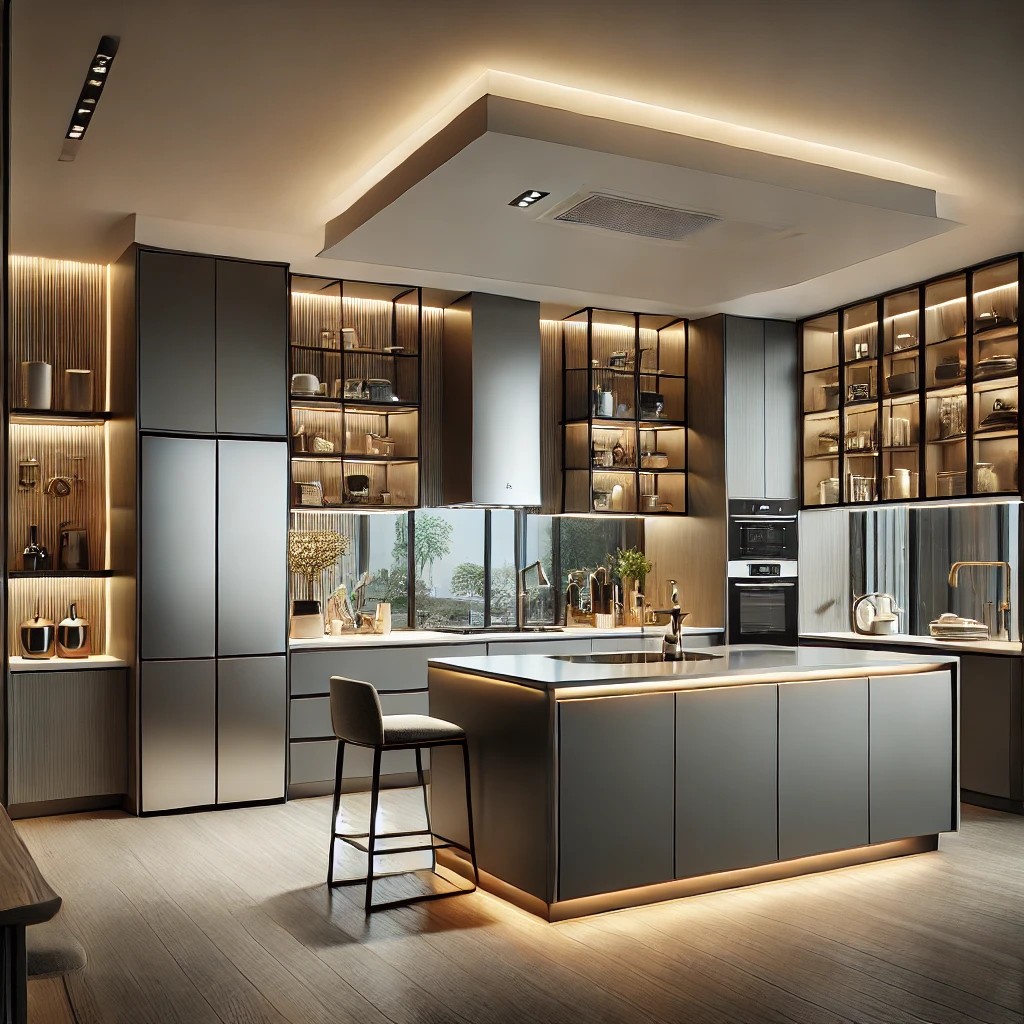
A minimalist living room embraces clean lines, neutral colors, and clutter-free aesthetics while maintaining a cozy and inviting atmosphere. This design focuses on essential furniture, natural materials, and smart space utilization.
✨ Key Elements of a Minimalist Living Room
🎨 1. Neutral & Monochrome Color Palette
Use white, beige, gray, or soft pastels for a calming effect.
Add contrast with black, deep blue, or earth tones for depth.
Keep walls light-colored to create an airy and spacious feel.
🏡 2. Simple & Functional Furniture
Sleek, straight-lined sofas and chairs with minimal detailing.
Wood, glass, or metal furniture to enhance the modern look.
Multi-purpose furniture like ottomans with storage or modular seating.
💡 3. Thoughtful Lighting
Recessed lights, pendant lamps, or LED strips for a clean look.
Floor lamps and wall sconces for warm and cozy ambiance.
Use natural light by keeping windows open or with sheer curtains.
🛋️ 4. Clutter-Free & Smart Storage
Built-in shelves and hidden storage to keep things organized.
Minimal décor with carefully chosen statement pieces.
Avoid excess furniture—focus on quality over quantity.
🌿 5. Natural Materials & Textures
Wood, linen, stone, and cotton to add warmth and depth.
Indoor plants like snake plants or fiddle leaf figs for freshness.
Soft rugs and cozy throws to create a comfortable atmosphere.
🏡 Popular Minimalist Living Room Styles
🏙️ 1. Modern Minimalist
Straight lines, neutral shades, and sleek furniture.
🎭 2. Scandinavian Minimalist
Light wood, soft textiles, and a cozy atmosphere.
🖤 3. Industrial Minimalist
Exposed concrete, metal fixtures, and dark tones.
🌿 4. Japanese Minimalist (Wabi-Sabi)
Organic materials, earthy tones, and Zen-inspired design.
🔥 Top Interior Designers for Minimalist Living Rooms in India
🏆 1. Livspace – Affordable and stylish minimalist interiors.
Scandinavian interior design is known for its minimalist aesthetics, cozy atmosphere, and functional approach. It blends natural materials, soft colors, and clean lines to create a peaceful and stylish space.
✨ Key Elements of Scandinavian Interior Design
🎨 1. Neutral & Light Color Palette
Dominated by white, beige, soft gray, and pastels.
Earthy tones like light wood, muted greens, and warm browns add warmth.
Pops of color in artwork, textiles, or plants for subtle contrast.
🏡 2. Minimalist & Functional Furniture
Sleek, straight-lined furniture with an emphasis on comfort.
Multi-functional pieces like storage beds, foldable tables, and modular sofas.
Wood, linen, and wool textures to maintain warmth and coziness.
💡 3. Natural Light & Soft Lighting
Large windows to let in natural daylight.
Pendant lamps, wall sconces, and candles for a cozy glow.
Warm LED lights to enhance the inviting ambiance.
🌱 4. Natural Materials & Textures
Wood, rattan, and stone for a warm and organic look.
Cotton, wool, and linen textiles in rugs, cushions, and throws.
Green plants like fiddle leaf figs, snake plants, or succulents for freshness.
🛋️ 5. Clutter-Free & Cozy Atmosphere
Minimal décor with carefully curated pieces.
Layered textiles like rugs, cushions, and blankets for warmth.
Hygge (coziness) elements such as candles, soft lighting, and personal touches.
🏡 Popular Scandinavian Interior Design Styles
🏙️ 1. Classic Scandinavian
White walls, wooden floors, and neutral furnishings.
🌿 2. Scandinavian Boho
Mix of minimalism and eclectic textures like macrame and woven baskets.
🖤 3. Nordic Modern
A blend of Scandinavian simplicity with bold, dark accents.
🎨 4. Scandinavian Rustic
Use of raw wood, cozy fabrics, and vintage elements.
🔥 Top Interior Designers for Scandinavian Interiors in India
🏆 1. Livspace – Offers sleek and modern Scandinavian designs.
Modern interior design is all about clean lines, minimalism, and functionality. It focuses on simplicity, open spaces, and neutral color palettes, creating a sophisticated yet comfortable environment.
✨ Key Elements of Modern Interior Design
🎨 1. Neutral & Monochrome Color Palette
White, gray, beige, and black dominate modern interiors.
Accent colors like navy blue, mustard, or emerald green add depth.
Matte and glossy finishes create a balanced aesthetic.
🏡 2. Open & Functional Spaces
Minimal furniture to maintain an uncluttered look.
Open-plan layouts connecting the living, dining, and kitchen areas.
Smart storage solutions like hidden cabinets and built-in shelves.
💡 3. Sleek & Minimalist Furniture
Straight-edged furniture with clean and geometric designs.
Metal, glass, and wood combinations for a stylish look.
Multi-functional furniture like modular sofas and extendable tables.
🖼️ 4. Statement Lighting & Décor
Pendant lights, recessed lighting, and LED strips for ambiance.
Minimalist artwork & wall décor to add personality.
Large mirrors to enhance space and reflect light.
🌱 5. Natural Materials & Textures
Wood, leather, and marble for a luxurious touch.
Glass and steel for a sleek and industrial feel.
Indoor plants & greenery to add warmth and freshness.
🏡 Popular Modern Interior Design Styles
🏙️ 1. Minimalist Modern
Focus on simplicity, clean spaces, and decluttered design.
🏡 2. Industrial Modern
Exposed brick walls, metal accents, and raw finishes.
🎭 3. Scandinavian Modern
Light wood, soft textiles, and cozy yet functional elements.
🖤 4. Contemporary Modern
A mix of modern and classic elements with smart tech.
🌿 5. Mid-Century Modern
Retro-inspired furniture with bold patterns and warm tones.
🔥 Top Interior Designers for Modern Interiors in India
🏆 1. Livspace – Affordable and stylish modern interiors.
A well-designed room interior balances aesthetics, functionality, and comfort. Whether it’s a bedroom, living room, study, or kids’ room, thoughtful interior design can enhance the overall ambiance and usability of the space.
✨ Key Elements of Room Interior Design
🎨 1. Color & Theme Selection
Neutral tones (white, beige, gray) for an elegant and timeless look.
Bold colors (blue, green, mustard) to add vibrancy and personality.
Soft pastels for a calming and soothing effect.
🏡 2. Space Planning & Layout
Optimize furniture placement for a spacious and open feel.
Use multi-functional furniture to maximize small rooms.
Incorporate smart storage solutions to reduce clutter.
💡 3. Lighting & Ambiance
Ambient lighting (ceiling lights, chandeliers) for overall illumination.
Task lighting (study lamps, reading lights) for functionality.
Accent lighting (LED strips, pendant lights) to highlight design features.
🛋️ 4. Furniture & Decor
Comfortable seating (sofas, armchairs, bean bags) for relaxation.
Wall art, mirrors, and decorative pieces to personalize the space.
Curtains, rugs, and cushions to add warmth and texture.
🌱 5. Plants & Natural Elements
Indoor plants for freshness and improved air quality.
Wooden and natural textures for warmth and elegance.
Stone and marble finishes for a luxurious feel.
🏠 Popular Room Interior Design Styles
🏙️ 1. Modern Room Design
Minimalist furniture, clean lines, and neutral colors.
🏡 2. Traditional Room Design
Wooden elements, rich patterns, and intricate details.
🎭 3. Contemporary Room Design
A mix of modern and classic elements with sleek finishes.
🖤 4. Bohemian Room Design
A blend of colors, textures, and artistic pieces.
🌿 5. Scandinavian Room Design
Light wood, soft textiles, and functional simplicity.
🔥 Top Interior Designers for Room Interiors in India
🏆 1. Livspace – Experts in customized room designs.
A well-designed room interior balances aesthetics, functionality, and comfort. Whether it’s a bedroom, living room, study, or kids’ room, thoughtful interior design can enhance the overall ambiance and usability of the space.
✨ Key Elements of Room Interior Design
🎨 1. Color & Theme Selection
Neutral tones (white, beige, gray) for an elegant and timeless look.
Bold colors (blue, green, mustard) to add vibrancy and personality.
Soft pastels for a calming and soothing effect.
🏡 2. Space Planning & Layout
Optimize furniture placement for a spacious and open feel.
Use multi-functional furniture to maximize small rooms.
Incorporate smart storage solutions to reduce clutter.
💡 3. Lighting & Ambiance
Ambient lighting (ceiling lights, chandeliers) for overall illumination.
Task lighting (study lamps, reading lights) for functionality.
Accent lighting (LED strips, pendant lights) to highlight design features.
🛋️ 4. Furniture & Decor
Comfortable seating (sofas, armchairs, bean bags) for relaxation.
Wall art, mirrors, and decorative pieces to personalize the space.
Curtains, rugs, and cushions to add warmth and texture.
🌱 5. Plants & Natural Elements
Indoor plants for freshness and improved air quality.
Wooden and natural textures for warmth and elegance.
Stone and marble finishes for a luxurious feel.
🏠 Popular Room Interior Design Styles
🏙️ 1. Modern Room Design
Minimalist furniture, clean lines, and neutral colors.
🏡 2. Traditional Room Design
Wooden elements, rich patterns, and intricate details.
🎭 3. Contemporary Room Design
A mix of modern and classic elements with sleek finishes.
🖤 4. Bohemian Room Design
A blend of colors, textures, and artistic pieces.
🌿 5. Scandinavian Room Design
Light wood, soft textiles, and functional simplicity.
🔥 Top Interior Designers for Room Interiors in India
🏆 1. Livspace – Experts in customized room designs.
Choose a design style that resonates with you (e.g., modern, minimalist, bohemian, Scandinavian, industrial, traditional).
Look for inspiration on platforms like Pinterest, Instagram, or interior design magazines.
2. Plan the Layout
Focal Point: Identify the room’s focal point (e.g., fireplace, TV, large window, or artwork) and arrange furniture around it.
Traffic Flow: Ensure there’s enough space for easy movement. Avoid blocking pathways with furniture.
Conversation Areas: Arrange seating (sofas, chairs) to encourage conversation. A U-shaped or L-shaped arrangement works well.
3. Choose a Color Palette
Select a cohesive color scheme that complements the rest of your home.
Use the 60-30-10 rule: 60% dominant color (walls, large furniture), 30% secondary color (upholstery, curtains), and 10% accent color (decor, pillows).
Neutral tones (white, beige, gray) create a timeless look, while bold colors (navy, emerald, mustard) add drama.
4. Furniture Selection
Sofa: Invest in a comfortable, high-quality sofa that fits the scale of your room.
Accent Chairs: Add one or two chairs for extra seating and visual interest.
Coffee Table: Choose a table that complements the sofa and provides functionality (e.g., storage, surface space).
TV Stand or Media Unit: Opt for a stylish and functional unit that fits your electronics and storage needs.
5. Lighting
Ambient Lighting: Use ceiling lights or chandeliers for overall illumination.
Task Lighting: Add floor lamps or table lamps for reading or other activities.
Accent Lighting: Use wall sconces, LED strips, or spotlights to highlight artwork or architectural features.
Natural Light: Maximize natural light with sheer curtains or blinds.
6. Flooring and Rugs
Choose flooring that suits your style (e.g., hardwood, tile, carpet).
Add a large area rug to anchor the seating area and add warmth. Ensure the rug is big enough to fit under the front legs of your furniture.
7. Wall Decor
Artwork: Hang paintings, prints, or photographs that reflect your personality.
Mirrors: Use mirrors to reflect light and make the room feel larger.
Shelves: Install floating shelves to display books, plants, or decorative items.
Accent Wall: Create a feature wall with paint, wallpaper, or textured panels.
8. Textiles and Soft Furnishings
Curtains: Choose curtains that complement your color scheme and provide privacy or light control.
Throw Pillows: Mix and match patterns, textures, and colors for a layered look.
Blankets: Drape cozy blankets over sofas or chairs for added comfort.
9. Greenery and Decor
Plants: Add indoor plants (e.g., fiddle leaf fig, snake plant, pothos) to bring life and freshness.
Decorative Items: Use vases, candles, sculptures, or trays to add personality.
Books: Display books on coffee tables or shelves for a lived-in feel.
10. Storage Solutions
Use stylish storage options like ottomans with hidden compartments, console tables with drawers, or built-in shelves.
Keep clutter to a minimum by organizing items in baskets or decorative boxes.
Living Room Layout Ideas
Small Living Rooms: Use multifunctional furniture (e.g., sofa beds, nesting tables) and wall-mounted shelves to save space.
Open-Plan Living Rooms: Use rugs, lighting, or furniture to define the living area within a larger space.
Large Living Rooms: Create multiple seating areas or add a reading nook to fill the space effectively.
Budget-Friendly Tips
Repaint walls or furniture for a fresh look.
Shop at thrift stores or online marketplaces for unique, affordable pieces.
DIY decor projects like wall art or upcycled furniture.
Example Styles
Modern: Clean lines, neutral colors, and minimal decor.
Bohemian: Vibrant colors, mixed patterns, and eclectic decor.
Scandinavian: Light colors, natural materials, and cozy textiles.
Farmhouse: Rustic wood, neutral tones, and vintage accents.
By combining functionality with your personal style, you can create a living room that is both beautiful and livable. Let me know if you’d like help with a specific style or layout!
A well-designed office space boosts productivity, improves employee well-being, and creates a professional and inviting atmosphere. Whether it’s a corporate office, co-working space, or home office, the right interior design ensures functionality, comfort, and style.
✨ Key Elements of Office Interior Design
🎨 1. Color & Theme Selection
Neutral colors (white, beige, gray) for a sophisticated and professional look.
Bright colors (blue, green, yellow) to promote creativity and energy.
Muted tones (earthy shades) for a calm and focused environment.
🏡 2. Office Layout & Space Planning
Open-plan offices for collaboration and teamwork.
Private cabins for focused and high-concentration tasks.
Hot-desking & co-working spaces for flexible work environments.
Home office setup with ergonomic furniture and smart storage.
💡 3. Lighting & Ambiance
Natural light improves mood and reduces eye strain.
Task lighting for focused work areas.
Ambient lighting for a comfortable and productive atmosphere.
🛋️ 4. Furniture & Ergonomics
Adjustable chairs & desks for employee comfort.
Standing desks to promote movement and health.
Conference tables & lounge seating for meetings and discussions.
🌱 5. Biophilic Design & Greenery
Indoor plants improve air quality and create a calming workspace.
Living walls & vertical gardens add a natural and refreshing touch.
Choose a design style that resonates with you (e.g., modern, minimalist, bohemian, Scandinavian, industrial, traditional).
Look for inspiration on platforms like Pinterest, Instagram, or interior design magazines.
2. Plan the Layout
Focal Point: Identify the room’s focal point (e.g., fireplace, TV, large window, or artwork) and arrange furniture around it.
Traffic Flow: Ensure there’s enough space for easy movement. Avoid blocking pathways with furniture.
Conversation Areas: Arrange seating (sofas, chairs) to encourage conversation. A U-shaped or L-shaped arrangement works well.
3. Choose a Color Palette
Select a cohesive color scheme that complements the rest of your home.
Use the 60-30-10 rule: 60% dominant color (walls, large furniture), 30% secondary color (upholstery, curtains), and 10% accent color (decor, pillows).
Neutral tones (white, beige, gray) create a timeless look, while bold colors (navy, emerald, mustard) add drama.
4. Furniture Selection
Sofa: Invest in a comfortable, high-quality sofa that fits the scale of your room.
Accent Chairs: Add one or two chairs for extra seating and visual interest.
Coffee Table: Choose a table that complements the sofa and provides functionality (e.g., storage, surface space).
TV Stand or Media Unit: Opt for a stylish and functional unit that fits your electronics and storage needs.
5. Lighting
Ambient Lighting: Use ceiling lights or chandeliers for overall illumination.
Task Lighting: Add floor lamps or table lamps for reading or other activities.
Accent Lighting: Use wall sconces, LED strips, or spotlights to highlight artwork or architectural features.
Natural Light: Maximize natural light with sheer curtains or blinds.
6. Flooring and Rugs
Choose flooring that suits your style (e.g., hardwood, tile, carpet).
Add a large area rug to anchor the seating area and add warmth. Ensure the rug is big enough to fit under the front legs of your furniture.
7. Wall Decor
Artwork: Hang paintings, prints, or photographs that reflect your personality.
Mirrors: Use mirrors to reflect light and make the room feel larger.
Shelves: Install floating shelves to display books, plants, or decorative items.
Accent Wall: Create a feature wall with paint, wallpaper, or textured panels.
8. Textiles and Soft Furnishings
Curtains: Choose curtains that complement your color scheme and provide privacy or light control.
Throw Pillows: Mix and match patterns, textures, and colors for a layered look.
Blankets: Drape cozy blankets over sofas or chairs for added comfort.
9. Greenery and Decor
Plants: Add indoor plants (e.g., fiddle leaf fig, snake plant, pothos) to bring life and freshness.
Decorative Items: Use vases, candles, sculptures, or trays to add personality.
Books: Display books on coffee tables or shelves for a lived-in feel.
10. Storage Solutions
Use stylish storage options like ottomans with hidden compartments, console tables with drawers, or built-in shelves.
Keep clutter to a minimum by organizing items in baskets or decorative boxes.
Living Room Layout Ideas
Small Living Rooms: Use multifunctional furniture (e.g., sofa beds, nesting tables) and wall-mounted shelves to save space.
Open-Plan Living Rooms: Use rugs, lighting, or furniture to define the living area within a larger space.
Large Living Rooms: Create multiple seating areas or add a reading nook to fill the space effectively.
Budget-Friendly Tips
Repaint walls or furniture for a fresh look.
Shop at thrift stores or online marketplaces for unique, affordable pieces.
DIY decor projects like wall art or upcycled furniture.
Example Styles
Modern: Clean lines, neutral colors, and minimal decor.
Bohemian: Vibrant colors, mixed patterns, and eclectic decor.
Scandinavian: Light colors, natural materials, and cozy textiles.
Farmhouse: Rustic wood, neutral tones, and vintage accents.
By combining functionality with your personal style, you can create a living room that is both beautiful and livable. Let me know if you’d like help with a specific style or layout!
The living room is the heart of every home—a space for relaxation, entertainment, and socializing. A well-designed living room balances comfort, functionality, and aesthetics, making it both inviting and stylish.
✨ Key Elements of Living Room Interior Design
🎨 1. Color & Theme Selection
Neutral shades (white, beige, gray) create an elegant and timeless look.
Bold colors (blue, green, mustard) add personality and vibrancy.
Pastel tones bring a soft and calming ambiance.
🏡 2. Furniture & Layout
Sofas & Chairs – Opt for comfortable yet stylish seating.
Coffee Tables – A functional centerpiece for the room.
Multi-functional furniture – Perfect for small spaces.
💡 3. Lighting & Ambiance
Ambient lighting (chandeliers, ceiling lights) for overall brightness.
Task lighting (floor and table lamps) for reading or working.
Accent lighting (wall sconces, LED strips) to highlight décor.
🖼️ 4. Wall Décor & Accessories
Artwork & paintings add personality.
Mirrors make the space look larger and brighter.
Floating shelves & bookshelves for storage and display.
🌱 5. Plants & Greenery
Indoor plants improve air quality and aesthetics.
Fresh flowers bring natural beauty to the space.
Vertical gardens for a modern and eco-friendly touch.
🏠 Popular Living Room Interior Design Styles
🏙️ 1. Modern Living Room
Minimalist furniture, neutral colors, and sleek finishes.
🏡 2. Traditional Living Room
Wooden furniture, rich textures, and warm tones.
🎭 3. Contemporary Living Room
A mix of modern and traditional elements.
🖤 4. Bohemian Living Room
A blend of patterns, colors, and artistic elements.
🌿 5. Scandinavian Living Room
Simple, cozy, and functional with light wood and soft textures.
🔥 Top Interior Designers for Living Room Interiors in India
Interior decoration is all about transforming a space with colors, textures, furniture, and accessories to reflect your personal style. Whether you’re decorating a home, office, or commercial space, the right décor enhances aesthetics, mood, and functionality.
✨ Key Elements of Interior Decoration
🎨 1. Color Palette & Theme
Neutral shades for a timeless and sophisticated look.
Bold and vibrant colors for a lively and energetic feel.
Pastel tones for a soft and calming atmosphere.
🏡 2. Furniture & Layout
Choose furniture that balances aesthetics and comfort.
Multi-functional pieces maximize space efficiency.
Arrange furniture to promote better flow and openness.
💡 3. Lighting & Ambiance
Ambient lighting sets the overall mood.
Task lighting improves functionality in work areas.
Accent lighting highlights décor elements like paintings and sculptures.
🛋️ 4. Accessories & Décor Items
Wall art and paintings add character to the space.
Cushions and rugs bring warmth and comfort.
Mirrors enhance light and make rooms feel larger.
🌱 5. Plants & Greenery
Indoor plants improve air quality and aesthetics.
Vertical gardens add a modern and eco-friendly touch.
Fresh flowers bring vibrancy and fragrance to interiors.
🏠 Popular Interior Decoration Styles
🏙️ 1. Modern Interior Decoration
Minimalist furniture, neutral tones, and sleek finishes.
🏡 2. Traditional Interior Decoration
Rich colors, ornate furniture, and intricate patterns.
Inspirational Quotes: Use wooden or metal signs with motivational quotes in living rooms, bedrooms, or home offices.
Family Names or Initials: Personalized signs with your family name or initials can add a custom touch to entryways or living spaces.
Directional Signs: Rustic or vintage-style signs pointing to different rooms (e.g., “Kitchen,” “Bathroom”) can add charm to hallways.
2. Functional Signs
Room Labels: Use signs to label spaces like “Laundry Room,” “Pantry,” or “Home Office.”
Welcome Signs: Place a “Welcome” sign at your front door or entryway to create a warm, inviting atmosphere.
Rules or Reminders: Fun signs like “Wipe Your Paws” or “Take Off Your Shoes” can be both decorative and practical.
3. Kitchen and Dining Signs
Menu Boards: Use chalkboard or magnetic signs to display daily menus or grocery lists.
Cafe-Inspired Signs: Add signs like “Coffee Bar” or “Eat Drink Be Merry” to create a cozy vibe.
Measurement Conversions: A sign with kitchen measurement conversions (e.g., cups to grams) can be both decorative and useful.
4. Bathroom Signs
Humorous Signs: Add playful signs like “Flush and Wash” or “Bathroom Rules” for a lighthearted touch.
Spa-Inspired Signs: Use calming phrases like “Relax” or “Breathe” to create a tranquil atmosphere.
5. Nursery or Kids’ Room Signs
Name Signs: Hang a custom sign with your child’s name above their crib or bed.
Growth Charts: Use a decorative sign with measurements to track your child’s height.
Educational Signs: Add signs with alphabets, numbers, or shapes for a fun learning environment.
6. Outdoor Signs
House Numbers: Use stylish signs to display your house number near the front door or mailbox.
Garden Signs: Add signs like “Grow with Love” or herb labels in your garden.
Seasonal Decor: Switch out signs for different seasons or holidays (e.g., “Happy Fall” or “Merry Christmas”).
7. DIY Sign Ideas
Chalkboard Signs: Create your own chalkboard signs for a customizable and reusable option.
Painted Wooden Signs: Use reclaimed wood and stencils to craft personalized signs.
Framed Prints: Frame printable quotes or designs for an easy and affordable sign.
8. Placement Tips
Entryway: Use a welcome sign or family name sign to set the tone for your home.
Above Furniture: Hang signs above sofas, beds, or mantels as focal points.
Shelving or Bookcases: Lean smaller signs against the back of shelves for added depth.
Groupings: Create a gallery wall with a mix of signs, artwork, and photos.
Materials and Styles
Wood: Rustic or farmhouse-style wooden signs add warmth and texture.
Metal: Sleek metal signs work well in modern or industrial interiors.
Acrylic: Clear or colored acrylic signs are perfect for contemporary spaces.
Chalkboard: Versatile and customizable for changing messages or themes.
Signs are a simple yet impactful way to express your personality and enhance your home’s decor. Let me know if you’d like more specific ideas or help creating a custom sign!
A well-designed home reflects your personality, enhances functionality, and creates a comfortable and stylish living environment. Whether you prefer a modern, minimalist, traditional, or luxury interior, the right design ensures a harmonious and aesthetically pleasing home.
✨ Key Elements of Home Interior Design
🎨 1. Color & Theme Selection
Neutral shades create a timeless and elegant look.
Bold colors add drama and personality to the space.
Soft pastels bring in a calm and relaxing ambiance.
🏡 2. Space Planning & Layout
Open floor plans create spacious and airy interiors.
Multi-functional furniture maximizes small spaces.
Smart storage solutions keep the home organized and clutter-free.
💡 3. Lighting & Ambiance
Layered lighting (ambient, task, and accent) enhances the home’s mood.
Natural light makes the space look larger and more inviting.
Chandeliers and pendant lights add a touch of luxury.
🛋️ 4. Furniture & Decor
Invest in comfortable and durable furniture.
Rugs, cushions, and wall art personalize the space.
Mirrors create an illusion of a bigger and brighter room.
🌱 5. Sustainability & Eco-Friendly Elements
Use eco-friendly furniture and materials.
Incorporate indoor plants for fresh air and aesthetics.
Opt for energy-efficient lighting and appliances.
🏠 Popular Home Interior Design Styles
🏙️ 1. Modern Home Design
Clean lines, neutral tones, and minimalistic furniture.
🏡 2. Traditional Home Design
Wooden elements, intricate patterns, and rich textures.
🎭 3. Contemporary Home Design
A mix of classic and modern with smart technology.
🖤 4. Industrial Home Design
Exposed brick walls, metal accents, and raw finishes.
🌿 5. Scandinavian Home Design
Light wood, cozy textiles, and functional simplicity.
🔥 Top Interior Designers for Home Interiors in India
🏆 1. Livspace – End-to-end home interior solutions.
The kitchen is the heart of every home, where functionality meets aesthetics. A well-designed kitchen enhances efficiency, comfort, and style, making cooking and dining a delightful experience. Whether you prefer a modern, traditional, or luxury kitchen, the right design can maximize space and improve workflow.
✨ Key Elements of Kitchen Interior Design
🎨 1. Color & Theme Selection
Light colors like white and beige make the kitchen look spacious.
Dark hues like navy blue and black add a luxurious feel.
Bright colors like yellow and green create an energetic atmosphere.
🏡 2. Layout & Space Planning
L-Shaped Kitchen – Maximizes space in small kitchens.
U-Shaped Kitchen – Offers plenty of counter space.
Island Kitchen – Adds extra workspace and seating.
Open Kitchen – Blends with the living or dining area for a seamless look.
💡 3. Lighting & Ambiance
Under-cabinet lights improve visibility.
Pendant lights over islands add elegance.
Task lighting near countertops ensures better functionality.
🛋️ 4. Cabinets & Storage Solutions
Modular cabinets provide smart storage options.
Pull-out shelves make access easier.
Glass cabinets create an airy feel.
🌱 5. Sustainability & Eco-Friendly Design
Use energy-efficient appliances.
Install ventilation systems for fresh air.
Opt for recycled or natural materials for cabinets and countertops.
🏠 Popular Kitchen Interior Design Styles
🏙️ 1. Modern Kitchen Design
Sleek cabinets, minimal decor, and neutral colors.
🏡 2. Traditional Kitchen Design
Wooden finishes, classic decor, and warm lighting.
🎭 3. Contemporary Kitchen Design
A blend of modern and classic elements with smart appliances.
🖤 4. Industrial Kitchen Design
Metal fixtures, exposed brick, and raw textures.
🌿 5. Scandinavian Kitchen Design
Light wood, white tones, and simple decor.
🔥 Top Interior Designers for Kitchen Interiors in India
🏆 1. Livspace – Experts in modular kitchen designs.
Would you like kitchen design ideas tailored to your space and budget? 😊
Kitchen Interiors in India: Modern Designs, Costs, and Trends
Kitchen interiors in India have evolved from being simple cooking spaces to becoming the heart of the home. Today, modern Indian kitchens combine functionality, style, and smart storage solutions, tailored to urban lifestyles. Whether in compact apartments or sprawling villas, homeowners are investing in kitchen interiors that are efficient, elegant, and personalized.
Why Kitchen Interiors Matter
Functionality: Efficient layouts save time and effort.
Storage Optimization: Smart cabinetry maximizes small spaces.
Aesthetic Appeal: Stylish designs enhance the overall look of the home.
Resale Value: A modern kitchen increases property worth.
Lifestyle Fit: Kitchens designed for Indian cooking requirements (spice storage, chimneys, durable countertops).
Popular Kitchen Interior Layouts in India
L-Shaped Kitchens: Best for compact apartments, maximizing corner space.
U-Shaped Kitchens: Ideal for larger families, offering maximum storage.
Parallel Kitchens: Practical for narrow spaces.
Island Kitchens: A modern choice for villas and luxury apartments.
Hybrid Kitchens: Combination of modular efficiency with bespoke customization.
Materials & Finishes for Indian Kitchen Interiors
Countertops: Granite, quartz, and marble for durability and elegance.
Cabinets: Laminates, acrylic, lacquered glass, and veneer.
Backsplashes: Ceramic tiles, glass, or natural stone.
Flooring: Anti-skid tiles, wood-finish tiles, or natural stone.
Hardware: Soft-close hinges, hydraulic lifts, and premium handles.
Kitchen Interior Trends in India (2025)
Minimal Luxe: Sleek cabinetry with metallic handles.
Biophilic Kitchens: Natural finishes and indoor plants.
Smart Kitchens: App- or voice-controlled lighting, chimneys, and appliances.
Open Kitchen Layouts: Seamlessly blending with dining/living areas.
Sustainable Kitchens: Eco-friendly materials and energy-efficient appliances.
Cost of Kitchen Interiors in India
Kitchen Type
Price Range
Notes
Basic Modular Kitchen (8×10 ft)
₹2.5 – ₹5 lakh
Laminates + granite countertop
Mid-Range Kitchen (10×12 ft)
₹5 – ₹10 lakh
Quartz/marble tops + premium hardware
Luxury Kitchen (Island / Large layouts)
₹12 – ₹25 lakh+
Imported finishes + integrated appliances
👉 Average cost per sq ft: ₹2,500 – ₹5,500+ depending on customization and finishes.
Tips for Designing the Perfect Kitchen Interior
Define your lifestyle needs (daily cooking, entertaining, storage).
Choose a functional layout (L-shaped, U-shaped, or island).
Invest in durable countertops for Indian cooking.
Ensure good ventilation with high-capacity chimneys.
Add task lighting for countertops and cooking zones.
Recap
Kitchen interiors in India have become a mix of style, comfort, and functionality. With smart layouts, premium finishes, and modern appliances, they transform cooking spaces into elegant, efficient hubs for family life.
Call to Action: Planning to upgrade your kitchen? Connect with expert kitchen interior designers in India to create a space that’s stylish, functional, and customized for your lifestyle.
Modern Kitchen Interior Design in Noida Apartments: Stylish, Functional, and Space-Smart
Modern kitchen interior design in Noida apartments is becoming a key priority for homeowners who want a perfect balance of style, storage, and functionality. With compact apartments and premium residential projects along the Noida Expressway, Sector 150, and Greater Noida West, the demand for modular and bespoke kitchens is at an all-time high.
Why Modern Kitchen Interiors Matter in Noida Apartments
Space Optimization: Smart layouts make the most of limited apartment space.
Lifestyle Fit: Designed for fast-paced urban living and Indian cooking needs.
Aesthetic Appeal: Clean lines, neutral tones, and designer finishes.
Smart Storage: Modular pull-outs, corner units, and hydraulic cabinets.
Resale Value: A well-designed modern kitchen adds significant value to apartments in Noida.
Popular Modern Kitchen Layouts for Noida Apartments
L-Shaped Kitchens: Efficient design for compact apartments.
Parallel Kitchens: Ideal for narrow layouts in 2 & 3 BHK homes.
U-Shaped Kitchens: Maximizes storage for larger apartments.
Island Kitchens: Premium option in luxury apartments with open layouts.
Hybrid Kitchens: Modular efficiency enhanced with bespoke finishes.
Design Features of Modern Kitchen Interiors
Countertops: Quartz, granite, and marble for durability.
Cabinet Finishes: Matte laminates, acrylic, lacquered glass, or veneer.
Backsplashes: Designer tiles, glass, or natural stone.
Lighting: Task + ambient lighting with under-cabinet LEDs.
Smart Appliances: Built-in ovens, dishwashers, and touch-enabled chimneys.
Modern Kitchen Interior Trends in Noida (2025)
Minimal Luxe: Sleek cabinetry with metallic handles.
Biophilic Kitchens: Wood finishes, plants, and natural textures.
Smart Kitchens: Voice- and app-controlled lighting and appliances.
Open Kitchen Layouts: Merging with living/dining areas.
Sustainable Kitchens: Eco-friendly finishes with energy-efficient appliances.
Cost of Modern Kitchen Interiors in Noida Apartments
Kitchen Type
Price Range
Notes
Basic Modular Kitchen (8×10 ft)
₹3 – ₹6 lakh
Compact layouts with laminates
Mid-Range Kitchen (10×12 ft)
₹6 – ₹12 lakh
Quartz/marble countertops + premium hardware
Luxury Kitchen (Island / Large Layouts)
₹12 – ₹25 lakh+
Imported finishes + smart appliances
👉 Average cost per sq ft: ₹2,500 – ₹5,500+, depending on finishes and customization.
Tips for Designing Modern Kitchen Interiors in Noida Apartments
Choose a layout that fits your apartment size.
Invest in ventilation (chimney + windows for airflow).
Go for durable countertops suited for Indian cooking.
Add pull-outs and organizers for maximum storage.
Integrate smart appliances for modern living.
Recap
Modern kitchen interior design in Noida apartments offers a blend of style, efficiency, and durability. From space-saving layouts to premium finishes and smart appliances, these kitchens are built to suit the needs of today’s urban homeowners.
Call to Action: Looking to upgrade your kitchen? Connect with expert kitchen interior designers in Noida to create a modern, stylish, and functional space tailored for your apartment.
Affordable Kitchen Interiors in Delhi: Smart Design on a Budget
Designing a stylish and functional kitchen doesn’t always require a massive budget. With the right planning, layouts, and material selection, you can create affordable kitchen interiors in Delhi that look modern, maximize storage, and fit seamlessly into your lifestyle. For apartments and homes across South Delhi, Dwarka, Rohini, and East Delhi, affordable kitchen solutions are in high demand.
Why Choose Affordable Kitchen Interiors?
Budget-Friendly: Smart choices in materials and finishes reduce costs.
Space Optimization: Compact apartments in Delhi require efficient layouts.
Modern Look: Sleek finishes and modular fittings elevate style.
👉 Average cost per sq ft: ₹1,500 – ₹3,000+, depending on finishes and appliances.
How to Save More on Kitchen Interiors in Delhi
Choose local vendors for modular units instead of imports.
Opt for granite countertops instead of quartz/marble.
Use laminates instead of acrylic or glass shutters.
Install energy-efficient lighting and appliances to save long-term costs.
Start small—focus on essential areas, upgrade finishes later.
Recap
Affordable kitchen interiors in Delhi prove that you don’t need a huge budget to create a stylish and practical kitchen. With modular layouts, smart material choices, and space-saving designs, you can have a kitchen that looks premium while staying cost-effective.
Call to Action: Planning a kitchen upgrade in Delhi? Connect with professional kitchen interior designers in Delhi who specialize in affordable modular and bespoke solutions to fit your budget and lifestyle.
House interior design is about balancing aesthetics and functionality to create a comfortable, stylish, and practical living space. Whether you prefer a modern, minimalist, traditional, or luxury look, the right design enhances your home’s beauty and comfort.
✨ Key Elements of House Interior Design
🎨 1. Color & Theme Selection
Light colors make small spaces feel bigger.
Dark and bold tones add a sense of drama and luxury.
Neutral shades create a timeless and elegant atmosphere.
🏡 2. Space Planning & Layout
Ensure efficient use of space for both functionality and aesthetics.
Maintain an open and clutter-free environment.
Use multi-functional furniture for smaller homes.
💡 3. Lighting & Ambiance
Natural light enhances warmth and openness.
Use layered lighting (ambient, task, and accent) for depth.
Statement pieces like chandeliers and pendant lights add character.
🛋️ 4. Furniture & Decor
Invest in quality, durable furniture that complements the theme.
Cushions, rugs, and wall art personalize the space.
Incorporate mirrors to make spaces look larger.
🌱 5. Sustainability & Eco-Friendly Elements
Opt for recycled and natural materials.
Use indoor plants for fresh air and aesthetics.
Energy-efficient lighting and appliances enhance sustainability.
🏠 Popular House Interior Design Styles
🏙️ 1. Modern House Design
Clean lines, minimal furniture, and neutral tones.
🏡 2. Traditional House Design
Rich textures, classic furniture, and warm colors.
🎭 3. Contemporary House Design
A blend of modern trends with elegant details.
🖤 4. Industrial House Design
Exposed brick, wooden elements, and a raw finish.
🌿 5. Scandinavian House Design
Light wood, cozy textiles, and a bright color palette.
🔥 Top Interior Designers for House Interiors in India
🏆 1. Gauri Khan – Luxury home interiors for celebrities.
House interior design is about balancing aesthetics and functionality to create a comfortable, stylish, and practical living space. Whether you prefer a modern, minimalist, traditional, or luxury look, the right design enhances your home’s beauty and comfort.
✨ Key Elements of House Interior Design
🎨 1. Color & Theme Selection
Light colors make small spaces feel bigger.
Dark and bold tones add a sense of drama and luxury.
Neutral shades create a timeless and elegant atmosphere.
🏡 2. Space Planning & Layout
Ensure efficient use of space for both functionality and aesthetics.
Maintain an open and clutter-free environment.
Use multi-functional furniture for smaller homes.
💡 3. Lighting & Ambiance
Natural light enhances warmth and openness.
Use layered lighting (ambient, task, and accent) for depth.
Statement pieces like chandeliers and pendant lights add character.
🛋️ 4. Furniture & Decor
Invest in quality, durable furniture that complements the theme.
Cushions, rugs, and wall art personalize the space.
Incorporate mirrors to make spaces look larger.
🌱 5. Sustainability & Eco-Friendly Elements
Opt for recycled and natural materials.
Use indoor plants for fresh air and aesthetics.
Energy-efficient lighting and appliances enhance sustainability.
🏠 Popular House Interior Design Styles
🏙️ 1. Modern House Design
Clean lines, minimal furniture, and neutral tones.
🏡 2. Traditional House Design
Rich textures, classic furniture, and warm colors.
🎭 3. Contemporary House Design
A blend of modern trends with elegant details.
🖤 4. Industrial House Design
Exposed brick, wooden elements, and a raw finish.
🌿 5. Scandinavian House Design
Light wood, cozy textiles, and a bright color palette.
🔥 Top Interior Designers for House Interiors in India
🏆 1. Gauri Khan – Luxury home interiors for celebrities.
If you’re seeking professional interior design services in Delhi, here are some reputable firms to conside
businesses_map{“name”:”Yellow Pig Design”,”location”:”Delhi, India”,”description”:”Founded in 2014 by Ashmeet Khurana, this design studio produces creative responses for a varied and international client base.”,”cite”:”turn0search0″}{“name”:”Essentia Environments”,”location”:”Delhi, India”,”description”:”Led by Monica and Hardesh Chawla, Essentia embodies global refinement with an indigenous luxury design sense reflective of contemporary and classic designs.”,”cite”:”turn0search0″}{“name”:”Shruti Sodhi Interior Designs”,”location”:”Delhi, India”,”description”:”Offers a unique blend of textures, colors, and forms to create calming and conducive environments for homes, hotels, and offices.”,”cite”:”turn0search8″}{“name”:”Livspace”,”location”:”Delhi, India”,”description”:”Provides end-to-end home interior solutions, ensuring a smooth journey from design to installation.”,”cite”:”turn0search1″}{“name”:”Sculpt Design Studio”,”location”:”Delhi, India”,”description”:”Recognized for creating functional and visually appealing spaces tailored to clients’ specific needs throughout the Delhi NCR region.”,”cite”:”turn0search2″}{“name”:”Thethekedaar”,”location”:”Delhi, India”,”description”:”Specializes in luxury interior designs with years of experience, offering affordable home interiors.”,”cite”:”turn0search3″}{“name”:”Dezine Innovation”,”location”:”Delhi, India”,”description”:”An established company promoted by professionals with over thirty years of experience, engaged in diversified construction and interior activities.”,”cite”:”turn0search5″}{“name”:”MADS Creations”,”location”:”Gurgaon, India”,”description”:”A leading premium interior design company providing comprehensive designs with global refinement to residences, corporate spaces, and the hospitality sector.”,”cite”:”turn0search9″} These firms offer a range of styles and services to cater to diverse preferences and requirement. It’s advisable to review their portfolios and consult with them to determine the best fit for your projec.
Your bedroom is your personal sanctuary, a place to relax, unwind, and recharge. The right interior design can make your bedroom more comfortable, functional, and visually appealing. Whether you prefer a modern, minimalist, or luxurious look, thoughtful design can transform your space.
✨ Key Elements of Bedroom Interior Design
🎨 1. Color & Mood
Soft pastel shades create a calming effect.
Dark and bold tones add a luxurious feel.
Neutral tones offer a timeless and elegant ambiance.
🛏️ 2. Furniture & Layout
A comfortable bed with the right mattress is essential.
Opt for functional bedside tables and wardrobes.
Space-saving furniture like under-bed storage maximizes utility.
💡 3. Lighting & Ambiance
Warm lighting enhances relaxation.
Pendant lights, wall sconces, or bedside lamps add style.
Smart LED lights allow for mood customization.
🖼️ 4. Decor & Accessories
Wall art, mirrors, and stylish curtains enhance aesthetics.
Add textured rugs and cozy cushions for warmth.
Indoor plants improve air quality and bring freshness.
🌿 5. Sustainability & Comfort
Use natural fabrics like cotton and linen for bedding.
Incorporate eco-friendly materials for furniture.
Opt for good ventilation to maintain a fresh atmosphere.
🏠 Popular Bedroom Design Styles
🏙️ 1. Modern Bedroom Design
Clean lines, neutral colors, and minimal decor.
🌿 2. Scandinavian Bedroom Design
Light wood, soft colors, and cozy textiles.
🎭 3. Bohemian Bedroom Design
Layered textiles, bright colors, and artistic decor.
🖤 4. Industrial Bedroom Design
Exposed brick walls, raw wood, and metal accents.
🏡 5. Luxury Bedroom Design
Plush fabrics, gold accents, and statement lighting.
🔥 Top Interior Designers for Bedroom Interiors in India
Your bedroom is your personal sanctuary, a place to relax, unwind, and recharge. The right interior design can make your bedroom more comfortable, functional, and visually appealing. Whether you prefer a modern, minimalist, or luxurious look, thoughtful design can transform your space.
✨ Key Elements of Bedroom Interior Design
🎨 1. Color & Mood
Soft pastel shades create a calming effect.
Dark and bold tones add a luxurious feel.
Neutral tones offer a timeless and elegant ambiance.
🛏️ 2. Furniture & Layout
A comfortable bed with the right mattress is essential.
Opt for functional bedside tables and wardrobes.
Space-saving furniture like under-bed storage maximizes utility.
💡 3. Lighting & Ambiance
Warm lighting enhances relaxation.
Pendant lights, wall sconces, or bedside lamps add style.
Smart LED lights allow for mood customization.
🖼️ 4. Decor & Accessories
Wall art, mirrors, and stylish curtains enhance aesthetics.
Add textured rugs and cozy cushions for warmth.
Indoor plants improve air quality and bring freshness.
🌿 5. Sustainability & Comfort
Use natural fabrics like cotton and linen for bedding.
Incorporate eco-friendly materials for furniture.
Opt for good ventilation to maintain a fresh atmosphere.
🏠 Popular Bedroom Design Styles
🏙️ 1. Modern Bedroom Design
Clean lines, neutral colors, and minimal decor.
🌿 2. Scandinavian Bedroom Design
Light wood, soft colors, and cozy textiles.
🎭 3. Bohemian Bedroom Design
Layered textiles, bright colors, and artistic decor.
🖤 4. Industrial Bedroom Design
Exposed brick walls, raw wood, and metal accents.
🏡 5. Luxury Bedroom Design
Plush fabrics, gold accents, and statement lighting.
🔥 Top Interior Designers for Bedroom Interiors in India
Home interior design is all about creating a functional, comfortable, and aesthetically pleasing environment. Whether you prefer modern, traditional, or luxury interiors, the right design enhances both style and livability.
✨ Key Elements of Home Interior Design
🎨 1. Color & Aesthetic Theme
Light colors create a spacious and airy feel.
Dark tones add depth and elegance.
Pastels and earthy shades offer a warm and cozy atmosphere.
🛋️ 2. Furniture & Layout
Choose functional yet stylish furniture.
Optimize space utilization for efficiency.
Focus on ergonomic and comfortable seating.
💡 3. Lighting & Ambiance
Use natural light to brighten the space.
Combine ambient, task, and accent lighting.
Chandeliers, pendant lights, and LED strips add luxury and warmth.
🌱 4. Sustainable & Eco-Friendly Designs
Use energy-efficient appliances and recycled materials.
Incorporate indoor plants for fresh air and aesthetics.
Opt for wood, bamboo, and organic fabrics.
🖼️ 5. Decor & Accessories
Add statement art pieces and stylish wall decor.
Use mirrors to create an illusion of space.
Mix textiles like rugs, cushions, and curtains for a cozy feel.
🏠 Popular Home Interior Design Styles
🏙️ 1. Modern Interior Design
Minimalist approach with clean lines and neutral colors.
🏡 2. Traditional Interior Design
Rich textures, intricate patterns, and classic furniture.
🎭 3. Contemporary Interior Design
A blend of modern trends with timeless elements.
🖤 4. Industrial Interior Design
Exposed brick walls, metal elements, and raw textures.
🌿 5. Scandinavian Interior Design
Simple, functional, and cozy designs with light wood and whites.
🔥 Top Interior Designers for Home Interiors in India
🏆 1. Gauri Khan – Luxury home interiors for celebrities.
Interior design is the art and science of enhancing the interior of a space to create a more aesthetic, functional, and comfortable environment. Whether for homes, offices, hotels, or retail spaces, a well-designed interior improves both livability and productivity.
✨ Key Aspects of Interior Design
🎨 1. Color & Theme Selection
Colors influence mood and ambiance.
Neutral tones create elegance, while bold colors add vibrancy.
🏡 2. Space Planning & Layout
Optimizing space utilization for efficiency and comfort.
Interior design is the art and science of enhancing interior spaces to create aesthetic, functional, and comfortable environments. Whether it’s a home, office, restaurant, or retail store, interior design plays a crucial role in setting the mood and usability of a space.
✨ Key Elements of Interior Design
🎨 1. Color & Aesthetics
Colors impact mood, energy, and space perception.
Neutral tones bring elegance, while bold colors add personality.
🛋️ 2. Furniture & Layout
Choosing the right furniture enhances both comfort and style.
Proper space planning ensures functionality and flow.
💡 3. Lighting Design
Natural light makes spaces feel open and inviting.
Accent lighting highlights decor elements.
🖼️ 4. Decor & Accessories
Wall art, rugs, and sculptures add personality to interiors.
Decorative pieces should complement the overall theme.
🌱 5. Sustainability & Green Design
Eco-friendly materials and energy-efficient lighting promote sustainable living.
Indoor plants improve air quality and aesthetics.
🏡 Types of Interior Design Styles
🏛️ 1. Modern Interior Design
Clean lines, minimal clutter, and neutral tones.
🏡 2. Traditional Interior Design
Classic furniture, rich colors, and decorative details.
🎭 3. Contemporary Interior Design
A mix of modern trends with bold accents.
🏚️ 4. Rustic Interior Design
Natural materials like wood, stone, and earthy colors.
🏙️ 5. Industrial Interior Design
Exposed brick walls, metal elements, and unfinished textures.
🔥 Top Interior Designers in India
🏆 1. Gauri Khan – Luxury interiors for celebrities.