Author name: Interior A to Z - Luxury Interior Designers

Interior A to Z is a premier interior design firm specializing in luxury residential and commercial transformations across Gurgaon, Noida, and Delhi NCR. With over 15 years of expertise, we offer end-to-end solutions, from modular kitchens and minimalist bedrooms to complete home renovations. Our mission is to blend modern aesthetics with functional design. Book a Free Consultation at https://interioratoz.com/contact-us/ to start your dream project today.

Detailed cost breakdown for 2BHK house plans in India including kitchen and bathroom.

Small 2β€―BHK Flat Interior Design: 7 Smart Strategies to Maximize Every Inch


Introduction
Planning interior design for a small 2β€―BHK flat interior design requires smart space planning, elegant aesthetics, and practical decisions. In Delhi NCR areasβ€”whether it’s Gurgaon, Noida, or Chhatarpurβ€”homeowners increasingly seek modern, functional, and chic interiors for compact homes. This post breaks down expert strategies, real-life examples, and design ideas to make a small 2β€―BHK feel spacious and stylish.


Why Smart 2β€―BHK Flat Interior Design Matters

A small 2β€―BHK may lack space, but well-planned interiors can transform it. Choosing the right designer or approach ensures:

  • Optimal layout and uncluttered spaces
  • Highly functional and multi-purpose rooms
  • Increased resale value in markets like Gurgaon or Noida
  • A clean aesthetic without feeling cramped

Incorporate modular kitchen design for seamless use and efficient cooking spaces, and collaborate with trusted vendors like those offering Steel Iron Fabrication in Delhi NCR for custom solutions.


Key Considerations Before Designing

Think about the following before starting:

  • Natural light and ventilation
  • Storage needs: wardrobes, shelving, and hidden storage
  • Lifestyle: work-from-home setup, family size, guest use
  • Budget constraints
  • Consistency in style across living, bedrooms, and kitchen

Whether you’re in Gurgaon or Noida, make these factors your foundation for well-executed design.


1. Maximize Visual Space with Light and Mirrors

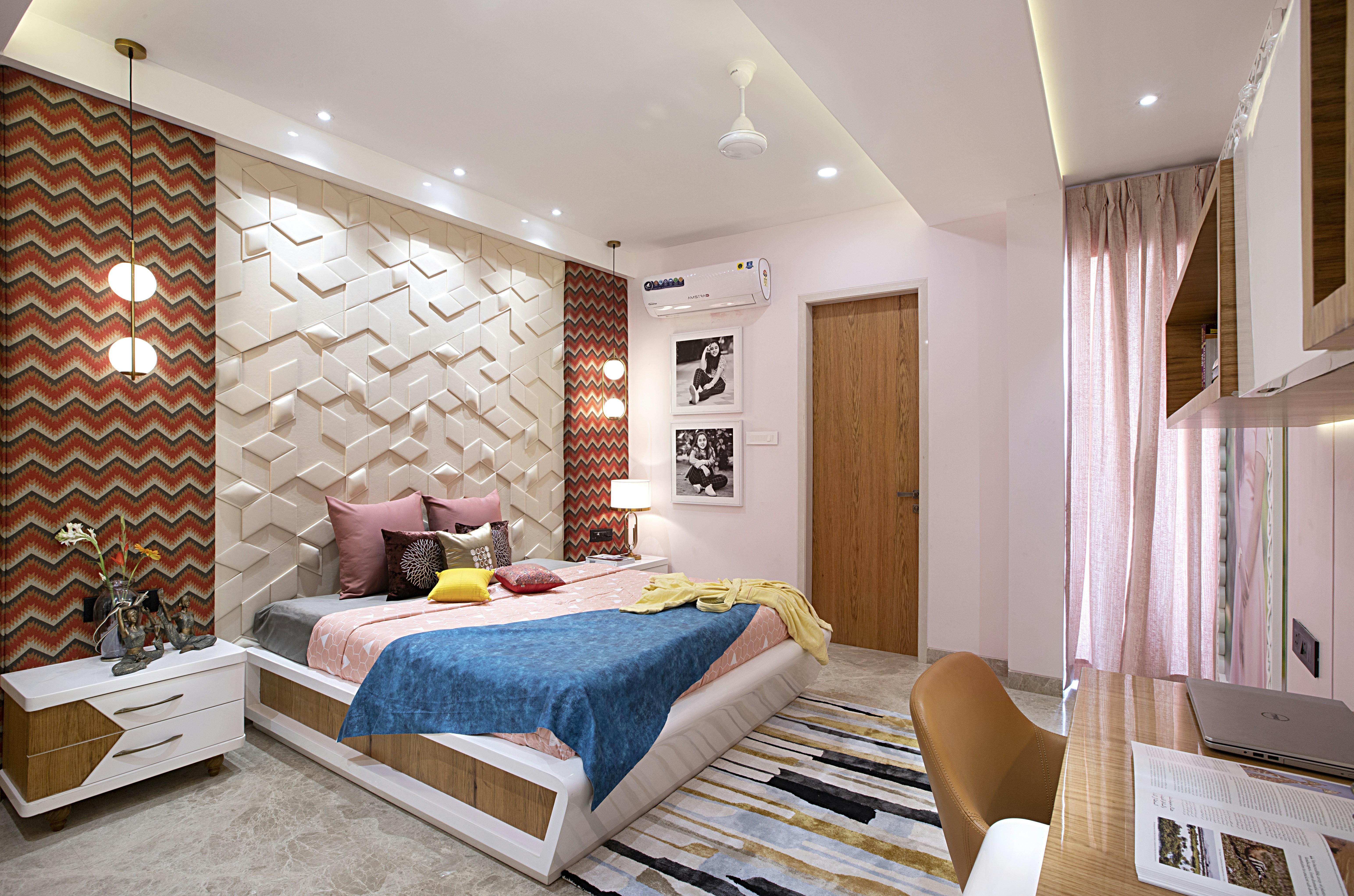
Bright neutral paint (off-white, soft beige, pastel) opens up rooms. Mirrors placed opposite windows or behind furniture reflect light and create spacious illusions. Opt for glossy or semi-gloss finishes to bounce light. These tricks are essential to great small 2β€―BHK flat interior design.


2. Use Multi‑Functional Furniture

Choose furniture with double-usage to save space and enhance function:

  • Sofa-cum-bed or sleeper couches
  • Storage ottomans and coffee tables
  • Wall-fold desks or drop-leaf dining tables
  • Beds with lifting storage or under-bed drawers

This approach helps maximize space while retaining elegance.


3. Modular Kitchen That Fits Small 2β€―BHK Layout

Design the kitchen with a compact modular scheme:

  • U‑shaped or L‑shaped layout
  • Pull-out drawers and rotating corner units
  • Drawer-based storage is more efficient than cabinets
  • Built-in appliances save counter space

Modular kitchen design in Delhi NCR can integrate seamlessly, even in compact spaces.


4. Vertical Storage Solutions

Go vertical to utilize wall space and reduce clutter:

  • Floating shelves in living and bedrooms
  • Tall cabinets above doors or in corners
  • Hooks for hanging items like accessories or kitchen tools

Partner with local Steel Iron Fabrication in Delhi NCR experts to install sturdy, custom racks and partitions.


5. Smart Zoning with Partitions

Create defined zones using:

  • Sliding glass partitions or frosted glass
  • Open shelving as room dividers
  • Floor rugs to mark seating or cooking areas

This lets you maintain airflow and an open feel while distinguishing functions.


6. Lighting That Enhances Space

Plan lighting thoughtfully:

  • Ambient lighting with recessed LEDs
  • Task lighting in study or kitchen zones
  • Accent lighting highlighting feature walls or artwork
  • Pendant lights over dining area to define space

Good lighting enhances the perception of space and adds layers to design.


7. Personalized and Cohesive Aesthetic

Ensure flow across all rooms:

  • Stick to a consistent color palette
  • Use soft dΓ©cor accents like cushions, throws, and wallpapers
  • Introduce plants (small indoor varieties) to soften spaces
  • Opt for sleek metals and minimalist dΓ©cor elements

Combined with interior design expert in Delhi NCR guidance, you can achieve a cohesive style tailored to a small 2β€―BHK.


Real-Life Example: 2β€―BHK in Noida Sector 76

A young couple turned their 950β€―sq.ft. 2β€―BHK into an airy, modern home:

  • Used wall-mounted TV and storage units
  • Chose a foldable dining setup against a feature wall
  • Built a compact modular kitchen with open shelves
  • Added glass partitions between living and study nook
  • Painted in soft pastels with pops of navy blue

Outcome: A bright, clutter-free home that feels larger than it is.


Cost Considerations for Small 2β€―BHK Interior Design

Here’s typical pricingβ€”budgeted for Delhi NCR:

ServiceEstimated Cost (β‚Ή)
Modular Kitchen80,000 – 2 lakh
Furniture (multi-purpose)50,000 – 1.2 lakh
Painting & lighting30,000 – 60,000
Wardrobes & storage60,000 – 1.5 lakh
Complete makeover (2β€―BHK)3 – 5 lakh

You can tailor packages based on flooring, materials, and vendor partnerships in Gurgaon or Noida.


Internal & External Resources

  • Internal link ideas:
    • β€œView our modular kitchen solutions”
    • β€œCheck our compact home dΓ©cor gallery”
  • Must-include external trusted links:
    • [Interior Design in Delhi NCR]
    • [Steel Iron Fabrication in Delhi NCR]
    • [Modular Kitchen Design]
    • [Interior Design Expert in Delhi NCR]
    • [Interior A to Z in Delhi NCR]
    • [Interior Design – Wikipedia]
    • [Interior Design Solutions in Delhi NCR]

These boost authority and improve SEO value.


Final Thoughts

Effective small 2β€―BHK flat interior design is about maximizing space without clutter. Through light, smart furniture, modular kitchen planning, vertical storage, and subtle zoning, you can create a beautiful, functional homeβ€”even in tight areas of Gurgaon, Noida, or Delhi NCR.


Call to Action:
Ready to redesign your small 2β€―BHK for comfort and style? Leave a comment below, share your ideas, or explore our in-depth guides and service pages to get started on your transformation journey.

Small 2β€―BHK Flat Interior Design: 7 Smart Strategies to Maximize Every Inch Read More Β»

Understanding Concepts in Interior Design

Understanding Concepts in Interior Design

What is a Concept in Interior Design?

In the world of interior design, a concept serves as the foundational idea that shapes the entire vision of a space. This can refer to the overall aesthetic, the color palette, or even the functionality of the room. Understanding the concept behind a design project is crucial for creating a cohesive look that aligns with the client’s needs and preferences.

The Importance of Conceptualization

Conceptualization is not just about choosing colors and furniture; it encompasses the entire process of how a space will be utilized and experienced. A well-defined concept helps designers communicate ideas effectively to clients and other stakeholders. Moreover, it acts as a roadmap to ensure every element in the space works harmoniously together. A clear concept can also lead to easier decision-making when selecting decor, furniture, and finishes.

Elements That Make Up a Strong Concept

A strong concept in interior design typically includes several key elements: style, function, color, and brand identity (for commercial spaces). Each of these components plays a role in how the space will ultimately feel and operate. For instance, a minimalist design concept may prioritize open spaces and neutral colors to create a sense of tranquility, while an eclectic concept might embrace a variety of textures and bold colors to evoke personality and comfort.

Understanding Concepts in Interior Design Read More Β»

Understanding the 7 Principles of Interior Design

Introduction to Interior Design Principles

Interior design is not just about aesthetics; it involves a careful consideration of various principles that lead to functional and visually pleasing spaces. Understanding the seven principles of interior design can help you create a harmonious environment, whether you are designing your home or a commercial space.

The 7 Essential Principles

1. Balance: This principle involves distributing visual weight in your space. There are three types of balance: symmetrical, asymmetrical, and radial. Each type contributes differently to the overall feel of the room.

2. Harmony: Harmony refers to the blend of different elements in a cohesive way. This principle ensures that all aspects of the room work together to create a unified design.

3. Rhythm: Rhythm creates movement within a space. This can be achieved through repetition of colors, shapes, or patterns, guiding the viewer’s eye throughout the room.

4. Emphasis: Every room should have a focal point, such as a piece of furniture or artwork. Emphasis draws attention to this feature, making it a central element of your design.

5. Scale and Proportion: The size of furniture and decor items must relate to the space they inhabit. Proper scale and proportion ensure that the room feels balanced and comfortable.

6. Details: Details often make the difference in interior design. Textures, patterns, and colors should complement each other and contribute to the overall theme.

7. Space: Understanding how to utilize space effectively can transform any room. Consider negative and positive spaces to enhance functionality without overcrowding.

Conclusion

Applying the seven principles of interior design can elevate the functionality and look of any space. By focusing on balance, harmony, and rhythm, along with other critical factors, you can design interiors that are not only beautiful but also livable.

Understanding the 7 Principles of Interior Design Read More Β»

A Guide to Explaining Interior Design Concepts

A Guide to Explaining Interior Design Concepts

Understanding the Basics of Interior Design

When it comes to explaining interior design, one must start with the fundamentals. Interior design is not just about aesthetics; it combines creativity with functionality to enhance the livability of spaces. This art form involves the arrangement of furniture, colors, and textures to create a harmonious environment.

Key Elements to Discuss

In explaining interior design to others, it’s beneficial to break down key elements. Discuss colors and their psychological effects, the importance of lighting, and how various materials contribute to a space’s overall feel. Remember, each element plays a crucial role in creating a cohesive design that resonates with the intended purpose of the room.

Practical Examples and Visual Aids

To make your explanation more relatable, consider using practical examples. Show before-and-after photos of interior spaces to illustrate the impact of good design. Visual aids can significantly enhance comprehension, making the concepts of interior design more accessible. Use mood boards or sketches to showcase various themes and color schemes, offering a more hands-on approach to understanding interior design.

A Guide to Explaining Interior Design Concepts Read More Β»

Understanding the Terms: Interior and Exterior Explained

Understanding the Terms: Interior and Exterior Explained

Defining Interior and Exterior

When we discuss the concepts of interior and exterior, we are essentially referring to two distinct aspects of a space. The term interior pertains to everything that is within a structure or an area. This encompasses the layout, design, and elements found inside a building, such as furniture, color schemes, and decor. It plays a crucial role in how we experience a space, as it directly impacts comfort and aesthetics.

The Importance of Interiors

Interiors are vital not just for aesthetic appeal but also for functionality. A well-designed interior should reflect the purpose of the space while catering to the needs of its inhabitants. For example, in residential settings, the interior design may prioritize comfort and cohesiveness. In contrast, in office environments, the focus may be more on productivity and efficiency. Thus, the significance of the interior cannot be overstated, as it influences both form and function.

Understanding Exteriors

On the flip side, exterior refers to the outside part of a building or space. This includes the architectural style, landscaping, and exterior finishes, which contribute to the first impression of a property. Curb appeal stems from the effective design of the exterior, and it can greatly affect property value. Landscaping, wall materials, and outdoor lighting are just a few elements that help define the exterior landscape, making it inviting and visually appealing.

In summary, interior and exterior dimensions work in tandem to create a harmonious and functional living or working environment. Understanding both aspects is essential for architects, designers, and homeowners alike.

Understanding the Terms: Interior and Exterior Explained Read More Β»

Understanding the Concept of Interiors: A Comprehensive Guide

Understanding the Concept of Interiors: A Comprehensive Guide

Defining Interiors

The concept of interiors refers to the design and arrangement of spaces within buildings. This includes not only the aesthetics but also the functionality of the environment we inhabit. Interiors encompass various elements, such as color schemes, furniture placement, lighting, and decor styles, all of which contribute to the overall ambiance and usability of a space.

The Importance of Interior Design

Interior design is crucial for creating functional and appealing spaces. It plays a significant role in enhancing the quality of life and the culture of the occupants. Thoughtfully designed interiors can evoke emotions, offer comfort, and improve productivity. Moreover, they reflect the personality and preferences of those who occupy them, making each space uniquely suited to its inhabitants.

Elements of Effective Interior Design

When it comes to interiors, several key elements contribute to effective design. These include:

  • Color: The choice of colors greatly influences mood and perception of space.
  • Space: Efficiently using space allows for better traffic flow and functionality.
  • Light: Lighting enhances comfort and can highlight key features of the design.
  • Materials: The selection of materials impacts durability and aesthetics.
  • Furniture: The arrangement and style of furniture affect both functionality and comfort.

In summary, understanding the concept of interiors is essential for creating spaces that are not only beautiful but also practical. By integrating various design elements effectively, interior designers can craft environments that positively influence our experiences and interactions.

Understanding the Concept of Interiors: A Comprehensive Guide Read More Β»

Understanding the Salary of a Graphic Designer in India

Introduction to Graphic Design Salaries

Graphic design is a dynamic field that offers a myriad of opportunities for creatives in India. As businesses increasingly recognize the importance of visually appealing content, understanding the salary landscape for graphic designers becomes crucial for both aspiring professionals and industry veterans.

Average Salary Insights

The salary of a graphic designer in India varies significantly based on experience, skills, and location. On average, entry-level graphic designers can expect to earn around β‚Ή3,00,000 to β‚Ή4,00,000 per annum. With 3-5 years of experience, this figure can rise to β‚Ή5,00,000 to β‚Ή8,00,000, whereas seasoned designers with over 10 years can receive salaries upwards of β‚Ή10,00,000 annually.

Factors Influencing Graphic Design Salaries

Several factors influence what graphic designers earn in India. Geographical location plays a significant role; cities like Bangalore, Mumbai, and Delhi tend to offer higher compensation due to the high demand for design services. Moreover, proficiency in specialized design software and a robust portfolio can also enhance earning potential. Freelancers may have fluctuating incomes depending on client availability and project scope, but high-quality work can lead to lucrative contracts.

Understanding the Salary of a Graphic Designer in India Read More Β»

Can You Be a Designer Without a Degree?

Can You Be a Designer Without a Degree?

The Evolving World of Design

In recent years, the design industry has transformed significantly. With advances in technology and changes in consumer expectations, the traditional pathways to becoming a designer are no longer set in stone. This evolution raises an important question: can you be a designer without a degree?

Skills Over Formal Education

While a degree in design can provide a solid foundation, many successful designers have forged their own paths. The emphasis has shifted toward skills and portfolios rather than educational credentials. Today, having a strong portfolio showcasing your work can often outweigh having a formal degree. Online resources and self-teaching platforms have made it easier for aspiring designers to acquire the necessary skills.

The Importance of Experience

Gaining experience is crucial in the design field. Many employers prioritize practical experience over educational qualifications. Internships, freelance work, and personal projects can serve as excellent ways to gain experience and build a robust portfolio. Networking within the design community also opens up opportunities that traditional education may not provide.

In conclusion, while having a degree can be beneficial, it is certainly not the only path to becoming a designer. Skills, experience, and a strong portfolio can lead to fulfilling careers in the field. The design world welcomes diverse backgrounds and encourages creative thinkers to pursue their passion regardless of their educational history.

Can You Be a Designer Without a Degree? Read More Β»

Is Interior Design a Successful Career? Exploring the Pros and Cons

Is Interior Design a Successful Career? Exploring the Pros and Cons

Understanding the Interior Design Profession

Interior design is a multifaceted profession that leverages creativity and technical knowledge to enhance the functionality and aesthetics of indoor spaces. As society continues to place value on well-designed environments, the demand for skilled interior designers is on the rise. But is interior design a truly successful career?

The Benefits of Pursuing Interior Design

One of the key advantages of a career in interior design is the opportunity for creative expression. Designers often work closely with clients to transform ideas into tangible designs that reflect personal style and needs. Additionally, the interior design industry can be lucrative, with many designers earning a substantial income, especially as they build their reputation and portfolio.

Challenges Faced by Interior Designers

However, it is essential to recognize that the field of interior design is not without its challenges. The competition can be fierce, particularly in urban areas, and designers must stay updated on current trends, materials, and technologies. Securing clients and building a strong network is crucial for success, and this can take time and persistence. Therefore, while there are many positives to pursuing a career in interior design, it requires dedication and hard work.

In conclusion, interior design can be a successful career for those with a passion for creativity, detail, and project management. Individuals who thrive in this field often find immense satisfaction in bringing beautiful spaces to life, which can be both rewarding and profitable.

Is Interior Design a Successful Career? Exploring the Pros and Cons Read More Β»

Understanding Soft Interior Design: Embracing Comfort and Elegance

Understanding Soft Interior Design: Embracing Comfort and Elegance

What is Soft Interior Design?

Soft interior design is a style characterized by a focus on comfort and warmth. This design approach combines gentle colors, plush furnishings, and layers of texture to create a serene atmosphere. Unlike more rigid and minimalistic styles, soft interior design fosters an inviting environment where individuals feel at ease. This style has gained popularity as it emphasizes functionality without compromising on aesthetics.

Key Elements of Soft Interior Design

To effectively implement soft interior design in your space, consider incorporating specific elements. Start with a palette of muted tones such as soft whites, pastels, and earthy hues. These colors contribute to a tranquil ambiance. Additionally, choose furniture that features rounded edges and inviting textures such as linen, velvet, or wool. Throw pillows and warm rugs can enhance the comfort level, inviting relaxation.

Integrating Soft Interior Design in Your Home

Integrating soft interior design principles into your home can be an enjoyable process. Begin by decluttering your space to promote an airy feel. Next, layer textures through various materials like natural wood, soft textiles, and plush upholstery. Accessories like soft lighting fixtures or wall art with calming visuals can also enhance this design style. Ultimately, soft interior design is about creating a harmonious balance that makes your home truly yours.

Understanding Soft Interior Design: Embracing Comfort and Elegance Read More Β»

Envisioning Tomorrow: The Future of Interior Design

Envisioning Tomorrow: The Future of Interior Design

Emerging Trends in Interior Design

The future of interior design is shaped by several exciting trends that are redefining how spaces are conceptualized and utilized. A key focus is sustainability; designers are increasingly looking to incorporate eco-friendly materials and practices. This not only benefits the environment but also resonates with the growing consumer demand for environmentally conscious living.

Technology’s Impact on Design

Technology plays a pivotal role in shaping the future of interior design. With the rise of smart homes, designers are integrating automation systems that enhance convenience and efficiency. Devices that monitor energy use, lighting controls, and smart appliances are becoming staples in modern homes, providing both functionality and a sleek aesthetic.

Reflecting Personal Lifestyles

Another significant aspect of future interior design is the emphasis on personalization. Homeowners are increasingly looking for designs that reflect their unique tastes and lifestyles. This trend towards customization allows for spaces that not only serve practical purposes but are also visually appealing and emotionally resonant. Designers are focusing on creating versatile spaces that adapt to the ever-changing needs of their inhabitants.

In conclusion, the future of interior design holds exciting possibilities. Through the fusion of sustainability, technology, and personalization, the discipline is evolving into one that is as practical as it is inspiring. As we look ahead, it is clear that the spaces we inhabit will continue to transform to meet our evolving needs and preferences.

Envisioning Tomorrow: The Future of Interior Design Read More Β»

Understanding the Role of an Interior Architect

Understanding the Role of an Interior Architect

[vc_row][vc_column][vc_column_text]

Understanding the Role of an Interior Architect

What is an Interior Architect?

An interior architect is a professional who specializes in designing functional and aesthetically pleasing indoor environments. Unlike traditional architects, interior architects focus on the interior space and its relationship with the overall architecture of a building. They are trained to consider how the architecture interacts with every detail of the interior, ensuring that designs are not only beautiful but also adhere to building codes and regulations.

The Core Responsibilities of an Interior Architect

Interior architects carry out a range of tasks that blend creativity with technical expertise. Their responsibilities include planning layouts, selecting materials, and coordinating with other professionals such as structural engineers and contractors. An essential part of their role is to create spaces that meet the needs and lifestyle of the occupants. This can involve anything from designing a cozy home atmosphere to integrating corporate branding into office spaces.

The Importance of Interior Architecture

The significance of interior architecture goes beyond aesthetics. It plays a crucial role in enhancing the quality of life within a space. Effective interior design can improve functionality, increase productivity in workplaces, and create soothing environments in homes. Furthermore, interior architects are increasingly focused on sustainability, incorporating eco-friendly materials and practices to design spaces that are both smart and sustainable.[/vc_column_text][vc_raw_html]JTNDJTIxLS0lMjBXZWJQYWdlJTIwLS0lM0UlMEElM0NzY3JpcHQlMjB0eXBlJTNEJTIyYXBwbGljYXRpb24lMkZsZCUyQmpzb24lMjIlM0UlMEElN0IlMEElMjAlMjAlMjIlNDBjb250ZXh0JTIyJTNBJTIwJTIyaHR0cHMlM0ElMkYlMkZzY2hlbWEub3JnJTIyJTJDJTBBJTIwJTIwJTIyJTQwdHlwZSUyMiUzQSUyMCUyMldlYlBhZ2UlMjIlMkMlMEElMjAlMjAlMjIlNDBpZCUyMiUzQSUyMCUyMmh0dHBzJTNBJTJGJTJGaW50ZXJpb3JhdG96LmNvbSUyRnVuZGVyc3RhbmRpbmctdGhlLXJvbGUtb2YtYW4taW50ZXJpb3ItYXJjaGl0ZWN0JTJGJTIzd2VicGFnZSUyMiUyQyUwQSUyMCUyMCUyMnVybCUyMiUzQSUyMCUyMmh0dHBzJTNBJTJGJTJGaW50ZXJpb3JhdG96LmNvbSUyRnVuZGVyc3RhbmRpbmctdGhlLXJvbGUtb2YtYW4taW50ZXJpb3ItYXJjaGl0ZWN0JTJGJTIyJTJDJTBBJTIwJTIwJTIybmFtZSUyMiUzQSUyMCUyMlVuZGVyc3RhbmRpbmclMjB0aGUlMjBSb2xlJTIwb2YlMjBhbiUyMEludGVyaW9yJTIwQXJjaGl0ZWN0JTIyJTJDJTBBJTIwJTIwJTIyZGVzY3JpcHRpb24lMjIlM0ElMjAlMjJBJTIwY2xlYXIlMkMlMjBleHBlcnQlMjBndWlkZSUyMGV4cGxhaW5pbmclMjB3aGF0JTIwYW4lMjBpbnRlcmlvciUyMGFyY2hpdGVjdCUyMGRvZXMlMkMlMjBob3clMjB0aGV5JTIwZGlmZmVyJTIwZnJvbSUyMGludGVyaW9yJTIwZGVzaWduZXJzJTJDJTIwYW5kJTIwd2hlbiUyMHRvJTIwaGlyZSUyMG9uZSUyMGluJTIwR3VyZ2FvbiUyQyUyME5vaWRhJTJDJTIwYW5kJTIwRGVsaGklMjBOQ1IuJTIyJTJDJTBBJTIwJTIwJTIyaW5MYW5ndWFnZSUyMiUzQSUyMCUyMmVuJTIyJTJDJTBBJTIwJTIwJTIyaXNQYXJ0T2YlMjIlM0ElMjAlN0IlMEElMjAlMjAlMjAlMjAlMjIlNDB0eXBlJTIyJTNBJTIwJTIyV2ViU2l0ZSUyMiUyQyUwQSUyMCUyMCUyMCUyMCUyMiU0MGlkJTIyJTNBJTIwJTIyaHR0cHMlM0ElMkYlMkZpbnRlcmlvcmF0b3ouY29tJTJGJTIzd2Vic2l0ZSUyMiUyQyUwQSUyMCUyMCUyMCUyMCUyMm5hbWUlMjIlM0ElMjAlMjJJbnRlcmlvciUyMEElMjB0byUyMFolMjIlMkMlMEElMjAlMjAlMjAlMjAlMjJ1cmwlMjIlM0ElMjAlMjJodHRwcyUzQSUyRiUyRmludGVyaW9yYXRvei5jb20lMkYlMjIlMEElMjAlMjAlN0QlMkMlMEElMjAlMjAlMjJwcmltYXJ5SW1hZ2VPZlBhZ2UlMjIlM0ElMjAlN0IlMEElMjAlMjAlMjAlMjAlMjIlNDB0eXBlJTIyJTNBJTIwJTIySW1hZ2VPYmplY3QlMjIlMkMlMEElMjAlMjAlMjAlMjAlMjIlNDBpZCUyMiUzQSUyMCUyMmh0dHBzJTNBJTJGJTJGaW50ZXJpb3JhdG96LmNvbSUyRnVuZGVyc3RhbmRpbmctdGhlLXJvbGUtb2YtYW4taW50ZXJpb3ItYXJjaGl0ZWN0JTJGJTIzcHJpbWFyeWltYWdlJTIyJTBBJTIwJTIwJTdEJTBBJTdEJTBBJTNDJTJGc2NyaXB0JTNFJTBBJTBBJTNDJTIxLS0lMjBCbG9nUG9zdGluZyUyMCUyRiUyMEFydGljbGUlMjAtLSUzRSUwQSUzQ3NjcmlwdCUyMHR5cGUlM0QlMjJhcHBsaWNhdGlvbiUyRmxkJTJCanNvbiUyMiUzRSUwQSU3QiUwQSUyMCUyMCUyMiU0MGNvbnRleHQlMjIlM0ElMjAlMjJodHRwcyUzQSUyRiUyRnNjaGVtYS5vcmclMjIlMkMlMEElMjAlMjAlMjIlNDB0eXBlJTIyJTNBJTIwJTIyQmxvZ1Bvc3RpbmclMjIlMkMlMEElMjAlMjAlMjIlNDBpZCUyMiUzQSUyMCUyMmh0dHBzJTNBJTJGJTJGaW50ZXJpb3JhdG96LmNvbSUyRnVuZGVyc3RhbmRpbmctdGhlLXJvbGUtb2YtYW4taW50ZXJpb3ItYXJjaGl0ZWN0JTJGJTIzYXJ0aWNsZSUyMiUyQyUwQSUyMCUyMCUyMm1haW5FbnRpdHlPZlBhZ2UlMjIlM0ElMjAlN0IlMEElMjAlMjAlMjAlMjAlMjIlNDB0eXBlJTIyJTNBJTIwJTIyV2ViUGFnZSUyMiUyQyUwQSUyMCUyMCUyMCUyMCUyMiU0MGlkJTIyJTNBJTIwJTIyaHR0cHMlM0ElMkYlMkZpbnRlcmlvcmF0b3ouY29tJTJGdW5kZXJzdGFuZGluZy10aGUtcm9sZS1vZi1hbi1pbnRlcmlvci1hcmNoaXRlY3QlMkYlMjIlMEElMjAlMjAlN0QlMkMlMEElMjAlMjAlMjJoZWFkbGluZSUyMiUzQSUyMCUyMlVuZGVyc3RhbmRpbmclMjB0aGUlMjBSb2xlJTIwb2YlMjBhbiUyMEludGVyaW9yJTIwQXJjaGl0ZWN0JTIyJTJDJTBBJTIwJTIwJTIyYWx0ZXJuYXRpdmVIZWFkbGluZSUyMiUzQSUyMCUyMkludGVyaW9yJTIwQXJjaGl0ZWN0JTIwdnMlMjBJbnRlcmlvciUyMERlc2lnbmVyJTNBJTIwV2hhdCUyMEhvbWVvd25lcnMlMjBpbiUyMEd1cmdhb24lMkMlMjBOb2lkYSUyMCUyNiUyMERlbGhpJTIwTkNSJTIwU2hvdWxkJTIwS25vdyUyMiUyQyUwQSUyMCUyMCUyMmRlc2NyaXB0aW9uJTIyJTNBJTIwJTIyTGVhcm4lMjBob3clMjBpbnRlcmlvciUyMGFyY2hpdGVjdHMlMjBwbGFuJTIwc3BhY2UlMkMlMjBjb29yZGluYXRlJTIwc2VydmljZXMlMkMlMjBlbnN1cmUlMjBidWlsZGluZyUyMGNvZGUlMjBjb21wbGlhbmNlJTJDJTIwYW5kJTIwY29sbGFib3JhdGUlMjB3aXRoJTIwaW50ZXJpb3IlMjBkZXNpZ25lcnMlMjB0byUyMGRlbGl2ZXIlMjBmdW5jdGlvbmFsJTJDJTIwYmVhdXRpZnVsJTIwaG9tZXMlMjBhbmQlMjBvZmZpY2VzJTIwYWNyb3NzJTIwR3VyZ2FvbiUyQyUyME5vaWRhJTJDJTIwYW5kJTIwRGVsaGklMjBOQ1IuJTIyJTJDJTBBJTIwJTIwJTIyYXJ0aWNsZVNlY3Rpb24lMjIlM0ElMjAlNUIlMEElMjAlMjAlMjAlMjAlMjJXaGF0JTIwZG9lcyUyMGFuJTIwaW50ZXJpb3IlMjBhcmNoaXRlY3QlMjBkbyUzRiUyMiUyQyUwQSUyMCUyMCUyMCUyMCUyMkludGVyaW9yJTIwYXJjaGl0ZWN0JTIwdnMlMjBpbnRlcmlvciUyMGRlc2lnbmVyJTIyJTJDJTBBJTIwJTIwJTIwJTIwJTIyV2hlbiUyMHRvJTIwaGlyZSUyMGFuJTIwaW50ZXJpb3IlMjBhcmNoaXRlY3QlMjIlMkMlMEElMjAlMjAlMjAlMjAlMjJQcm9jZXNzJTJDJTIwdGltZWxpbmVzJTJDJTIwYW5kJTIwZGVsaXZlcmFibGVzJTIyJTJDJTBBJTIwJTIwJTIwJTIwJTIyQ29zdHMlMjBhbmQlMjBidWRnZXRpbmclMjIlMEElMjAlMjAlNUQlMkMlMEElMjAlMjAlMjJrZXl3b3JkcyUyMiUzQSUyMCU1QiUwQSUyMCUyMCUyMCUyMCUyMmludGVyaW9yJTIwYXJjaGl0ZWN0JTIyJTJDJTBBJTIwJTIwJTIwJTIwJTIyaW50ZXJpb3IlMjBkZXNpZ25lcnMlMjBuZWFyJTIwbWUlMjIlMkMlMEElMjAlMjAlMjAlMjAlMjJHdXJnYW9uJTIyJTJDJTBBJTIwJTIwJTIwJTIwJTIyTm9pZGElMjIlMkMlMEElMjAlMjAlMjAlMjAlMjJEZWxoaSUyME5DUiUyMiUyQyUwQSUyMCUyMCUyMCUyMCUyMnNwYWNlJTIwcGxhbm5pbmclMjIlMkMlMEElMjAlMjAlMjAlMjAlMjJidWlsZGluZyUyMGNvZGVzJTIyJTJDJTBBJTIwJTIwJTIwJTIwJTIybW9kdWxhciUyMGtpdGNoZW4lMjBkZXNpZ24lMjIlMEElMjAlMjAlNUQlMkMlMEElMjAlMjAlMjJhdXRob3IlMjIlM0ElMjAlN0IlMEElMjAlMjAlMjAlMjAlMjIlNDB0eXBlJTIyJTNBJTIwJTIyT3JnYW5pemF0aW9uJTIyJTJDJTBBJTIwJTIwJTIwJTIwJTIybmFtZSUyMiUzQSUyMCUyMkludGVyaW9yJTIwQSUyMHRvJTIwWiUyMiUwQSUyMCUyMCU3RCUyQyUwQSUyMCUyMCUyMnB1Ymxpc2hlciUyMiUzQSUyMCU3QiUwQSUyMCUyMCUyMCUyMCUyMiU0MHR5cGUlMjIlM0ElMjAlMjJPcmdhbml6YXRpb24lMjIlMkMlMEElMjAlMjAlMjAlMjAlMjIlNDBpZCUyMiUzQSUyMCUyMmh0dHBzJTNBJTJGJTJGaW50ZXJpb3JhdG96LmNvbSUyRiUyM29yZ2FuaXphdGlvbiUyMiUyQyUwQSUyMCUyMCUyMCUyMCUyMm5hbWUlMjIlM0ElMjAlMjJJbnRlcmlvciUyMEElMjB0byUyMFolMjIlMEElMjAlMjAlN0QlMkMlMEElMjAlMjAlMjJpbkxhbmd1YWdlJTIyJTNBJTIwJTIyZW4lMjIlMkMlMEElMjAlMjAlMjJhYm91dCUyMiUzQSUyMCU1QiUwQSUyMCUyMCUyMCUyMCU3QiUwQSUyMCUyMCUyMCUyMCUyMCUyMCUyMiU0MHR5cGUlMjIlM0ElMjAlMjJUaGluZyUyMiUyQyUwQSUyMCUyMCUyMCUyMCUyMCUyMCUyMm5hbWUlMjIlM0ElMjAlMjJJbnRlcmlvciUyMGFyY2hpdGVjdHVyZSUyMiUwQSUyMCUyMCUyMCUyMCU3RCUyQyUwQSUyMCUyMCUyMCUyMCU3QiUwQSUyMCUyMCUyMCUyMCUyMCUyMCUyMiU0MHR5cGUlMjIlM0ElMjAlMjJQbGFjZSUyMiUyQyUwQSUyMCUyMCUyMCUyMCUyMCUyMCUyMm5hbWUlMjIlM0ElMjAlMjJEZWxoaSUyME5DUiUyMiUwQSUyMCUyMCUyMCUyMCU3RCUwQSUyMCUyMCU1RCUwQSU3RCUwQSUzQyUyRnNjcmlwdCUzRSUwQSUwQSUzQyUyMS0tJTIwQnJlYWRjcnVtYnMlMjAtLSUzRSUwQSUzQ3NjcmlwdCUyMHR5cGUlM0QlMjJhcHBsaWNhdGlvbiUyRmxkJTJCanNvbiUyMiUzRSUwQSU3QiUwQSUyMCUyMCUyMiU0MGNvbnRleHQlMjIlM0ElMjAlMjJodHRwcyUzQSUyRiUyRnNjaGVtYS5vcmclMjIlMkMlMEElMjAlMjAlMjIlNDB0eXBlJTIyJTNBJTIwJTIyQnJlYWRjcnVtYkxpc3QlMjIlMkMlMEElMjAlMjAlMjIlNDBpZCUyMiUzQSUyMCUyMmh0dHBzJTNBJTJGJTJGaW50ZXJpb3JhdG96LmNvbSUyRnVuZGVyc3RhbmRpbmctdGhlLXJvbGUtb2YtYW4taW50ZXJpb3ItYXJjaGl0ZWN0JTJGJTIzYnJlYWRjcnVtYnMlMjIlMkMlMEElMjAlMjAlMjJpdGVtTGlzdEVsZW1lbnQlMjIlM0ElMjAlNUIlMEElMjAlMjAlMjAlMjAlN0IlMEElMjAlMjAlMjAlMjAlMjAlMjAlMjIlNDB0eXBlJTIyJTNBJTIwJTIyTGlzdEl0ZW0lMjIlMkMlMEElMjAlMjAlMjAlMjAlMjAlMjAlMjJwb3NpdGlvbiUyMiUzQSUyMDElMkMlMEElMjAlMjAlMjAlMjAlMjAlMjAlMjJuYW1lJTIyJTNBJTIwJTIySG9tZSUyMiUyQyUwQSUyMCUyMCUyMCUyMCUyMCUyMCUyMml0ZW0lMjIlM0ElMjAlMjJodHRwcyUzQSUyRiUyRmludGVyaW9yYXRvei5jb20lMkYlMjIlMEElMjAlMjAlMjAlMjAlN0QlMkMlMEElMjAlMjAlMjAlMjAlN0IlMEElMjAlMjAlMjAlMjAlMjAlMjAlMjIlNDB0eXBlJTIyJTNBJTIwJTIyTGlzdEl0ZW0lMjIlMkMlMEElMjAlMjAlMjAlMjAlMjAlMjAlMjJwb3NpdGlvbiUyMiUzQSUyMDIlMkMlMEElMjAlMjAlMjAlMjAlMjAlMjAlMjJuYW1lJTIyJTNBJTIwJTIyQmxvZyUyMiUyQyUwQSUyMCUyMCUyMCUyMCUyMCUyMCUyMml0ZW0lMjIlM0ElMjAlMjJodHRwcyUzQSUyRiUyRmludGVyaW9yYXRvei5jb20lMkZibG9nJTJGJTIyJTBBJTIwJTIwJTIwJTIwJTdEJTJDJTBBJTIwJTIwJTIwJTIwJTdCJTBBJTIwJTIwJTIwJTIwJTIwJTIwJTIyJTQwdHlwZSUyMiUzQSUyMCUyMkxpc3RJdGVtJTIyJTJDJTBBJTIwJTIwJTIwJTIwJTIwJTIwJTIycG9zaXRpb24lMjIlM0ElMjAzJTJDJTBBJTIwJTIwJTIwJTIwJTIwJTIwJTIybmFtZSUyMiUzQSUyMCUyMlVuZGVyc3RhbmRpbmclMjB0aGUlMjBSb2xlJTIwb2YlMjBhbiUyMEludGVyaW9yJTIwQXJjaGl0ZWN0JTIyJTJDJTBBJTIwJTIwJTIwJTIwJTIwJTIwJTIyaXRlbSUyMiUzQSUyMCUyMmh0dHBzJTNBJTJGJTJGaW50ZXJpb3JhdG96LmNvbSUyRnVuZGVyc3RhbmRpbmctdGhlLXJvbGUtb2YtYW4taW50ZXJpb3ItYXJjaGl0ZWN0JTJGJTIyJTBBJTIwJTIwJTIwJTIwJTdEJTBBJTIwJTIwJTVEJTBBJTdEJTBBJTNDJTJGc2NyaXB0JTNFJTBB[/vc_raw_html][vc_column_text]

Understanding the Role of an Interior Architect in Delhi NCR

Inside this blog, we’ll explore what Interior Architect means, how it differs from interior designers, and why hiring one in Gurgaon, Noida, and Delhi NCR can transform your space into a functional work of art.


Why Understanding the Role of an Interior Architect Matters

When searching for interior architects near me, clarity on their role ensures you hire the right professional. They’re more than decoratorsβ€”they blend architecture, engineering, and interiors to create safe, efficient, and beautiful spaces.


1. Architects of Space & Safety

Interior architects are trained to consider structural integrity, building codes, and safety standards. They can:

  • Advise on load-bearing walls and spatial flow

  • Design compliant solutions for electrical, plumbing, and HVAC

  • Ensure adequate lighting, ventilation, and emergency access

In fast-growing regions like Delhi NCR, these skills safeguard aesthetics and safety.


2. Combining Function and Form Through Technical Expertise

Unlike decor-focused interior designers, interior architects dive into technicalities. They assess:

  • Spatial ergonomics and human movement

  • Acoustics and material performance

  • Sustainable and efficient layouts

  • Integration of modular kitchens or bespoke cabinetry

This technical edge makes them ideal for transforming homes and offices in Gurgaon and Noida into efficient, future-proof living spaces.


3. Collaborators in Design Execution

Interior architects often work hand-in-hand with interior designers and contractors. Their collaboration ensures:

  • Seamless conversion of design sketches into buildable plans

  • Accurate specification of materials, finishes, and fittings

  • Mitigation of construction issues or last-minute changes

This makes execution smoother and ensures design intent is maintained throughout.


4. When to Hire an Interior Architect in Delhi NCR

They’re your ideal partner when you:

  • Plan structural changes (e.g., removing walls or reworking layouts)

  • Require approvals from municipal authorities or local bodies in Noida and Gurgaon

  • Want efficient integration of MEP (mechanical, electrical, plumbing) elements

  • Need specialized solutions like luxury bathroom upgrades, bespoke kitchens, or adaptive renovations

If your project demands both creative flair and technical rigour, they’re indispensable.


5. Costs, Timelines & Value

Hiring an interior architect in Delhi NCR may involve higher fees than basic decoratingβ€”but you gain:

  • Precise resource allocation (no over-ordering or waste)

  • Less rework due to built-to-code planning

  • Better resale or rental value from functional, structurally sound designs

Timelines vary based on complexity:

  • Minor redesigns might take 4–8 weeks

  • Full-scale renovations can stretch 3–6 months, depending on approvals and build scope


Real-Life Example in Noida

Consider a compact 2-BHK in Noida:

  • The homeowner wanted an open-plan living area, a modular kitchen, and added storageβ€”but the walls were load-bearing.

  • An interior architect reconfigured zones, introduced beam-supported spans, and optimized electrical layouts.

  • The result: a modern, airy space that functioned beautifully and passed regulatory safety checks.


Why Delhi NCR Homeowners Should Choose an Interior Architect

  • Safety: Architect-led plans ensure compliance with local building codes.

  • Efficiency: Structural savvy prevents space misuse and costly errors.

  • Expert Problem-Solving: They know how to blend form with function smartly.

  • Collaboration: They coordinate effectively with designers and builders.

  • Value: Quality design elevates both user experience and property worth.


Getting Started: Hiring the Right Interior Architect

  • Review portfolios, especially technical plans and 3-D models.

  • Ask about local expertise in Delhi NCRβ€”experience with Noida municipal permits, Gurgaon building norms, etc.

  • Request a site visit to assess feasibility.

  • Get a clear proposal outlining scope, timelines, deliverables, and cost breakdown.

  • Clarify how they coordinate with interior designers, contractors, and vendors.


Conclusion

In summary, an Interior Architect is more than a stylistβ€”they’re the planner, engineer, and co-creator of functional, beautiful spaces. For homeowners in Gurgaon, Noida, and Delhi NCR, their role becomes even more vital, facilitating safe, code-compliant, and stylish interiors.

If you’re planning structural changes or a full renovation, consider hiring an interior architect to ensure your vision stands strongβ€”literally and aesthetically.

Ready to transform your space? Start with a consultation and explore expert solutions that perfectly balance design brilliance and technical expertise.

[/vc_column_text][/vc_column][/vc_row]

Understanding the Role of an Interior Architect Read More Β»

Understanding Simple Interior Design: A Guide to Minimalist Aesthetics

Understanding Simple Interior Design: A Guide to Minimalist Aesthetics

What is Simple Interior Design?

Simple interior design emphasizes minimalism, functionality, and clarity. It revolves around the idea that less is more, allowing for an aesthetically pleasing environment without overwhelming clutter. This design style focuses on creating spaces that are not only beautiful but also practical, embracing simplicity in forms, colors, and materials.

Characteristics of Simple Interior Design

At its core, simple interior design incorporates essential elements that contribute to its appeal. Neutral color palettes dominate the space, often featuring shades of white, gray, and beige, which can be easily paired with natural textures. Furniture is chosen for its functionality, with pieces that are simple yet elegant. Clean lines, open spaces, and a lack of excessive decorative items help achieve a tranquil atmosphere.

The Benefits of Embracing Simplicity

One significant advantage of simple interior design is its adaptability. It can suit various tastes while remaining timeless and contemporary. Additionally, such designs promote an organized environment, reducing stress and enhancing productivity. By focusing on simplicity, it allows individuals to create personalized spaces that reflect their style without unnecessary complexity. Moreover, this minimalist approach often leads to sustainable living, highlighting the importance of mindful consumption and prioritizing quality over quantity.

Understanding Simple Interior Design: A Guide to Minimalist Aesthetics Read More Β»

Understanding an Interior Bedroom: Design Essentials

Understanding an Interior Bedroom: Design Essentials

What is an Interior Bedroom?

An interior bedroom is a space typically designed for sleeping and relaxation, located within the confines of a home or apartment. Unlike bedrooms that open directly to the outdoors or feature large windows, interior bedrooms often lack direct natural light from outside. This can create a more intimate and cozy atmosphere, ideal for restful nights.

Key Features of Interior Bedrooms

Interior bedrooms should prioritize comfort and functionality. Key features often include adequate storage solutions, such as built-in wardrobes or under-bed storage, to maximize the use of space. Soft furnishings like cozy bedding, curtains, and rugs also contribute to the overall comfort. Additionally, careful selection of colors and lighting can enhance the spatial perception, making an interior bedroom feel inviting and spacious.

Designing an Interior Bedroom

When designing an interior bedroom, it is essential to consider elements like furniture arrangement, color schemes, and decor styles. Opting for lighter colors can help produce an illusion of openness, which is crucial in spaces lacking windows. Utilizing mirrors strategically can also reflect light and create a sense of depth. Moreover, incorporating personal decor elements, such as artwork and photographs, aids in making the space uniquely yours.

In conclusion, the essence of an interior bedroom lies in its ability to provide a sanctuary for relaxation and rest. By focusing on comfort and thoughtful design, you can transform an interior bedroom into a warm and welcoming retreat.

Understanding an Interior Bedroom: Design Essentials Read More Β»

What’s in Interior Design: A Comprehensive Overview

What's in Interior Design: A Comprehensive Overview

Understanding Interior Design

Interior design is a fascinating field that encompasses the art and science of enhancing the interiors of a space to achieve a healthier and more aesthetically pleasing environment. It involves a deep understanding of architecture, furnishings, color theory, and spatial arrangements. This multifaceted discipline is essential for those looking to create functional and inviting spaces in homes, offices, and commercial establishments.

The Role of an Interior Designer

Interior designers play a vital role in transforming spaces. They work closely with clients to assess their needs, preferences, and style. By integrating elements such as furniture, fabrics, lighting, and color palettes, designers create cohesive spaces that reflect the client’s personality while adhering to practical requirements. Moreover, interior designers stay updated with trends and regulations, ensuring their designs are not only trendy but also compliant and functional.

Key Elements of Interior Design

Several key elements contribute to effective interior design. These include:

  • Space: The foundation of any design, understanding how to use space efficiently is crucial.
  • Color: Colors can influence mood and perception within a space.
  • Lighting: Proper lighting enhances functionality and aesthetic appeal.
  • Texture: Layers of texture add depth and interest to a room.

By considering these elements, professionals create harmonious interiors that serve both functional and decorative purposes. Ultimately, interior design is not just about making spaces look beautiful; it’s about creating environments that enhance our lives.

What’s in Interior Design: A Comprehensive Overview Read More Β»

The Importance of Studying Interior Design

The Importance of Studying Interior Design

Understanding Interior Design

Interior design is more than just aesthetics; it is about creating functional and harmonious spaces. By studying this field, students learn how to manipulate space creatively while considering the practical needs of inhabitants. This combination of artistry and functionality makes interior design a captivating field of study.

Cultivating Creativity and Innovation

One of the primary reasons to study interior design is to cultivate creativity and innovation. This discipline encourages students to think outside the box while solving complex problems related to space and environment. By engaging with different design styles and collaborating on projects, aspiring designers develop a unique voice that can significantly influence their future careers.

Career Opportunities in Interior Design

The interior design industry offers a wide array of career opportunities. Graduates can work in residential, commercial, or hospitality design, or even focus on specialized fields such as sustainable design. In addition, interior designers often find roles in project management, where they oversee the transformation of spaces from concept to completion. Studying interior design equips students with the necessary skills to excel in these varied roles.

The Importance of Studying Interior Design Read More Β»

Understanding Home Interior: A Comprehensive Guide

Understanding Home Interior: A Comprehensive Guide

What is Home Interior?

Home interior refers to the design and decoration of the inside of residential spaces. It encompasses various elements, including furniture, color schemes, textures, and lighting, aimed at creating a cohesive and aesthetically pleasing environment. Home interior design plays a crucial role in how we experience our living spaces, influencing our moods and functionality.

Key Elements of Home Interior Design

When considering home interior, several key elements come into play. First, color selection is vital; it affects how we perceive space and can evoke different emotions. Next, furniture arrangement is also crucial, as it impacts the flow of the room and how space is utilized. Adding decorative elements, like artwork and accessories, injects personal style into the home interior, making it unique and hospitable.

Importance of Home Interior

The significance of a well-thought-out home interior cannot be overstated. A thoughtfully designed interior enhances comfort and functionality while reflecting the homeowner’s personality. A harmonious home interior can create a sense of peace and belonging, ultimately making the house feel like a true home. In conclusion, investing time and resources into your home’s interior can yield substantial benefits, enhancing both your lifestyle and property value.

Understanding Home Interior: A Comprehensive Guide Read More Β»

Understanding the Concept of an Interior Area

Understanding the Concept of an Interior Area

What is an Interior Area?

An interior area refers to the enclosed space within a physical structure, such as a building or room. This space is typically the part that is surrounded by walls, ceilings, and floors. Understanding what constitutes an interior area is crucial for architects, designers, and property owners alike, as it influences layout, functionality, and aesthetics.

Importance of Interior Areas in Design

Interior areas play a significant role in architectural design, impacting how spaces are utilized. Effective design maximizes these areas to create pleasant, functional environments. The arrangement of furniture, choice of materials, and color schemes can enhance the perception of space, making it feel more open or inviting. Recognizing the dimensions and characteristics of an interior area helps in planning both residential and commercial spaces efficiently.

Common Features of Interior Areas

Interior areas typically exhibit several common features such as windows, doors, lighting fixtures, and various architectural details. Each of these elements contributes to the overall functionality and aesthetic appeal of the space. Additionally, understanding the interior area’s flow and connectivity with other spaces is essential for ensuring a cohesive design. Features like open floor plans or defined zones can allow better use of an interior area, adapting it to the needs of its users.

Understanding the Concept of an Interior Area Read More Β»

Understanding the Purpose of Interior Design

Understanding the Purpose of Interior Design

What is Interior Design?

Interior design goes beyond mere aesthetics; it encompasses the art of enhancing the interior of a space to achieve a healthier and more aesthetically pleasing environment. Interior spaces, whether residential, commercial, or industrial, are designed to support functionality, comfort, and individual expression.

The Functional Aspects of Interior Design

The primary purpose of interior design is to create spaces that are not only visually appealing but also practical. Effective interior design considers factors such as space utilization, lighting, and furniture arrangement to create an efficient workflow. For instance, in an office layout, proximity to natural light and collaborative workspaces can significantly impact productivity.

Psychological Impact of Interior Spaces

Interior design also plays a crucial role in influencing the mood and behavior of individuals. The use of color, texture, and layout can evoke specific emotions and feelings. A well-designed interior can foster relaxation in a home or stimulate creativity in a workspace. Therefore, the purpose of interior design also extends to enhancing the overall well-being of its occupants.

In summary, understanding the purpose of interior design is essential for anyone looking to create functional, beautiful, and emotionally supportive spaces. Whether you are designing a single room or an entire building, the principles of interior design can be utilized to improve how spaces are experienced.

Understanding the Purpose of Interior Design Read More Β»

Understanding Interior Work: A Comprehensive Guide

Understanding Interior Work: A Comprehensive Guide

What is Interior Work?

Interior work refers to the processes and actions taken to enhance the interior spaces of a building. This includes a wide range of activities such as renovations, refurbishments, and complete transformations of spaces to improve their functionality, aesthetics, and comfort. Interior work is essential for both residential and commercial properties, ensuring that spaces are well-suited to their intended use while reflecting the inhabitants’ style and preferences.

The Importance of Interior Work

Investing in interior work can significantly increase the value of a property. Not only does it improve the look and feel of a space, but it can also lead to better energy efficiency and enhanced usability. Carefully planned interior work can optimize layouts, provide better lighting solutions, and create a more inviting atmosphere. Whether it’s a simple makeover or an extensive renovation, the right interior work can result in a highly satisfying outcome.

Common Types of Interior Work

There are various types of interior work that can be undertaken based on the needs and preferences of the inhabitants. Common projects include painting, flooring installation, cabinetry upgrades, and lighting modifications. Additionally, specialized tasks such as the installation of custom furniture or the integration of smart home technology also fall under the category of interior work. Collaborating with experienced professionals can ensure that these projects are executed effectively, resulting in beautiful and functional interiors.

Understanding Interior Work: A Comprehensive Guide Read More Β»

Understanding Interior Design: What Is This Interior?

Understanding Interior Design: What Is This Interior?

What Is Interior Design?

Interior design encompasses the art and science of enhancing the interior of a space to achieve a healthier and more aesthetically pleasing environment. It aims to balance functionality and aesthetics through thoughtful design elements.

The Role of an Interior Designer

Interior designers play a crucial role in interpreting the needs of clients and transforming their visions into reality. From selecting color schemes and materials to arranging furniture and lighting, an interior designer takes into consideration how spaces can best serve their intended purpose. Their expertise helps in creating spaces that are not only beautiful but also functional.

Key Elements of Interior Design

There are several key elements that define what this interior can be. These include color, space, line, texture, and pattern. Color evokes emotions, while space defines how room layouts work. Lines can direct attention and create movement, while texture and patterns add depth and interest to a design.

By integrating these elements effectively, interior designers create harmonized environments that reflect the personality and lifestyle of the inhabitants. Understanding these fundamentals is essential for anyone interested in the field of interior design.

Understanding Interior Design: What Is This Interior? Read More Β»

Scroll to Top