Author name: Interior A to Z - Luxury Interior Designers
Interior A to Z is a premier interior design firm specializing in luxury residential and commercial transformations across Gurgaon, Noida, and Delhi NCR. With over 15 years of expertise, we offer end-to-end solutions, from modular kitchens and minimalist bedrooms to complete home renovations. Our mission is to blend modern aesthetics with functional design. Book a Free Consultation at https://interioratoz.com/contact-us/ to start your dream project today.
The question “How many people will be using the space daily?” is essential because it directly affects layout, furniture choices, durability, and traffic flow in interior design.
Why it’s important:
Determines capacity needs: The number of daily users dictates seating, storage, and table size.
Impacts space planning: A room for two people feels very different from one meant for six.
Affects material selection: High-traffic areas for large families need tougher, stain-resistant materials.
“It’s a shared co-working space for rotating freelancers.”
Pro tip: This question works best when paired with follow-ups like:
“Will this number stay the same or change over time?”
“Are there times when the space will be used by more people than usual?”
If you’d like, I can create a “Space Capacity & Flow Checklist” that helps match the number of users to exact furniture layouts and room sizes. That’s something pro designers use to prevent overcrowded or underutilized spaces. Would you like me to make it for you?
The question “Who will use the space most often?” helps an interior designer design for real life rather than just appearance.
Why it matters:
Tailors design to users’ needs: A home used mainly by a young family will require different furniture, materials, and layouts compared to a bachelor’s apartment or a vacation rental.
Informs safety and durability: If children or elderly family members will use the space, designers might choose slip-resistant flooring, rounded edges, or low-maintenance materials.
Guides style and functionality: A space for busy professionals might focus on efficiency, while a creative studio might prioritize inspiration and flexibility.
Affects seating, lighting, and storage: Knowing the primary users helps plan the right capacity and accessibility.
Example client answers:
“Our two kids use this playroom every day.”
“It’s mostly for me — I work here from 9 to 5.”
“We have friends over every weekend.”
“It’s for elderly parents who visit often.”
A good follow-up is: “Are there any secondary users or occasional guests I should design for?” — because sometimes the “occasional” use shapes the design too.
If you’d like, I can give you a quick “User Profile Worksheet” that designers use to map out every person who will use the space and their specific needs. It’s very helpful for avoiding design oversights. Would you like me to prepare that?
The question “What is the main purpose of the space?” is one of the first things an interior designer should ask a client because it lays the foundation for all design decisions.
Why it’s important:
Defines function: A living room designed for quiet reading will be completely different from one designed for hosting large parties.
Determines layout: The main use influences furniture arrangement, traffic flow, and zoning.
Guides material choices: A playroom might need washable surfaces; a home office needs ergonomic furniture and good lighting.
Sets the mood: The emotional goal of the space (calming, energizing, luxurious) often connects directly to its purpose.
Example answers from clients might include:
“A cozy family room for movie nights.”
“A professional home office for client meetings.”
“A kitchen that’s efficient for daily cooking.”
“A bedroom that feels like a hotel suite.”
The key is to design for the primary purpose first and then layer in secondary functions without compromising the main goal.
If you want, I can give you a full list of 15 follow-up questions that help dig deeper into this answer so you fully understand how the space will be used. That’s something professional designers use to avoid costly mistakes. Would you like me to share that?
That question — “What’s your dream outcome for this project?” — is one of the most powerful things an interior designer can ask a client.
It works because:
It focuses on emotion, not just function. Clients start imagining the feeling they want when the space is finished.
It uncovers their real priorities. You learn whether they care more about beauty, comfort, prestige, or practicality.
It builds trust. It shows you care about their personal vision, not just executing your own style.
For example, answers might range from:
“I want my home to feel calm and relaxing after work.”
“I want to impress guests with a luxurious, high-end look.”
“I want the kitchen to be more functional for family cooking.”
Knowing this helps you tailor every design choice to align with what truly matters to them.
If you’d like, I can give you a list of 20 powerful, emotion-based client questions like this that dig deeper than the usual “What’s your budget?” Would you like me to prepare that list?
In my own words, interior design is the art and science of shaping indoor spaces so they look beautiful, feel comfortable, and work perfectly for the people using them.
It’s not just about decorating — it’s about planning how space functions, choosing the right colors, furniture, lighting, and materials, and arranging everything so it’s practical, safe, and reflects the client’s personality or brand.
A good interior design makes a space feel “right” — you may not know exactly why, but every detail works together to create harmony.
Would you like me to also give you a one-line, catchy definition you can use for marketing or social media?
The duties of an interior designer cover the full process of planning, creating, and delivering functional, beautiful spaces — from initial concept to final installation.
Here’s a clear breakdown:
1. Meeting & Understanding Clients
Conduct initial consultations to learn the client’s needs, style preferences, budget, and timeline.
Ask detailed questions about lifestyle, functionality, and specific requirements.
2. Space Planning & Concept Development
Measure and assess the space.
Create layouts, floor plans, and mood boards.
Develop a design concept that balances aesthetics, functionality, and safety.
3. Material & Product Selection
Choose furniture, fabrics, lighting, flooring, paint colors, and finishes.
Source products from suppliers and negotiate pricing.
4. Technical Drawings & Presentations
Produce detailed drawings and 3D renderings using design software (AutoCAD, SketchUp, Revit).
Present concepts to clients for approval.
5. Budget & Project Management
Prepare cost estimates and Bills of Quantities (BOQ).
Manage budgets, timelines, and resources.
Oversee ordering, delivery, and installation of materials.
6. Coordination with Contractors & Vendors
Work closely with architects, builders, electricians, and carpenters to ensure design execution matches the plan.
Resolve on-site challenges quickly.
7. Quality Control & Final Styling
Inspect the work to ensure it meets design specifications and quality standards.
Add final touches like décor, plants, and accessories for the finished look.
💡 In short: An interior designer is responsible for transforming spaces while managing both the creative vision and the practical execution.
If you’d like, I can create a flowchart of the entire interior design process so you can visually see every duty in order from first meeting to project handover. Would you like me to make that?
Three essential skills you need to be an interior designer are:
Creativity & Design Sense – The ability to visualize and create functional, aesthetically pleasing spaces with the right balance of color, texture, light, and layout.
Technical Skills – Proficiency in design tools and software (AutoCAD, SketchUp, Revit), understanding of space planning, materials, and building codes.
Communication & Client Management – Strong listening, presentation, and negotiation skills to understand client needs, explain design concepts, and work smoothly with contractors and vendors.
If you want, I can also give you a full list of 15 must-have skills for interior designers, broken into creative, technical, and business categories. That way, you’ll see the complete skill set for a successful career. Would you like me to prepare that?
3 Must-Have Skills: What Are Three Skills You Need to Be an Interior Designer?
What are three skills you need to be an interior designer is a key question for aspiring professionals in Gurgaon, Delhi NCR, and Noida. Interior design requires a combination of creativity, technical knowledge, and strong communication abilities.
If you are exploring what are three skills you need to be an interior designer, this guide highlights the three most essential skills that define a successful designer.
What Are Three Skills You Need to Be an Interior Designer?
The answer to what are three skills you need to be an interior designer can be summarized into three core areas:
Why These Skills Matter in Gurgaon, Noida, and Delhi NCR
What are three skills you need to be an interior designer is especially relevant in urban markets where competition is high and client expectations are evolving.
What are three skills you need to be an interior designer includes creativity, technical expertise, and communication skills. These three pillars define success in the interior design industry.
Creative thinking
Technical proficiency
Strong communication
Final Thoughts and Call to Action
If you want to build a career in design, mastering what are three skills you need to be an interior designer is the first step.
Visit Interior A to Z to explore more career tips and design insights.
Have questions? Share your thoughts or explore more guides to grow as an interior designer.
Promoting yourself as an interior designer means building visibility, credibility, and trust so potential clients see you as the go-to expert. Here’s a practical strategy that works for both beginners and seasoned professionals:
1. Build a Strong Portfolio
Use before-and-after photos, mood boards, and 3D renderings.
Include case studies explaining the client’s problem, your solution, and the results.
Even if you’re new, create mock projects or redesign your own home to showcase skills.
2. Create a Professional Online Presence
Website: Make it SEO-friendly with keywords like “Interior Designer in Delhi NCR” or your target location. Include a portfolio, services, and client testimonials.
Social Media:
Instagram & Pinterest for visuals.
LinkedIn for networking and credibility.
Facebook for community engagement.
Post consistently — share design tips, behind-the-scenes content, and completed projects.
3. Network & Collaborate
Partner with architects, contractors, real estate agents, and furniture showrooms.
Attend trade fairs and design expos to meet potential clients and vendors.
Offer free design consultations for first-time clients to build trust.
4. Leverage Client Reviews & Word-of-Mouth
Ask happy clients for Google reviews and testimonials.
Offer referral incentives (e.g., gift cards or discounts).
5. Offer Value Through Content
Start a blog or YouTube channel with design tips, trend breakdowns, and project walkthroughs.
Create free downloadable guides like “10 Small Living Room Makeover Ideas”.
6. Showcase Expertise
Speak at local events or interior design workshops.
Contribute guest articles to home improvement magazines or blogs.
Enter design competitions for credibility and exposure.
7. Use Paid Advertising (Strategically)
Run Google Ads for targeted keywords in your area.
Use Instagram or Facebook ads to show your portfolio to high-income local audiences.
💡 Pro Tip: Consistency is key — promoting yourself isn’t a one-time effort. Posting, networking, and staying visible must become part of your weekly routine.
If you’d like, I can create a 6-month marketing plan for interior designers with specific weekly actions so you steadily grow your brand and client base. Would you like me to prepare that?
To be a great interior designer, you need a mix of creative, practical, and interpersonal traits — because the job is as much about understanding people as it is about creating beautiful spaces.
Key Personality Traits of a Successful Interior Designer
1. Creativity & Imagination
You must be able to envision unique layouts, color combinations, and concepts.
Thinking outside the box helps you stand out in a competitive market.
2. Attention to Detail
Small elements like lighting temperature, trim finish, or furniture scale can make or break a design.
Precision ensures the final result matches the vision.
3. Good Communication Skills
You’ll explain your ideas to clients, coordinate with contractors, and negotiate with vendors.
Clear communication prevents misunderstandings and keeps projects on track.
4. Problem-Solving Ability
When a material is out of stock or a wall can’t be moved, you need quick, practical alternatives.
5. Empathy & Client Understanding
You have to design for the client’s lifestyle, not your own taste.
Empathy helps you balance their needs, wants, and budget.
6. Adaptability
Projects rarely go exactly as planned — flexibility keeps you sane and solutions flowing.
7. Strong Organizational Skills
You’ll manage budgets, schedules, orders, and multiple projects at once.
A methodical approach helps you avoid delays and mistakes.
8. Confidence & Decision-Making Skills
Clients look to you for guidance — being decisive inspires trust.
💡 Pro Tip: Many top designers say resilience is just as important as talent — the industry involves tight deadlines, high expectations, and occasional criticism, so you need the ability to stay calm and keep going.
If you want, I can make a self-assessment quiz to see if your personality matches the demands of interior design and where you might need to grow. Would you like me to create that?
Creating a successful interior design business means treating it as both a creative studio and a serious business operation. You need design talent, but also strategy, marketing, and management skills.
Here’s the roadmap:
1. Build a Strong Foundation
Define your niche — residential, commercial, luxury, sustainable, small-space, etc.
Register your business — choose a name, legal structure (LLC, proprietorship, etc.), and get necessary licenses.
Set up a portfolio — include professional photos, 3D renderings, and before-and-after shots. Even mock projects count when starting.
2. Develop a Clear Pricing Strategy
Options include hourly rates, flat project fees, or cost-plus markup on furnishings.
Research local market rates (e.g., Delhi NCR, Gurgaon, Noida) to stay competitive.
3. Master Marketing & Branding
Website — SEO-optimized with keywords like “Interior Design in Delhi NCR”.
Social Media — share tips, transformations, and behind-the-scenes content. Instagram and Pinterest are key for design businesses.
Networking — attend trade shows, connect with architects, contractors, and real estate agents.
Offer free workshops or webinars to showcase expertise and attract leads.
4. Create a Seamless Client Experience
Use a client questionnaire to understand needs from the start.
Share mood boards, 3D renders, and samples early to align vision.
Keep communication clear — provide weekly or milestone updates.
Always have a plan B for delays or material shortages.
7. Keep Learning & Adapting
Stay updated on trends (sustainable design, smart homes, modular kitchens).
Learn new design software like AutoCAD, SketchUp, or Revit.
Follow competitor strategies to spot gaps in the market.
💡 Pro Tip: The designers who succeed long-term are the ones who balance creativity + consistency — they deliver unique designs, but also provide a stress-free, professional experience that clients trust.
If you’d like, I can create a 12-month step-by-step business launch plan for interior designers so you know exactly what to do each month to build and grow your firm. Would you like me to prepare that?
Interior designers ask clients questions to understand their needs, lifestyle, taste, and budget — so they can design a space that’s both functional and personal.
Here’s a breakdown of the most common ones:
1. About the Space & Purpose
What is the main purpose of this space?
Who uses it most often and how?
Do you entertain guests regularly?
Are there any problem areas or frustrations with the current layout?
2. Style & Preferences
How would you describe your style? (Modern, traditional, minimalist, eclectic, etc.)
Are there colors you love or dislike?
Do you have inspiration images or Pinterest boards?
Are there materials or finishes you prefer (wood, marble, steel, etc.)?
3. Lifestyle & Functionality
Do you have children or pets that we should consider in the design?
How much storage do you need?
Do you work from home?
Do you have any accessibility requirements?
4. Budget & Timeline
What is your total budget for this project?
Do you have a specific deadline or event to complete the design by?
Are you open to phasing the project if needed?
5. Likes & Dislikes in Existing Space
Is there anything you absolutely want to keep?
Is there anything you absolutely want to replace or remove?
6. Decision-Making
How involved would you like to be in the design process?
Would you prefer to approve every choice, or trust me to decide within agreed guidelines?
💡 Pro Tip: Great designers also ask “Why?” after each answer — for example, “Why do you prefer neutral colors?” — because understanding the reasoning helps create a deeper, more personalized design.
If you’d like, I can also prepare a full 30-question client questionnaire template that covers design style, budget, functionality, and emotional goals, so it’s ready to use in real projects. Would you like me to make that?
Interior designers deal with difficult clients by combining clear communication, firm boundaries, and flexibility — while keeping the project moving forward.
Here’s how professionals usually handle it:
1. Set Expectations Early
Create a detailed contract covering scope, budget, payment schedule, timelines, and revision limits.
Present a mood board or concept early so clients know the design direction before work starts.
2. Communicate Frequently
Give regular updates (weekly or bi-weekly) to prevent surprises.
Use visuals like 3D renderings so clients can “see” the design rather than guess.
3. Stay Professional Under Pressure
Avoid taking criticism personally — focus on finding solutions.
Keep emails and conversations polite but clear, especially when rejecting unrealistic requests.
4. Offer Controlled Choices
Instead of asking “What do you want?” give two or three curated options.
This prevents indecision and endless back-and-forth.
5. Manage Scope Creep
If clients request changes outside the original agreement, issue a change order with extra costs and adjusted timelines.
This makes them aware that every change has consequences.
6. Know When to Walk Away
In rare cases, if a client is consistently unreasonable or abusive, it’s better to terminate the contract politely rather than risk your reputation or mental health.
💡 Pro Tip: Many seasoned designers say the key is to “over-communicate early, under-react later” — meaning, explain everything upfront, then stay calm and solution-focused if issues arise.
If you want, I can give you a real-world script for what to say to a difficult client in different situations — for example, when they hate the design, demand unrealistic changes, or delay payments. Would you like me to prepare that?
Common weaknesses for interior designers usually come from the business, communication, or practical side of the job rather than pure creativity.
Here are the main ones:
1. Over-focusing on aesthetics
Some designers get so caught up in creating a beautiful space that they overlook functionality, accessibility, or maintenance.
2. Struggling with budget control
New designers sometimes underestimate costs or fail to manage client spending efficiently.
This can lead to going over budget or sacrificing important elements.
3. Weak client communication
Not clarifying expectations, timelines, or limitations can lead to misunderstandings and unhappy clients.
4. Difficulty handling criticism
Interior design is personal — clients may reject your favorite ideas.
Taking criticism too personally can affect professionalism.
5. Poor time management
Coordinating contractors, deliveries, and multiple projects at once can overwhelm designers without strong scheduling skills.
6. Resistance to trends or new technology
Some designers stick to what they know and avoid learning new tools like 3D rendering software or sustainable materials — which can make them less competitive.
💡 Tip: The most successful interior designers work on their “soft skills” (communication, organization, negotiation) just as much as their design skills. These reduce most weaknesses over time.
If you’d like, I can also give you a self-checklist of strengths vs. weaknesses for interior designers so you can see where you stand and what to improve first. Would you like me to prepare that?
7 Tough Realities: Hardest Part of Being an Interior Designer Explained
Hardest Part of Being an Interior Designer: 7 Tough Realities Explained
The hardest part of being an interior designer involves balancing creativity, client expectations, and practical constraints. In Delhi NCR, Gurgaon, and Noida, the hardest part of being an interior designer often comes from managing budgets, timelines, and multiple stakeholders. Understanding the hardest part of being an interior designer helps aspiring professionals prepare for real-world challenges.
1. What is the hardest part of being an interior designer?
The hardest part of being an interior designer is managing client expectations while staying within budget and maintaining design quality.
The hardest part of being an interior designer isn’t always the creative work — it’s juggling people, budgets, and logistics while keeping your design vision intact.
Here are the main challenges:
1. Managing Client Expectations
Clients may not fully know what they want or might change their mind mid-project.
Balancing their taste, lifestyle, and budget while keeping the design cohesive can be tricky.
2. Working Within Budgets
Many clients expect “Pinterest-level” results on a shoestring budget.
You need to creatively source materials and prioritize spending without compromising too much on quality.
3. Handling Delays & Supply Issues
Materials can arrive late, contractors can miss deadlines, and sometimes things get discontinued mid-project.
Staying flexible while keeping the project on track is essential.
4. Coordinating Multiple People
Interior designers work with contractors, electricians, carpenters, vendors, and suppliers — all of whom need to be on the same page.
Miscommunication here can cause costly mistakes.
5. Balancing Creativity with Practicality
A stunning design still has to be functional, safe, and durable.
You can’t always choose the most artistic solution if it won’t work for daily use.
💡 Reality check: Interior design is as much project management and problem-solving as it is art. The best designers succeed because they’re adaptable, patient, and good communicators — not just because they have an eye for beauty.
If you want, I can also give you 5 real-life examples of common “designer nightmares” and how professionals solve them — that would show you exactly what to expect in the field. Would you like me to do that?
Another name for an interior designer can depend on the role and location, but common alternatives include:
Interior decorator(though not identical — decorators focus on aesthetics, not structural changes)
Interior stylist
Space planner
Interior architect(used in some countries for designers with architectural training)
Design consultant
Residential designer or commercial designer(based on specialization)
Home designer
If you want, I can also give you a list of 20 industry titles with explanations so you know exactly which terms are interchangeable and which mean something different. That way, you can use them correctly in portfolios or marketing. Would you like me to prepare that?
The fastest way to become an interior designer is to combine formal training with hands-on experience as early as possible — skipping unnecessary delays while still building credibility.
Here’s the speed path:
1. Choose Your Path Early
If your country requires a license (like the NCIDQ in the US), you’ll need an accredited degree.
If not, you can enter the industry faster through short-term diplomas or certificate programs in interior design.
2. Take an Intensive Interior Design Course
Look for 6–12 month fast-track programs that cover:
Space planning
Color theory
CAD software
Materials & finishes
Lighting design
Many schools offer hybrid or online options so you can learn and work at the same time.
3. Learn Design Software Immediately
Master AutoCAD, SketchUp, and Photoshop quickly — these are essential for professional work.
Many clients and firms won’t hire without CAD skills.
4. Start Building a Portfolio While Learning
Redesign your own home or volunteer for friends/family projects.
Use before-and-after photos, 3D mockups, and mood boards.
5. Get an Internship or Assistant Role
Work under an established designer to gain industry knowledge and vendor connections.
Attend design expos, trade shows, and local vendor events.
💡 Pro Tip: If you dedicate 6–12 months to intensive learning + portfolio building, you can start taking paid projects within a year — though becoming highly skilled and reputable will take longer (2–5 years of consistent work).
If you want, I can map out a 12-month step-by-step action plan to go from beginner to earning clients as an interior designer as fast as possible. That would give you a clear weekly roadmap. Would you like me to create that for you?
Interior design can be both exciting and challenging — how hard it feels depends on your skills, mindset, and how much you enjoy balancing creativity with real-world constraints.
Why Interior Design Can Be Challenging
It’s not just about looks
You have to understand architecture, space planning, lighting, and even building codes.
A beautiful design that doesn’t function well is a failure.
Managing clients
You work with different personalities, tastes, and budgets — and sometimes they change their mind halfway through.
Budget & time pressures
Delays in materials, vendor issues, and unexpected costs are common.
You need strong project management skills.
Technical knowledge required
Tools like AutoCAD, SketchUp, and Revit take time to master.
You must also know about materials, finishes, ergonomics, and sustainability.
Trends vs. timelessness
Clients may want trendy designs, but you need to ensure they’ll still be functional and appealing years later.
Why It’s Rewarding
You see your ideas come to life in real spaces.
You directly improve how people live, work, and feel in their environment.
Every project is different — it never gets boring.
💡 Bottom line: Interior design is moderately hard because it’s both an art and a science. If you enjoy problem-solving, learning, and working with people, the challenges feel more like creative puzzles than obstacles.
If you want, I can also share a breakdown of the hardest parts of the job and how top designers handle them, so you know exactly what to prepare for. Would you like me to do that?
You can figure out if interior design is for you by looking at both your interests and your natural strengths — and by testing whether you enjoy the actual work beyond just liking “pretty rooms.”
Signs Interior Design Might Be Right for You
You love solving spatial puzzles
You enjoy rearranging furniture or imagining how a space could be better used.
You see layout flaws instantly when you enter a room.
You notice details most people miss
Lighting, textures, color balance, and proportion catch your eye naturally.
You like mixing creativity with problem-solving
You enjoy artistic work but also want it to be functional and practical.
You’re comfortable with client-facing work
You like listening, interpreting needs, and explaining your ideas clearly.
You have patience for the process
You understand that design involves budgets, deadlines, and unexpected delays — and you’re okay managing them.
You enjoy learning and keeping up with trends
You’re curious about new materials, smart home technology, and sustainability.
You can handle constructive criticism
You’re open to feedback and willing to revise your work.
Ways to Test If It’s Right for You
Try a short course in interior design or home styling to see if you enjoy the workflow.
Redesign a small space (your bedroom, a friend’s office) and document the process.
Volunteer for community or school projects that involve space planning or decoration.
Shadow a designer for a week to see what the job is like beyond the creative part.
💡 Reality check: Interior design is about function, planning, and client needs just as much as style. If you enjoy balancing creativity with practical problem-solving, you’ll likely thrive.
If you’d like, I can make you a self-assessment quiz to help you see if your personality, skills, and interests align with a design career. That way, you’ll know for sure. Would you like me to make one?
The main difference between decorating and design is scope and depth.
Interior Design
Purpose: Creates functional, safe, and aesthetically pleasing spaces by addressing structure, layout, and usability.
Involves:
Space planning & furniture layouts
Wall removals or construction
Electrical, plumbing, and lighting plans
Material & finish selection
Building codes & safety compliance
Tools: CAD drawings, 3D renderings, technical specs.
Focus: Both function and appearance.
💡 Example: An interior designer might redesign your kitchen by moving walls, changing plumbing locations, selecting flooring, and creating custom cabinetry — before choosing colors and décor.
Interior Decorating
Purpose: Enhances the look and feel of a space without altering its structure.
Involves:
Choosing color palettes
Selecting furniture, curtains, rugs, and art
Styling shelves, accessories, and lighting
Tools: Mood boards, color swatches, fabric samples.
Focus:Appearance only.
💡 Example: An interior decorator might update your kitchen with new wall paint, bar stools, pendant lights, and plants — without moving plumbing or changing the layout.
Quick Comparison Table
Aspect
Interior Design
Interior Decorating
Scope
Structural + aesthetic
Aesthetic only
Requires Technical Knowledge
Yes (codes, layouts, systems)
Minimal
Timeline Impact
Often longer, involves construction
Quicker, no major structural work
Who to Hire
For renovations, remodeling, or new builds
For style updates & visual refresh
If you’d like, I can also give you a simple checklist to know when you need a designer vs. a decorator — it’s helpful if you’re planning a project and unsure which pro to hire. Would you like me to make that?
Starting a successful interior design business means combining creative skill, business strategy, and networking into one well-organized plan. Here’s a step-by-step roadmap to help you get started:
1. Define Your Niche
You’ll stand out faster if you specialize early.
By style: Modern, minimalist, luxury, traditional, bohemian, etc.
By market: Residential, commercial, retail, hospitality, office spaces.
By service: Full-service design, e-design, staging, renovation consultancy.
💡 Example: A designer who focuses on “modern, eco-friendly apartments in Delhi NCR” can target marketing more effectively than one who says “I do everything.”
2. Build Your Skills and Credentials
Even if you have natural talent, professional training boosts credibility.
Take courses in interior design principles, CAD software, space planning, and project management.
Certifications from bodies like CID (Certified Interior Decorator) or NCIDQ (for some countries) can set you apart.
Stay updated on design trends, sustainability, and building codes.
3. Create a Strong Business Plan
A plan keeps you focused and investor-ready. Include:
Business name and brand identity.
Services offered and pricing model.
Target market analysis.
Marketing strategy.
Financial projections (startup costs, income streams).
4. Build a Portfolio
Your portfolio is your biggest selling tool.
Include high-quality photos of past projects (even personal or mock projects count at the start).
Show before-and-after transformations.
Share client testimonials (even from free/discounted jobs in the beginning).
Keep a digital version for your website and a printed lookbook for client meetings.
5. Register and Structure Your Business
Choose a legal structure (sole proprietorship, partnership, LLP, or Pvt. Ltd., depending on location).
Get necessary licenses and GST registration (in India).
Open a dedicated business bank account.
6. Create a Strong Online Presence
Website: Include portfolio, services, testimonials, and contact info.
Social Media: Instagram, Pinterest, and LinkedIn are powerful for design businesses.
SEO & Blogging: Write about design tips, trends, and case studies to attract organic traffic.
Directories: Get listed on Houzz, Justdial, UrbanClap, and Google My Business.
7. Network & Collaborate
Partner with architects, real estate agents, furniture vendors, and contractors.
Attend interior design expos, real estate fairs, and networking events.
Join local business associations or design councils.
8. Master Client Communication
Listen more than you speak in the first meeting.
Present mood boards and 3D designs so clients can visualize the project.
Use contracts to clarify scope, timelines, and payments before starting.
9. Manage Projects Like a Pro
Use project management tools like Trello, Asana, or Ivy.
Keep track of timelines, budgets, and vendor deliveries.
Always have a backup supplier for critical items.
10. Deliver Exceptional Service
Go beyond expectations — small thoughtful touches (like a personalized welcome gift) can create loyal clients.
Ask for testimonials and referrals after successful projects.
Keep in touch with past clients — they’re your best source of future work.
Quick Checklist for Starting
✅ Identify your niche and audience ✅ Build skills + certifications ✅ Create a portfolio ✅ Register your business ✅ Build a strong online presence ✅ Network with industry players ✅ Offer excellent service from day one
If you want, I can prepare a 2030-ready interior design business strategy that blends sustainability, smart tech, and client personalization — which is where the industry is headed. Would you like me to do that?
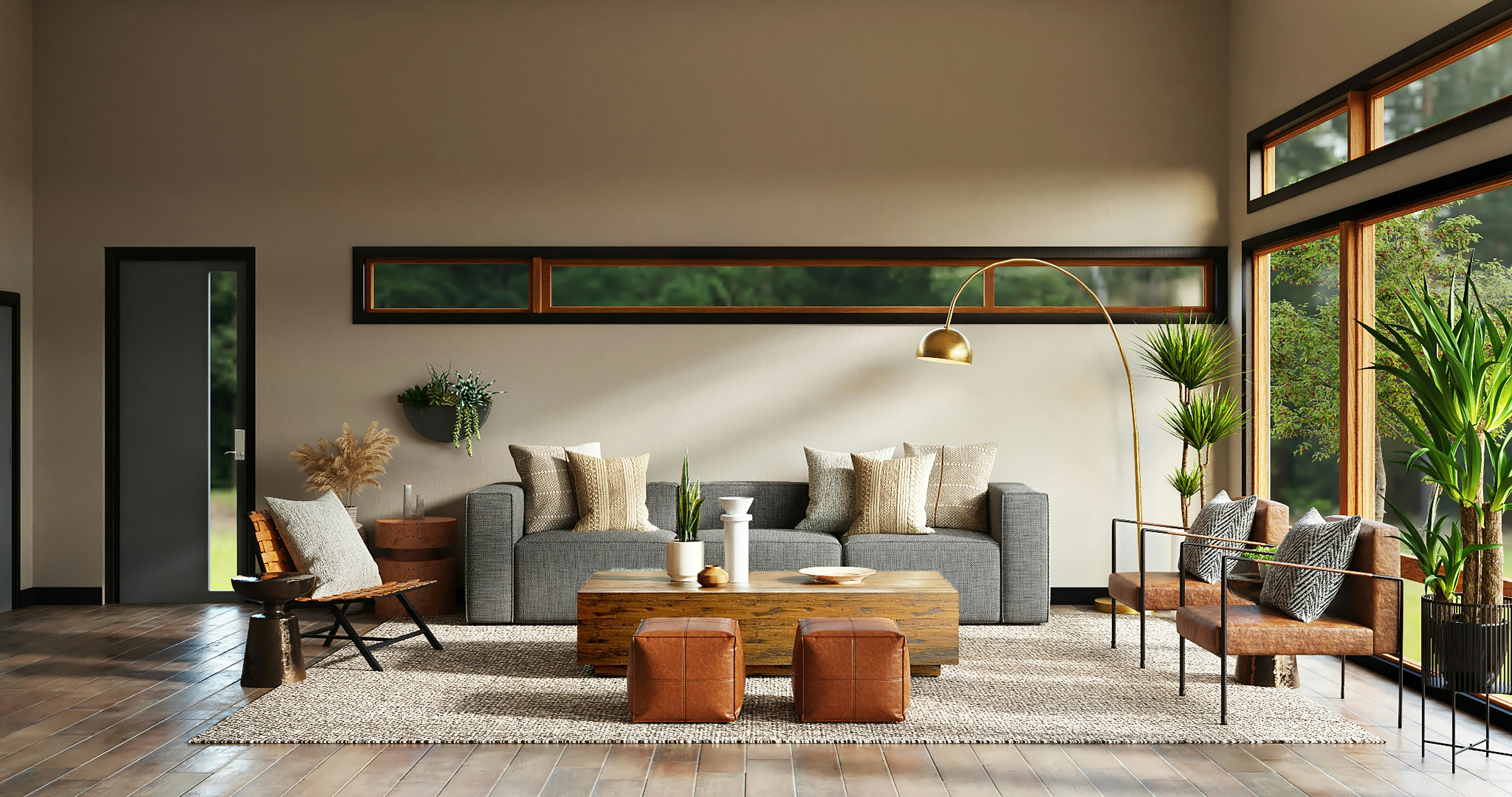
Here’s a visual glimpse into the future of interior design toward 2030, featuring sustainable materials, flexible layouts, biophilic touches, and smart interiors.
Top Interior Design Trends to Watch for 2030
Here are the most influential interior design trends poised to shape our living spaces by 2030—based on trusted industry sources:
1. Sustainability Takes the Lead
Eco-conscious design will be foundational. Expect to see widespread adoption of:
Eco-friendly materials like bamboo, cork, and reclaimed wood.
Recycled and upcycled elements, reducing waste and embracing the circular economy.
By 2030, interior design will blend tech innovation, ecological sensibility, and human-centric experiences. Whether you’re renovating or just curious, these trends reflect a future-ready approach that’s sustainable, adaptable, beautiful, and deeply personal.
Let me know if you’d like real-world case studies or regional examples that show these trends in action, or guidance on implementing any of them in your space.