November 2023

Smart Furniture Arrangement with Vastu Design Principles

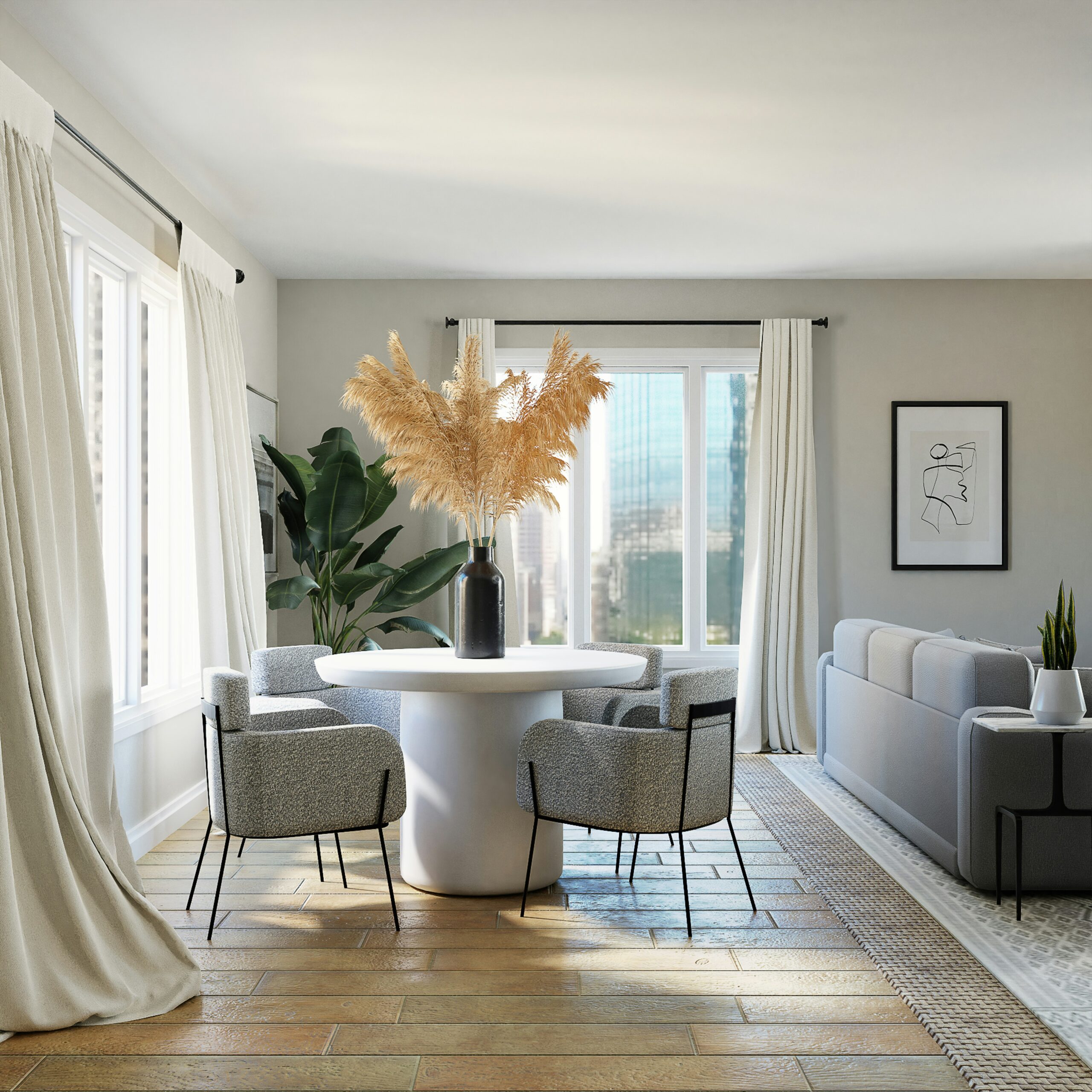
Furniture plays a crucial role in creating a harmonious and balanced living space. When it comes to arranging furniture, incorporating Vastu design principles can enhance the positive energy flow and promote a sense of well-being in your home. In this article, we will explore some smart furniture arrangement tips based on Vastu Shastra, an ancient Indian architectural science.

1. Placement of Furniture

According to Vastu, the placement of furniture should be such that it allows for free movement and ensures a clutter-free environment. Avoid placing furniture in the middle of the room as it obstructs the flow of energy. Instead, position your furniture against the walls to create an open and spacious feel.

For the living room, place the sofa set in the southwest or west direction, ensuring that it is not directly against a wall. This arrangement promotes social interaction and relaxation. In the bedroom, position the bed in the southwest corner to promote restful sleep and stability.

2. Shape and Material of Furniture

Vastu suggests using furniture with rounded corners and avoiding sharp edges. Round or oval-shaped furniture promotes a smooth flow of energy and creates a welcoming atmosphere. Additionally, opt for wooden furniture as it is believed to have a grounding effect and brings warmth to the space.

3. Colors of Furniture

The colors of your furniture can have a significant impact on the overall energy of the room. According to Vastu, earthy tones like beige, brown, and green are considered favorable for furniture. These colors create a sense of stability and balance in the space. However, it is essential to choose colors that resonate with your personal preferences and the overall color scheme of your home.

4. Dining Table Placement

The dining area is a vital space for family bonding and nourishment. According to Vastu, the dining table should ideally be placed in the northeast or northwest direction of the kitchen. This arrangement ensures a positive flow of energy during mealtime. Additionally, avoid placing the dining table directly under a beam or in line with the main entrance.

5. Workstation Placement

In today’s digital age, many of us have a dedicated workspace at home. According to Vastu, the ideal placement for a workstation is in the north or east direction. This arrangement promotes productivity and creativity. Ensure that your workstation is clutter-free and well-organized to enhance focus and concentration.

6. Mirror Placement

Mirrors are known to reflect and amplify energy. According to Vastu, placing mirrors in the north or east direction can enhance positive energy flow in the room. However, avoid placing mirrors directly opposite the main entrance or in the bedroom, as it may disrupt the tranquility of these spaces.

7. Balance and Symmetry

Balance and symmetry are key principles in Vastu design. Ensure that your furniture arrangement maintains a sense of balance and harmony. For example, if you have a large sofa on one side of the living room, balance it with a visually appealing element on the other side, such as a bookshelf or a piece of artwork.

Remember, Vastu design principles are meant to create a positive and harmonious living environment. While incorporating these principles, it is essential to prioritize your personal preferences and create a space that reflects your style and taste. By combining smart furniture arrangement with Vastu design principles, you can create a home that promotes well-being and positive energy.

Smart Furniture Arrangement with Vastu Design Principles Read More Β»

Vastu Tips for Creating a Peaceful Bedroom Retreat

Introduction

Our bedroom is a sanctuary, a place where we seek solace and relaxation after a long day. It is essential to create a peaceful and harmonious environment in our bedroom to promote restful sleep and overall well-being. Vastu Shastra, the ancient Indian science of architecture, offers valuable insights and guidelines to help us design a bedroom that is conducive to tranquility and rejuvenation. In this article, we will explore some Vastu tips that can help you create a peaceful bedroom retreat.

1. Placement of the Bed

The placement of the bed is of utmost importance in Vastu Shastra. It is recommended to position the bed in the southwest corner of the bedroom, as this direction is associated with stability and grounding energy. Avoid placing the bed in direct alignment with the door or under a beam. Ensure that there is enough space on all sides of the bed for easy movement and access.

2. Colors and Lighting

The choice of colors and lighting in the bedroom can significantly impact the overall ambiance. Vastu suggests using soothing and calming colors like pastel shades, light blues, and greens. These colors promote relaxation and tranquility. Avoid using bright and bold colors that can create a sense of restlessness. Additionally, ensure that the bedroom receives ample natural light during the day and has appropriate curtains or blinds to control the amount of light entering the room at night.

3. Clutter-Free Space

A cluttered bedroom can disrupt the flow of energy and create a sense of unease. It is essential to keep the bedroom clean, organized, and free from unnecessary clutter. Remove any items that do not belong in the bedroom and create a dedicated storage space for belongings. A clutter-free environment promotes a calm and peaceful atmosphere, allowing for better relaxation and sleep.

4. Placement of Mirrors

Mirrors play a significant role in Vastu Shastra and can affect the energy in the bedroom. It is advised not to have mirrors directly facing the bed, as they can create a sense of restlessness and disturb sleep. If you have a mirror in your bedroom, ensure that it is placed in a way that does not reflect the bed while you are sleeping.

5. Electronic Devices

Electronic devices emit electromagnetic waves that can disrupt the energy flow in the bedroom. It is recommended to keep electronic devices such as televisions, computers, and mobile phones away from the bed. If possible, create a separate space for these devices outside the bedroom. If you must have them in the bedroom, make sure to turn them off or put them on silent mode before sleeping.

6. Natural Elements

Bringing in natural elements into the bedroom can enhance the positive energy and create a calming atmosphere. Place indoor plants, such as aloe vera or peace lilies, in the bedroom to purify the air and promote a sense of tranquility. Additionally, using natural materials for furniture and decor, such as wood or cotton, can further enhance the connection with nature.

7. Artwork and Decor

Choose artwork and decor that promotes a sense of peace and serenity. Avoid displaying paintings or images that depict violence, sadness, or any negative emotions. Opt for artwork that showcases nature, landscapes, or soothing abstract designs. Additionally, consider incorporating elements of symmetry in the bedroom, as it is believed to promote balance and harmony.

Conclusion

By incorporating these Vastu tips into the design and arrangement of your bedroom, you can create a peaceful retreat that promotes restful sleep and overall well-being. Remember, a harmonious bedroom environment is essential for rejuvenation and maintaining a healthy lifestyle. Experiment with these tips and find what works best for you to create your own tranquil sanctuary.

Vastu Tips for Creating a Peaceful Bedroom Retreat Read More Β»

Vastu Tips for Creating a Peaceful Bedroom Retreat

Introduction

Our bedroom is a sanctuary, a place where we seek solace and relaxation after a long day. It is essential to create a peaceful and harmonious environment in our bedroom to promote restful sleep and overall well-being. Vastu Shastra, the ancient Indian science of architecture, offers valuable insights and guidelines to help us design a bedroom that is conducive to tranquility and rejuvenation. In this article, we will explore some Vastu tips that can help you create a peaceful bedroom retreat.

1. Placement of the Bed

The placement of the bed is of utmost importance in Vastu Shastra. It is recommended to position the bed in the southwest corner of the bedroom, as this direction is associated with stability and grounding energy. Avoid placing the bed in direct alignment with the door or under a beam. Ensure that there is enough space on all sides of the bed for easy movement and access.

2. Colors and Lighting

The choice of colors and lighting in the bedroom can significantly impact the overall ambiance. Vastu suggests using soothing and calming colors like pastel shades, light blues, and greens. These colors promote relaxation and tranquility. Avoid using bright and bold colors that can create a sense of restlessness. Additionally, ensure that the bedroom receives ample natural light during the day and has appropriate curtains or blinds to control the amount of light entering the room at night.

3. Clutter-Free Space

A cluttered bedroom can disrupt the flow of energy and create a sense of unease. It is essential to keep the bedroom clean, organized, and free from unnecessary clutter. Remove any items that do not belong in the bedroom and create a dedicated storage space for belongings. A clutter-free environment promotes a calm and peaceful atmosphere, allowing for better relaxation and sleep.

4. Placement of Mirrors

Mirrors play a significant role in Vastu Shastra and can affect the energy in the bedroom. It is advised not to have mirrors directly facing the bed, as they can create a sense of restlessness and disturb sleep. If you have a mirror in your bedroom, ensure that it is placed in a way that does not reflect the bed while you are sleeping.

5. Electronic Devices

Electronic devices emit electromagnetic waves that can disrupt the energy flow in the bedroom. It is recommended to keep electronic devices such as televisions, computers, and mobile phones away from the bed. If possible, create a separate space for these devices outside the bedroom. If you must have them in the bedroom, make sure to turn them off or put them on silent mode before sleeping.

6. Natural Elements

Bringing in natural elements into the bedroom can enhance the positive energy and create a calming atmosphere. Place indoor plants, such as aloe vera or peace lilies, in the bedroom to purify the air and promote a sense of tranquility. Additionally, using natural materials for furniture and decor, such as wood or cotton, can further enhance the connection with nature.

7. Artwork and Decor

Choose artwork and decor that promotes a sense of peace and serenity. Avoid displaying paintings or images that depict violence, sadness, or any negative emotions. Opt for artwork that showcases nature, landscapes, or soothing abstract designs. Additionally, consider incorporating elements of symmetry in the bedroom, as it is believed to promote balance and harmony.

Conclusion

By incorporating these Vastu tips into the design and arrangement of your bedroom, you can create a peaceful retreat that promotes restful sleep and overall well-being. Remember, a harmonious bedroom environment is essential for rejuvenation and maintaining a healthy lifestyle. Experiment with these tips and find what works best for you to create your own tranquil sanctuary.

Vastu Tips for Creating a Peaceful Bedroom Retreat Read More Β»

Vastu Tips for Creating a Peaceful Bedroom Retreat

Introduction

Our bedroom is a sanctuary, a place where we seek solace and relaxation after a long day. It is essential to create a peaceful and harmonious environment in our bedroom to promote restful sleep and overall well-being. Vastu Shastra, the ancient Indian science of architecture, offers valuable insights and guidelines to help us design a bedroom that is conducive to tranquility and rejuvenation. In this article, we will explore some Vastu tips that can help you create a peaceful bedroom retreat.

1. Placement of the Bed

The placement of the bed is of utmost importance in Vastu Shastra. It is recommended to position the bed in the southwest corner of the bedroom, as this direction is associated with stability and grounding energy. Avoid placing the bed in direct alignment with the door or under a beam. Ensure that there is enough space on all sides of the bed for easy movement and access.

2. Colors and Lighting

The choice of colors and lighting in the bedroom can significantly impact the overall ambiance. Vastu suggests using soothing and calming colors like pastel shades, light blues, and greens. These colors promote relaxation and tranquility. Avoid using bright and bold colors that can create a sense of restlessness. Additionally, ensure that the bedroom receives ample natural light during the day and has appropriate curtains or blinds to control the amount of light entering the room at night.

3. Clutter-Free Space

A cluttered bedroom can disrupt the flow of energy and create a sense of unease. It is essential to keep the bedroom clean, organized, and free from unnecessary clutter. Remove any items that do not belong in the bedroom and create a dedicated storage space for belongings. A clutter-free environment promotes a calm and peaceful atmosphere, allowing for better relaxation and sleep.

4. Placement of Mirrors

Mirrors play a significant role in Vastu Shastra and can affect the energy in the bedroom. It is advised not to have mirrors directly facing the bed, as they can create a sense of restlessness and disturb sleep. If you have a mirror in your bedroom, ensure that it is placed in a way that does not reflect the bed while you are sleeping.

5. Electronic Devices

Electronic devices emit electromagnetic waves that can disrupt the energy flow in the bedroom. It is recommended to keep electronic devices such as televisions, computers, and mobile phones away from the bed. If possible, create a separate space for these devices outside the bedroom. If you must have them in the bedroom, make sure to turn them off or put them on silent mode before sleeping.

6. Natural Elements

Bringing in natural elements into the bedroom can enhance the positive energy and create a calming atmosphere. Place indoor plants, such as aloe vera or peace lilies, in the bedroom to purify the air and promote a sense of tranquility. Additionally, using natural materials for furniture and decor, such as wood or cotton, can further enhance the connection with nature.

7. Artwork and Decor

Choose artwork and decor that promotes a sense of peace and serenity. Avoid displaying paintings or images that depict violence, sadness, or any negative emotions. Opt for artwork that showcases nature, landscapes, or soothing abstract designs. Additionally, consider incorporating elements of symmetry in the bedroom, as it is believed to promote balance and harmony.

Conclusion

By incorporating these Vastu tips into the design and arrangement of your bedroom, you can create a peaceful retreat that promotes restful sleep and overall well-being. Remember, a harmonious bedroom environment is essential for rejuvenation and maintaining a healthy lifestyle. Experiment with these tips and find what works best for you to create your own tranquil sanctuary.

Vastu Tips for Creating a Peaceful Bedroom Retreat Read More Β»

Energizing your home with Vastu-approved decor tips

The Power of Vastu in Home Decor

Vastu Shastra, an ancient Indian science of architecture and design, is believed to bring harmony and positive energy into our living spaces. By following Vastu principles, we can create a balanced and welcoming environment that promotes well-being and prosperity. In this blog post, we will explore some Vastu-approved decor tips that can help energize your home.

1. Entrance and Main Door

The entrance of your home plays a crucial role in attracting positive energy. According to Vastu, the main door should face east, north, or northeast to allow the flow of positive energy into the house. Keep the entrance clutter-free and well-lit to create a warm and inviting atmosphere. Decorate the entrance with auspicious symbols like Om or Swastika to enhance positive vibrations.

2. Colors and Wall Paintings

Colors have a significant impact on our emotions and well-being. Vastu suggests using soothing colors like light blue, green, or pastel shades for the walls of your home. Avoid using dark or bright colors, as they can create a sense of restlessness. Choose wall paintings or artwork that depict nature, positivity, and harmony to promote a peaceful ambiance.

3. Furniture Placement

The placement of furniture in your home can influence the flow of energy. According to Vastu, heavy furniture should be placed in the southwest direction, while light furniture can be placed in the northeast or northwest corners. Avoid placing furniture in the center of the room, as it can obstruct the energy flow. Ensure that there is enough space for movement and that furniture is arranged in a way that promotes conversation and connection.

4. Lighting and Ventilation

Proper lighting and ventilation are essential for a healthy and energizing home. Natural light is considered auspicious in Vastu, so try to maximize the use of natural light during the day. Use curtains or blinds that allow light to enter while maintaining privacy. Ensure that all rooms have adequate artificial lighting for the evenings. Good ventilation is also crucial to maintain a fresh and positive atmosphere.

5. Plants and Greenery

Bringing nature indoors is an excellent way to enhance positive energy in your home. Vastu encourages the use of indoor plants and greenery to purify the air and create a calming environment. Place plants in the northeast or east corners of your home for maximum benefits. Avoid placing thorny or cactus plants inside the house, as they are believed to bring negative energy.

6. Declutter and Organize

A cluttered and disorganized home can disrupt the flow of positive energy. Regularly declutter your living spaces and get rid of any unnecessary items. Keep your home clean and well-organized to promote a sense of calmness and harmony. Create designated storage spaces for different items to maintain order and reduce visual clutter.

7. Bedroom Placement and Decor

The bedroom is a place of rest and rejuvenation. According to Vastu, the master bedroom should be in the southwest corner of the house, while children’s bedrooms can be in the northwest or west corners. Avoid placing mirrors or electronic devices facing the bed, as they can disturb sleep. Use soft and soothing colors in the bedroom decor to create a peaceful ambiance.

8. Sacred Space or Prayer Room

Designating a sacred space or prayer room in your home can help create a spiritual and positive atmosphere. Choose a quiet corner of your home, preferably in the northeast direction, for this purpose. Decorate the space with sacred symbols, idols, or religious artifacts that hold significance for you. Spend some time in this space every day for meditation or prayer to enhance positive vibrations.

Conclusion

By incorporating Vastu-approved decor tips into your home, you can create a harmonious and energizing living environment. Remember, Vastu is not just about following strict rules but also about creating a space that resonates with your personal style and preferences. Experiment with these tips and observe the positive changes they bring to your home and life.

Energizing your home with Vastu-approved decor tips Read More Β»

Transforming Spaces with Vastu-Inspired Interior Design Tricks

The Power of Vastu in Interior Design

Vastu Shastra, an ancient Indian science of architecture and design, has gained popularity in recent years for its ability to create harmonious living spaces. By incorporating Vastu principles into interior design, you can transform your home or office into a place that promotes positive energy, balance, and well-being.

1. Entrance and Flow of Energy

The entrance of a space is crucial in Vastu. It is believed that the main entrance should be well-lit, clutter-free, and inviting. To enhance the flow of energy, consider using mirrors or plants strategically placed near the entrance. This not only creates a welcoming atmosphere but also allows positive energy to flow freely throughout the space.

2. Colors and Textures

Colors play a significant role in Vastu-inspired interior design. Each color has its own energy and can influence the mood of a room. For example, warm colors like red and orange are believed to promote passion and energy, while cool colors like blue and green create a calming effect. Choose colors that align with the purpose of the room and create a harmonious balance.

Textures also play a role in Vastu. Incorporate natural materials like wood, stone, or clay to bring a sense of grounding and stability to the space. Avoid sharp edges and harsh materials, as they can disrupt the flow of energy.

3. Furniture Placement

The placement of furniture is essential in Vastu. It is recommended to position furniture in a way that allows for easy movement and promotes a sense of openness. Avoid placing furniture in a way that obstructs natural pathways or blocks the flow of energy. Additionally, consider the shape and size of the furniture. Rounded edges are preferred over sharp corners, as they promote a more positive and harmonious energy flow.

4. Lighting

Lighting is an important aspect of Vastu-inspired interior design. Natural light is considered the best source of positive energy. Ensure that your space has ample natural light by keeping windows unobstructed and using sheer curtains or blinds. When artificial lighting is necessary, opt for soft, warm lights that create a cozy and inviting ambiance.

5. Declutter and Organize

According to Vastu, a cluttered space can hinder the flow of energy and create a sense of chaos. To create a harmonious environment, declutter and organize your space regularly. Get rid of items that are no longer needed and ensure that everything has its designated place. A clean and organized space promotes positive energy and allows for a clear mind.

6. Plants and Natural Elements

Incorporating plants and natural elements into your space is highly encouraged in Vastu. Plants not only add a touch of greenery but also purify the air and bring positive energy. Choose plants that are suitable for the specific environment and take care of them regularly. Additionally, consider incorporating natural elements like water features or natural materials to further enhance the positive energy in your space.

7. Personal Touch and Balance

While following Vastu principles, it is important to remember to infuse your personal touch into the design. Your space should reflect your personality and preferences. Strike a balance between Vastu guidelines and your individual style to create a space that is not only energetically balanced but also visually appealing and comfortable.

Conclusion

Vastu-inspired interior design can transform your space into a sanctuary of positive energy and well-being. By incorporating these simple tricks, you can create a harmonious and balanced environment that promotes happiness, productivity, and overall wellness.

Transforming Spaces with Vastu-Inspired Interior Design Tricks Read More Β»

Vastu-Based Color and Lighting Tips for Interior Harmony

Introduction

When it comes to creating a harmonious and balanced living space, the principles of Vastu Shastra can be a valuable guide. Vastu Shastra, an ancient Indian architectural science, emphasizes the importance of proper placement, design, and energy flow within a space. In this article, we will explore Vastu-based color and lighting tips that can help promote positive energy and create a sense of harmony in your home.

Choosing Colors

Colors have a significant impact on our emotions and well-being. According to Vastu Shastra, each color is associated with specific energies that can influence different aspects of our lives. Here are some Vastu-based color tips for different areas of your home:

Living Room

The living room is a space where family members gather and socialize. To create a warm and inviting atmosphere, consider using earthy tones such as beige, brown, or shades of yellow. These colors promote a sense of stability, harmony, and togetherness.

Bedroom

The bedroom is a place of rest and rejuvenation. To foster a calm and peaceful environment, opt for soothing colors like pastel shades of blue, green, or lavender. These colors are known to promote relaxation, tranquility, and better sleep.

Kitchen

The kitchen is the heart of the home, where nourishment and abundance are celebrated. Vastu recommends using vibrant colors like red, orange, or yellow in the kitchen. These colors stimulate appetite, energy, and creativity.

Bathroom

In the bathroom, it is essential to create a clean and refreshing ambiance. Light colors like white, light blue, or pastel shades are ideal for bathrooms as they promote purity, freshness, and a sense of cleanliness.

Lighting Considerations

Proper lighting is crucial to creating a harmonious and well-balanced living space. Here are some Vastu-based lighting tips to enhance the energy flow in your home:

Natural Light

Maximize the use of natural light in your home as it is considered the most beneficial form of lighting. Ensure that windows are clean and unobstructed to allow ample sunlight to enter your space. Natural light promotes positivity, vitality, and a sense of well-being.

Avoid Harsh Lighting

Avoid using harsh or bright lighting in your home, as it can create a disruptive and uncomfortable atmosphere. Instead, opt for soft and diffused lighting options such as table lamps, wall sconces, or dimmer switches. These gentle lighting sources create a cozy and soothing ambiance.

Balance Lighting

Ensure that the lighting is balanced in each room. Avoid having one area excessively bright while another is too dim. Properly distributed lighting helps maintain a harmonious energy flow throughout your home.

Highlighting Artwork

If you have artwork or decorative pieces in your home, use appropriate lighting to accentuate their beauty. Highlighting artwork not only adds visual appeal but also enhances the positive energy associated with them.

Conclusion

By incorporating Vastu-based color and lighting tips into your interior design, you can create a harmonious and balanced living space that promotes positive energy and well-being. Remember, the key is to choose colors that resonate with you and to create a lighting environment that is soothing and balanced. When your home is in harmony with these principles, it becomes a sanctuary of positive energy and a place where you can thrive.

Vastu-Based Color and Lighting Tips for Interior Harmony Read More Β»

Vastu-Based Color and Lighting Tips for Interior Harmony

Introduction

When it comes to creating a harmonious and balanced living space, the principles of Vastu Shastra can be a valuable guide. Vastu Shastra, an ancient Indian architectural science, emphasizes the importance of proper placement, design, and energy flow within a space. In this article, we will explore Vastu-based color and lighting tips that can help promote positive energy and create a sense of harmony in your home.

Choosing Colors

Colors have a significant impact on our emotions and well-being. According to Vastu Shastra, each color is associated with specific energies that can influence different aspects of our lives. Here are some Vastu-based color tips for different areas of your home:

Living Room

The living room is a space where family members gather and socialize. To create a warm and inviting atmosphere, consider using earthy tones such as beige, brown, or shades of yellow. These colors promote a sense of stability, harmony, and togetherness.

Bedroom

The bedroom is a place of rest and rejuvenation. To foster a calm and peaceful environment, opt for soothing colors like pastel shades of blue, green, or lavender. These colors are known to promote relaxation, tranquility, and better sleep.

Kitchen

The kitchen is the heart of the home, where nourishment and abundance are celebrated. Vastu recommends using vibrant colors like red, orange, or yellow in the kitchen. These colors stimulate appetite, energy, and creativity.

Bathroom

In the bathroom, it is essential to create a clean and refreshing ambiance. Light colors like white, light blue, or pastel shades are ideal for bathrooms as they promote purity, freshness, and a sense of cleanliness.

Lighting Considerations

Proper lighting is crucial to creating a harmonious and well-balanced living space. Here are some Vastu-based lighting tips to enhance the energy flow in your home:

Natural Light

Maximize the use of natural light in your home as it is considered the most beneficial form of lighting. Ensure that windows are clean and unobstructed to allow ample sunlight to enter your space. Natural light promotes positivity, vitality, and a sense of well-being.

Avoid Harsh Lighting

Avoid using harsh or bright lighting in your home, as it can create a disruptive and uncomfortable atmosphere. Instead, opt for soft and diffused lighting options such as table lamps, wall sconces, or dimmer switches. These gentle lighting sources create a cozy and soothing ambiance.

Balance Lighting

Ensure that the lighting is balanced in each room. Avoid having one area excessively bright while another is too dim. Properly distributed lighting helps maintain a harmonious energy flow throughout your home.

Highlighting Artwork

If you have artwork or decorative pieces in your home, use appropriate lighting to accentuate their beauty. Highlighting artwork not only adds visual appeal but also enhances the positive energy associated with them.

Conclusion

By incorporating Vastu-based color and lighting tips into your interior design, you can create a harmonious and balanced living space that promotes positive energy and well-being. Remember, the key is to choose colors that resonate with you and to create a lighting environment that is soothing and balanced. When your home is in harmony with these principles, it becomes a sanctuary of positive energy and a place where you can thrive.

Vastu-Based Color and Lighting Tips for Interior Harmony Read More Β»

Balancing Elements in Interior Design: Vastu Insights

Introduction

When it comes to designing a space, whether it’s a home, office, or any other environment, creating a harmonious and balanced atmosphere is essential. One approach to achieving this balance is by incorporating the principles of Vastu Shastra, an ancient Indian architectural science. Vastu Shastra emphasizes the alignment of various elements to promote positive energy flow and enhance well-being. In this blog post, we will explore the concept of balancing elements in interior design using Vastu insights.

The Five Elements

According to Vastu Shastra, everything in the universe is composed of five elements: earth, water, fire, air, and space. These elements are believed to have specific characteristics and energies that can influence the overall harmony of a space. Balancing these elements in interior design is crucial for creating a positive and balanced environment.

Earth Element

The earth element represents stability, grounding, and nourishment. To incorporate the earth element into your interior design, you can use natural materials such as wood, stone, or clay. Earthy colors like brown and beige can also help create a sense of stability and connection to nature.

Water Element

The water element symbolizes flow, abundance, and tranquility. Including water features such as fountains, aquariums, or even a small indoor waterfall can bring the water element into your space. Shades of blue and black can also be used to represent the water element.

Fire Element

The fire element represents passion, energy, and transformation. To incorporate the fire element, you can use warm colors like red, orange, or yellow in your interior design. Candles, fireplaces, or artwork depicting flames can also bring the energy of the fire element into your space.

Air Element

The air element symbolizes movement, communication, and flexibility. To enhance the air element in your interior design, ensure proper ventilation and airflow in your space. You can also use light and airy colors like white or pastels to create a sense of openness and freshness.

Space Element

The space element represents expansiveness, openness, and possibility. To incorporate the space element, create open and clutter-free areas in your space. Avoid overcrowding furniture and allow for ample space to move around. Light and neutral colors can also help create a sense of spaciousness.

Creating Balance

While incorporating the five elements into your interior design is important, achieving balance is equally crucial. Here are a few tips to help you create a balanced environment:

  1. Avoid clutter: Clutter can disrupt the flow of energy in a space. Keep your space organized and free from unnecessary items.
  2. Balance colors: Use a combination of warm and cool colors to create a harmonious atmosphere. Avoid using too much of one color and aim for a balanced color palette.
  3. Proper lighting: Ensure that your space is well-lit with a mix of natural and artificial lighting. Good lighting promotes positive energy and enhances the overall ambiance.
  4. Furniture placement: Arrange your furniture in a way that allows for easy movement and promotes conversation. Avoid blocking pathways and maintain a balanced distribution of furniture.
  5. Nature elements: Incorporate elements of nature such as plants or natural materials to bring a sense of vitality and freshness into your space.

Conclusion

Balancing elements in interior design is essential for creating a harmonious and positive environment. By incorporating the principles of Vastu Shastra and considering the five elements, you can create a space that promotes well-being and positive energy flow. Remember to focus on creating balance and harmony in every aspect of your design, from colors and materials to furniture placement and lighting. With these Vastu insights, you can transform your space into a sanctuary of balance and tranquility.

Balancing Elements in Interior Design: Vastu Insights Read More Β»

Practical Vastu Tricks for Balanced Interior Design

Introduction

When it comes to creating a harmonious living space, interior design plays a crucial role. One approach that has gained popularity in recent years is Vastu Shastra, an ancient Indian architectural science that focuses on creating balance and positive energy within a space. In this blog post, we will explore some practical Vastu tricks that can help you achieve a well-balanced interior design.

1. Entrance and Front Door

The entrance of your home is considered the gateway for energy to flow in. According to Vastu, the front door should be well-lit, free from obstacles, and open inwards to invite positive energy. Avoid placing any mirrors or reflective surfaces facing the front door, as they can repel positive energy.

2. Colors and Wall Paintings

Colors have a significant impact on our emotions and well-being. In Vastu, it is recommended to use soothing and neutral colors like white, beige, or pastel shades for the walls. Avoid using dark or bright colors, as they can create a sense of restlessness. Additionally, choose wall paintings or artwork that depict positive and serene imagery to enhance the overall energy of the space.

3. Furniture Placement

The placement of furniture plays a crucial role in maintaining a balanced interior design. According to Vastu, it is important to avoid placing furniture in a way that obstructs the natural flow of energy within a room. Ensure that there is enough space for movement and that furniture is not placed directly against the walls. Additionally, avoid sharp-edged furniture, as they can create negative energy.

4. Bedroom Design

The bedroom is a place of relaxation and rejuvenation. According to Vastu, the bed should be placed in the southwest corner of the room, with the head facing east or south. Avoid placing the bed under a beam or directly in line with the door. Keep the bedroom clutter-free and create a soothing ambiance with soft lighting and calming colors.

5. Natural Light and Ventilation

Natural light and ventilation are essential for a healthy and positive living space. According to Vastu, it is important to maximize the use of natural light by keeping windows and doors unobstructed. Ensure that all rooms have proper ventilation to allow the flow of fresh air. Natural light and fresh air not only enhance the energy of the space but also have a positive impact on our overall well-being.

6. Plants and Greenery

Bringing nature indoors is highly encouraged in Vastu. Plants and greenery not only add beauty to a space but also help in purifying the air and enhancing positive energy. Place indoor plants in the northeast or east corners of your home for maximum benefits. However, avoid placing plants in the bedroom, as they can disrupt sleep patterns.

7. Electronic Appliances

Electronic appliances emit electromagnetic radiation that can disrupt the energy balance in a space. According to Vastu, it is important to keep electronic appliances like televisions and computers away from the bedroom. If possible, avoid placing them in the northeast or southwest corners of any room, as these areas are considered sensitive to electromagnetic energy.

8. Mirrors and Reflections

Mirrors are considered powerful tools in Vastu. They can be used strategically to enhance the energy of a space. Place mirrors in a way that they reflect beautiful views or natural elements. However, avoid placing mirrors directly facing the bed or dining table, as it can create a sense of restlessness and disrupt the flow of positive energy.

Conclusion

Incorporating Vastu principles into your interior design can help create a balanced and harmonious living space. By paying attention to the placement of furniture, colors, natural light, and other elements, you can enhance the positive energy in your home. Remember, Vastu is not a strict set of rules, but rather a guide to creating a space that promotes well-being and positivity.

Practical Vastu Tricks for Balanced Interior Design Read More Β»

Vastu Tips and Tricks for Creating a Serene Home Ambiance

Introduction

Creating a serene and harmonious ambiance in our homes is essential for our overall well-being. Vastu Shastra, an ancient Indian architectural science, offers valuable tips and tricks to enhance the positive energy flow in our living spaces. In this blog post, we will explore some practical Vastu tips that can help you create a serene home ambiance.

1. Entrance

The entrance of your home sets the tone for the entire space. According to Vastu principles, the entrance should be well-lit and free from any obstacles. It is recommended to have a beautiful and auspicious entrance door that faces the east or north direction, as it invites positive energy into the home.

2. Colors

Colors play a significant role in creating a serene ambiance. Vastu suggests using soothing and calming colors like light pastels, earthy tones, and shades of white for the walls of your home. These colors promote tranquility and harmony, making your living space more peaceful.

3. Furniture Placement

The placement of furniture in your home can greatly affect the energy flow. According to Vastu, it is best to position furniture in a way that allows for free movement and promotes a sense of openness. Avoid cluttering the space with too much furniture, as it can disrupt the flow of positive energy.

4. Bedroom

The bedroom is a place of rest and rejuvenation. Vastu recommends placing the bed in the southwest corner of the room, with the head facing east or south. This positioning promotes better sleep and overall well-being. It is also advisable to keep the bedroom clutter-free and have soothing colors in the room.

5. Natural Light and Ventilation

Natural light and ventilation are vital for a serene home ambiance. Make sure to have ample windows that allow for the entry of natural light and fresh air. Vastu suggests keeping the windows clean and unobstructed to ensure a smooth flow of positive energy.

6. Indoor Plants

Indoor plants not only add beauty to your home but also purify the air and promote positive energy. According to Vastu, placing plants like money plants, bamboo, and peace lilies in the northeast or east direction of your home brings prosperity and peace.

7. Eliminate Clutter

Clutter not only creates a sense of chaos but also hampers the flow of positive energy. It is essential to declutter your living space regularly and keep it organized. Remove any unnecessary items and create a clean and clutter-free environment that promotes peace and tranquility.

8. Sacred Space

Designating a sacred space in your home can enhance the positive energy. It can be a small altar, meditation corner, or a peaceful reading nook. According to Vastu, this space should be in the northeast corner of your home, as it is considered auspicious and promotes spiritual well-being.

9. Sound and Aromas

The sounds and aromas in your home have a significant impact on the ambiance. Vastu recommends playing soft and soothing music that promotes relaxation. Additionally, using natural fragrances like essential oils or burning incense can create a calming and serene atmosphere.

10. Maintenance and Repairs

Regular maintenance and timely repairs are crucial for a serene home ambiance. Fix any leaky faucets, creaky doors, or broken windows promptly, as these issues can create negative vibrations in your living space. Keeping your home well-maintained ensures a positive and peaceful environment.

Conclusion

By implementing these Vastu tips and tricks, you can create a serene and harmonious ambiance in your home. Remember, the key is to promote positive energy flow and eliminate any obstacles that hinder tranquility. A serene home not only enhances your well-being but also provides a peaceful sanctuary to unwind and relax.

Vastu Tips and Tricks for Creating a Serene Home Ambiance Read More Β»

Incorporating Vastu Wisdom in Interior Design: Tips for Success

The Power of Vastu in Interior Design

Vastu Shastra, an ancient Indian architectural science, has gained popularity worldwide for its ability to create harmonious living spaces. By incorporating Vastu principles into interior design, you can enhance the positive energy flow in your home or office, promoting well-being and prosperity.

1. Entrance Placement

The entrance is considered the gateway for energy to enter a space. According to Vastu, the main entrance should be in the north, east, or northeast direction to attract positive energy. Avoid placing the entrance in the south, west, or southwest direction, as it may hinder the flow of positive energy.

2. Room Functionality

Each room in your home serves a specific purpose, and Vastu provides guidelines for the ideal placement of rooms to maximize their functionality. For example, the master bedroom should be in the southwest corner of the house, while the kitchen should ideally be located in the southeast corner.

3. Colors and Lighting

Colors and lighting play a crucial role in creating a balanced and harmonious environment. Vastu suggests using light, soothing colors like pastels or earth tones for the walls and furniture. Avoid using dark or bright colors that may create a sense of unease or restlessness. Additionally, ensure that each room receives ample natural light during the day.

4. Furniture Arrangement

The placement of furniture can significantly impact the energy flow within a space. According to Vastu, it is essential to arrange furniture in a way that allows for free movement and promotes positive energy. Avoid cluttered spaces and ensure that furniture does not block any doorways or windows.

5. Mirrors and Reflections

Mirrors have the power to enhance or disrupt the energy flow in a room. Vastu recommends placing mirrors in a way that reflects positive energy and natural light. Avoid placing mirrors directly opposite the bed or facing the main entrance, as it may create a sense of restlessness and obstruct the flow of positive energy.

6. Plants and Natural Elements

Introducing plants and natural elements into your space can bring in positive energy and create a calming atmosphere. Vastu suggests placing indoor plants in the northeast or east direction to attract good luck and prosperity. Additionally, incorporating natural materials like wood, stone, or bamboo in your decor can further enhance the positive energy flow.

7. Declutter and Organize

A cluttered and disorganized space can disrupt the flow of positive energy. Vastu emphasizes the importance of decluttering and organizing your living or working space. Regularly remove unnecessary items, keep surfaces clean and free from clutter, and ensure that everything has its designated place.

8. Sacred Space

Creating a sacred space within your home can provide a sanctuary for relaxation and meditation. Vastu recommends dedicating a specific area for prayer, meditation, or spiritual practices. This space should be clean, peaceful, and away from distractions.

9. Sound and Aromas

Sound and aromas have a profound impact on our emotions and well-being. Vastu suggests incorporating soothing sounds and pleasant aromas into your space. You can use wind chimes, bells, or gentle music to create a calming atmosphere. Additionally, natural fragrances like lavender or sandalwood can promote relaxation and positivity.

10. Personal Touch

While incorporating Vastu principles into your interior design, it is essential to remember that your space should reflect your personal style and preferences. Add personal touches like family photographs, artwork, or sentimental objects to make the space truly yours.

In conclusion, incorporating Vastu wisdom into your interior design can create a harmonious and balanced living or working space. By following these tips, you can optimize the flow of positive energy, promote well-being, and attract prosperity into your life.

Incorporating Vastu Wisdom in Interior Design: Tips for Success Read More Β»

Effective Interior Design Vastu Tips for Positive Energy Flow

Introduction

Incorporating Vastu principles into interior design can have a significant impact on the energy flow within a space. Vastu Shastra, an ancient Indian architectural science, emphasizes the importance of harmonizing the elements of nature to create a positive and balanced environment. By following these effective interior design Vastu tips, you can enhance the flow of positive energy in your home or office.

1. Entrance and Main Door

The entrance and main door are crucial in Vastu Shastra, as they are considered the gateway for energy to enter your space. Ensure that the entrance is well-lit and clutter-free. The main door should open inwards and be made of solid wood. Avoid placing any obstacles or sharp objects near the entrance, as they can hinder the flow of positive energy.

2. Colors

Colors play a vital role in influencing our emotions and energy levels. According to Vastu, using the right colors in each room can create a harmonious atmosphere. For example, warm colors like yellow and orange are ideal for living rooms, as they promote positivity and social interactions. Cool colors like blue and green are suitable for bedrooms, as they induce relaxation and calmness.

3. Furniture Placement

The placement of furniture plays a significant role in Vastu-compliant interior design. Ensure that furniture is arranged in a way that allows for free movement and encourages positive energy flow. Avoid placing furniture with sharp edges or corners, as they can create negative energy. Positioning furniture in the southwest direction is considered auspicious, as it is believed to attract wealth and prosperity.

4. Lighting

Proper lighting is essential to create a positive ambiance in any space. Natural light is considered the best source of positive energy. Ensure that your rooms receive ample natural light during the day. In the absence of natural light, use warm and soft artificial lighting to create a cozy and inviting atmosphere. Avoid using harsh or dim lighting, as it can disrupt the energy flow.

5. Plants and Greenery

Bringing nature indoors is an excellent way to enhance positive energy. According to Vastu, placing indoor plants and greenery in the northeast corner of your home or office can promote good health and prosperity. Choose plants with rounded and soft leaves, as they are believed to have a soothing effect. Avoid placing thorny or spiky plants, as they can create negative energy.

6. Clutter-Free Space

Clutter is a major hindrance to positive energy flow. It is essential to keep your space clean and organized to allow positive energy to circulate freely. Regularly declutter your surroundings and get rid of any unnecessary items. Ensure that there is enough storage space to keep things organized. A clutter-free environment promotes clarity of mind and a sense of peace.

7. Mirrors

Mirrors have the power to amplify and reflect energy. In Vastu, mirrors are believed to double the positive or negative energy in a space. Place mirrors in a way that they reflect beautiful views or positive elements of the room. Avoid placing mirrors directly opposite the main door, as they can bounce back the positive energy that enters through the entrance.

8. Art and DΓ©cor

Art and dΓ©cor items have a significant impact on the energy of a space. Choose artwork and decorative pieces that evoke positive emotions and reflect your personal taste. Avoid displaying artwork depicting violence or negative themes. Incorporate elements of nature, such as landscapes or floral patterns, as they are believed to enhance positive energy.

Conclusion

By implementing these effective Vastu tips into your interior design, you can create a space that promotes positive energy flow and overall well-being. Remember, Vastu Shastra is about creating harmony between the elements of nature and your living or working environment. Paying attention to the layout, colors, lighting, and overall aesthetics of your space can have a profound impact on the energy and atmosphere within it.

Effective Interior Design Vastu Tips for Positive Energy Flow Read More Β»

Harmonizing Home Interiors with Vastu Tips and Tricks

Creating a harmonious and balanced living space is essential for promoting positive energy and well-being in our homes. One ancient practice that has gained popularity in recent years is Vastu Shastra, an Indian architectural system that focuses on the flow of energy within a space. By incorporating Vastu principles into our home interiors, we can create a peaceful and harmonious environment. In this blog post, we will explore some Vastu tips and tricks to help you harmonize your home interiors.

1. Entrance and Main Door

The entrance of your home is considered the gateway for energy to flow in. According to Vastu, the main door should face east or north to allow positive energy to enter. Avoid placing any obstacles or clutter near the entrance as it can hinder the flow of energy. Additionally, ensure that the main door opens smoothly and does not make any creaking sounds.

2. Colors

Colors play a significant role in influencing the energy of a space. According to Vastu, using soothing and calming colors in your home can create a harmonious atmosphere. Opt for colors like light blue, green, or pastel shades for the walls. Avoid using dark and bold colors, as they can create a sense of heaviness and imbalance.

3. Furniture Placement

The placement of furniture in your home can impact the energy flow. According to Vastu, it is important to position furniture in a way that allows for easy movement and promotes a sense of openness. Avoid placing furniture in the center of the room, as it can disrupt the flow of energy. Instead, position furniture against solid walls and leave the center of the room open.

4. Natural Light and Ventilation

Allowing natural light and fresh air to enter your home is crucial for maintaining a positive energy flow. Ensure that your windows are clean and unobstructed to allow maximum light to enter. Use light curtains or blinds that can be easily opened to let in natural light. Additionally, make sure that your home is well-ventilated to promote a healthy and positive environment.

5. Clutter-Free Space

A cluttered and disorganized space can disrupt the flow of energy and create a sense of chaos. According to Vastu, it is important to keep your home clean and clutter-free. Regularly declutter and organize your belongings to create a peaceful and harmonious environment. Avoid storing unnecessary items under the bed or in corners, as they can block the energy flow.

6. Bedroom Placement

The placement of the bedroom is crucial for promoting restful sleep and positive energy. According to Vastu, the master bedroom should ideally be located in the southwest direction of the house. Avoid placing the bedroom above the kitchen or garage, as it can disrupt the energy flow. Additionally, position the bed in a way that allows for easy access from both sides and avoid placing it directly under a beam.

7. Plants and Natural Elements

Bringing nature indoors can enhance the positive energy in your home. According to Vastu, placing indoor plants in the northeast or east direction can promote a sense of harmony and balance. Additionally, incorporating natural elements like wood, stone, or water features can create a calming and peaceful environment.

8. Electronic Devices

Electronic devices emit electromagnetic energy that can disrupt the flow of positive energy. According to Vastu, it is advisable to keep electronic devices like televisions and computers in a separate room, away from the bedroom. If that is not possible, cover them with a cloth when not in use to minimize their impact on the energy flow.

By incorporating these Vastu tips and tricks into your home interiors, you can create a harmonious and balanced living space. Remember, Vastu is not about blindly following rules, but rather about creating a positive and nurturing environment that supports your well-being.

Harmonizing Home Interiors with Vastu Tips and Tricks Read More Β»

Effective Interior Design Vastu Tips for Positive Energy Flow

Introduction

Interior design plays a crucial role in creating a harmonious and positive environment within our living spaces. Incorporating Vastu principles into our interior design can further enhance the flow of positive energy, promoting a sense of well-being and balance. In this article, we will explore some effective Vastu tips that can help create a positive energy flow in your home or office.

1. Entrance and Main Door

The entrance and main door are considered the primary channels through which energy enters a space. According to Vastu, the main door should face a favorable direction, such as east or north, to allow positive energy to flow into the house. Ensure that the entrance is well-lit, clutter-free, and inviting, as it sets the tone for the entire space.

2. Colors and Lighting

Colors and lighting have a significant impact on the energy of a space. Opt for soothing and balanced colors that promote relaxation and positivity. Shades of blue, green, and earthy tones are often recommended. Additionally, ensure that your space is well-lit with natural light during the day and warm, soft lighting in the evenings. Good lighting not only enhances the aesthetics but also uplifts the energy of the space.

3. Furniture Placement

The placement of furniture plays a crucial role in maintaining a positive energy flow. Avoid placing furniture in a way that obstructs the natural movement within a room. Allow for open spaces and ensure that furniture is arranged in a manner that promotes a sense of balance and harmony. Avoid sharp corners and edges, as they can create negative energy. Incorporating round or curved furniture can help soften the energy in a space.

4. Bedroom Vastu

The bedroom is a place of rest and rejuvenation, and its Vastu layout can significantly impact our well-being. Position the bed in the southwest corner of the room, ensuring that your head is towards the east or south direction while sleeping. Avoid placing mirrors or electronic devices directly facing the bed, as they can disrupt the energy flow and affect your sleep quality.

5. Declutter and Organize

A cluttered and disorganized space can hinder the flow of positive energy. Regularly declutter your living and working areas to create a clean and organized environment. Get rid of items that are no longer needed and ensure that everything has its designated place. A clutter-free space promotes clarity of mind and allows positive energy to circulate freely.

6. Indoor Plants and Natural Elements

Bringing nature indoors can have a profound impact on the energy of a space. Incorporate indoor plants and natural elements such as water features, crystals, or natural materials like wood and stone. These elements not only add beauty to the space but also help purify the air and create a calming environment.

7. Sacred Space

Designate a sacred space within your home or office where you can meditate, practice yoga, or simply find solace. This space can be a small corner or a dedicated room, but it should be clean, clutter-free, and filled with positive energy. Decorate this space with symbols or objects that hold spiritual significance to you, such as candles, incense, or statues.

Conclusion

Incorporating Vastu principles into your interior design can have a profound impact on the energy and overall well-being of your living or working space. By paying attention to the placement of furniture, colors, lighting, and maintaining a clutter-free environment, you can create a harmonious and positive atmosphere. Remember, the goal is to create a space that supports your physical, mental, and spiritual well-being.

Embrace these Vastu tips and witness the positive transformation in your living space!

Effective Interior Design Vastu Tips for Positive Energy Flow Read More Β»

Vastu-Approved Landscaping Ideas for Home Exteriors

Introduction

When it comes to creating a harmonious and balanced living space, Vastu Shastra, an ancient Indian architectural science, offers valuable insights. Vastu emphasizes the importance of aligning our surroundings with the natural elements to promote positive energy flow. From the layout of the rooms to the placement of furniture, every aspect of a home can be optimized according to Vastu principles. In this blog post, we will explore Vastu-approved landscaping ideas for home exteriors that can enhance the overall energy of your living space.

1. Entrance and Pathways

The entrance of your home is considered the gateway for positive energy. To create a welcoming and auspicious entryway, consider the following Vastu guidelines:

  • Ensure that the pathway leading to your main entrance is well-maintained and free from any obstructions.
  • Plant fragrant flowers and lush green plants along the pathway to invite positive energy into your home.
  • Avoid planting thorny or spiky plants near the entrance, as they can create a negative energy flow.
  • Install bright lights or decorative lamps near the entrance to attract positive energy and create a warm ambiance.

2. Garden Layout

Creating a well-designed garden layout according to Vastu principles can significantly enhance the energy of your home. Consider the following tips:

  • Ensure that the garden is located in the east, north, or northeast direction of your home. These directions are believed to bring prosperity and positive energy.
  • Opt for a balanced mix of flowering plants, fruit-bearing trees, and medicinal herbs to create a vibrant and diverse garden.
  • Avoid planting tall trees or large plants in the south or southwest direction, as they can block the flow of positive energy.
  • Keep the garden well-maintained and free from any dead or withered plants, as they can attract negative energy.

3. Water Features

Water features, such as fountains or ponds, can add a sense of tranquility and serenity to your outdoor space. Here’s how to incorporate them according to Vastu:

  • Position the water feature in the northeast or east direction of your garden to attract positive energy.
  • Ensure that the water is clean and flowing smoothly, as stagnant water can create negative energy.
  • Avoid placing the water feature in the southwest direction, as it can disrupt the balance of energy in your home.
  • Consider adding a small statue or idol of a deity near the water feature to enhance its positive energy.

4. Outdoor Seating Areas

Creating comfortable and inviting outdoor seating areas can encourage positive social interactions and relaxation. Follow these Vastu guidelines:

  • Position the seating area in the east or northeast direction of your garden to capture the morning sunlight and positive energy.
  • Choose natural and earthy materials, such as wood or stone, for your outdoor furniture to create a grounding effect.
  • Avoid placing the seating area directly under a tree or near thorny plants, as they can disrupt the flow of positive energy.
  • Add cushions and pillows in vibrant colors to create a lively and energetic atmosphere.

Conclusion

By implementing these Vastu-approved landscaping ideas for your home exteriors, you can create a harmonious and positive living environment. Remember, Vastu Shastra is not just about following strict rules but also about creating a balance between nature and human dwellings. Experiment with these ideas and adapt them to suit your personal preferences and the specific layout of your home. Enjoy the process of transforming your outdoor space into a sanctuary of positive energy and tranquility.

Vastu-Approved Landscaping Ideas for Home Exteriors Read More Β»

Vastu Principles for a Clutter-Free and Organized Home

Introduction:

Creating a clutter-free and organized home is essential for maintaining a peaceful and harmonious living environment. In addition to regular cleaning and organizing, incorporating Vastu principles can further enhance the positive energy flow in your home. Vastu Shastra, an ancient Indian architectural science, offers valuable insights on how to optimize the energy in your living space. In this blog post, we will explore some Vastu principles that can help you achieve a clutter-free and organized home.

1. Decluttering:

The first step towards an organized home is decluttering. According to Vastu, clutter represents stagnant energy and can hinder the flow of positive energy in your living space. Start by identifying areas that accumulate the most clutter and work on decluttering them. Dispose of items that are no longer useful or meaningful to you. By removing unnecessary items, you create space for positive energy to flow freely.

2. Entrance and Hallway:

The entrance and hallway of your home play a crucial role in attracting positive energy. Ensure that these areas are well-lit and free from any obstacles or clutter. Vastu suggests placing a beautiful and auspicious piece of artwork or a mirror near the entrance to invite positive energy into your home. Additionally, keeping the entrance area clean and organized creates a welcoming atmosphere for both residents and guests.

3. Bedroom:

Your bedroom is a sanctuary for rest and rejuvenation. According to Vastu, it is important to keep this space clutter-free and organized to promote a peaceful atmosphere. Avoid storing unnecessary items under the bed, as it can disrupt the flow of energy while you sleep. Keep your wardrobe organized and free from clutter, as it directly affects your mental state. Creating a calming and clutter-free bedroom environment can significantly enhance the quality of your sleep and overall well-being.

4. Kitchen:

The kitchen is considered the heart of the home, and it is essential to maintain its cleanliness and organization. Vastu advises keeping the kitchen clutter-free to ensure a positive and healthy environment. Regularly clean and organize your pantry, cabinets, and countertops. Dispose of expired or unused food items to promote freshness and positive energy in your cooking space. A well-organized kitchen not only enhances the energy flow but also makes cooking a more enjoyable experience.

5. Living Room:

The living room is where family and friends gather, making it important to maintain a clutter-free and inviting space. Vastu recommends arranging furniture in a way that promotes conversation and allows for easy movement. Avoid excessive furniture or unnecessary decorative items, as they can create a sense of clutter and restrict positive energy flow. Keep the living room clean and organized, and consider incorporating natural elements such as plants to enhance the positive energy in this space.

6. Home Office:

For those who work from home, it is crucial to create a clutter-free and organized home office environment. Vastu suggests keeping the desk clean and clutter-free to enhance focus and productivity. Use organizers and storage solutions to keep your office supplies and paperwork organized. Position your desk in a way that allows for natural light and a clear view of the room. By following these Vastu principles, you can create an ideal work environment that promotes efficiency and success.

Conclusion:

Incorporating Vastu principles into your home can significantly contribute to a clutter-free and organized living space. By decluttering and following Vastu guidelines for each area of your home, you can create an environment that promotes positive energy flow and enhances your overall well-being. Remember, a clutter-free and organized home not only brings physical benefits but also contributes to a peaceful and harmonious living experience.

Vastu Principles for a Clutter-Free and Organized Home Read More Β»

Maximizing Positive Vibrations through Vastu Interiors

Creating a harmonious and positive living environment is essential for our overall well-being. One approach that has gained popularity in recent years is Vastu Shastra, an ancient Indian architectural science that focuses on balancing the energies within a space. By incorporating Vastu principles into our interiors, we can maximize positive vibrations and enhance the overall energy flow in our homes. In this article, we will explore some key Vastu tips for creating a harmonious and balanced living space.

1. Entrance and Main Door

The entrance and main door are considered to be the gateway for energy to enter your home. According to Vastu, the main door should ideally face east or north to allow the positive energy from the sun to enter. It is also important to keep the entrance clutter-free and well-lit to create a welcoming and positive first impression.

2. Colors

Colors have a profound impact on our emotions and energy levels. In Vastu, certain colors are believed to enhance positive energy and promote a sense of well-being. For example, shades of blue and green are considered calming and ideal for bedrooms, while vibrant colors like red and orange can be used in moderation to energize spaces like the living room or study. It is important to choose colors that resonate with you and create a harmonious atmosphere.

3. Furniture Placement

The placement of furniture plays a crucial role in creating a balanced and harmonious living space. According to Vastu, it is important to avoid placing furniture in the center of a room, as it can disrupt the flow of energy. Instead, furniture should be arranged against solid walls, leaving the center of the room open. This allows for a smooth flow of energy and promotes a sense of spaciousness.

4. Natural Elements

Bringing nature indoors is another way to enhance positive vibrations in your home. Incorporate natural elements such as plants, flowers, and natural materials like wood and stone. These elements not only add beauty to your space but also create a connection with nature, promoting a sense of calm and tranquility.

5. Lighting

Proper lighting is essential for creating a positive and uplifting atmosphere. Natural light is considered the best source of positive energy, so maximize the use of windows and skylights to allow ample sunlight into your home. Additionally, ensure that your home is well-lit during the evening with a combination of ambient, task, and accent lighting to create a warm and inviting ambiance.

6. Clutter-Free Space

Clutter not only affects the physical space but also has a negative impact on our mental and emotional well-being. According to Vastu, a clutter-free space allows for the smooth flow of energy and promotes a sense of calmness. Regularly declutter your home and create a system for organizing your belongings to maintain a clean and harmonious living environment.

7. Bedroom Placement

The placement of the bedroom is of utmost importance in Vastu. It is recommended to have the master bedroom in the southwest direction of the house, as it is believed to promote stability and a sense of security. Avoid placing the bedroom in the northeast direction, as it is considered inauspicious and can disrupt the flow of positive energy.

8. Mirrors

Mirrors are powerful tools in Vastu as they can amplify or deflect energy. It is important to use mirrors strategically in your home. Avoid placing mirrors directly opposite the main entrance, as it is believed to reflect positive energy back out of the house. Instead, use mirrors to enhance natural light and create a sense of spaciousness.

By incorporating these Vastu tips into your interiors, you can create a harmonious and balanced living space that maximizes positive vibrations. Remember, the goal is to create a space that resonates with you and promotes a sense of well-being. Experiment with these principles and make adjustments according to your own preferences and needs. Here’s to a more positive and energized living environment!

Maximizing Positive Vibrations through Vastu Interiors Read More Β»

Vastu Tips for Creating a Rejuvenating Bedroom Sanctuary

Introduction

Our bedroom is more than just a place to sleep; it is our personal sanctuary where we seek solace and rejuvenation after a long day. The ancient Indian science of Vastu Shastra offers valuable insights on how to create a harmonious and peaceful environment in our bedrooms. By following these Vastu tips, you can transform your bedroom into a tranquil sanctuary that promotes restful sleep and overall well-being.

1. Optimal Bed Placement

The placement of the bed is of utmost importance in Vastu Shastra. It is recommended to position the bed in the southwest corner of the bedroom. This ensures that your head is towards the south or east while sleeping, which is believed to have a positive impact on your health and well-being. Avoid placing the bed directly under a beam or in line with the bedroom door.

2. Calming Colors

The colors you choose for your bedroom walls can have a significant impact on your mood and energy levels. Vastu suggests using soothing and calming colors such as light shades of blue, green, or lavender. These colors promote relaxation and create a peaceful ambiance. Avoid using bright and vibrant colors that may hinder your ability to unwind and sleep peacefully.

3. Declutter and Organize

A cluttered and disorganized bedroom can disrupt the flow of positive energy. It is essential to keep your bedroom clean, clutter-free, and well-organized. Remove any unnecessary items or furniture that may create a sense of chaos. Ensure that there is ample space around the bed and avoid storing items under the bed, as it can hinder the free flow of energy.

4. Natural Light and Ventilation

Allowing natural light and fresh air to enter your bedroom is crucial for maintaining a healthy and vibrant space. Vastu recommends keeping windows clean and unobstructed to maximize the inflow of light and air. However, it is advisable to use curtains or blinds to control the amount of light during sleep hours. Good ventilation promotes better air quality, which is essential for a restful sleep environment.

5. Harmonious Art and Decor

The art and decor in your bedroom can influence the overall energy of the space. Choose artwork and decor that evokes a sense of tranquility and positivity. Avoid displaying any disturbing or negative images. Vastu also suggests placing a pair of mandarin ducks or a peaceful painting of nature in the bedroom to enhance the harmonious energy.

6. Electronic Devices

Electronic devices emit electromagnetic radiation that can disrupt your sleep patterns and overall well-being. It is recommended to keep electronic devices such as televisions, laptops, and mobile phones out of the bedroom. If you must have them in the room, ensure they are turned off or placed in airplane mode to minimize their impact on your sleep quality.

7. Plants and Greenery

Introducing plants and greenery into your bedroom can improve air quality and create a calming atmosphere. Vastu suggests placing indoor plants such as aloe vera, peace lily, or snake plant in the bedroom. These plants not only purify the air but also bring a touch of nature, promoting a sense of tranquility and well-being.

8. Balance the Elements

Vastu emphasizes the balance of the five elements – earth, water, fire, air, and space – to create a harmonious environment. Incorporate these elements in your bedroom decor by using natural materials such as wood, cotton, and silk. Avoid excessive use of synthetic materials or harsh lighting that may disrupt the natural balance.

Conclusion

Creating a rejuvenating bedroom sanctuary is essential for our overall well-being. By following these Vastu tips, you can transform your bedroom into a peaceful and harmonious space that promotes restful sleep, relaxation, and rejuvenation. Remember, a balanced and positive energy flow in your bedroom can have a profound impact on your physical, mental, and emotional health.

Vastu Tips for Creating a Rejuvenating Bedroom Sanctuary Read More Β»

Vastu-Inspired Outdoor Spaces for Holistic Home Design

Introduction

Creating a harmonious and balanced living environment is essential for a holistic approach to home design. One aspect of this approach is incorporating Vastu principles into the design of outdoor spaces. Vastu Shastra, an ancient Indian architectural system, focuses on the flow of energy and aims to create a positive and prosperous living space. In this article, we will explore how to create Vastu-inspired outdoor spaces that enhance the overall well-being of your home.

1. Entrance and Pathways

The entrance to your home is considered the gateway for energy to flow in. According to Vastu, the main entrance should be well-lit and free from obstacles. Design a welcoming pathway leading to the entrance, ensuring it is clean and clutter-free. Consider using natural materials like stone or wood for a grounding effect.

2. Garden and Landscaping

A well-maintained garden can bring immense joy and positive energy to your home. In Vastu, it is believed that plants and trees possess specific energy that can influence the overall atmosphere. Choose plants and flowers that are vibrant and healthy, and avoid thorny or dried plants. Place a water feature, such as a fountain or pond, in the northeast or east direction to attract positive energy.

3. Outdoor Seating and Gathering Areas

Creating comfortable and inviting seating areas in your outdoor space is essential for relaxation and socializing. According to Vastu, outdoor seating should face east or north to harness the beneficial energy from the sun. Use natural materials like bamboo or teak for furniture, as they are considered auspicious in Vastu.

4. Colors and Decor

Choosing the right colors and decor for your outdoor space can significantly impact the energy flow. Vastu suggests using earthy tones like green, brown, and beige for a calming effect. Avoid using dark or excessively bright colors. Incorporate natural elements like rocks, crystals, or wind chimes to enhance the positive energy.

5. Lighting

Proper lighting is crucial for creating a balanced and harmonious outdoor space. Vastu recommends soft and warm lighting to create a soothing ambiance. Install lights in the northeast or east direction to attract positive energy. Avoid harsh or direct lighting, as it can disrupt the flow of energy.

6. Outdoor Structures

If you plan to add structures like gazebos, pergolas, or sheds to your outdoor space, consider their placement carefully. Vastu suggests placing these structures in the southwest or west direction for stability and strength. Ensure that the structures are well-maintained and free from any damages.

7. Maintenance and Cleanliness

Regular maintenance and cleanliness are essential for a positive and vibrant outdoor space. Remove any dead plants, clutter, or debris that may obstruct the flow of energy. Keep the space clean and organized to promote a sense of peace and tranquility.

Conclusion

Incorporating Vastu principles into your outdoor spaces can have a profound impact on the overall energy and well-being of your home. By paying attention to the entrance, landscaping, seating areas, colors, lighting, structures, and maintenance, you can create a harmonious and balanced outdoor environment. Embrace the wisdom of Vastu and enjoy the positive energy that it brings to your home.

Vastu-Inspired Outdoor Spaces for Holistic Home Design Read More Β»

Vastu-compliant Window and Door Placement in Home Design

[vc_row][vc_column][vc_column_text]

Introduction

When it comes to designing our homes, we often focus on the aesthetics and functionality of the interior spaces. However, the placement of windows and doors also plays a crucial role in creating a harmonious living environment. In this article, we will explore the principles of Vastu Shastra and how they can guide us in achieving a Vastu-compliant window and door placement in our homes.

Understanding Vastu Shastra

Vastu Shastra is an ancient Indian architectural science that emphasizes the balance and harmony between nature, humans, and the built environment. It provides guidelines for the ideal placement of various elements in a home, including windows and doors. By following these principles, it is believed that we can enhance the positive energy flow and promote overall well-being.

The Importance of Window Placement

Windows are not just openings for natural light and ventilation; they also serve as a connection between the indoor and outdoor spaces. According to Vastu Shastra, the placement of windows should be such that it allows for maximum sunlight and fresh air to enter the house.

Here are a few key considerations for Vastu-compliant window placement:

  1. East-facing windows: The east direction is associated with the rising sun, which symbolizes new beginnings and positive energy. Placing windows in the east allows for the early morning sunlight to fill the space, creating a sense of vitality and positivity.
  2. North-facing windows: The north direction is associated with prosperity and abundance. Windows placed in the north allow for a balanced amount of natural light throughout the day.
  3. Avoiding south-facing windows: The south direction is associated with heat and intensity. It is advisable to minimize the number of windows on the southern side of the house to prevent excessive heat gain.
  4. Proper size and placement: The size and placement of windows should be proportionate to the room size and its function. It is important to maintain a balance between natural light and privacy.

The Significance of Door Placement

Doors are not just entry points; they are considered the gateway for energy to flow into our homes. Vastu Shastra provides guidelines for the placement of main doors, internal doors, and the direction in which they should open.

Here are a few key considerations for Vastu-compliant door placement:

  1. Main door placement: The main door is considered the primary entry point for energy. It is recommended to have the main door facing east, north, or northeast for maximum positive energy flow. Avoid having the main door facing south or southwest, as it is believed to bring negative energy.
  2. Internal door placement: Internal doors should be placed in a way that allows for a smooth and uninterrupted flow of energy between rooms. Avoid placing doors directly opposite each other, as it may create a clash of energies.
  3. Door direction: Doors should ideally open inwards to invite positive energy into the house. Avoid doors that open outwards, as they are believed to push away positive energy.

Additional Tips for Vastu-Compliant Window and Door Placement

Here are a few additional tips to consider when designing your home:

  • Avoid clutter near windows and doors, as it may obstruct the energy flow.
  • Ensure that windows and doors are well-maintained and in good working condition.
  • Use curtains or blinds to control the amount of natural light entering the space.
  • Consider the views from the windows and their impact on the overall energy of the room.

Conclusion

Vastu-compliant window and door placement can significantly impact the energy flow and overall harmony of our homes. By following the principles of Vastu Shastra, we can create spaces that are not only aesthetically pleasing but also promote well-being and positive energy. So, the next time you plan to design or renovate your home, consider incorporating these guidelines for a Vastu-compliant living environment.[/vc_column_text][vc_column_text]white and gray sofa chairs near white window curtain

FAQ on Vastu-Compliant Window and Door Placement in Home Design


1. What is Vastu Shastra?

Vastu Shastra is an ancient Indian science of architecture and design that aims to create harmonious living spaces by balancing the five elements (earth, water, fire, air, and space). It guides the optimal placement of doors, windows, rooms, and other design elements in a way that promotes positive energy and well-being.


2. Why is the placement of windows and doors important in Vastu?

In Vastu, doors and windows are considered gateways for energy to enter the home. Proper placement ensures that positive energy flows freely throughout the space, while improper placement can lead to negative energy and a disturbed environment. The direction and positioning of windows and doors affect the overall harmony and prosperity of the inhabitants.


3. What are the Vastu guidelines for door placement in the home?

According to Vastu, the main door (entrance) should be:

  • In the North, East, or North-East: These directions are considered auspicious and are believed to bring positive energy.
  • Avoid South or South-West: Placing doors in these directions is thought to invite negative energy or cause financial difficulties.
  • The door should be larger than other doors in the house and should open fully without obstruction to allow good energy to enter.

4. What are the Vastu guidelines for window placement?

When designing windows, consider the following Vastu tips:

  • North or East-facing windows: These are ideal as they allow natural sunlight and fresh air into the home, promoting positivity.
  • South or West-facing windows: While not ideal for the main living areas, they can be used in specific rooms like the kitchen or storerooms.
  • Avoid having too many windows in the South or West: These directions are believed to cause excess heat, leading to discomfort and imbalance in energy flow.
  • Windows should not face directly into the main door: This can create an imbalance and prevent positive energy from entering the house.

5. What is the significance of the main door in Vastu?

The main door is considered the gateway for all energies that enter the home, and its placement is critical for the well-being and prosperity of the household. It should ideally be located in the North, East, or North-East and must be well-maintained, free of obstructions, and capable of opening fully. This ensures that the house is filled with positive energy, promoting good health, wealth, and harmony.


6. Are there any Vastu tips for bedroom doors and windows?

Yes, specific Vastu guidelines apply to bedroom doors and windows:

  • Bedroom doors: Should ideally be placed in the South or West for a peaceful sleep and to ensure restful energy. The door should open smoothly without squeaking.
  • Bedroom windows: North or East-facing windows are favorable, allowing morning sunlight and fresh air into the room. Avoid having windows on the South side, as they can cause too much heat and restlessness.

7. What Vastu guidelines apply to kitchen doors and windows?

  • Kitchen doors: The kitchen door should ideally be in the East, South-East, or North-West, as these directions are believed to support the flow of positive energy related to food and health.
  • Kitchen windows: Ideally placed in the East or North direction to allow proper ventilation and natural light. Avoid South or West-facing windows, as they can increase the heat in the kitchen, making it uncomfortable.

8. Can doors and windows be placed in the center of the house (Brahmasthan)?

The center of the house, known as the Brahmasthan, should remain open and unobstructed according to Vastu. Placing doors or windows directly in this area is generally discouraged as it can disturb the flow of energy. It’s best to keep this central space clear to allow positive energy to circulate throughout the home.


9. How should the number of windows and doors be considered in Vastu design?

  • Symmetry is key: It is recommended to have an equal number of windows on both sides of a room to maintain balance in the energy flow.
  • Avoid a disproportionate number of doors and windows: Too many doors or windows, especially on one side of the house, can lead to an imbalance in energy and can make the house feel chaotic.
  • Avoid doors and windows facing each other: This can cause a direct flow of energy out of the house, leading to loss of wealth and health.

10. What is the Vastu recommendation for balcony doors and windows?

  • Balcony doors: Ideally placed in the North, East, or North-East direction to bring in light, fresh air, and positive vibes.
  • Balcony windows: Should also be located in the East or North for similar reasons. Avoid large windows in the South or West, as they can lead to excess heat and discomfort.

11. Are there any specific Vastu tips for windows in the bathroom?

  • Bathroom windows should ideally be in the North or East to allow natural light and ventilation, ensuring a fresh atmosphere.
  • Avoid placing bathroom windows in the South or West as they can lead to an imbalance of energies, affecting the overall cleanliness and hygiene of the space.

12. How can I apply Vastu principles in an existing home with fixed windows and doors?

If you live in an existing home with fixed windows and doors, you can still enhance the Vastu by:

  • Using mirrors or curtains: To redirect energy flow or block negative energies.
  • Adding indoor plants: Especially in areas that need more positivity, such as the corners of rooms or by windows.
  • Ensuring proper maintenance: Keeping doors and windows clean, functional, and free from any obstructions or damage.

13. Can I make changes to my window and door placements according to Vastu?

While significant structural changes may not always be feasible, you can make adjustments by:

  • Repositioning furniture: To ensure that the positive energy flows effectively from windows and doors.
  • Using Vastu remedies: Such as placing crystals or mirrors to redirect or balance energy around doors and windows.
  • Adding Vastu-friendly elements: Such as plants, colors, or specific decor items that promote harmony and balance.

14. How can Vastu-compliant window and door placement impact daily life?

Properly placing windows and doors according to Vastu can have a significant positive impact on daily life by:

  • Promoting good health: Ensuring the flow of fresh air, natural light, and positive energy.
  • Enhancing wealth and prosperity: Positive energy entering through the right door and windows can attract abundance and opportunities.
  • Improving relationships: Balanced energy flow can lead to more peaceful and harmonious living conditions, fostering good relationships among family members.

By following these Vastu-compliant window and door placement guidelines, you can create a home that fosters positive energy, well-being, and prosperity. Whether constructing a new home or renovating an existing one, incorporating Vastu principles can enhance the atmosphere and contribute to a balanced and peaceful living space.[/vc_column_text][/vc_column][/vc_row]

Vastu-compliant Window and Door Placement in Home Design Read More Β»

Scroll to Top