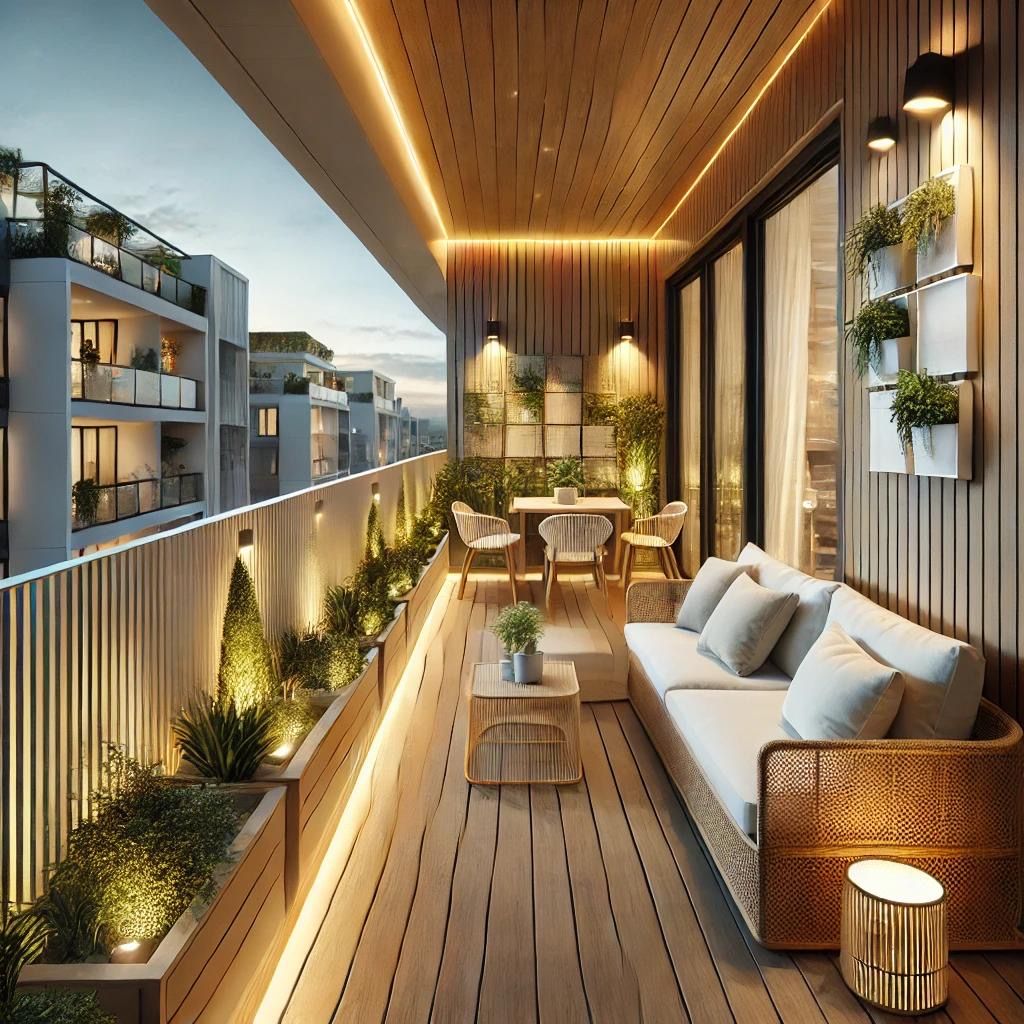
Small spaces can be a challenge for homeowners and renters alike, but with the right interior design principles, you can transform these areas into stylish and functional living environments. This blog will guide you through effective strategies for applying interior design concepts to maximize the potential of small spaces, creating an aesthetic that feels both comfortable and chic.
Understanding the Importance of Interior Design in Small Spaces
Interior design is not just about aesthetics; it’s about creating environments that enhance our quality of life. In small spaces, where every square inch counts, thoughtful design choices become crucial. Applying interior design principles can:
- Maximize functionality: Optimize every corner for practical use.
- Enhance visual appeal: Create a cohesive and inviting atmosphere.
- Influence mood: Use colors and layouts that evoke positive feelings.
Key Principles of Interior Design for Small Spaces
1. Embrace Minimalism
Minimalism is the art of simplicity, making it a perfect fit for small spaces. Here’s how to incorporate it:
- Declutter: Remove unnecessary items to create an open feel.
- Choose multifunctional furniture: Look for pieces that serve multiple purposes, such as a sofa bed or an ottoman with storage.
- Limit decorations: Select a few statement pieces instead of overcrowding surfaces.
2. Opt for Light Colors
Light colors can create an illusion of spaciousness. Consider the following:
- Paint walls in soft shades: Whites, creams, and pastels reflect light, making the room appear larger.
- Use light-colored furniture: This further enhances the airy feel.
- Incorporate mirrors: Strategically placing mirrors can reflect light and visually expand the space.
3. Focus on Layout
The layout is crucial in small spaces. Keep these tips in mind:
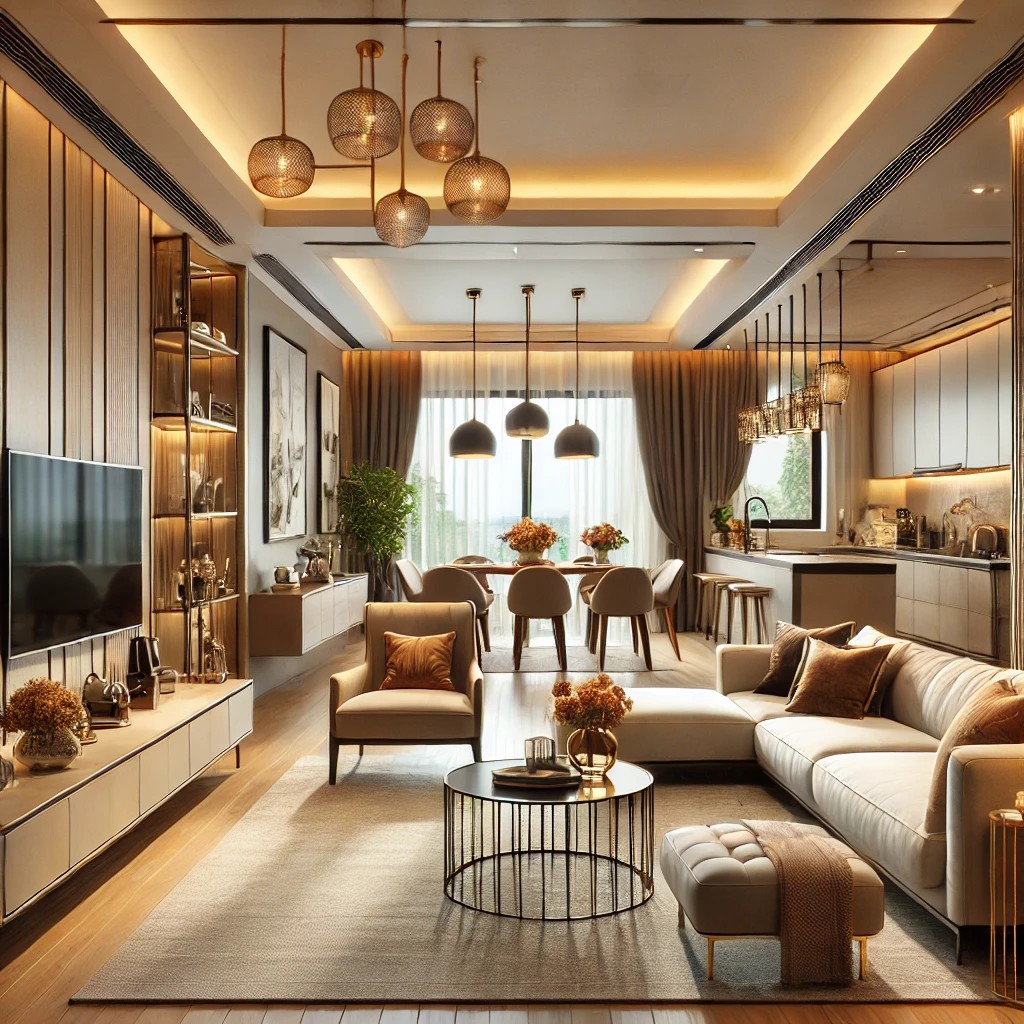
- Create zones: Define different areas for various activities, such as lounging, dining, and working.
- Use vertical space: Install shelves or cabinets that draw the eye upward.
- Choose the right furniture size: Avoid oversized furniture; opt for scaled-down versions that fit the space better.
4. Use Natural Light
Natural light can make a significant difference in small spaces. Here’s how to maximize it:
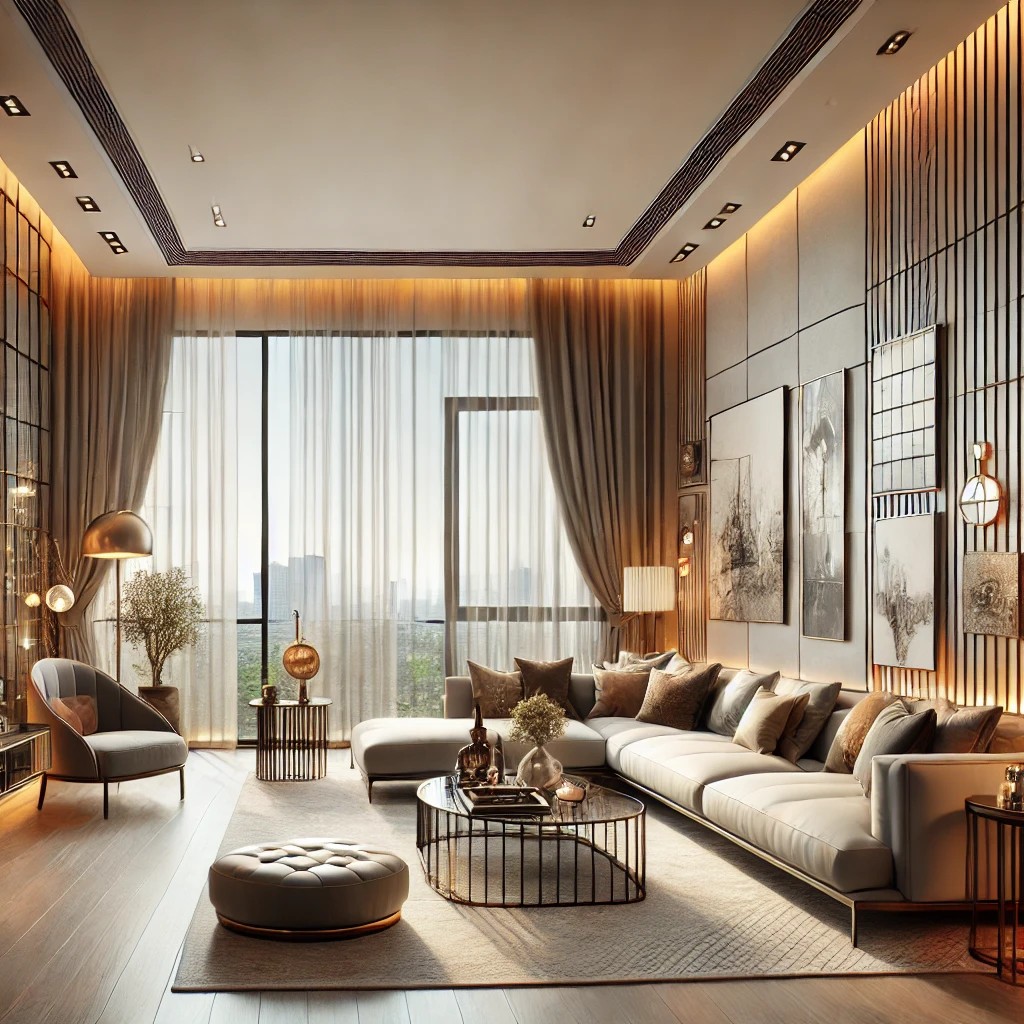
- Keep windows unobstructed: Use sheer curtains or no curtains at all to allow more light in.
- Place mirrors opposite windows: This will reflect natural light around the room.
- Choose lighter window treatments: Light fabrics allow sunlight to filter through while providing privacy.
5. Incorporate Smart Storage Solutions
Smart storage is essential for maintaining a tidy space. Here are some ideas:
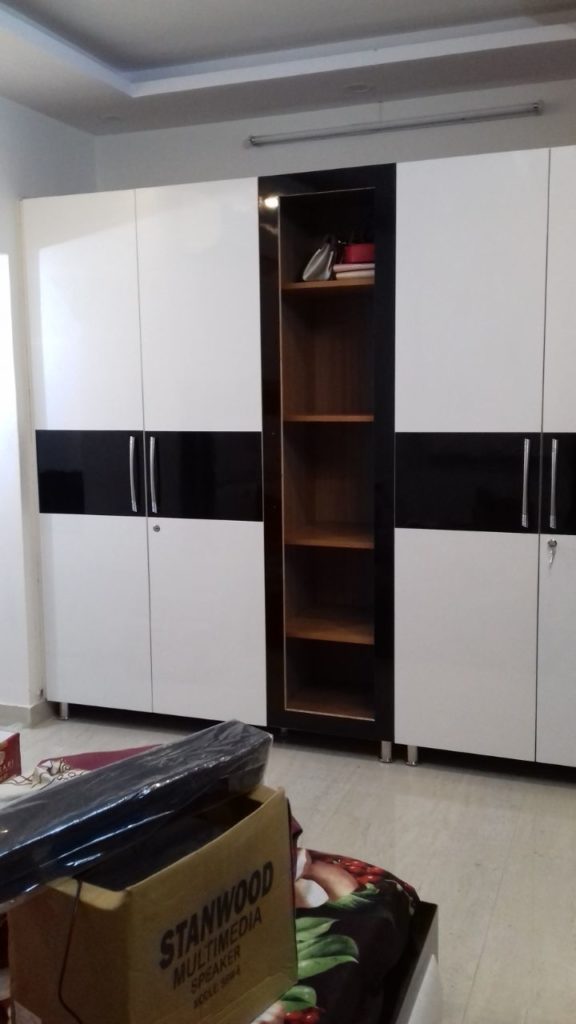
- Utilize vertical storage: Tall bookshelves and wall-mounted cabinets save floor space.
- Use under-bed storage: Boxes or drawers under the bed can hide away seasonal items.
- Opt for built-ins: Custom cabinetry can maximize storage without taking up much space.
6. Personalize Your Space
Even small spaces can reflect your personality. Consider these tips:
- Incorporate personal items: Artwork, photos, and souvenirs can make the space feel more like home.
- Use plants: Greenery adds life and color to small areas while improving air quality.
- Choose unique accessories: Statement pieces can bring character to your design.
FAQs About Interior Design in Small Spaces
What are the best colors for small spaces?
Light colors like whites, light grays, and pastels are best as they reflect light and create an airy feel. Dark colors can make a space feel smaller, but they can work if used wisely as accent walls or for specific features.
How can I make my small living room look bigger?
To make a small living room look bigger, use a light color palette, incorporate mirrors, and choose furniture that is appropriately scaled. Additionally, ensure that pathways are clear to promote an open flow.
What are some multifunctional furniture options?
Look for coffee tables that can be raised to dining height, sofas that convert into beds, and storage ottomans that double as seating. These pieces help save space while providing functionality.
How do I choose the right size furniture for my small space?
Measure your space and consider the flow of movement. Opt for furniture that complements the room’s dimensions without overwhelming it. Floating furniture (like sofas away from walls) can also help create a sense of space.
Is it possible to have a home office in a small space?
Yes! A small space can accommodate a home office by using a corner desk or a foldable table that can be tucked away when not in use. Look for storage solutions that can keep office supplies organized.
Conclusion
Transforming small spaces through interior design is not only possible but can also lead to beautiful and functional environments. By embracing minimalism, utilizing light colors, focusing on smart layouts, maximizing natural light, incorporating smart storage solutions, and personalizing your space, you can create a home that feels spacious and inviting. Remember that the key to effective interior design lies in thoughtful choices that enhance both functionality and aesthetics.
For more resources on interior design, check out these links:
By following these guidelines, you can create a small space that reflects your style while meeting your functional needs. Happy designing!