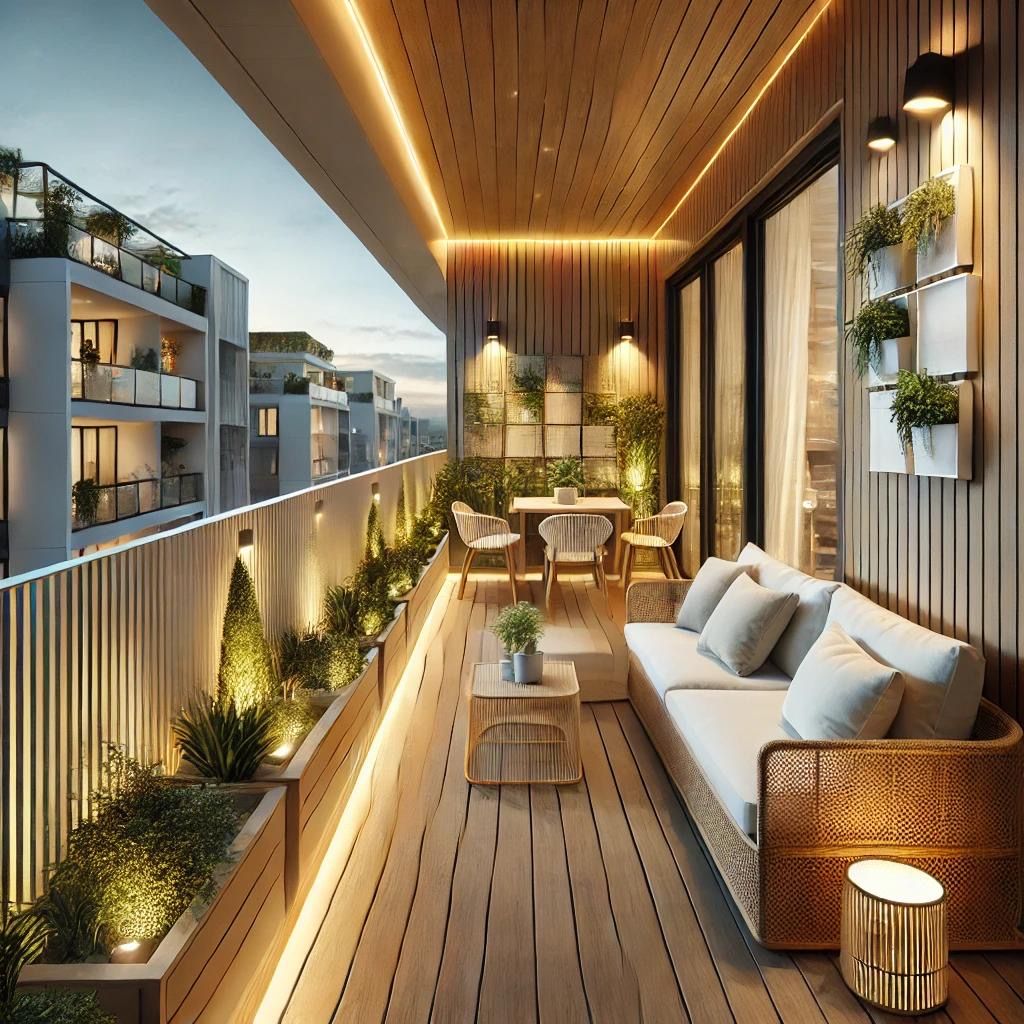
Interior design is an exciting field that combines art, architecture, and functionality to create beautiful and livable spaces. Whether you’re a homeowner looking to refresh your living space or someone considering a career in design, understanding the fundamentals of interior design can help you make informed choices. In this comprehensive guide, we’ll delve into the key concepts of interior design, the essential elements to consider, and practical tips for beginners.
Table of Contents
- What is Interior Design?
- Key Elements of Interior Design
- Different Styles of Interior Design
- The Interior Design Process
- Common Interior Design Mistakes to Avoid
- FAQs about Interior Design
- Conclusion
What is Interior Design?
Interior design is the art and science of enhancing the interiors of a space to achieve a healthier and more aesthetically pleasing environment. It involves the manipulation of space, color, lighting, texture, and furniture to create a cohesive and functional design. Understanding the basics of interior design can significantly improve your living or working space, making it more comfortable and visually appealing.
Importance of Interior Design
- Enhances Quality of Life: A well-designed space improves comfort and functionality, making daily tasks easier.
- Increases Property Value: Thoughtful design can increase the value of a property, attracting potential buyers or tenants.
- Reflects Personal Style: Interior design allows you to express your personality and style, creating a space that feels uniquely yours.
For more insights, you can visit Interior A to Z for design tips and inspiration.
Key Elements of Interior Design
When embarking on your interior design journey, it’s essential to understand the core elements that contribute to a successful design. Here are some key components to consider:
Space Planning
Effective space planning is crucial in interior design. It involves arranging furniture and decor in a way that maximizes functionality while ensuring that the space feels inviting and open. Consider the flow of movement and how each area will be used.
Color Scheme
Color sets the mood of a space. Choose a color palette that resonates with your style and complements the overall design. Colors can evoke different emotions, so select hues that align with the atmosphere you want to create. For instance, soft blues and greens promote calmness, while vibrant reds and yellows can energize a room.
Lighting
Lighting is a fundamental aspect of interior design. It enhances the ambiance and functionality of a space. Incorporate a mix of ambient, task, and accent lighting to create a well-lit environment. Natural light should also be considered; maximizing it can make a space feel larger and more welcoming.
Texture
Incorporating various textures adds depth and interest to your design. Mix materials such as wood, metal, fabric, and glass to create a tactile experience. Layering different textures can help achieve a balanced and visually appealing space.
Furniture
Choosing the right furniture is essential for both functionality and aesthetics. Consider the scale and proportion of furniture relative to the space. Opt for pieces that complement your design style while providing comfort and usability.
To learn more about furniture choices and styles, check out Interior Designer NCR.
Accessories
Accessories, such as artwork, rugs, cushions, and decorative items, add personality and character to a space. They can also be used to tie different elements of the design together. Be mindful of not overcrowding the space; less is often more.
Different Styles of Interior Design
Understanding various interior design styles can help you identify what resonates with you. Here are some popular styles:
1. Modern
Characterized by clean lines, neutral colors, and minimalistic decor, modern design emphasizes functionality. It often incorporates materials like glass and metal.
2. Traditional
Traditional design features classic elements, rich colors, and ornate furnishings. This style often includes antique pieces and intricate details.
3. Contemporary
Contemporary design reflects current trends, often blending various styles. It features sleek lines and innovative materials, focusing on simplicity and elegance.
4. Industrial
Inspired by warehouses and factories, industrial design uses raw materials like exposed brick, metal, and wood. It often incorporates a minimalist aesthetic.
5. Bohemian
Bohemian design is eclectic and vibrant, characterized by bold colors, patterns, and textures. It often includes vintage pieces and global influences.
For more inspiration on interior design styles, visit Modular Kitchen Design.
The Interior Design Process
The interior design process typically involves several stages:
1. Initial Consultation
Begin with an initial consultation to discuss your needs, preferences, and budget. This is a crucial step to establish a design direction.
2. Concept Development
Develop design concepts based on your consultation. This may include sketches, mood boards, and color palettes to visualize the overall design.
3. Design Presentation
Present the design concepts to the client for feedback. This is the opportunity to refine the design based on preferences.
4. Implementation
Once the design is approved, begin the implementation process. This involves sourcing materials, purchasing furniture, and overseeing the installation.
5. Final Walkthrough
Conduct a final walkthrough to ensure everything meets your expectations. Address any last-minute adjustments needed to perfect the space.
For detailed guidance on the design process, explore Interior A to Z.
Common Interior Design Mistakes to Avoid
As a beginner in interior design, it’s essential to avoid common pitfalls that can compromise the quality of your design. Here are some mistakes to watch out for:
- Ignoring Scale and Proportion: Choosing furniture that is too large or too small for the space can disrupt the balance of the room.
- Overlooking Lighting: Failing to incorporate sufficient lighting can make a space feel dark and uninviting.
- Choosing Trends Over Timelessness: While trends can be exciting, relying too heavily on them can make your space feel outdated quickly.
- Neglecting Functionality: Always consider how the space will be used. Design should enhance usability and comfort.
FAQs about Interior Design
What qualifications do I need to become an interior designer?
While formal education in interior design can be beneficial, many successful designers come from diverse backgrounds. Creativity, a keen eye for detail, and good communication skills are essential.
How can I find my design style?
Experimenting with different styles through online resources, magazines, and social media can help you discover what resonates with you. Create mood boards to visualize your preferences.
What is the average cost of hiring an interior designer?
The cost of hiring an interior designer varies based on location, experience, and project scope. It’s essential to discuss your budget during the initial consultation.
How do I choose the right color for my space?
Consider the mood you want to create and the room’s purpose. Test paint samples on your walls to see how they look in different lighting throughout the day.
What should I do if I’m on a tight budget?
Focus on DIY projects, prioritize key areas for improvement, and consider shopping second-hand or at discount stores for furniture and decor.
Conclusion
Understanding the fundamentals of interior design empowers you to create spaces that reflect your style and meet your functional needs. By focusing on key elements such as space planning, color, lighting, and texture, you can transform any room into a beautiful and inviting environment. Whether you’re designing your home or pursuing a career in this creative field, embracing the principles of interior design will unlock your creative potential.
For further resources and inspiration, visit Modular Kitchen Design and Interior A to Z. Happy designing!