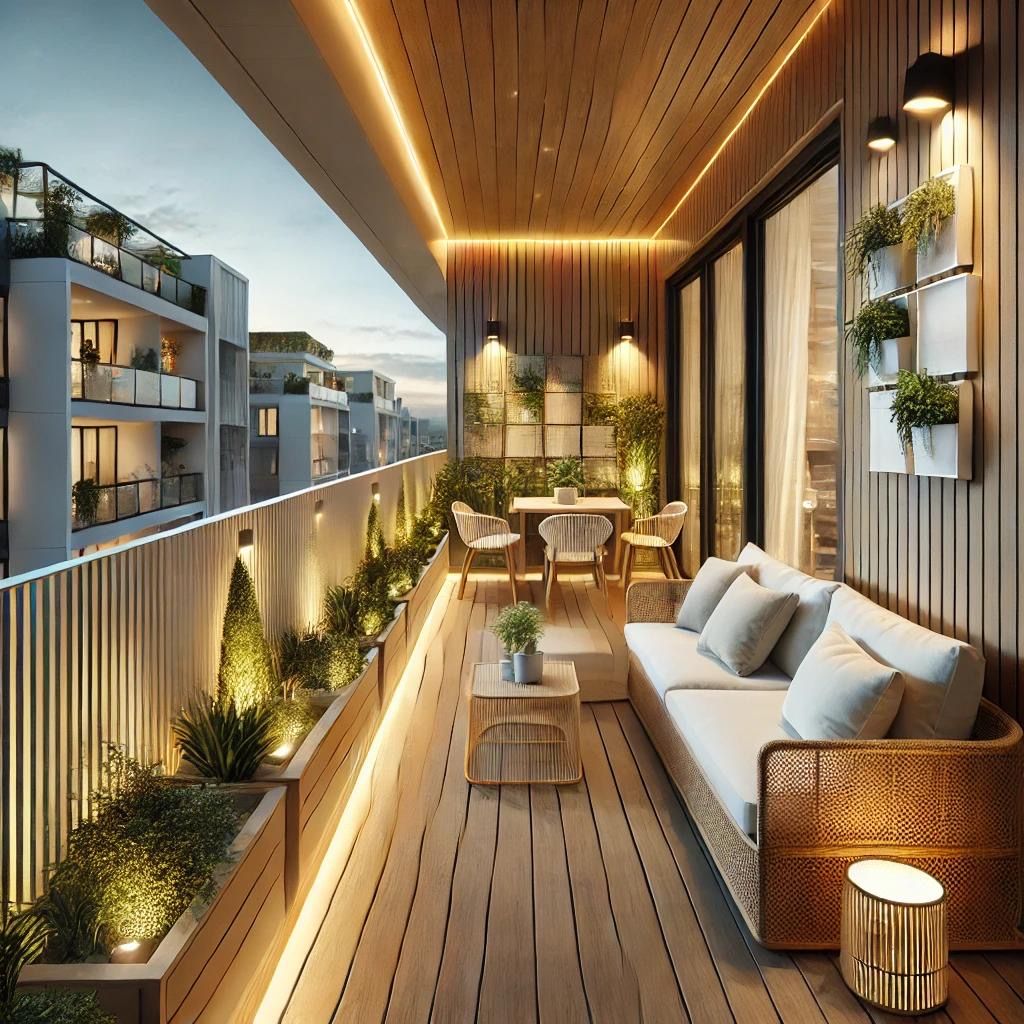
Interior architecture is more than just designing beautiful rooms; it’s about creating functional spaces that enhance the quality of life for those who inhabit them. This art form merges architecture and interior design, focusing on the structural aspects of a space while considering its aesthetic appeal. In this extensive guide, we’ll explore the key elements of interior architecture, practical tips for implementation, frequently asked questions, and conclude with how you can elevate your space through thoughtful design.
Understanding Interior Architecture
What is Interior Architecture?
Interior architecture is a discipline that emphasizes the design of interior spaces, integrating architectural elements with interior design principles. It involves reimagining existing spaces to optimize their functionality, aesthetics, and overall flow.
The Importance of Interior Architecture
- Space Optimization: Thoughtful design maximizes available space, ensuring efficient use and enhancing the overall experience.
- Cohesion and Flow: A well-designed interior creates a harmonious connection between different areas, promoting an enjoyable and functional living or working environment.
- Sustainability: Interior architecture often incorporates sustainable practices, making spaces not only beautiful but also environmentally friendly.
- Cultural Expression: Design choices can reflect cultural heritage, making spaces more meaningful and relatable.
Key Elements of Interior Architecture
1. Space Planning
Effective space planning is crucial for any interior architecture project. Here are some key considerations:
- Functionality: Determine the primary functions of the space and design accordingly.
- Zoning: Define areas for different activities, ensuring each zone serves its intended purpose.
- Accessibility: Ensure pathways are clear and accessible for everyone.
2. Structural Elements
Understanding the structural components of a space is vital in interior architecture. Consider these aspects:
- Walls: Structural walls support the building and can be used creatively in design.
- Ceilings: Ceiling height and design can dramatically influence a room’s atmosphere.
- Floors: Flooring materials and patterns play a significant role in the overall aesthetic.
3. Lighting Design
Lighting is an essential aspect of interior architecture, affecting both functionality and ambiance:
- Natural Light: Utilize windows and skylights to enhance natural light.
- Artificial Lighting: Incorporate various lighting types, such as ambient, task, and accent lighting, to create a balanced environment.
4. Material Selection
Choosing the right materials is key to achieving a desired look and feel. Here are some tips:
- Sustainable Materials: Opt for eco-friendly options like reclaimed wood, recycled glass, and low-VOC paints.
- Textures: Incorporate a mix of textures to add depth and interest to the space.
5. Color and Aesthetics
The color scheme significantly impacts the perception of a space. Consider these strategies:
- Neutral Palettes: Use soft, neutral colors to create a calm environment.
- Accent Colors: Incorporate bold accents to add character and personality.
Frequently Asked Questions (FAQ)
1. What is the difference between interior design and interior architecture?
Interior design focuses primarily on aesthetics and decor, while interior architecture combines design with the structural elements of a space, emphasizing functionality and flow.
2. How can I start my interior architecture project?
Begin by assessing your space and identifying your needs. Research styles that resonate with you, and create a mood board for inspiration.
3. Do I need to hire a professional for interior architecture?
While DIY projects are possible, hiring a professional can provide valuable expertise, particularly for complex spaces or renovations.
4. What are the latest trends in interior architecture?
Current trends include biophilic design, minimalist aesthetics, and the use of sustainable materials. For more insights, check out Interior AtoZ.
5. How can I make my space more sustainable?
Consider using eco-friendly materials, incorporating energy-efficient lighting, and designing for natural ventilation.
Tips for Successful Interior Architecture Projects
- Define Your Goals: Be clear about what you want to achieve with your interior architecture project.
- Plan a Budget: Outline your budget to manage costs effectively and prioritize key areas.
- Stay Inspired: Keep up with design trends and gather inspiration from magazines, websites, and design shows.
- Collaborate with Experts: Work with architects, designers, and contractors to ensure a cohesive approach to your project.
The Benefits of Hiring an Interior Architect
- Expert Knowledge: Interior architects possess specialized knowledge that can significantly enhance your project.
- Creative Solutions: They can offer innovative solutions that you may not have considered.
- Project Management: Interior architects can manage the entire process, ensuring that the project stays on track and within budget.
Conclusion: Transform Your Space with Thoughtful Design
Interior architecture is a powerful tool that allows you to transform any space into a functional and beautiful environment. By understanding the key elements of this discipline, you can create interiors that not only look great but also enhance your quality of life. Whether you’re considering a small renovation or a complete overhaul, embracing the principles of interior architecture will lead to remarkable results.
For more inspiration and resources on interior architecture, visit Modular Kitchen Design and Interior Designer NCR. Unlock the beauty of your space and elevate your living experience today!