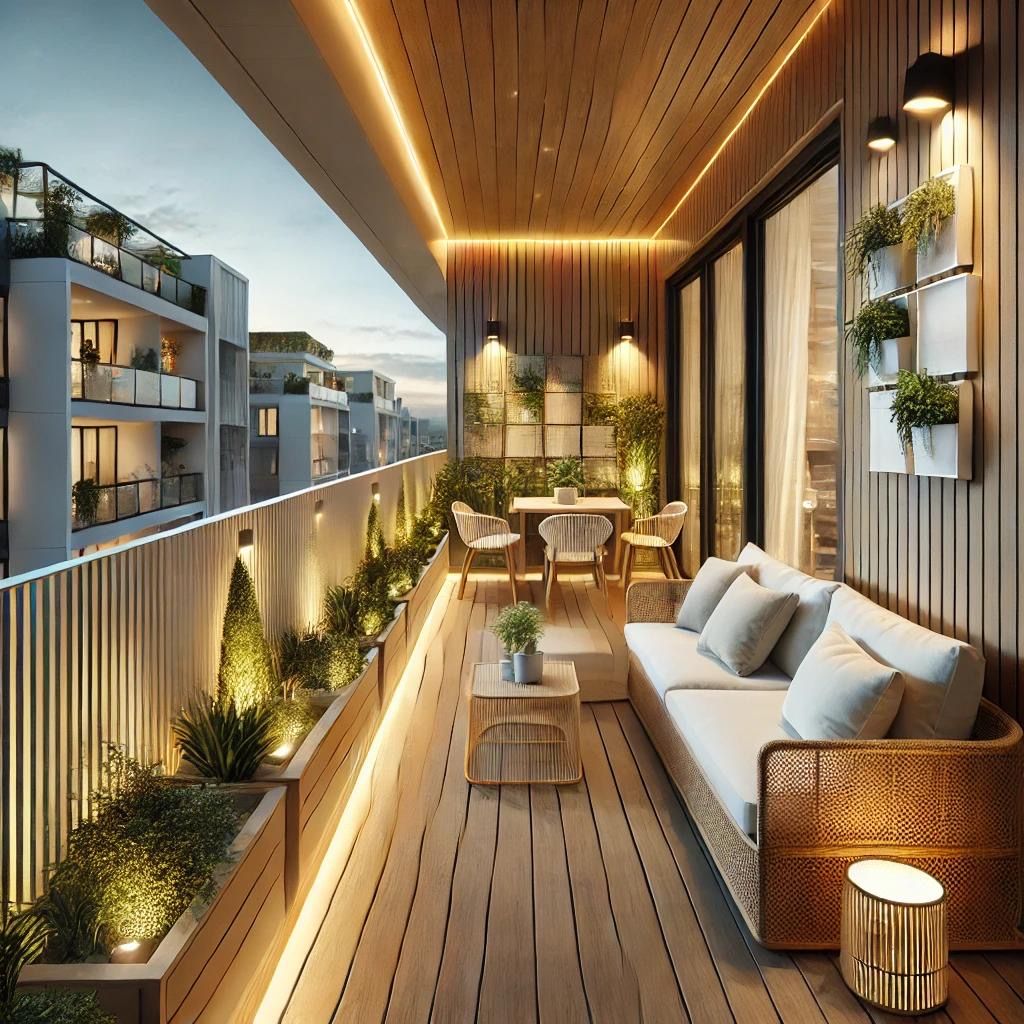
Creating a beautifully designed home goes beyond aesthetics; it encompasses functionality, comfort, and a reflection of your personality. Residential interior design plays a crucial role in transforming ordinary spaces into extraordinary environments that cater to your lifestyle needs. In this comprehensive guide, we’ll delve into the essential aspects of residential interior design, practical tips, and frequently asked questions to help you navigate this exciting journey.
Understanding Residential Interior Design
What is Residential Interior Design?
Residential interior design is the art and science of enhancing the interior of a home to achieve a healthier and more aesthetically pleasing environment. This process involves spatial planning, color coordination, furniture selection, and decor enhancement to create a cohesive and functional living space.
The Importance of Interior Design in Residential Spaces
- Functionality: Good design optimizes space, making it more usable and efficient.
- Aesthetic Appeal: Interior design enhances the beauty of your home, increasing its overall value.
- Personal Expression: A well-designed home reflects the homeowner’s personality and lifestyle.
- Comfort and Well-Being: Thoughtful design can improve mood, reduce stress, and promote well-being.
Key Elements of Residential Interior Design
1. Space Planning
Effective space planning involves arranging furniture and decor to create a harmonious flow and balance in a room. Consider these tips:
- Zoning: Define areas for different activities, such as lounging, dining, and working.
- Scale and Proportion: Choose furniture that complements the size of the room to avoid overcrowding or underutilization.
- Traffic Flow: Ensure pathways are clear and accessible for smooth movement.
2. Color Schemes
Colors can dramatically influence the mood of a space. Here are some strategies for selecting the right palette:
- Warm Colors: Reds, yellows, and oranges create a cozy and inviting atmosphere.
- Cool Colors: Blues and greens promote calmness and tranquility.
- Neutrals: Whites, grays, and beiges provide a versatile backdrop for various styles.
3. Furniture Selection
Choosing the right furniture is essential for both functionality and aesthetics. Consider the following:
- Style: Match furniture styles to create a cohesive look (e.g., modern, traditional, eclectic).
- Comfort: Invest in quality pieces that are comfortable and supportive.
- Versatility: Opt for multi-functional furniture, like a sofa bed or storage ottoman, especially in smaller spaces.
4. Lighting Design
Lighting plays a vital role in enhancing the ambiance and functionality of your home. Incorporate different types of lighting:
- Ambient Lighting: General illumination for overall brightness.
- Task Lighting: Focused lighting for specific tasks (e.g., reading, cooking).
- Accent Lighting: Highlight architectural features or artwork.
5. Decor and Accessories
The finishing touches can make all the difference. Consider these elements:
- Art and Wall Decor: Choose pieces that resonate with your style and complement your color scheme.
- Textiles: Incorporate cushions, throws, and rugs to add warmth and texture.
- Plants: Introduce greenery to bring life and freshness to your interiors.
Frequently Asked Questions (FAQ)
1. How can I start my interior design project?
Begin by defining your goals and budget. Research design styles that resonate with you and create a mood board for inspiration.
2. What is the role of an interior designer?
An interior designer collaborates with clients to create functional and aesthetically pleasing spaces, providing expertise in design principles, materials, and project management.
3. How can I maximize small spaces?
Utilize multi-functional furniture, choose lighter colors to create an illusion of space, and incorporate vertical storage solutions.
4. What are the current trends in residential interior design?
Popular trends include sustainable materials, biophilic design, minimalism, and bold color accents. For more insights on current trends, visit Interior AtoZ.
5. How do I choose a color palette for my home?
Consider your personal preferences and the mood you want to create. Use color wheel tools or online resources for inspiration. Websites like Interior AtoZ can provide additional guidance.
Tips for Successful Residential Interior Design
- Hire Professionals: Consider consulting with a professional interior designer for expert guidance and access to resources.
- Budget Wisely: Allocate funds for different areas, ensuring you prioritize essentials while leaving room for decorative elements.
- Stay True to Yourself: Your home should reflect your personality. Don’t be afraid to incorporate unique pieces that tell your story.
- Plan for the Future: Choose timeless elements that will stand the test of time, allowing for easy updates as trends change.
The Benefits of Hiring an Interior Designer
- Expertise and Knowledge: Designers bring valuable insight into design principles, trends, and materials.
- Time Savings: They can efficiently manage the project, saving you time and effort.
- Access to Resources: Designers often have connections to suppliers, contractors, and exclusive materials that can enhance your project.
Conclusion: Embrace Your Unique Style
Residential interior design is an exciting journey that allows you to express your creativity while enhancing the functionality and aesthetics of your home. Whether you choose to embark on this adventure independently or enlist the help of professionals, remember that your home is a canvas for your personality and lifestyle. For more information on interior design, check out Modular Kitchen Design and Interior Designer NCR for inspiration and resources tailored to your needs. Embrace the transformation, and let your home reflect the beautiful life you lead.