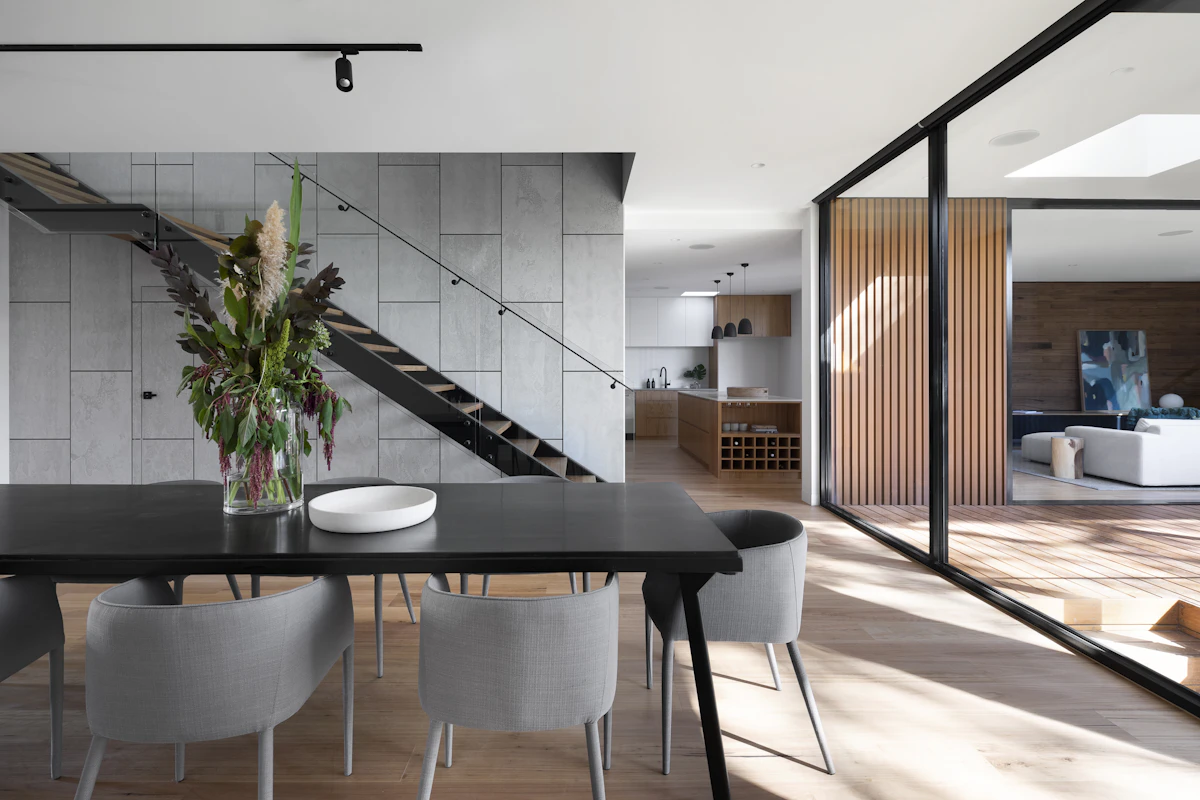
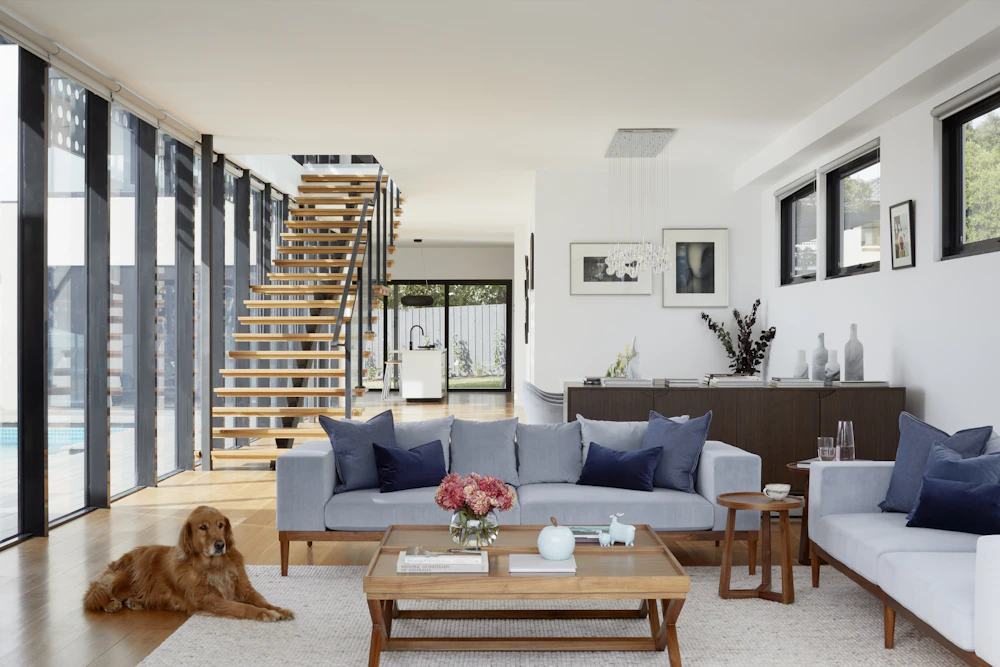
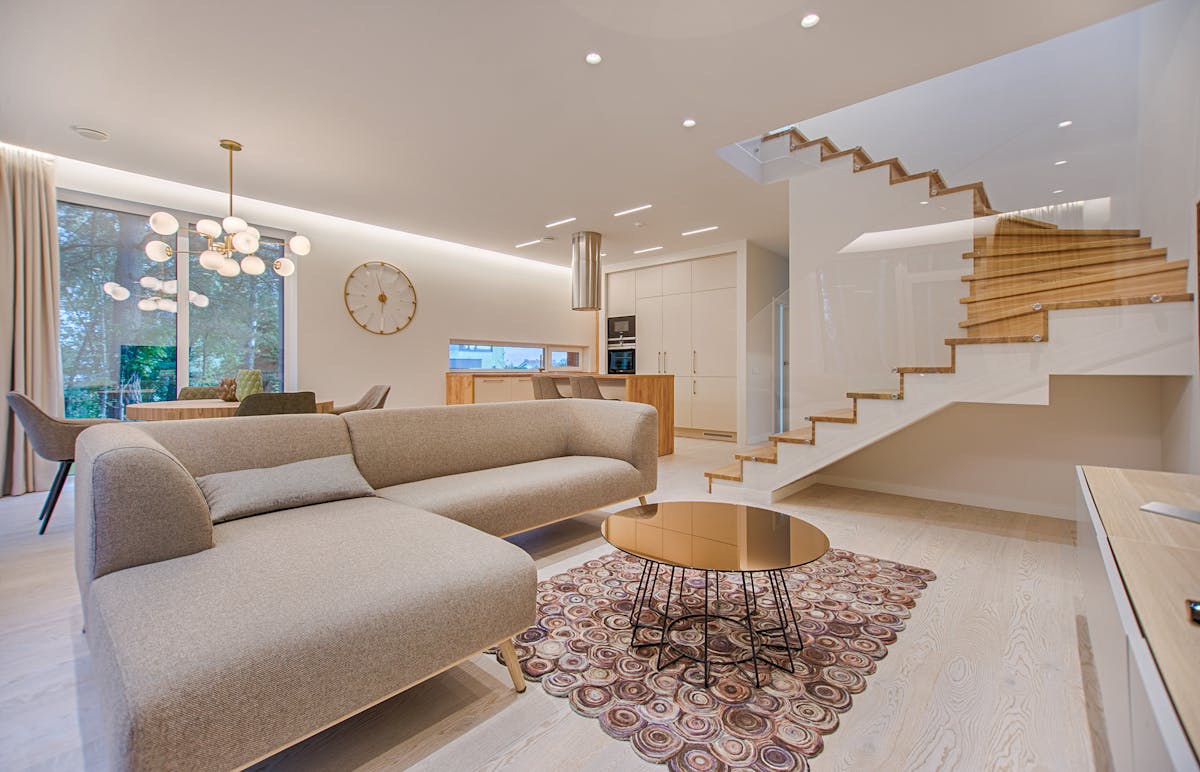
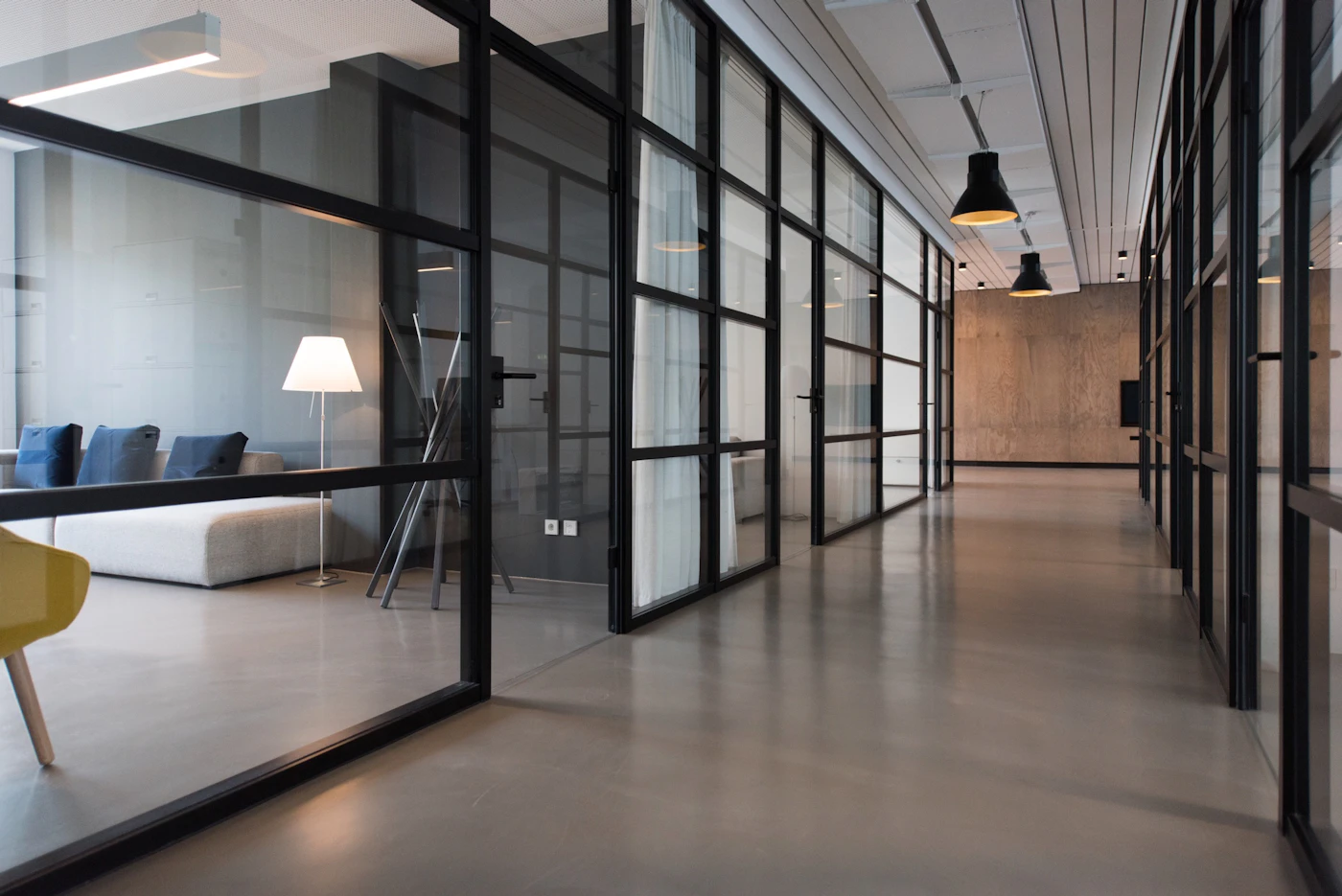
The guiding vision that transforms a house into a cohesive, stylish, and functional home.
The Blueprint for Design
An interior concept is the central idea or theme that drives a project. It is a fundamental part of professional interior design, ensuring that every choiceβfrom colors to furnitureβaligns with a unified theme.
This approach utilizes design theory to create balance and flow. Key features include a neutral foundation enhanced by color psychology, premium materials like marble and natural wood, and the application of the golden rule of design for perfect proportions.
Luxury Features and Finishes
Achieving a modern luxury look involves integrating high-end interior features. From bespoke villa interior layouts to intricate false ceiling designs, every element is chosen for its quality and craftsmanship.
This style relies heavily on design theory to balance positive and negative internal space. Key elements include a neutral color palette informed by color psychology, high-quality materials like marble and velvet, and the strategic use of the golden rule of design.
Application in Luxury Spaces
Whether you are working with a villa interior designer or upgrading a 3BHK, modern elegance is achieved through refined interior features. From statement lighting to sleek false ceiling designs, every detail is curated to provide functional luxury.
What Are Modern Interiors? | Modern Interior Design Guide 2026
MODERN INTERIOR DESIGN 2026
What Are Modern Interiors?
Explore the world of modern interiors including minimalist layouts, modular furniture, smart lighting, neutral colors, luxury finishes, and contemporary design ideas for stylish homes and offices.
Modern interiors focus on simplicity, elegant layouts, open spaces, functional furniture, smart lighting, and premium materials to create stylish and comfortable living environments.
Understanding Modern Interior Design
Modern interiors combine beauty with functionality. They use minimalist concepts, modular furniture, neutral color palettes, and open layouts to create clutter-free and luxurious living spaces. Modern homes in Gurgaon, Noida, and Delhi NCR increasingly focus on smart designs that maximize both comfort and visual appeal.
1000+
Modern Interior Projects
15+
Years Design Experience
500+
Luxury Homes Designed
Key Features of Modern Interiors
Minimalist Layouts
Modern interiors avoid clutter and focus on clean open spaces.
Neutral Colors
White, beige, grey, and earthy tones create calm and elegant interiors.
Smart Furniture
Modular and multifunctional furniture improves comfort and space utilization.
Luxury Lighting
Decorative lighting enhances ambiance and modern aesthetics.
Premium Materials
Wood, glass, marble, laminates, and textured finishes define modern interiors.
Smart Automation
Modern homes integrate smart technology and automated systems.
Benefits of Modern Interiors
Create spacious and visually larger interiors
Improve organization and storage efficiency
Enhance luxury and property value
Support modern urban lifestyles
Reduce clutter with clean design concepts
Improve comfort and functionality
Popular Modern Interior Styles
Minimalist Style
Simple furniture, open spaces, and clutter-free layouts.
Contemporary Style
Luxury materials combined with current design trends.
Scandinavian Style
Light wooden textures and bright interiors with cozy aesthetics.
Industrial Style
Metal finishes, concrete textures, and raw materials.
Transform your apartment, villa, or office with elegant modern interiors featuring luxury finishes, minimalist layouts, smart furniture, and contemporary design solutions across Delhi NCR.
Modern interiors are one of the most popular design styles today. Sleek, functional, and minimal, they focus on simplicity and clean lines rather than heavy ornamentation. Whether you are designing an apartment in Noida, a villa in Gurgaon, or an office in Delhi NCR, understanding modern interiors will help you achieve a stylish yet practical space.
Colors like white, beige, grey, and black form the foundation. Bright accents such as red, blue, or green may be added for contrast.
3. Natural Materials
Wood, leather, stone, glass, and steel are commonly used. The focus is on materials that are durable and timeless.
4. Open Layouts
Walls are minimized, creating flow between living, dining, and kitchen areas. This makes small Delhi NCR apartments feel larger.
5. Functional Furniture
Furniture is sleek, with straight edges and geometric forms. Pieces are chosen for both comfort and practicality.
6. Natural Light
Large windows, minimal drapes, and reflective surfaces maximize daylight. This enhances openness and reduces reliance on artificial lighting.
Difference Between Modern and Contemporary Interiors
Modern design: Rooted in the mid-20th century, defined by simplicity, function, and natural elements.
Contemporary design: Reflects current trends and may blend multiple styles.
While often confused, modern interiors are timeless, while contemporary ones keep evolving.
Why Modern Interiors Are Popular in Gurgaon, Noida, and Delhi NCR
Urban homes and offices need designs that balance space efficiency with style. Modern interiors provide:
Spaciousness in compact apartments.
Low-maintenance, clutter-free living.
A professional yet welcoming vibe for offices.
Elegant minimalism for luxury homes.
Summary
Modern interiors are defined by clean lines, open layouts, functional furniture, neutral colors, and natural materials. They create spaces that are uncluttered, practical, and timelessβperfect for both urban apartments and large homes.
Call to Action
Planning a modern makeover for your home or office in Delhi NCR, Gurgaon, or Noida? Explore modern interior design principles or consult a professional designer to create a space that is stylish, functional, and future-ready.
If you are planning to design your home or office in Delhi NCR, Gurgaon, or Noida, one of the first questions is: βHow do you calculate interior costs?β Interior cost calculation is not a fixed figureβit depends on multiple factors such as property size, materials, labor, and customization. Hereβs a practical guide to help you understand the process.
Main Methods of Interior Cost Calculation
1. Per Square Foot Calculation
The most widely used method in India.
Standard range: βΉ800 β βΉ2,500+ per sq. ft.
Depends on quality of finishes (basic, premium, luxury).
Example: A 1,500 sq. ft. flat in Noida at βΉ1,200 per sq. ft. = βΉ18,00,000 approx.
2. Item-Based Calculation
Each item is priced separately.
Kitchen: βΉ2β4 lakhs
Wardrobes: βΉ3β6 lakhs
Lighting & false ceiling: βΉ1.5β3 lakhs
Furniture: βΉ2.5β5 lakhs This method gives more flexibility if you want to prioritize certain rooms.
3. Percentage of Property Value
Some premium designers calculate cost as a percentage of property value.
7β15% of property cost.
Common in luxury projects in Gurgaon or Delhi.
Factors That Affect Interior Cost
Size of the Property β Bigger area = higher cost.
Material Quality β Laminate vs. veneer, tile vs. marble, basic vs. luxury fittings.
Customization β Modular furniture is cheaper than custom carpentry.
Labor & Craftsmanship β Metropolitan labor rates are higher.
Design Fees β Professional designers may charge 10β15% of total cost.
Location β Costs in Delhi NCR are higher than Tier-2 cities due to demand and logistics.
Sample Cost Calculation for a 3BHK (1,500 sq. ft.)
Total Estimate: βΉ10 β βΉ20 lakhs (standard to premium finishes).
Tips to Calculate Smartly
Start with a budget and stick to it.
Decide your finish category (basic, premium, luxury).
Compare modular vs. custom work.
Add a 10β15% buffer for contingencies.
Focus on essentials firstβkitchen, wardrobes, and lighting.
Summary
Interior cost is calculated using per sq. ft. rates, item-based pricing, or as a percentage of property value. For a standard 3BHK in Delhi NCR, Gurgaon, or Noida, the cost usually ranges from βΉ10 lakhs to βΉ20 lakhs, depending on materials, customization, and design choices.
Call to Action
Planning your interiors in Delhi NCR, Gurgaon, or Noida? Get a detailed cost breakdown from a professional interior designer to calculate accurately and avoid hidden expenses.
How Is Interior Cost Calculated? | Interior Cost Calculation Guide 2026
How Is Interior Cost Calculated?
Understand how interior design costs are calculated for apartments, villas, offices, and commercial spaces including material pricing, labor charges, modular furniture costs, and turnkey interiors.
Interior cost is generally calculated based on square footage, materials, furniture, labor charges, modular work, design complexity, and project execution requirements. Interior designers may charge per square foot, percentage basis, or lump-sum turnkey pricing.
Fees charged for design advice and planning sessions
Per Square Foot Interior Cost in Delhi NCR
Interior Category
Average Cost Per Sq. Ft.
Basic Interiors
βΉ1,200 β βΉ1,800
Mid-Range Interiors
βΉ2,000 β βΉ3,500
Luxury Interiors
βΉ4,000 β βΉ7,000+
Ultra Luxury Interiors
βΉ8,000+ Per Sq. Ft.
Luxury apartments in Gurgaon and premium villas in Delhi NCR generally have higher per-square-foot interior costs because of customized furniture and premium materials.
Interior Cost Breakdown for Homes
Modular Kitchen
Usually consumes 15%β25% of total interior budget.
Wardrobes
Bedroom wardrobes and storage systems significantly affect project cost.
False Ceiling
POP and gypsum ceiling designs increase labor and lighting expenses.
Furniture
Sofas, beds, dining sets, and TV units form a major part of interiors.
Lighting
Decorative lighting and smart systems increase project pricing.
Get professional interior design solutions with accurate cost planning, modern layouts, quality materials, and stylish finishes for apartments, villas, and offices across Delhi NCR, Gurgaon, and Noida.
One of the most common questions homeowners ask is: βHow is interior cost calculated?β The answer depends on the size of the property, quality of materials, labor charges, and customization. If youβre planning a home in Delhi NCR, Gurgaon, or Noida, understanding how designers and contractors calculate cost will help you plan your budget more effectively.
Key Methods of Calculating Interior Costs
1. Per Square Foot Rate
This is the most common method in India.
Range: βΉ800 to βΉ2,500+ per sq. ft.
Factors: material quality, finishes, and complexity.
Example: For a 1,500 sq. ft. apartment in Noida at βΉ1,200 per sq. ft., cost = βΉ18,00,000 approx.
Estimated total: βΉ10,00,000 β βΉ20,00,000 (depending on finishes).
Tips to Control Interior Costs
Finalize a budget before starting.
Compare modular vs. customized furniture.
Phase out non-essentials (start with kitchen, wardrobes, essentials first).
Source materials locally when possible.
Work with professional designers to avoid mistakes and costly rework.
Summary
Interior cost is calculated using per sq. ft. rates, item-based costing, or as a percentage of property value. The final budget depends on property size, material quality, customization, labor, and design fees. For a 3BHK in Delhi NCR, Gurgaon, or Noida, expect anywhere between βΉ10β20 lakhs for complete furnishing and interiors.
Call to Action
Planning your interiors in Delhi NCR, Gurgaon, or Noida? Get a detailed cost estimate from a professional interior designer to avoid surprises and make the most of your budget.
Many homeowners wonder why hiring an interior designer or completing a full design project costs so much. The truth is, interior design combines creativity, technical skill, and project managementβall of which require time, expertise, and resources. Whether in Gurgaon, Noida, or Delhi NCR, here are the main reasons why interior design feels expensive.
1. Professional Expertise and Skill
Interior designers bring years of training, creativity, and technical knowledge. They donβt just choose colorsβthey:
Plan layouts for functionality and flow.
Ensure lighting, ventilation, and space optimization.
Coordinate with architects, contractors, and vendors. This expertise is a premium service.
Unique finishes, textures, and styles. Customization means higher material, labor, and time costs.
3. Quality Materials and Finishes
High-quality laminates, natural wood, designer tiles, or imported fittings increase durabilityβbut also raise costs. Choosing premium materials upfront reduces repair and replacement costs later, making it a long-term investment.
4. Labor and Skilled Craftsmanship
Behind every polished design are skilled carpenters, painters, electricians, and installers.
Labor costs vary by city.
Precision craftsmanship takes time.
Specialized work like false ceilings, modular kitchens, or luxury wall finishes requires expert hands.
5. Project Management and Coordination
Designers manage vendors, suppliers, and timelines. This saves clients from delays and costly mistakes. Their fees also cover:
Site supervision.
Budget tracking.
Quality checks.
6. Location and Market Factors
In metro cities like Delhi NCR, Gurgaon, and Noida, costs rise due to:
Higher real estate and labor expenses.
Demand for luxury and modern designs.
Logistic and delivery charges.
7. Long-Term Value Creation
Though expensive upfront, professional design adds value by:
Enhancing property resale price.
Increasing space efficiency.
Creating timeless, durable interiors.
Summary
Interior design is expensive because it blends expertise, customization, quality materials, skilled labor, and management into one package. While the cost may seem high, it pays off in comfort, functionality, and long-term value.
Call to Action
Are you planning a home makeover in Gurgaon, Noida, or Delhi NCR? Instead of viewing interior design as a cost, see it as an investment in lifestyle and property value. Consult a professional to make the most of your budget.
A detailed breakdown of furnishing expenses, from essential furniture to luxury finishes for your 3BHK home.
Budget Summary for 3BHK
Furnishing a standard 1,500 sq ft home in India typically ranges from βΉ6 Lakhs to βΉ20 Lakhs+. The final cost per sq ft depends on your choice of materials and the level of professional interior design required.
Furnishing Cost Estimates (2025)
Quality Tier
Estimated Range (3BHK)
Typical Inclusions
Mid / Standard
βΉ6,00,000 β βΉ12,00,000
Branded fixtures, modular kitchen, standard wardrobes.
Salaries vary significantly based on design theory knowledge and technical expertise. Designers specializing in villa interiors or high-end false ceiling designs often command higher premiums. Location also plays a role, with higher pay in hubs like Delhi, Gurgaon, and Noida.
Principles like contrast, rhythm, and color application are deeply rooted in color psychology. Whether for villa interiors or commercial spaces, these rules ensure visual interest and emotional resonance.
Interior design focuses on space planning, functionality, technical layouts, and structural improvements, while interior decoration mainly focuses on aesthetics, furniture styling, colors, and decorative accessories.
What Is Interior Design?
Interior design is a professional discipline that combines creativity, technical knowledge, and space planning to create functional and visually attractive interiors. Interior designers work on layouts, lighting plans, modular systems, furniture design, and overall space optimization. According to Interior A to Z resources, interior designers focus on both functionality and aesthetics. :contentReference[oaicite:0]{index=0}
Interior designers usually require formal education in interior design, architecture, or related fields. They learn technical planning, building regulations, and design software. Interior decorators may or may not have formal education and mainly focus on aesthetic styling and decoration concepts. :contentReference[oaicite:2]{index=2}
Qualification Area
Interior Designer
Interior Decorator
Technical Training
Required
Optional
CAD & 3D Software
Essential
Basic Knowledge
Building Codes
Required
Not Required
Decoration Styling
Included
Main Focus
Which One Should You Hire?
Hire an interior designer for complete renovations and space planning
Choose an interior decorator for styling and aesthetic improvements
Interior designers are ideal for new homes and major remodeling
Many modern firms offer both design and decoration services together
Modern homeowners in Delhi NCR, Gurgaon, and Noida often prefer turnkey firms that provide both interior design and interior decoration services under one solution.
Benefits of Professional Interior Design and Decoration
Better Functionality
Professional planning improves space utilization and comfort.
Luxury Aesthetics
Expert styling creates elegant and visually balanced interiors.
Higher Property Value
Well-designed interiors improve resale value and buyer appeal.
Professional Execution
Experts manage vendors, materials, and project timelines efficiently.
Interior Design and Decoration Trends in Delhi NCR
Whether you need complete interior design solutions or elegant home decoration services, professional experts can transform your home or office into a stylish and functional space across Delhi NCR.
What Is the Difference Between Interior Design and Interior Decoration?
People often confuse interior design and interior decoration, using the terms interchangeably. While they are related, they serve different purposes. If you are planning to update your home in Gurgaon, Noida, or Delhi NCR, understanding the difference between the two will help you decide whether you need a designer, a decorator, or both.
What Is Interior Design?
Interior design is the science and art of creating functional, safe, and aesthetically pleasing spaces. It involves planning layouts, analyzing human behavior, and working with architecture.
Key Features of Interior Design:
Space planning and furniture layouts.
Selection of materials, finishes, and lighting.
Knowledge of building codes and safety regulations.
Use of design software for 2D and 3D visualization.
Focus on both function and beauty.
Interior designers usually work with architects and contractors to ensure structural and aesthetic harmony.
What Is Interior Decoration?
Interior decoration focuses on enhancing the look of a space through style and aesthetics. It comes after the structural work is complete.
Key Features of Interior Decoration:
Choosing color schemes.
Selecting furniture, rugs, curtains, and accessories.
Creating visual appeal without altering structure.
Decorators donβt typically deal with technical elements like wiring, plumbing, or constructionβthey work on the surface details.
Main Differences Between Interior Design and Interior Decoration
Aspect
Interior Design
Interior Decoration
Scope
Functional + aesthetic
Aesthetic only
Skills
Requires technical knowledge + design
Requires creativity + styling
Education
Formal training, degrees, certifications
No formal education required (but useful)
Involvement
Works from planning stage
Works after structural work is complete
Example
Planning a kitchen layout for better workflow
Choosing cabinets, paint, and accessories for the kitchen
Which One Do You Need in Gurgaon, Noida, or Delhi NCR?
Choose an interior designer if youβre renovating, restructuring, or building a new home or office.
Choose an interior decorator if you want to refresh your space with new colors, furniture, and accessories.
Many projects benefit from a combination of both.
Summary
The key difference between interior design and interior decoration lies in scope. Interior design involves planning, technical knowledge, and functional layouts, while interior decoration focuses on styling and aesthetics. Both are essential to creating a home or office that looks beautiful and works well.
Call to Action
Planning a project in Delhi NCR, Gurgaon, or Noida? Decide whether you need an interior designer, an interior decorator, or bothβand transform your space into a blend of style and functionality.
Effective design theory emphasizes the importance of flow. Whether it’s a villa interior or a compact apartment, rearranging furniture and decluttering can redefine the best interior style for your home.
Space defines the boundaries of a room, while Lines guide the eye and establish structure. Mastering these requires a solid grasp of design theory to balance interior features like furniture and architectural details.
3. Form & 4. Light
Form refers to the shapes used in a space, while Light defines the mood and highlights textures. A designer’s duties include choosing the right false ceiling designs and lighting fixtures to enhance the best interior style of the home.
The 5 principles of interior design are the fundamental guidelines designers use to create spaces that are both beautiful and functional. These principles help achieve visual harmony while ensuring a room meets the needs of the people using it.
1. Balance
Balance is the distribution of visual weight within a room. A balanced space feels stable and comfortable.
Asymmetrical Balance: Different objects with similar visual weight create a more relaxed and modern appearance.
Radial Balance: Elements are arranged around a central focal point, such as a round dining table or chandelier.
Example: Two identical sofas facing each other create symmetrical balance, while a sofa paired with two accent chairs can achieve asymmetrical balance.
2. Harmony and Unity
Harmony ensures all design elements work together to create a cohesive look. Unity means every piece contributes to a single design concept.
To create harmony:
Use a consistent color palette.
Repeat materials, textures, or patterns.
Maintain a similar design style throughout the space.
Coordinate furniture and accessories.
A harmonious interior feels organized rather than cluttered.
3. Rhythm
Rhythm guides the eye naturally through a room by creating movement and visual interest.
Designers create rhythm by:
Repeating colors, patterns, or textures.
Using gradual progression, such as increasing sizes of decorative items.
Creating smooth transitions between spaces.
Alternating shapes or materials.
For example, repeating black accents throughout a living room creates visual continuity.
4. Emphasis
Every room should have a focal point that immediately captures attention.
Proportion refers to how elements relate to one another, while scale refers to how objects relate to the size of the room.
Good proportion and scale ensure:
Furniture fits comfortably within the space.
Decorative accessories complement the furniture.
Ceiling height influences furniture size.
Walkways remain functional and uncluttered.
For example, placing a large sectional sofa in a small apartment can overwhelm the room, while appropriately sized furniture makes the space feel open and comfortable.
Quick Summary Table
Principle
Purpose
Example
Balance
Creates visual stability
Symmetrical furniture arrangement
Harmony & Unity
Ensures a cohesive design
Consistent colors and materials
Rhythm
Creates movement and flow
Repeating colors or patterns
Emphasis
Establishes a focal point
Feature wall or statement lighting
Proportion & Scale
Maintains correct sizing
Furniture sized appropriately for the room
Why These Principles Matter
Applying these five principles helps designers create interiors that are:
Comfortable and functional
Visually appealing
Well-organized
Easy to navigate
Suitable for the intended purpose of the space
Whether designing a home, office, restaurant, or retail space, these principles provide the foundation for successful interior design.
The **five principles of interior designβBalance, Harmony and Unity, Rhythm, Emphasis, and Proportion and Scaleβ**work together to transform ordinary rooms into thoughtfully designed spaces. Mastering these concepts enables designers to create interiors that not only look attractive but also improve comfort, usability, and the overall experience of the people who use them.
5 Most Important Principles of Interior Design
1.Balance.
2.Harmony.
3.Focal Point.
4.Rhythm.
5.Details.
What Are the 5 Principles of Interior Design? A Complete Guide
Interior design is more than decorating a spaceβitβs about creating balance, functionality, and beauty that work together. If you are planning to redesign your home or office in Gurgaon, Noida, or Delhi NCR, understanding the 5 principles of interior design will help you achieve a harmonious and timeless look.
1. Balance in Interior Design
Balance ensures that a room feels visually stable and pleasing.
Rhythm creates movement and flow in a room, guiding the eye naturally.
Repetition: Using the same colors, shapes, or patterns.
Progression: Gradual changes in size or color.
Transition: Smooth visual connection, like a hallway leading to a living space.
Contrast: Opposites, such as light vs. dark, for impact.
This principle prevents monotony and adds interest.
4. Emphasis β The Focal Point
Every room needs a strong focal point. It could be:
A statement sofa.
A feature wall.
An artwork or chandelier.
Without emphasis, interiors look bland. With the right focal point, the design feels intentional and balanced.
5. Harmony and Unity
Harmony ensures that all design elementsβcolors, textures, patterns, and furnitureβwork together. Unity gives a sense of completeness to the design.
Consistent color schemes tie rooms together.
Matching textures and materials create flow across spaces. This principle is key to making a home or office feel inviting and functional.
Why These Principles Matter in Gurgaon, Noida, and Delhi NCR
Urban homes and offices in Delhi NCR, Gurgaon, and Noida often face space challenges. Applying these 5 principles of interior design ensures:
Compact apartments feel more spacious.
Offices look professional and organized.
Luxury homes achieve timeless elegance.
Summary
The five principles of interior designβbalance, proportion and scale, rhythm, emphasis, and harmonyβform the foundation of any successful design. By following them, you can transform spaces into functional, stylish, and cohesive environments.
Call to Action
Are you planning a home or office makeover in Gurgaon, Noida, or Delhi NCR? Apply these principles or consult a professional interior designer to bring your vision to life.
Uncovering the complexity, technical demands, and professional skills behind the art of design.
The Professional Reality
Many ask, “Is interior designer easy?” While it may seem like simple decorating, true professional interior design is a complex field. It requires a deep understanding of design theory and the ability to transform internal spaces into functional masterpieces.
Interior home decor is the process of styling and improving indoor spaces using furniture, lighting, decorative accessories, colors, textures, and layouts to create visually attractive and comfortable environments.
Good interior home decor improves comfort, organization, aesthetics, and property value. It helps homeowners create personalized spaces that reflect their lifestyle and taste while maximizing space functionality.
Modern home decor in Delhi NCR increasingly focuses on functional luxury, sustainable materials, and smart technology integration for apartments and villas.
Budget-Friendly Home Decor Tips
Use Neutral Colors
Neutral shades create elegant interiors without expensive renovations.
Add Indoor Plants
Plants improve freshness and add natural beauty to interiors.
Upgrade Lighting
Modern lighting fixtures instantly improve room aesthetics.
Use Decorative Mirrors
Mirrors make rooms look larger and brighter.
Mix Textures
Combining fabrics, rugs, and wooden finishes adds depth to interiors.
Choose Modular Furniture
Modular furniture saves space and improves functionality.
Transform your apartment, villa, or office with elegant interior home decor solutions designed for comfort, functionality, and luxury living across Delhi NCR, Gurgaon, and Noida.
Rugs, curtains, cushions, and art pieces personalize the space.
Plants and natural textures enhance organic design trends in Delhi NCR.
9. Balance Budget and Timeline
Create a checklist of essentials.
Plan purchases and stages of work to avoid overspending.
10. Review and Refine
Step back and assess the overall flow.
Ensure that every element aligns with your theme, function, and lifestyle needs.
Final Thoughts
Starting interior design requires clarity, planning, and consistency. From choosing a theme to selecting colors, layouts, and lighting, each step builds toward a harmonious result. For homeowners in Gurgaon, Noida, and Delhi NCR, focusing on functionality and aesthetics ensures interiors that are both modern and timeless.
Defining the visual narrative and unifying concepts of your living space.
The Visual Blueprint
A theme in interior design is the unifying concept that shapes the look and feel of internal spaces. It serves as an overlay to design theory, ensuring that all interior featuresβfrom furniture to lightingβwork together to create a cohesive interior style.