Design

a black and a blue twitter logo

Understanding 3D Visualization and Renderings

What is 3D Visualization?

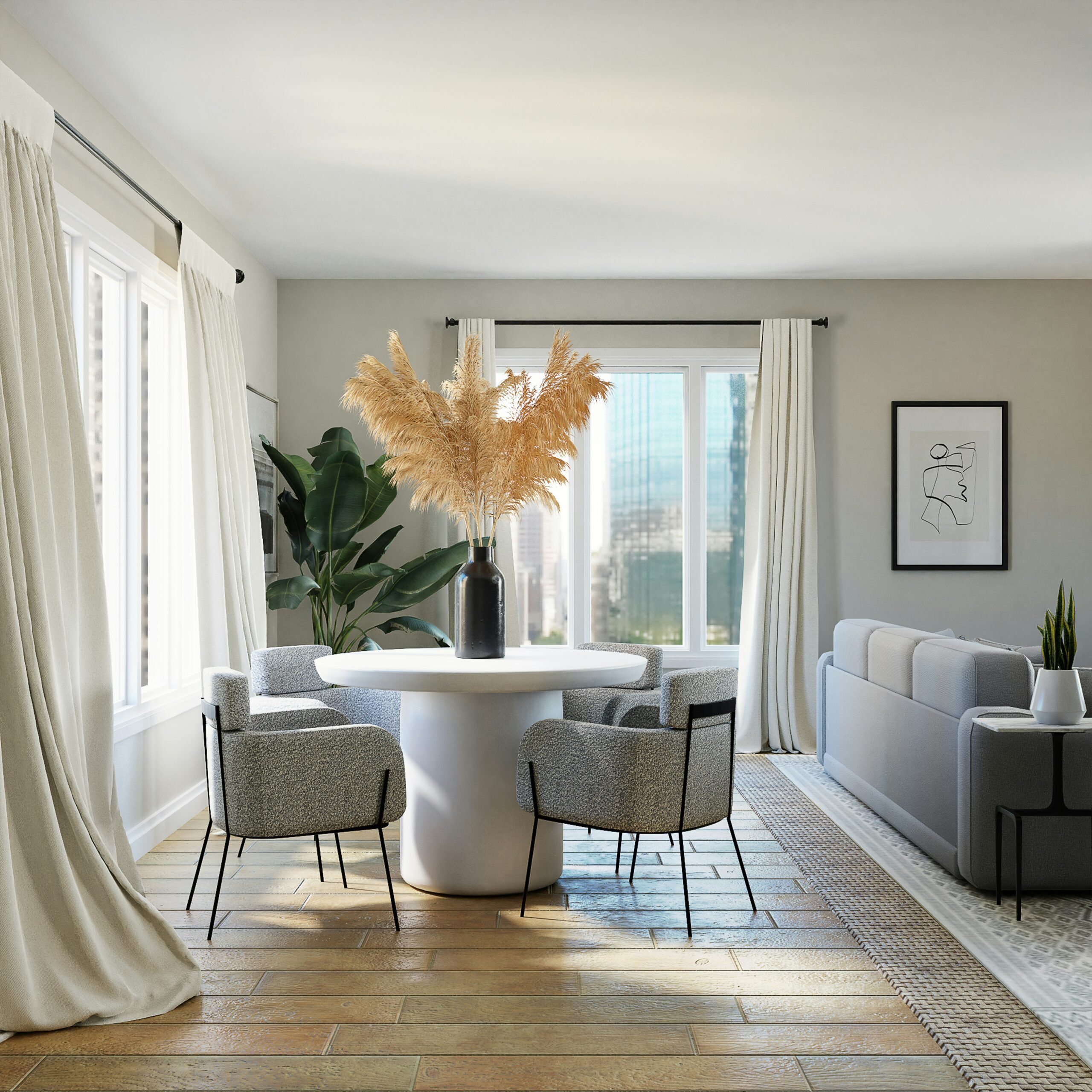
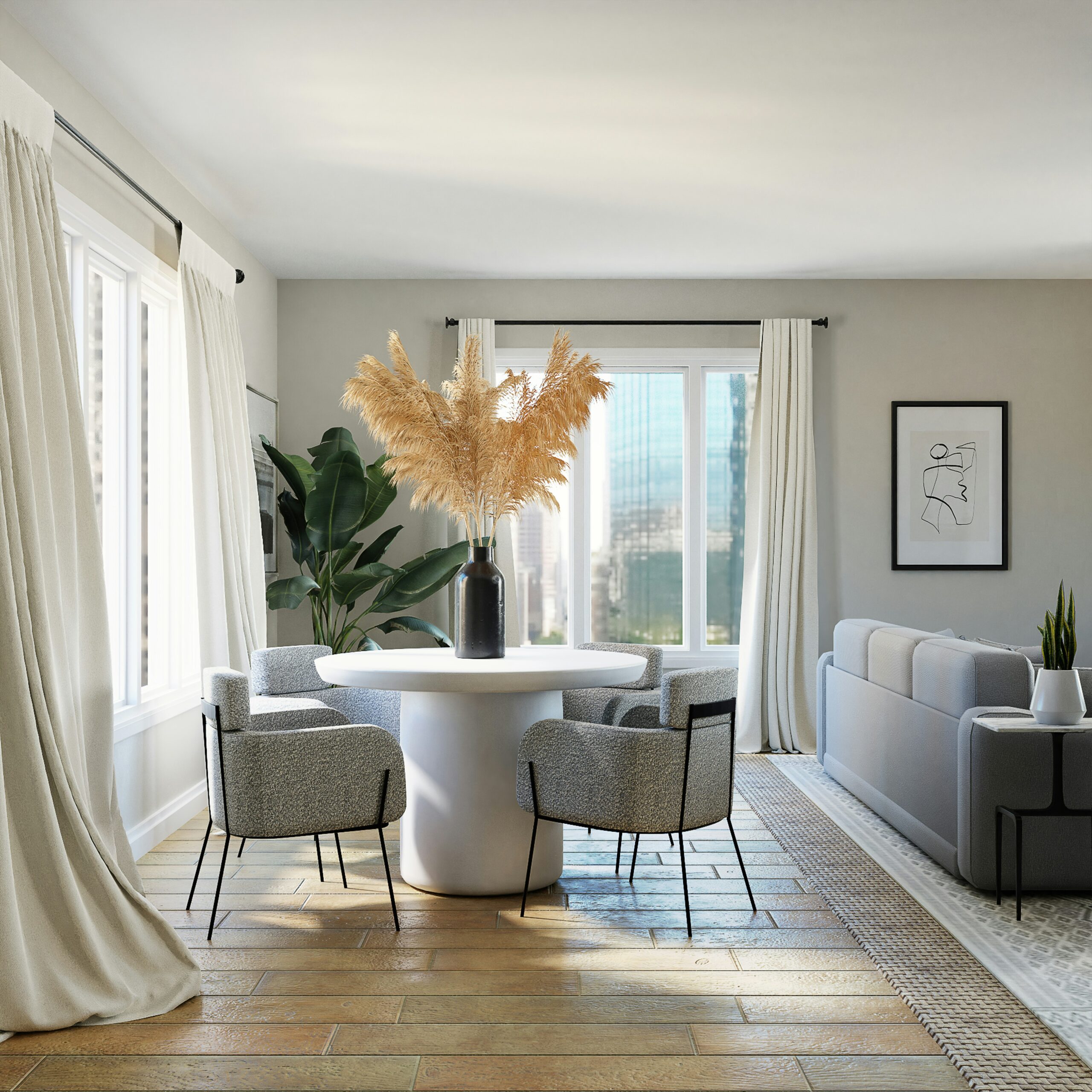
3D visualization refers to the process of creating graphical content using three-dimensional (3D) techniques. It allows designers and architects to showcase their concepts in a more realistic and immersive way. These visuals can range from simple models to detailed renderings, helping clients and stakeholders to better understand the ideas being presented.

The Importance of Renderings

Renderings are a critical component of 3D visualization. They involve producing high-quality images or animations based on 3D models. This process not only enhances the aesthetic appeal but also conveys the mood and atmosphere of the design. Utilizing accurate lighting, textures, and materials can dramatically increase the impact of a rendering, making it an essential tool in various industries including architecture, gaming, and product design.

Applications of 3D Visualization in Various Fields

The application of 3D visualization and renderings spans across numerous fields. In architecture, it aids in presenting designs to clients before construction begins. In product design, it helps visualize items that are still in the conceptual phase, thus facilitating marketing efforts. Additionally, the entertainment industry heavily relies on these technologies for creating engaging visual content. As tools and techniques continue to evolve, the scope and effectiveness of 3D visualization will only expand further.

Understanding 3D Visualization and Renderings Read More »

Exploring Themed Designs: From Vintage to Minimalistic

Introduction to Themed Designs

Themed designs can significantly enhance any project, making it more cohesive and visually appealing. Whether you lean towards vintage charm, modern sophistication, or minimalistic elegance, understanding various themed designs is essential for creating a distinctive aesthetic.

Embracing Vintage Designs

Vintage designs evoke nostalgia and character. Incorporating elements like retro color palettes, antique furnishings, and distressed textures can transport viewers back in time. This theme often draws inspiration from past eras, allowing for a rich storytelling aspect that resonates with many.

The Allure of Modern and Minimalistic Styles

In contrast to vintage, modern designs focus on clean lines and functional aesthetics. They embrace simplicity and practicality, utilizing materials like glass, metal, and concrete. Minimalistic styles take this further by stripping away excess details, resulting in serene and uncluttered spaces that promote relaxation and focus.

In conclusion, whether you are conceptualizing a themed design project or looking to refresh your space, understanding these varied styles can guide your choices. The beauty of themed designs lies in their diversity, allowing you to express individuality while still honoring timeless concepts.

Exploring Themed Designs: From Vintage to Minimalistic Read More »

white and brown kitchen cabinet

Essential Elements of Commercial Kitchen and Bathroom Design

Understanding the Importance of Design

When it comes to the success of a commercial establishment, the design of kitchens and bathrooms plays a crucial role. A well-thought-out commercial kitchen and bathroom design not only enhances functionality but also improves the overall customer experience. These spaces should reflect a commitment to quality and efficiency, aligning with the brand’s image.

Key Considerations for Kitchen Design

In commercial kitchen design, factors such as layout, equipment placement, and safety regulations are paramount. Optimizing the flow of movement will help chefs work efficiently while reducing the risk of accidents. Key appliances must be strategically placed to facilitate a seamless workflow. Additionally, incorporating durable materials that can withstand the rigors of daily use is essential.

Bathroom Design Essentials

Commercial bathroom design is equally important, as it impacts both hygiene and customer comfort. The size and layout should accommodate high traffic, ensuring accessibility for all. Consideration of fixtures, such as touchless faucets and energy-efficient lighting, can enhance the experience while supporting sustainability. Cleanliness and functionality should be prioritized to create a welcoming environment for patrons.

In summary, investing in effective commercial kitchen and bathroom design can significantly enhance operational efficiency and customer satisfaction. By focusing on the right elements, businesses can create appealing and functional spaces that contribute positively to their reputation.

Essential Elements of Commercial Kitchen and Bathroom Design Read More »

Discover the Art of Interior Design in Panipat

Introduction to Interior Design in Panipat

Panipat, known for its rich history and craftsmanship, is also witnessing a growing appreciation for interior design. This form of artistry enables the transformation of any space into a reflection of personal style and functionality. Interior designers in Panipat are becoming significant contributors to this evolving sector, showcasing their innovative skills and expertise.

Services Offered by Interior Designers

Interior designers in Panipat provide a variety of services tailored to meet clients’ needs. From residential projects such as homes and apartments to commercial spaces like offices and retail outlets, these professionals ensure each design is aesthetically pleasing and practical. They assist in space planning, color schemes, furniture selection, and even lighting design, creating harmonious environments conducive to both living and working.

Choosing the Right Designer in Panipat

When selecting an interior designer in Panipat, it’s essential to consider their portfolio and design philosophy. A good designer will not only incorporate your preferences but will also offer professional insights that enhance the overall design. Engage with several designers to discuss your vision, budget, and desired outcomes. With the right interior designer, your space can become a true reflection of your personality while ensuring all functional needs are met.

Discover the Art of Interior Design in Panipat Read More »

white and gray sofa chairs near white window curtain

Exploring the Art of Interior Design in Old Faridabad

white and gray sofa chairs near white window curtain

The Essence of Interior Design

Interior design is more than just arranging furniture; it is about creating spaces that resonate with the identity and needs of the inhabitants. In Old Faridabad, this art form embraces rich cultural influences while catering to modern tastes. With its unique blend of tradition and contemporary aesthetics, interior designers in Old Faridabad are transforming homes into havens of style and comfort.

Why Choose an Interior Designer in Old Faridabad?

Old Faridabad is known for its vibrant community and diverse architectural styles. An interior designer in this region not only understands local trends but also possesses a keen eye for detail. They can seamlessly blend materials, colors, and fabrics to reflect the homeowners’ personal style. By hiring a local expert, clients benefit from customized solutions that enhance both functionality and beauty.

Services Offered by Designers in Old Faridabad

Interior designers in Old Faridabad offer a variety of services tailored to meet client needs. This includes space planning, color consultations, furniture selection, and complete home makeovers. They often collaborate with architects and contractors, ensuring that each project aligns with the homeowner’s vision while adhering to structural requirements. By choosing an experienced designer, clients ensure that their space is not only aesthetically pleasing but also practical.

Exploring the Art of Interior Design in Old Faridabad Read More »

Getting Started in Interior Design: A Beginner’s Guide

Understanding the Basics of Interior Design

Interior design is the art of enhancing the interior of a space to achieve a healthier and more aesthetically pleasing environment. For those wondering how to start interior design, it’s essential to grasp the fundamentals first. Interior designers focus on the function and aesthetics of indoor spaces, keeping in mind factors such as color, texture, space planning, and furniture arrangement.

Developing Your Personal Style

Before diving into any interior design projects, it’s crucial to develop a personal style. Explore various styles, such as contemporary, minimalist, or eclectic, to find what resonates with you. Look for inspiration in magazines, online platforms like Pinterest, and in your surroundings. A strong understanding of your taste will guide your design choices and help create cohesive spaces.

Gathering Resources and Making Plans

Once you’ve identified your style, it’s time to gather resources. Create a mood board using images, color swatches, and material samples that reflect your vision for the space. Additionally, take measurements of the area you’ll be working with and consider functionality. Developing a comprehensive plan that incorporates both your aesthetic preferences and practical needs is vital for any successful interior design project.

How to Start Interior Design: A Comprehensive Guide

Starting a career in interior design can be both exciting and challenging. Whether you have a passion for creating beautiful spaces or an eye for aesthetics, interior design offers a fulfilling path for creative expression and professional growth. In this guide, we’ll outline the essential steps to kickstart your journey in interior design.

1. Understand the Basics of Interior Design

Before diving into the world of interior design, it’s crucial to grasp the fundamentals. Interior design involves more than just decorating; it encompasses space planning, color theory, furniture selection, and understanding the psychology of design. Familiarize yourself with key concepts such as:

  • Space Planning: The arrangement of furniture and decor to maximize functionality and flow.
  • Color Theory: Understanding how colors interact and evoke emotions in a space.
  • Materials and Textiles: Knowing various materials used in furnishings, fabrics, and finishes.
  • Design Styles: Exploring different design aesthetics like modern, contemporary, traditional, and minimalist.

2. Get Educated

While formal education is not mandatory, obtaining a degree or certificate in interior design can provide you with a solid foundation and increase your credibility in the industry. Look for programs that cover essential topics, including:

  • Design principles and history
  • Drafting and space planning
  • Building codes and regulations
  • Computer-aided design (CAD) software

Many community colleges, universities, and online platforms offer courses and programs in interior design.

3. Gain Experience

Experience is invaluable in the interior design field. Here are several ways to gain practical experience:

  • Internships: Look for internships with established interior design firms. This hands-on experience will allow you to learn from professionals and build a portfolio.
  • Freelance Projects: Start with small projects for friends and family. This will help you gain confidence and create a portfolio showcasing your work.
  • Volunteering: Offer your design services to non-profit organizations or community projects. This will provide real-world experience while contributing to a good cause.

4. Build a Portfolio

A well-curated portfolio is essential for showcasing your skills and attracting clients. Include high-quality images of your completed projects, sketches, and mood boards. Make sure to highlight your design process and how you addressed specific client needs. Consider creating a digital portfolio or website to reach a wider audience.

5. Develop Your Network

Networking is key to success in the interior design industry. Attend industry events, workshops, and trade shows to connect with other professionals and potential clients. Join design organizations, such as the American Society of Interior Designers (ASID), to expand your network and stay updated on industry trends.

6. Understand the Business Side

As an interior designer, it’s essential to understand the business aspects of your career. Consider the following:

  • Create a Business Plan: Outline your goals, target market, services offered, and pricing structure.
  • Marketing: Develop a marketing strategy to promote your services. Utilize social media, create a professional website, and consider online advertising.
  • Client Management: Learn how to effectively communicate with clients, set expectations, and manage contracts and invoices.

7. Stay Updated on Trends

The interior design field is constantly evolving, with new trends and technologies emerging regularly. Stay informed by reading design blogs, magazines, and attending workshops. Follow industry leaders and influencers on social media for inspiration and insights.

8. Specialize

Once you have a solid foundation, consider specializing in a particular area of interior design. This could be residential, commercial, sustainable design, or any niche that resonates with your interests and skills. Specialization can help you stand out in a competitive market.

Starting a career in interior design is an exciting journey that requires creativity, education, and dedication. By following these steps, you can build a successful career that allows you to express your artistic vision while transforming spaces for clients. Whether you’re starting from scratch or building on existing skills, remember that the key to success lies in continuous learning and adapting to industry changes.


Feel free to customize this blog to match your style or add specific details relevant to your target audience!


FAQ: How to Start Interior Design

1. What qualifications do I need to become an interior designer?
While formal qualifications are not mandatory, obtaining a degree or certificate in interior design can enhance your skills and credibility. Many designers pursue degrees in interior design, architecture, or a related field. Certification from recognized institutions can also be beneficial.

2. Do I need to have artistic skills to be an interior designer?
While having an artistic flair can be helpful, it is not the only requirement. Interior design also involves understanding space planning, color theory, and functionality. Skills can be developed through education and experience.

3. How can I gain experience in interior design?
You can gain experience through internships, freelance projects, or volunteer work. Interning with established interior designers or working on small projects for friends and family will help you build your portfolio and gain practical skills.

4. What should I include in my interior design portfolio?
Your portfolio should showcase your best work, including high-quality images of completed projects, sketches, mood boards, and descriptions of your design process. Highlight how you met client needs and incorporated design principles.

5. How do I find clients as a new interior designer?
Start by networking with friends, family, and local businesses. Attend industry events and join professional organizations to expand your network. Utilize social media and online platforms to promote your services and attract potential clients.

6. Is it necessary to specialize in a certain type of interior design?
While specialization is not mandatory, focusing on a particular niche, such as residential, commercial, or sustainable design, can help you stand out and attract specific clients. It allows you to develop expertise in that area.

7. How can I stay updated on interior design trends?
Follow design blogs, magazines, and social media accounts of industry leaders. Attend workshops, trade shows, and conferences to stay informed about the latest trends, technologies, and best practices in interior design.

8. What are the essential tools for an interior designer?
Basic tools include design software (like AutoCAD, SketchUp, or Adobe Creative Suite), measuring tools, sketching materials, and a computer. As you advance, you may also invest in specialized design software or project management tools.

9. How do I price my interior design services?
Pricing can vary based on your experience, location, and the complexity of the project. Research industry standards, consider your costs, and determine a pricing structure (hourly rate, flat fee, or percentage of project cost) that works for you.

10. Can I work as a freelance interior designer?
Yes, many interior designers start as freelancers. This allows you the flexibility to choose projects, set your hours, and build your client base. However, it requires good business acumen, including marketing and client management skills.

Getting Started in Interior Design: A Beginner’s Guide Read More »

Embracing Minimalism in Interior Design

Understanding Minimalism

Minimalism is an aesthetic that emphasizes simplicity and functionality, characterized by the reduction of excess. In the realm of interior design, this approach encourages the use of fewer furnishings and decor in a way that creates a clean and cohesive space. When mindful design choices are applied, beauty and functionality blend harmoniously.

Key Principles of Minimalist Interior Design

To implement minimalism in your interior spaces, consider these fundamental principles:

  • Simplicity: Every element should serve a purpose. Choose furnishings that enhance the functional aspect of your space, avoiding unnecessary clutter.
  • Neutral Color Palettes: Utilize a soft, neutral color palette to promote a sense of calm. Whites, grays, and beiges can create a serene backdrop.
  • Quality Over Quantity: Invest in a few high-quality pieces that reflect your style instead of overcrowding your space with items.

Discover More About Minimalist Design

For further insights into minimalism and its applications in interior design, check out valuable resources like Interior A to Z and Modular Kitchen Design. Additionally, designers at Interior Designer NCR showcase how minimalism can transform spaces. For a broader understanding, visit the Wikipedia page on interior design or explore Interior A to Z for innovative design trends and tips. Embracing minimalism can lead to a more organized, peaceful living space where functionality and aesthetics coexist beautifully.

Embracing Minimalism in Interior Design Read More »

Exploring the Elements of Contemporary Interior Design

Understanding Contemporary Interior Design

Contemporary interior design is characterized by clean lines, minimalism, and a focus on functionality. This design style evolves continuously, reflecting current trends and cultural influences. A defining feature of contemporary design is its simplicity, which often leads to a serene, uncluttered environment.

Key Features of Contemporary Design

One of the primary elements of contemporary interior design is the use of neutral color palettes. Soft hues such as whites, beiges, and grays create a calming backdrop, allowing for the inclusion of bold accent colors. Additionally, materials like glass, metal, and natural wood are commonly utilized, blending warmth with modernity.

Tips for Achieving a Contemporary Look

To infuse your space with contemporary interior design, consider open floor plans that promote a sense of flow. Incorporate statement furniture pieces that serve as focal points, and choose artwork that resonates with modern themes. Lastly, ensure that lighting is both functional and aesthetically pleasing, enhancing the airy feel that contemporary spaces embody.

Exploring the Elements of Contemporary Interior Design Read More »

How to Hire Gauri Khan for Your Interior Design Projects

Introduction to Gauri Khan

Gauri Khan is a distinguished interior designer and entrepreneur, celebrated for her significant contributions to the world of modern interior design. As the co-founder of Gauri Khan Designs, she has successfully established herself as a prominent figure in the design industry, known for her innovative and luxurious approach to interior spaces. Gauri’s journey began in the vibrant city of Mumbai, where she cultivated her artistic sensibilities and deep appreciation for aesthetics.

With a background in psychology and an inherent passion for design, Gauri has effectively combined her interests to create spaces that resonate with both beauty and functionality. Her work transcends traditional design paradigms, reflecting a unique philosophy that emphasizes personalization and a seamless blend of Indian and contemporary styles. This ability to infuse cultural elements into modern interiors sets her apart from other designers in the field.

Throughout her career, Gauri Khan has garnered numerous accolades, solidifying her status as an influential figure in interior design. Her clientele includes some of the most esteemed personalities in India, each seeking her expertise to transform their spaces into exquisite havens. Gauri’s remarkable designs encapsulate a wide range of styles, from minimalist elegance to opulent luxury, seamlessly adapting to the tastes and preferences of her clients.

As an entrepreneur, Gauri has expanded her portfolio beyond interior design, venturing into various business endeavors that showcase her creative vision. She is also known for her philanthropic efforts, supporting causes that empower underprivileged communities, particularly in the fields of art and education. Gauri Khan’s impact on modern interior design is profound, reinforcing her position as a key influencer in shaping contemporary aesthetic standards.

Understanding Gauri Khan’s Design Aesthetic

Gauri Khan’s design aesthetic is a distinctive blend of contemporary flair and traditional elegance, which has made her a sought-after designer in the world of interior design. Her unique approach is characterized by a seamless integration of modern elements with classic touches, resulting in spaces that are both stylish and inviting. By combining vibrant colors, rich textures, and carefully curated furnishings, Gauri creates environments that resonate with sophistication and warmth.

Color plays a pivotal role in Khan’s design philosophy. She often employs a bold palette, utilizing deep hues and striking contrasts to evoke emotions and create focal points within a room. For instance, in her work on luxury residences, one can frequently observe how she employs rich jewel tones that enhance the opulence of the space. Additionally, her skillful use of neutral shades provides balance, allowing bright accents to stand out without overwhelming the senses.

Texture is another essential element in Gauri Khan’s designs. She expertly combines a variety of materials—from plush fabrics like velvet and silk to sleek finishes like glass and metal—resulting in a rich sensory experience. This layering of textures not only adds depth to her interiors but also reflects her understanding of how differing materials interact with light. In previous projects, such as high-end hotels and glamorous event spaces, this mastery of texture becomes particularly evident, as she creates atmospheres that are simultaneously luxurious and comfortable.

Furthermore, Gauri Khan’s adept manipulation of space significantly contributes to her signature style. She prioritizes open layouts, ensuring that each area serves both functionally and aesthetically. By creating flow between spaces, she allows for a harmonious living experience that aligns with modern lifestyles while paying homage to traditional design principles. Understanding Gauri Khan’s design aesthetic can guide potential clients in envisioning how her approach may beautifully complement their personal style and project needs.

Identifying Your Project Needs

Before embarking on the journey of hiring Gauri Khan for your interior design projects, it is essential to undertake a thorough assessment of your project needs. This preliminary evaluation will serve as a guiding framework for both you and the designer, facilitating a harmonious collaboration. One of the foremost considerations is your budget. Establishing a clear budget will help determine the scope of your project and the level of customization you can afford. It is prudent to have a realistic financial plan in place, as this will streamline the process and prevent any potential misunderstandings later on.

Style preferences also play a crucial role in defining your interior design project requirements. Do you appreciate a contemporary aesthetic, or does a more traditional look resonate with your vision? Identifying the specific styles and elements you favor will aid Gauri Khan in creating spaces that genuinely reflect your tastes. Collecting inspiration from magazines, websites, or other completed projects can be immensely helpful in articulating your preferences effectively.

Additionally, understanding your space specifications is vital. This entails assessing the dimensions, layout, and any architectural features of the area you wish to redesign. Knowing these details will assist Gauri Khan in planning a functional design that maximizes the potential of the space. It is equally important to consider the desired outcomes of the project. Are you looking to create a serene home environment, increase property value, or perhaps a vibrant space for entertaining guests? Clearly defining these objectives will create a focused direction for the design process.

In summary, identifying your project needs encompasses an evaluation of budget, style, spatial considerations, and desired outcomes. This preparation sets the stage for effective collaboration with Gauri Khan, ensuring that your interior design aspirations are realized in alignment with your overall vision.

How to Contact Gauri Khan’s Design Team

Reaching out to Gauri Khan’s design team is a straightforward process, but it requires attention to detail and clarity in communication to ensure a fruitful engagement. While her design services are highly sought after, following the appropriate channels will enhance your chances of a timely response.

The first and most official point of contact is Gauri Khan’s website. Through this platform, you can explore her portfolio, read about her design philosophy, and find essential information regarding her services. The website typically includes a contact form that potential clients can fill out with details about their projects. This is crucial because a well-articulated overview of your vision and requirements will facilitate better understanding for the design team. Aim to be concise yet informative, covering aspects such as the type of space, your design preferences, timelines, and budget, if applicable.

In addition to the website, Gauri Khan is active on several social media platforms, including Instagram and Facebook. Following her official accounts not only keeps you updated on her latest projects but also provides alternative channels for communication. While direct messages can sometimes go unnoticed due to high volume, engaging with her posts can increase the visibility of your inquiry. It also demonstrates your genuine interest in her work.

For more direct communication, consider reaching out via email. Gauri Khan’s official email address is typically listed on her website or social media profiles. Ensure your email is professionally formatted, succinct, and presents your project in a coherent manner. By following these guidelines, you can establish a professional tone that resonates with her design ethos.

By utilizing the appropriate contact channels and providing clear, concise information about your project, you stand a better chance of successfully engaging Gauri Khan’s design team for your interior design needs.

Preparing Your Proposal

When seeking to hire Gauri Khan for your interior design projects, crafting a compelling proposal is essential to make a positive impression. A well-structured proposal not only outlines the project but also conveys your enthusiasm and vision. Start by clearly defining the project objective. Always be specific about what you hope to achieve and how Gauri Khan’s unique design aesthetic aligns with your vision. For instance, if your goal is to transform a space into a contemporary, luxurious environment, articulate those desires in a way that resonates with her portfolio.

Next, include a realistic timeline. Offer a detailed plan highlighting phases of the project, from initial consultation to completion. This will allow Gauri and her team to better understand your expectations regarding project duration. Providing a reasonable timeline also demonstrates your organizational skills and commitment, which are crucial when working with a high-profile designer.

Another vital aspect of your proposal is the budget. Clearly outline your financial parameters while showing flexibility where possible. Presenting a well-researched budget shows that you value the process and recognize the effort involved in high-caliber interior design work. This section should also reflect your understanding of the market and the investment required for a project of this scale.

Moreover, consider adding elements that reflect your personal style and tastes. Including visuals or sketches can help to communicate your ideas more effectively. Ensure that your passion for the project shines through in every aspect of your proposal. A project that exudes excitement and a clear vision is likely to capture Gauri Khan’s attention and interest, making it more likely that she will consider your proposal seriously.

Understanding the Hiring Process

Hiring Gauri Khan for your interior design projects is a significant step for those looking to create a unique and aesthetically pleasing space. The process begins with an initial consultation, where potential clients have the opportunity to discuss their vision, requirements, and budget with Ms. Khan or her team. This informal meeting typically aims to establish rapport and assess the feasibility of the project while allowing the client to gauge her creative input and expertise.

Following the consultation, the next phase involves detailed discussions about the proposed design. During this stage, it is essential to communicate specific needs, preferences, and any design inspirations one may have. Gauri Khan’s approach often emphasizes collaboration; therefore, active involvement from the client is encouraged. A comprehensive brief will be prepared, outlining the project’s scope, objectives, and any special requests to ensure alignment between the client’s expectations and the designer’s aesthetic vision.

Once the design brief is agreed upon, the contract negotiations commence. This critical step involves discussions regarding project timelines, financial commitments, and deliverables. Clients should expect to address payment structures, potential additional costs, and a timeline that outlines the various phases of design and implementation. Transparency during this stage is paramount to prevent any misunderstandings and to establish a professional relationship built on trust and mutual respect.

After finalizing the contract, execution of the project follows. This phase is where Gauri Khan’s expertise shines through as she and her team work to transform the design concept into reality. Regular updates and communication channels are typically established to keep clients informed of progress, ensuring that any adjustments or concerns can be addressed promptly. Maintaining this collaborative approach throughout the project enhances the overall experience and culminates in a successfully designed space that reflects the client’s individuality and Gauri Khan’s distinctive style.

Budgeting for Your Interior Design Project

When embarking on an interior design project, budgeting plays a crucial role, especially when considering hiring a renowned designer like Gauri Khan. It is essential to set realistic financial expectations to ensure that your project not only aligns with your aesthetic goals but is also financially feasible. The first step in this process is to determine a clear budget that encompasses all aspects of the project, from design services to materials and fittings.

Hiring Gauri Khan often comes with a premium, considering her expertise and reputation in the industry. Additionally, the complexity and scale of your project will significantly influence the overall cost. It is prudent to conduct thorough research to understand the typical fees charged by high-profile interior designers, which may range from a fixed rate to a percentage of the total project cost. Allocating a portion of your budget specifically for the designer’s fee will help streamline financial planning.

In addition to the design fees, it is important to factor in costs for materials, furnishings, and construction elements. High-quality materials can enhance the aesthetic appeal of your space, but they can also lead to increased expenditures. Prioritize essential elements that will form the foundation of your design while keeping an eye on alternatives that can fulfill your vision without breaking the bank.

Managing expenses effectively requires discipline and clear communication with your designer. Establishing a preference for certain styles or materials will allow Gauri Khan to create a design that complements your vision without exceeding your budget. Regular discussions about financial constraints and desired outcomes can help maintain transparency throughout the project, ensuring that the final result meets both your creative and budgetary needs.

Client Testimonials and Case Studies

Gauri Khan has made a significant impact in the interior design industry, not only through her exceptional talent but also through the satisfaction of her clients. Numerous testimonials highlight her innovative approach and her dedication to delivering high-quality results. Clients have often expressed their appreciation for her ability to transform spaces into stunning environments that reflect their personality and lifestyle.

For instance, a recent project involving a lavish residence in Mumbai showcased Gauri’s signature style, where she seamlessly blended modern aesthetics with traditional elements. One satisfied client remarked, “Gauri has an incredible eye for detail. She understood exactly what we wanted and exceeded our expectations.” This sentiment is echoed across various client interactions, demonstrating Gauri’s commitment to not just meeting but surpassing client visions.

Moreover, case studies of her completed projects illustrate the breadth of her design capabilities. In one noted case, Gauri transformed a commercial space into a vibrant, welcoming atmosphere that enhanced the overall customer experience. The business owner noted, “Gauri’s innovative design increased our foot traffic significantly. Her understanding of functionality combined with beauty is truly remarkable.” These real-world examples provide tangible evidence of Gauri Khan’s expertise and her ability to elevate any project she undertakes.

Additionally, her portfolio showcases a diverse range of projects, from cozy residences to extravagant commercial endeavors. This variety reflects her adaptability and skill in catering to different client needs, further solidifying her reputation as a leading figure in the interior design sector. The testimonials and successful project outputs serve as a testament to the value Gauri Khan brings into the design process, assuring potential clients that they are choosing a seasoned professional for their interior design aspirations.

Conclusion and Encouragement to Reach Out

In this blog post, we have explored the significant impact that Gauri Khan can have on your interior design projects. Acknowledging her expertise and unique style, it becomes clear why many individuals and organizations seek her out. Throughout the discussion, we emphasized the importance of understanding her design philosophy, reviewing her portfolio, and recognizing the sectors she excels in.

We also highlighted the process of contacting Gauri Khan, encouraging potential clients to formulate a clear vision for their design needs. By doing so, they can effectively communicate their ideas and establish a fruitful collaborative relationship with her. Gauri Khan is not just an interior designer; she is a visionary who brings spaces to life, merging functionality with aesthetic appeal. Her considerable experience in various design genres allows her to tailor each project to fit the specific style and requirements of her clients.

As you consider enhancing your living or working space, we encourage you to take that important first step in reaching out to Gauri Khan. Whether it is through her official website or professional social media platforms, connecting with her team can initiate the transformation of your dreams into reality. The meticulous attention to detail and innovative approaches that she brings to each project ensure that your vision will be realized with exquisite skill and creativity.

Ultimately, by engaging Gauri Khan, you are not simply hiring an interior designer; you are investing in a uniquely tailored experience that elevates your environment. Take the plunge and reach out—your ideal interior design awaits!

How to Hire Gauri Khan for Your Interior Design Projects Read More »

Exploring the Top-Rated Interior Design Studios in Delhi NCR

Introduction to Interior Design in Delhi NCR

Delhi NCR boasts a vibrant interior design scene, with a plethora of top-rated interior design studios offering innovative and stylish solutions for homes and businesses alike. From contemporary designs to traditional aesthetics, these studios cater to diverse tastes and preferences.

What Makes a Studio Top-Rated?

A top-rated interior design studio is characterized by its ability to balance creativity with functionality. These studios consistently deliver high-quality designs while adhering to timelines and budgets. Furthermore, having a solid portfolio and satisfied clients plays a crucial role in establishing their reputation. Many of these studios also prioritize sustainable practices in their design approaches, reflecting a growing trend in the industry.

Popular Interior Design Studios in Delhi NCR

Among the prominent names in the market, studios like Design Atelier and Space Locus stand out for their unique approach and customer-centric focus. These firms have received accolades for their artistic flair and attention to detail. They utilize the latest trends and technology to create spaces that are not only visually appealing but also functional and comfortable.

In addition, studio La Sorogeeka is noted for its luxurious designs that cater to a high-end clientele, blending modern sophistication with timeless elegance. Whether you’re looking to revamp your living space or curate a whole new look for your office, Delhi NCR’s top-rated interior design studios are well-equipped to handle your vision.

Exploring the Top-Rated Interior Design Studios in Delhi NCR Read More »

Bachelor of Design (BDes): Overview, Specializations, and Career Opportunities

BDes, also known as BDesign, stands for Bachelor of Design. It is an undergraduate-level degree course in design that candidates can pursue after completing class 12 in any stream. The field of design encompasses a wide range of disciplines, including graphic design, industrial design, fashion design, interior design, and more. The BDes program is designed to provide students with a comprehensive understanding of design principles, techniques, and processes.

During the course of their studies, BDes students are exposed to various aspects of design, such as visual communication, product development, user experience design, and design thinking. They learn how to conceptualize and create innovative designs that are not only aesthetically pleasing but also functional and user-friendly. The curriculum typically includes a mix of theoretical and practical coursework, allowing students to develop both their creative and technical skills.

One of the key highlights of the BDes program is the emphasis on hands-on learning. Students are encouraged to actively engage in design projects and collaborate with their peers to solve real-world design challenges. This experiential learning approach helps students develop a strong portfolio of work, which is essential for securing internships and job opportunities in the design industry.

BDes graduates have a wide range of career options available to them. They can work as graphic designers, creating visual identities for brands and designing marketing materials. They can also pursue careers in industrial design, where they can design products ranging from consumer electronics to furniture. Fashion design is another popular career path for BDes graduates, where they can create clothing and accessories that reflect their unique style and vision.

In addition to these traditional design fields, BDes graduates can also explore emerging areas such as user experience design and interaction design. With the increasing importance of technology in our lives, there is a growing demand for professionals who can create intuitive and user-friendly digital experiences. BDes graduates with a specialization in these areas can find employment in industries such as software development, web design, and app development.

Overall, the BDes program provides students with a solid foundation in design principles and equips them with the skills and knowledge needed to succeed in the dynamic and ever-evolving field of design. Whether they choose to work as independent designers or join design firms, BDes graduates are well-prepared to make their mark in the industry and contribute to the creation of innovative and impactful designs.

The first year of the BDes program is usually dedicated to building a strong foundation in design principles and techniques. Students are introduced to various design disciplines such as graphic design, industrial design, fashion design, and interior design. They learn about the importance of aesthetics, functionality, and user experience in design. The curriculum includes courses that cover design theory, visual communication, drawing, and computer-aided design software.

In the second year, students start to specialize in their chosen design discipline. They delve deeper into the specific techniques and concepts related to their field of interest. For example, students pursuing graphic design may take courses in typography, layout design, and branding. Those interested in industrial design may focus on product development, materials, and manufacturing processes. Throughout this year, students are encouraged to explore their creativity and develop their own unique design style.

The third year of the BDes program is often a crucial stage where students undertake more complex design projects. They work on real-world design challenges and collaborate with industry professionals, gaining practical experience and building their professional network. This year also provides opportunities for internships or study abroad programs, allowing students to broaden their perspectives and gain exposure to different design cultures.

The final year of the BDes program is dedicated to the culmination of students’ learning journey. They undertake a major design project that showcases their skills and knowledge acquired throughout the program. This project may involve developing a comprehensive design solution for a specific problem or creating a portfolio of their best work. Students also have the opportunity to exhibit their projects in design exhibitions or present them to industry experts.

Upon completion of the BDes program, graduates have a wide range of career options available to them. They can work as graphic designers, industrial designers, fashion designers, interior designers, or even start their own design studios. The skills acquired during the program, such as critical thinking, problem-solving, and creativity, are highly valued in various industries beyond design. Overall, the BDes program provides students with a solid foundation and the necessary skills to thrive in the dynamic and ever-evolving field of design.

Eligibility Criteria for BDes

To be eligible for a BDes program, candidates must meet the following criteria:

  • Completion of class 12 or equivalent from a recognized board
  • Minimum required percentage in class 12, which may vary from one institution to another
  • Submission of a portfolio showcasing the candidate’s creative work
  • Clearance of the entrance examination conducted by the respective institution

Specializations in BDes provide students with the opportunity to delve deeper into specific areas of design and develop expertise in their chosen field. One popular specialization is Graphic Design, which focuses on visual communication and the creation of visual elements for various media platforms. Students in this specialization learn about typography, layout design, branding, and digital design tools.

Fashion Design is another sought-after specialization in BDes, where students learn the art of creating clothing and accessories. They study fashion history, fabric selection, garment construction, and fashion illustration. This specialization also includes courses on fashion marketing and retailing, preparing students for careers in the fashion industry.

Interior Design is a specialization that focuses on creating functional and aesthetically pleasing interior spaces. Students in this specialization learn about space planning, color theory, materials and finishes, and furniture design. They also gain knowledge about building codes and regulations, sustainability, and lighting design.

Product Design is a specialization that involves the creation of consumer products that are both functional and visually appealing. Students in this field learn about product ideation, sketching, prototyping, and manufacturing processes. They also gain an understanding of user-centered design principles and the importance of ergonomics in product development.

Industrial Design is a specialization that focuses on designing products for mass production. Students in this field learn about manufacturing techniques, materials, and production processes. They also gain knowledge about market research, product testing, and design for sustainability.

Textile Design is a specialization that involves the creation of patterns and designs for fabrics. Students in this field learn about different textile techniques, such as weaving, printing, and dyeing. They also gain knowledge about color theory, fabric manipulation, and textile technology.

These are just a few examples of the specializations available in BDes. Each specialization offers unique opportunities for students to develop their skills and pursue careers in their chosen design field.

Curriculum of BDes

The curriculum of a Bachelor of Design (BDes) program is designed to provide students with a comprehensive understanding of various design principles and skills. While the specific courses may vary depending on the specialization and the institute offering the program, there are some common subjects that are covered in BDes programs.

One of the fundamental courses in a BDes program is Design Fundamentals. This course introduces students to the basic principles of design, such as composition, balance, and proportion. It lays the foundation for students to develop their creative thinking and problem-solving skills.

Visual Communication is another important subject in the BDes curriculum. This course focuses on teaching students how to effectively communicate ideas and concepts through visual means. Students learn about graphic design, illustration, and the use of various visual elements to convey messages.

Design Thinking is a course that encourages students to approach design problems from a user-centered perspective. It teaches students how to empathize with users, define design challenges, ideate potential solutions, prototype and test designs, and iterate based on feedback. This course helps students develop a human-centered approach to design and fosters innovation.

Color Theory is also a significant component of the BDes curriculum. This course explores the principles of color and its psychological and emotional impact on design. Students learn how to use color effectively to create visually appealing and meaningful designs.

Typography is another crucial subject in a BDes program. This course focuses on the art and technique of arranging type to make written language legible, readable, and visually appealing. Students learn about different typefaces, typographic hierarchy, and how to effectively use typography to enhance the overall design.

Computer-Aided Design (CAD) is a practical course that equips students with the skills to create and manipulate digital designs. Students learn how to use software tools to create 2D and 3D models, produce technical drawings, and visualize their design concepts. CAD skills are essential for modern-day designers as they enable them to create accurate and precise designs.

Design Research is a subject that teaches students how to conduct research to inform their design decisions. Students learn various research methods, such as interviews, surveys, and observations, to gather insights and understand user needs. This course emphasizes the importance of evidence-based design and helps students develop a research-oriented mindset.

Design Studio is a core component of the BDes curriculum. It provides students with hands-on experience in applying design principles and techniques to real-world projects. In the design studio, students work on individual and group projects, collaborating with peers and receiving guidance from experienced faculty members. This course allows students to develop their design skills, explore their creativity, and build a strong portfolio.

Portfolio Development is a course that helps students showcase their best design work. Students learn how to curate and present their projects in a professional and visually appealing manner. This course focuses on developing a strong portfolio that highlights the student’s skills, creativity, and ability to solve design problems.

Overall, the curriculum of a BDes program is carefully crafted to provide students with a well-rounded education in design. It combines theoretical knowledge with practical skills, allowing students to develop their creativity, critical thinking, and problem-solving abilities. Graduates of BDes programs are equipped with the necessary skills and knowledge to pursue careers in various design fields, such as graphic design, industrial design, user experience design, and more.

Career Opportunities after BDes

After completing a BDes program, graduates have various career opportunities in the field of design. Some common career paths for BDes graduates include:

  • Graphic Designer
  • Fashion Designer
  • Interior Designer
  • Product Designer
  • Industrial Designer
  • Textile Designer
  • UI/UX Designer
  • Design Consultant
  • Design Manager

Let’s take a closer look at each of these career paths:

Graphic Designer: As a graphic designer, BDes graduates can work in advertising agencies, design studios, or as freelancers. They create visual concepts, develop layouts, and design logos, brochures, websites, and other marketing materials.

Fashion Designer: BDes graduates can pursue a career in fashion design, working for fashion houses, clothing brands, or starting their own fashion label. They create and develop clothing, accessories, and footwear, staying up-to-date with the latest trends and styles.

Interior Designer: BDes graduates can become interior designers, working on residential, commercial, or hospitality projects. They design and plan the layout of interior spaces, selecting furniture, materials, and colors to create functional and aesthetically pleasing environments.

Product Designer: BDes graduates can work as product designers, creating new and innovative products. They collaborate with engineers and manufacturers to develop prototypes and oversee the production process. They may specialize in designing furniture, electronics, appliances, or consumer goods.

Industrial Designer: BDes graduates can pursue a career in industrial design, working on the design and development of products for mass production. They focus on the functionality, usability, and aesthetics of products, considering factors such as ergonomics, materials, and manufacturing processes.

Textile Designer: BDes graduates can work as textile designers, creating patterns and designs for fabrics and textiles. They may work in the fashion industry, home decor, or the textile manufacturing sector, developing unique prints and textures for various applications.

UI/UX Designer: BDes graduates can specialize in user interface (UI) and user experience (UX) design, creating intuitive and user-friendly digital interfaces. They work on websites, mobile apps, and software, ensuring that the user’s interaction with the product is seamless and enjoyable.

Design Consultant: BDes graduates can work as design consultants, providing expert advice and guidance to businesses and organizations. They help clients solve design-related problems, improve their products or services, and enhance their overall brand image.

Design Manager: BDes graduates can pursue a career as design managers, overseeing design projects and teams. They are responsible for coordinating and managing the design process, ensuring that projects are completed on time and within budget, and maintaining the quality and consistency of design work.

These are just a few examples of the career paths available to BDes graduates. The field of design offers a wide range of opportunities, allowing individuals to apply their creativity, problem-solving skills, and design expertise in various industries and sectors.

Continuing with higher education after completing a BDes program can open up a world of opportunities for design professionals. One popular option is pursuing a Master of Design (MDes) degree, which allows students to specialize in a specific area of design such as graphic design, industrial design, or interior design. This advanced degree provides a deeper understanding of design principles, research methodologies, and advanced design techniques.

Another option for those looking to further their design skills is a Master of Fine Arts (MFA) degree. This program focuses on the artistic aspects of design and offers opportunities for students to explore their creativity and develop their artistic abilities. Students can choose to specialize in areas such as painting, sculpture, photography, or multimedia design.

For those who want to gain practical skills and industry experience, a Postgraduate Diploma in Design (PGDD) can be an excellent choice. This program typically focuses on hands-on training and practical design projects, allowing students to develop a strong portfolio of work. It also provides opportunities for networking and collaboration with industry professionals.

Alternatively, some design professionals may choose to pursue a Master of Business Administration (MBA) in Design Management. This program combines the principles of design with business management, equipping students with the skills to lead design teams, manage design projects, and make strategic decisions in the field of design. This degree is particularly valuable for those interested in entrepreneurship or leadership roles within design firms or creative organizations.

Regardless of the path chosen, higher education after a BDes program can provide design professionals with a competitive edge in the industry. It not only enhances their skills and knowledge but also opens up opportunities for career advancement and specialization. Whether it’s pursuing a Master of Design, Master of Fine Arts, Postgraduate Diploma in Design, or MBA in Design Management, the options are diverse and cater to the specific goals and interests of each individual.

Bachelor of Design (BDes): Overview, Specializations, and Career Opportunities Read More »

the front end of a silver car in a dark room

Incorporating Environmentally Friendly Design: Principles and Tips

Introduction

When it comes to design, the focus is often on aesthetics and functionality. However, in today’s world, it is becoming increasingly important to consider the environmental impact of our designs. Environmentally friendly design, also known as sustainable design or green design, aims to minimize negative effects on the environment while still creating beautiful and functional spaces. In this blog post, we will explore the principles of environmentally friendly design and provide tips on how to incorporate it into your own projects.

One of the key principles of environmentally friendly design is the use of sustainable materials. This means using materials that are renewable, recyclable, and non-toxic. For example, instead of using traditional hardwood flooring, which often comes from unsustainable logging practices, you could opt for bamboo flooring, which is a fast-growing and renewable resource. Similarly, instead of using paints and finishes that contain harmful chemicals, you could choose low-VOC (volatile organic compound) options that are better for both the environment and human health.

In addition to using sustainable materials, another important aspect of environmentally friendly design is energy efficiency. This involves designing spaces that minimize energy consumption and maximize energy efficiency. For example, you could incorporate natural lighting into your design by using large windows and skylights, which not only reduce the need for artificial lighting but also provide a connection to the outdoors. You could also consider installing energy-efficient appliances and fixtures, such as LED lighting and low-flow toilets, which can significantly reduce water and energy consumption.

Furthermore, environmentally friendly design also takes into account the overall lifecycle of a product or space. This means considering the environmental impact of a design from its creation to its disposal. For instance, you could prioritize using products that are made from recycled materials or can be easily recycled at the end of their lifespan. Additionally, you could design spaces that are flexible and adaptable, allowing them to be easily repurposed or renovated rather than torn down and rebuilt.

Overall, environmentally friendly design is about creating spaces that are not only visually appealing and functional but also sustainable and mindful of the environment. By incorporating sustainable materials, maximizing energy efficiency, and considering the lifecycle of a product or space, we can create designs that have a positive impact on both the planet and the people who inhabit them. In the following sections, we will delve deeper into these principles and provide practical tips on how to implement them in your own design projects.

5. Indoor Air Quality

Ensuring good indoor air quality is essential for environmentally friendly design. This can be achieved by using low VOC (volatile organic compound) paints, adhesives, and finishes, which emit fewer harmful chemicals into the air. Proper ventilation systems should also be incorporated to remove pollutants and provide fresh air circulation.

6. Site Planning

Site planning plays a crucial role in environmentally friendly design. It involves considering factors such as solar orientation, prevailing winds, and existing vegetation to maximize energy efficiency and minimize the impact on the surrounding environment. Designing buildings with proper insulation and shading can help reduce heating and cooling needs.

7. Biodiversity Conservation

Preserving and enhancing biodiversity is an important principle of environmentally friendly design. This can be achieved by incorporating green spaces, such as gardens and rooftop vegetation, which provide habitat for plants and animals. Using native plants in landscaping can also support local ecosystems and reduce the need for excessive watering and pesticide use.

8. Life Cycle Assessment

Considering the life cycle of a project is crucial in environmentally friendly design. This involves assessing the environmental impact of a design from its construction to its operation and eventual disposal. By choosing materials and systems with lower environmental footprints and designing for adaptability and reusability, the overall environmental impact can be significantly reduced.

By following these principles, environmentally friendly design can contribute to the preservation of natural resources, reduction of greenhouse gas emissions, and improvement of overall environmental quality. It not only benefits the planet but also creates healthier and more sustainable spaces for people to live and work in.

8. Implement Efficient Waste Management

Incorporating efficient waste management practices is crucial for environmentally friendly design. Consider implementing a comprehensive recycling program within the project, ensuring that materials such as paper, plastic, and glass are properly sorted and disposed of. Additionally, explore opportunities for composting organic waste, reducing the amount of waste that ends up in landfills.

9. Embrace Green Building Certifications

Green building certifications, such as LEED (Leadership in Energy and Environmental Design), provide a framework for designing and constructing sustainable buildings. Consider pursuing these certifications for your projects, as they demonstrate a commitment to environmentally friendly design and can enhance the marketability of the space.

10. Collaborate with Sustainable Suppliers

When sourcing materials and products for your design projects, seek out suppliers that prioritize sustainability. Look for suppliers who offer products made from recycled materials, have environmentally friendly manufacturing processes, and prioritize fair labor practices. By collaborating with sustainable suppliers, you can ensure that your design projects align with your environmental goals.

11. Continuously Monitor and Improve

Environmental considerations should not end once the design project is completed. Implement systems to continuously monitor and improve the sustainability of the space. This can include tracking energy and water usage, conducting regular audits to identify areas for improvement, and integrating user feedback to ensure that the space remains environmentally friendly and meets the needs of its occupants.

12. Foster a Culture of Sustainability

Finally, to truly embrace environmentally friendly design, it is important to foster a culture of sustainability within your organization and among your clients. Encourage open dialogue about sustainability, provide training and resources to educate stakeholders, and celebrate and showcase projects that prioritize environmental responsibility. By creating a culture that values sustainability, you can drive positive change and inspire others to adopt environmentally friendly design practices.

Incorporating Environmentally Friendly Design: Principles and Tips Read More »

plants hanged on white wall

The Power of Biophilic Design: Reconnecting with Nature in the Built Environment

What is Biophilic Design?

Biophilic design is an innovative approach to architecture and interior design that seeks to reconnect people with nature. It is based on the idea that humans have an innate connection with the natural world and that incorporating elements of nature into our built environments can have a positive impact on our well-being.

Biophilic design goes beyond the mere inclusion of plants and natural materials in a space. It encompasses a range of strategies that aim to create a harmonious and balanced environment by mimicking nature’s patterns, colors, and textures. These strategies can include the use of natural light, views of nature, and the integration of natural materials such as wood and stone.
One of the key principles of biophilic design is the idea of “prospect and refuge.” This concept recognizes that humans have an inherent need to feel both connected to the larger environment and protected from potential threats. In a biophilic space, this can be achieved through the careful placement of windows and openings that allow for views of the surrounding landscape while also providing a sense of security and privacy.
Another important aspect of biophilic design is the incorporation of natural elements and patterns. This can include the use of organic shapes and forms, such as curved lines and flowing patterns, which can evoke a sense of tranquility and relaxation. Additionally, the use of natural materials, such as reclaimed wood or stone, can create a tactile and sensory experience that helps to ground occupants in their surroundings.
Biophilic design also recognizes the importance of natural light in promoting well-being. Studies have shown that exposure to natural light can improve mood, increase productivity, and even enhance cognitive function. In a biophilic space, the use of large windows, skylights, and light wells can help to bring in ample natural light, creating a bright and uplifting environment.
In addition to these physical elements, biophilic design also considers the psychological and emotional connection that humans have with nature. Research has shown that even indirect exposure to nature, such as through images or sounds, can have a positive impact on our mental health and well-being. Therefore, biophilic design often incorporates elements such as nature-inspired artwork, natural sounds, and even virtual reality experiences that simulate being in a natural environment.
Overall, biophilic design seeks to create spaces that not only look beautiful but also promote health, happiness, and well-being. By reconnecting people with nature in our built environments, we can create spaces that are not only aesthetically pleasing but also support our physical, mental, and emotional well-being.

The Principles of Biophilic Design

There are several key principles that guide biophilic design:

  1. Natural Materials: Using natural materials such as wood, stone, and plants can create a sense of connection to the natural world. Incorporating these materials into the design of a space can evoke feelings of warmth, authenticity, and harmony. For example, using reclaimed wood for flooring or accent walls not only adds visual interest but also promotes sustainability.
  2. Natural Light: Maximizing the use of natural light can improve mood and productivity. Designing spaces with large windows, skylights, and light wells allows for the penetration of sunlight, which not only reduces the need for artificial lighting but also provides a sense of openness and connection to the outside world. Additionally, the variation in natural light throughout the day can help regulate circadian rhythms and promote a healthier sleep-wake cycle.
  3. Views of Nature: Providing views of nature, whether through windows or strategically placed artwork, can have a calming effect. Research has shown that even a brief glimpse of nature can reduce stress levels and improve overall well-being. Incorporating elements such as green roofs, balconies, or outdoor courtyards can further enhance the connection to nature and provide opportunities for relaxation and rejuvenation.
  4. Indoor Plants: Incorporating plants into interior spaces can improve air quality and create a sense of tranquility. Plants not only release oxygen and absorb carbon dioxide, but they also help regulate humidity levels and filter out harmful toxins from the air. Including a variety of plant species, such as ferns, palms, and succulents, can add visual interest and create a biophilic oasis within indoor environments.
  5. Water Features: The sound and sight of water can have a soothing effect on the mind and body. Incorporating water features, such as fountains, ponds, or water walls, can create a sense of serenity and promote relaxation. The gentle sound of flowing water can help mask unwanted noise, while the visual movement of water can provide a sense of dynamic energy and tranquility.
  6. Biomimicry: Taking inspiration from nature’s patterns and processes can inform the design of buildings and systems. Biomimicry involves studying nature’s solutions to complex problems and applying those principles to design. For example, the streamlined shape of a bird’s wing can inspire the design of more efficient and aerodynamic buildings, while the self-cleaning properties of lotus leaves can inform the development of easy-to-clean surfaces.

By incorporating these principles of biophilic design, architects and designers can create spaces that not only enhance the aesthetic appeal but also improve the well-being and quality of life for occupants. Whether it’s a residential home, an office building, or a public space, biophilic design can help foster a deeper connection to nature and create environments that promote health, happiness, and sustainability.

The Benefits of Biophilic Design

Biophilic design has been shown to have a wide range of benefits for both individuals and communities. Some of the key benefits include:

Improved Well-being

Research has shown that exposure to nature and natural elements can have a positive impact on our mental and physical well-being. Biophilic design can reduce stress, improve mood, and enhance cognitive function. For example, a study conducted by the University of Exeter found that employees who had access to natural elements in their workplace reported a 15% increase in well-being and were 6% more productive compared to those who did not have such access. This highlights the importance of incorporating biophilic design principles in various settings to promote overall well-being.

Increase in Productivity

Studies have found that incorporating biophilic elements into the workplace can increase productivity and creativity. Natural light, views of nature, and access to green spaces have all been shown to have a positive impact on employee performance. For instance, a study published in the Journal of Experimental Psychology found that employees who had a view of nature from their office window reported higher job satisfaction and lower levels of stress compared to those with no view. Additionally, a study conducted by the University of Oregon found that employees working in an office with natural elements, such as plants and natural light, were 15% more productive compared to those working in a conventional office space. These findings highlight the importance of incorporating biophilic design elements to create a more conducive and productive work environment.

Enhanced Learning

Biophilic design has been found to improve learning outcomes in educational settings. Students in classrooms with natural light and views of nature have been shown to have higher test scores and better concentration. A study conducted by the University of Illinois found that students in classrooms with views of green spaces scored 20% higher on standardized tests compared to students in classrooms without such views. Furthermore, a study conducted by the University of Barcelona found that students in classrooms with natural light had a 15% faster learning rate compared to those in classrooms without natural light. These findings emphasize the importance of incorporating biophilic design principles in educational environments to optimize learning outcomes.

Improved Air Quality

Indoor air quality is a major concern in many buildings, but incorporating plants into interior spaces can help to improve air quality by filtering out pollutants and increasing oxygen levels. Plants have the ability to remove harmful toxins from the air, such as formaldehyde and benzene, and release oxygen through the process of photosynthesis. This not only improves the air quality but also creates a healthier and more refreshing environment. Additionally, studies have shown that exposure to plants indoors can reduce symptoms of sick building syndrome, such as headaches, fatigue, and respiratory issues. Therefore, incorporating biophilic design elements, such as living walls or potted plants, can significantly enhance the air quality in indoor spaces.

Sustainable Design

Biophilic design often goes hand in hand with sustainable design principles. By using natural materials, maximizing natural light, and incorporating green spaces, biophilic design can help to reduce energy consumption and minimize the environmental impact of buildings. For example, incorporating large windows and skylights in a building allows for maximum natural light, reducing the need for artificial lighting during the day. This not only saves energy but also creates a more pleasant and stimulating environment for occupants. Furthermore, using sustainable materials, such as reclaimed wood or recycled materials, reduces the carbon footprint of a building and promotes a more circular economy. Therefore, biophilic design not only benefits individuals but also contributes to a more sustainable and eco-friendly built environment.

Green School, Bali

Another notable example of biophilic design is the Green School in Bali. This unique educational institution is built entirely from sustainable bamboo and blends seamlessly with its natural surroundings. The campus is surrounded by lush gardens, rice fields, and a nearby river, providing students with a truly immersive learning environment.

Inside the school, large open-air classrooms allow students to connect with nature while they learn. The use of natural materials and abundant natural light creates a calming and inspiring atmosphere. Additionally, the school incorporates sustainable practices such as rainwater harvesting and composting, further enhancing its commitment to biophilic design.

The High Line, New York City

The High Line in New York City is a unique urban park that repurposed an old elevated railway track into a green oasis. This linear park stretches for 1.45 miles and is adorned with a variety of plants, trees, and flowers. Walking along the High Line, visitors can experience a sense of tranquility and escape from the bustling city below.

In addition to providing a peaceful retreat, the High Line also serves as a habitat for birds and insects, promoting biodiversity in the heart of Manhattan. It has become a popular destination for both locals and tourists, showcasing the power of biophilic design to transform urban spaces.

The Eden Project, Cornwall

The Eden Project in Cornwall, England, is a remarkable example of biophilic design on a grand scale. This botanical garden consists of two large biome structures, each housing a different climate zone. The biomes are constructed from steel and ETFE, a lightweight and transparent material that allows sunlight to penetrate while retaining heat.

Inside the biomes, visitors can explore a diverse range of plant species from around the world, including tropical rainforests and Mediterranean landscapes. The Eden Project also serves as an educational hub, offering workshops and programs that promote sustainable living and environmental awareness.

Overall, these examples demonstrate the versatility and impact of biophilic design in various settings. Whether it’s creating a serene workplace, a sustainable school, or an urban oasis, incorporating elements of nature into our built environment can enhance our well-being and foster a deeper connection with the natural world.

How to Incorporate Biophilic Design

If you’re interested in incorporating biophilic design into your space, here are a few ideas to get you started:

Add Indoor Plants

One of the easiest ways to bring nature indoors is by adding plants to your space. Choose a variety of plants with different shapes, sizes, and textures to create visual interest. Not only do indoor plants add a touch of greenery to your space, but they also have numerous health benefits. Plants help to purify the air by absorbing carbon dioxide and releasing oxygen, creating a healthier indoor environment. Additionally, studies have shown that being around plants can reduce stress levels and improve mood.

Maximize Natural Light

Take advantage of natural light by positioning furniture and workspaces near windows. If privacy is a concern, consider using sheer curtains or blinds that can be adjusted to allow in as much light as possible. Natural light not only brightens up a space but also has a positive impact on our well-being. Exposure to natural light helps regulate our circadian rhythm, promoting better sleep patterns and overall health. It also enhances our mood and productivity, making us feel more energized and focused.

Create Views of Nature

If you don’t have access to a window with a view, consider incorporating artwork or murals that depict natural scenes. This can help to create a sense of connection to the outdoors. Research has shown that even looking at images of nature can have a positive impact on our well-being. It can reduce stress, improve cognitive function, and increase feelings of relaxation and happiness. So, by incorporating nature-inspired artwork into your space, you can bring the benefits of the outdoors inside.

Use Natural Materials

Choose furniture, flooring, and finishes made from natural materials such as wood, stone, and bamboo. These materials not only look beautiful but also have a tactile quality that can enhance the sensory experience of a space. Natural materials bring a sense of warmth and authenticity to a room, creating a welcoming and comforting atmosphere. They also have a lower environmental impact compared to synthetic materials, making them a sustainable choice for biophilic design.

Incorporate Water Features

If space allows, consider adding a water feature such as a fountain or small pond. The sound and sight of water can create a calming and soothing atmosphere. Water features not only add a visual element to a space but also provide a sense of tranquility. The sound of flowing water can help mask unwanted noise, promoting a more peaceful environment. Additionally, water features can improve air quality by releasing negative ions, which can have a positive impact on our mood and overall well-being.

The Power of Biophilic Design: Reconnecting with Nature in the Built Environment Read More »

close up photo black Android smartphone

Creative Spatial Design Solutions for Every Sector in Noida

Noida, a city known for its rapid development and modern infrastructure, offers a plethora of opportunities for businesses and individuals alike. Whether you’re setting up a new office space or revamping your home, creative spatial design solutions can transform your space into a functional and aesthetically pleasing environment. In this article, we will explore sector-wise spatial design solutions in Noida, catering to the unique needs of each sector.

1. Residential Sector:
For homeowners in Noida, spatial design solutions focus on creating comfortable living spaces that reflect their personal style. From modular kitchens and innovative storage solutions to cozy living rooms and elegant bedrooms, designers in Noida offer a range of options to enhance the functionality and beauty of residential spaces.

2. Commercial Sector:
Noida’s commercial sector is thriving, with numerous offices and retail spaces popping up across the city. Spatial design solutions for the commercial sector prioritize efficient space utilization and a professional ambiance. From open-plan workstations and collaborative spaces to stylish reception areas and conference rooms, designers in Noida can create spaces that boost productivity and leave a lasting impression on clients.

3. Hospitality Sector:
Noida’s hospitality sector is experiencing steady growth, with hotels, restaurants, and cafes catering to the city’s residents and visitors. Spatial design solutions for the hospitality sector focus on creating inviting and visually appealing spaces that enhance the overall dining or lodging experience. From trendy interiors and comfortable seating arrangements to mood lighting and unique decor elements, designers in Noida can help establishments stand out from the competition.

4. Education Sector:
Noida is home to several esteemed educational institutions, and spatial design plays a crucial role in creating conducive learning environments. Designers in Noida understand the importance of incorporating elements that promote creativity, collaboration, and concentration. From well-designed classrooms and interactive learning spaces to vibrant corridors and outdoor areas, spatial design solutions in Noida can enhance the educational experience for students and teachers alike.

In conclusion, Noida offers a wide range of creative spatial design solutions tailored to the unique requirements of each sector. Whether you’re a homeowner, business owner, hotelier, or educator, professional designers in Noida can help you transform your space into a functional and visually appealing environment. So, if you’re in need of a spatial design solution in Noida, explore the options available and create a space that leaves a lasting impression.

Creative Spatial Design Solutions for Every Sector in Noida Read More »

green leaves in tilt shift lens

Sunita Kohli: A Renowned Indian Interior Designer and Architectural Restorer

Sunita Kohli is a highly esteemed Indian interior designer, architectural restorer, and furniture manufacturer. With her exceptional talent and expertise, she has made a significant impact in the field of design and restoration.

One of Sunita Kohli’s notable achievements is her restoration and decoration of Rashtrapati Bhavan, also known as the President’s House. Her work in this iconic building showcases her meticulous attention to detail and her ability to preserve the historical significance of the structure while incorporating modern elements.

In addition to Rashtrapati Bhavan, Kohli also played a pivotal role in the restoration of Parliament House Colonnade from 1985 to 1989. Her efforts in this project helped revitalize the grandeur of the building’s exterior, ensuring its continued prominence as a symbol of democracy.

Another notable project undertaken by Sunita Kohli was the restoration and decoration of the Prime Minister’s Office and Hyderabad House in New Delhi. Her work in these spaces reflects her keen eye for design and her ability to create harmonious and functional environments.

Sunita Kohli’s contributions to the field of interior design and architectural restoration have earned her widespread recognition and numerous accolades. Her passion for preserving India’s rich architectural heritage is evident in every project she undertakes.

Through her work, Sunita Kohli has not only left an indelible mark on the Indian design industry but also inspired future generations of designers and restorers to value and preserve the country’s architectural treasures.

Sunita Kohli: A Renowned Indian Interior Designer and Architectural Restorer Read More »

brown wooden framed yellow padded chair

Transform Your Space with Hundreds of Unique Designs in Gurgaon

Are you looking to give your space a fresh new look? Look no further! In Gurgaon, you can find hundreds of unique designs to transform your space into something truly special. Whether you’re redecorating your home, office, or any other space, there is a wide range of options available to suit your style and preferences.

Gurgaon is a city known for its vibrant and diverse design scene. From modern and contemporary to traditional and ethnic, you can find designs that cater to every taste. Whether you prefer bold and colorful patterns or subtle and understated designs, there is something for everyone.

One of the best things about Gurgaon is the availability of local artisans and craftsmen who create one-of-a-kind pieces. These unique designs can add a touch of personality and character to any space. From handcrafted furniture to custom-made decor items, you can find pieces that are not only visually appealing but also made with exceptional craftsmanship.

In addition to local artisans, Gurgaon is also home to a wide range of design stores and boutiques. These stores offer a curated selection of furniture, home accessories, and decor items from both local and international designers. Whether you’re looking for a statement piece or small accents to enhance your space, these stores have it all.

So, if you’re ready to transform your space, head to Gurgaon and explore the endless possibilities. With hundreds of unique designs to choose from, you’re sure to find something that will make your space truly stand out. Don’t settle for ordinary when you can have extraordinary designs that reflect your style and personality.

Transform Your Space with Hundreds of Unique Designs in Gurgaon Read More »

black 2-light torchiere beside brown wooden-top desk with black steel frame

Never Run Out of Inspiration with a Variety of Unique Designs in Gurgaon

If you’re looking for inspiration and unique designs, Gurgaon is the place to be. This bustling city in India offers a wide range of options that cater to every taste and style. Whether you’re an art enthusiast, a fashion lover, or a design connoisseur, Gurgaon has something for everyone.

One of the highlights of Gurgaon is its vibrant art scene. The city is home to numerous art galleries and exhibition spaces that showcase the works of both established and emerging artists. From contemporary art to traditional Indian paintings, you’ll find a diverse range of artistic expressions that will captivate your imagination.

Gurgaon is also a haven for fashion enthusiasts. The city is dotted with trendy boutiques, designer stores, and fashion studios, offering a plethora of options for those who want to stay ahead of the latest fashion trends. Whether you’re looking for ethnic wear, western outfits, or fusion fashion, Gurgaon has it all.

When it comes to interior design, Gurgaon is a treasure trove of inspiration. The city boasts a wide range of furniture stores, home decor boutiques, and interior design studios. From minimalist designs to opulent decor, you’ll find everything you need to transform your space into a stylish haven.

Furthermore, Gurgaon is a hub for architecture and urban design. The city is known for its modern skyscrapers, innovative buildings, and sustainable infrastructure. Whether you’re interested in contemporary architecture or traditional Indian design, Gurgaon’s skyline is sure to leave you in awe.

So, if you’re in search of inspiration and unique designs, look no further than Gurgaon. With its vibrant art scene, fashion-forward boutiques, interior design studios, and architectural marvels, this city is a haven for creativity and innovation.

Never Run Out of Inspiration with a Variety of Unique Designs in Gurgaon Read More »

brown wooden framed yellow padded chair

Pursuing a Career in Interior Design

For those with an innate sense of style and a passion for creating beautiful designs, a career in interior design can be a fulfilling choice. The field of interior design requires individuals to have a keen eye for aesthetics and the ability to transform spaces into functional and visually appealing environments.

Interior designers are responsible for selecting furnishings, fabrics, and accessories that enhance the overall look and feel of a space. They work closely with clients to understand their needs, preferences, and lifestyles, and then use their imagination and creativity to design interiors that reflect their clients’ unique personalities.

Successful interior designers possess a blend of artistic talent, technical skills, and knowledge of design principles. They have a deep understanding of color theory, spatial planning, and the use of textures and patterns to create visually stunning interiors. They stay updated with the latest trends and innovations in the industry to offer fresh and innovative design solutions to their clients.

Communication and collaboration skills are also crucial for interior designers, as they need to effectively communicate their ideas to clients, architects, contractors, and other professionals involved in the design process. They must be able to listen attentively to clients’ requirements, manage their expectations, and translate their vision into reality.

Furthermore, interior designers need to stay organized and detail-oriented to handle multiple projects simultaneously. They must be able to manage budgets, source materials, and coordinate with suppliers and vendors to ensure timely completion of projects.

In conclusion, pursuing a career in interior design requires a combination of artistic talent, technical skills, and a passion for creating beautiful and functional spaces. It is a rewarding profession that allows individuals to showcase their creativity and make a positive impact on people’s lives through the power of design.

Pursuing a Career in Interior Design Read More »

brown wooden framed yellow padded chair

Creating Customized Spaces with Interior A to Z

At Interior A to Z, we believe that every space is unique and deserves a customized approach. Whether it’s a residential property, commercial office, or hospitality establishment, our team of talented designers and architects are here to help bring your vision to life.

We understand that each space has its own set of requirements and challenges. That’s why we take the time to listen to our clients and understand their specific needs and goals. We believe that collaboration is key, and we work closely with our clients throughout the entire design process.

Our team is experienced in a wide range of design styles, from modern and minimalist to classic and traditional. We have the expertise to create spaces that are not only aesthetically pleasing, but also functional and practical.

From the initial concept to the final execution, we pay attention to every detail to ensure that the end result exceeds our client’s expectations. We take into consideration factors such as lighting, color schemes, furniture selection, and spatial layout to create a cohesive and harmonious space.

Whether you’re looking to transform your home, office, or commercial space, Interior A to Z is here to help. Contact us today to discuss your project and let us show you how we can turn your vision into reality.

Creating Customized Spaces with Interior A to Z Read More »

a blue chair and a yellow lamp in a white room

The Difference Between Furniture Design and Interior Design

With a focus on contemporary design trends, Interior A to Z creates stylish interiors that blend aesthetics with practicality, making homes more functional and visually appealing.

Furniture design and interior design are two distinct yet closely related fields that play a significant role in creating functional and aesthetically pleasing spaces. While both disciplines contribute to the overall design of a space, they have different focuses and areas of expertise.

Furniture Design

Furniture design is primarily concerned with the creation and production of furniture pieces. It involves the design, development, and manufacturing of furniture that is both functional and visually appealing. Furniture designers consider factors such as ergonomics, materials, construction techniques, and aesthetics to create pieces that meet the specific needs and preferences of users. They work closely with manufacturers and craftsmen to bring their designs to life.

Interior Design

Interior design, on the other hand, encompasses the overall design and arrangement of spaces, including furniture, color schemes, lighting, and accessories. Interior designers focus on creating functional and harmonious environments that meet the needs and preferences of clients. They consider factors such as the layout, flow, and functionality of a space, as well as the selection and placement of furniture and decor. Interior designers work closely with clients to understand their vision and create spaces that reflect their personality and style.

The Overlapping Areas

While furniture design and interior design are distinct fields, they often overlap in practice. Furniture designers may collaborate with interior designers to create custom pieces that complement the overall design of a space. Interior designers, on the other hand, may provide input on furniture selection and placement to ensure that it aligns with the overall design concept.

In conclusion, furniture design and interior design are two separate but interconnected fields. Furniture design focuses on the creation of functional and visually appealing furniture pieces, while interior design encompasses the overall design and arrangement of spaces. Both disciplines play an essential role in creating well-designed and harmonious environments.white and gray sofa chairs near white window curtain

FAQ: The Difference Between Furniture Design and Interior Design


1. What is furniture design?

Furniture design refers to the process of creating and developing functional and aesthetically pleasing furniture pieces. This involves the selection of materials, shapes, functionality, and finishes to ensure that furniture fits the intended purpose and style of a space. Furniture designers focus on individual pieces such as chairs, tables, sofas, and cabinets, ensuring that they are both comfortable and visually appealing.


2. What is interior design?

Interior design is the art and science of enhancing the interiors of a building or space to create a more functional and aesthetically pleasing environment. This involves working with elements such as layout, color schemes, lighting, furniture, textures, and decor. An interior designer ensures that all elements of the space work together harmoniously, improving both form and function in line with the client’s needs.


3. How do furniture design and interior design differ in terms of scope?

The scope of furniture design is much narrower compared to interior design. Furniture design focuses specifically on individual furniture pieces, including their form, structure, and functionality. In contrast, interior design covers the entire space, considering not only the furniture but also layout, decor, lighting, flooring, wall treatments, and other elements to create a cohesive environment.


4. Can interior designers also design furniture?

Yes, interior designers may design custom furniture pieces as part of their overall design project, especially if the furniture needs to match the specific aesthetic or functional requirements of a space. However, not all interior designers are specialized furniture designers. Furniture design often requires specialized knowledge of materials, ergonomics, and production techniques.


5. What are the key skills required for furniture design?

Furniture designers must possess skills in:

  • Prototyping: The ability to create models and prototypes of furniture pieces.
  • Material Knowledge: A deep understanding of various materials (wood, metal, upholstery, etc.).
  • Ergonomics: Ensuring that furniture is comfortable and practical.
  • Craftsmanship: Knowledge of manufacturing processes and craftsmanship techniques.
  • Aesthetics: Understanding design principles like balance, proportion, and style.

6. What are the key skills required for interior design?

Interior designers need a wide range of skills, including:

  • Space Planning: Ability to optimize layouts and flow within a space.
  • Color Theory: Knowledge of how color affects mood and space perception.
  • Lighting Design: Creating lighting plans that enhance both the aesthetics and functionality of a room.
  • Material Selection: Understanding different materials for finishes, flooring, and decor.
  • Project Management: Coordinating contractors, suppliers, and budgets.

7. How does furniture design fit into interior design?

Furniture design plays a vital role in interior design as it contributes to the functionality and aesthetics of a room. The right furniture pieces can complement the overall theme, enhance comfort, and provide necessary storage. Interior designers often collaborate with furniture designers to create bespoke pieces that fit the needs of their specific space, ensuring the furniture aligns with the space’s layout, colors, and style.


8. Are furniture designers and interior designers the same?

No, furniture designers and interior designers are not the same, although their work may overlap in some areas. Furniture designers specialize in designing individual furniture items, whereas interior designers focus on the entire space, considering all aspects like furniture, layout, lighting, and decor to create a cohesive design. An interior designer may use furniture created by a furniture designer as part of a broader design scheme.


9. Can you hire a furniture designer without an interior designer?

Yes, you can hire a furniture designer without hiring an interior designer. If you’re looking for specific, custom furniture pieces that reflect your style or meet functional needs, a furniture designer can help create those. However, an interior designer will consider how the furniture integrates with the rest of the space, while a furniture designer focuses solely on the piece itself.


10. Do furniture designers work with interior designers?

Yes, furniture designers often work with interior designers, particularly when custom furniture is required for a project. Interior designers may provide input regarding the style, materials, and functionality of furniture to match the overall theme and layout of the space, while furniture designers bring their expertise in creating the pieces.


11. What is the relationship between furniture design and the functionality of a space?

Furniture design is directly tied to the functionality of a space. The design and layout of furniture pieces can either enhance or hinder the flow and utility of a room. Well-designed furniture makes a space more functional by offering storage, seating, or workspace solutions, and by making the best use of the available area, especially in smaller spaces.


12. Which comes first, furniture design or interior design?

Typically, interior design comes first in a project. Once the layout, color schemes, and overall theme of the space are decided, the furniture design process follows. Interior designers may consult with furniture designers during the space planning process to ensure that the furniture choices align with the layout and design.


13. Can furniture design be sustainable?

Yes, furniture design can be sustainable. Designers can use eco-friendly materials, such as reclaimed wood or recycled metal, and employ sustainable manufacturing processes to create furniture that is both functional and environmentally responsible. Furniture designers are increasingly incorporating sustainable practices to reduce their impact on the environment.


14. What are some examples of furniture design influencing interior design?

Furniture design can significantly influence the interior design of a space. For instance:

  • Mid-century modern furniture can define the entire style of a room with its sleek lines and functional form.
  • Custom-designed furniture tailored to fit a specific space or purpose can make an interior design project unique and functional.
  • Ergonomically designed furniture can enhance comfort and productivity in home offices or workspaces, impacting the overall design and functionality.

15. Which design field is more expensive, furniture design or interior design?

Both fields can vary in cost depending on the scope and complexity of the project. Generally, interior design tends to be more expensive, as it involves a broader scope, including material selection, space planning, and coordination of various design elements. Furniture design may be less costly unless you’re opting for custom-made pieces or high-end designer furniture.


Conclusion:

While furniture design and interior design are closely related, they serve different purposes. Furniture design focuses on creating individual pieces that enhance the functionality and aesthetics of a space, while interior design is a broader discipline that ensures all elements of a space work together harmoniously. Both are essential for creating well-designed, functional, and comfortable living environments, and their roles often overlap, especially in custom-designed or high-end interior projects.

The Difference Between Furniture Design and Interior Design Read More »

brown wooden chairs and table

“Revamp, Reimagine, Redefine: Innovative Home Decor on a Budget in Gurgaon”

Innovative Home Decor on a Budget in Gurgaon

Introduction: Welcome to Gurgaon, where innovation meets affordability in the realm of home decor. Transforming your living space into a haven of creativity doesn’t have to come with a hefty price tag. In this blog, we’ll explore innovative ideas and resourceful ways to revamp your home on a budget, ensuring that every corner of your Gurgaon residence tells a story of style and ingenuity.

  1. DIY Wall Art Galleries: Give your walls a distinctive personality by creating a DIY wall art gallery. Gurgaon’s creative community often hosts workshops where you can learn various techniques like abstract painting, collage making, or even simple wall stenciling. Unleash your artistic side to craft unique pieces that resonate with your style, turning your walls into an ever-evolving gallery.
  2. Pallet Furniture Transformations: Embrace the trend of upcycling by transforming discarded pallets into innovative furniture pieces. Gurgaon’s industrial areas often provide access to pallets that can be repurposed into stylish coffee tables, bookshelves, or even bed frames. Not only does this approach breathe new life into old materials, but it also adds an element of rustic charm to your home.
  3. Floating Gardens and Indoor Plants: Infuse life and freshness into your home with an indoor garden. Explore the local nurseries in Gurgaon for budget-friendly plants and create floating gardens using repurposed containers or hanging planters. Not only do indoor plants enhance the aesthetic appeal of your space, but they also contribute to a healthier living environment.
  4. Customized Thrift Store Finds: Navigate Gurgaon’s thrift stores with a keen eye for potential. Look for furniture pieces that can be customized to fit your vision. A simple coat of paint, new hardware, or creative embellishments can breathe new life into old and affordable thrift store finds, allowing you to create bespoke decor without the high price tag.
  5. Paper and Fabric Decor Crafts: Tap into the world of paper and fabric crafts to add a touch of innovation to your home decor. Create personalized lampshades, wall hangings, or even decorative bowls using affordable materials like paper, fabric scraps, and glue. Gurgaon’s craft stores offer a plethora of options to fuel your creativity without straining your budget.
  6. Smart Storage Solutions: Innovative home decor often involves maximizing space through smart storage solutions. Explore budget-friendly storage options like wall-mounted shelves, multipurpose furniture with hidden compartments, or DIY storage bins. Gurgaon’s markets provide a variety of options to help you declutter while maintaining a stylish aesthetic.
  7. Lighting Makeovers with DIY Fixtures: Transform your home’s ambiance with creative lighting solutions. Craft your own DIY light fixtures using readily available materials like mason jars, wine bottles, or repurposed metal. Gurgaon’s markets offer a range of affordable lighting components, allowing you to design unique fixtures that illuminate your space with a touch of innovation.

Conclusion: Gurgaon invites you to embark on a journey of innovation and creativity without burning a hole in your pocket. By embracing DIY projects, upcycling, and strategic budget-friendly choices, you can achieve an innovative home decor that reflects your personality and ingenuity. So, reimagine your living space, redefine your decor, and let Gurgaon be the canvas for your budget-friendly design masterpiece.

“Revamp, Reimagine, Redefine: Innovative Home Decor on a Budget in Gurgaon” Read More »

Scroll to Top