lighting design

The Essentials of Interior Lighting Design

The Essentials of Interior Lighting Design

Understanding Interior Lighting Design

Interior lighting design plays a critical role in the overall aesthetics and functionality of a space. It is not merely about illumination but creating an atmosphere that complements the interior design. A well-planned lighting design ensures that a space is not only bright but also inviting and comfortable.

Types of Lighting in Interior Design

There are three main types of lighting used in interior design: ambient, task, and accent lighting. Ambient lighting provides the overall illumination of the space, making it functional. Task lighting is focused on specific areas, perfect for activities like reading or cooking. Accent lighting, on the other hand, highlights special features such as artworks or architectural elements, adding depth and character to the interior environment.

Choosing the Right Fixtures

When selecting fixtures for your interior lighting design, consider both the style and scale of the space. Light fixtures should complement the architectural elements and color palette without overpowering the room. Additionally, energy-efficient options, such as LED lighting, can help reduce electricity costs while providing effective illumination.

In conclusion, effective interior lighting design harmonizes functionality with aesthetic appeal. By understanding the different types of lighting and selecting appropriate fixtures, you can transform any space into a beautifully illuminated environment.

The Essentials of Interior Lighting Design Read More Β»

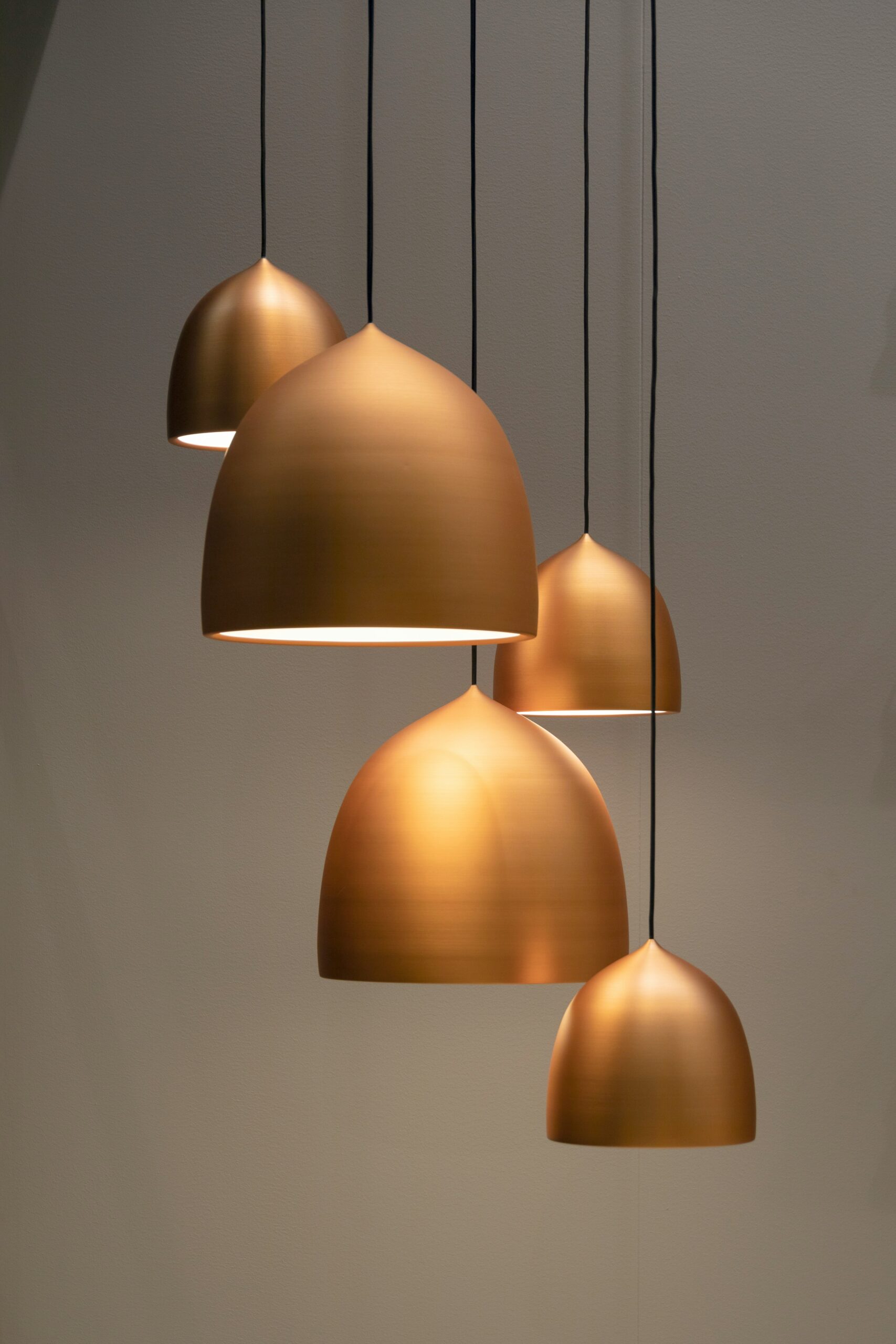
turned on pendant lamps

Mastering Ambient, Task, and Accent Lighting Design

Understanding the Three Types of Lighting

When it comes to interior design, the right lighting can transform a space dramatically. Three essential types of lighting are ambient, task, and accent lighting.

Ambient Lighting: Setting the Mood

Ambient lighting serves as the base layer of illumination in any room. It provides a soft, even glow that helps to create a warm and inviting atmosphere. This kind of lighting is usually achieved through ceiling fixtures, chandeliers, and wall sconces, offering general visibility without distracting from the dΓ©cor.

Task Lighting: Enhancing Functionality

Complementing ambient lighting is task lighting, which focuses on specific areas where activities are performed. This includes reading lamps or under-cabinet lights in kitchens. The goal is to ensure adequate visibility for tasks, reducing strain on the eyes and improving safety. Integrated task lighting is a crucial aspect of a well-designed space, ensuring that functionality meets comfort.

Accent Lighting: Highlighting Features

Finally, accent lighting draws attention to particular features of a room, such as artwork, architectural details, or plants. This type of lighting adds depth and interest, creating visual drama and enhancing the overall design. By strategically placing spotlights or track lights, one can effectively highlight these elements, bringing a unique character to the space.

Combining ambient, task, and accent lighting design effectively allows for a balanced and aesthetically pleasing environment. Thoughtful integration of these lighting types not only enhances functionality but also elevates the visual appeal of any interior, inviting both comfort and creativity.

Mastering Ambient, Task, and Accent Lighting Design Read More Β»

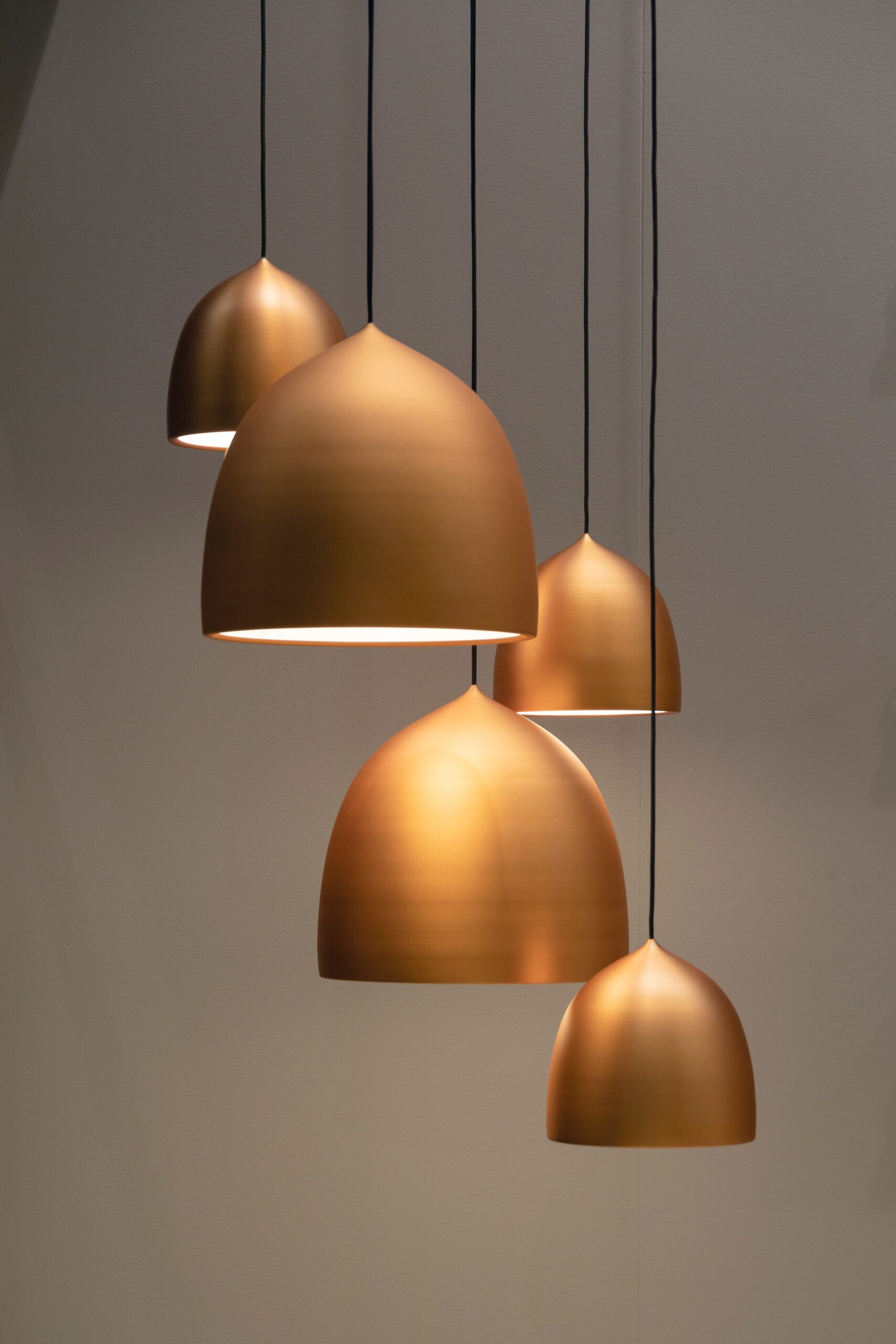
turned on pendant lamps

The Art and Science of Lighting Design

Introduction to Lighting Design

Lighting design is a crucial component of architecture and interior design, as it not only enhances visual aesthetics but also impacts mood and functionality. By effectively utilizing different types of lighting, designers can create spaces that are both inviting and practical.

Different Types of Lighting

In lighting design, there are three main types of lighting that professionals typically incorporate: ambient, task, and accent lighting. Ambient lighting provides overall illumination, ensuring a space is bright enough for general use. Task lighting focuses on specific areas, such as reading corners or kitchens, enabling detailed work without strain. Accent lighting, on the other hand, draws attention to particular artistic elements or architectural features, adding depth and interest to the design.

Principles of Effective Lighting Design

Successful lighting design incorporates various principles, including balance, contrast, and harmony. A balanced lighting scheme ensures that illumination is distributed evenly across the space, while contrast can create dramatic effects that highlight specific features. Harmonizing light levels with decor and purpose can transform a room, making it not only functional but also aesthetically pleasing. By considering these aspects, lighting designers can greatly enhance the overall atmosphere of an environment.

The Art and Science of Lighting Design Read More Β»

Lighting Design Consultants in Fatehpur Beri: Enhancing Spaces with Illumination

Lighting plays a vital role in enhancing the ambiance and functionality of any space. Whether it’s a residential, commercial, or outdoor area, the right lighting design can transform it into a visually appealing and functional environment. In Fatehpur Beri, there are numerous lighting design consultants who specialize in creating innovative and captivating lighting solutions. In this article, we will explore the importance of lighting design and the role of lighting design consultants in Fatehpur Beri.

The Importance of Lighting Design

Lighting design is not just about illuminating a space; it is an art that requires a deep understanding of the interplay between light, shadow, and architectural elements. A well-designed lighting scheme can create a welcoming atmosphere, highlight key features, and set the right mood for any occasion.

Proper lighting design can also enhance safety and security. Well-lit outdoor areas deter potential intruders and create a sense of security. In commercial spaces, effective lighting design can improve productivity, reduce eye strain, and create a more comfortable working environment.

The Role of Lighting Design Consultants

Lighting design consultants are professionals who specialize in creating customized lighting solutions for various spaces. They work closely with architects, interior designers, and clients to understand their specific requirements and translate them into a well-designed lighting plan.

One of the key roles of lighting design consultants is to analyze the space and its architectural features. They consider factors such as the purpose of the space, natural lighting conditions, and the desired atmosphere. Based on this analysis, they develop a lighting concept that integrates seamlessly with the overall design scheme.

Lighting design consultants in Fatehpur Beri have extensive knowledge of the latest lighting technologies and trends. They stay updated with the advancements in LED lighting, smart lighting systems, and energy-efficient solutions. This expertise allows them to recommend the most suitable lighting fixtures and control systems for each project.

Collaboration is another crucial aspect of the lighting design process. Lighting design consultants work closely with architects and interior designers to ensure that the lighting design aligns with the overall vision for the space. They consider factors such as the placement of fixtures, the color temperature of the light, and the direction of the light beams to create a cohesive and visually pleasing result.

Benefits of Hiring Lighting Design Consultants in Fatehpur Beri

There are several benefits to hiring lighting design consultants in Fatehpur Beri:

  1. Expertise: Lighting design consultants have specialized knowledge and experience in creating effective lighting solutions. They understand the technical aspects of lighting and can recommend the most suitable fixtures and control systems.
  2. Customization: Each space has its unique requirements, and lighting design consultants can tailor the lighting design to meet those specific needs. They consider factors such as the purpose of the space, the desired atmosphere, and the budget constraints.
  3. Energy Efficiency: Lighting design consultants are well-versed in energy-efficient lighting solutions. They can recommend LED fixtures, smart lighting systems, and lighting controls that reduce energy consumption and lower utility costs.
  4. Enhanced Aesthetics: With their expertise in lighting design, consultants can enhance the aesthetics of a space by highlighting architectural features, creating focal points, and using light to add depth and dimension.
  5. Long-term Value: Investing in professional lighting design can significantly increase the value of a property. Well-designed lighting schemes are timeless and can enhance the appeal of a space for years to come.

In conclusion, lighting design consultants in Fatehpur Beri play a crucial role in creating visually appealing and functional spaces. Their expertise in lighting design, collaboration with other professionals, and focus on customization and energy efficiency make them valuable assets in any project. Whether it’s a residential, commercial, or outdoor space, the right lighting design can transform it into an inviting and captivating environment.

Lighting Design Consultants in Fatehpur Beri: Enhancing Spaces with Illumination Read More Β»

Innovative Lighting Design for Chhatarpur Extension Delhi Homes

Innovative Lighting Design for Chhatarpur Extension Delhi Homes

Lighting plays a crucial role in enhancing the overall ambiance and functionality of any living space. In Chhatarpur Extension, Delhi, where homes are designed to reflect modern aesthetics and contemporary living, innovative lighting design can truly transform the look and feel of your home. From creating a warm and inviting atmosphere to highlighting architectural features, the right lighting design can make a world of difference.

Understanding the Importance of Lighting Design

When it comes to interior design, lighting is often underestimated. However, it has the power to completely change the way a space looks and feels. Whether you want to create a cozy and intimate setting or a bright and lively environment, lighting design can help you achieve your desired ambiance.

Key Elements of Innovative Lighting Design

1. Ambient Lighting: This is the general lighting that provides overall illumination to a room. It sets the mood and creates a comfortable and welcoming atmosphere. In Chhatarpur Extension homes, recessed lighting or pendant lights can be used to achieve ambient lighting.

2. Task Lighting: Task lighting is focused lighting that is used for specific activities such as reading, cooking, or working. In a modern kitchen, under-cabinet lights or pendant lights above the kitchen island can provide task lighting, while in the study area, a desk lamp can be used.

3. Accent Lighting: Accent lighting is used to highlight specific architectural features, artwork, or decorative elements in a room. In Chhatarpur Extension homes, track lighting or wall sconces can be used to create a focal point and draw attention to key areas.

Integrating Technology for a Smart Lighting Experience

With the advancement of technology, lighting design has become more innovative and convenient. Smart lighting systems allow you to control the intensity, color, and even the timing of your lights with just a few taps on your smartphone. In Chhatarpur Extension homes, integrating smart lighting solutions can add a touch of modernity and convenience to your living space.

Additionally, energy-efficient LED lights are a popular choice for modern homes. They not only help reduce energy consumption but also last longer, resulting in cost savings in the long run.

Working with a Professional Lighting Designer

While it is possible to design your own lighting scheme, working with a professional lighting designer can ensure that you achieve the best results. They have the expertise and knowledge to create a lighting design that suits your specific needs and enhances the beauty of your Chhatarpur Extension home.

A lighting designer will take into consideration factors such as the size and layout of your space, the color scheme, and the intended use of each area. They will also recommend the most suitable lighting fixtures and technologies to achieve your desired lighting effects.

Conclusion

Innovative lighting design can truly transform the look and feel of your Chhatarpur Extension home in Delhi. By understanding the importance of lighting design and integrating the right elements, you can create a comfortable, functional, and visually appealing living space. Whether you choose ambient, task, or accent lighting, or opt for smart lighting solutions, working with a professional lighting designer can help you achieve the best results. So, why settle for ordinary lighting when you can have an extraordinary lighting experience?

Innovative Lighting Design for Chhatarpur Extension Delhi Homes Read More Β»

Chhatarpur Extension Delhi Lighting Design for Homes: Expert Advice

When it comes to designing your home in Chhatarpur Extension, Delhi, lighting plays a crucial role in creating the right ambiance and enhancing the overall aesthetic appeal. With the right lighting design, you can transform any space into a welcoming and visually appealing haven.

Here are some expert tips and advice on lighting design for homes in Chhatarpur Extension, Delhi:

1. Consider Natural Light

Make the most of the abundant natural light available in Chhatarpur Extension by strategically placing windows and skylights. Natural light not only brightens up your home but also creates a sense of openness and warmth.

2. Layer Your Lighting

A well-designed lighting scheme consists of three layers: ambient, task, and accent lighting. Ambient lighting provides overall illumination, task lighting focuses on specific areas or tasks, and accent lighting highlights architectural features or decorative elements.

3. Choose Energy-Efficient Lighting

Opt for energy-efficient lighting options such as LED bulbs and fixtures. They consume less electricity, last longer, and are more environmentally friendly compared to traditional incandescent bulbs.

4. Create Mood with Dimmers

Install dimmers to control the intensity of your lighting and create different moods for different occasions. Dimmers allow you to adjust the brightness levels according to your needs, whether you want a cozy atmosphere or bright lighting for tasks.

5. Pay Attention to Color Temperature

Consider the color temperature of your lighting. Warmer color temperatures (around 2700K) create a cozy and intimate ambiance, while cooler color temperatures (around 4000K) are more suitable for task-oriented areas like kitchens or study rooms.

By following these lighting design tips, you can transform your home in Chhatarpur Extension, Delhi into a well-lit and visually appealing space that suits your needs and preferences. Remember to consult with a professional lighting designer for personalized advice and recommendations.

Chhatarpur Extension Delhi Lighting Design for Homes: Expert Advice Read More Β»

Apartment Lighting Design Tips

Introduction

Lighting plays a crucial role in creating the right ambiance and enhancing the overall aesthetics of any living space, including apartments. A well-designed lighting plan can not only make your apartment look more inviting but also improve functionality and comfort. In this blog post, we will share some valuable tips to help you optimize the lighting design in your apartment.

1. Understand the Different Types of Lighting

Before diving into the specifics of apartment lighting design, it’s essential to understand the three primary types of lighting:

  • Ambient Lighting: This is the general lighting that provides overall illumination to a room. It can be achieved through ceiling-mounted fixtures, chandeliers, or wall sconces.
  • Task Lighting: Task lighting is focused lighting that helps you perform specific activities, such as reading, cooking, or working. Examples include desk lamps, under-cabinet lights, and pendant lights.
  • Accent Lighting: Accent lighting is used to highlight specific features or objects in a room, such as artwork, architectural details, or plants. It can be achieved through spotlights, track lighting, or wall-mounted fixtures.

2. Plan for Natural Light

Utilizing natural light is not only energy-efficient but also beneficial for your well-being. When designing your apartment’s lighting, consider the placement and size of windows to maximize the amount of natural light. Avoid blocking windows with heavy curtains or furniture that could obstruct the flow of light. Additionally, choose light-colored window treatments that allow light to pass through easily.

3. Layer Your Lighting

Layering your lighting is a key design principle that involves combining different types of lighting to create a balanced and visually appealing space. By incorporating ambient, task, and accent lighting, you can achieve a layered effect that adds depth and dimension to your apartment. Experiment with various light sources and fixtures to create the desired ambiance for each area of your apartment.

4. Use Dimmers and Smart Lighting

Installing dimmer switches or using smart lighting systems can significantly enhance the flexibility and functionality of your apartment’s lighting. Dimmers allow you to adjust the intensity of the light according to your needs and mood, while smart lighting systems enable you to control the lights remotely or set automated schedules. These features not only provide convenience but also help save energy and create different atmospheres in your apartment.

5. Consider the Color Temperature

The color temperature of light can greatly influence the mood and ambiance of a room. Warm white light (2700K-3000K) creates a cozy and intimate atmosphere, ideal for bedrooms and living areas. Cool white light (3500K-4100K) is more energizing and suitable for task-oriented spaces like kitchens and home offices. Consider the color temperature when choosing light bulbs or fixtures to achieve the desired effect in each area of your apartment.

6. Pay Attention to Lighting Placement

The placement of lighting fixtures is crucial in apartment lighting design. Avoid placing overhead lights directly above seating areas, as this can create unflattering shadows. Instead, opt for a combination of floor lamps, table lamps, and wall sconces to distribute light evenly throughout the space. Additionally, consider the height at which you hang pendant lights or chandeliers to ensure they provide adequate illumination without obstructing views or causing glare.

7. Incorporate Mirrors and Reflective Surfaces

Mirrors and reflective surfaces can help amplify the effects of lighting in your apartment. Strategically placing mirrors opposite windows or light sources can bounce natural and artificial light around the room, making it appear brighter and more spacious. Consider incorporating reflective surfaces, such as metallic accents or glossy finishes, in your furniture and decor to further enhance the overall lighting scheme.

Conclusion

By implementing these apartment lighting design tips, you can transform your living space into a well-lit and visually appealing haven. Remember to consider the different types of lighting, plan for natural light, layer your lighting, and utilize dimmers or smart lighting systems. Pay attention to the color temperature and placement of lighting fixtures, and don’t forget to incorporate mirrors and reflective surfaces to maximize the effects of light. With a carefully thought-out lighting design, you can create a comfortable and inviting atmosphere in your apartment.

Apartment Lighting Design Tips Read More Β»

Apartment Lighting Design Tips

Introduction

Lighting plays a crucial role in creating the right ambiance and enhancing the overall aesthetics of any living space, including apartments. A well-designed lighting plan can not only make your apartment look more inviting but also improve functionality and comfort. In this blog post, we will share some valuable tips to help you optimize the lighting design in your apartment.

1. Understand the Different Types of Lighting

Before diving into the specifics of apartment lighting design, it’s essential to understand the three primary types of lighting:

  • Ambient Lighting: This is the general lighting that provides overall illumination to a room. It can be achieved through ceiling-mounted fixtures, chandeliers, or wall sconces.
  • Task Lighting: Task lighting is focused lighting that helps you perform specific activities, such as reading, cooking, or working. Examples include desk lamps, under-cabinet lights, and pendant lights.
  • Accent Lighting: Accent lighting is used to highlight specific features or objects in a room, such as artwork, architectural details, or plants. It can be achieved through spotlights, track lighting, or wall-mounted fixtures.

2. Plan for Natural Light

Utilizing natural light is not only energy-efficient but also beneficial for your well-being. When designing your apartment’s lighting, consider the placement and size of windows to maximize the amount of natural light. Avoid blocking windows with heavy curtains or furniture that could obstruct the flow of light. Additionally, choose light-colored window treatments that allow light to pass through easily.

3. Layer Your Lighting

Layering your lighting is a key design principle that involves combining different types of lighting to create a balanced and visually appealing space. By incorporating ambient, task, and accent lighting, you can achieve a layered effect that adds depth and dimension to your apartment. Experiment with various light sources and fixtures to create the desired ambiance for each area of your apartment.

4. Use Dimmers and Smart Lighting

Installing dimmer switches or using smart lighting systems can significantly enhance the flexibility and functionality of your apartment’s lighting. Dimmers allow you to adjust the intensity of the light according to your needs and mood, while smart lighting systems enable you to control the lights remotely or set automated schedules. These features not only provide convenience but also help save energy and create different atmospheres in your apartment.

5. Consider the Color Temperature

The color temperature of light can greatly influence the mood and ambiance of a room. Warm white light (2700K-3000K) creates a cozy and intimate atmosphere, ideal for bedrooms and living areas. Cool white light (3500K-4100K) is more energizing and suitable for task-oriented spaces like kitchens and home offices. Consider the color temperature when choosing light bulbs or fixtures to achieve the desired effect in each area of your apartment.

6. Pay Attention to Lighting Placement

The placement of lighting fixtures is crucial in apartment lighting design. Avoid placing overhead lights directly above seating areas, as this can create unflattering shadows. Instead, opt for a combination of floor lamps, table lamps, and wall sconces to distribute light evenly throughout the space. Additionally, consider the height at which you hang pendant lights or chandeliers to ensure they provide adequate illumination without obstructing views or causing glare.

7. Incorporate Mirrors and Reflective Surfaces

Mirrors and reflective surfaces can help amplify the effects of lighting in your apartment. Strategically placing mirrors opposite windows or light sources can bounce natural and artificial light around the room, making it appear brighter and more spacious. Consider incorporating reflective surfaces, such as metallic accents or glossy finishes, in your furniture and decor to further enhance the overall lighting scheme.

Conclusion

By implementing these apartment lighting design tips, you can transform your living space into a well-lit and visually appealing haven. Remember to consider the different types of lighting, plan for natural light, layer your lighting, and utilize dimmers or smart lighting systems. Pay attention to the color temperature and placement of lighting fixtures, and don’t forget to incorporate mirrors and reflective surfaces to maximize the effects of light. With a carefully thought-out lighting design, you can create a comfortable and inviting atmosphere in your apartment.

Apartment Lighting Design Tips Read More Β»

Apartment Lighting Design Tips

Introduction

Lighting plays a crucial role in creating the right ambiance and enhancing the overall aesthetics of any living space, including apartments. A well-designed lighting plan can not only make your apartment look more inviting but also improve functionality and comfort. In this blog post, we will share some valuable tips to help you optimize the lighting design in your apartment.

1. Understand the Different Types of Lighting

Before diving into the specifics of apartment lighting design, it’s essential to understand the three primary types of lighting:

  • Ambient Lighting: This is the general lighting that provides overall illumination to a room. It can be achieved through ceiling-mounted fixtures, chandeliers, or wall sconces.
  • Task Lighting: Task lighting is focused lighting that helps you perform specific activities, such as reading, cooking, or working. Examples include desk lamps, under-cabinet lights, and pendant lights.
  • Accent Lighting: Accent lighting is used to highlight specific features or objects in a room, such as artwork, architectural details, or plants. It can be achieved through spotlights, track lighting, or wall-mounted fixtures.

2. Plan for Natural Light

Utilizing natural light is not only energy-efficient but also beneficial for your well-being. When designing your apartment’s lighting, consider the placement and size of windows to maximize the amount of natural light. Avoid blocking windows with heavy curtains or furniture that could obstruct the flow of light. Additionally, choose light-colored window treatments that allow light to pass through easily.

3. Layer Your Lighting

Layering your lighting is a key design principle that involves combining different types of lighting to create a balanced and visually appealing space. By incorporating ambient, task, and accent lighting, you can achieve a layered effect that adds depth and dimension to your apartment. Experiment with various light sources and fixtures to create the desired ambiance for each area of your apartment.

4. Use Dimmers and Smart Lighting

Installing dimmer switches or using smart lighting systems can significantly enhance the flexibility and functionality of your apartment’s lighting. Dimmers allow you to adjust the intensity of the light according to your needs and mood, while smart lighting systems enable you to control the lights remotely or set automated schedules. These features not only provide convenience but also help save energy and create different atmospheres in your apartment.

5. Consider the Color Temperature

The color temperature of light can greatly influence the mood and ambiance of a room. Warm white light (2700K-3000K) creates a cozy and intimate atmosphere, ideal for bedrooms and living areas. Cool white light (3500K-4100K) is more energizing and suitable for task-oriented spaces like kitchens and home offices. Consider the color temperature when choosing light bulbs or fixtures to achieve the desired effect in each area of your apartment.

6. Pay Attention to Lighting Placement

The placement of lighting fixtures is crucial in apartment lighting design. Avoid placing overhead lights directly above seating areas, as this can create unflattering shadows. Instead, opt for a combination of floor lamps, table lamps, and wall sconces to distribute light evenly throughout the space. Additionally, consider the height at which you hang pendant lights or chandeliers to ensure they provide adequate illumination without obstructing views or causing glare.

7. Incorporate Mirrors and Reflective Surfaces

Mirrors and reflective surfaces can help amplify the effects of lighting in your apartment. Strategically placing mirrors opposite windows or light sources can bounce natural and artificial light around the room, making it appear brighter and more spacious. Consider incorporating reflective surfaces, such as metallic accents or glossy finishes, in your furniture and decor to further enhance the overall lighting scheme.

Conclusion

By implementing these apartment lighting design tips, you can transform your living space into a well-lit and visually appealing haven. Remember to consider the different types of lighting, plan for natural light, layer your lighting, and utilize dimmers or smart lighting systems. Pay attention to the color temperature and placement of lighting fixtures, and don’t forget to incorporate mirrors and reflective surfaces to maximize the effects of light. With a carefully thought-out lighting design, you can create a comfortable and inviting atmosphere in your apartment.

Apartment Lighting Design Tips Read More Β»

The Art and Science of Lighting Design

The Importance of Lighting Design

Lighting design is a crucial element in creating the perfect ambiance and enhancing the functionality of any space. Whether it’s a residential home, a commercial building, or a public space, the right lighting design can transform the atmosphere and greatly impact the overall experience of the occupants.

Good lighting design goes beyond simply illuminating a space. It takes into consideration factors such as the purpose of the space, the desired mood, and the specific needs of the users. It involves the careful selection and placement of lighting fixtures, as well as the use of different lighting techniques to create the desired effect.

The Role of Lighting in Different Spaces

In residential settings, lighting design plays a crucial role in creating a comfortable and inviting atmosphere. It can highlight architectural features, create focal points, and provide task lighting for specific activities. Whether it’s a cozy living room, a functional kitchen, or a relaxing bedroom, the right lighting design can greatly enhance the functionality and aesthetics of these spaces.

In commercial and retail spaces, lighting design is essential for attracting customers and creating a memorable experience. It can be used to highlight products, guide customers through the space, and create a sense of excitement or relaxation, depending on the nature of the business. Retailers often use lighting design to create a specific brand image and to enhance the overall shopping experience.

In public spaces, such as museums, galleries, and theaters, lighting design is crucial for showcasing exhibits, artwork, and performances. It can be used to create dramatic effects, draw attention to specific areas, and enhance the overall visual experience. Lighting designers in these spaces often work closely with architects and interior designers to ensure that the lighting complements the overall design and enhances the intended atmosphere.

The Elements of Lighting Design

When designing lighting for any space, several key elements need to be considered:

  • Functionality: Lighting should be designed to meet the specific needs of the space and its users. This includes providing adequate task lighting for activities such as reading or cooking, as well as general lighting for overall illumination.
  • Aesthetics: Lighting design should enhance the overall aesthetics of the space. This can be achieved through the use of different lighting techniques, such as accent lighting, uplighting, or wall washing, to create depth, texture, and visual interest.
  • Energy Efficiency: With the increasing focus on sustainability, energy-efficient lighting design is becoming more important. This includes the use of LED lighting, daylight harvesting, and smart lighting controls to reduce energy consumption and minimize the environmental impact.
  • Flexibility: Lighting design should be flexible to adapt to different activities and moods. This can be achieved through the use of dimmers, adjustable fixtures, and zoning, allowing users to control the lighting levels and create different atmospheres as needed.
  • Safety: Lighting design should also prioritize safety by ensuring that there is adequate lighting for navigation and that potential hazards are properly illuminated.

The Role of a Lighting Designer

A lighting designer is a trained professional who specialises in creating lighting solutions that meet the specific needs and requirements of a space. They work closely with architects, interior designers, and electrical engineers to develop a comprehensive lighting plan that considers all aspects of the space.

Lighting designers have a deep understanding of lighting technologies, fixtures, and techniques. They have the knowledge and expertise to select the right lighting fixtures, determine their placement, and create lighting effects that enhance the overall design and functionality of the space.

Using advanced software and lighting calculations, lighting designers can simulate and visualise the effects of different lighting scenarios before the actual installation. This allows for adjustments and fine-tuning to ensure that the final result meets the desired objectives.

In Conclusion

Lighting design is a combination of art and science that can greatly impact the functionality, aesthetics, and overall experience of any space. Whether it’s a residential, commercial, or public space, the right lighting design can create the perfect ambiance, highlight architectural features, and enhance the overall visual experience.

By considering factors such as functionality, aesthetics, energy efficiency, flexibility, and safety, lighting designers can create lighting solutions that meet the specific needs and requirements of any space. Their expertise and knowledge of lighting technologies and techniques allow them to create visually stunning and functional lighting designs that transform spaces into something truly remarkable.

Certainly! Here’s a Frequently Asked Questions (FAQ) section on lighting design:

Q1: Why is lighting design important?

Lighting design is essential for creating the right ambiance, enhancing visibility, and highlighting architectural or design features. It influences mood, functionality, and the overall aesthetic of a space.

Q2: What are the key principles of lighting design?

  1. Functionality: Lighting should meet the functional needs of a space, providing adequate illumination for tasks and activities.
  2. Aesthetics: Lighting design contributes to the visual appeal of a space, complementing its overall design.
  3. Flexibility: Design lighting schemes that allow for different settings and moods.
  4. Energy Efficiency: Consider energy-efficient lighting solutions to reduce environmental impacts and energy costs.

Q3: What are the different types of lighting?

The main types of lighting include:

  • Ambient Lighting: general, overall illumination for a space.
  • Task Lighting: Focused illumination for specific tasks
  • Accent lighting is used to highlight specific objects or architectural features.

Q4: How do I choose the right lighting fixtures?

Consider the following factors:

  • Function: Match the fixture to the intended purpose (ambient, task, or accent lighting).
  • Style: Ensure the fixture complements the overall design aesthetic of the space.
  • Scale: Choose fixtures appropriate in size for the room.

Q5: How can lighting affect the mood of a room?

The colour temperature and intensity of lighting can influence the mood of a room. Warmer tones create a cosy atmosphere, while cooler tones may evoke a more vibrant or clinical feel. Dimming options also contribute to mood control.

Q6: What is the importance of natural light in lighting design?

Natural light provides a dynamic and ever-changing source of illumination. It enhances the perception of colours, reduces the need for artificial lighting during the day, and contributes to a positive and healthy environment.

Q7: How can I improve the lighting in a dark room?

  • Use Mirrors: Place mirrors strategically to reflect light and create the illusion of more space.
  • Light-Colored Decor: Choose light-colored furniture and dΓ©cor to brighten the room.
  • Layered Lighting: Combine ambient, task, and accent lighting for a well-lit and inviting atmosphere.

Q8: What is the role of lighting in outdoor spaces?

Outdoor lighting enhances safety, security, and aesthetics. It can illuminate pathways, highlight landscaping features, and create a welcoming atmosphere for outdoor activities.

Q9: How do I plan lighting for a specific room?

Consider the room’s function:

  • Living Room: Combine ambient lighting with task lighting for reading or activities.
  • Kitchen: Ensure bright task lighting in work areas and ambient lighting for the overall space.
  • Bedroom: Use a combination of ambient lighting and bedside task lighting for a cosy atmosphere.

Q10: Can smart lighting be integrated into a design?

Yes, smart lighting systems allow for remote control, automation, and customization of lighting settings. They can be integrated into a design for convenience, energy efficiency, and to create dynamic lighting scenes.

Lighting design is a critical and often underestimated element in shaping the ambiance, functionality, and aesthetic appeal of a space. Thoughtful consideration of lighting can transform a room, influencing mood, emphasising focal points, and enhancing overall design.

The strategic use of various lighting fixtures, such as ambient, task, and accent lighting, allows designers to create layers of illumination that serve different purposes within a space. This not only adds versatility but also contributes to a visually engaging environment.

The colour temperature of light sources plays a crucial role in setting the tone of a space. Warm tones can create a cosy and intimate atmosphere, while cooler tones may promote focus and productivity. Understanding the desired mood and function of a space is key to selecting the appropriate colour temperature.

Natural light is a valuable asset in lighting design, providing a dynamic and ever-changing source of illumination. Maximising the use of natural light can reduce the need for artificial lighting during the day, contributing to energy efficiency and a connection to the outdoors.

Furthermore, smart lighting technology has revolutionised design possibilities, allowing for customised control over intensity, colour, and even automation. This not only adds a layer of convenience but also enhances the adaptability of lighting design to different activities and occasions.

In conclusion, lighting design is a nuanced and indispensable aspect of creating a well-designed space. Beyond its functional role, lighting has the power to evoke emotions, highlight architectural features, and elevate the overall aesthetic, making it a key consideration in any design project.
The Art and Science of Lighting Design Read More Β»

Scroll to Top