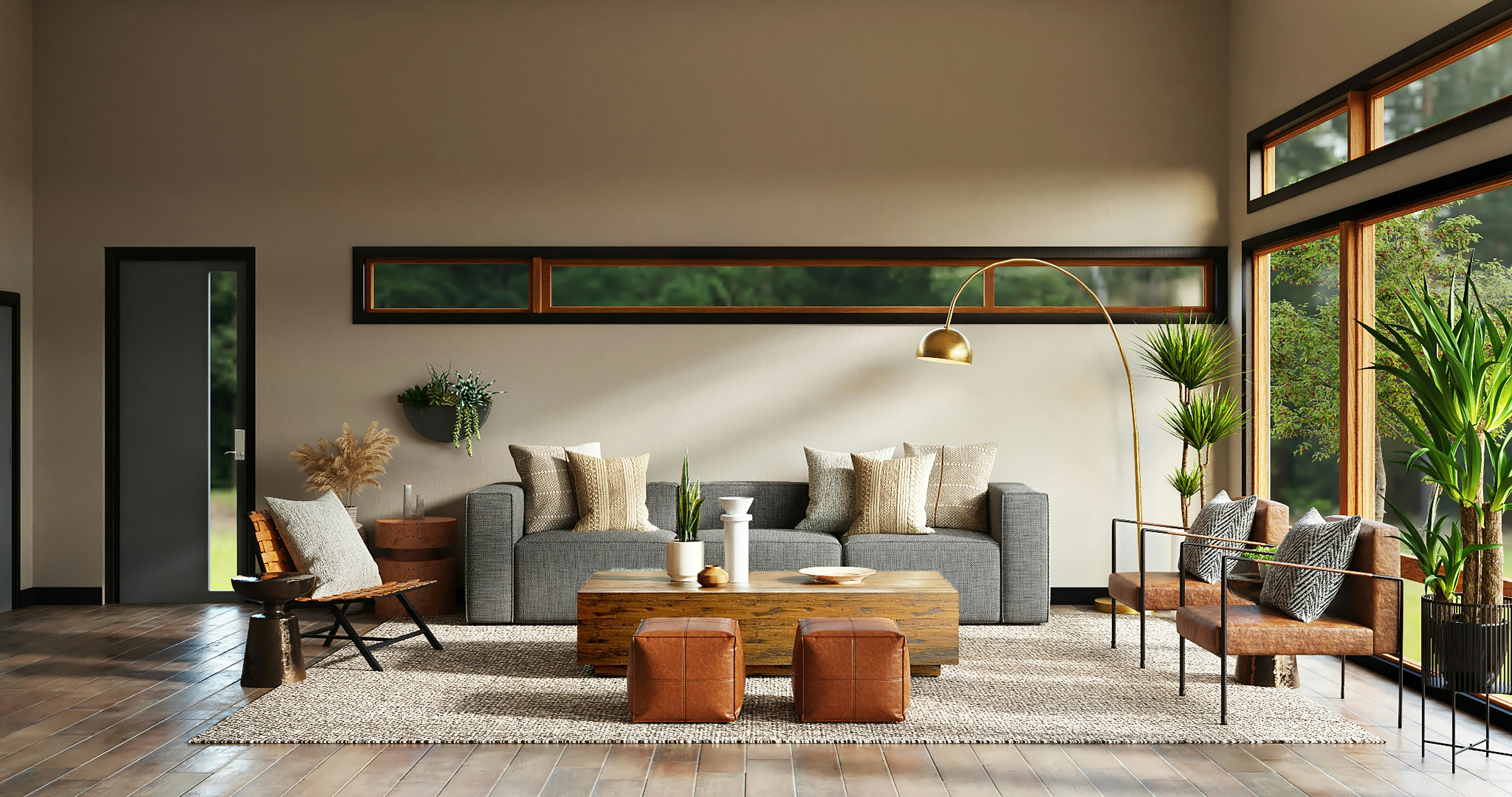
Author name: Interior A to Z - Luxury Interior Designers
Interior A to Z is a premier interior design firm specializing in luxury residential and commercial transformations across Gurgaon, Noida, and Delhi NCR. With over 15 years of expertise, we offer end-to-end solutions, from modular kitchens and minimalist bedrooms to complete home renovations. Our mission is to blend modern aesthetics with functional design. Book a Free Consultation at https://interioratoz.com/contact-us/ to start your dream project today.
The number of hours required to design a room can vary significantly based on several factors, including the room’s size, the complexity of the design, the scope of work involved, and the designer’s experience. Here’s a general breakdown of how long it might take to design a room:
1. Initial Consultation and Assessment
Time Required: 1 to 3 hours
Details: During the initial meeting, the designer will discuss the client’s needs, preferences, budget, and style. They will also assess the space and take measurements.
2. Concept Development
Time Required: 5 to 15 hours
Details: This phase includes brainstorming design ideas, creating mood boards, selecting color schemes, and developing an initial design concept. It may take longer for more complex projects.
3. Space Planning and Layout
Time Required: 3 to 10 hours
Details: Designers create a functional layout that optimizes the use of space. This involves drawing floor plans, considering furniture arrangements, and ensuring the design meets building codes and safety regulations.
4. Selection of Materials and Furnishings
Time Required: 5 to 15 hours
Details: This phase involves selecting materials, furniture, and fixtures. Designers may need to visit showrooms or conduct research, which can take considerable time depending on the variety of choices.
5. Final Design Presentation
Time Required: 2 to 5 hours
Details: Designers prepare a presentation for the client, showcasing the final design concept, including drawings, samples, and a budget breakdown. Feedback may also be gathered at this stage.
6. Project Management and Coordination
Time Required: 10 to 30 hours (depending on the project)
Details: If the designer is managing the project (coordinating contractors, overseeing installations), this phase can significantly increase the overall hours spent on the project.
Total Estimated Hours
Simple Room Design: 20 to 40 hours
Moderate Complexity: 40 to 70 hours
High Complexity (e.g., renovations or custom builds): 70 to 120+ hours
Conclusion
While the total hours required to design a room can vary widely, a clear understanding of each phase of the design process helps clients set realistic expectations. Working closely with the designer and providing timely feedback can streamline the process, ensuring a successful outcome that meets the client’s vision and needs.
The payment structure for interior design services can vary widely based on several factors, including the designer’s experience, the project’s scope, and the client’s preferences. Here’s a detailed overview of the various payment methods and structures typically used in the interior design industry:
1. Hourly Rate
Description: Designers charge a set fee for each hour they work on a project.
Typical Range: Rates can vary from ₹1,500 to ₹20,000 per hour, depending on the designer’s experience and the complexity of the work.
Payment Schedule: Clients may be billed weekly or monthly based on the hours worked.
2. Flat Fee
Description: A predetermined fee is agreed upon for the entire project or for specific services, regardless of the time it takes.
Typical Range: Flat fees can range from ₹50,000 to ₹5,00,000+, depending on the project size and scope.
Payment Schedule: Often involves a deposit upfront with the balance due upon project completion or at specific milestones.
3. Percentage of Project Cost
Description: Designers charge a percentage based on the total project cost, including materials, furnishings, and labor.
Typical Range: This percentage usually ranges from 5% to 20%. For example, if the total project cost is ₹10,00,000 and the agreed percentage is 10%, the designer’s fee would be ₹1,00,000.
Payment Schedule: This can be structured similarly to a flat fee, with an initial deposit followed by payments at agreed milestones.
4. Cost Plus Fee
Description: Designers charge for the actual cost of materials and furnishings plus a markup percentage for their services.
Typical Markup: Markups typically range from 20% to 30% added to the actual costs incurred.
Payment Schedule: Clients are billed for the materials plus the designer’s markup, which may be invoiced monthly or at project completion.
5. Retainer Fee
Description: Some designers may require a retainer fee, which is an upfront payment to secure their services for a specific time or project.
Typical Range: Retainer fees can vary widely, often starting around ₹25,000 to ₹1,00,000.
Payment Schedule: The retainer may be credited against future work, and clients are typically billed for services rendered beyond the retainer amount.
6. Milestone Payments
Description: Payments are made at specific stages of the project, which can help manage cash flow and ensure that both parties are aligned throughout the process.
Typical Stages: Common milestones might include project initiation, completion of design concepts, ordering materials, and project completion.
7. Deposits
Description: Many designers require a deposit before starting work, which may range from 10% to 50% of the total project cost.
Purpose: This upfront payment secures the designer’s services and covers initial planning and administrative work.
Conclusion
The payment structure for interior design services is flexible and can be tailored to meet the needs of both the designer and the client. Clear communication about fees, payment schedules, and services included is essential for a successful working relationship. Before commencing a project, clients should ensure they fully understand the payment terms to avoid any misunderstandings throughout the design process.
The hourly rates charged by interior designers can vary significantly based on several factors, including their level of experience, geographic location, and the complexity of the project. Here’s a general overview of what you can expect:
Average Hourly Rates
Entry-Level Designers
Rate: ₹1,500 to ₹3,500 per hour
Details: These designers may have recently graduated or have limited experience but can still provide valuable services for smaller projects or consultations.
Mid-Level Designers
Rate: ₹3,500 to ₹7,000 per hour
Details: Designers in this range typically have a few years of experience and a solid portfolio. They can handle moderately complex projects and offer more personalized service.
Experienced or Senior Designers
Rate: ₹7,000 to ₹10,000+ per hour
Details: Established designers with significant experience, a strong portfolio, and a reputable name in the industry typically command higher fees. They can handle complex design challenges and provide comprehensive project management.
High-End or Luxury Designers
Rate: ₹10,000 to ₹20,000+ per hour
Details: Designers who work on luxury residential or commercial projects and have a prestigious client base often charge at the higher end of the spectrum. Their services may include bespoke designs and exclusive materials.
Factors Influencing Hourly Rates
Geographic Location: Rates can vary significantly depending on the region. Designers in major metropolitan areas or cities with a high cost of living generally charge more than those in rural areas.
Project Complexity: More intricate projects requiring specialized knowledge or extensive planning may incur higher hourly rates.
Scope of Services: The range of services provided—such as consultations, design plans, sourcing materials, and project management—can also affect the hourly rate.
Reputation and Demand: Well-known designers or those with a strong reputation for quality work may charge premium rates due to high demand.
Conclusion
Understanding hourly rates for interior design services is essential for budgeting your project effectively. When discussing fees with potential designers, it’s important to clarify what is included in their services and whether they offer flat fees for specific projects. This transparency can help ensure that you receive the best value for your investment while achieving your design goals.
Professional fees in interior design refer to the charges that interior designers apply for their services. These fees can vary significantly based on various factors, including the designer’s experience, the scope of the project, location, and the complexity of the work. Here’s a breakdown of the different types of professional fees that interior designers may charge:
1. Hourly Rate
Description: Designers charge a set rate for each hour of work. This is common for consultations or smaller projects.
Typical Range: ₹1,500 to ₹10,000 per hour, depending on the designer’s experience and market demand.
2. Flat Fee
Description: A fixed price is agreed upon for the entire project or specific services, regardless of the time taken.
Typical Range: ₹50,000 to ₹5,00,000+, depending on the project’s size and complexity. This fee structure is often used for full home designs or significant renovations.
3. Percentage of Project Cost
Description: Designers charge a percentage of the total cost of the project, including materials, furnishings, and labor.
Typical Range: 5% to 20% of the total project cost. For example, if a project costs ₹10,00,000, a 10% fee would amount to ₹1,00,000.
4. Cost Plus Fee
Description: The designer charges the actual cost of materials and furnishings plus a markup or percentage for their services. This is often used when sourcing products directly.
Typical Markup: 20% to 30% added to the cost of materials and furnishings.
5. Retainer Fee
Description: Some designers may require a retainer fee, which is an upfront payment that secures their services for a specified period or project scope.
Typical Range: The retainer fee can vary widely, often starting at around ₹25,000 to ₹1,00,000, depending on the designer’s reputation and project scope.
Factors Influencing Fees
Experience and Reputation: More established designers with a strong portfolio may charge higher fees compared to newer designers.
Project Size and Complexity: Larger and more complex projects typically require more time and effort, leading to higher fees.
Location: Designers in metropolitan areas or regions with a higher cost of living may charge more for their services.
Type of Services: Comprehensive design services (including planning, sourcing, and project management) typically cost more than basic consultations.
Conclusion
Understanding professional fees in interior design is crucial for budgeting your project effectively. By discussing fee structures upfront with your designer, you can ensure transparency and alignment on costs throughout the design process. It’s essential to consider the overall value a designer brings to your project, as their expertise can ultimately save you time and money by preventing costly mistakes and ensuring a well-executed design.
The minimum requirements for interior design can vary depending on the region, the type of projects being undertaken, and the specific needs of clients. However, several core competencies and qualifications are generally recognized in the industry. Here are the primary minimum requirements for interior design:
1. Educational Background
Degree in Interior Design: Most interior designers hold at least a bachelor’s degree in interior design, architecture, or a related field. Some positions may accept an associate degree or diploma, but a bachelor’s degree is often preferred.
Relevant Coursework: Education should cover essential subjects such as design theory, color theory, spatial design, materials and finishes, building codes, and history of design.
2. Professional Experience
Internships or Apprenticeships: Gaining practical experience through internships or apprenticeships is crucial. This hands-on training helps aspiring designers understand the industry and develop their skills in real-world settings.
Portfolio Development: Building a portfolio of work is essential. This collection should showcase design projects, concepts, and creative solutions, demonstrating the designer’s style and capabilities.
3. Licensing and Certification
Licensure Requirements: Depending on the country or region, some areas may require interior designers to be licensed. This typically involves passing a licensing exam after completing an accredited degree program.
Certification: While not always required, certification from a recognized organization (such as the National Council for Interior Design Qualification (NCIDQ) in the U.S.) can enhance credibility and job prospects.
4. Technical Skills
Design Software Proficiency: Familiarity with design software (e.g., AutoCAD, SketchUp, Revit, Adobe Creative Suite) is crucial for creating layouts, presentations, and detailed plans.
3D Visualization Skills: Understanding how to create 3D renderings and visualizations helps communicate design concepts effectively to clients and contractors.
5. Knowledge of Building Codes and Regulations
Local Building Codes: Awareness of local building codes, safety regulations, and accessibility standards is essential to ensure that designs comply with legal requirements.
Sustainability Practices: Knowledge of sustainable design practices and materials can be a valuable asset, especially in today’s environmentally conscious market.
6. Communication Skills
Client Interaction: Strong verbal and written communication skills are essential for understanding client needs, presenting design ideas, and negotiating with contractors and suppliers.
Collaboration Skills: Interior designers often work with architects, engineers, and contractors, so the ability to collaborate effectively is crucial.
7. Creative and Aesthetic Sense
Design Aesthetic: A keen sense of aesthetics and creativity is vital for developing innovative design solutions that meet client preferences and functional needs.
Problem-Solving Skills: Designers must be able to address challenges creatively, finding solutions that balance functionality, style, and budget constraints.
8. Business Acumen
Project Management Skills: Understanding project management principles is essential for budgeting, scheduling, and overseeing the execution of design projects.
Marketing Skills: Knowledge of marketing and networking can help designers attract clients and grow their businesses.
Conclusion
While the minimum requirements for becoming an interior designer may vary, a combination of education, practical experience, technical skills, and creative ability forms the foundation of a successful career in the field. Aspiring designers should focus on obtaining the necessary qualifications, developing a strong portfolio, and staying updated on industry trends to thrive in the competitive interior design market.
An interior budget is a detailed financial plan that outlines the expected costs associated with an interior design project. It serves as a roadmap to help homeowners and designers allocate funds effectively for various elements of the design process. A well-structured interior budget ensures that the project stays within financial limits while meeting the desired aesthetic and functional goals. Here’s a breakdown of what to include in an interior budget:
Key Components of an Interior Budget
Design Fees
Interior Designer Fees: This may be an hourly rate, a flat fee, or a percentage of the total project cost. Average fees can range from ₹1,500 to ₹10,000 per hour or ₹50,000 to ₹5,00,000+ for a complete project, depending on the designer’s experience and project complexity.
Materials and Finishes
Flooring: Costs for materials like hardwood, tile, carpet, or laminate.
Paint and Wallpaper: Expenses for paint, primers, and wallpaper, including labor for application.
Countertops: Costs for kitchen and bathroom surfaces, including granite, quartz, or laminate.
Furniture and Fixtures
Furniture Costs: Budget for essential items such as sofas, beds, tables, and chairs. Prices can range widely based on quality and brand.
Lighting Fixtures: Include costs for overhead lighting, lamps, and specialty fixtures.
Window Treatments: Expenses for curtains, blinds, and shades.
Labor Costs
Contractor Fees: If the project involves renovations, budget for labor costs related to carpentry, plumbing, electrical work, and other specialized trades.
Installation Fees: Costs associated with the installation of fixtures, furniture, and finishes.
Decor and Accessories
Artwork and Decor Items: Budget for paintings, sculptures, decorative pillows, rugs, and other accessories.
Plants and Greenery: Include costs for indoor plants and landscaping elements.
Miscellaneous Expenses
Shipping and Delivery Fees: Costs for transporting materials and furniture to the project site.
Cleaning Fees: Budget for any cleaning services required after renovations or installations.
Contingency Fund: It’s advisable to set aside about 10-15% of the total budget for unforeseen expenses that may arise during the project.
Example of a Basic Interior Budget Breakdown
Here’s a simplified example of how an interior budget might look for a living room redesign:
Budget Category
Estimated Cost
Designer Fees
₹50,000
Flooring (Tile/Carpet)
₹30,000
Paint and Wallpaper
₹15,000
Furniture (Sofa, Table)
₹80,000
Lighting Fixtures
₹20,000
Decor Items (Art, Rugs)
₹15,000
Labor Costs
₹25,000
Miscellaneous Costs
₹10,000
Total Estimated Budget
₹2,50,000
Conclusion
An interior budget is a crucial tool for anyone embarking on a design project, ensuring financial control and strategic allocation of resources. By carefully considering all elements—from design fees to materials and labor—you can create a comprehensive budget that helps achieve your design vision while avoiding overspending. Regularly reviewing and adjusting the budget throughout the project can also help keep costs in check and facilitate a smoother design process.
Getting an interior designer on a budget is entirely possible with careful planning and a strategic approach. Here are some tips to help you find and work with an interior designer without breaking the bank:
1. Define Your Budget Clearly
Set a Realistic Budget: Determine how much you can afford to spend on design services and materials. Having a clear budget helps you communicate effectively with designers.
Prioritize Needs vs. Wants: Identify essential elements of your design versus optional upgrades to help allocate your budget effectively.
2. Research Designers
Local Designers: Look for designers in your area who have experience with budget-friendly projects. Local designers may have lower fees compared to well-known firms.
Check Reviews and Portfolios: Evaluate potential designers based on their past work and client reviews to ensure they align with your style and budget.
3. Consider Emerging Designers
New Talent: Hiring newer designers or design students can often be more affordable, as they may charge lower fees while still bringing fresh ideas and creativity.
Internships and Design Schools: Reach out to local design schools; students may be looking for real-world projects and can provide design services at a lower cost.
4. Choose a Limited Scope
Focus on Key Areas: Instead of hiring a designer for the entire home, consider focusing on specific rooms or areas that need the most attention, such as the living room or kitchen.
Phased Approach: Work with a designer in phases, completing one room at a time to spread costs over a longer period.
5. Use Online Design Services
Virtual Design Services: Consider using online interior design services that offer packages at lower prices. Many platforms connect you with designers who can provide digital consultations and design plans.
E-Design Services: These services often provide tailored design plans for a flat fee, allowing you to implement the design at your own pace.
6. Collaborate with the Designer
Flexible Fee Structures: Discuss different fee structures with potential designers, such as hourly rates, flat fees, or percentage-based fees, to find what fits your budget.
DIY Implementation: Work with a designer to create a plan and then handle the execution yourself to save on labor costs.
7. Seek Out Discounts and Sales
Trade Discounts: Some designers can access trade discounts on furniture and materials. Inquire if they can pass these savings on to you.
Sales and Promotions: Keep an eye on sales, seasonal promotions, or clearance items that can help reduce material and furnishing costs.
8. Be Open to Compromises
Mix and Match: Blend high-quality items with budget-friendly options. For instance, invest in a statement piece of furniture while opting for more affordable decor items.
Sustainable Choices: Consider upcycling or repurposing existing furniture instead of buying new items. A designer can help you refresh your space creatively.
9. Plan for Future Enhancements
Set Aside a Contingency Fund: Budget a small amount for unexpected costs or last-minute changes, ensuring your project stays within budget.
Long-Term Design: Discuss with your designer how to create a space that can be updated over time, allowing you to make changes gradually as your budget allows.
Conclusion
Getting an interior designer on a budget involves strategic planning, research, and open communication. By defining your budget, prioritizing your needs, and exploring various options, you can find a designer who meets your needs without exceeding your financial limits. Whether through emerging designers, online services, or focusing on specific areas, there are many ways to achieve a beautifully designed space while staying within budget.
Yes, an interior designer can save you money in several ways, despite the initial costs associated with hiring one. Here’s how they can help you maximize your budget while achieving your desired design:
1. Expert Knowledge and Experience
Industry Insights: Interior designers are knowledgeable about current market trends, materials, and design strategies. Their expertise allows them to recommend cost-effective solutions that you might not have considered.
Avoiding Mistakes: With their experience, designers can help you avoid costly mistakes in design choices, materials, or layouts that could lead to expensive revisions later.
2. Efficient Budget Management
Clear Budgeting: Designers can help you establish a realistic budget based on your goals and preferences, ensuring that you allocate funds appropriately for different aspects of the project.
Cost-Effective Solutions: They can suggest alternatives and adjustments to keep the project within budget without sacrificing quality or style.
3. Access to Trade Discounts
Negotiating Discounts: Many designers have relationships with suppliers, contractors, and retailers, enabling them to secure discounts on furniture, materials, and fixtures that are not available to the general public.
Bulk Purchasing: Designers may be able to purchase items in bulk or have access to exclusive deals, which can lead to significant savings.
4. Optimizing Space and Functionality
Smart Layouts: Designers can create layouts that maximize space and functionality, reducing the need for additional furnishings or renovations.
Versatile Solutions: They can recommend multi-functional furniture or design elements that provide more utility, potentially saving you money on future purchases.
5. Time Savings
Streamlined Process: By managing the project timeline and coordinating with contractors, designers can help you avoid delays and additional costs associated with extended project timelines.
Quick Decision-Making: Their expertise allows for quicker decision-making, reducing the time spent deliberating over design choices.
6. Avoiding Costly Overhauls
Long-Term Planning: A designer considers the long-term implications of design choices, helping you create a space that won’t require significant updates or renovations in the near future.
Sustainable Choices: They can guide you in selecting durable materials and timeless designs that won’t go out of style, ultimately saving money over time.
7. Resource Management
Vendor Coordination: Designers can effectively coordinate with various vendors and contractors, ensuring that the project runs smoothly and that resources are used efficiently.
Quality Control: By overseeing the installation and execution of the design, they ensure that everything meets high standards, preventing the need for costly repairs or replacements later.
Conclusion
Hiring an interior designer can be a strategic investment that leads to significant savings over time. Through their expertise, industry connections, and ability to manage budgets effectively, designers can help you achieve your vision while avoiding common pitfalls that could lead to additional expenses. By carefully planning and executing your project, an interior designer can ultimately provide value that far exceeds their fees.
The amount of money required for interior design can vary widely based on several factors, including the scope of the project, the size of the space, location, design complexity, and the quality of materials used. Here’s a detailed breakdown to help you understand the potential costs associated with interior design:
1. Scope of the Project
Single Room Design:
Budget Range: ₹30,000 to ₹1,00,000
This typically includes basic furnishings, decor, and minimal renovations.
Whole House Design:
Budget Range: ₹3,00,000 to ₹20,00,000+
Costs can escalate based on the size of the house, number of rooms, and the extent of renovations needed.
2. Type of Space
Residential vs. Commercial:
Residential Design: Costs may range from ₹3,00,000 for a small apartment to ₹15,00,000 or more for a luxury home.
Commercial Design: Expect to budget between ₹5,00,000 to ₹30,00,000+ for offices or retail spaces due to different requirements and regulations.
3. Design Complexity
Minimalistic Designs:
Less expensive due to fewer materials and simpler installations, typically ranging from ₹30,000 to ₹1,00,000 per room.
Custom Designs:
More intricate and bespoke designs can significantly increase costs, often exceeding ₹1,00,000 per room.
4. Quality of Materials
Basic Materials:
Costs can be lower, ranging from ₹20,000 to ₹50,000 for finishes and furnishings.
High-End Materials:
Luxury finishes, custom cabinetry, and designer furniture can increase costs to ₹1,00,000 or more.
5. Designer Fees
Hourly Rates:
Interior designers often charge between ₹1,500 to ₹10,000 per hour.
Flat Fees:
Can range from ₹50,000 to ₹5,00,000+ depending on the project size and designer’s experience.
Percentage of Total Cost:
Typically ranges from 5% to 20% of the total project cost.
6. Furniture and Decor Costs
Furniture:
Budget for at least ₹50,000 to ₹3,00,000 for essential furnishings, depending on the style and quality.
Decor Items:
Allocating ₹10,000 to ₹1,00,000 for decor, including art, rugs, and accessories, can enhance the overall design.
7. Labor Costs
Contractor Costs:
For renovations, labor costs can range from ₹20,000 to ₹2,00,000+ based on the complexity of the work.
8. Miscellaneous Expenses
Contingency Fund:
It’s wise to set aside about 10-15% of your total budget for unexpected expenses or changes during the project.
Total Estimated Costs
Based on the above factors, here’s a rough estimate of total costs for different scenarios:
Small Room Redesign: ₹30,000 – ₹1,00,000
Average 2 BHK Apartment: ₹3,00,000 – ₹10,00,000
Luxury Home Design: ₹10,00,000 – ₹20,00,000+
Commercial Space Design: ₹5,00,000 – ₹30,00,000+
Conclusion
The total money required for interior design is highly variable, depending on the specifics of your project. Setting a realistic budget involves considering the scope of work, quality of materials, designer fees, and potential labor costs. To ensure your design vision aligns with your budget, it’s essential to discuss these factors with your designer and regularly review costs as the project progresses.
The expenses incurred by an interior designer can vary significantly based on several factors, including the scope of projects, location, design style, and the specific services offered. Here’s a breakdown of the primary expenses an interior designer might face:
1. Design Fees
Hourly Rates: Designers may charge hourly rates ranging from ₹1,500 to ₹10,000 or more, depending on experience and project complexity.
Flat Fees: A fixed fee for a specific project can range from ₹50,000 to ₹5,00,000, depending on the project’s size and scope.
Percentage of Project Cost: Some designers charge a percentage (typically 5% to 20%) of the total project cost, which can include materials, labor, and furnishings.
2. Materials and Supplies
Samples and Swatches: Costs for fabric samples, paint swatches, and material samples can add up, especially for high-end materials.
Furniture and Fixtures: The cost of furniture, fixtures, and decor items, which can range from basic to high-end designer pieces.
Construction Materials: If renovations are involved, expenses for materials like flooring, drywall, tiles, and paint can be significant.
3. Labor Costs
Contractor Fees: If the project involves renovations or installations, labor costs for contractors (carpenters, electricians, plumbers) can add significantly to the overall expense.
In-House Labor: Designers with their own teams will incur salaries or wages for their staff, which could be a substantial part of their operating expenses.
4. Operational Costs
Office Space: Rent for an office or workspace if the designer operates from a commercial location.
Utilities: Expenses for electricity, internet, phone, and other utilities related to running a business.
Insurance: Professional liability insurance and general business insurance to protect against potential lawsuits and claims.
5. Marketing and Advertising
Website and Branding: Costs associated with developing and maintaining a website, including domain registration, hosting, and design.
Promotional Materials: Expenses for business cards, brochures, and other marketing materials.
Advertising: Costs for online advertising, social media promotion, or print ads to attract clients.
6. Software and Tools
Design Software: Subscription or purchase costs for design software (like AutoCAD, SketchUp, or Adobe Creative Suite) that are essential for creating plans and presentations.
Project Management Tools: Expenses for software that helps manage projects, schedules, and budgets.
7. Travel Expenses
If the designer needs to travel to client sites, attend trade shows, or source materials, expenses for transportation, lodging, and meals may be incurred.
8. Continuing Education
Fees for courses, certifications, and workshops to stay updated on design trends, materials, and best practices in the industry.
9. Miscellaneous Expenses
Client Entertainment: Costs related to client meetings, such as meals or gifts.
Shipping and Handling: Expenses for shipping materials or furniture, especially for custom orders.
Conclusion
The expenses of an interior designer encompass a wide range of costs, from design fees and materials to operational costs and marketing. Understanding these expenses is crucial for both the designer and the client to ensure that projects are completed within budget while maintaining high standards of quality and service. When hiring an interior designer, it’s essential to discuss the fee structure and any additional costs upfront to avoid misunderstandings later in the project.
Calculating your interior design budget is an essential step in ensuring that your project stays within financial limits while achieving your desired aesthetic and functionality. Here’s a step-by-step guide to help you effectively calculate your interior design budget:
Step-by-Step Guide to Calculating Your Interior Design Budget
Define Your Scope of Work
Determine the specific areas to be designed (e.g., single room, entire home, office space).
Identify the type of work needed (e.g., furnishing, renovation, decor).
Assess the Size of the Space
Measure the square footage of the area you want to design. Larger spaces typically require more materials and labor, which will impact the budget.
Establish Your Overall Budget
Decide on a total budget based on your financial capacity. This can be influenced by your income, savings, and how much you’re willing to spend.
Break Down Your Budget into Categories
Design Fees:
Estimate costs for hiring an interior designer, which can range from an hourly rate (₹1,500 to ₹10,000) or a flat fee (₹50,000 to ₹5,00,000) based on the project’s scope.
Materials and Finishes:
Include costs for flooring, paint, wallpaper, and other finishes. Research prices to estimate these costs.
Furniture:
List out necessary furnishings (sofas, beds, tables) and estimate their costs. Consider both new and second-hand options.
Labor Costs:
If renovations are involved, estimate labor costs for contractors (carpenters, electricians, plumbers). This can vary widely based on local rates.
Decor and Accessories:
Allocate a budget for decorative items like curtains, rugs, artwork, and other accessories.
Miscellaneous Costs:
Don’t forget to include additional expenses like delivery fees, permits, or unforeseen costs (around 10-15% of the total budget for contingencies).
Prioritize Your Needs and Wants
Identify which elements of your design are essential versus those that are optional. This will help you allocate your budget more effectively.
Consider setting aside a portion of your budget for high-priority items and being flexible with less important ones.
Research and Get Quotes
Gather quotes from contractors, suppliers, and designers. This will give you a clearer idea of actual costs versus estimates.
Compare prices from different vendors to ensure you’re getting the best deal.
Create a Detailed Budget Sheet
Compile all estimated costs into a detailed budget sheet. Organize it by categories for easy reference.
Use a spreadsheet to track expenses as you progress through the project, adjusting estimates as necessary.
Track Actual Expenses
As you start the project, keep track of your actual expenses against your budget.
This will help you stay on course and make adjustments if certain areas exceed your initial estimates.
Example of a Basic Budget Breakdown
Assuming a Living Room Redesign:
Budget Category
Estimated Cost
Designer Fees (Flat Fee)
₹50,000
Materials (Paint, Flooring)
₹30,000
Furniture
₹80,000
Labor Costs
₹40,000
Decor and Accessories
₹20,000
Miscellaneous Costs
₹10,000
Total Estimated Budget
₹2,30,000
Conclusion
Calculating your interior design budget requires careful planning and organization. By defining the scope of work, breaking down costs into categories, and tracking expenses, you can create a realistic budget that aligns with your vision. Prioritize your needs and wants, and be open to making adjustments along the way to ensure that your project remains financially feasible while achieving the desired outcome. Working with a professional designer can also help streamline this process and provide valuable insights on cost-effective choices.
Interior designers typically calculate their fees using several different structures, depending on the project’s scope, the designer’s experience, and client preferences. Here are the most common methods interior designers use to determine their fees:
1. Hourly Rate
Description: Many designers charge an hourly rate for their services, which can range from ₹1,500 to ₹10,000 or more per hour, depending on the designer’s experience and the complexity of the project.
Calculation: To estimate the total cost, the designer will provide an estimate of the number of hours required for the project, multiplied by their hourly rate. For example:
Hourly Rate: ₹3,000
Estimated Hours: 40 hours
Total Fee: ₹3,000 x 40 = ₹1,20,000
2. Flat Fee
Description: This method involves charging a fixed fee for the entire project, which is determined based on the project’s scope, size, and complexity.
Calculation: The designer will assess the requirements and provide a comprehensive quote. This can be advantageous for clients who prefer predictability in budgeting. For instance:
Flat Fee: ₹1,00,000 for the entire project.
3. Percentage of Project Cost
Description: Some designers charge a percentage of the total project cost, which typically ranges from 5% to 20%. This includes the costs of materials, furnishings, and labor.
Calculation: To calculate the fee, the designer will first estimate the total project cost (including all materials and labor) and then apply the agreed-upon percentage. For example:
Estimated Project Cost: ₹5,00,000
Percentage Fee: 10%
Total Fee: ₹5,00,000 x 10% = ₹50,000
4. Cost Plus Fee
Description: In this model, the designer charges the client the actual cost of materials and labor plus an additional fee (usually a percentage) for their services.
Calculation: For example, if the total material cost is ₹2,00,000 and the designer charges a 20% fee:
Material Cost: ₹2,00,000
Designer Fee (20%): ₹2,00,000 x 20% = ₹40,000
Total Cost: ₹2,00,000 + ₹40,000 = ₹2,40,000
5. Retainer Fee
Description: Some designers may require a retainer fee, which is an upfront payment that secures their services for a certain period or project scope. This amount is typically deducted from the total fees once the project is completed.
Calculation: For instance, a designer may ask for a retainer of ₹50,000 to start a project, which will be deducted from the total cost once the project is finalized.
6. Combination of Fee Structures
Description: Designers may use a combination of these methods. For example, they might charge a flat fee for the design phase and then an hourly rate for any additional services beyond the initial scope.
Calculation: For instance:
Flat Fee for Design: ₹80,000
Hourly Rate for Additional Services: ₹2,500/hour for any extra work.
Conclusion
Interior designers use various methods to calculate their fees, including hourly rates, flat fees, percentage of project costs, cost-plus fees, and retainer fees. The choice of fee structure often depends on the project’s complexity, client preferences, and the designer’s business model. Clients should discuss and agree on the fee structure upfront to ensure transparency and avoid misunderstandings during the project.
Calculating the cost of interior design involves a systematic approach that considers various components of the project. Here’s a step-by-step guide on how to calculate design costs effectively:
Step-by-Step Guide to Calculating Design Cost
Define the Scope of the Project
Determine the areas to be designed (e.g., single room, entire home, commercial space).
Specify the type of work involved (e.g., renovation, new construction, furnishing).
Estimate the Size of the Space
Measure the square footage of the areas to be designed. Larger spaces typically incur higher costs due to more materials and labor required.
Choose an Interior Design Fee Structure
Hourly Rate: Many designers charge between ₹1,500 to ₹10,000 per hour. Estimate the number of hours the designer will need based on project complexity.
Flat Fee: A predetermined cost for the entire project, which can range from ₹50,000 to ₹5,00,000+ depending on the project size and complexity.
Percentage of Total Project Cost: Designers may charge a percentage (usually 5% to 20%) of the overall project cost, including materials, furnishings, and labor.
Calculate Material Costs
Materials and Finishes: List all materials required, including flooring, paint, wallpaper, tiles, etc. Estimate costs based on quality and quantity.
Furnishings: Include costs for furniture, fixtures, and decor items. Research prices based on your preferences and budget.
Custom Work: If custom furniture or unique features are required, obtain quotes from vendors.
Estimate Labor Costs
Contractor Fees: If the project requires renovations, include labor costs for contractors (plumbers, electricians, carpenters). This can range widely based on local rates and project requirements.
Labor Hours: Estimate the number of hours required for different trades and multiply by their hourly rates.
Add Additional Costs
Consultation Fees: If applicable, include any initial consultation fees charged by the designer.
Permits and Regulations: Factor in any costs for permits or regulatory approvals needed for construction or renovations.
Miscellaneous Costs: Consider additional costs like delivery fees for furniture, cleaning, or maintenance.
Create a Detailed Budget Sheet
Compile all the above estimates into a comprehensive budget sheet. Organize it into categories (design fees, materials, labor, additional costs) for clarity.
Example of a Basic Cost Calculation
Assuming a 2 BHK Apartment Redesign
Cost Component
Estimated Cost
Designer Fees (Flat Fee)
₹1,00,000
Materials (Finishes, Paint)
₹50,000
Furniture
₹1,50,000
Labor Costs
₹80,000
Decor and Accessories
₹20,000
Total Estimated Cost
₹4,00,000
Conclusion
Calculating the cost of interior design requires a thorough assessment of the project scope, materials, labor, and additional expenses. By breaking down each component and estimating the costs involved, you can create a realistic budget that aligns with your design vision. This methodical approach not only helps in managing expenses but also ensures that you achieve a functional and aesthetically pleasing space within your financial constraints. Collaborating with an interior designer can also provide valuable insights and help streamline this process.
The budget for interior design costs can vary widely based on several factors, including the scope of the project, the size of the space, the quality of materials used, and the level of customization desired. Here’s a detailed breakdown of what to consider when budgeting for interior design:
Factors Influencing Interior Design Budget
Scope of the Project
Room Redesign: Costs can range from ₹30,000 to ₹1,00,000 for a single room, depending on the complexity and materials used.
Whole House Design: A complete home redesign can cost anywhere from ₹3,00,000 to ₹20,00,000+ depending on the size and the extent of the renovations.
Type of Space
Residential vs. Commercial: Commercial spaces (offices, retail) often have different requirements and may be more expensive due to compliance with regulations. Expect to budget from ₹5,00,000 to ₹30,00,000 or more for commercial design.
2 BHK Apartment: Costs typically range from ₹3,00,000 to ₹10,00,000 depending on the level of customization and quality of materials.
Design Complexity
Simple, minimalistic designs will generally cost less than complex, custom designs. Detailed work (like custom cabinetry) will increase costs.
Quality of Materials
Higher-quality materials (luxury flooring, high-end fixtures) can significantly raise the budget. Conversely, using budget-friendly materials can help lower costs.
Professional Fees
Interior Designer Fees: Designers typically charge based on:
Hourly Rate: ₹1,500 to ₹10,000 per hour.
Flat Fee: Can range from ₹50,000 to ₹5,00,000+ depending on the project size.
Percentage of Total Cost: Usually between 5% to 20% of the total project cost.
Furnishings and Decor
Furniture: Depending on your selections, costs can range from ₹50,000 for basic furnishings to ₹5,00,000+ for custom or designer pieces.
Decor: Budget for art, curtains, rugs, and accessories which can range from ₹10,000 to ₹1,00,000 or more based on choices.
Labor Costs
The cost of hiring contractors (plumbers, electricians, carpenters) can vary. Labor costs can add ₹20,000 to ₹2,00,000+ depending on the project complexity.
Sample Budget Breakdown for a 2 BHK Apartment
Interior Designer Fees: ₹50,000 to ₹2,00,000
Materials and Finishes: ₹1,00,000 to ₹3,00,000
Furniture and Furnishings: ₹1,00,000 to ₹3,00,000
Labor Costs: ₹50,000 to ₹2,00,000
Decor and Accessories: ₹20,000 to ₹1,00,000
Total Estimated Budget:
Basic Design: ₹3,00,000 – ₹5,00,000
Mid-Range Design: ₹5,00,000 – ₹10,00,000
High-End Design: ₹10,00,000 – ₹20,00,000+
Conclusion
Setting a budget for interior design requires careful consideration of various factors, including the scope of the project, materials, furnishings, and professional fees. By clearly defining your needs and preferences, you can create a realistic budget that aligns with your vision for the space. Additionally, working with a knowledgeable interior designer can help you make informed choices that optimize your budget while achieving your desired aesthetic and functionality.
Whether interior design is considered expensive depends on several factors, including the scope of the project, the materials used, the complexity of the design, and the designer’s fees. Here’s a detailed breakdown of the factors that influence the cost of interior design:
Factors Affecting Interior Design Costs
Scope of the Project
The cost will vary significantly depending on whether you are redesigning a single room, a full apartment, or a commercial space. Larger projects generally incur higher costs due to the increased amount of work and materials required.
Design Complexity
Simple designs that require minimal changes may be more affordable than complex projects involving custom features, significant renovations, or specialized installations.
Quality of Materials
The choice of materials (furniture, finishes, fabrics, etc.) can greatly influence costs. High-quality or designer materials will increase the overall budget, while more economical options can help keep costs down.
Furniture and Decor
The selection of furniture and decorative items significantly affects the budget. Investing in high-end or custom pieces can lead to a more expensive overall design.
Labor Costs
Labor costs for skilled tradespeople (like carpenters, electricians, and painters) can vary based on the project’s requirements and location. Hiring experienced professionals often comes at a premium.
Interior Designer Fees
Interior designers may charge in various ways, including:
Hourly Rate: Typically ranges from ₹1,500 to ₹10,000 or more per hour.
Flat Fee: A predetermined cost for the entire project, which can vary widely based on complexity.
Percentage of Project Cost: A fee based on a percentage of the total project budget, often ranging from 5% to 20%.
Location
The geographical location of the project can impact costs. Urban areas with a higher cost of living may have more expensive design services compared to rural areas.
Typical Cost Ranges
Basic Interior Design: ₹1,00,000 – ₹3,00,000 This may include minimal changes, basic furnishings, and standard materials.
Mid-Range Interior Design: ₹3,00,000 – ₹10,00,000 This budget allows for better quality materials, some custom furniture, and a more cohesive design.
High-End Interior Design: ₹10,00,000 – ₹30,00,000+ High-end designs often include premium materials, extensive renovations, and professional design services.
Is It Worth the Investment?
Expertise and Experience:
Hiring a professional designer can save you time, money, and frustration by providing expert guidance and access to trade resources.
Improved Functionality:
A well-designed space enhances functionality and comfort, potentially improving your quality of life.
Increased Property Value:
Thoughtful interior design can increase the value of your property, making it more appealing to potential buyers.
Stress Reduction:
Professionals handle project management, timelines, and coordination with contractors, reducing stress for the homeowner.
Conclusion
Interior design can be expensive, but the cost varies based on numerous factors, including project scope, materials, labor, and designer fees. While it may seem like a significant investment, the value added to your space—both in functionality and aesthetics—can make it worthwhile. Understanding your budget and working closely with a designer can help create a beautiful and practical space that aligns with your vision while managing costs effectively.
9 Essential Things Interior Design Includes for Gurgaon Homes
What Does Interior Design Include: 9 Essential Elements Explained
What does interior design include is a common question among homeowners in Delhi NCR, Gurgaon, and Noida. Understanding what does interior design include helps you plan better and maximize your investment. From layout planning to final styling, what does interior design include covers multiple aspects that transform a space into a functional and aesthetically pleasing environment.
1. What does interior design include in a project?
What does interior design include typically involves planning, designing, and executing interiors to enhance functionality and aesthetics.
Interior design is a multifaceted profession that involves creating functional and aesthetically pleasing indoor spaces. It encompasses a wide range of elements and activities aimed at enhancing the quality and usability of interiors. Here’s a detailed overview of what interior design includes:
Key Components of Interior Design
Space Planning
Effective space planning involves analyzing the layout of a space to maximize its functionality. This includes determining furniture placement, traffic flow, and how different areas interact within the overall design.
Color Theory and Selection
Color plays a vital role in setting the mood and atmosphere of a space. Interior designers study color theory to select appropriate color palettes that complement each other and enhance the overall design.
Furniture Selection and Arrangement
Choosing the right furniture is essential for both comfort and aesthetics. Designers select pieces that fit the style and purpose of the space, considering factors like scale, proportion, and functionality.
Material and Finish Selection
Designers select materials (such as wood, metal, glass, and fabric) and finishes (like paint, wallpaper, and flooring) to create a cohesive look. This includes understanding the properties of different materials and their suitability for specific applications.
Lighting Design
Lighting is crucial for creating ambiance and highlighting design features. Interior designers plan for various lighting sources (ambient, task, and accent) and consider natural light to ensure a well-lit space.
Architectural Elements
Interior design often involves working with existing architectural features or making modifications. This can include selecting moldings, trims, doors, and windows that align with the overall design vision.
Decor and Accessories
Decorative elements, such as artwork, rugs, curtains, and accessories, contribute to the final look of a space. Designers curate these items to add character and style, ensuring they align with the design theme.
Functional Elements
Incorporating functional elements, such as storage solutions (cabinets, shelves), appliances, and fixtures (sinks, faucets), is essential for creating a practical space.
Sustainability and Environmental Considerations
Many interior designers focus on sustainability, selecting eco-friendly materials and practices that reduce environmental impact. This includes using energy-efficient lighting, sustainable furniture, and low-VOC paints.
Client Consultation and Needs Assessment
Understanding the client’s preferences, lifestyle, and needs is crucial for successful interior design. Designers often conduct consultations to gather information and ensure the design aligns with the client’s vision.
Budgeting and Project Management
Interior designers often help clients establish budgets and manage project timelines. This includes sourcing materials, coordinating with contractors, and ensuring the project stays within budget and schedule.
Conclusion
Interior design is a comprehensive process that encompasses various elements aimed at enhancing indoor spaces. From space planning and color selection to furniture arrangement and lighting design, interior designers work to create functional, beautiful environments tailored to their clients’ needs and preferences. By integrating aesthetics with practicality, interior design contributes to improving the quality of life and enhancing the overall experience within a space.
The cost of interior designing a 2 BHK (2-bedroom, hall, and kitchen) apartment in Bangalore can vary significantly based on various factors, including the size of the apartment, the materials used, the design complexity, and whether you hire a professional interior designer. Here’s a breakdown of the potential costs involved:
Factors Influencing Interior Design Costs
Size of the Apartment
The total square footage can impact the overall cost. Larger spaces may require more materials and labor, increasing expenses.
Design Style and Complexity
More intricate designs with custom furniture, high-end materials, or unique features will generally be more expensive than simpler, more straightforward designs.
Quality of Materials
The choice of materials (wood, laminates, upholstery, etc.) can significantly affect costs. High-quality materials will naturally lead to higher expenses.
Professional Fees
Hiring a professional interior designer can add to the overall cost. Designers may charge based on an hourly rate, a flat fee, or a percentage of the project cost.
Furnishings and Decor
The cost of furniture, appliances, and decorative items can vary widely based on your preferences and budget.
Labor Costs
Labor costs for carpentry, painting, electrical work, and plumbing will also contribute to the total budget.
Estimated Costs for 2 BHK Interior Design in Bangalore
Basic Interior Design: ₹3,00,000 – ₹5,00,000 This range typically includes essential furnishings, simple decor, and standard materials. It’s suitable for a quick setup with minimal custom work.
Mid-Range Interior Design: ₹5,00,000 – ₹10,00,000 This budget allows for better quality materials, some custom furniture, and a more cohesive design theme. It may include basic renovations.
High-End Interior Design: ₹10,00,000 – ₹20,00,000+ High-end designs include premium materials, custom furniture, extensive renovations, and professional design services. This budget often features luxurious finishes and unique design elements.
Additional Cost Considerations
Consultation Fees: Many designers charge an initial consultation fee, which can range from ₹2,000 to ₹10,000.
Customization: Custom furniture and design features can significantly increase costs, sometimes adding ₹1,00,000 or more to the total budget.
Timeline: If you need the project completed quickly, rush fees may apply, increasing the overall cost.
Conclusion
The cost of designing a 2 BHK apartment in Bangalore can range from ₹3,00,000 to over ₹20,00,000, depending on your specific requirements, design preferences, and the level of customization you choose. To ensure you stay within your budget, it’s advisable to clearly communicate your needs and preferences to any interior designers you consider hiring. Gathering quotes from multiple designers and reviewing their portfolios can help you find the right fit for your project while ensuring you achieve the desired aesthetic and functionality within your budget.
Yes, interior design definitely includes furniture as a crucial element of creating functional and aesthetically pleasing spaces. Here’s a detailed look at how furniture plays a role in interior design:
The Role of Furniture in Interior Design
Functionality
Furniture serves as the functional backbone of any interior space. It provides the necessary elements for daily activities, such as seating, sleeping, eating, and storage. Designers must consider how each piece will be used to ensure the space is practical and meets the needs of its occupants.
Aesthetic Appeal
Furniture significantly influences the overall look and feel of a room. It contributes to the design style (modern, traditional, minimalist, etc.) and helps create a cohesive aesthetic. Choosing the right colors, materials, and styles can enhance the ambiance of a space.
Space Planning
Interior designers use furniture to determine the layout and flow of a room. Proper space planning involves arranging furniture in a way that maximizes functionality while ensuring ease of movement. Designers must consider the scale and proportion of furniture in relation to the room size.
Design Themes
Furniture choices can help establish a design theme. For example, mid-century modern furniture will evoke a different feeling than rustic farmhouse pieces. Designers often curate furniture selections that align with the desired style and concept of the space.
Comfort and Ergonomics
Comfort is a key consideration in interior design. Designers select furniture that not only looks good but also provides comfort and support. Ergonomics is especially important in home offices and workspaces, where furniture must accommodate prolonged use.
Customization and Personalization
Interior designers may recommend custom or personalized furniture options to meet specific client needs. Customization allows for tailored solutions that reflect the client’s taste and lifestyle.
Budget Considerations
Furniture selection is often a significant part of the overall interior design budget. Designers help clients navigate options that align with their budget while still achieving the desired aesthetic and functionality.
Types of Furniture Considered in Interior Design
Seating: Sofas, chairs, benches, and stools.
Tables: Coffee tables, dining tables, side tables, and desks.
Storage: Cabinets, bookshelves, dressers, and sideboards.
Beds: Different styles and sizes of beds, including headboards and bed frames.
Accessories: Decorative pieces like rugs, cushions, and art that complement the furniture and overall design.
Conclusion
In summary, furniture is an integral part of interior design, influencing both functionality and aesthetics. Interior designers consider furniture as they create spaces that meet the practical needs of users while reflecting their personal style and preferences. Whether it’s selecting the right sofa for a living room or designing a custom dining table, furniture choices play a vital role in achieving a cohesive and inviting interior.
The cost of an interior design course can vary widely based on several factors, including the type of institution, the program’s duration, location, and whether it’s offered online or in-person. Here’s a breakdown of the costs associated with pursuing an interior design course:
Factors Influencing the Cost of Interior Design Courses
Type of Institution
Community Colleges: Courses at community colleges tend to be more affordable, often ranging from ₹10,000 to ₹50,000 per year.
Universities: Degree programs at universities can be more expensive, typically costing anywhere from ₹1,00,000 to ₹5,00,000 or more for a bachelor’s degree over three to four years.
Private Institutes: Specialized design schools may charge higher fees, often ranging from ₹50,000 to ₹3,00,000 or more for diploma or certificate programs.
Program Duration
Short-term courses or workshops (lasting a few weeks to months) are generally less expensive, ranging from ₹10,000 to ₹50,000.
Full-time degree programs (three to four years) will incur higher costs due to their extended duration.
Location
Costs can vary significantly depending on geographical location. Programs in metropolitan areas or cities with a high cost of living tend to be more expensive than those in smaller towns or rural areas.
Mode of Study
Online Courses: These may be more affordable than traditional classroom-based programs, often ranging from ₹5,000 to ₹50,000 for short courses or certificate programs.
In-Person Courses: These typically come with higher tuition due to facility usage, materials, and instructor fees.
Additional Costs
Materials and Supplies: Students may need to purchase design software, textbooks, or other materials, adding to the overall cost.
Internships and Field Experience: Some programs include internships, which may have additional fees or require travel expenses.
Typical Cost Ranges
Certificate/Diploma Programs: ₹10,000 to ₹2,00,000
Associate Degree Programs: ₹30,000 to ₹2,00,000
Bachelor’s Degree Programs: ₹1,00,000 to ₹5,00,000
Master’s Degree Programs: ₹1,00,000 to ₹3,00,000+
Is It Worth the Investment?
Career Opportunities
A formal education in interior design can open doors to various job opportunities in residential, commercial, and industrial design. Many employers prefer candidates with formal training and credentials.
Skill Development
Courses provide essential skills in design principles, color theory, space planning, and software applications that are crucial for success in the field.
Networking
Attending an accredited program often allows students to connect with industry professionals and fellow students, which can be beneficial for future job placements and collaborations.
Conclusion
While interior design courses can be expensive, the investment can pay off in terms of career opportunities, skill development, and networking. The cost varies widely depending on the type of institution, program duration, and location.
Before committing to a program, it’s essential to research various options, consider your career goals, and evaluate the return on investment. Scholarships, financial aid, and flexible payment plans may also be available, making education more accessible for aspiring interior designers. Ultimately, choosing the right course that aligns with your budget and career aspirations will help you build a successful foundation in the field of interior design.
Designing a bedroom can be an exciting yet daunting task. With countless options for decor, furnishings, and layout, understanding the costs involved is crucial for effective budgeting. This blog post will explore the various factors that influence the cost of designing a bedroom, typical expenses, and tips for managing your budget.
Factors Influencing the Cost of Designing a Bedroom
Size of the Bedroom
Larger bedrooms often require more materials and furnishings, which can significantly increase costs. Smaller spaces may allow for a more budget-friendly design.
Design Style and Complexity
The chosen design style (modern, rustic, minimalist, etc.) affects costs. More intricate designs or high-end styles typically require specialized materials and labor, increasing overall expenses.
Furniture and Decor
The quality and brand of furniture and decor you choose can have a major impact on your budget. High-quality, custom, or designer pieces will cost more than off-the-shelf items from budget retailers.
Labor Costs
If your bedroom design involves renovations (e.g., painting, new flooring, structural changes), labor costs can significantly influence the overall budget. Hiring contractors will add to your expenses.
Interior Designer Fees
If you choose to hire an interior designer, their fees can vary based on their experience, the pricing model they use (hourly, flat fee, percentage of project cost), and the project’s scope.
Additional Costs
Don’t forget to include costs for lighting, window treatments, accessories, and any structural changes. These additional expenses can accumulate quickly.
Estimated Costs for Designing a Bedroom
Basic Design: ₹25,000 – ₹50,000
This budget typically covers paint, basic furnishings (bed, nightstands), and decor items.
Mid-Range Design: ₹50,000 – ₹1,00,000
This includes higher-quality furnishings, upgraded decor, and possibly some renovations or custom pieces.
High-End Design: ₹1,00,000 – ₹3,00,000+
This budget allows for premium materials, designer furniture, extensive renovations, and professional design services.
Tips for Managing Your Bedroom Design Budget
Set a Clear Budget
Before you begin, determine how much you’re willing to spend. Include all potential costs to avoid surprises.
Prioritize Needs vs. Wants
Identify essential items (e.g., bed, storage) versus non-essential items (e.g., decor) and allocate funds accordingly.
Research and Compare
Shop around for the best prices on furniture and materials. Consider checking online marketplaces, local stores, and clearance sales.
Consider DIY Projects
If you’re handy, consider tackling some elements of the design yourself, such as painting or assembling furniture, to save on labor costs.
Consult an Interior Designer
Even if you’re on a budget, a one-time consultation with a designer can provide valuable insights and help you make cost-effective choices.
FAQ
Q1: How much does an interior designer typically charge for a bedroom design? Interior designers may charge between ₹1,500 to ₹10,000 per hour, or a flat fee that starts around ₹25,000, depending on their experience and the project’s complexity.
Q2: What are the most significant costs when designing a bedroom? The most significant costs often come from furniture, decor, and labor for any renovations or structural changes.
Q3: Can I design a bedroom on a tight budget? Yes! Setting a clear budget, prioritizing essentials, and seeking cost-effective options can help you design a beautiful bedroom without overspending.
Q4: What should I include in my bedroom design budget? Include costs for furniture, decor, labor, materials, and any additional elements such as lighting and window treatments.
Key Points to Remember
Budget Ranges: Basic designs can cost ₹25,000 to ₹50,000, while high-end designs may exceed ₹1,00,000.
Planning: Setting a clear budget and prioritizing needs can help manage expenses effectively.
Conclusion
Designing a bedroom can vary significantly in cost depending on various factors, including size, style, materials, and whether you choose to hire an interior designer. Understanding these factors and estimating your budget accurately is essential for a successful design project.
By prioritizing your needs, exploring cost-effective options, and considering professional help if necessary, you can create a beautiful, functional bedroom that fits your budget. Whether you aim for a basic design or a luxurious retreat, careful planning will help you achieve a space that reflects your style and meets your needs without overspending.
Whether it’s cheaper to use an interior designer can depend on various factors, including your specific project, budget, and goals. Here’s an analysis of the potential costs and savings associated with hiring an interior designer:
Pros of Hiring an Interior Designer
Expertise and Experience
Interior designers bring professional knowledge and experience, which can help you avoid costly mistakes. They understand design principles, materials, and space planning, potentially saving you money in the long run.
Access to Resources and Discounts
Designers often have relationships with suppliers and contractors, allowing them to access trade discounts and bulk pricing that might not be available to the average consumer. This can lower material and furnishings costs.
Time Savings
Managing a design project can be time-consuming. A designer can streamline the process, making decisions and coordinating with contractors, which can ultimately save you time and stress.
Budget Management
A good interior designer will help you set and stick to a budget, ensuring that you don’t overspend. They can suggest cost-effective solutions that meet your design needs without breaking the bank.
Value Addition
Professional design can enhance the aesthetic appeal and functionality of your space, potentially increasing its market value. A well-designed home can attract higher offers if you decide to sell.
Cons of Hiring an Interior Designer
Upfront Costs
Hiring an interior designer can involve upfront fees that may seem high. Depending on their pricing model (hourly, flat fee, percentage of project cost), the initial expense can be a barrier for some homeowners.
Potential for Misalignment
If you don’t communicate your vision and preferences clearly, there’s a risk that the final design may not match your expectations, which could lead to additional costs for changes or revisions.
Budget Constraints
If you have a tight budget, hiring a designer might not be feasible. In such cases, it may be more cost-effective to tackle the project independently, especially for smaller spaces or simpler designs.
Is It Cheaper?
For Small Projects: If you’re working on a small project (e.g., a single room), hiring a designer may be less economical, especially if you are willing to invest time into researching materials and managing the process yourself.
For Larger Projects: For extensive renovations or complex designs, the expertise of an interior designer can lead to savings. They can help you avoid expensive mistakes, manage contractors, and maximize your budget, making it more cost-effective in the long run.
Conclusion
Ultimately, whether it’s cheaper to use an interior designer depends on your specific circumstances, including your budget, the complexity of the project, and your personal design skills. While hiring a designer comes with upfront costs, their expertise, resources, and ability to manage budgets effectively can lead to significant savings and value addition over time. If you’re uncertain, consider a consultation with a designer to discuss your project and get a clearer picture of the potential costs and benefits.