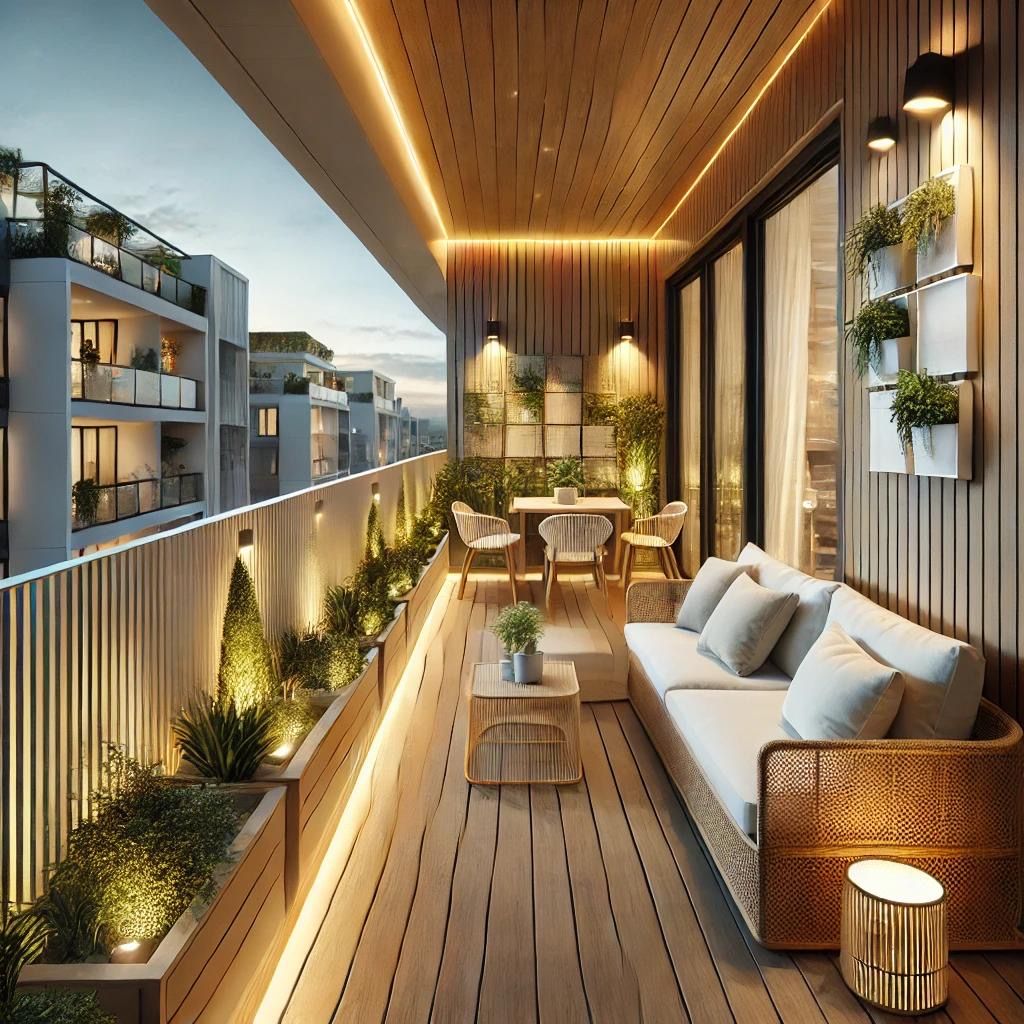
Yes, interior design definitely includes furniture as a crucial element of creating functional and aesthetically pleasing spaces. Here’s a detailed look at how furniture plays a role in interior design:
The Role of Furniture in Interior Design
- Functionality
- Furniture serves as the functional backbone of any interior space. It provides the necessary elements for daily activities, such as seating, sleeping, eating, and storage. Designers must consider how each piece will be used to ensure the space is practical and meets the needs of its occupants.
- Aesthetic Appeal
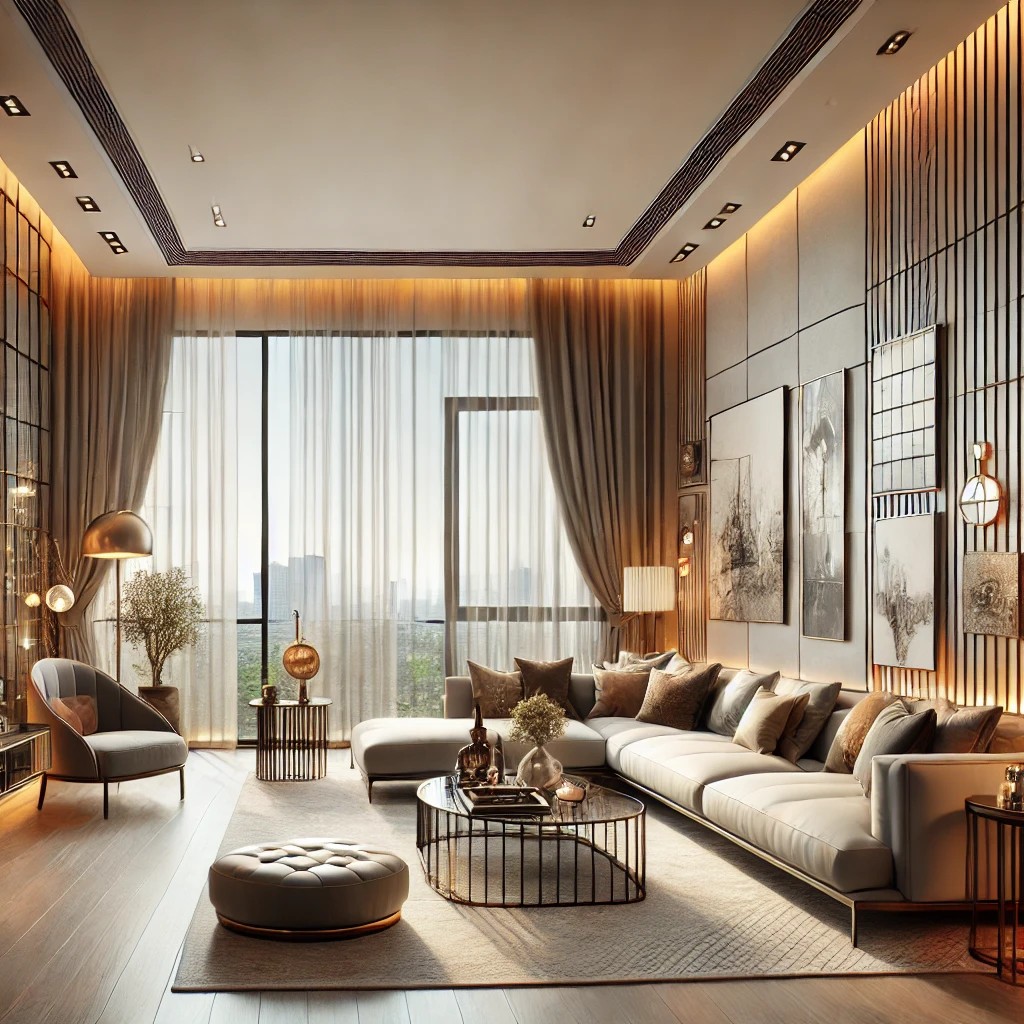
- Furniture significantly influences the overall look and feel of a room. It contributes to the design style (modern, traditional, minimalist, etc.) and helps create a cohesive aesthetic. Choosing the right colors, materials, and styles can enhance the ambiance of a space.
- Space Planning
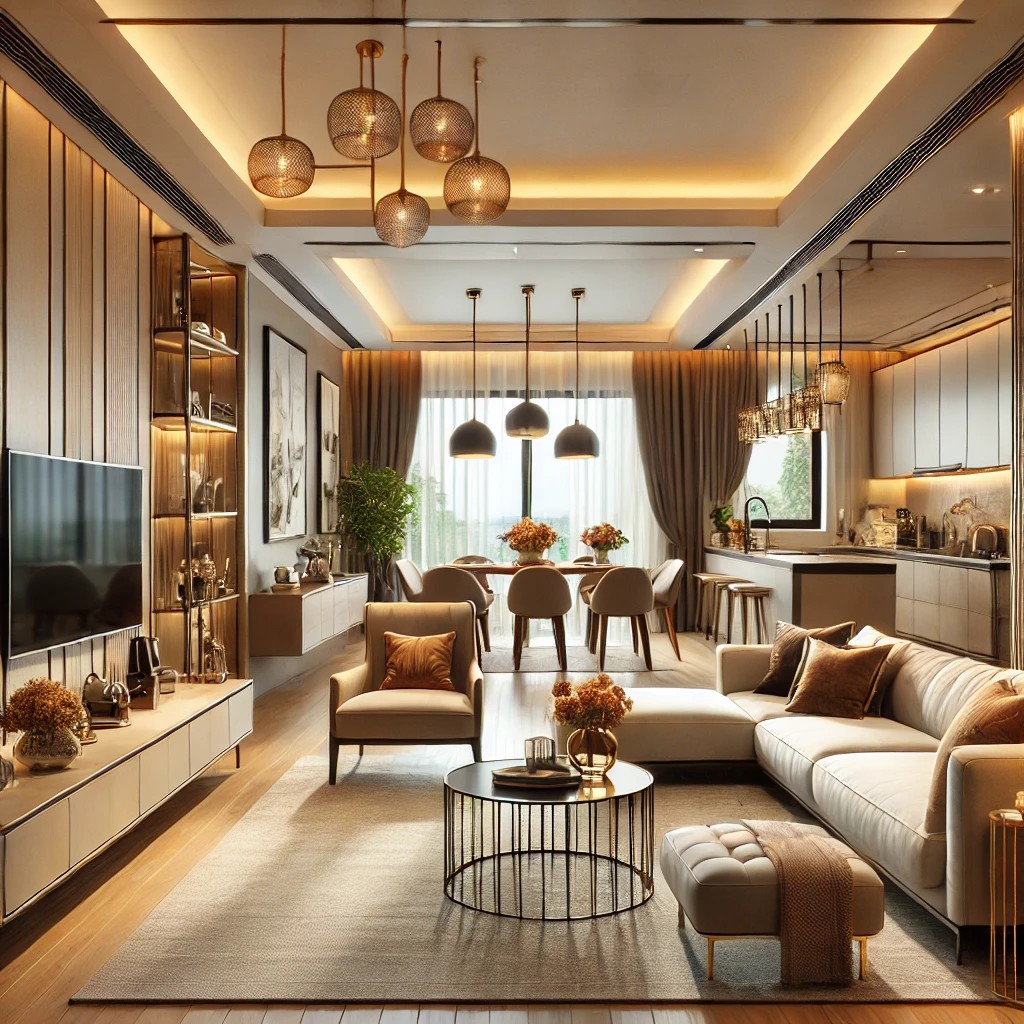
- Interior designers use furniture to determine the layout and flow of a room. Proper space planning involves arranging furniture in a way that maximizes functionality while ensuring ease of movement. Designers must consider the scale and proportion of furniture in relation to the room size.
- Design Themes
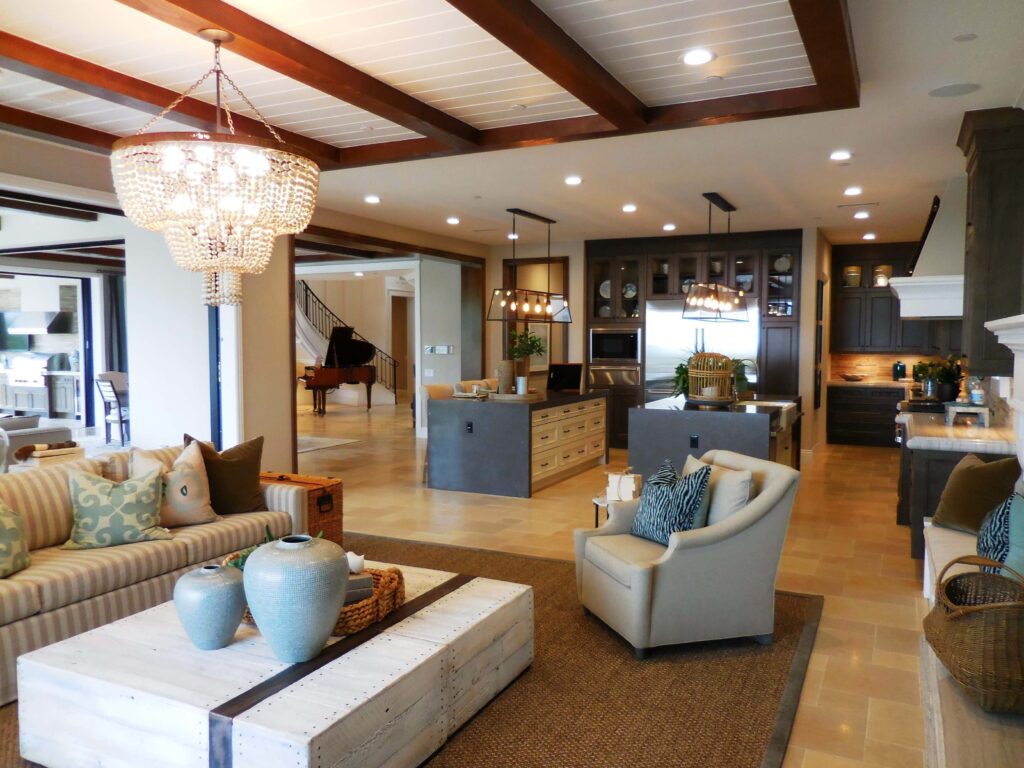
- Furniture choices can help establish a design theme. For example, mid-century modern furniture will evoke a different feeling than rustic farmhouse pieces. Designers often curate furniture selections that align with the desired style and concept of the space.
- Comfort and Ergonomics
- Comfort is a key consideration in interior design. Designers select furniture that not only looks good but also provides comfort and support. Ergonomics is especially important in home offices and workspaces, where furniture must accommodate prolonged use.
- Customization and Personalization
- Interior designers may recommend custom or personalized furniture options to meet specific client needs. Customization allows for tailored solutions that reflect the client’s taste and lifestyle.
- Budget Considerations
- Furniture selection is often a significant part of the overall interior design budget. Designers help clients navigate options that align with their budget while still achieving the desired aesthetic and functionality.
Types of Furniture Considered in Interior Design
- Seating: Sofas, chairs, benches, and stools.
- Tables: Coffee tables, dining tables, side tables, and desks.
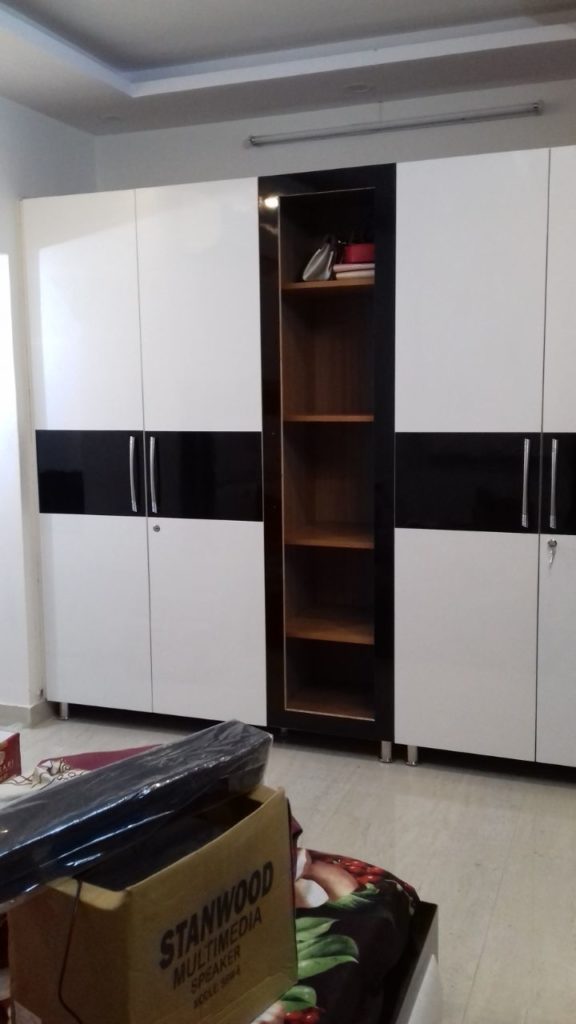
- Storage: Cabinets, bookshelves, dressers, and sideboards.
- Beds: Different styles and sizes of beds, including headboards and bed frames.
- Accessories: Decorative pieces like rugs, cushions, and art that complement the furniture and overall design.
Conclusion
In summary, furniture is an integral part of interior design, influencing both functionality and aesthetics. Interior designers consider furniture as they create spaces that meet the practical needs of users while reflecting their personal style and preferences. Whether it’s selecting the right sofa for a living room or designing a custom dining table, furniture choices play a vital role in achieving a cohesive and inviting interior.