Related Interior Design Services
- Interior Designer in Kirti Nagar
- Interior Designer in Punjabi Bagh
- Interior Designer in Rajouri Garden Delhi
- Interior Designer in Patel Nagar Delhi
- Interior Designer in Janakpuri Delhi
- Interior Designer in Vikaspuri Delhi
- Wallpaper for Walls
- Interior Design Cost Delhi NCR
- Room Garden Design in Gurgaon
- DLF The Ultima Interiors Gurgaon
- Interior Designer in Rudrapur
- How to Choose Long-Lasting Furniture
- Living Room Interior Ideas
- Bedroom Interior Design Delhi
- Interior Designers in Chhattarpur
- Builder Floor Interior Design
Understanding the Role of an Office Interior Designer
In today’s fast-paced corporate environment, the significance of an ideal workspace cannot be overstated. An office interior designer plays a crucial role in creating an environment that is not only aesthetically pleasing but also functional and conducive to productivity.
Key Design Trends for Modern Offices
Modern office design is evolving to meet the needs of a hybrid workforce. Key trends include:
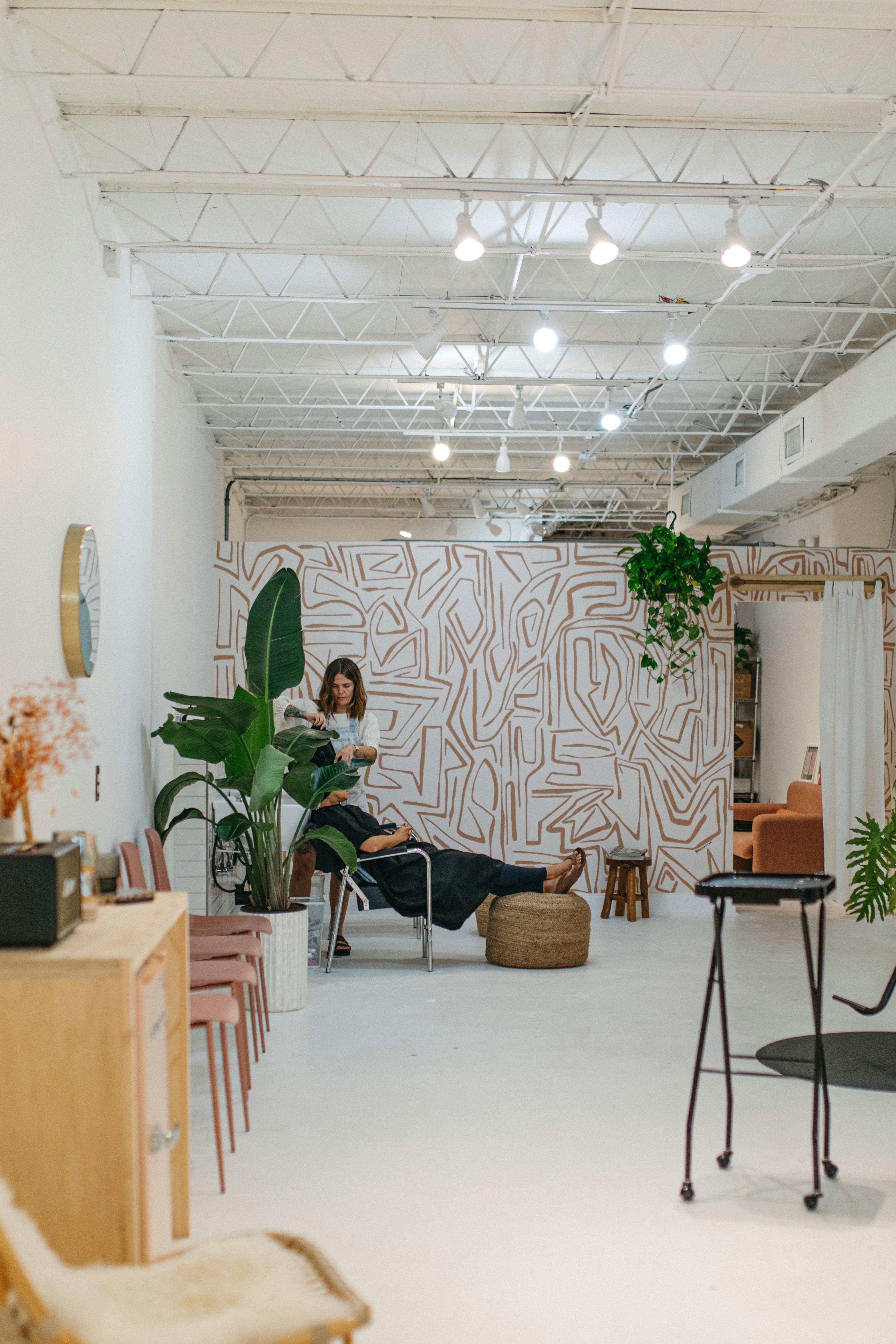
- Biophilic Design: Incorporating natural elements like plants and sunlight to reduce stress.
- Ergonomic Workstations: Prioritizing employee health with adjustable desks and chairs.
- Collaborative Zones: Creating open spaces for team brainstorming and informal meetings.
- Smart Technology Integration: Seamlessly embedding AV and charging solutions into furniture.
Key Responsibilities of an Office Interior Designer
Office interior designers are tasked with various responsibilities, from conceptualizing designs to managing the execution of projects. Their expertise encompasses space planning, color scheme selection, furniture arrangement, and ensuring compliance with safety codes. This comprehensive approach ensures that the final design meets the specific needs of the organization while enhancing the overall ambience of the office.
Benefits of Hiring an Office Interior Designer
Investing in an office interior designer can lead to significant advantages. Firstly, these professionals bring a wealth of knowledge and experience, allowing businesses to avoid common pitfalls in design and decor. They can help maximize space utilization, which is especially vital in today’s urban landscapes. Furthermore, a well-designed office can greatly improve employee morale and productivity, making it a crucial investment for any organization.
Conclusion
A professional office interior designer does more than just decorate; they create a strategic environment that supports business goals and employee well-being. By focusing on both aesthetics and functionality, they transform ordinary offices into high-performance workspaces.