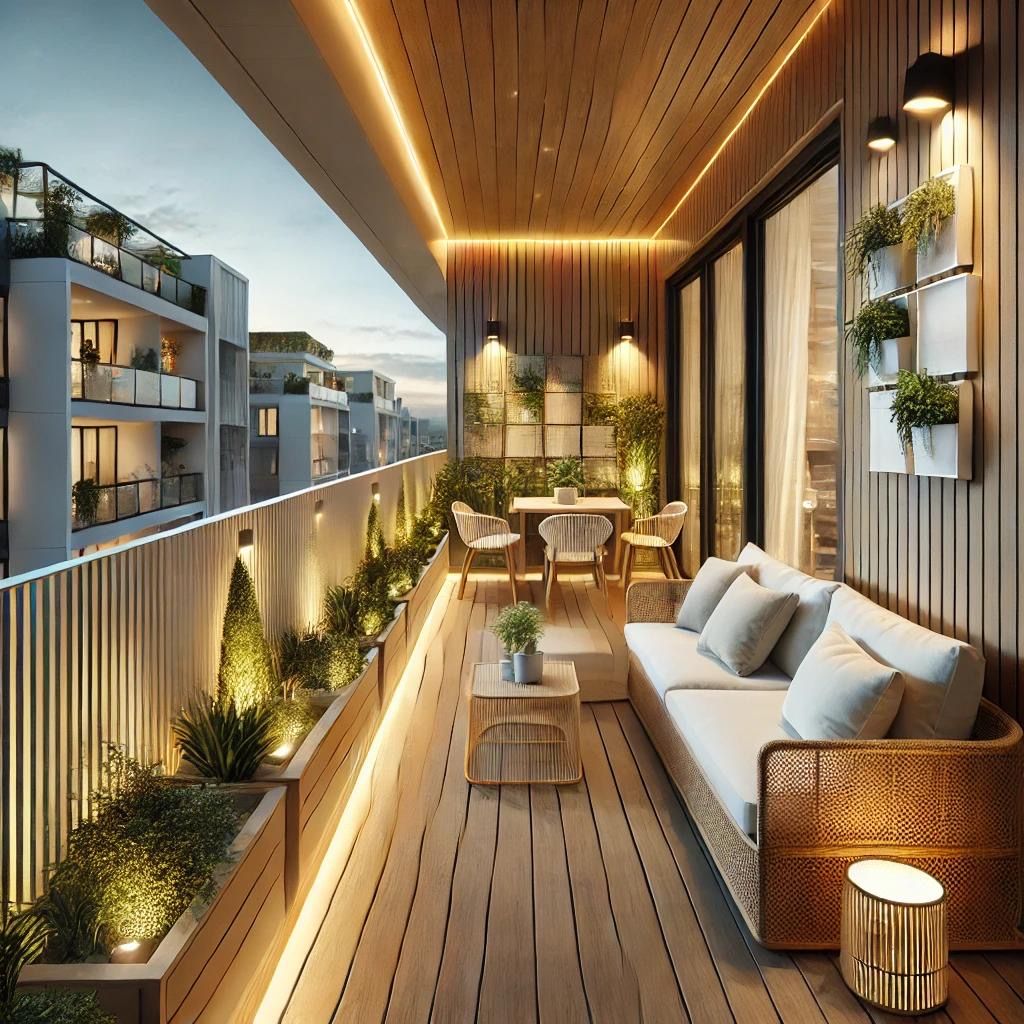
The interior design of a home is not just about aesthetics; it profoundly influences how we live, feel, and interact within our spaces. Understanding the concept of interiors can guide homeowners in making informed decor choices that enhance their living environment. This blog delves into how the principles of interior design shape home decor decisions, empowering you to create a harmonious and inviting space.
The Significance of Interior Design Concepts
Interior design encompasses a blend of art, science, and psychology that aims to improve the functionality and ambiance of a space. By grasping the fundamental concepts of interiors, homeowners can make decor choices that resonate with their lifestyle and preferences. Here are key factors to consider:
- Functionality: Design must prioritize the needs and routines of the occupants.
- Aesthetics: Visual appeal influences mood and comfort within the home.
- Cohesion: Decor choices should reflect a unified theme or style throughout the space.
Key Concepts of Interior Design That Influence Home Decor Choices
1. Space Planning
Space planning is the backbone of effective interior design, dictating how decor elements are arranged and utilized. Proper space planning can enhance the flow and functionality of a home. Here are some considerations:
- Traffic Flow: Ensure furniture is arranged to facilitate easy movement throughout rooms. For instance, in living areas, avoid blocking pathways with large furniture pieces.
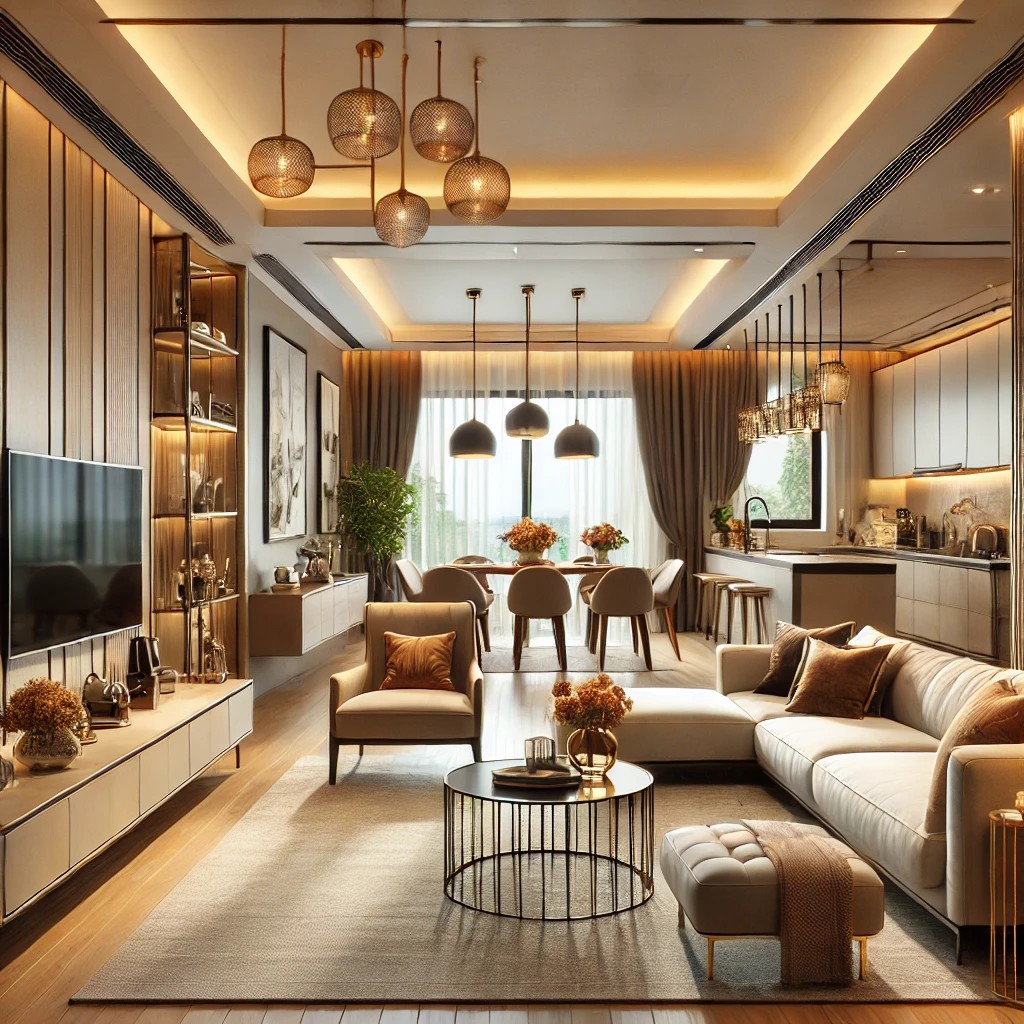
- Defined Zones: Use decor to delineate different areas within an open concept space, such as separating the living room from the dining area with rugs or furniture placement.
- Balance and Proportion: Choose furniture sizes that suit the scale of the room. Overly large furniture can overwhelm a small space, while too-small pieces can look lost in a large room.
2. Color Psychology
Color plays a pivotal role in interior design, influencing mood and atmosphere. The concept of color psychology can guide your decor choices effectively:
- Warm Colors: Reds, oranges, and yellows evoke energy and warmth, making them ideal for social spaces like kitchens and living rooms.
- Cool Colors: Blues, greens, and purples promote calmness and relaxation, making them suitable for bedrooms and bathrooms.
- Neutral Colors: Whites, grays, and beiges create a versatile backdrop for decor, allowing accent colors to shine without overwhelming the space.
3. Style and Theme
The overall style and theme of your home significantly influence decor choices. Identifying a cohesive style helps create a harmonious look. Here are some popular styles to consider:
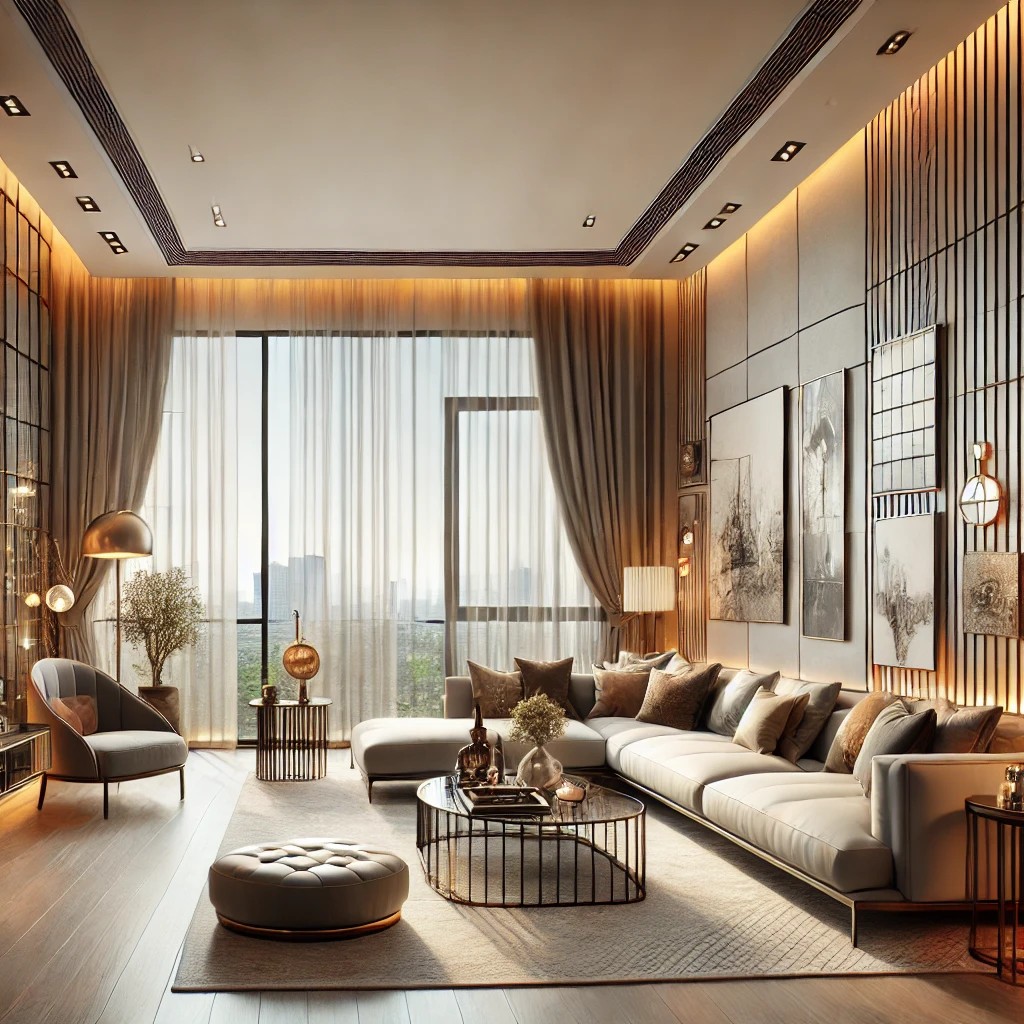
- Modern: Characterized by clean lines, minimalism, and a neutral palette. Decor choices often include sleek furniture and contemporary art.
- Traditional: Focuses on classic design elements with rich colors, ornate furniture, and detailed textiles. Incorporate antiques and heirlooms for authenticity.
- Eclectic: A mix of different styles and periods, allowing for creative freedom. This theme encourages combining various decor pieces that reflect personal taste.
4. Texture and Material
The concept of texture adds depth and interest to interior spaces. The materials you choose can significantly impact the overall feel of a room:
- Natural Materials: Wood, stone, and cotton create a warm and inviting atmosphere. Incorporate wooden furniture, stone accents, or cotton fabrics for a rustic charm.
- Mixed Textures: Combine different materials, such as leather, velvet, and metal, to create visual intrigue. For example, pair a soft velvet sofa with a sleek metal coffee table.
- Layering: Use textiles like rugs, cushions, and throws to layer textures and add warmth. This approach not only enhances comfort but also contributes to a cozy ambiance.
5. Lighting Design
Lighting is a critical aspect of interior design that can dramatically influence decor choices. Proper lighting can enhance the beauty of decor elements while setting the mood for different activities. Consider these points:
- Natural Light: Maximize natural light with large windows, mirrors, and light-colored decor to create an airy and open feel.
- Layered Lighting: Incorporate ambient, task, and accent lighting to achieve a well-lit space. For instance, use overhead lights for general illumination, table lamps for reading, and spotlights to highlight artwork.
- Statement Fixtures: Unique lighting fixtures can serve as focal points in a room, adding personality and style to your decor.
6. Personalization
Finally, the concept of personalization is essential in making your home feel unique and reflective of your personality. Here are ways to incorporate personal touches into your decor:
- Artwork: Display pieces that resonate with you, whether they are paintings, photographs, or sculptures. Choose frames that complement your decor style.
- Cultural Elements: Include decor that reflects your heritage, such as textiles, pottery, or traditional crafts.
- Hobbies and Interests: Incorporate decor that showcases your hobbies, such as bookshelves filled with your favorite novels or musical instruments displayed as art.
FAQs About How the Concept of Interiors Influences Home Decor Choices
What role does space planning play in home decor?
Space planning determines how furniture and decor elements are arranged to enhance flow, functionality, and aesthetic appeal. Effective space planning ensures that a room feels balanced and inviting.
How can color influence the mood of a room?
Colors can evoke different emotions. Warm colors like reds and yellows create energy, while cool colors like blues and greens promote calmness. Choosing the right color scheme is essential for setting the desired mood in a space.
What are some popular interior design styles?
Popular interior design styles include modern, traditional, rustic, minimalist, and eclectic. Each style has its unique characteristics and can guide decor choices to create a cohesive look.
How can texture enhance my home decor?
Texture adds depth and interest to a room. By combining different materials, such as wood, metal, and fabric, you can create a visually appealing and inviting atmosphere.
Why is personalization important in interior design?
Personalization makes your home unique and reflective of your personality. Incorporating personal items, artwork, and cultural elements helps create a space that feels like home.
Conclusion
Understanding the concept of interiors is essential for making informed home decor choices that enhance both functionality and aesthetics. By embracing principles such as space planning, color psychology, style, texture, lighting design, and personalization, homeowners can create inviting environments that resonate with their lifestyle and preferences.
For more insights and resources on interior design, explore:
Transform your living space by applying these concepts and principles, creating a home that is not only beautiful but also a true reflection of who you are. Your decor choices can turn your house into a sanctuary of style and comfort, enriching your daily life.