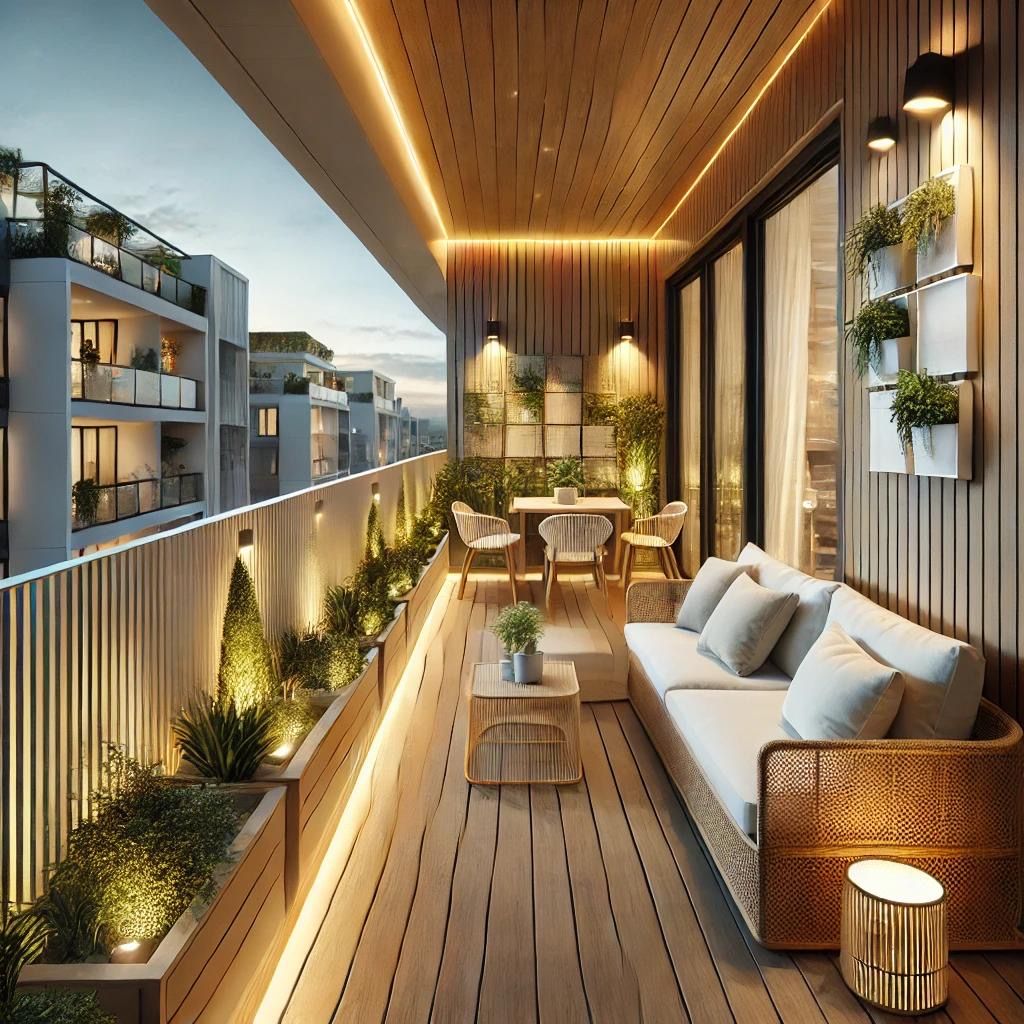
Interior design plays a crucial role in shaping the functionality, aesthetics, and atmosphere of contemporary living spaces. In today’s fast-paced world, the principles and concepts of interior design have evolved to create environments that are not only visually appealing but also tailored to the modern lifestyle. This blog explores the key principles and concepts that define interior design in contemporary living, offering practical insights for anyone looking to elevate their home or office.
The Essence of Contemporary Interior Design
Contemporary interior design reflects current trends, often characterized by a focus on simplicity, functionality, and clean lines. It embraces a range of styles while incorporating modern technologies and sustainable practices. Here are some fundamental elements that encapsulate contemporary design:
- Minimalism: A focus on essential elements, reducing clutter, and creating open, airy spaces.
- Functional Spaces: Designs that prioritize usability and flow, accommodating the needs of everyday life.
- Sustainability: An emphasis on eco-friendly materials and practices that promote environmental responsibility.
Key Principles of Interior Design in Contemporary Living
1. Open Concept Layouts
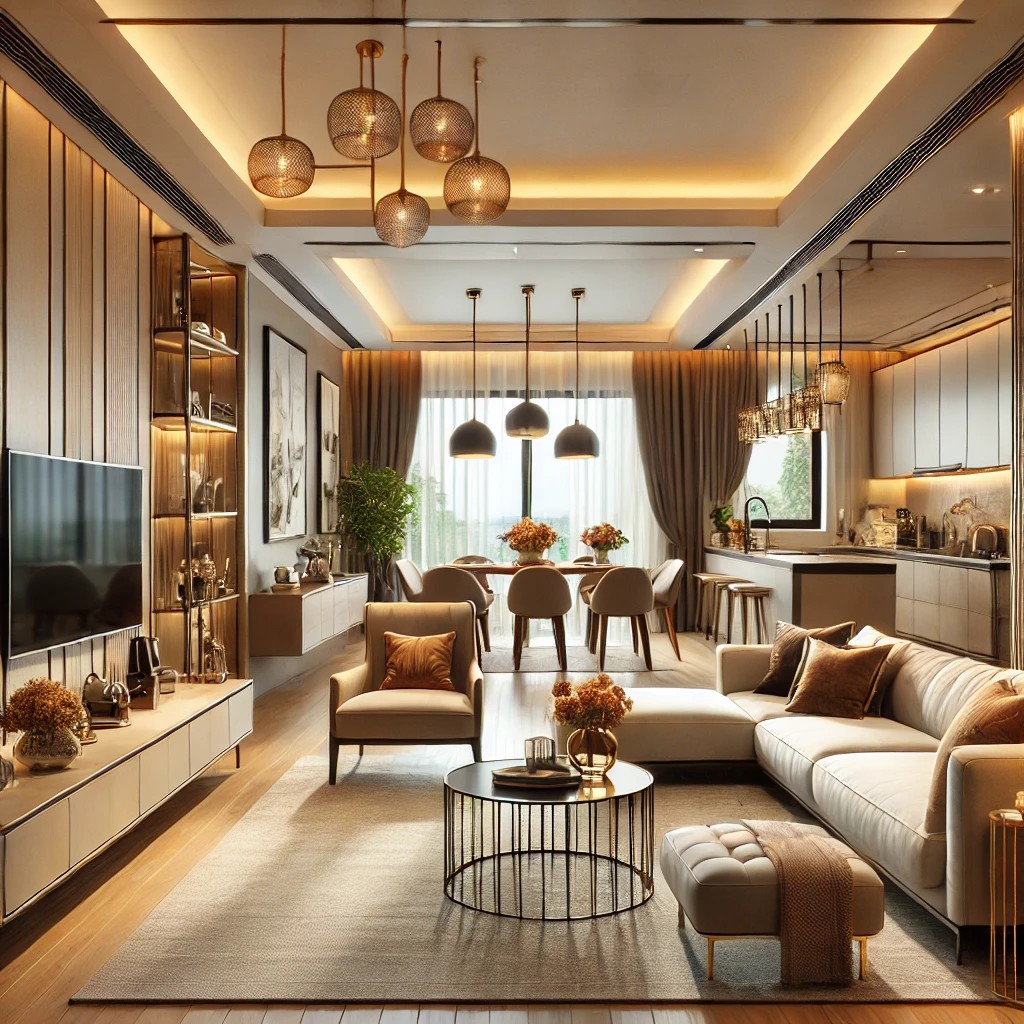
Open concept layouts have become a staple in contemporary living, allowing for fluidity and connection between spaces. Here’s how to effectively implement this principle:
- Merge Spaces: Combine living, dining, and kitchen areas to promote interaction and engagement among family members and guests.
- Natural Light: Utilize large windows or sliding glass doors to enhance natural light, making spaces feel larger and more inviting.
- Flow and Functionality: Ensure a seamless transition between areas, using furniture arrangements that support movement and conversation.
2. Emphasis on Clean Lines
Clean lines are a defining characteristic of contemporary design, contributing to a sleek and uncluttered aesthetic. Consider the following:
- Furniture Selection: Choose furniture with straight lines, geometric shapes, and simple profiles to maintain a streamlined look.
- Architectural Details: Incorporate features such as crown molding, wainscoting, or built-in shelving that emphasize straight lines without overwhelming the space.
- Avoid Excessive Ornamentation: Limit decorative elements to maintain a clean and sophisticated appearance.
3. Color Palettes
Contemporary interiors often utilize neutral color palettes with pops of color for visual interest. Here’s how to achieve this balance:
- Base Neutrals: Start with a foundation of whites, grays, and beiges, providing a versatile backdrop for decor and furnishings.
- Accent Colors: Introduce bold colors through artwork, cushions, or accent walls to create focal points without overpowering the space.
- Monochromatic Schemes: Experiment with varying shades of a single color to add depth while maintaining a cohesive look.
4. Textural Variety
Incorporating a mix of textures is essential for creating warmth and visual interest in contemporary interiors. Here’s how to do it:
- Layering Textures: Use a combination of materials like wood, metal, glass, and fabric to create a dynamic environment. For example, a leather sofa can be paired with a woven throw and metal side tables.
- Area Rugs: Define spaces and add comfort by using area rugs that complement the color palette and enhance the overall aesthetic.
- Accent Pieces: Include textured decor items like cushions, throws, and art pieces to add tactile elements to the space.
5. Sustainable Design
Sustainability is a core principle in contemporary interior design, emphasizing eco-friendly practices and materials. Consider these strategies:
- Sustainable Materials: Opt for reclaimed wood, bamboo, or recycled materials for furniture and flooring to minimize environmental impact.
- Energy Efficiency: Invest in energy-efficient appliances, LED lighting, and smart home technologies that reduce energy consumption.
- Indoor Plants: Incorporate greenery to improve air quality and enhance the connection to nature, contributing to a healthier living environment.
6. Personalization and Style
While contemporary design leans toward minimalism, personal touches are essential to make a space feel like home. Here’s how to personalize your design:
- Artwork and Decor: Display art that resonates with you, whether it’s modern pieces, family photos, or handmade crafts.
- Cultural Influences: Incorporate elements that reflect your cultural background, such as textiles, pottery, or traditional crafts.
- Unique Finds: Include curated items from travels or local artisans to add character and depth to your space.
FAQs About Principles and Concepts of Interior Design in Contemporary Living
What is contemporary interior design?
Contemporary interior design refers to a style that reflects current trends and practices, characterized by clean lines, minimalism, functional spaces, and an emphasis on sustainability.
How can I create an open concept living space?
To create an open concept living space, remove unnecessary walls, use large windows to enhance light, and arrange furniture to promote flow and interaction among different areas.
What colors are popular in contemporary design?
Popular colors in contemporary design include neutral tones like whites, grays, and beiges, complemented by bold accent colors that add visual interest without overwhelming the space.
How do I incorporate sustainability into my home design?
Incorporate sustainability by choosing eco-friendly materials, energy-efficient appliances, and incorporating indoor plants. Consider using reclaimed or recycled materials whenever possible.
What are some tips for personalizing contemporary interiors?
Personalize contemporary interiors by displaying artwork that reflects your tastes, incorporating cultural elements, and adding unique finds from your travels or local markets.
Conclusion
The principles and concepts of interior design in contemporary living revolve around creating functional, aesthetically pleasing, and sustainable spaces. By embracing open layouts, clean lines, thoughtful color palettes, textural variety, and personalization, you can transform your home into a harmonious and stylish retreat that meets the demands of modern life.
For more insights and resources on contemporary interior design, explore:
Elevate your living space with these design principles and concepts to create an environment that not only reflects your style but also enhances your everyday life. Transform your home into a sanctuary of modern elegance and comfort.