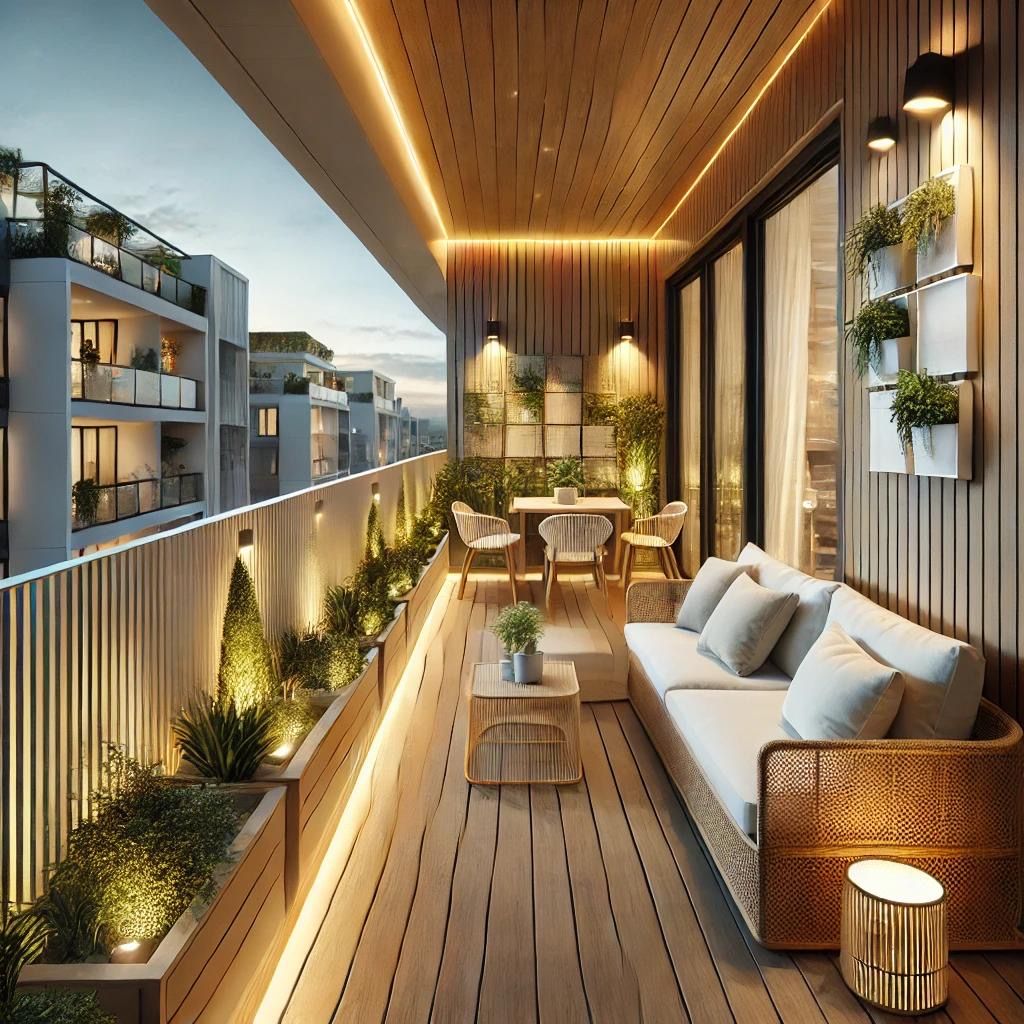
Interior design is more than just arranging furniture and selecting colors; it’s an art form that can significantly impact how we feel and function in our spaces. A well-designed environment reflects our personality, improves our quality of life, and can even boost our productivity. Whether you’re revamping your home or embarking on a new project, understanding the principles of interior design can help you create a space that not only looks great but also feels great.
In this comprehensive guide, we’ll explore the fundamentals of interior design, delve into various styles and trends, and provide practical tips and resources to help you achieve your dream space.
What is Interior Design?
Interior design involves the planning, execution, and management of interior spaces. It encompasses everything from layout and functionality to aesthetics and decor. Interior designers work closely with clients to understand their needs and preferences, ensuring that the final result is both beautiful and practical.
Key Elements of Interior Design
- Space: Understanding the spatial dynamics is crucial. This includes the flow between rooms, the scale of furniture, and how natural light interacts with the space.
- Color: Colors can evoke emotions and influence mood. Choosing the right palette is essential for achieving the desired atmosphere.
- Light: Lighting plays a critical role in design. It can highlight features, create ambiance, and enhance functionality.
- Texture: Incorporating various textures can add depth and interest to a space.
- Furniture and Decor: Selecting the right pieces is vital for both aesthetics and comfort.
Why is Interior Design Important?
Enhances Functionality
Good interior design enhances the functionality of a space. By optimizing layout and flow, you can create an environment that works for you and your lifestyle. For example, a well-designed kitchen can make meal preparation more efficient and enjoyable.
Reflects Personal Style
Interior design allows you to express your personal style and taste. From color choices to furniture selection, every element contributes to the overall feel of your space.
Increases Property Value
A professionally designed interior can significantly increase the value of your property. Potential buyers are often drawn to homes with stylish and functional interiors, making good design a worthwhile investment.
Popular Interior Design Styles
1. Minimalist Design
Minimalism emphasizes simplicity and functionality. This style is characterized by clean lines, neutral colors, and a clutter-free environment. It’s perfect for those who appreciate a streamlined aesthetic.
- Key Features:
- Neutral color palettes
- Functional furniture
- Open spaces
2. Industrial Interior Design
Inspired by warehouses and factories, industrial design incorporates raw materials like wood, metal, and concrete. This style is often characterized by exposed beams and ductwork, creating a chic and urban feel.
- Key Features:
- Exposed brick walls
- Metal fixtures
- Vintage furnishings
3. Scandinavian Design
Scandinavian design focuses on simplicity, minimalism, and functionality. It often incorporates natural materials and neutral colors, creating a cozy yet modern atmosphere.
- Key Features:
- Light color palettes
- Functional furniture
- Natural elements
4. Bohemian Interior Design
The bohemian style is all about individuality and creativity. This eclectic style combines various colors, patterns, and textures, making it perfect for those who love to express their unique personality.
- Key Features:
- Bold colors and patterns
- Vintage and handmade items
- Layered textiles
Practical Tips for Interior Design
1. Define Your Style
Before you begin, it’s essential to define your style. Browse magazines, websites, and social media for inspiration. Create a mood board to visualize your ideas.
2. Plan Your Space
Take accurate measurements of your space and create a floor plan. Consider the flow of the room and how you want to use it. This planning will help you avoid costly mistakes down the line.
3. Choose a Color Palette
Selecting a cohesive color palette is key to achieving a harmonious look. Consider the mood you want to create and choose colors that complement each other.
4. Invest in Quality Furniture
While it can be tempting to cut costs on furniture, investing in quality pieces pays off in the long run. Choose timeless designs that are both functional and stylish.
5. Layer Lighting
Utilize different types of lighting, such as ambient, task, and accent lighting, to create a well-lit space. Incorporate various sources, like lamps, ceiling fixtures, and natural light, to enhance the atmosphere.
Frequently Asked Questions (FAQs)
What is the difference between interior design and interior decorating?
While the terms are often used interchangeably, interior design involves the overall planning and design of a space, including architecture and layout. Interior decorating focuses primarily on aesthetics, such as furniture and decor selection.
How can I start my interior design project?
Begin by defining your style and gathering inspiration. Create a budget and plan your space, considering both functionality and aesthetics.
Do I need a professional interior designer?
It depends on the complexity of your project. For simple renovations or updates, you may be able to manage on your own. However, for larger projects or specific styles, hiring a professional can be beneficial.
How can I make a small space feel larger?
To make a small space feel larger, use light colors, incorporate mirrors, and choose furniture that doesn’t overwhelm the room. Opt for multifunctional pieces to maximize space efficiency.
Conclusion
Interior design is a powerful tool that can transform your living space into a sanctuary that reflects your personality and meets your needs. By understanding the principles of design and exploring various styles, you can create an environment that is both functional and aesthetically pleasing.
Whether you choose to take on the project yourself or hire a professional, the resources available at Modular Kitchen Design, Interior A to Z, and Interior Designer NCR can provide valuable insights and inspiration.
Remember, the ultimate goal of interior design is to create a space that feels like home—one that enhances your quality of life and brings you joy. Happy designing!