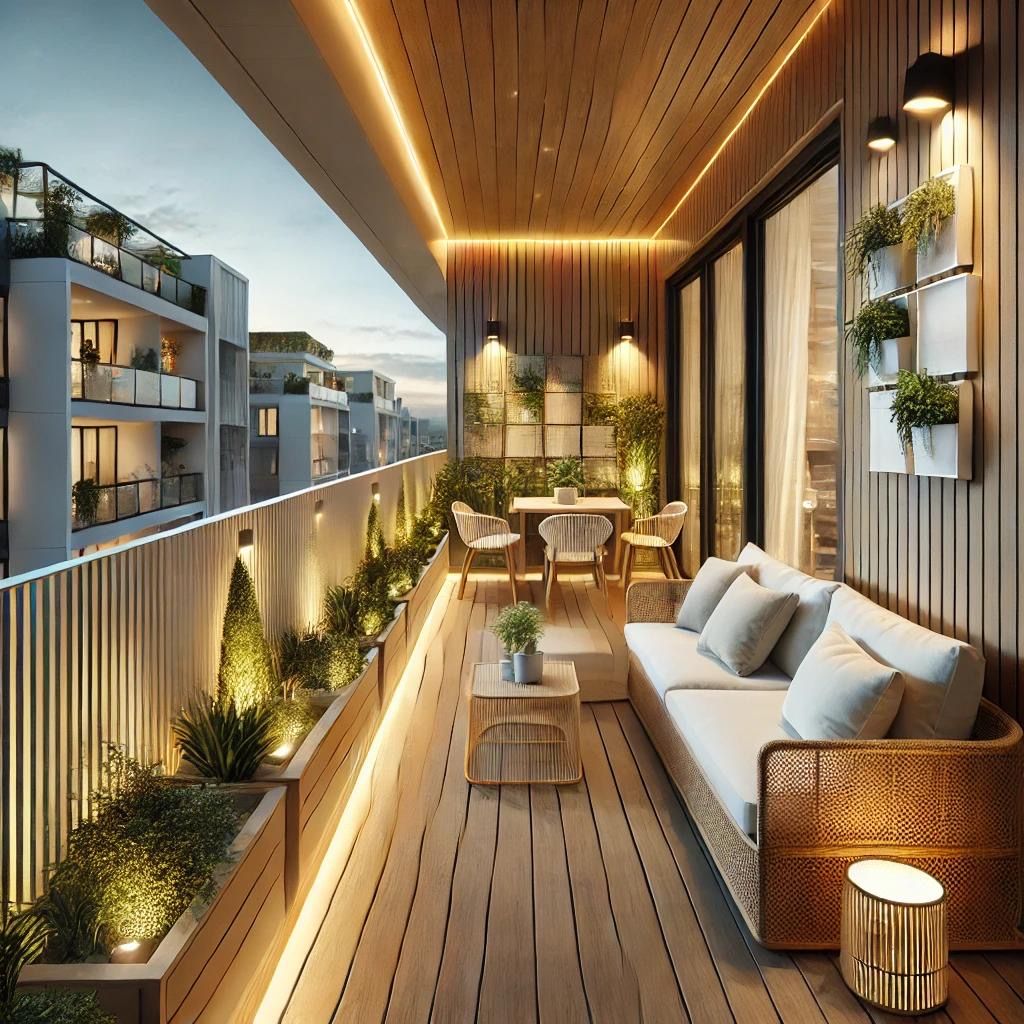
Creating a traditional Indian flat design in Jaipur can infuse your home with cultural richness and warmth while celebrating the vibrant heritage of the region. Here are some tips to achieve a beautiful and functional traditional design in your Jaipur apartment:
Traditional Indian Flat Design Tips for Jaipur Apartments
- Embrace Warm Color Palettes
- Earthy Tones: Use warm earthy tones like terracotta, ochre, and deep reds to reflect the colors of Rajasthan’s landscape.
- Accent Colors: Incorporate vibrant accent colors such as royal blue, emerald green, or mustard yellow in textiles, decor, and artwork.
- Incorporate Traditional Textiles
- Rajasthani Fabrics: Use locally sourced fabrics like block-printed cotton, bandhani, or tie-dye for curtains, cushions, and upholstery.
- Handcrafted Rugs: Add traditional rugs or durries to enhance comfort and warmth while adding an authentic touch to your space.
- Use Ornate Wooden Furniture
- Carved Wooden Pieces: Invest in intricately carved wooden furniture pieces, such as chairs, tables, and cabinets, which reflect traditional craftsmanship.
- Chowkis and Diwans: Include chowkis (low seating) and diwans (daybeds) to create cozy seating areas reminiscent of traditional Indian homes.
- Showcase Local Art and Crafts
- Wall Hangings: Hang local artwork or traditional paintings, such as miniatures or murals, to create focal points and celebrate regional artistry.
- Decorative Elements: Incorporate handicrafts like pottery, brass artifacts, and metalwork for authentic decorative touches.
- Create a Traditional Entryway
- Jharokhas: If possible, design a small jharokha (balcony) or alcove at the entrance to create a welcoming atmosphere.
- Rangoli Designs: Enhance your entryway with colorful rangoli designs made from natural powders or flowers for a traditional touch.
- Use Natural Materials
- Stone and Clay: Incorporate natural materials like stone, clay, and terracotta for flooring, wall decor, or planters to maintain a connection with nature.
- Thatch and Mud: For accents, consider using thatched roofs or mud walls in specific areas to reflect traditional architectural styles.
- Focus on Lighting
- Lamps and Lanterns: Use traditional brass or wrought iron lamps and lanterns to create warm, inviting lighting. Hanging lanterns can add an enchanting ambiance.
- Natural Light: Maximize natural light with large windows or wooden shutters that can be opened to let in fresh air and sunlight.
- Incorporate Plants
- Indoor Plants: Use indoor plants in terracotta pots to enhance air quality and add a natural element to your decor.
- Courtyards or Balconies: If space allows, create a small courtyard or balcony garden with flowering plants or herbs, embracing nature in your home.
- Create Functional Spaces
- Nooks and Corners: Design cozy reading nooks or prayer corners using traditional seating and decorative elements, adding functional yet aesthetic value.
- Open Spaces: Maintain an open layout to encourage social interactions while allowing traditional elements to flow naturally throughout the space.
- Personalize with Family Heritage
- Family Heirlooms: Incorporate family heirlooms or personal artifacts into your design, giving your space a unique and personal touch.
- Cultural Symbols: Use symbols and motifs that resonate with your family’s cultural background, integrating them into your decor.
Conclusion
Designing a traditional Indian flat in Jaipur involves blending rich cultural elements with modern functionality. By embracing warm color palettes, using local materials, and incorporating traditional textiles and furniture, you can create a space that celebrates the vibrant heritage of Rajasthan. Personal touches, such as family artifacts and local art, will further enhance the traditional charm of your home, making it a cozy and inviting sanctuary. Let your flat reflect the beauty and culture of Jaipur while meeting the practical needs of contemporary living.