Introduction
Salt Lake, a planned neighborhood in Kolkata, is not just known for its modern developments but also for its rich cultural heritage reflected in its heritage homes. These homes tell stories of the past and embody the architectural elegance of bygone eras. A traditional interior designer plays a crucial role in preserving this heritage while modernizing spaces to meet contemporary needs. This blog explores how traditional interior design can breathe new life into heritage homes in Salt Lake.
The Significance of Traditional Interior Design
Traditional interior design emphasizes craftsmanship, rich textures, and timeless aesthetics. It seeks to celebrate the history and character of a space, making it particularly suitable for heritage homes. In Salt Lake, many homes possess unique architectural features that can be enhanced and preserved through thoughtful design choices, ensuring that the essence of the past is maintained.
Key Design Elements for Heritage Homes
- Restoration of Architectural Features: Traditional designers pay close attention to the home’s original architectural elements, such as moldings, arches, and decorative details. Restoration can highlight the beauty of these features while maintaining the home’s historical integrity.
- Classic Color Palettes: Traditional designs often incorporate rich and warm color palettes that evoke a sense of history. Designers might use earthy tones, deep reds, and muted greens to create a cozy and inviting atmosphere.
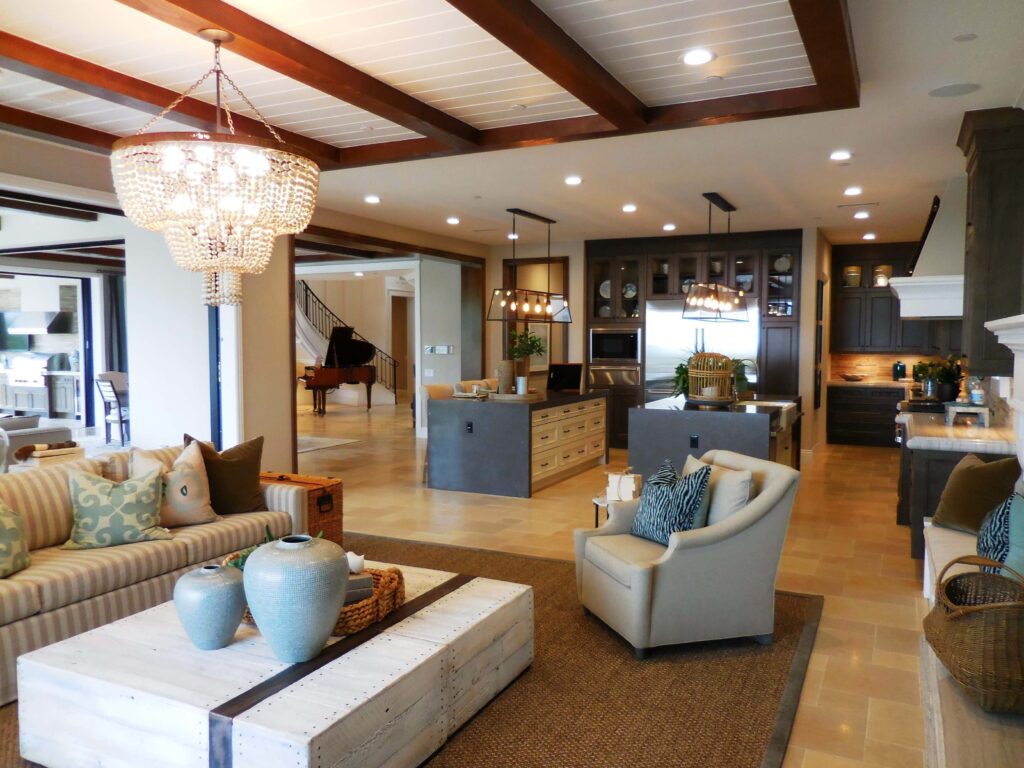
- Timeless Furniture and Decor: Selecting furniture that reflects traditional craftsmanship is vital. Designers often recommend classic wooden furniture, ornate chandeliers, and vintage decor pieces that resonate with the home’s heritage.
- Textiles and Patterns: Incorporating traditional fabrics, such as silk, brocade, and handwoven textiles, adds layers of texture and warmth. Patterns, whether floral, paisley, or geometric, can be used in upholstery, curtains, and cushions to enrich the space.
- Art and Antiques: Integrating artwork and antiques that reflect the cultural history of the region adds depth and character to the interiors. A traditional designer can curate pieces that resonate with the home’s story.
Benefits of Hiring a Traditional Interior Designer in Salt Lake
- Expert Knowledge of Heritage Styles: A traditional interior designer understands the nuances of heritage architecture and can recommend design solutions that enhance and respect the home’s historical context.
- Customized Solutions: Designers work closely with homeowners to create personalized designs that reflect their tastes while honoring the traditional aspects of the home.
- Quality Craftsmanship: A focus on high-quality materials and craftsmanship ensures that the design not only looks beautiful but also stands the test of time.
- Cultural Preservation: By embracing traditional design principles, homeowners can contribute to the preservation of cultural heritage, ensuring that future generations appreciate the beauty and significance of these homes.
Transforming a heritage home in Salt Lake into a beautifully designed space that honors its history is achievable with the help of a skilled traditional interior designer. By focusing on restoration, classic design elements, and personalized touches, these professionals can create a home that celebrates its past while accommodating the needs of modern living. Embrace the charm of traditional design and let your heritage home shine.
FAQs About Traditional Interior Design for Heritage Homes in Salt Lake
1. What should I look for when hiring a traditional interior designer in Salt Lake?
Look for experience with heritage homes, a strong portfolio showcasing traditional designs, and a deep understanding of local architectural styles. Good communication and collaboration skills are also essential.
2. How long does a traditional interior design project typically take?
The timeline can vary based on the project’s scope, but restoring and designing a heritage home may take several weeks to months, depending on its complexity and size.
3. Can I maintain my home’s original features while modernizing it?
Yes! A traditional interior designer can help you balance preserving original features with incorporating modern amenities, ensuring both historical integrity and contemporary comfort.
4. What are some common elements of traditional interior design?
Common elements include rich color palettes, classic furniture, ornate details, traditional textiles, and the use of artwork or antiques that reflect cultural heritage.
5. How can I ensure my design reflects my personal style while maintaining tradition?
A skilled designer will work with you to incorporate personal touches, such as color choices or specific decor items, while still adhering to traditional design principles.
6. What role does lighting play in traditional interior design?
Lighting is crucial for enhancing the ambiance and highlighting architectural details. Designers often use chandeliers, sconces, and table lamps that resonate with traditional aesthetics.
7. Are there specific materials preferred for traditional designs?
Yes, traditional designs often favor materials like hardwood, wrought iron, and natural textiles. A designer can guide you in selecting high-quality materials that align with the heritage of your home.