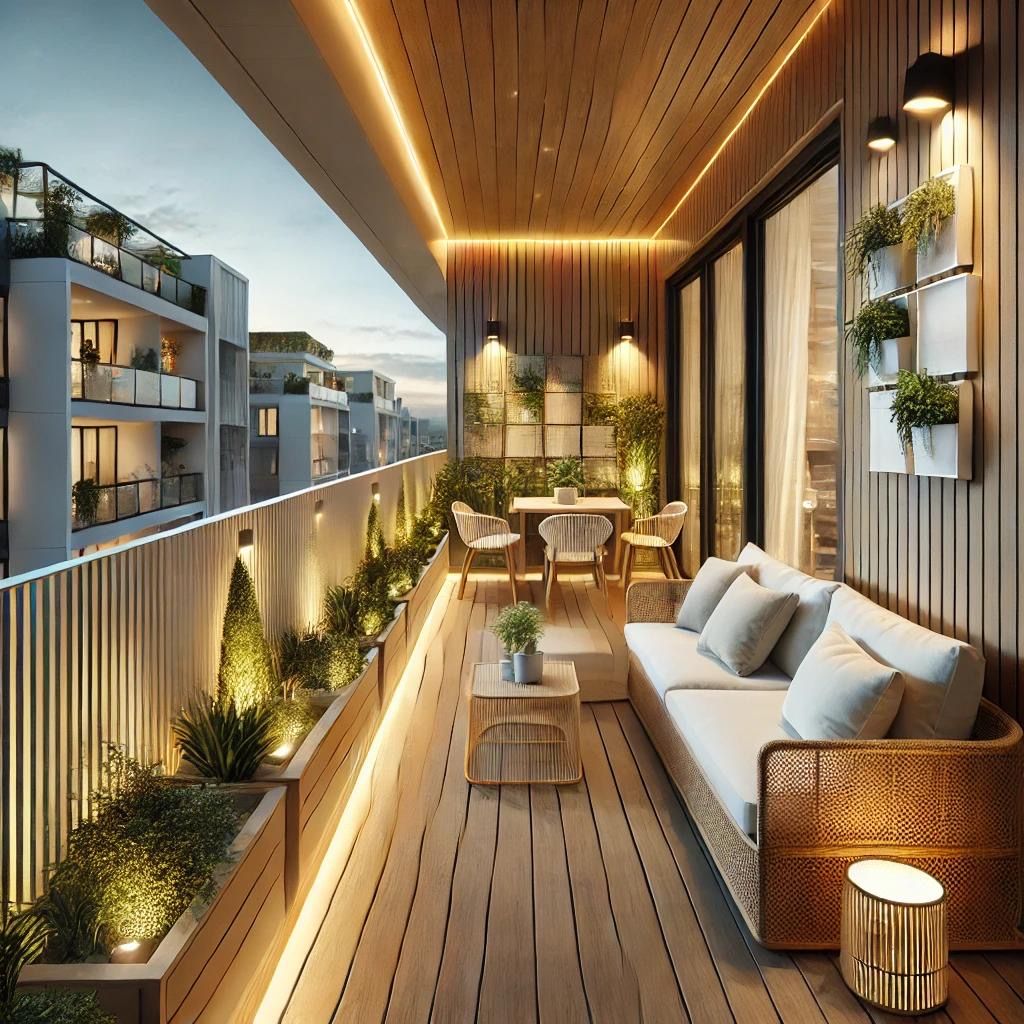
Interior design is not merely about making spaces look beautiful; it’s about creating environments that foster comfort, functionality, and aesthetic appeal. Understanding and applying the principles of interior design can elevate any space, be it a cozy home, a chic office, or a vibrant restaurant. In this comprehensive guide, we will delve into the key principles of interior design and provide actionable tips on how to implement them effectively.
Understanding the Key Principles of Interior Design
1. Balance: Creating Equilibrium in Design
Balance is a fundamental principle in interior design that ensures visual stability. It can be achieved through two primary forms:
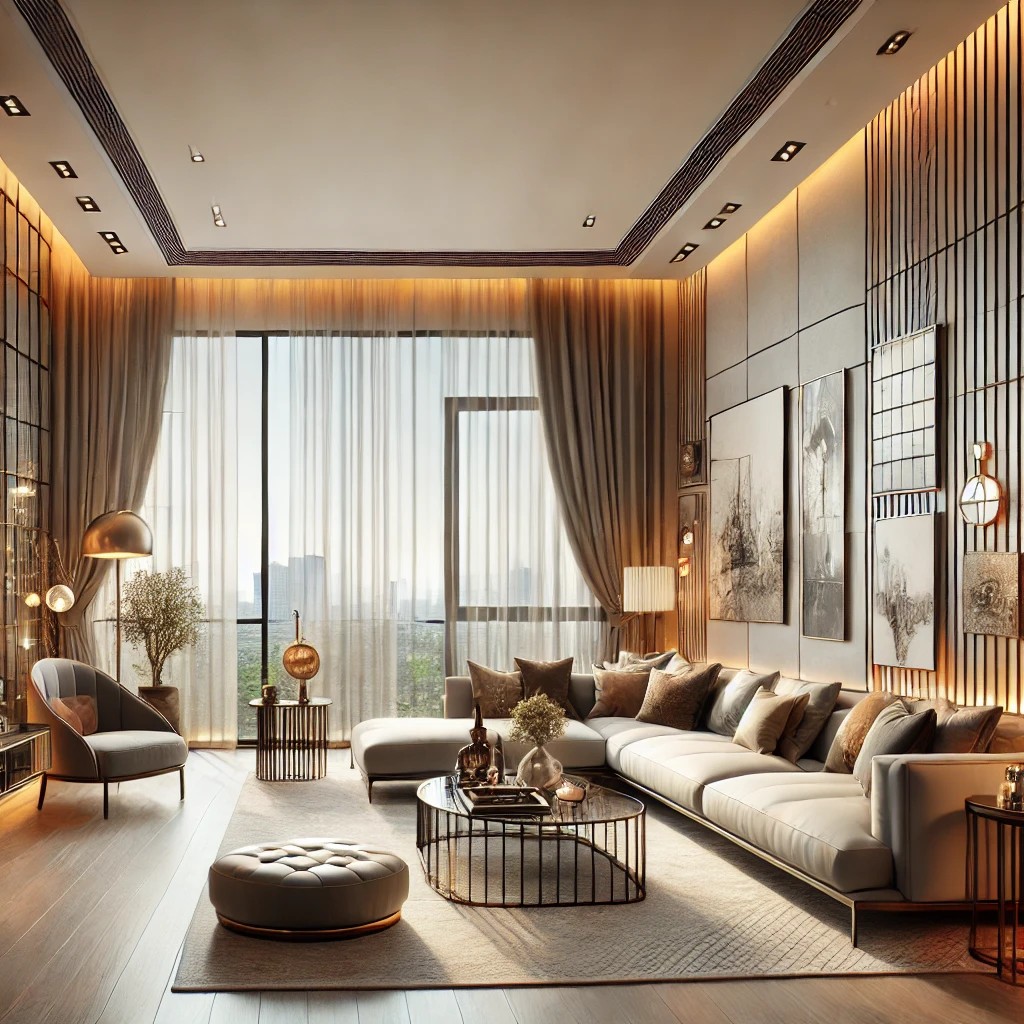
- Symmetrical Balance: This is achieved by arranging identical elements on either side of a central point, creating a mirror image. For example, two identical chairs placed opposite a sofa in a living room.
- Asymmetrical Balance: This involves arranging dissimilar items that have equal visual weight. For instance, a large piece of art can be balanced with a group of smaller decor items on the opposite wall.
How to Apply Balance:
- Assess your space and identify areas that feel heavy or overcrowded.
- Distribute furniture and decor evenly to create a harmonious flow.
2. Proportion and Scale: Fitting Elements Together
Proportion refers to the size relationship between objects, while scale deals with the size of objects in relation to the space around them. Both concepts are crucial in creating a well-designed room.
How to Apply Proportion and Scale:
- Measure your space before purchasing new furniture or decor. Ensure that larger items are suitable for bigger spaces and smaller items fit well in compact areas.
- Choose furniture that complements the room’s size. For example, a large sectional sofa works well in a spacious living room, while a slim loveseat is more appropriate for a smaller area.
3. Harmony: Achieving Cohesion
Harmony in design refers to the consistency of style, color, and materials throughout a space. This principle ensures that all elements work together cohesively.
How to Apply Harmony:
- Stick to a color palette that flows throughout your space. Use a mix of shades and tones from a chosen color family to create depth.
- Ensure that furniture and decor have a common theme, whether modern, traditional, or eclectic.
4. Contrast: Adding Interest and Depth
Contrast is about showcasing differences to create visual interest. It can be achieved through colors, textures, and shapes.
How to Apply Contrast:
- Use contrasting colors to draw attention to specific areas. For example, pairing dark furniture with light-colored walls can create a striking effect.
- Mix textures—combine smooth fabrics with rough surfaces to create a dynamic visual experience.
5. Rhythm: Establishing Movement
Rhythm in interior design involves creating a sense of flow through repetition and contrast. It helps guide the eye throughout the space.
How to Apply Rhythm:
- Use repeating patterns or colors to create a sense of unity. For example, if you have patterned throw pillows, consider using similar patterns in wall art or curtains.
- Arrange furniture and decor in a way that directs movement through the space. For instance, a clear pathway between furniture pieces allows easy navigation.
6. Emphasis: Creating Focal Points
Emphasis involves creating a focal point in a room that draws the eye. This can be achieved through color, texture, or unique decor pieces.
How to Apply Emphasis:
- Choose a standout piece, such as an artwork, a bold piece of furniture, or a dramatic light fixture, and arrange other elements to support it without overpowering it.
- Use lighting strategically to highlight the focal point and enhance its presence in the room.
7. Functionality: Designing for Use
Ultimately, functionality is the most crucial principle of interior design. A beautiful space must also be practical and meet the needs of its occupants.
How to Apply Functionality:
- Evaluate how you use each room. Arrange furniture to facilitate activities, ensuring ample space for movement and interaction.
- Consider storage solutions that blend with the decor, like stylish baskets or built-in shelving, to keep the space organized.
Practical Tips for Applying Interior Design Principles
- Start with a Vision
- Create a mood board with colors, textures, and styles that resonate with you. This will guide your decisions and keep your design cohesive.
- Choose a Color Palette
- Limit your color scheme to three primary colors and a few accent shades. This will help create a harmonious and balanced look throughout the space.
- Invest in Quality Pieces
- While it can be tempting to purchase inexpensive items, investing in a few quality pieces will provide longevity and elevate your space.
- Accessorize with Intention
- Choose accessories that enhance your theme and contribute to the overall harmony of the room. Use a mix of shapes and sizes to create visual interest.
- Layer Your Lighting
- Incorporate ambient, task, and accent lighting to create a well-lit, functional space that feels inviting.
- Don’t Forget About Scale and Proportion
- Use furniture that fits the scale of the room. An oversized sofa in a small living room can overwhelm the space.
- Embrace Flexibility
- Allow your design to evolve. As your needs change, feel free to rearrange furniture and update decor to keep the space functional and fresh.
Frequently Asked Questions (FAQs)
1. What are the basic principles of interior design?
The basic principles include balance, proportion, harmony, contrast, rhythm, emphasis, and functionality.
2. How do I achieve balance in my interior design?
Balance can be achieved through symmetrical or asymmetrical arrangements of furniture and decor, ensuring visual stability.
3. Why is harmony important in interior design?
Harmony creates a cohesive look, making a space feel organized and well-designed.
4. How can I create contrast in my design?
Contrast can be achieved by pairing different colors, textures, and shapes to add visual interest to a space.
5. Can I mix different design styles in one space?
Yes, mixing styles is possible; however, it’s important to maintain cohesion through a common color palette or theme.
6. What is the role of functionality in interior design?
Functionality ensures that a space meets the needs of its occupants while remaining comfortable and aesthetically pleasing.
7. How do I create a focal point in my room?
Select a significant piece of furniture or art as your focal point and arrange other elements to support it without overwhelming it.
Conclusion
Applying the principles of interior design is essential for creating spaces that are not only beautiful but also functional and inviting. By understanding and implementing concepts such as balance, harmony, contrast, and functionality, you can transform your home into a sanctuary that reflects your personality and meets your lifestyle needs.
For more inspiration and resources, explore these links:
By mastering these principles, you will be well on your way to creating stunning interiors that not only look great but feel great too!