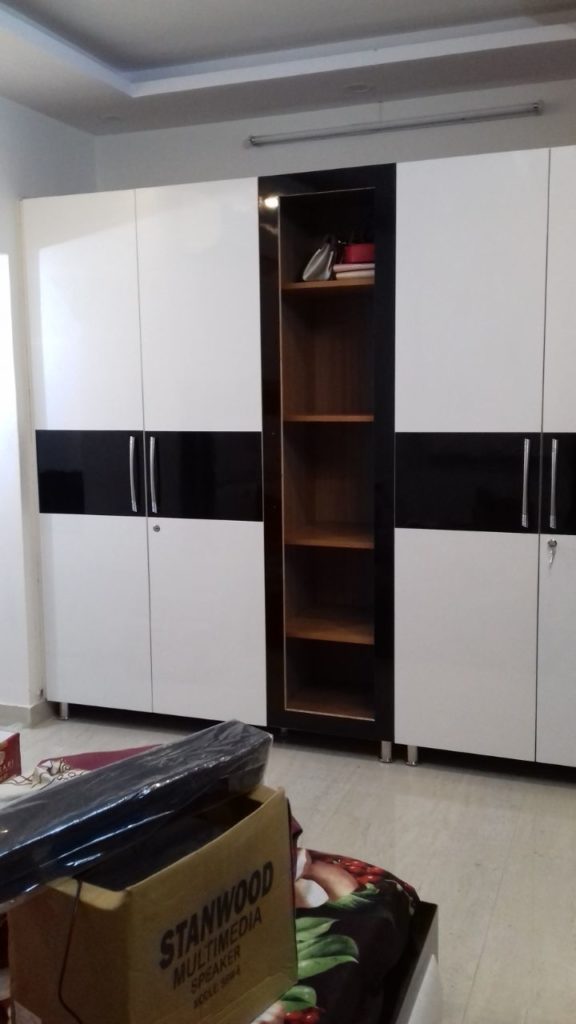
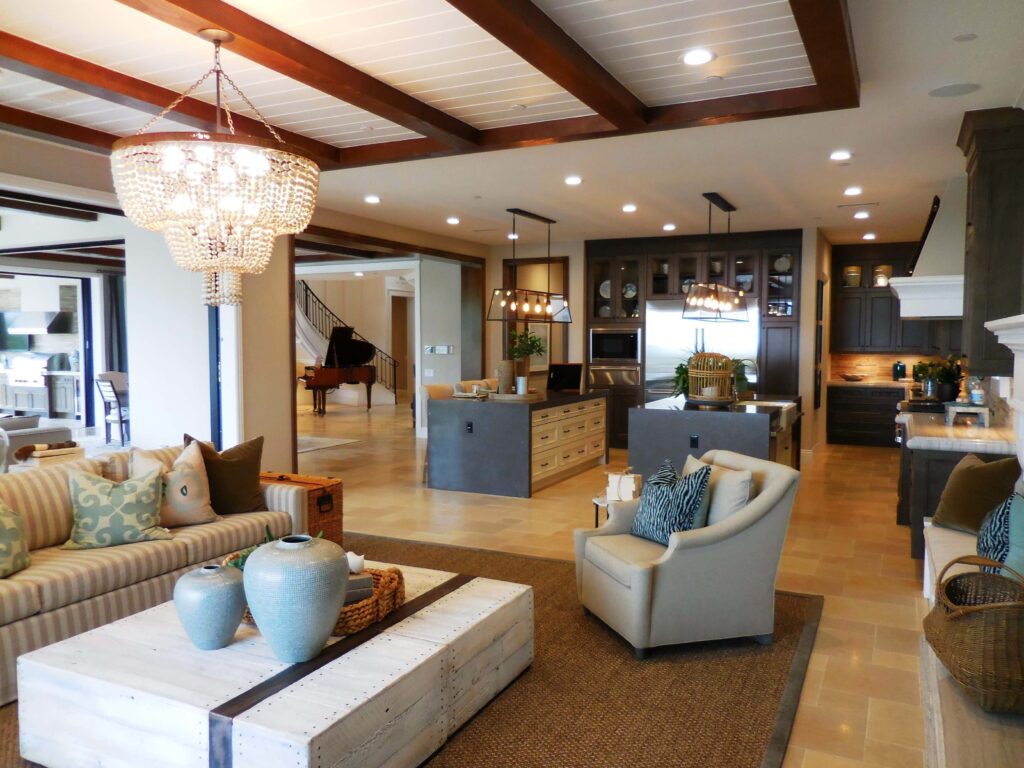
Innovative workspace planning is crucial for businesses aiming to create dynamic, collaborative, and productive environments. Here are some innovative workspace planning strategies:
- Activity-Based Working (ABW): Implement an activity-based working model that allows employees to choose from a variety of workspaces based on their tasks. This might include quiet zones for focused work, collaborative spaces for group projects, and casual areas for informal discussions.
- Flexible Furniture Arrangements: Opt for modular and flexible furniture arrangements that can be easily reconfigured. This allows the workspace to adapt to changing needs and promotes a sense of dynamism.
- Digital Nomad Zones: Designate areas within the workspace to accommodate digital nomads or remote workers who occasionally work from the office. Provide the necessary technology and amenities to support their needs.
- Integration of Technology: Embrace the latest technologies to enhance collaboration and communication. This includes video conferencing facilities, interactive displays, and cloud-based tools that facilitate remote collaboration.
- Biophilic Design Elements: Integrate biophilic design principles by incorporating natural elements such as plants, natural light, and water features. This not only enhances aesthetics but also contributes to employee well-being and creativity.
- Quiet Spaces for Focus: Create designated quiet spaces where employees can retreat for focused and uninterrupted work. This could be small private rooms or soundproofed areas within an open office layout.
- Wellness Areas: Integrate wellness spaces that promote physical and mental health. This may include dedicated areas for relaxation, meditation, or fitness activities to support employee well-being.
- Agile Workstations: Implement agile workstations with adjustable desks and ergonomic chairs. These workstations cater to various work preferences and promote a healthier and more comfortable work environment.
- Employee Involvement in Design: Involve employees in the design process to understand their preferences and work habits. This collaborative approach ensures that the workspace is tailored to the needs of the workforce.
- Data-Driven Design: Utilize data and analytics to understand how spaces are used. This information can guide decisions on optimizing layouts, allocating resources, and improving overall efficiency.
- Employee Personalization: Allow employees to personalize their workspaces within the broader design framework. This not only enhances a sense of ownership but also contributes to a more enjoyable work environment.
- Collaboration Hubs: Designate collaborative hubs equipped with technology and comfortable seating to facilitate spontaneous meetings, brainstorming sessions, and informal discussions.
- Café-Style Workspaces: Create café-style workspaces that mimic a coffee shop environment. These relaxed settings encourage casual interactions and provide an alternative to traditional workstations.
- Branding Integration: Infuse the company’s brand identity into the workspace design. This includes incorporating brand colors, logos, and messaging to reinforce a sense of corporate identity.
- Sustainable Practices: Integrate sustainable design practices into the workspace, such as energy-efficient lighting, recycled materials, and green building certifications.
- Activity Zones: Designate specific zones for different activities, such as focused work, collaboration, and relaxation. Clearly defined zones help employees navigate the workspace more efficiently.
- Art and Creativity Spaces: Allocate areas for artistic expression and creative thinking. This might include art installations, writable surfaces, or designated spaces for brainstorming sessions.
- Dynamic Signage and Wayfinding: Implement dynamic signage and wayfinding systems to help employees navigate through the workspace easily. This is particularly important in larger or multi-functional office layouts.
- Learning and Development Spaces: Create spaces for continuous learning and professional development. This could involve training rooms, libraries, or digital learning corners.
- Employee Feedback Loops: Establish regular feedback mechanisms to gather insights from employees about their experience in the workspace. Use this feedback to iterate and improve the design over time.
These strategies can be tailored to the specific needs and culture of each business, fostering a workspace that not only supports day-to-day operations but also encourages innovation, collaboration, and employee well-being.