Traditional interior design evokes a sense of comfort, warmth, and familiarity. Characterized by its rich history and enduring styles, traditional decor reflects the elegance of a bygone era while still offering a contemporary feel. This comprehensive guide explores the key elements of traditional interior design, practical tips for incorporating it into your home, and answers to frequently asked questions about this beloved style.
Understanding Traditional Interior Design
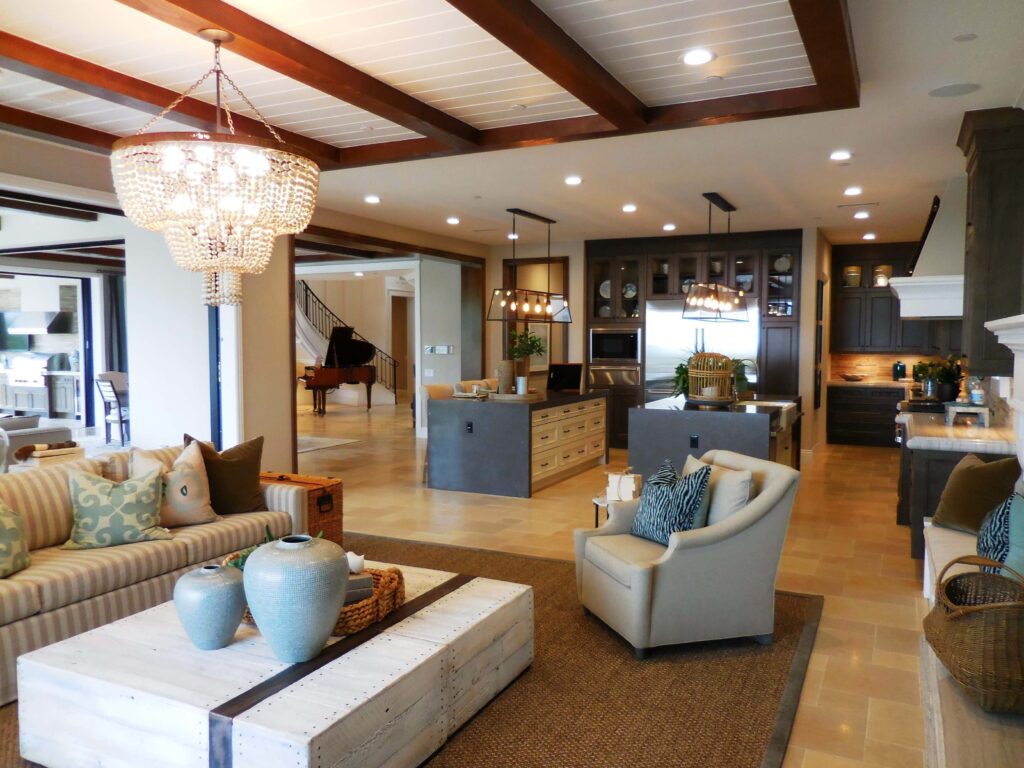
Traditional interior design draws inspiration from the past, often incorporating elements from various historical periods, including Colonial, Victorian, and Georgian styles. The goal is to create a harmonious and inviting space that reflects sophistication and timelessness. Key features include classic furniture, intricate detailing, and a warm color palette.
Key Characteristics of Traditional Interior Design
1. Rich Color Palette
- Warm Tones: Traditional design often features a color palette of warm hues such as deep reds, rich browns, and muted greens.
- Neutral Bases: Soft neutrals like beige, cream, and taupe serve as the foundation, allowing bolder colors to shine through as accents.
2. Classic Furniture Styles
- Quality Craftsmanship: Traditional furniture is typically made from high-quality materials, often featuring intricate carvings and ornate details.
- Timeless Shapes: Look for furniture with classic silhouettes, such as wingback chairs, roll-arm sofas, and pedestal tables.
3. Ornate Accessories
- Decorative Accents: Incorporate decorative accents like porcelain figurines, antique vases, and artwork featuring classic themes.
- Textiles and Fabrics: Luxurious fabrics such as silk, velvet, and damask are commonly used for upholstery, curtains, and cushions.
4. Architectural Details
- Molding and Trim: Crown molding, chair rails, and wainscoting add depth and dimension to the walls, enhancing the overall elegance of the space.
- Fireplaces: Traditional homes often feature grand fireplaces, serving as a focal point for the living room or family area.
How to Incorporate Traditional Interior Design into Your Home
1. Choose the Right Color Scheme
- Base Colors: Start with a neutral base color for walls and large furniture pieces to create a calm backdrop.
- Accent Colors: Add rich accent colors through decorative accessories, artwork, and textiles to create visual interest.
2. Invest in Quality Furniture
- Classic Pieces: Choose traditional furniture pieces that are well-crafted and reflect timeless designs. Look for items that will stand the test of time.
- Mix and Match: Combine antique finds with modern elements for a layered look that feels both collected and curated.
3. Layer Textures and Fabrics
- Rich Textiles: Use a variety of textures through curtains, throw pillows, and rugs. Layering fabrics adds depth and coziness to the space.
- Pattern Mixing: Don’t hesitate to mix patterns, such as stripes and florals, to create a visually appealing and inviting environment.
4. Add Architectural Elements
- Crown Molding: Incorporate crown molding to add an elegant touch to the ceiling, enhancing the overall sophistication of the room.
- Fireplace Accents: If you have a fireplace, consider adding a decorative mantelpiece or surrounding it with classic furniture for a cozy gathering spot.
Practical Tips for Achieving Traditional Interior Design
- Invest in Art: Select artwork that resonates with traditional themes, such as landscapes, portraits, or classic still lifes.
- Accent Lighting: Use chandeliers, sconces, and table lamps to create a warm ambiance. Opt for fixtures with ornate details to enhance the traditional aesthetic.
- Incorporate Nature: Bring in natural elements, such as potted plants or fresh flowers, to add life and freshness to your space.
Frequently Asked Questions (FAQ)
1. What defines traditional interior design?
Traditional interior design is characterized by its classic furnishings, rich color palettes, ornate detailing, and a timeless aesthetic that draws inspiration from various historical periods.
2. Can traditional design work in modern spaces?
Yes, traditional design can be integrated into modern spaces. Mixing traditional elements with contemporary design can create a unique and inviting atmosphere that reflects your personal style.
3. What types of furniture are commonly used in traditional design?
Traditional design features furniture made from high-quality materials, with classic shapes and ornate detailing. Look for items like wingback chairs, wooden dining tables, and carved dressers.
4. How do I choose colors for traditional decor?
Start with a neutral base for walls and larger furniture pieces, then incorporate warm, rich accent colors through decorative accessories, textiles, and artwork to create a cohesive look.
5. Are there any specific materials associated with traditional design?
Common materials in traditional design include wood, leather, silk, and cotton, which are often used in furniture and decor to convey a sense of warmth and comfort.
Conclusion
Traditional interior design offers a timeless elegance that can enhance any home. By focusing on rich colors, quality furnishings, and ornate details, you can create a warm and inviting space that reflects your personality and style. Whether you are completely redecorating or simply looking to add a few traditional elements, this guide provides practical insights to help you achieve a beautifully designed home.
For further inspiration and resources on traditional interior design, explore Modular Kitchen Design, Interior AtoZ, and Interior Designer NCR. These platforms offer valuable insights and assistance to help you create the perfect traditional-inspired environment.