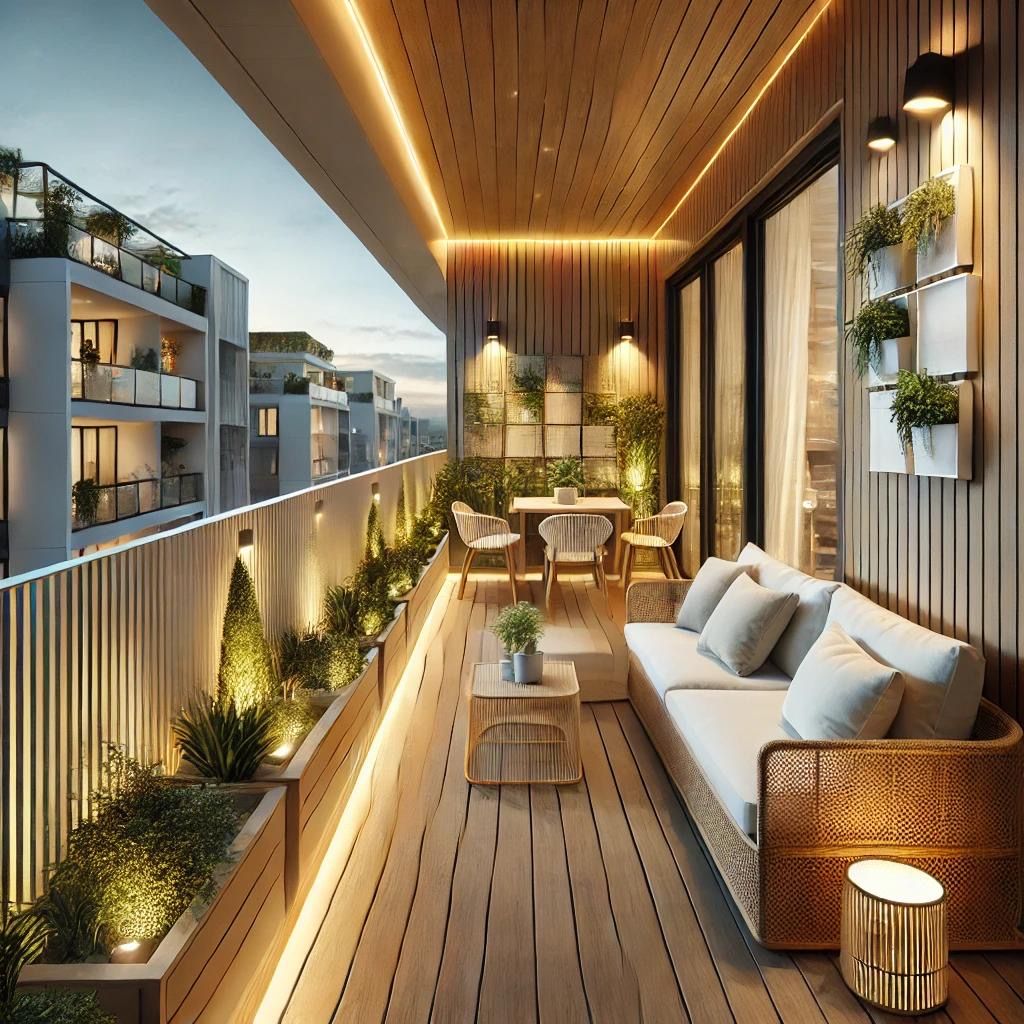
Sustainable design is no longer just a trend; it has become a necessity in the face of climate change and environmental degradation. In interior design, sustainability means creating spaces that are not only aesthetically pleasing but also environmentally responsible and resource-efficient. This comprehensive guide explores the principles of sustainable design, key strategies for implementation, and the benefits of adopting eco-friendly practices in interior spaces.
Understanding Sustainable Design
What is Sustainable Design?
Sustainable design refers to a holistic approach that seeks to minimize the negative impact of buildings on the environment while promoting the health and well-being of its occupants. It encompasses various elements, including energy efficiency, sustainable materials, waste reduction, and water conservation.
Key Principles of Sustainable Design
- Energy Efficiency: Designing spaces that use less energy, often through natural light and efficient heating and cooling systems.
- Sustainable Materials: Utilizing materials that are renewable, recyclable, or sourced responsibly.
- Waste Reduction: Implementing practices that minimize waste during construction and throughout the life cycle of the building.
- Water Conservation: Incorporating fixtures and systems that reduce water usage.
Benefits of Sustainable Design
1. Environmental Impact
Sustainable design significantly reduces the carbon footprint of buildings, contributing to lower greenhouse gas emissions. By choosing eco-friendly materials and practices, we can conserve natural resources and protect ecosystems.
2. Health and Well-being
Green interiors enhance the health and well-being of occupants. By improving air quality, reducing exposure to harmful chemicals, and maximizing natural light, sustainable spaces create a healthier living environment.
3. Economic Advantages
Though sustainable design might require a higher initial investment, it leads to long-term savings through reduced energy and water bills. Additionally, many governments offer incentives and rebates for green building practices.
4. Increased Property Value
Homes and buildings designed with sustainability in mind often command higher market prices. Buyers are increasingly prioritizing eco-friendly features, making sustainable design a valuable investment.
Strategies for Implementing Sustainable Design
1. Choose Sustainable Materials
Selecting sustainable materials is a crucial step in sustainable design. Consider the following options:
- Reclaimed Wood: Utilizing reclaimed wood not only reduces deforestation but also adds character to spaces.
- Bamboo: A rapidly renewable resource, bamboo is an excellent choice for flooring, furniture, and decorative elements.
- Low-VOC Paints and Finishes: These products reduce harmful emissions, improving indoor air quality.
2. Optimize Energy Efficiency
Enhancing energy efficiency can significantly reduce a building’s environmental impact. Here’s how to do it:
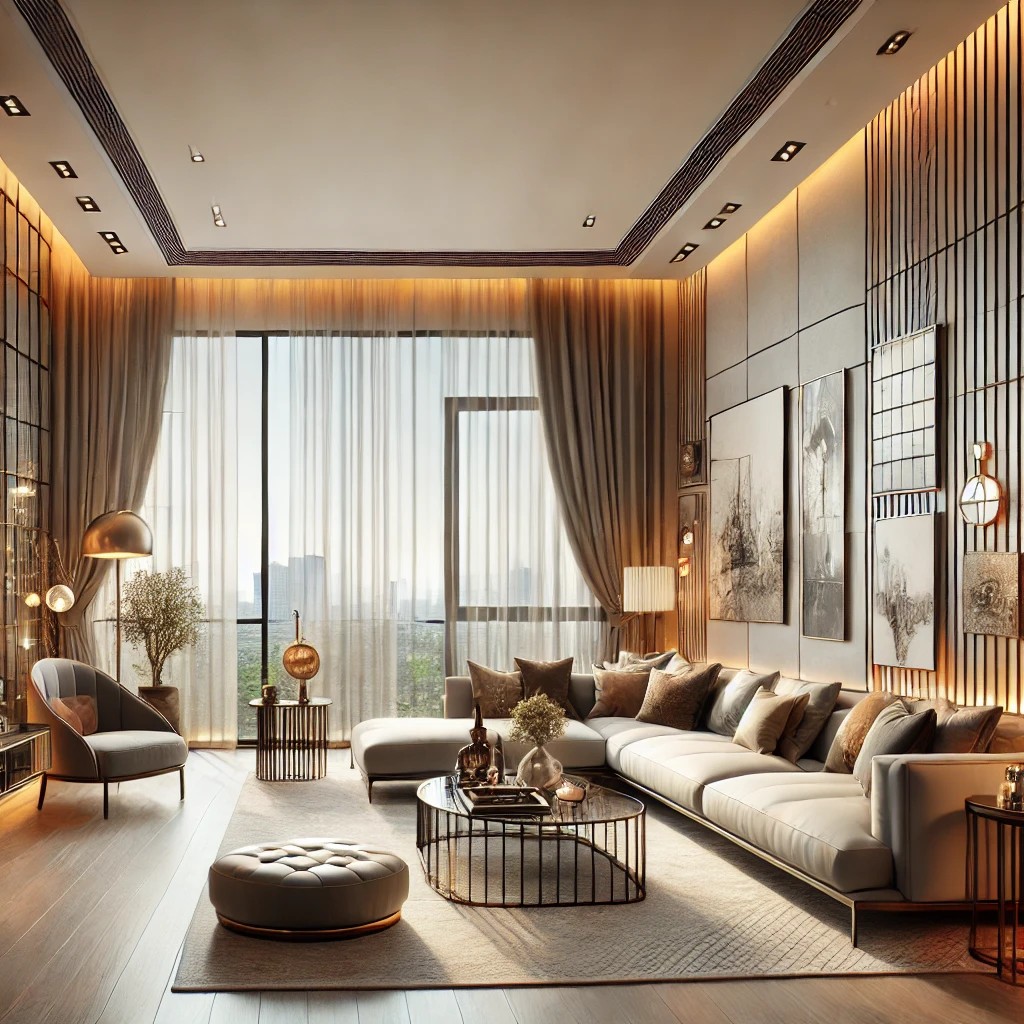
- Natural Lighting: Maximize the use of windows, skylights, and open spaces to reduce reliance on artificial lighting.
- Energy-Efficient Appliances: Invest in ENERGY STAR-rated appliances to save energy without sacrificing performance.
- Insulation: Proper insulation reduces heating and cooling needs, making homes more energy-efficient.
3. Incorporate Smart Home Technology
Smart technology enhances sustainable living by optimizing energy usage. Consider integrating:
- Smart Thermostats: These devices learn your habits and adjust heating and cooling accordingly.
- Smart Lighting: Automated lighting systems can adjust brightness based on occupancy and natural light levels.
4. Design for Flexibility and Longevity
Creating spaces that can adapt to changing needs can minimize waste and the need for renovations. Consider:
- Multifunctional Furniture: Use furniture that serves multiple purposes, such as sofas that convert into beds.
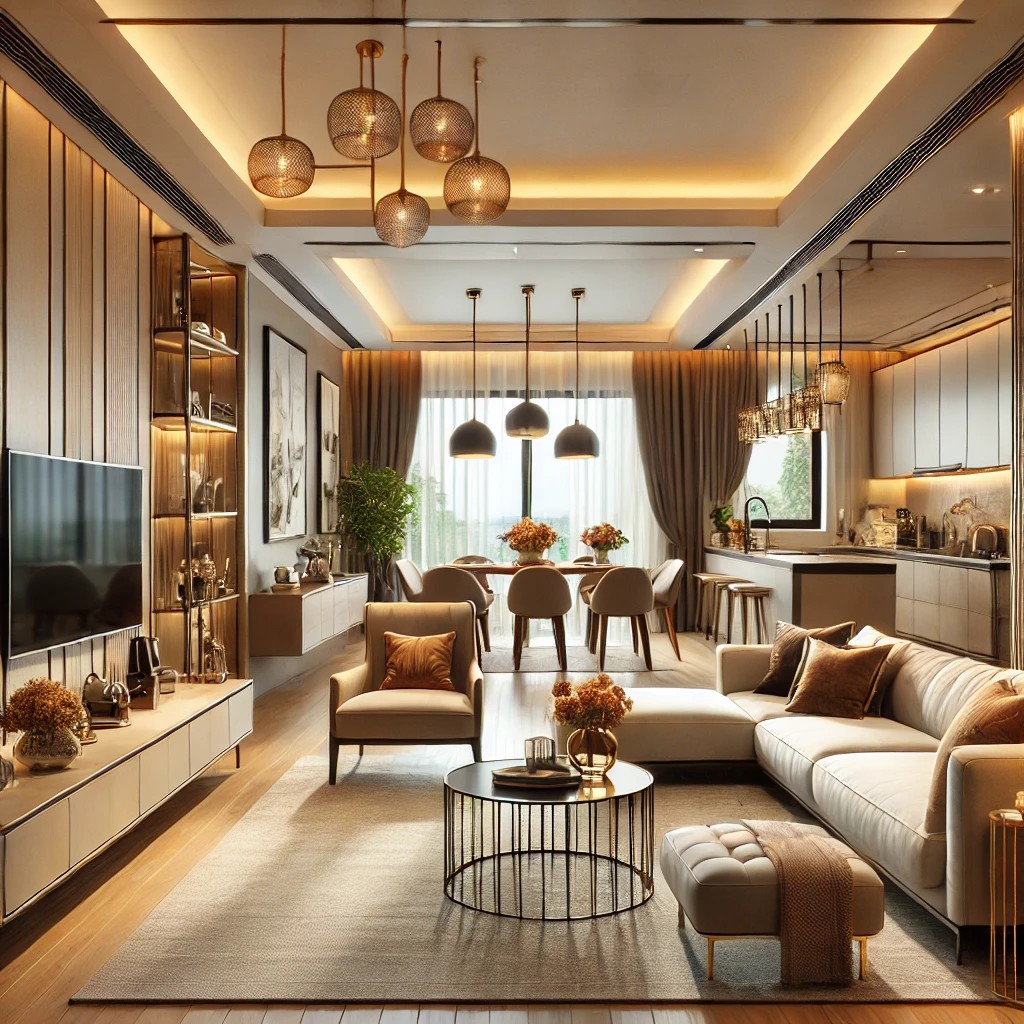
- Open Floor Plans: Design open spaces that can be easily reconfigured for different uses.
5. Water Conservation Techniques
Implementing water-saving strategies is crucial for sustainable design:
- Low-Flow Fixtures: Install low-flow faucets, showerheads, and toilets to reduce water consumption.
- Rainwater Harvesting: Utilize systems that collect rainwater for irrigation or non-potable uses.
Current Trends in Sustainable Design
1. Biophilic Design
Biophilic design integrates natural elements into the built environment, enhancing occupant well-being. This can include indoor plants, natural materials, and views of nature.
2. Sustainable Textiles
Eco-friendly textiles made from organic materials or recycled fibers are gaining popularity in sustainable interiors. Brands are increasingly offering sustainable fabric options for upholstery and drapery.
3. Zero-Waste Design
The zero-waste movement encourages designers to create spaces that generate little to no waste throughout their life cycles. This includes reusing materials and designing for disassembly at the end of life.
4. Renewable Energy Solutions
Incorporating renewable energy sources, such as solar panels and wind turbines, into residential and commercial buildings is becoming more common. These technologies help reduce reliance on fossil fuels.
5. Local Sourcing
Using locally sourced materials and products not only supports the local economy but also reduces transportation emissions. This trend is becoming increasingly popular among sustainable designers.
Frequently Asked Questions (FAQs)
1. What are some easy ways to make my home more sustainable?
- Start by replacing conventional light bulbs with LED bulbs.
- Use reusable bags, bottles, and containers to minimize waste.
- Implement a recycling system to reduce landfill contributions.
2. How do I know if materials are truly sustainable?
Look for certifications such as FSC (Forest Stewardship Council) for wood products, GREENGUARD for low-emission materials, and Energy Star ratings for appliances.
3. Can I make my existing home more sustainable without a major renovation?
Yes! Simple changes like adding insulation, sealing leaks, and installing low-flow fixtures can significantly enhance sustainability without extensive renovations.
4. What are the costs associated with sustainable design?
While the initial costs of sustainable materials and technologies may be higher, many of these investments lead to significant savings in energy and water bills over time.
5. How can I find sustainable design professionals?
Look for certified professionals through organizations like the U.S. Green Building Council (USGBC) or the International Living Future Institute (ILFI).
Conclusion
Sustainable design is an essential approach for creating interior spaces that respect both the environment and the well-being of their occupants. By understanding the principles and strategies of sustainable design, homeowners and designers can work together to create beautiful, functional, and eco-friendly spaces.
For more insights and professional assistance in sustainable design, explore resources at Modular Kitchen Design and Interior A to Z. Embrace the future of design today, and contribute to a more sustainable world!