

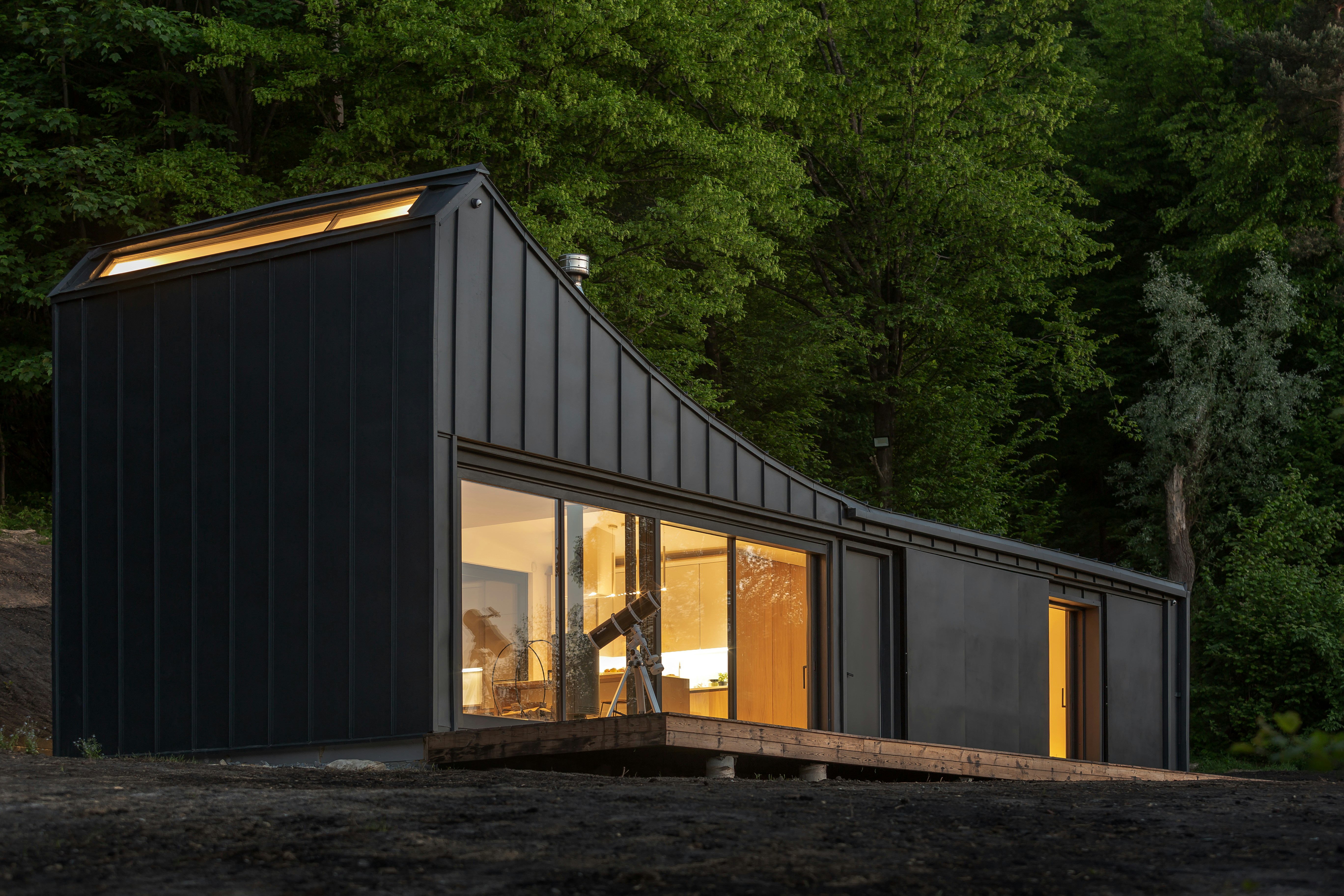
What is Modular Design?
Modular design refers to a design approach that creates products and systems using separate components called modules. These modules can be independently created and then combined to form a complete structure or system. This approach is prevalent in various fields, including architecture, where it simplifies the construction process and enhances flexibility.
Advantages of Modular Design
One of the primary benefits of modular design is its efficiency. By utilizing pre-fabricated modules, construction timelines can be significantly reduced as many components are built concurrently rather than sequentially. Additionally, this method allows for easy customization. Clients can choose different modules according to their needs, promoting a highly personalized approach to architectural design.
Applications in Architecture
Architects and designers increasingly adopt modular design due to its versatility. From residential buildings to large commercial spaces, modular elements can be tailored to suit various uses. Moreover, this approach supports sustainability by reducing material waste and optimizing resource management during construction. Modular design specialists are pushing the boundaries of creativity while maintaining efficiency, making it a crucial aspect of modern architecture.