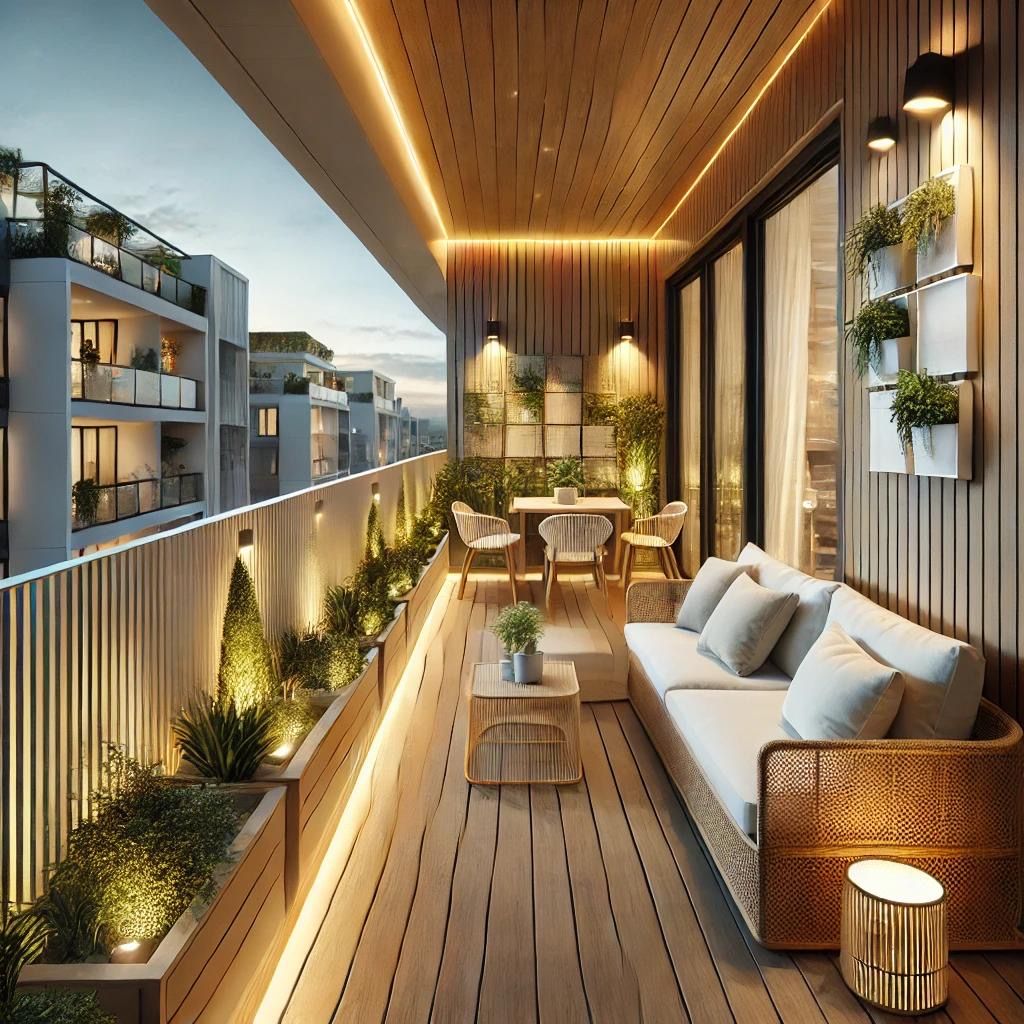
Home interior design is not just about making your space look beautiful; it’s about creating an environment that reflects your personality and lifestyle. With the right approach, you can transform your home into a sanctuary that brings you joy and comfort. This comprehensive guide will explore key elements of home interior design, popular styles, tips for choosing the right designer, and more.
Why Home Interior Design Matters
Aesthetics and Functionality
Home interior design combines aesthetics with functionality. A well-designed space should not only look good but also serve its purpose efficiently. Thoughtful design can enhance the flow of a home, making it more enjoyable to live in.
Personal Expression
Your home is a reflection of who you are. Interior design allows you to express your personal style through color, furniture, and decor choices. Whether you prefer modern minimalism or classic elegance, your home can tell your story.
Increased Value
Investing in good interior design can significantly increase your home’s value. A well-decorated home can attract potential buyers and fetch a higher price in the real estate market. For insights on how design impacts home value, explore Modular Kitchen Design.
Key Elements of Home Interior Design
1. Space Planning
Effective space planning is crucial for a functional home. It involves arranging furniture and decor in a way that maximizes space and facilitates movement. Consider the following tips:
- Measure Your Space: Knowing the dimensions of your rooms helps in selecting the right furniture sizes.
- Create Zones: Designate areas for specific activities, such as lounging, dining, or working.
2. Color Schemes
Color plays a significant role in setting the mood of a room. Here are some popular color schemes to consider:
- Neutral Palettes: Colors like beige, gray, and white create a calm and sophisticated environment.
- Bold Colors: Incorporating vibrant colors can add energy and personality to your space.
- Monochromatic Schemes: Using different shades of the same color creates a cohesive look.
3. Furniture Selection
Choosing the right furniture is essential for both aesthetics and comfort. Keep these tips in mind:
- Consider Scale: Make sure the furniture fits the size of the room.
- Mix Styles: Combining different furniture styles can create visual interest.
- Quality Matters: Invest in durable, high-quality pieces that will last.
4. Lighting
Lighting can dramatically alter the atmosphere of a room. Incorporate various types of lighting for the best effect:
- Ambient Lighting: General lighting that illuminates the entire room.
- Task Lighting: Focused lighting for specific tasks, like reading or cooking.
- Accent Lighting: Highlighting artwork or architectural features.
5. Accessories and Decor
Accessories are the finishing touches that bring a space to life. Consider adding:
- Artwork: Paintings, prints, or photographs can personalize your space.
- Textiles: Rugs, cushions, and throws add texture and warmth.
- Plants: Indoor plants can improve air quality and bring a touch of nature indoors.
Popular Home Interior Design Styles
1. Modern Minimalism
Characterized by clean lines and a clutter-free aesthetic, modern minimalism emphasizes simplicity. Key features include:
- Neutral Colors: Whites, grays, and earth tones dominate.
- Functional Furniture: Multi-purpose furniture is common to maximize space.
2. Contemporary Design
Contemporary design is ever-evolving, reflecting current trends. It often features:
- Bold Colors: Bright accents against neutral backgrounds.
- Sustainable Materials: Eco-friendly furnishings and decor.
3. Industrial Style
This style draws inspiration from urban settings, featuring raw materials like metal and wood. Characteristics include:
- Exposed Structures: Open beams and ductwork are often visible.
- Vintage Elements: Reclaimed furniture adds character.
4. Bohemian Chic
Bohemian design is all about creativity and individuality. Key elements include:
- Vibrant Colors: Rich hues and eclectic patterns.
- Layered Textiles: Mixing different fabrics creates a cozy feel.
5. Scandinavian Design
Scandinavian design emphasizes functionality and simplicity, with characteristics such as:
- Light Colors: Whites and light woods create a bright, airy atmosphere.
- Natural Elements: Incorporating plants and natural materials.
Tips for Working with an Interior Designer
1. Define Your Goals
Before hiring an interior designer, clarify what you want to achieve. Consider your style preferences, budget, and timeline.
2. Research Designers
Look for interior designers with experience in your desired style. Review their portfolios and read client testimonials. Consider reaching out to Interior A to Z for insights.
3. Communicate Openly
Maintain open communication with your designer throughout the process. Share your thoughts and feedback to ensure the final design aligns with your vision.
4. Set a Realistic Budget
Discuss your budget upfront to avoid surprises later. A good designer will help you prioritize spending based on your needs.
Frequently Asked Questions (FAQs)
What is the average cost of home interior design services?
The cost varies widely based on location, project scope, and designer experience. In Gurgaon, you can expect to pay between ₹500 to ₹2000 per square foot for residential projects.
How long does a home interior design project typically take?
Project duration depends on various factors, including size and complexity. Smaller projects may take a few weeks, while larger renovations could last several months.
Can I work with an interior designer on just one room?
Yes! Many designers are happy to assist with individual rooms, such as living rooms, bedrooms, or kitchens.
How do I choose the right color scheme for my home?
Consider your personal preferences and the mood you want to create. It’s helpful to test paint samples in your space to see how they look in different lighting.
Conclusion
Home interior design is an essential aspect of creating a comfortable and aesthetically pleasing living environment. By understanding the key elements and styles of design, you can transform your space into a reflection of your personality and lifestyle. Whether you’re working with a professional designer or tackling the project yourself, the tips and insights provided in this guide will help you navigate the exciting journey of home interior design.
For more information on finding the right interior designer or exploring various styles, visit Interior Designer NCR or check out Interior A to Z. Remember, your home is a canvas, and with the right design choices, you can create a masterpiece that you will love for years to come!