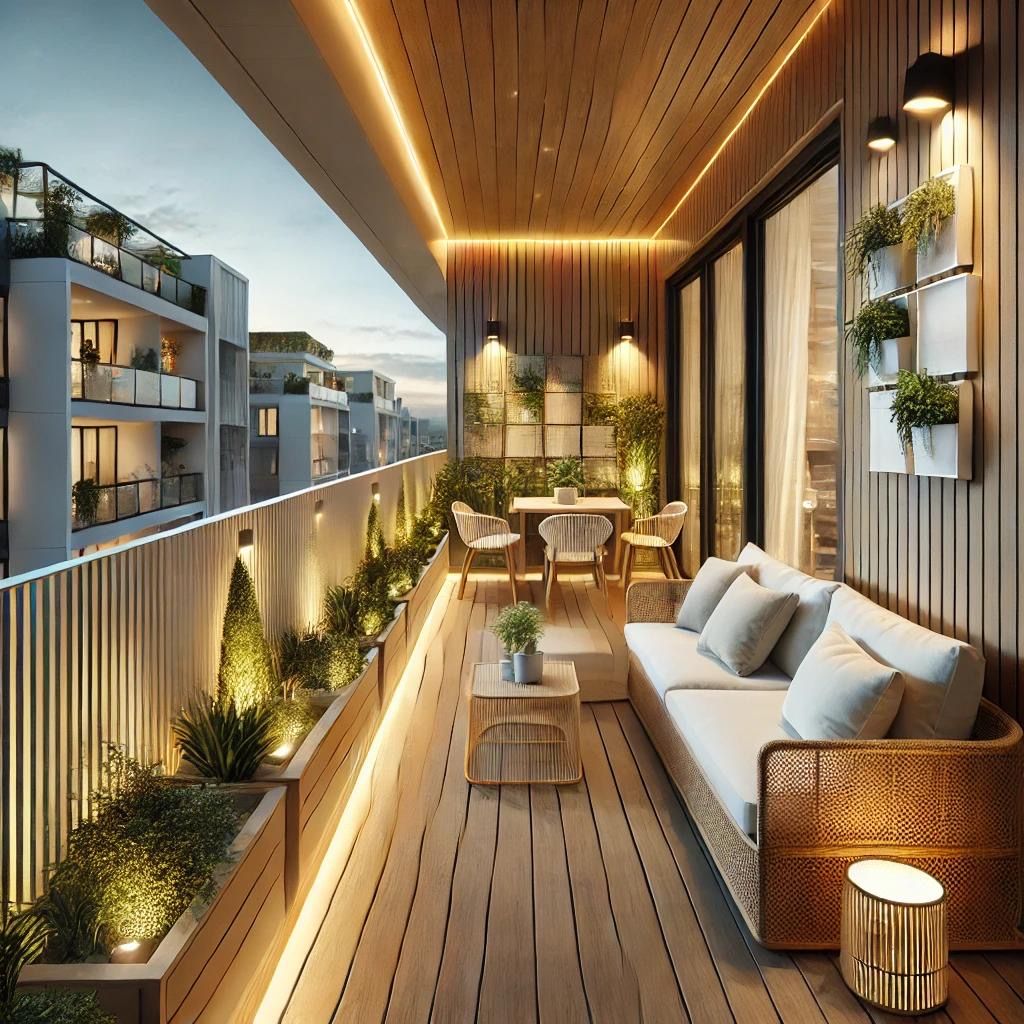
Creating a warm and inviting home is essential for families, as the interior design of family homes should reflect comfort, functionality, and a sense of belonging. The concept of interiors for family homes encompasses various elements, from layout and materials to color schemes and decor. This blog will delve into the fundamental principles of designing family-friendly interiors that foster connection, creativity, and relaxation.
Understanding Family-Centric Interior Design
Family-centric interior design focuses on creating spaces that cater to the diverse needs of family members. It’s about striking a balance between style and practicality. Here are key principles that guide the design of family homes:
- Comfort: Prioritize comfort in furniture and layouts to create a welcoming atmosphere.
- Functionality: Design spaces that accommodate the family’s daily activities, promoting ease of use.
- Safety: Consider the safety of children and pets by choosing durable materials and securing sharp edges.
- Personalization: Reflect the family’s unique style and values through decor and design choices.
Essential Elements of Interiors for Family Homes
1. Space Planning and Layout
The layout of a family home plays a critical role in functionality. Here’s how to plan effectively:
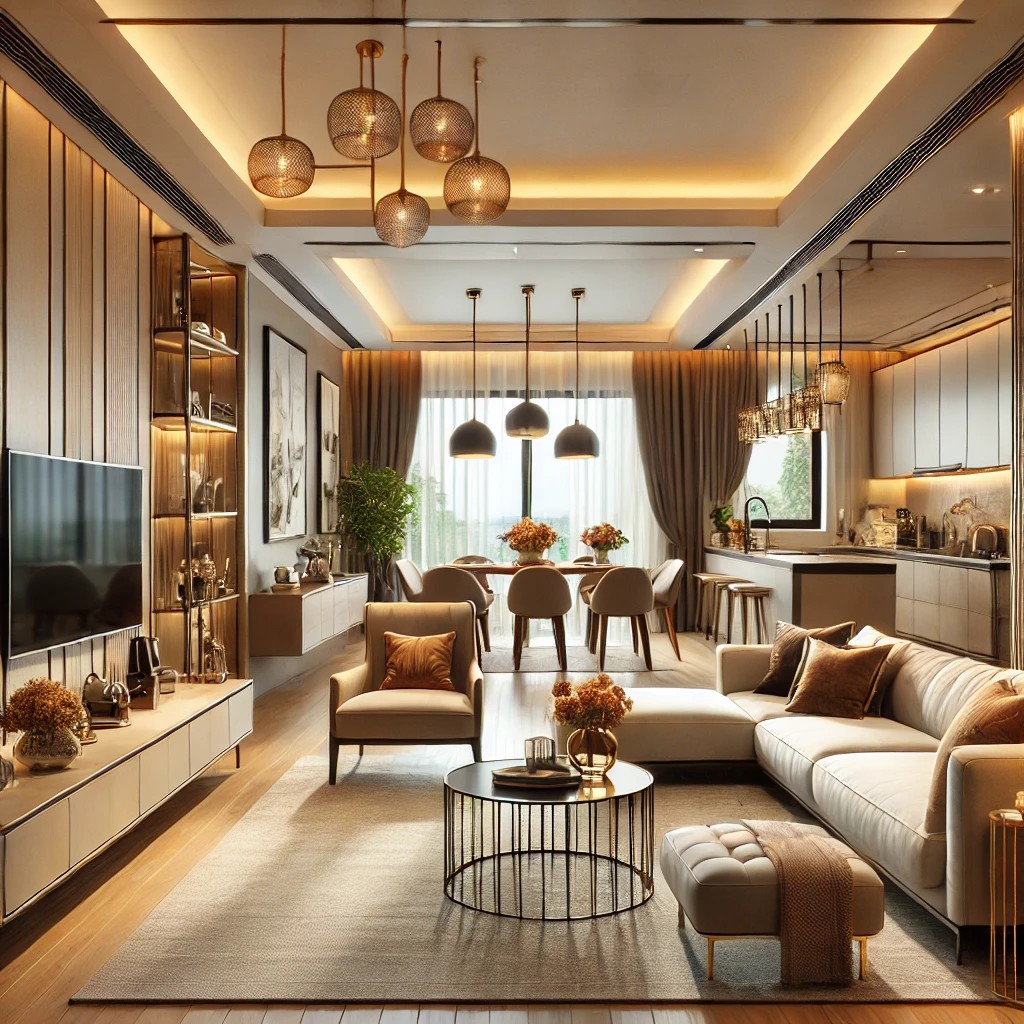
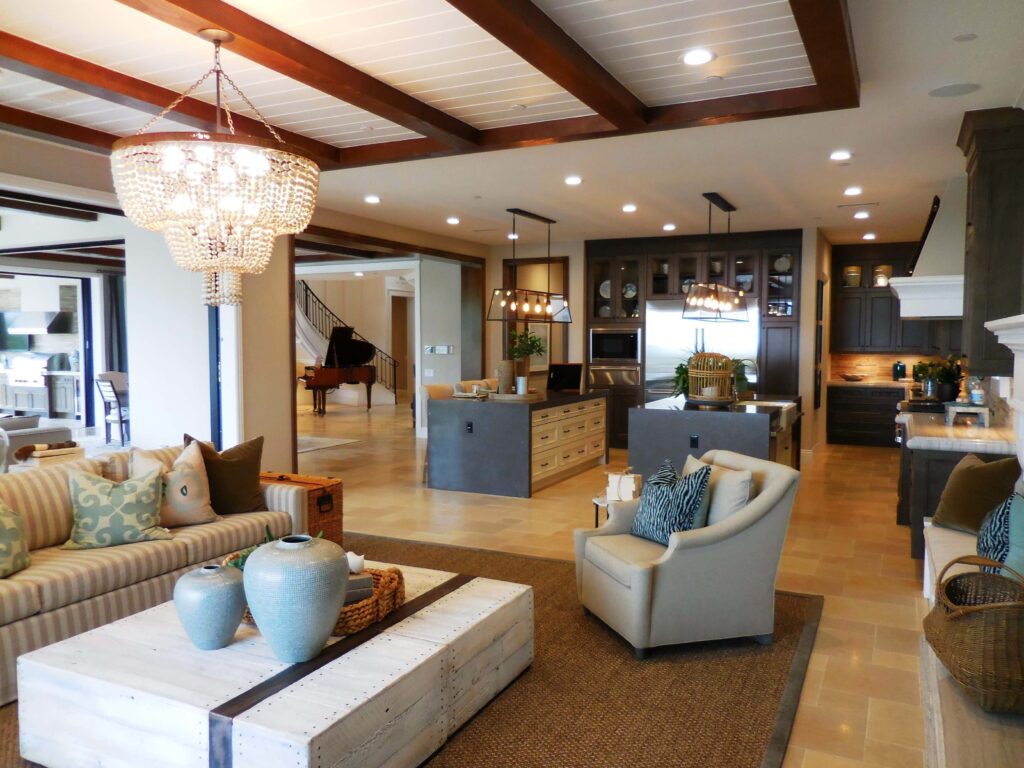
- Open Floor Plans: Favor open-concept designs for living areas to encourage interaction and facilitate movement. Open layouts create a sense of spaciousness and make it easier for family members to connect.
- Zoning Areas: Define specific zones for different activities, such as a play area for kids, a cozy reading nook, or a functional home office. This helps to maintain order and organization within the home.
- Traffic Flow: Ensure clear pathways for movement between rooms, avoiding furniture arrangements that create obstacles.
2. Family-Friendly Materials
Choosing the right materials is essential for durability and ease of maintenance in family homes. Consider the following:
- Durable Fabrics: Opt for stain-resistant and easy-to-clean materials for upholstery, such as microfiber or treated cotton, especially in high-traffic areas.
- Hardwood and Tile Flooring: These materials are not only aesthetically pleasing but also easy to clean and resistant to wear and tear. Consider using area rugs to add warmth and comfort.
- Washable Paint: Select paints that are washable and durable for walls, as they can withstand the wear of daily family life.
3. Color Schemes That Nurture
Colors have a significant impact on mood and ambiance. When selecting a color palette for family homes, consider these tips:
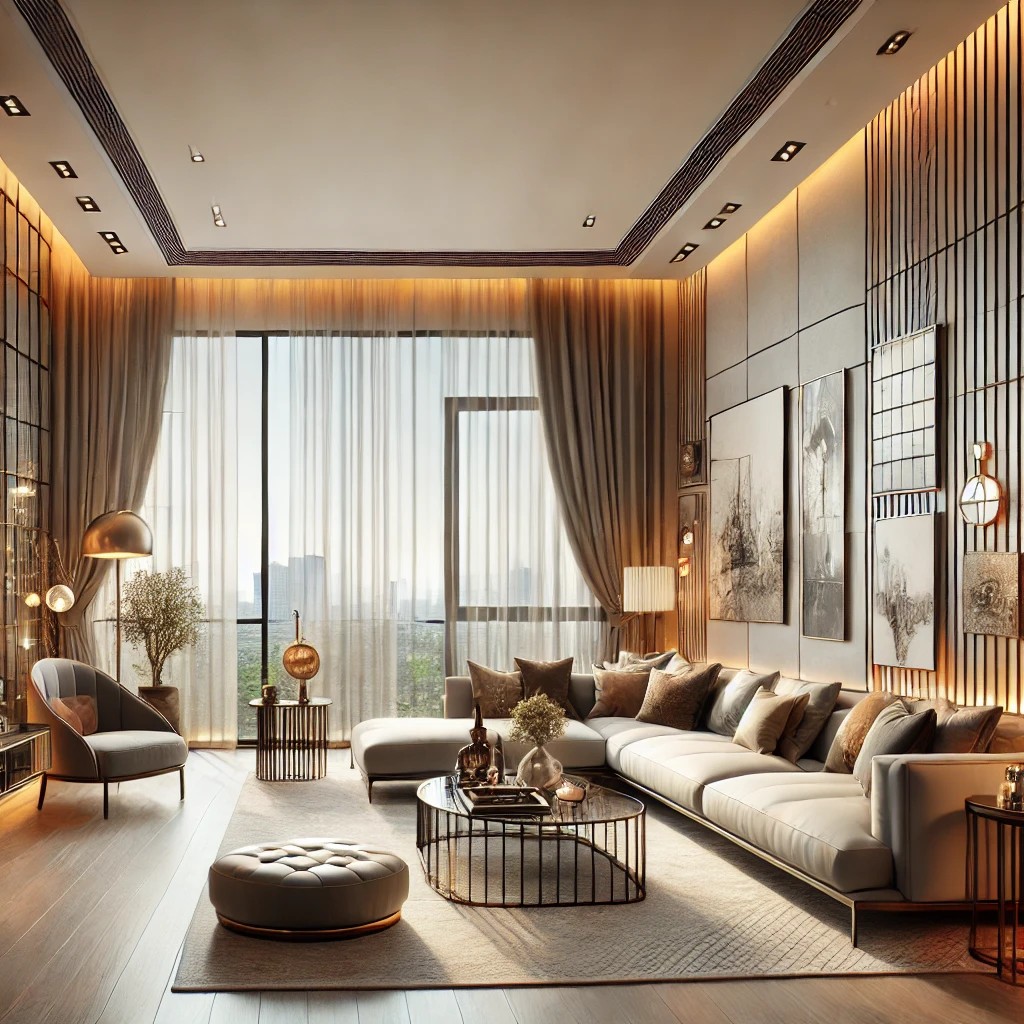
- Warm and Inviting Tones: Use warm neutrals, soft pastels, or earthy shades to create a cozy atmosphere. These colors foster a sense of relaxation and comfort.
- Accent Colors: Introduce bright accent colors in decor, artwork, or accessories to create visual interest and stimulate creativity. This can also be a fun way to personalize spaces.
- Consistency Across Spaces: Maintain a cohesive color scheme throughout the home to create a harmonious flow between rooms.
4. Functional Furniture Selection
Furniture selection is critical for achieving comfort and functionality in family homes. Here’s how to choose wisely:
- Comfortable Seating: Invest in comfortable sofas and chairs that accommodate family gatherings and relaxation. Look for pieces with removable and washable covers for easy maintenance.
- Multi-Functional Pieces: Choose furniture that serves multiple purposes, such as a coffee table with storage or a sofa bed for guests. This maximizes space and usability.
- Child-Friendly Designs: Select furniture with rounded edges and sturdy construction to ensure safety for children. Avoid fragile decor items that may break easily.
5. Personalized Decor
Decor plays a vital role in making a house feel like a home. Here’s how to personalize your family space:
- Family Photos: Display family photos and memorabilia to create a sense of connection and nostalgia. Use gallery walls or framed collages for an artistic touch.
- Artwork and Crafts: Incorporate art pieces created by family members or children to foster creativity and pride in personal expression.
- Cultural Touches: Add decor that reflects the family’s cultural heritage and values, making the space feel unique and meaningful.
6. Creating Outdoor Spaces
Outdoor areas can enhance family life and provide additional space for activities. Here are some ideas:
- Functional Patios or Decks: Design outdoor areas that serve as extensions of the home for family gatherings and relaxation. Incorporate comfortable seating and outdoor dining options.
- Play Areas for Kids: Create designated outdoor play spaces with safe, durable surfaces, and incorporate play equipment to encourage outdoor activity.
- Gardening Spaces: Consider creating a family garden to promote teamwork and teach children about nature and sustainability.
FAQs About the Basic Concept of Interiors for Family Homes
What is the most important aspect of family home interiors?
The most important aspect of family home interiors is functionality. Designing spaces that accommodate the daily activities and needs of family members while ensuring comfort and safety is crucial for a harmonious living environment.
How can I make my family home more kid-friendly?
To make your family home more kid-friendly, opt for durable and washable materials, choose furniture with rounded edges, create play areas, and involve children in the decor process to personalize their space.
What colors are best for family homes?
Warm and inviting tones such as soft pastels, neutral shades, and earthy colors are ideal for family homes. These colors create a cozy atmosphere while accent colors can add fun and personality.
How can I incorporate personal touches into my home decor?
Incorporate personal touches by displaying family photos, creating a gallery wall with children’s artwork, and choosing decor that reflects your family’s interests and cultural heritage.
What are some tips for organizing a family home?
To organize a family home, designate specific storage solutions for different items, use multifunctional furniture with built-in storage, and regularly declutter to maintain order and functionality.
Conclusion
The basic concept of interiors for family homes revolves around creating a nurturing and functional environment that caters to the diverse needs of family members. By focusing on effective space planning, choosing durable materials, selecting harmonious color schemes, investing in functional furniture, personalizing decor, and creating inviting outdoor spaces, families can cultivate a home that fosters connection, creativity, and comfort.
For more information and resources on interior design for family homes, check out:
Creating a family home that reflects love, safety, and style is an ongoing journey. Embrace these concepts to design interiors that nurture bonds and create lasting memories for your family.