December 2023

“Beyond Toy Boxes: Playful and Functional Storage Solutions for Kids’ Rooms”

Introduction

Designing a kids’ room is a delightful journey filled with imagination and creativity. As an interior designer, one of the key challenges is to balance the whimsy of childhood with practicality. In this exploration of kids’ room design, let’s dive into the realm of storage solutions that are not only functional but also add a playful touch to create a space where tidying up becomes part of the fun.

1. Interactive Wall Storage: Art and Utility Combined

Magnetic Chalkboard Walls:

Transform a section of the wall into a magnetic chalkboard. This multifunctional surface serves as both an artistic outlet for kids and a place to display magnetic storage containers for toys, art supplies, and small items.

Pegboard Adventures:

Install a colorful pegboard system. Customizable and visually appealing, pegboards offer a dynamic storage solution where kids can hang baskets, hooks, and shelves to keep their favorite items within reach.

2. Under-Bed Wonder: Maximize Space with Smart Beds

Built-In Drawer Beds:

Opt for beds with built-in drawers underneath. These drawers can house toys, clothes, or bedding, making the most of the often-underutilized space beneath the bed.

Loft Beds with Play Areas:

Consider loft beds with play spaces underneath. This not only creates a sense of adventure but also opens up the floor for additional storage options like bookshelves, cubbies, or a small desk.

3. Book Nooks and Reading Corners: Combine Storage with Imagination

Bookshelf Cubbies:

Craft a book nook with low-level cubbies. These cubbies not only serve as accessible book storage but also create a cozy reading corner where kids can easily pick out their favorite stories.

Storage Benches:

Integrate storage benches into reading corners. These benches can house stuffed animals, blankets, or toys, providing a comfortable and clutter-free spot for kids to unwind with a good book.

4. Floating Shelves: Elevate Storage in Style

Floating Corner Shelves:

Utilize corners with floating shelves. These can be arranged at different heights to store toys, trophies, or decorative items, adding both functionality and aesthetic appeal to the room.

Picture Ledge Displays:

Opt for picture ledge shelves. These shallow shelves are perfect for displaying children’s books with their covers facing forward, making it easy for kids to pick out their next adventure.

5. Clever Closet Solutions: Transforming Chaos into Order

Adjustable Shelving Units:

Install adjustable shelving units inside closets. As kids grow, so do their storage needs. Adjustable shelves provide the flexibility to accommodate changing storage requirements over time.

Color-Coded Storage Bins:

Implement color-coded storage bins. Teach kids the art of organization by assigning specific colors to different types of toys or items. This not only keeps the room tidy but also adds a playful visual element.

6. Themed Storage Furniture: Merge Design with Function

Car-Shaped Storage Chests:

Incorporate themed storage chests. Whether shaped like cars, animals, or treasure chests, these fun storage options serve as both functional organizers and whimsical design elements.

Stackable Block Shelving:

Explore stackable block shelving. Mimicking oversized building blocks, these modular shelving units add a touch of playfulness while offering versatile storage for toys and games.

Conclusion

In the world of kids’ room design, storage solutions can be as imaginative as the young minds that inhabit these spaces. By combining functionality with playfulness, you create an environment where organization becomes an enjoyable part of the daily routine. From interactive wall storage to themed furniture pieces, each design choice contributes to a room that not only sparks creativity but also nurtures a sense of responsibility in the little ones.

As you embark on the adventure of crafting playful and functional storage solutions for kids’ rooms, remember that the best designs are those that seamlessly blend practicality with the magic of childhood, creating spaces where kids can dream, play, and grow surrounded by the comfort of an organized and inspiring haven.

“Beyond Toy Boxes: Playful and Functional Storage Solutions for Kids’ Rooms” Read More »

teal wooden drawer dresser

Monochromatic Color Palette for Small Bedrooms

When it comes to designing a small bedroom, choosing the right color palette can make a big difference. One popular option to consider is a monochromatic color scheme. By using different shades and tones of a single color, you can create a visually cohesive and calming space. In this blog post, we will explore the benefits of a monochromatic color palette for small bedrooms and provide some tips on how to incorporate this design concept into your own space.

Benefits of a Monochromatic Color Palette

1. Creates a sense of harmony: Using a single color throughout the room creates a sense of unity and cohesiveness. This can make a small bedroom feel more spacious and organized.

2. Enhances relaxation: Monochromatic color schemes are often associated with tranquility and relaxation. By choosing soft and soothing shades, you can create a peaceful atmosphere in your bedroom, which is especially important for a small space where you want to promote restful sleep.

3. Adds depth and dimension: Contrary to popular belief, a monochromatic color palette doesn’t have to be boring. By using different shades, tones, and textures within the same color family, you can add depth and visual interest to your small bedroom.

Tips for Using a Monochromatic Color Palette in Small Bedrooms

1. Start with a neutral base: Begin by selecting a neutral color as your base, such as white, beige, or gray. This will serve as the backdrop for the rest of your monochromatic color scheme.

2. Experiment with shades and tones: Once you have your base color, explore different shades and tones within that color family. For example, if you choose blue as your base, consider using light blue for the walls, navy blue for the bedding, and teal blue for accent pillows or curtains.

3. Use texture to add interest: To prevent your monochromatic bedroom from looking flat, incorporate various textures. For instance, you can choose a plush rug, textured wallpaper, or a mix of smooth and patterned fabrics for your bedding and curtains.

4. Create contrast with accents: While the majority of your bedroom will be in the chosen monochromatic color, you can add visual interest by incorporating accents in complementary colors. For example, if you have a predominantly gray bedroom, you can add pops of yellow or blush pink through throw pillows, artwork, or a statement chair.

5. Consider the lighting: Lighting plays a crucial role in any room, but it is especially important in small bedrooms. Make sure to consider how your chosen monochromatic color palette will interact with natural and artificial lighting. Some colors may appear darker or lighter depending on the lighting conditions, so it’s essential to test different shades before making a final decision.

Conclusion

A monochromatic color palette can be a fantastic choice for small bedrooms. By using different shades and tones of a single color, you can create a harmonious and relaxing space that feels larger than it actually is. Remember to start with a neutral base, experiment with shades and textures, and add contrast with accent colors. With these tips in mind, you can transform your small bedroom into a stylish and tranquil retreat.

Monochromatic Color Palette for Small Bedrooms Read More »

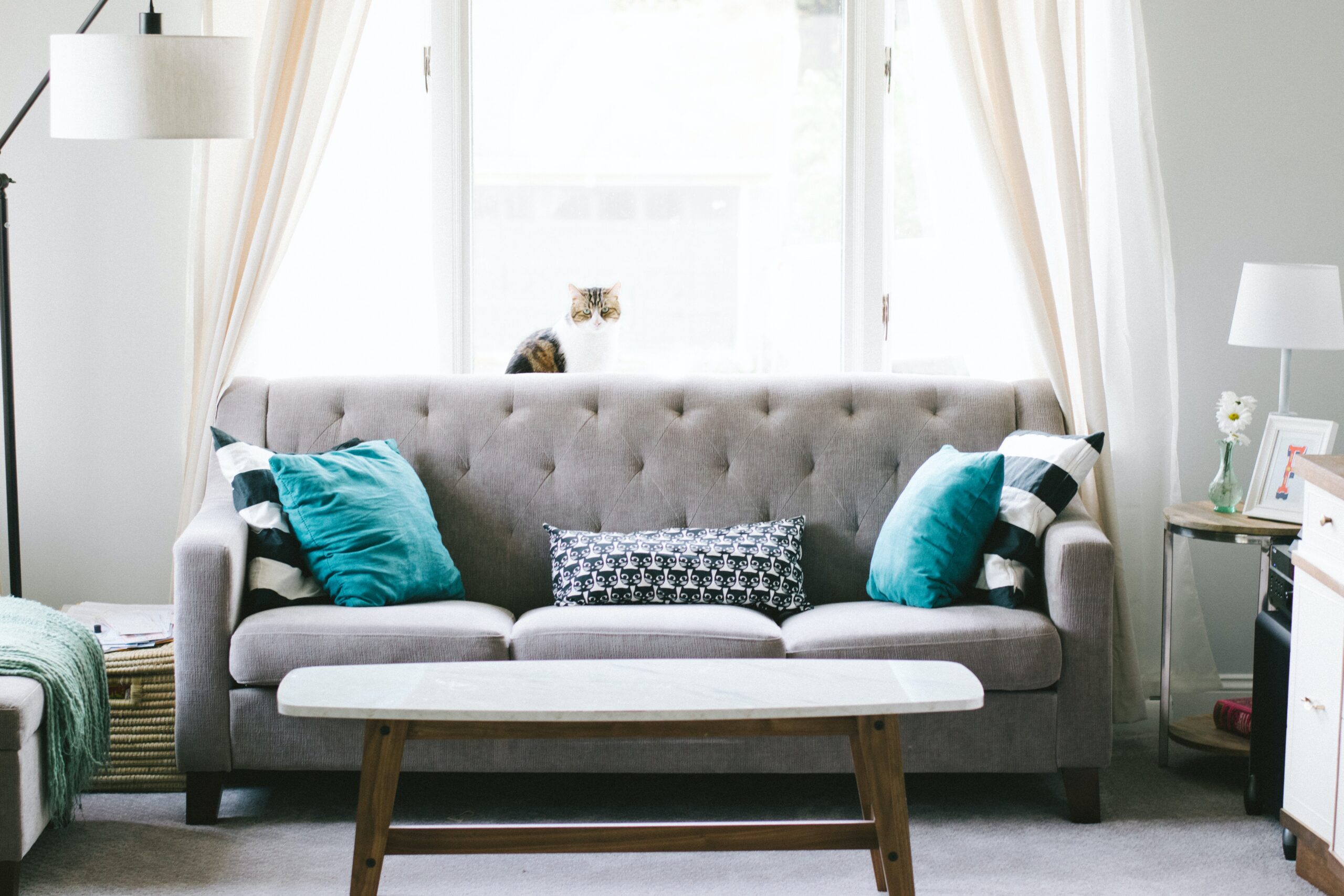
brown and white wooden table beside sofa chair

Rustic Chic Dining Room Lighting Fixtures

When it comes to creating the perfect ambiance in your dining room, lighting plays a crucial role. The right lighting fixtures can enhance the overall aesthetic and create a warm and inviting atmosphere. If you’re looking to add a touch of rustic chic to your dining space, here are some lighting fixture ideas that will elevate your decor.

1. Chandeliers

Chandeliers are a classic choice for dining room lighting, and they can easily incorporate the rustic chic style. Look for chandeliers made from materials like distressed wood, wrought iron, or brushed metal. Opt for designs that feature exposed bulbs or candle-style lights to add a vintage touch. Hang the chandelier above your dining table to create a focal point and illuminate the entire room.

2. Pendant Lights

Pendant lights are another popular option for dining room lighting. They come in various sizes and styles, making it easy to find the perfect rustic chic fixture for your space. Consider pendant lights with shades made from materials like rattan, burlap, or metal mesh. These natural and textured materials will add a rustic element to your dining room while providing focused lighting over the table.

3. Wall Sconces

For a more subtle lighting option, wall sconces are a great choice. They can be installed on the walls surrounding your dining area to create a warm and cozy atmosphere. Look for wall sconces with finishes like distressed bronze or antique brass to achieve a rustic look. You can also choose sconces with fabric or glass shades that complement your existing decor.

4. Rustic Lanterns

If you want to make a statement with your dining room lighting, consider using rustic lanterns. These fixtures are perfect for adding a touch of old-world charm to your space. Hang a large lantern above your dining table or cluster a few smaller lanterns together for a dramatic effect. Look for lanterns with weathered finishes and intricate details to enhance the rustic chic aesthetic.

5. Vintage Edison Bulbs

No rustic chic dining room is complete without the warm glow of vintage Edison bulbs. These bulbs have a unique filament design that adds a nostalgic and industrial touch to any space. You can use them with chandeliers, pendant lights, or even as standalone fixtures. Consider installing them in exposed bulb sockets or clear glass shades to showcase their vintage charm.

6. Natural Elements

Incorporating natural elements into your dining room lighting can further enhance the rustic chic style. Consider fixtures that feature elements like driftwood, rope, or antlers. These organic materials will bring a sense of nature indoors and add visual interest to your space. Whether it’s a chandelier with driftwood accents or pendant lights with rope detailing, these natural elements will elevate your dining room decor.

Remember, when choosing rustic chic dining room lighting fixtures, it’s essential to consider the size of your space, the height of your ceilings, and the overall style of your decor. By selecting the right fixtures, you can create a warm and inviting atmosphere that will make every meal a memorable experience.

Rustic Chic Dining Room Lighting Fixtures Read More »

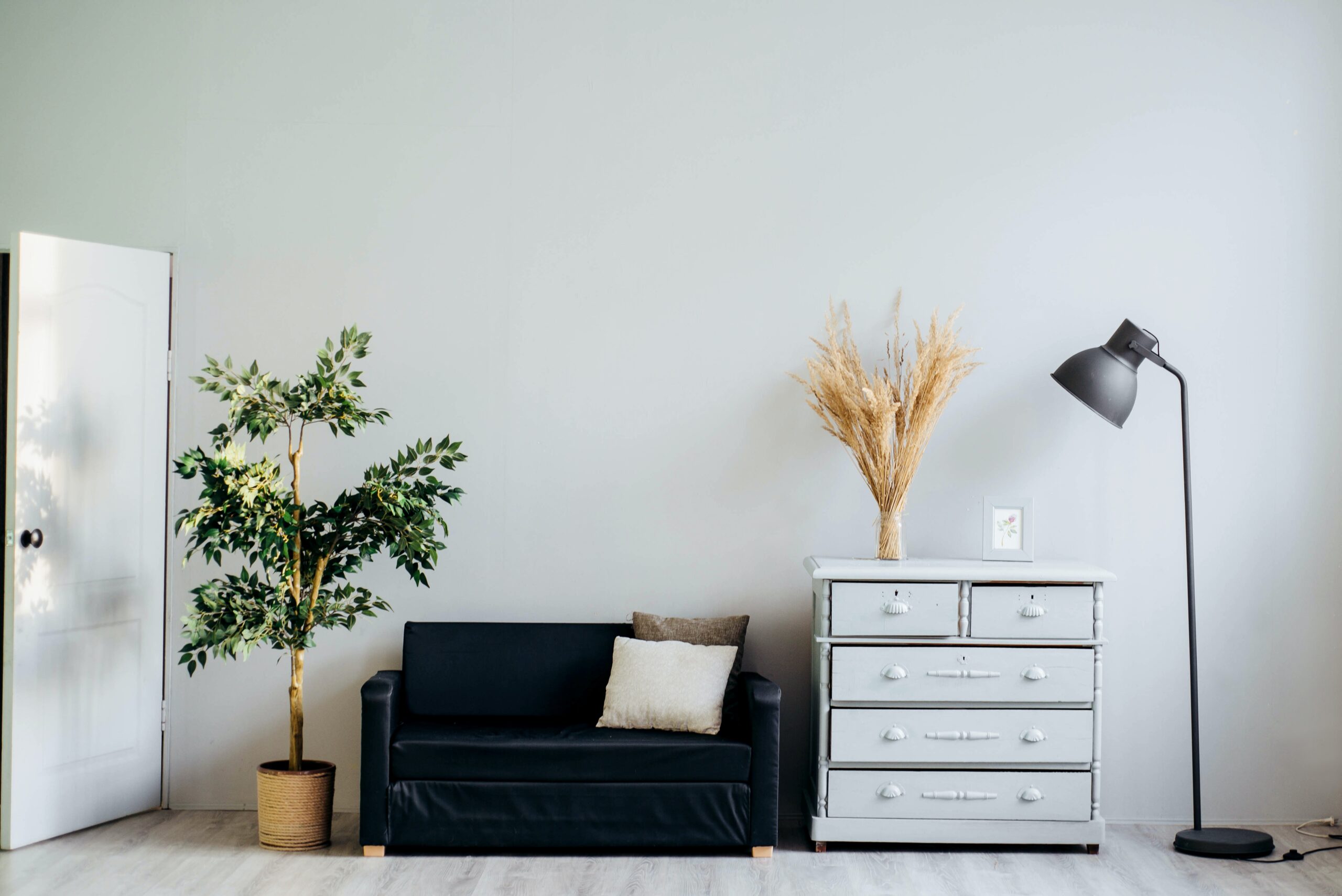
dresser beside sofa

Sustainable Living Room Furniture Options

Creating a sustainable living space is not only beneficial for the environment but also for your overall well-being. One area where you can make a significant impact is in your choice of furniture. By opting for sustainable living room furniture options, you can reduce your carbon footprint and contribute to a healthier planet. In this article, we will explore some sustainable furniture choices that can help you create an eco-friendly and stylish living room.

1. Reclaimed Wood Furniture

Reclaimed wood furniture is a great choice for those looking to add a touch of rustic charm to their living room while being environmentally conscious. This type of furniture is made from wood that has been salvaged from old buildings, barns, or other sources. By giving new life to old wood, you are not only reducing the demand for new trees to be cut down but also preventing valuable resources from going to waste.

2. Bamboo Furniture

Bamboo is a fast-growing and renewable resource that makes it an excellent choice for sustainable furniture. It is incredibly durable and has a natural beauty that can enhance the aesthetic appeal of your living room. Bamboo furniture is also known for its strength and versatility, making it a practical option for various furniture pieces such as chairs, tables, and shelves.

3. Upcycled Furniture

Upcycled furniture is created by repurposing old or discarded items and transforming them into something new and functional. This process not only reduces waste but also adds a unique and eclectic touch to your living room. From vintage suitcases turned into coffee tables to old doors transformed into bookshelves, the possibilities are endless when it comes to upcycled furniture.

4. Sustainable Fabrics

When choosing upholstery for your living room furniture, opt for sustainable fabrics such as organic cotton, hemp, or linen. These materials are grown without the use of harmful pesticides or synthetic fertilizers, making them safer for the environment and your health. Additionally, sustainable fabrics are often more durable and long-lasting, ensuring that your furniture will stand the test of time.

5. Non-Toxic Finishes

Many conventional furniture finishes contain harmful chemicals that can be released into the air over time, affecting indoor air quality. When selecting sustainable furniture, look for pieces that have been finished with non-toxic and eco-friendly finishes. These finishes are made from natural ingredients and do not emit harmful VOCs (volatile organic compounds), ensuring a healthier living environment.

6. Minimalist Design

Choosing furniture with a minimalist design not only adds a modern and sleek look to your living room but also promotes sustainability. By selecting pieces that are functional and timeless, you can reduce the need for frequent replacements and minimize waste. Additionally, minimalist furniture often requires fewer raw materials and energy during the manufacturing process.

7. Local and Handmade

Supporting local artisans and craftsmen is another way to make your living room more sustainable. By purchasing furniture that is locally made, you are reducing the carbon emissions associated with long-distance transportation. Additionally, handmade furniture often involves traditional techniques and quality craftsmanship, resulting in unique and long-lasting pieces.

Creating a sustainable living room doesn’t have to mean compromising on style or comfort. By considering these sustainable furniture options, you can design a space that reflects your values and contributes to a greener future. Make a conscious choice today and start enjoying the benefits of a sustainable living room.

Sustainable Living Room Furniture Options Read More »

white vanity sink

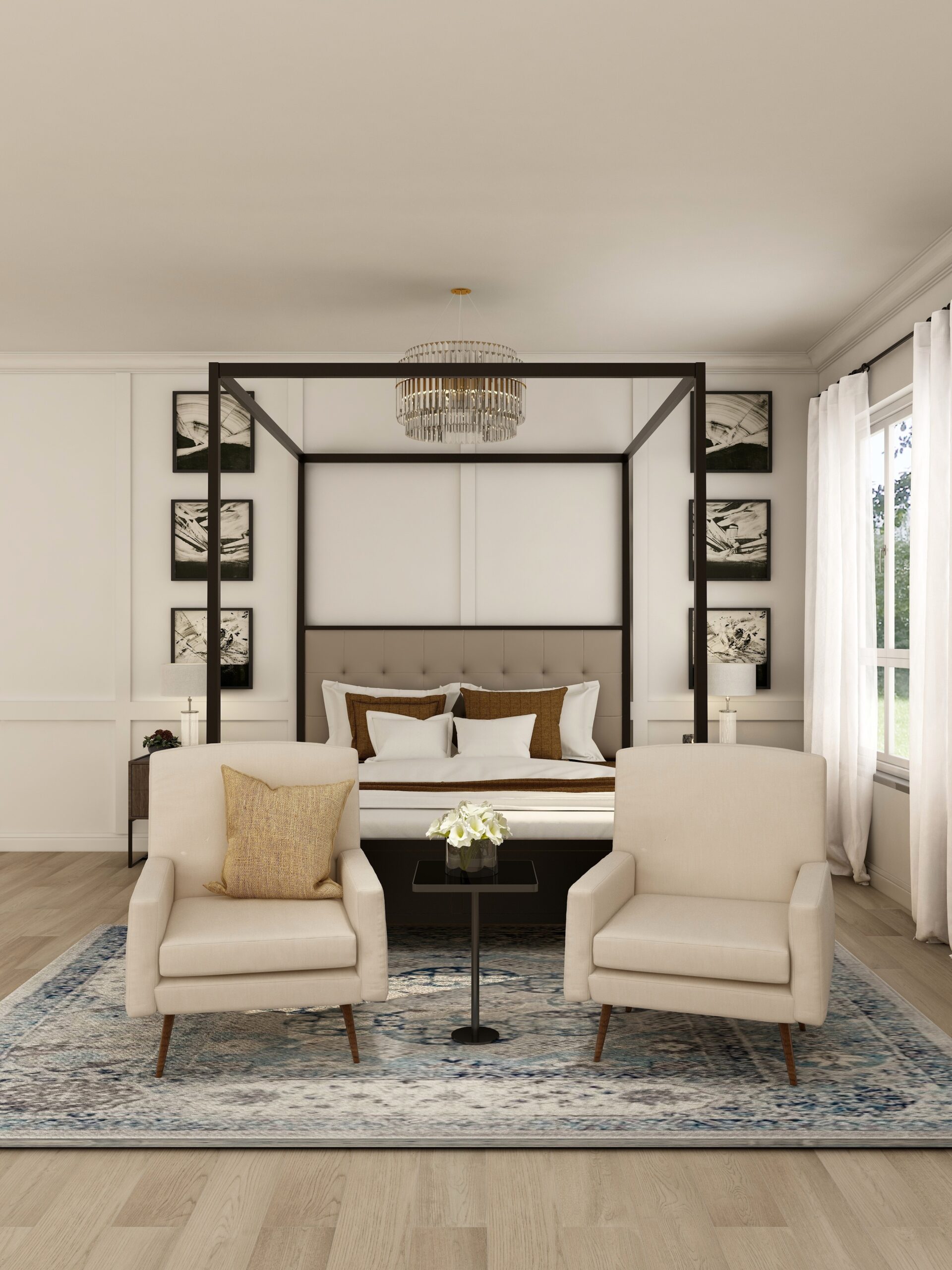
Luxurious Master Bedroom Color Schemes

When it comes to creating a luxurious master bedroom, choosing the right color scheme is essential. The colors you select can greatly impact the overall ambiance and mood of the room. From calming neutrals to bold and vibrant hues, there are endless possibilities to create a luxurious and inviting space. In this article, we will explore some of the most popular color schemes for a luxurious master bedroom.

1. Serene Neutrals

Neutrals are a timeless choice for a luxurious master bedroom. Shades of white, cream, beige, and gray can create a serene and sophisticated atmosphere. These colors provide a clean and calming backdrop that allows other elements in the room to shine. To add depth and interest, consider incorporating different textures and materials, such as plush bedding, velvet curtains, or a statement chandelier.

2. Rich Jewel Tones

If you want to make a bold statement in your master bedroom, consider using rich jewel tones. Colors like emerald green, sapphire blue, and amethyst purple can add an opulent and luxurious feel to the space. These vibrant hues can be used as accent colors on pillows, throws, or even as a feature wall. Pair them with metallic accents, such as gold or silver, to create a truly glamorous look.

3. Soft Pastels

For a romantic and dreamy atmosphere, soft pastel colors are an excellent choice. Shades of blush pink, baby blue, and lavender can create a soothing and feminine ambiance in your master bedroom. These delicate hues work well with light-colored furniture and accessories. To enhance the luxurious feel, incorporate soft fabrics like silk or velvet and add some floral accents for a touch of elegance.

4. Monochromatic Elegance

A monochromatic color scheme can create a sense of elegance and sophistication in your master bedroom. Choose a single color and use different shades and tones of that color throughout the room. For example, if you select a deep navy blue as your base color, use lighter shades of blue for the bedding, curtains, and accessories. This creates a cohesive and visually pleasing look that exudes luxury.

5. Earthy and Natural

For a more organic and earthy feel, consider using natural colors in your master bedroom. Shades of brown, green, and tan can create a warm and inviting atmosphere. Incorporate natural materials like wood, stone, or rattan to enhance the natural aesthetic. To add a touch of luxury, use rich textures like faux fur or velvet, and include some indoor plants for a fresh and calming vibe.

6. Classic Black and White

Black and white is a timeless color combination that never goes out of style. This sophisticated and chic color scheme can create a luxurious and dramatic look in your master bedroom. Use black as an accent color on furniture or accessories, and keep the rest of the room predominantly white. This creates a striking contrast and adds a touch of glamour to the space.

Remember, the key to creating a luxurious master bedroom is to choose a color scheme that reflects your personal style and preferences. Experiment with different colors and combinations to find the perfect balance between elegance and comfort. Whether you prefer neutral tones, bold jewel colors, or soft pastels, there is a color scheme that will transform your master bedroom into a luxurious retreat.

Luxurious Master Bedroom Color Schemes Read More »

white desk lamp beside green plant

Vintage-Inspired Home Office Organization Tips

Introduction

Working from home has become increasingly popular, and having a well-organized home office is essential for productivity and focus. If you love the charm and elegance of vintage style, incorporating it into your home office organization can create a unique and inspiring workspace. In this blog post, we will share some vintage-inspired home office organization tips to help you create a functional and aesthetically pleasing environment.

1. Antique Desk and Chair

The centerpiece of any home office is the desk. Look for an antique desk with beautiful craftsmanship and unique details. A vintage wooden desk with ornate carvings or a retro metal desk can add character to your workspace. Pair it with a vintage-inspired chair, such as a tufted leather office chair or a wooden chair with a woven cane back.

2. Vintage Storage Solutions

Storage is crucial for keeping your home office organized. Instead of using modern plastic bins and filing cabinets, opt for vintage-inspired storage solutions. Look for antique wooden file cabinets, vintage metal lockers, or old-fashioned suitcases that can be repurposed as storage containers. These vintage pieces not only provide functionality but also add a touch of nostalgia to your workspace.

3. Decorative Wall Art

Add a touch of vintage charm to your home office walls with decorative wall art. Look for vintage-inspired prints, botanical illustrations, or antique maps. Frame them in ornate vintage frames or display them using vintage-style clips and strings. The wall art not only adds visual interest but also creates a cozy and inviting atmosphere.

4. Vintage Desk Accessories

Enhance the vintage aesthetic of your home office with vintage desk accessories. Look for antique inkwells, vintage typewriters, or retro desk lamps. These small details can make a big difference in creating a cohesive vintage-inspired look. Not only are they functional, but they also serve as conversation starters and add a sense of nostalgia to your workspace.

5. Vintage-Inspired Organization Tools

Stay organized with vintage-inspired organization tools. Use vintage-style desk organizers, such as wooden trays, metal letter holders, or glass jars for storing pens and other office supplies. Vintage-inspired calendars and planners can also help you stay on top of your tasks while adding a touch of vintage charm to your workspace.

6. Vintage Bookshelves

No home office is complete without a bookshelf. Look for vintage bookshelves with intricate details and beautiful craftsmanship. Arrange your books with a mix of vintage and modern titles to create an eclectic look. Add vintage bookends or decorative objects to add visual interest to your bookshelf.

Conclusion

Creating a vintage-inspired home office can transform your workspace into a charming and inspiring environment. By incorporating antique furniture, vintage storage solutions, decorative wall art, vintage desk accessories, vintage-inspired organization tools, and vintage bookshelves, you can achieve a cohesive and aesthetically pleasing look. Remember to balance functionality with aesthetics to create a space that not only looks beautiful but also helps you stay organized and productive.

References

1. [Link to antique desk options]

2. [Link to vintage storage solutions]

3. [Link to vintage-inspired wall art]

4. [Link to vintage desk accessories]

5. [Link to vintage-inspired organization tools]

6. [Link to vintage bookshelf options]

Vintage-Inspired Home Office Organization Tips Read More »

unknown person holding clear glass ball

Eco-friendly Bathroom Decor Ideas

In today’s world, where sustainability and eco-consciousness are becoming increasingly important, it’s essential to consider eco-friendly options for every aspect of our lives, including our bathroom decor. By making conscious choices, we can create a stylish and environmentally friendly bathroom that reflects our commitment to a greener lifestyle. In this article, we will explore some eco-friendly bathroom decor ideas that will help you transform your bathroom into a sustainable oasis.

1. Use Natural Materials

One of the easiest ways to make your bathroom more eco-friendly is by using natural materials. Opt for sustainably sourced wood, bamboo, or cork for your flooring and cabinets. These materials are not only beautiful but also renewable and biodegradable.

When choosing bathroom accessories such as soap dishes, toothbrush holders, and tissue box covers, look for options made from natural materials like ceramic, glass, or even recycled materials. Avoid plastic or synthetic materials whenever possible.

2. Water-Saving Fixtures

Water conservation is a crucial aspect of creating an eco-friendly bathroom. Install low-flow showerheads and faucets that reduce water consumption without compromising on performance. These fixtures can significantly reduce water usage and help you save money on your water bill.

Consider installing a dual-flush toilet that provides two options for flushing, allowing you to use less water for liquid waste. Additionally, fix any leaks promptly to prevent water wastage.

3. Energy-Efficient Lighting

Switching to energy-efficient lighting is not only good for the environment but also for your wallet. Replace traditional incandescent bulbs with LED or CFL bulbs that consume less energy and last longer. These bulbs produce less heat, reducing the load on your air conditioning system.

Maximize natural light by keeping windows unobstructed or using sheer curtains. This will not only reduce the need for artificial lighting during the day but also create a bright and airy atmosphere in your bathroom.

4. Sustainable Shower Curtains

Most conventional shower curtains are made from vinyl, which is harmful to the environment and difficult to recycle. Instead, opt for eco-friendly alternatives such as hemp or organic cotton shower curtains. These materials are biodegradable and free from harmful chemicals.

If you prefer a more modern look, consider installing a glass shower door or a shower screen made from recycled glass. These options are not only eco-friendly but also add a touch of elegance to your bathroom.

5. Green Cleaning Products

When it comes to cleaning your bathroom, choose environmentally friendly cleaning products. Many conventional cleaning products contain harsh chemicals that can be harmful to both the environment and your health. Look for natural, biodegradable, and non-toxic alternatives that are safe for you and the planet.

You can also make your own cleaning solutions using simple ingredients like vinegar, baking soda, and lemon juice. These natural cleaners are effective, affordable, and eco-friendly.

6. Upcycle and Repurpose

Give old items a new lease on life by upcycling and repurposing them in your bathroom decor. For example, you can transform an old ladder into a towel rack or use mason jars as storage containers for toiletries.

Visit thrift stores or flea markets to find unique and vintage pieces that can add character to your bathroom. Not only will you be reducing waste by giving these items a second life, but you’ll also be creating a one-of-a-kind space.

7. Plants for Natural Beauty

Bring nature indoors by adding plants to your bathroom decor. Plants not only add a touch of natural beauty but also help purify the air by absorbing toxins and releasing oxygen.

Choose plants that thrive in humid environments, such as peace lilies, spider plants, or bamboo. These plants are low maintenance and can thrive in the bathroom’s typically higher humidity levels.

By incorporating these eco-friendly bathroom decor ideas into your space, you can create a stylish and sustainable oasis that aligns with your values. Remember, small changes can make a big difference when it comes to protecting the environment and creating a greener future.

Eco-friendly Bathroom Decor Ideas Read More »

black and gray elephant plush toy on brown wooden table

Bohemian Style Nursery Room Design

Introduction

Creating a nursery room is an exciting and special project for parents-to-be. If you’re looking for a unique and eclectic style, a bohemian-inspired nursery room design might be just what you need. The bohemian style is known for its free-spirited and artistic vibe, combining natural elements, vibrant colors, and a mix of patterns. In this blog post, we will explore the key elements and design tips to help you create a beautiful bohemian style nursery room.

Color Palette

When it comes to choosing colors for a bohemian nursery room, think warm and earthy tones. Opt for shades like terracotta, mustard yellow, dusty pink, and sage green. These colors create a calming and cozy atmosphere, perfect for a nursery. Consider incorporating pops of vibrant colors like turquoise or coral to add a playful touch.

Natural Materials

Using natural materials is a key element in bohemian design. Incorporate materials like wood, rattan, and woven fibers to bring a sense of nature into the nursery. Choose a wooden crib or dresser, add a rattan rocking chair, and hang macrame wall hangings or dreamcatchers. These elements will add texture and warmth to the space.

Patterns and Textiles

Bohemian style is all about mixing and matching patterns and textiles. Don’t be afraid to combine different prints like floral, geometric, or tribal patterns. Use patterned rugs, curtains, and throw pillows to add visual interest to the room. Choose textiles with natural fibers like cotton or linen for a cozy and comfortable feel.

Plants and Greenery

Bringing some greenery into the nursery will add life and freshness to the space. Place potted plants or hanging planters around the room. Not only do plants improve air quality, but they also create a calming and serene environment. Choose low-maintenance plants like succulents or spider plants that are safe for children.

Lighting

Lighting plays a crucial role in setting the mood in any room. In a bohemian nursery, opt for soft and warm lighting. Consider using string lights, floor lamps, or table lamps with warm-toned bulbs. These lighting fixtures will create a cozy and inviting ambiance, perfect for bedtime stories and cuddle time.

Personal Touches

Add personal touches to make the nursery feel unique and special. Display family photos, hang artwork, or create a gallery wall with inspirational quotes. Incorporate handmade items or heirlooms that hold sentimental value. These personal touches will make the nursery feel like a reflection of your family’s story.

Storage Solutions

Keeping the nursery organized is essential. Look for stylish storage solutions that blend seamlessly with the bohemian style. Consider using woven baskets, wooden crates, or vintage suitcases to store toys, books, and baby essentials. These storage options not only keep the room tidy but also add to the overall boho aesthetic.

Conclusion

Designing a bohemian style nursery room allows you to create a space that is both beautiful and functional. By incorporating warm colors, natural materials, patterns, and personal touches, you can create a unique and inviting atmosphere for your little one. Remember to keep the room organized with stylish storage solutions and add some greenery to bring life into the space. With these design tips, you’ll have a bohemian nursery room that is perfect for your baby to grow, play, and dream in.

Bohemian Style Nursery Room Design Read More »

brown wooden chairs and table

Space-saving Furniture for Small Living Rooms

Living in a small space can present unique challenges, especially when it comes to furnishing your living room. Limited square footage requires careful consideration of furniture choices to maximize functionality without sacrificing style. Fortunately, there are a variety of space-saving furniture options available that can help you make the most of your small living room. In this article, we will explore some innovative furniture ideas that can transform your compact living space into a comfortable and stylish haven.

1. Multi-functional Sofas

A sofa is typically the centerpiece of any living room, but in a small space, it needs to be more than just a seating area. Consider investing in a multi-functional sofa that can serve multiple purposes. There are sofas available with built-in storage compartments, pull-out beds, or even convertible designs that can transform into a dining table or workspace. These versatile options can help you optimize space while still providing the comfort and functionality you need.

2. Wall-mounted Shelves

When floor space is limited, utilizing vertical space becomes crucial. Wall-mounted shelves are an excellent solution for small living rooms, as they provide storage without taking up valuable floor space. Install shelves above your sofa or along an empty wall to display books, decorative items, or even to store everyday essentials. This not only adds functionality but also adds visual interest to your living room.

3. Nesting Tables

Instead of a traditional coffee table, consider using nesting tables in your small living room. These tables come in sets of two or three, with each table fitting neatly under the other when not in use. When you need additional surface area for drinks or snacks, simply pull out the smaller tables. Nesting tables are not only space-saving but also provide flexibility in arranging your living room layout.

4. Wall-mounted TV

Mounting your TV on the wall can free up valuable floor space in a small living room. Opt for a slim, wall-mounted TV that blends seamlessly with your decor. This not only saves space but also creates a sleek and modern look. To further maximize space, consider using a TV stand with built-in storage for media devices and accessories.

5. Folding Furniture

Folding furniture is a game-changer when it comes to small living rooms. Look for foldable chairs, tables, or even wall-mounted desks that can be easily tucked away when not in use. This allows you to create more space for activities or to accommodate guests when needed. Folding furniture is not only practical but also adds versatility to your living room.

6. Ottoman with Storage

An ottoman with hidden storage is a great addition to a small living room. It serves as both a footrest and a storage solution for blankets, pillows, or other items. Choose an ottoman that complements your sofa and provides extra seating when needed. This dual-purpose furniture piece can help keep your living room organized and clutter-free.

7. Floating Shelves

In addition to wall-mounted shelves, floating shelves can be a stylish and space-saving option for displaying decor or storing small items. These shelves appear to “float” on the wall without any visible brackets, creating a clean and minimalist look. Install floating shelves above your TV or around a window to add functional storage without sacrificing style.

8. Sliding Doors or Room Dividers

In a small living room, it’s essential to maximize privacy without sacrificing space. Consider using sliding doors or room dividers to separate different areas within your living room. Sliding doors can be used to close off a home office or hide cluttered storage areas, while room dividers can create distinct zones for lounging, dining, and working. These options provide flexibility in defining your living space while maintaining an open and airy feel.

By incorporating these space-saving furniture ideas into your small living room, you can create a functional and stylish space that feels larger than it actually is. Remember to choose furniture pieces that serve multiple purposes, utilize vertical space, and have hidden storage options. With the right furniture choices, your small living room can become a cozy and inviting retreat.

Space-saving Furniture for Small Living Rooms Read More »

a person using a laptop

Affordable DIY Home Office Decorating Tips

Introduction

In today’s world, more and more people are working from home. Whether you have a dedicated home office or just a small corner to work in, it’s important to create a space that is functional and inspiring. However, decorating a home office can be expensive. That’s why we’ve put together this list of affordable DIY home office decorating tips to help you create a stylish and productive workspace without breaking the bank.

1. Repurpose and Reuse

One of the easiest and most cost-effective ways to decorate your home office is to repurpose and reuse items you already have. Look around your house for unused furniture, such as a small table or bookshelf, that can be transformed into a desk or storage space. Get creative and think outside the box!

2. Paint and Wallpaper

A fresh coat of paint or some stylish wallpaper can instantly transform a dull home office into a vibrant and inspiring space. Choose colors and patterns that reflect your personal style and make you feel motivated. Remember to opt for eco-friendly and low VOC paints to ensure a healthy work environment.

3. DIY Artwork

Add a personal touch to your home office by creating your own artwork. You don’t have to be a professional artist to make something beautiful. Try painting a canvas, creating a collage, or framing inspiring quotes. Not only will this save you money, but it will also make your workspace feel unique and special.

4. Organize with Style

An organized workspace is essential for productivity. Invest in affordable storage solutions, such as baskets, bins, and file holders, to keep your desk clutter-free. You can also repurpose items like mason jars or shoeboxes for storage. Get creative and make organizing a stylish part of your home office decor.

5. Lighting Matters

Good lighting is crucial for a comfortable and productive home office. Maximize natural light by positioning your desk near a window. If natural light is limited, invest in a desk lamp or floor lamp that provides bright, task lighting. Consider LED bulbs for energy efficiency and a cool, white light that mimics natural daylight.

6. Greenery and Plants

Add some life to your home office by incorporating plants and greenery. Not only do plants improve air quality, but they also create a calming and inviting atmosphere. Choose low-maintenance plants, such as succulents or snake plants, that require minimal care. Place them on your desk or shelves for a touch of nature.

7. Personalize with Accessories

Add personality to your home office by incorporating accessories that reflect your interests and hobbies. Display family photos, hang inspiring artwork, or showcase your favorite books. These personal touches will make your workspace feel warm and inviting, and they won’t cost a fortune.

8. Create a Comfortable Workspace

Lastly, don’t forget to make your home office comfortable. Invest in a supportive chair that promotes good posture, and add a cozy rug or cushions to make the space feel inviting. Consider adding a small coffee or tea station to keep you refreshed throughout the day. A comfortable workspace is essential for productivity and overall well-being.

Conclusion

Decorating your home office doesn’t have to be expensive. With these affordable DIY tips, you can create a stylish and functional workspace without breaking the bank. Remember to repurpose and reuse items, get creative with paint and artwork, and personalize your space with accessories. By following these tips, you’ll have a home office that inspires productivity and makes you feel excited to work.

Affordable DIY Home Office Decorating Tips Read More »

two orange sofa chairs inside room

Eclectic Dining Room Interior Design Inspiration

Introduction

When it comes to designing a dining room, there are countless styles to choose from. One style that has gained popularity in recent years is eclectic dining room interior design. This style allows for a mix of different elements, creating a unique and visually appealing space. In this blog post, we will explore eclectic dining room interior design and provide inspiration for creating your own eclectic dining room.

What is Eclectic Dining Room Interior Design?

Eclectic dining room interior design is all about combining different styles, colors, patterns, and textures to create a cohesive and visually interesting space. It is a style that embraces individuality and allows for personal expression. With eclectic dining room interior design, you can mix and match furniture, lighting, artwork, and accessories to create a space that reflects your unique taste and personality.

Key Elements of Eclectic Dining Room Interior Design

There are several key elements that contribute to the overall aesthetic of an eclectic dining room:

  • Color: In eclectic dining room interior design, you have the freedom to use bold and vibrant colors. Consider using a mix of complementary or contrasting colors to create visual interest.
  • Furniture: Mix and match different styles of furniture to create an eclectic look. For example, pair a modern dining table with vintage chairs.
  • Texture: Incorporate different textures through textiles, such as rugs, curtains, and upholstery. This adds depth and visual appeal to the space.
  • Artwork: Hang artwork on the walls that reflects your personal style. This could include paintings, photographs, or even a gallery wall of eclectic pieces.
  • Lighting: Choose unique and eye-catching lighting fixtures to enhance the eclectic vibe of the dining room.
  • Accessories: Decorate the dining room with a mix of accessories, such as vases, candles, and decorative objects. These small details can tie the whole room together.

Inspiration for Eclectic Dining Room Interior Design

Now that you have an understanding of what eclectic dining room interior design entails, let’s explore some inspiration:

1. Bohemian Chic

For a bohemian chic dining room, incorporate vibrant colors, patterns, and natural elements. Mix and match different types of seating, such as chairs and benches, and add plenty of plants for a fresh and lively atmosphere.

2. Modern Eclectic

Create a modern eclectic dining room by combining sleek and minimalist furniture with bold and colorful accents. Use geometric patterns and metallic finishes to add a contemporary touch.

3. Vintage Glam

For a touch of old Hollywood glamour, go for a vintage-inspired eclectic dining room. Incorporate luxurious fabrics, such as velvet and silk, and add crystal chandeliers for a touch of elegance.

4. Rustic Eclectic

Combine rustic elements, such as reclaimed wood and natural textures, with eclectic pieces to create a cozy and inviting dining room. Use warm, earthy tones and incorporate vintage-inspired lighting fixtures for a rustic chic look.

5. Global Fusion

Create a global fusion dining room by incorporating elements from different cultures and regions. Mix and match patterns and textiles from around the world to create a vibrant and eclectic space.

Conclusion

Eclectic dining room interior design offers endless possibilities for creating a unique and visually appealing space. By combining different styles, colors, patterns, and textures, you can create a dining room that reflects your personal style and taste. Whether you prefer a bohemian chic, modern eclectic, vintage glam, rustic eclectic, or global fusion look, there are plenty of inspiration and ideas to help you get started. So, embrace your creativity and have fun designing your own eclectic dining room!

Eclectic Dining Room Interior Design Inspiration Read More »

grayscale photo of man riding atv

Cozy Bedroom Decor for Small Spaces

Creating a cozy and inviting bedroom is essential for any home, especially when you have limited space to work with. Small bedrooms can often feel cramped and cluttered, but with the right decor and design choices, you can transform your space into a cozy sanctuary. In this blog post, we will explore some creative ideas for decorating small bedrooms to make them feel warm and inviting.

1. Choose the Right Colors

The color palette you choose for your bedroom can greatly impact the overall feel of the space. In small bedrooms, it’s best to stick to light and neutral colors to create an open and airy atmosphere. Shades of white, cream, and pastels can make the room feel larger and more inviting. Consider using soft, muted tones for the walls, bedding, and curtains to create a cohesive and calming look.

2. Optimize Storage Space

One of the biggest challenges in small bedrooms is finding enough storage space for all your belongings. To maximize the space available, invest in multifunctional furniture pieces with built-in storage. For example, a bed with drawers underneath or a nightstand with shelves can provide additional storage without taking up extra floor space. Utilize vertical space by installing floating shelves or wall-mounted organizers to keep your belongings organized and within reach.

3. Utilize Mirrors

Mirrors are a great trick to create an illusion of space in small bedrooms. Hang a large mirror on one wall or opt for a mirrored wardrobe or dresser to reflect light and make the room appear larger. Mirrors can also add a touch of elegance and sophistication to your bedroom decor.

4. Add Soft Lighting

The right lighting can instantly transform a small bedroom into a cozy oasis. Avoid harsh overhead lighting and opt for softer, ambient lighting instead. Use a combination of table lamps, floor lamps, and wall sconces to create a warm and inviting atmosphere. Consider installing dimmer switches to adjust the lighting according to your mood and needs.

5. Incorporate Textures

Add depth and visual interest to your small bedroom by incorporating different textures. Consider using a variety of fabrics for your bedding, such as soft cotton or plush velvet. Layering textures with throw pillows, blankets, and rugs can create a cozy and inviting atmosphere. Don’t be afraid to mix and match different textures to add personality and warmth to your space.

6. Create a Reading Nook

If you have a small corner or alcove in your bedroom, transform it into a cozy reading nook. Add a comfortable chair or a small loveseat, a side table, and a floor lamp to create a dedicated space for relaxation and reading. This will not only make your bedroom feel more inviting but also provide a practical and functional area for you to unwind.

7. Declutter Regularly

Lastly, to maintain a cozy and organized bedroom, make it a habit to declutter regularly. Small spaces can quickly feel cluttered and overwhelming if there are too many unnecessary items. Keep only the essentials in your bedroom and find creative storage solutions for items that don’t belong there. A clutter-free space will instantly make your bedroom feel more spacious and inviting.

By following these tips and tricks, you can transform your small bedroom into a cozy and inviting retreat. Remember to keep the decor simple, utilize storage space effectively, and create a calming atmosphere with the right colors and lighting. With a little creativity and attention to detail, even the smallest of bedrooms can become a haven of comfort and relaxation.

Cozy Bedroom Decor for Small Spaces Read More »

white and black living room set

Cozy Bedroom Decor for Small Spaces

Creating a cozy and inviting bedroom is essential for relaxation and a good night’s sleep. When it comes to small spaces, it can be a challenge to find the right balance between functionality and comfort. However, with the right decor choices and clever design ideas, you can transform your small bedroom into a cozy oasis. In this article, we will explore some tips and ideas to help you create a cozy bedroom decor for small spaces.

1. Choose the Right Colors

The color scheme you choose for your bedroom can greatly impact its overall cozy feel. Opt for warm and soothing colors such as soft neutrals, earth tones, and pastels. These colors create a sense of calmness and serenity, making your small bedroom feel more inviting. Avoid using bold and vibrant colors, as they can make the space feel overwhelming and cramped.

2. Utilize Natural Light

Maximizing natural light is crucial for small spaces. It not only makes the room feel brighter and more spacious but also enhances the cozy atmosphere. Avoid heavy drapes or curtains that block out natural light. Instead, opt for sheer or light-colored curtains that allow sunlight to filter through. Additionally, strategically placing mirrors opposite windows can help reflect natural light and create an illusion of a larger space.

3. Optimize Storage Solutions

In small bedrooms, clutter can quickly make the space feel cramped and chaotic. To create a cozy atmosphere, it’s important to keep your bedroom organized and clutter-free. Invest in smart storage solutions such as under-bed storage containers, wall-mounted shelves, and multi-functional furniture like ottomans with hidden storage. By maximizing storage options, you can keep your belongings out of sight and create a more serene and inviting space.

4. Layer Textures and Fabrics

Adding layers of textures and fabrics is a great way to create a cozy and inviting atmosphere in your small bedroom. Incorporate soft and plush materials such as faux fur rugs, cozy blankets, and fluffy pillows. Mix and match different textures like velvet, knit, and linen to add depth and visual interest to the space. These tactile elements will not only make your bedroom look cozier but also provide a sense of comfort.

5. Create a Reading Nook

If space allows, consider creating a cozy reading nook in your small bedroom. Dedicate a corner or a small alcove for a comfortable chair or a window seat with soft cushions and a small side table. This little nook will serve as a perfect spot for relaxation, reading, or simply enjoying a cup of tea. Enhance the cozy ambiance by adding a warm throw blanket and a small bookshelf filled with your favorite books.

6. Add Soft Lighting

The right lighting can greatly contribute to the cozy atmosphere of your small bedroom. Avoid harsh overhead lighting and opt for soft, warm, and diffused lighting instead. Consider using table lamps, floor lamps, or wall sconces to create a soft and intimate glow. Dimmer switches are also a great addition as they allow you to adjust the lighting according to your mood and create a more relaxed ambiance.

7. Personalize with Decorative Elements

Add a personal touch to your small bedroom by incorporating decorative elements that reflect your style and personality. Hang artwork or photographs that bring you joy and create a sense of nostalgia. Display a collection of your favorite books or decorative objects on shelves or a bedside table. These personal touches will not only make the space feel cozier but also make it uniquely yours.

Creating a cozy bedroom decor for small spaces is all about finding the right balance between functionality and comfort. By choosing the right colors, maximizing natural light, optimizing storage solutions, layering textures, creating a reading nook, adding soft lighting, and personalizing with decorative elements, you can transform your small bedroom into a cozy sanctuary where you can relax and unwind.

Cozy Bedroom Decor for Small Spaces Read More »

green glass vase on brown wooden table

Minimalist Living Room Interior Design Ideas

Introduction

In today’s fast-paced world, many people are embracing minimalist living as a way to simplify their lives and create a sense of calm in their homes. The living room, being the heart of the house, is an excellent place to start incorporating minimalist design principles. In this article, we will explore some minimalist living room interior design ideas that will help you create a stylish and clutter-free space.

1. Neutral Color Palette

When it comes to minimalist design, a neutral color palette is key. Opt for shades of white, beige, gray, or muted pastels to create a serene and timeless look in your living room. These colors not only make the space feel larger but also provide a blank canvas for adding pops of color through accessories or artwork.

2. Streamlined Furniture

Choose furniture pieces with clean lines and simple silhouettes. Avoid ornate details or excessive embellishments. Opt for a comfortable sofa, a couple of armchairs, and a coffee table. Keep the furniture arrangement open and spacious, allowing for easy movement and a sense of flow in the room.

3. Declutter and Organize

Avoid clutter at all costs in a minimalist living room. Keep only the essentials and find creative storage solutions for hiding away any items that may disrupt the clean aesthetic. Invest in stylish storage baskets, wall-mounted shelves, or built-in cabinets to keep everything organized and out of sight.

4. Natural Materials

Incorporate natural materials such as wood, stone, or bamboo to add warmth and texture to your living room. Choose furniture and decor items made from these materials to bring a touch of nature indoors. Not only do they add visual interest, but they also promote a sense of calm and tranquility.

5. Simple Window Treatments

Keep your window treatments minimal and unobtrusive. Opt for sheer curtains or blinds that allow natural light to filter into the room. Avoid heavy drapes or excessive patterns that can overpower the space. The goal is to let the outside view take center stage and create a seamless connection with the outdoors.

6. Thoughtful Lighting

Lighting plays a crucial role in minimalist design. Aim for a combination of natural and artificial lighting to create a well-lit and inviting living room. Use recessed ceiling lights or track lighting to provide ambient lighting, and incorporate floor or table lamps for task lighting. Consider installing dimmer switches to adjust the intensity of the light according to your needs.

7. Limited Decor

In a minimalist living room, less is more when it comes to decor. Choose a few carefully curated pieces that have meaning to you rather than filling the space with unnecessary knick-knacks. Opt for simple artwork, a few well-placed plants, or a statement piece that adds personality to the room without overwhelming it.

8. Open Space

One of the defining characteristics of minimalist design is open space. Avoid overcrowding your living room with too much furniture or accessories. Embrace a sense of minimalism by leaving negative space around the furniture and allowing the room to breathe. This will create a calm and spacious atmosphere that promotes relaxation.

Conclusion

Creating a minimalist living room is all about simplicity, functionality, and visual appeal. By incorporating these interior design ideas, you can transform your living room into a stylish and clutter-free space that promotes a sense of calm and well-being. Remember, less is more, and each element should serve a purpose in creating a harmonious and inviting living environment.

Minimalist Living Room Interior Design Ideas Read More »

“Coloring Creativity: Unleashing the Power of Color Psychology in Office Design”

Introduction

In the canvas of office interior design, color is a brushstroke that goes beyond aesthetics—it influences mood, productivity, and overall well-being. As an interior designer passionate about the transformative power of color, I invite you to explore the realm of color psychology in creating a motivational and invigorating workspace. Join me on a journey where every hue is a potential source of inspiration and motivation.

1. The Language of Color: Understanding Emotional Impact

Warm Colors: Energizing the Space

  • Red: Symbolizing passion and energy, red is known to stimulate and increase heart rates. Introduce red in collaborative areas or spaces where a burst of energy is beneficial.
  • Orange: Radiating warmth and optimism, orange promotes creativity and enthusiasm. Use orange accents in areas where innovation and ideation are encouraged.
  • Yellow: Associated with happiness and positivity, yellow fosters a sense of optimism. Implement yellow in areas where natural light is limited, or as accents to promote a cheerful atmosphere.

2. Creating a Calming Oasis: The Cool Color Palette

Blue: Instilling a sense of calm and focus, blue is often associated with productivity. Consider blue in areas where concentration is key, such as individual workstations or quiet zones.

Green: Symbolizing balance and growth, green has a calming effect and is linked to improved concentration. Incorporate green in common areas or spaces where a connection with nature is desired.

Purple: Evoking creativity and luxury, purple can be used sparingly to add a touch of sophistication. Consider purple in decor elements or accent pieces for a refined aesthetic.

3. Neutrals: Versatility and Timelessness

White: Representing purity and clarity, white creates an open and airy feel. Use white as a base color to enhance natural light and provide a clean canvas for other vibrant hues.

Gray: Conveying sophistication and balance, gray serves as a versatile backdrop. Pair gray with pops of color to add depth and visual interest to the workspace.

Brown: Emanating a sense of stability and reliability, brown can be used in furniture and decor elements to ground the space. Wooden textures, in particular, contribute to a warm and inviting atmosphere.

4. Color Zones: Tailoring Hues to Different Work Areas

Focus Areas:

Choose calming and neutral colors for spaces dedicated to focused work. Blues, greens, and muted tones create an environment conducive to concentration and productivity.

Collaborative Spaces:

Infuse energizing and warm colors in collaborative areas to promote creativity and dynamic interactions. Reds, oranges, and vibrant hues can stimulate conversation and idea generation.

Breakout Zones:

In areas designed for relaxation and breaks, consider soothing blues, greens, or even soft purples to create a calming retreat for employees to recharge.

5. Personalization and Brand Identity: A Unique Palette

Reflecting Brand Values:

Incorporate brand colors strategically to reinforce the company’s identity and values. Align the color scheme with the brand’s personality and the desired atmosphere within the workspace.

Personalizing Workstations:

Allow employees to personalize their workstations with colors that resonate with them. This personal touch not only enhances comfort but also contributes to a sense of ownership and well-being.

6. Lighting Dynamics: Illuminating the Color Story

Natural Light:

Maximize natural light to showcase the true colors of the space. Large windows and open layouts contribute to a vibrant and uplifting atmosphere.

Artificial Lighting:

Consider the impact of artificial lighting on color perception. Warm white lighting complements warm color tones, while cool white lighting pairs well with cool color tones.

Conclusion

Color is a silent yet powerful storyteller in the narrative of office design. By understanding the emotional impact of each hue and strategically incorporating them into different areas of the workspace, you can create an environment that not only motivates and inspires but also enhances the overall well-being of the individuals within it.

As you embark on the exciting journey of infusing color psychology into office interior design, remember that the palette you choose is not just a design decision—it’s a catalyst for creativity, a source of motivation, and a reflection of the vibrant culture you aspire to cultivate within your workspace.

“Coloring Creativity: Unleashing the Power of Color Psychology in Office Design” Read More »

“Adaptable by Design: The Art of Crafting Multi-Functional Office Spaces”

Introduction

In the dynamic landscape of modern work, where versatility is key, the concept of multi-functional office spaces has become a cornerstone of effective design. As an interior designer committed to shaping environments that evolve with the needs of the workforce, I’m excited to delve into the world of adaptability. Join me on a journey where form meets function, and every square foot is designed to be a canvas for productivity and creativity.

1. Flexible Furniture Solutions: Designing for Agility

Modular Workstations:

Invest in modular workstations that can be easily reconfigured. Adjustable desks, movable partitions, and flexible seating arrangements empower employees to adapt their workspace based on the nature of their tasks and projects.

Collaborative Hubs:

Create collaborative hubs with movable furniture and interactive tools. These hubs can serve as flexible meeting spaces, brainstorming areas, or even temporary project workstations. The key is to provide an environment that can transform to support diverse team activities.

2. Dynamic Layouts: Adapting to Varied Workstyles

Zoning Techniques:

Implement zoning techniques to delineate different functional areas within the office. By strategically grouping workstations, collaborative spaces, and private retreats, you create a dynamic layout that adapts to the varying workstyles and preferences of employees.

Activity-Based Design:

Design the space based on activities rather than fixed departments. Incorporate areas specifically tailored for focused work, collaborative efforts, informal meetings, and relaxation. This activity-based approach ensures that the office is equipped for a range of tasks.

3. Technology Integration: Seamless Connectivity

Wireless Infrastructure:

Ensure a robust wireless infrastructure that supports seamless connectivity throughout the office. This allows employees to move freely and use technology in various spaces without being tethered to a specific location.

Mobile Technology:

Provide employees with mobile technology tools such as laptops, tablets, and wireless presentation systems. This empowers them to work from different areas within the office, fostering a culture of mobility and adaptability.

4. Transformative Meeting Spaces: From Formal to Casual

Convertible Meeting Rooms:

Design meeting rooms with flexible furniture and movable walls. This allows spaces to transition from formal boardrooms to open collaboration areas, adapting to different meeting sizes and styles.

Informal Gathering Spaces:

Incorporate informal gathering spaces with comfortable seating and interactive displays. These areas serve as impromptu meeting spots, encouraging spontaneous collaboration and providing employees with a change of scenery.

5. Smart Storage Solutions: Concealing and Revealing

Concealed Storage:

Integrate concealed storage solutions that keep clutter at bay. Desks with built-in storage, sliding panels, and modular cabinets allow employees to maintain a tidy workspace while having easy access to their essentials.

Reconfigurable Shelving:

Use reconfigurable shelving units that can adapt to changing needs. Whether it’s showcasing products, displaying project materials, or creating privacy barriers, these versatile shelving units add both functionality and aesthetic appeal.

6. Well-Defined Flex Zones: Embracing Variety

Quiet Retreats:

Design quiet retreats or private nooks where employees can retreat for focused work or contemplation. These spaces offer a respite from the hustle and bustle of the open office, supporting individual concentration.

Lively Social Areas:

Incorporate lively social areas with comfortable seating, games, or even kitchenettes. These spaces provide employees with a change of scenery and encourage social interaction, contributing to a positive and vibrant office culture.

Conclusion

Multi-functional office spaces are a testament to the adaptability required in the contemporary workplace. By embracing flexible furniture solutions, dynamic layouts, technology integration, transformative meeting spaces, smart storage solutions, and well-defined flex zones, you can create an environment that not only accommodates diverse work activities but also fosters a culture of innovation and collaboration.

As you embark on the design journey for multi-functional office spaces, remember that adaptability is not just a feature—it’s a mindset. Each design element should serve as a tool for employees to shape their work environment, fostering a sense of empowerment and ownership in the ever-evolving landscape of the modern workplace.

“Adaptable by Design: The Art of Crafting Multi-Functional Office Spaces” Read More »

“Wellness at Work: A Blueprint for Designing Employee-Centric Office Spaces”

Introduction

In the ever-evolving landscape of office design, the spotlight has shifted from mere functionality to a holistic approach that prioritizes employee well-being. As an interior designer committed to creating spaces that nurture both body and mind, I’m thrilled to explore the realm of wellness-centric office spaces. Join me on a journey where design becomes a catalyst for improved health, productivity, and overall workplace satisfaction.

1. Biophilic Design: Bringing Nature Indoors

The Nature Connection:

Integrate biophilic design elements that bring the outdoors inside. Incorporate natural light, indoor plants, and materials that mimic nature. This not only enhances the aesthetic appeal of the space but also contributes to stress reduction and improved focus.

Green Workspaces:

Create dedicated green spaces within the office. Whether it’s a lush corner filled with plants, a rooftop garden, or vertical green walls, providing employees with access to nature has been shown to boost mood and overall well-being.

2. Ergonomic Workstations: Prioritizing Comfort and Health

Adaptable Furniture:

Invest in ergonomic furniture that supports varying work styles. Adjustable desks, ergonomic chairs, and accessories like monitor stands contribute to comfort and reduce the risk of musculoskeletal issues.

Wellness-Centric Layouts:

Design workstations and collaborative spaces with employee health in mind. Consider the placement of furniture to promote good posture, natural body movement, and accessibility to wellness features like standing desks or balance ball chairs.

3. Natural Light Optimization: Illuminating Well-Being

Maximizing Daylight:

Prioritize natural light in office design. Position workstations near windows, use glass partitions, and avoid obstructing natural light sources. Exposure to daylight is known to regulate circadian rhythms and improve sleep quality.

Smart Lighting Systems:

Implement smart lighting systems that mimic natural light throughout the day. Adjustable color temperatures and intensity levels can create a dynamic lighting environment that supports concentration during work hours and relaxation during breaks.

4. Mindful Break Areas: Retreats for Rejuvenation

Designated Break Spaces:

Allocate specific areas for breaks and relaxation. Create cozy nooks with comfortable seating, calming colors, and possibly views of nature. These retreats provide employees with a mental escape and foster a sense of tranquility.

Meditation and Quiet Rooms:

Designate spaces for meditation or quiet reflection. These rooms, equipped with comfortable seating and minimal distractions, provide employees with an opportunity to recharge and manage stress.

5. Wellness-Focused Amenities: Nourishing the Body and Mind

Healthy Snack Stations:

Promote healthy eating habits by incorporating well-stocked snack stations with nutritious options. This encourages mindful eating and provides a convenient alternative to unhealthy food choices.

Fitness Facilities:

If space allows, consider integrating fitness facilities or dedicated areas for exercise. This could include a gym, yoga studio, or even workout zones equipped with exercise equipment. Physical activity has proven benefits for both physical and mental well-being.

6. Flexible and Agile Spaces: Supporting Work-Life Harmony

Agile Work Environments:

Design flexible spaces that accommodate various work styles and preferences. Include quiet areas for focused work, collaborative zones for team projects, and comfortable lounges for informal meetings. This flexibility supports work-life balance and enhances overall job satisfaction.

Remote Work Integration:

Acknowledge the evolving nature of work by incorporating elements that support remote work. Provide ergonomic furniture, technology infrastructure, and collaborative tools that facilitate a seamless transition between office and remote environments.

Conclusion

Wellness-centric office spaces are more than a design trend; they represent a paradigm shift in how we approach the relationship between work and well-being. By incorporating biophilic design, prioritizing ergonomic workstations, optimizing natural light, creating mindful break areas, offering wellness-focused amenities, and designing flexible workspaces, we can shape environments that not only meet the practical needs of work but also contribute to the physical and mental health of those who inhabit them.

As you embark on the journey of designing a wellness-centric office, remember that each element is a building block in the foundation of a space that fosters not only productivity but also a culture of care and support for the individuals who make the workplace come alive.

“Wellness at Work: A Blueprint for Designing Employee-Centric Office Spaces” Read More »

“Industrial Elegance: A Guide to Crafting Chic Office Decor with Raw Appeal”

Introduction

In the world of office design, the marriage of industrial and chic aesthetics has given rise to a trend that is as visually captivating as it is functional. As an interior designer enamored with the allure of contrast, I’m excited to delve into the realm of industrial chic office decor. Join me on a journey where raw, rugged elements meet refined elegance, creating a workspace that not only tells a story but also inspires productivity.

1. Defining Industrial Chic: A Symphony of Contrast

Embracing Raw Elements:

  • Exposed Structures: Celebrate the inherent beauty of exposed beams, ductwork, and raw concrete. These elements add an industrial edge that sets the foundation for the overall aesthetic.
  • Metal Finishes: Incorporate metal finishes, such as steel or iron, for a touch of industrial authenticity. From furniture accents to lighting fixtures, metal brings a robust and enduring quality to the decor.

Infusing Refined Elegance:

  • Sophisticated Furnishings: Balance the rugged with the refined by selecting furnishings with clean lines and elegant shapes. Think about leather upholstery, sleek desks, and statement pieces that exude sophistication.
  • Luxurious Textures: Soften the industrial edges with luxurious textures like plush rugs, velvet upholstery, and decorative throw pillows. These elements add warmth and comfort to the overall ambiance.

2. A Palette of Contrast: Merging Dark and Light

Industrial Palette:

  • Earthy Tones: Embrace earthy tones like grays, browns, and deep blues for an industrial foundation. These colors complement the raw materials and create a grounding effect.
  • Exposed Brick: If possible, showcase exposed brick walls for a quintessential industrial aesthetic. The texture and warmth of brick add character to the space.

Refined Palette:

  • Neutral Hues: Infuse refined elegance with neutral hues like whites, creams, and soft pastels. These colors create a sense of airiness and balance against the industrial backdrop.
  • Metallic Accents: Introduce metallic accents in gold, brass, or chrome to elevate the refined aesthetic. Metallic finishes add a touch of glamour without compromising the industrial essence.

3. Strategic Lighting Choices: Illuminating the Contrast

Industrial Lighting:

  • Pendant Lights: Opt for industrial-style pendant lights with exposed bulbs or metal shades. These fixtures not only provide ample illumination but also serve as statement pieces that anchor the industrial vibe.
  • Task Lighting: Incorporate functional task lighting with metal or matte black finishes. Desk lamps and adjustable fixtures contribute to the utilitarian charm of industrial chic decor.

Refined Lighting:

  • Chandeliers: Introduce chandeliers with elegant designs for a refined touch. Crystal or glass chandeliers can serve as focal points, adding a layer of sophistication to the overall lighting scheme.
  • Table Lamps: Enhance refined elegance with decorative table lamps. Choose bases with intricate details or artistic designs that complement the chic aesthetic.

4. Statement Art and Decor: Balancing Bold and Subtle

Industrial Accents:

  • Large-scale Artwork: Make a statement with large-scale industrial artwork, such as metal sculptures or abstract paintings. These pieces add drama and personality to the space.
  • Repurposed Elements: Consider incorporating repurposed industrial elements, such as salvaged machinery parts or factory gears, as decorative accents. These pieces tell a story of the space’s industrial history.

Refined Accents:

  • Gallery Walls: Curate gallery walls with refined artwork, framed photographs, or abstract prints. The juxtaposition of sleek frames against industrial backdrops creates a captivating visual contrast.
  • Botanical Elements: Soften the space with botanical elements, such as potted plants or floral arrangements. Greenery adds a touch of nature and refinement to the industrial chic decor.

5. Flexible Workspaces: Adapting to Modern Needs

Industrial Flexibility:

  • Open Layouts: Embrace the industrial trend of open layouts, allowing the space to breathe and promoting collaboration. Exposed structures and open spaces contribute to the industrial charm.
  • Modular Furniture: Opt for modular and versatile furniture that complements the adaptable nature of industrial decor. Mobile workstations and flexible seating arrangements enhance functionality.

Refined Functionality:

  • Ergonomic Design: Prioritize ergonomic design for refined functionality. Chic office chairs, adjustable desks, and smart storage solutions contribute to a workspace that seamlessly blends style with practicality.
  • Technology Integration: Conceal technology seamlessly within the decor. Invest in cable management solutions and integrate technology into furniture design for a polished and sophisticated look.

Conclusion

Crafting an industrial chic office space is an artful dance between raw, industrial elements and refined, sophisticated aesthetics. By embracing the contrast, incorporating strategic design choices, and carefully curating the overall ambiance, you can create a workspace that not only embodies the essence of industrial chic but also inspires creativity and productivity.

As you embark on this design journey, remember that industrial chic is not just a style; it’s a narrative. Each exposed beam, elegant furnishing, and curated accent piece contributes to the story of a workspace that seamlessly marries the rugged with the refined, resulting in an environment that is as visually captivating as it is functional.

“Industrial Elegance: A Guide to Crafting Chic Office Decor with Raw Appeal” Read More »

“Harmony in Open Spaces: Acoustic Solutions for Noise Reduction in Modern Offices”

Introduction

In the symphony of the modern workplace, noise can either be a disruptive discord or a harmonious melody. As an interior designer attuned to the needs of contemporary offices, I’m excited to delve into the world of acoustic solutions. Join me on a journey where we explore the importance of acoustics in open office designs and discover practical strategies to create an environment where focus thrives and productivity soars.

1. Understanding the Impact of Noise in Open Offices

The Challenge:

Open office designs, while fostering collaboration, often face the challenge of increased noise levels. Conversations, phone calls, and the hum of technology can create a cacophony that hampers concentration and productivity.

The Solution:

Recognizing the impact of noise is the first step. By understanding the specific sources and patterns of noise in your open office, you can tailor acoustic solutions to address these challenges effectively.

2. Strategic Furniture Placement: Defining Acoustic Zones

The Challenge:

An open layout can contribute to sound traveling freely across the space, creating a constant hum of activity that can be distracting.

The Solution:

Strategically place furniture to act as barriers and define acoustic zones. This can help in creating distinct areas for focused work, collaboration, and casual conversations. Furniture with acoustic properties, such as sound-absorbing panels, can be particularly effective in mitigating noise.

3. Ceiling Clouds and Baffles: Taming the Acoustic Landscape

The Challenge:

The ceiling is often an overlooked contributor to noise issues in open offices, with sound bouncing off hard surfaces.

The Solution:

Install acoustic ceiling clouds or baffles to absorb sound and reduce reverberation. These suspended acoustic treatments not only enhance the aesthetic appeal of the space but also significantly contribute to noise reduction.

4. Carpeting and Soft Flooring: Muffling the Footfall

The Challenge:

Hard flooring surfaces can amplify noise from footsteps and the movement of office furniture.

The Solution:

Incorporate carpeting or soft flooring materials strategically to dampen sound. This is particularly effective in high-traffic areas and can contribute to a quieter and more comfortable workspace.

5. Acoustic Wall Panels: Functional Art for Noise Reduction

The Challenge:

Bare walls can contribute to sound reflection, exacerbating noise levels in open office designs.

The Solution:

Adorn your walls with acoustic panels that serve as both functional solutions and artistic statements. These panels absorb sound, reduce echo, and can be customized to enhance the overall aesthetic of the workspace.

6. Personalized Workstations: Creating Individual Sanctuaries

The Challenge:

A lack of personal space can contribute to a feeling of noise overload for individual employees.

The Solution:

Design personalized workstations with dividers or acoustic screens to create individual sanctuaries. These private spaces not only offer a quiet retreat but also contribute to a sense of ownership and well-being.

7. Green Acoustics: Harnessing the Power of Plants

The Challenge:

Traditional acoustic solutions may feel impersonal or institutional.

The Solution:

Integrate green acoustics by incorporating plants into your open office design. Not only do plants contribute to a healthier indoor environment, but they also have acoustic benefits by absorbing sound and reducing background noise.

Conclusion

In the evolution of open office designs, acoustics play a pivotal role in shaping the overall experience. By strategically implementing acoustic solutions, from furniture placement to ceiling treatments and personalized workstations, you can create a harmonious environment where the melody of productivity prevails over the noise of distraction.

As you orchestrate the design of your open office, remember that the symphony of acoustics is a dynamic and multifaceted composition. Embrace the challenge, listen to the unique needs of your space, and harmonize the elements to create an open office that is not only visually stunning but also acoustically sublime.

“Harmony in Open Spaces: Acoustic Solutions for Noise Reduction in Modern Offices” Read More »

“The Office Dilemma: Striking the Right Balance Between Open-Concept and Private Cubicles”

Introduction

The design of a workspace is more than just an aesthetic choice; it profoundly impacts how teams collaborate, communicate, and thrive. As an interior designer navigating the ever-evolving landscape of office design, I’m excited to delve into the discussion of open-concept offices versus private cubicles. Join me on a journey to find the delicate balance that aligns with the diverse needs of your team and fosters a harmonious work environment.

1. Open-Concept Offices: Fostering Collaboration

Pros:

  • Enhanced Collaboration: Open spaces encourage spontaneous interactions and seamless communication, fostering a collaborative atmosphere that can lead to increased creativity.
  • Flexible Layouts: The absence of physical barriers allows for easy reconfiguration of space, accommodating various work styles and team sizes.
  • Aesthetic Appeal: Open-concept designs often convey a modern and dynamic aesthetic, attracting talent and reflecting a forward-thinking company culture.

Cons:

  • Noise and Distractions: The very openness that encourages collaboration can also lead to increased noise levels and distractions, potentially impacting focus and productivity.
  • Lack of Privacy: Individuals may feel a lack of personal space and privacy in an open layout, which could affect their comfort and well-being.

2. Private Cubicles: Prioritizing Focus and Individual Space

Pros:

  • Enhanced Focus: Cubicles provide a dedicated and enclosed workspace, minimizing distractions and promoting focused, individual work.
  • Privacy: Employees working in cubicles have a heightened sense of privacy, which can be crucial for tasks that require concentration or confidentiality.
  • Personalization: Cubicles offer individuals the opportunity to personalize their workspace, fostering a sense of ownership and comfort.

Cons:

  • Reduced Visibility: The enclosed nature of cubicles can limit visibility and hinder spontaneous communication, potentially impacting collaboration and team dynamics.
  • Potential Isolation: Employees in cubicles may feel isolated or disconnected from their colleagues, leading to a sense of detachment from the broader team.

3. Finding the Right Balance: A Hybrid Approach

Solutions:

  • Activity-Based Zones: Designate specific areas for focused work, collaborative efforts, and team interactions. This approach allows employees to choose the environment that best suits their immediate needs.
  • Flexibility in Design: Create adaptable spaces that can be transformed based on the nature of tasks and projects. Movable partitions, modular furniture, and flexible layouts provide the versatility needed for a dynamic work environment.
  • Communication Hubs: Introduce designated communication hubs or breakout areas where teams can gather for discussions, fostering collaboration while minimizing disruptions in the main workspace.

Conclusion

The choice between open-concept offices and private cubicles is not a binary decision. Instead, it’s an opportunity to design a workspace that reflects the unique culture and workflow of your organization. By incorporating elements of both concepts and finding the right balance, you can create an environment that prioritizes collaboration, individual focus, and overall well-being.

As you navigate the intricacies of office design, remember that the key lies in understanding the specific needs and preferences of your team. Whether it’s an open, collaborative space or private cubicles that provide focus and privacy, the ideal office design is one that empowers individuals and enhances collective productivity.

“The Office Dilemma: Striking the Right Balance Between Open-Concept and Private Cubicles” Read More »

“Beyond Workspace: Crafting a Signature Experience with Boutique Office Interiors”

Introduction

In the realm of office design, the term “boutique” evokes a sense of curated elegance and uniqueness. As an interior designer with a passion for creating spaces that tell a story, I am thrilled to delve into the world of boutique office interiors. Join me on a journey where design transcends functionality, weaving the brand’s narrative into the very fabric of the workspace.

1. Define Your Brand Identity: The Blueprint for Design

Before any design decisions are made, delve into the essence of your brand. What values, colors, and themes define your identity? Understanding your brand’s DNA is the first step in creating a boutique office interior that aligns seamlessly with your narrative.

2. Curated Color Palette: Painting with Purpose

Use a curated color palette to evoke specific emotions and reinforce your brand identity. Whether it’s bold and vibrant hues or subdued, sophisticated tones, each color should have a purpose. Consider how the colors resonate with your brand story and the atmosphere you want to create.

3. Customized Brand Signage: Marking Your Territory

Incorporate customized brand signage to make a bold statement. From logo placements to inspirational quotes, strategically designed signage reinforces brand presence and adds a touch of sophistication. Opt for unique materials and finishes to elevate the visual impact.

4. Flexible Workspaces: Adapting to Company Culture

Boutique offices often embrace a dynamic company culture. Design flexible workspaces that can adapt to various needs—whether it’s collaborative brainstorming sessions, individual focus time, or team gatherings. Versatility ensures that the space aligns with the evolving nature of the brand.

5. Themed Meeting Rooms: Spaces with a Purpose

Transform meeting rooms into thematic spaces that tell a part of your brand story. Whether it’s a room inspired by the company’s history, values, or industry, these themed spaces create a unique and memorable experience for both employees and clients.

6. Curated Art and Decor: Stories on the Walls

Infuse personality into the office with curated art and decor. Consider collaborating with local artists or commissioning pieces that reflect your brand’s narrative. Art has the power to communicate emotions and values, making it an integral part of boutique office interiors.

7. Luxurious Lounge Areas: Elevating Employee Experience

Introduce luxurious lounge areas that go beyond traditional break rooms. Comfortable seating, high-quality materials, and thoughtful design elements elevate the employee experience, reinforcing the idea that the workspace is more than just a place to work—it’s an extension of the brand lifestyle.

8. Branded Amenities: Elevating the Experience

Extend your brand into everyday amenities. Branded coffee stations, personalized office supplies, and thematic decor items contribute to a cohesive and immersive brand experience. These small touches reinforce the brand’s identity in the daily lives of those who inhabit the space.

Conclusion

Boutique office interiors are a canvas for storytelling, allowing brands to weave their narratives into every design element. By understanding the essence of the brand, utilizing a curated color palette, and incorporating unique elements such as customized signage and themed meeting rooms, you can create a workspace that not only reflects your brand’s identity but also provides an unparalleled experience for everyone who enters.

As you embark on the journey of designing boutique office interiors, remember that each detail contributes to the overall brand story. It’s not just about creating a workspace; it’s about crafting an environment that resonates with the spirit of your brand, making every day a unique and inspiring experience.

“Beyond Workspace: Crafting a Signature Experience with Boutique Office Interiors” Read More »

Scroll to Top